Hurghada
Hurghada, Egypt
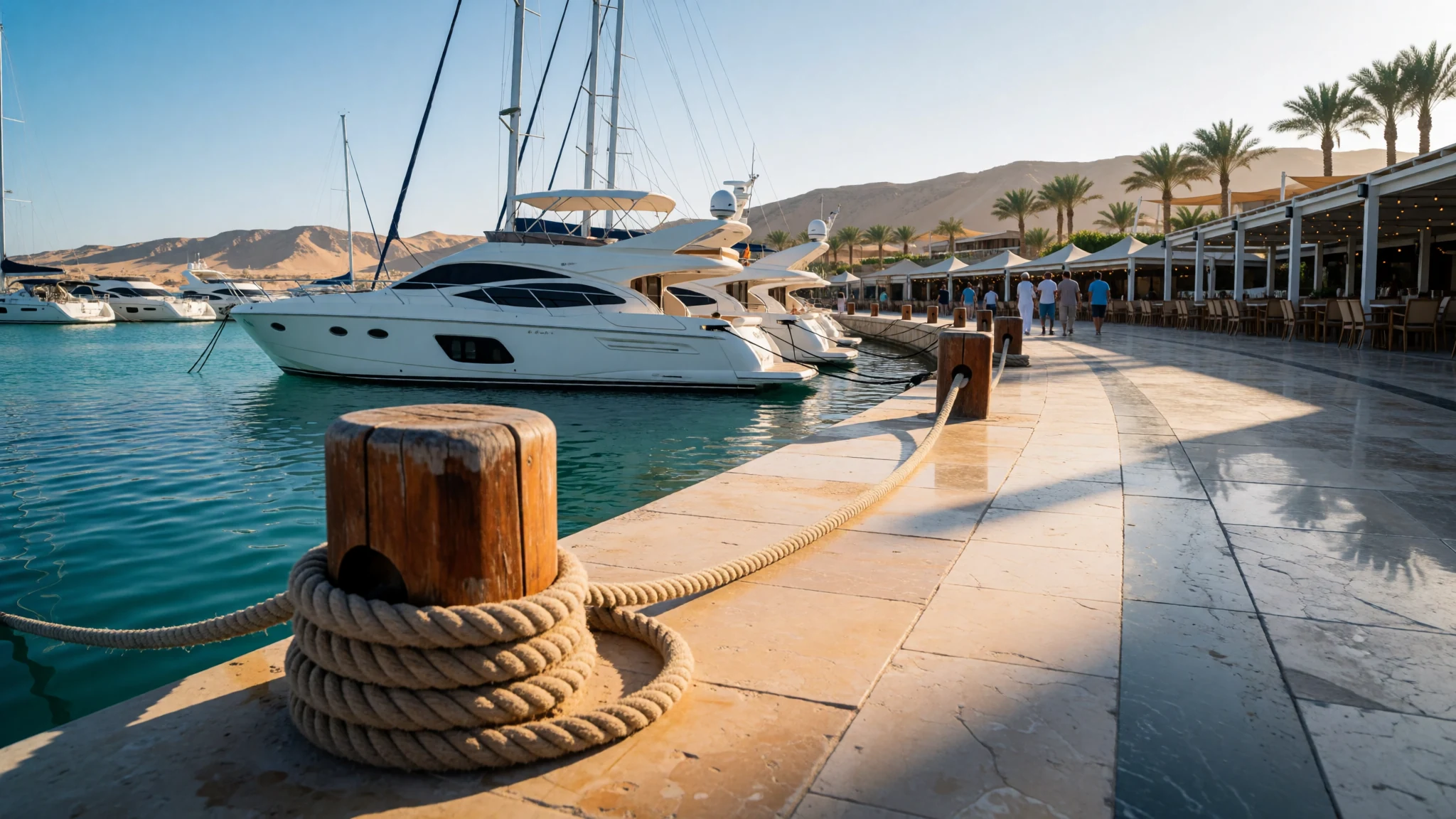
Hurghada is a Red Sea resort city in Egypt, with coral islands, a working harbour and desert mountains behind the beach.
The place
Hurghada (الغردقة) is a resort city in Egypt's Red Sea Governorate, on the western shore of the sea at an elevation of only 11 metres. Its population is 214247. Ras Gharib lies north, Safaga south, open water east and the Red Sea Mountains west. El Dahar is the older commercial town, El Saqqala (Sekalla) the old fishing harbour, and El Ahyaa the third of the main districts. El Gouna, Sahl Hasheesh, Soma Bay and Makadi Bay continue the same coast as planned holiday towns of lagoons, marinas and hotel compounds.
Giftun, Umm Qamar, Magawish, Abu Ramada, Abu Minqar, Fanadir and Shadwan are the city's offshore islands. Giftun is the one boats actually fill: sand, a reef edge, no village. Beaches, snorkelling, diving and wind sports are the day. Windsurfing and parasailing run off the hotel beaches when the breeze is up, and the marina handles the dive boats. Behind the hotels the ground turns to bare mountain, so the city is a thin inhabited line between rock and sea.
The fishing village has not vanished. El Dahar still runs on shops and tea, a short walk from resort gates, while the southern shore is hotels, water parks and private beaches for people who land by air and stay inside the compound. Summers are fiercely hot, the kind months are crowded, and the official visitor information is at https://hurghada.com/.
Its story
Hurghada's shore was occupied long before anyone built a hotel. North of the present city, Abu Sha'ar began as a Roman garrison of the unit Ala Nova Maximiana. Soldiers' quarters later served a Christian congregation, which made a church of the fort. Inscriptions, scratched graffiti, a papyrus and a cloth worked with a cross survived the change. The community dwindled once Egypt had passed through Persian Sasanian rule and the Arab arrival; which of those shocks emptied the site is still argued.
Today's Hurghada comes from Ababda fishers who kept their boats at Sekalla, a sheltered bend of coast. The place received its official founding in 1905. Anglo-Egyptian Oilfields Ltd then struck petroleum nearby, and the settlement worked at fish and oil rather than at visitors. Tourism was not yet the work of the town. King Farouk's state added a leisure complex for sea holidays. When Nasser brought industry under public ownership, that complex passed to the army.
Shadwan, east of Hurghada, took a harder role in the Egypt-Israel War of Attrition, when Egyptian troops manned the island and kept a radar watch there. Those layers are still in the town. Sekalla remembers the boats, the army and the oil years sit behind the holiday strip, and Abu Sha'ar shows a fort and a church on a coast that package tourism now treats as a beach.
What to see
- Giftun Island — offshore Red Sea, by boat from the marina
Giftun is Hurghada's usual island day: an uninhabited Red Sea islet reached by boat, with pale sand and coral close to shore. Fish crowd the reef, so the pattern is a swim, a snorkel and a slow hour under shade. Boats leave the marina and return the same day. The island has no village, only beach and coral, and the sand is busy whenever the sea is calm.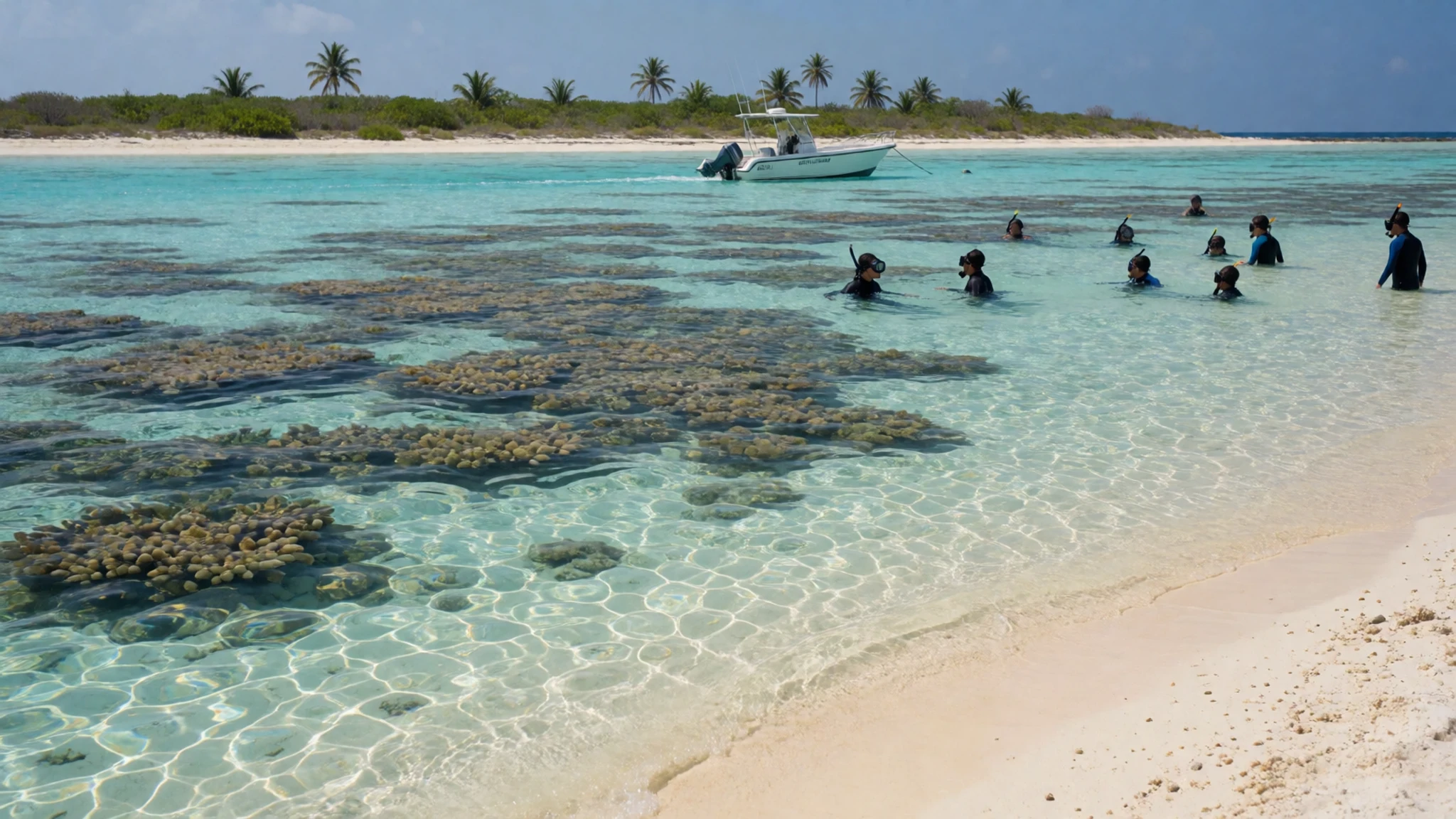
- El Sawaky Beach — central Hurghada shore
El Sawaky is a public beach in Hurghada itself, wider and quieter than the southern hotel bays. It suits a plain swim. Shade and drinking water matter, since this shore is not lined with resort buffets. The sea is the same clear Red Sea water, and the open sand shows the city's everyday coast rather than a fenced compound. Mornings are the comfortable hours once summer heat sets in.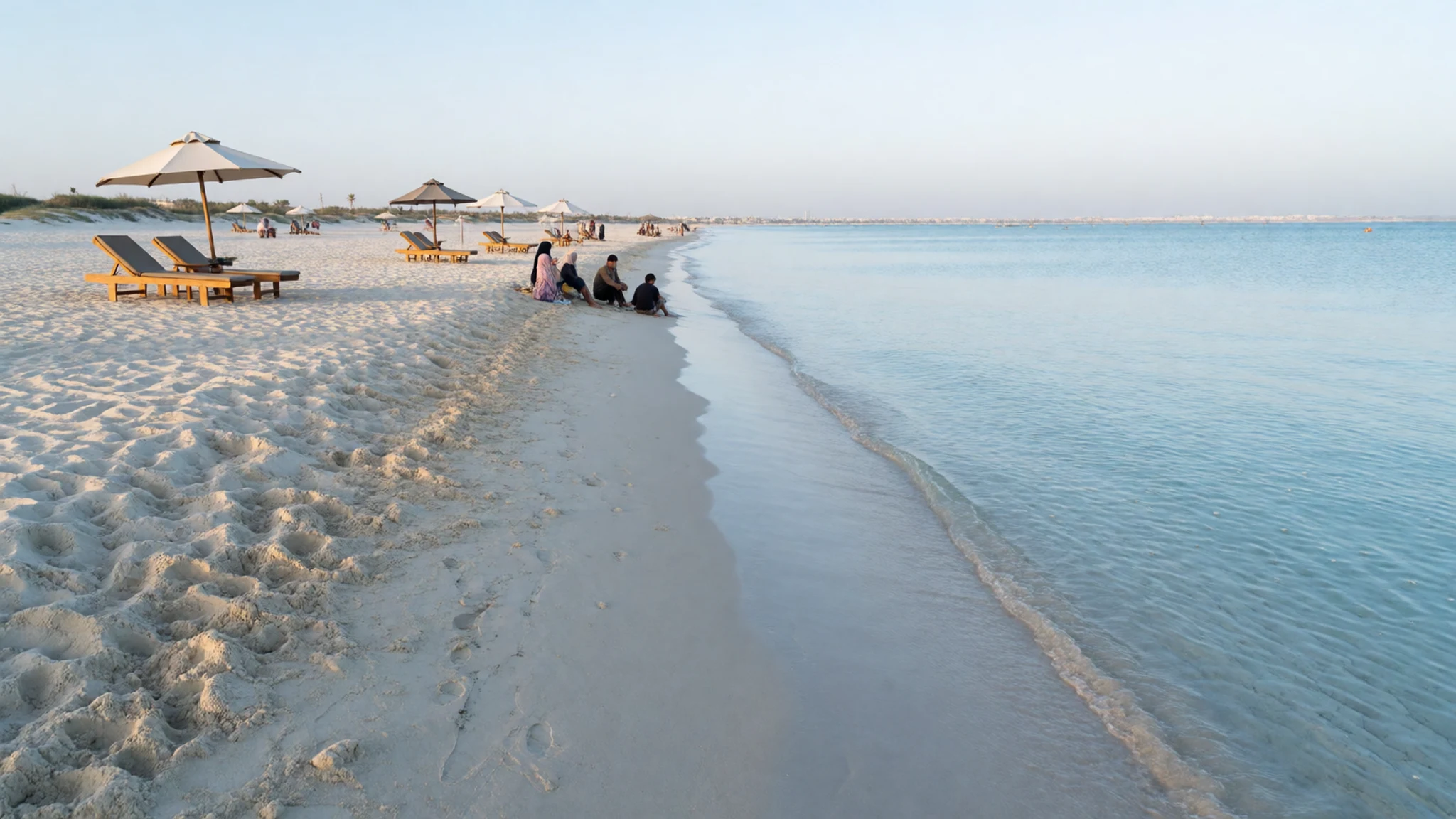
- Hurghada Marina — Hurghada Marina
Hurghada's marina is the city's show waterfront: dive boats hosed down at first light, cafes along the quay, and day-boats loading for Giftun. Longer live-aboard trips toward the offshore reefs leave from the same basin, so mornings smell of fuel and wetsuits. Egyptian families and visitors from Europe and Russia share the promenade. The water inside the breakwater is calm, a small harbour set against the open Red Sea.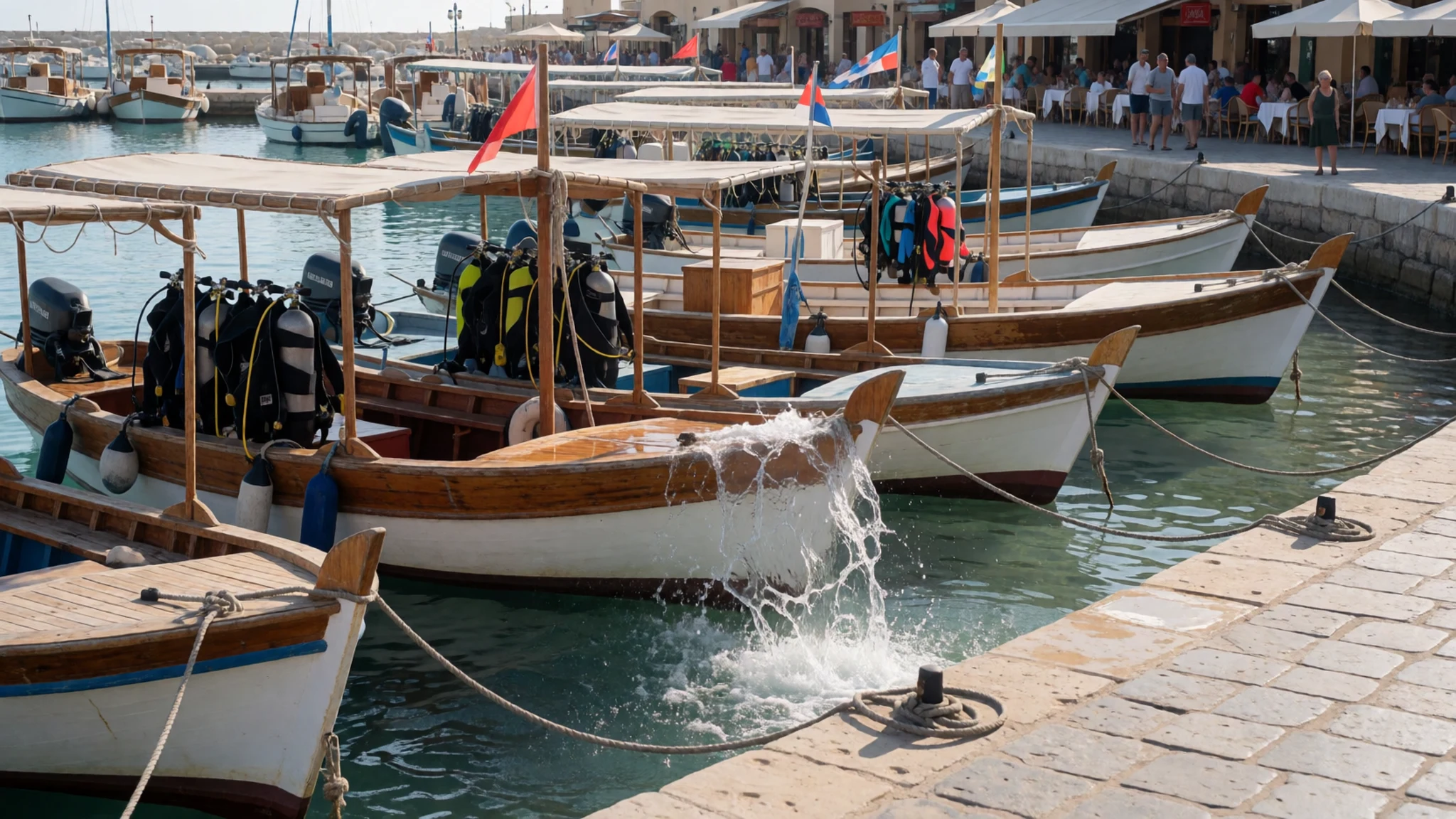
- Red Sea Mountains — west of the city, Eastern Desert
The Red Sea Mountains rise west of Hurghada, a wall of dry rock between the city and the Eastern Desert. From the coast they look bare: thin soil, sharp ridges, and wadis that fill only after rare rain. A short way inland the resort lawns stop and the ground is stone and dust. That edge is the clearest picture of Hurghada — a holiday shore pressed against empty mountain.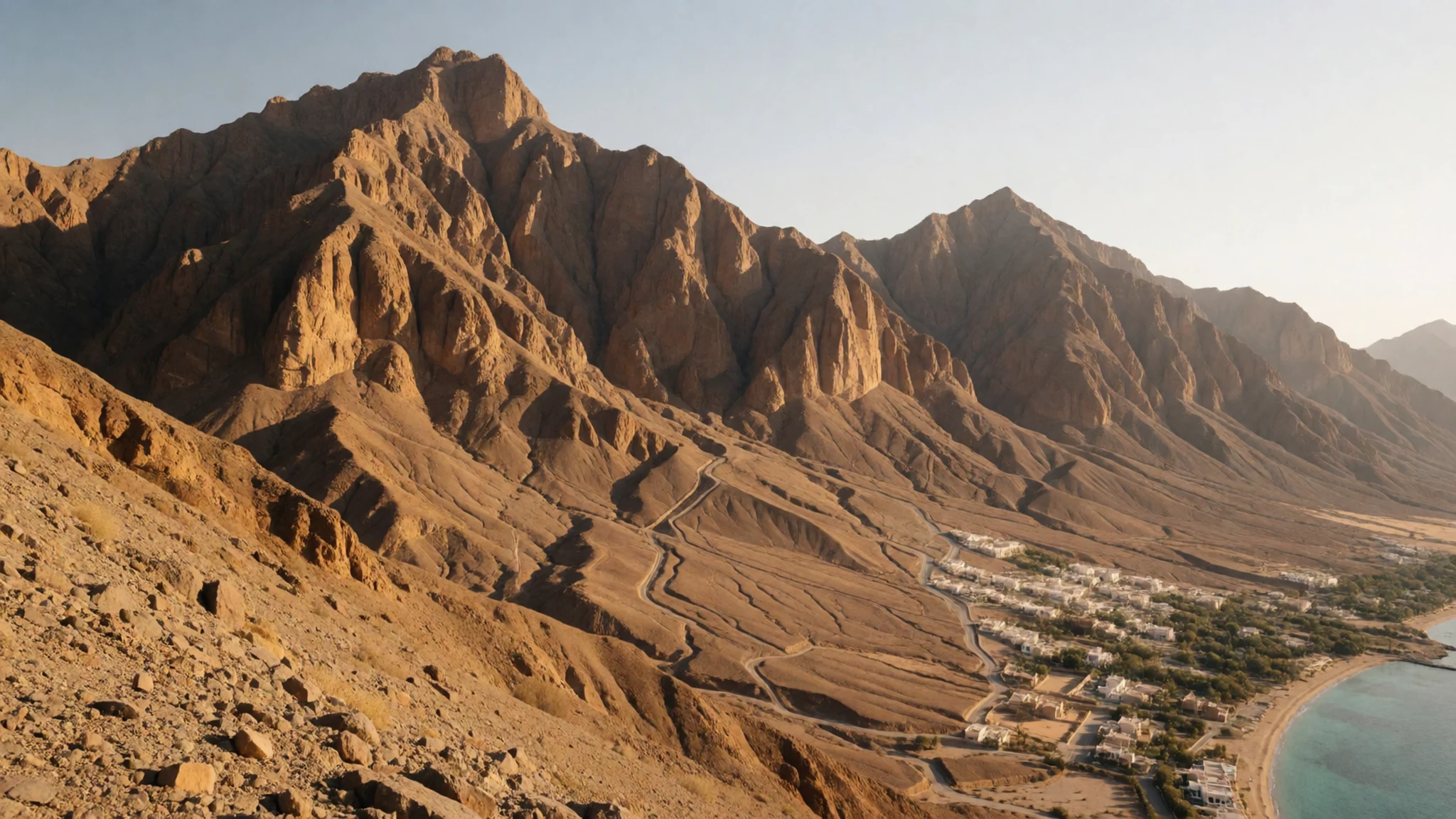
Culture
Hurghada lives in two registers at once. In El Dahar and Sekalla, the day still runs on Egyptian time: tea in small glasses, Arabic as the language of the shop, Friday as the quiet hinge of the week, and Ramadan evenings when the fast opens and the streets get louder after dark. Many families here are coastal people — Ababda and other Red Sea residents — as well as Egyptians who moved down for hotel work. Hospitality is real and practical: a glass of chi, a short conversation, help with a taxi, sometimes with a polite hope of a tip.
The resort strip speaks another language, sometimes literally. Menus and marina chatter mix Arabic with English, Russian and German, because the holiday trade is built on package flights from Europe and Russia. Diving is the local skill people are proud of: boat crews, guides and compressor shops form a trade, not a sideshow. Alcohol stays largely inside hotel grounds. Public life is Muslim and modest even when the beach is not. The city is used to visitors and also tired of careless ones.
Dress for the town you are walking into, not only for the beach you left: cover swimwear before you enter a shop, a taxi or a mosque, and ask before you photograph people.
What to wear
Hurghada's traditional clothes belong to the desert coast. Men of the Ababda and other local families wear the galabeya, a loose ankle-length robe in cotton, often pale so it throws off the sun. Women in the older quarters dress modestly: long sleeves, a long skirt or dress, and very often a hijab, in cotton that can be washed and worn hard. These are everyday textiles, not costume — light, covering, and made for heat.
What people wear now depends on which Hurghada they are standing in. In El Dahar, the galabeya is still ordinary for older men, while younger residents wear trousers, shirts and trainers, and women pair the hijab with jeans or a long tunic. Hotel staff are in uniforms: polo shirts, pressed trousers, name badges. On the marina and in the resort compounds the crowd looks international, beachwear beside work uniforms. Swimwear is normal on the sand and beside a hotel pool, and unusual two streets back.
Light cotton or linen, a sun hat, sandals for the marina and closed shoes for the mountains suit a visitor. A shirt and a wrap or long trousers belong in the beach bag. Covered shoulders and knees make a mosque, a market and a shared taxi straightforward, and a light layer helps on winter evenings when the desert air cools.
What to eat
- Grilled Red Sea fish — marina fish kitchens and southern resort roads
Hurghada's own meal is Red Sea fish, grilled or fried, with rice, salad and bread. Unfussy fish kitchens near the marina and on the southern resort roads serve it whole, with lemon and a board of whatever came in that morning.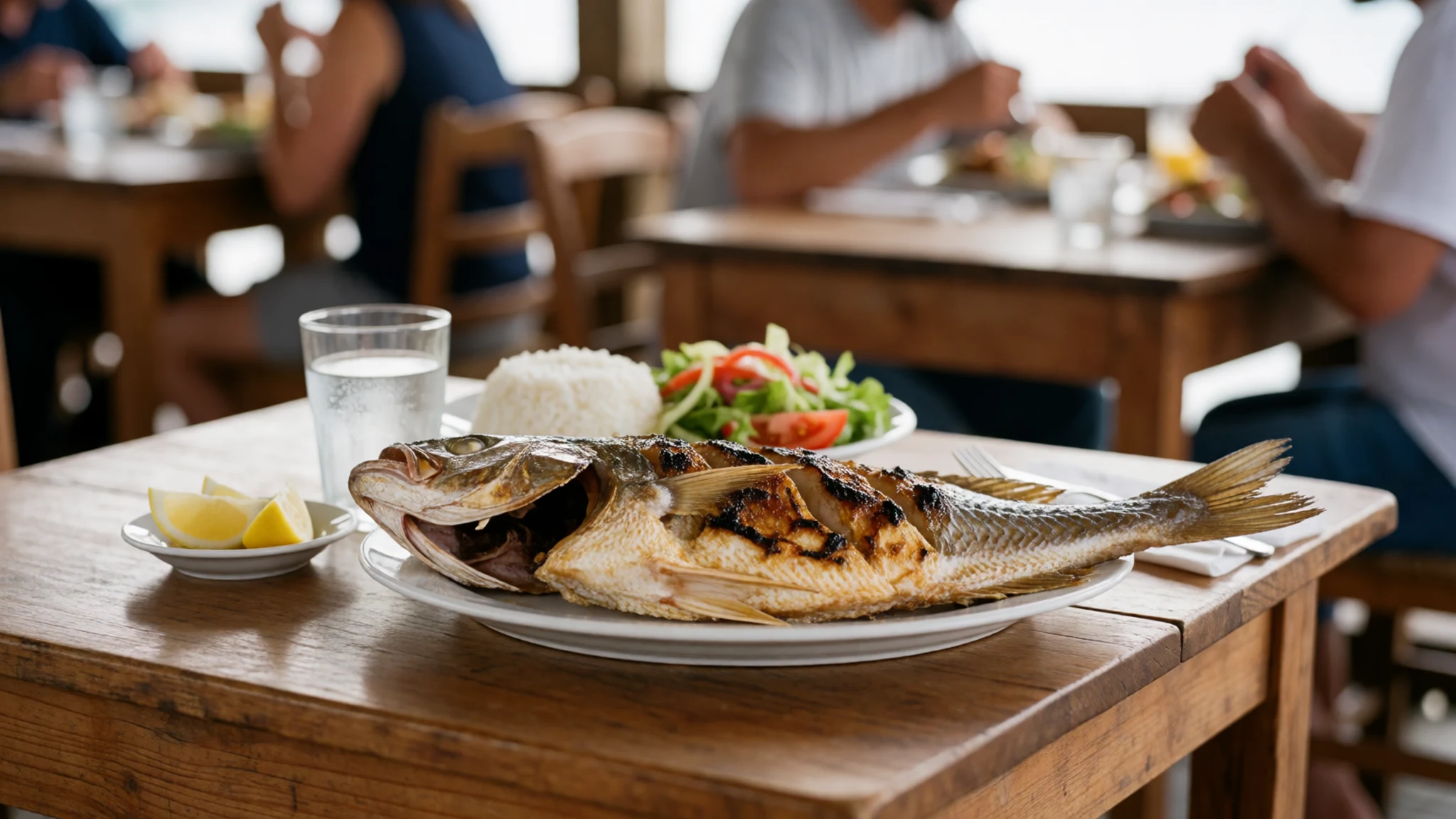
- Ful medames — bean counters in El Dahar and along the resort roads
Ful, slow-cooked fava beans, is the breakfast Hurghada eats when it is not on holiday. Served with bread, oil, cumin and chilli, sometimes egg or salad, it comes from small counters in El Dahar and from similar spots along the resort roads.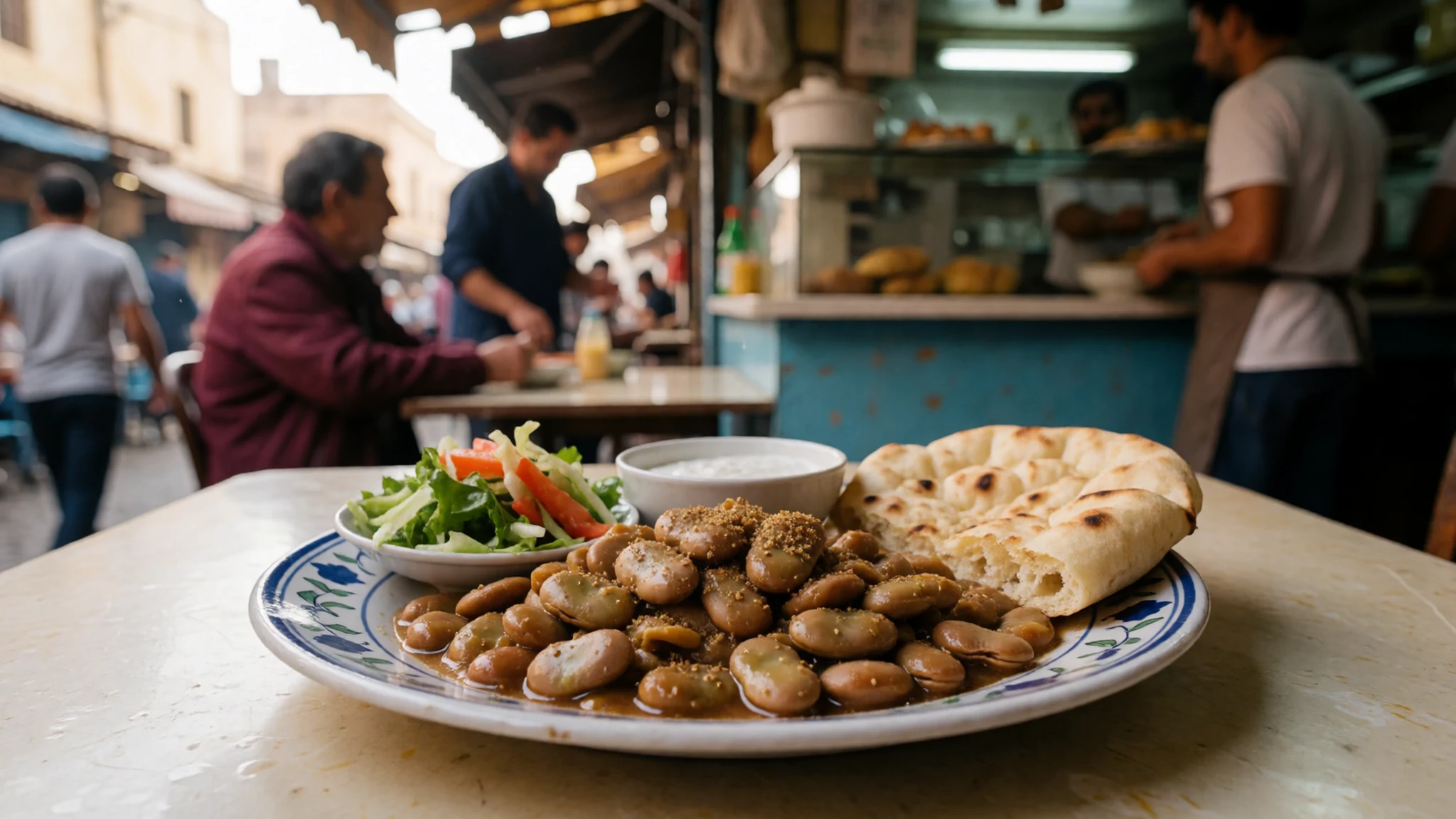
- Syrian mezze and grills — Sheraton Road and the marina
Syrian kitchens are part of Hurghada's food map, especially along Sheraton Road and around the marina. Plates start with mezze — hummus, salads and pickles — then grilled chicken or kebabs with bread and garlic sauce. The style is Levantine comfort food, a clear change from another hotel buffet. - Lebanese shared plates — marina and mid-town eateries
Lebanese cooking in Hurghada shows up beside the marina and in mid-town eateries: herb salads, grilled meats, warm bread and olive oil, brought out in shared plates. It sits near the Syrian style but leans lighter and more herb-heavy. A table can graze instead of ordering one grilled fish. - Karkaday — tea stands and eateries in El Dahar and the resort strip
Karkaday, the hibiscus infusion poured all over Hurghada, is served cold in the heat or warm on a cool evening. Tea stands and ordinary eateries across El Dahar and the resort strip pour it daily. Deep red and tart, often already sweetened, it is the usual glass.
Plan it
Best time. November to April is the comfortable stretch in Hurghada. March, April and November are pleasantly warm, while December, January and February are mild by day and can fall from about 20 °C toward 10 °C at night. May and October are hot; June to September is very hot. Across the year the sea sits around 24 °C. February and March bring readings near 21 °C, and August reaches about 28 °C.
How long. four or five
Getting there. Hurghada International Airport handles direct flights from Europe, including Russia, and from Turkey, the Gulf and parts of East Asia, both on packages and as flight-only seats. Domestic planes link Cairo frequently, plus Alexandria and Sharm el-Sheikh. EgyptAir is the main airline; Nile Air and Al Masria also fly the Cairo route. Desert roads are long, hot, rough and tiring, so the plane is the practical last leg. Official updates are at https://hurghada.com/.
Budget. mid
Tips
- Book Giftun and reef boats ahead for November through April, when kind weather fills the marina.
- Begin snorkelling and mountain drives early, because June to September turns brutally hot by midday.
- Carry cash for tea stands, beach sellers and small El Dahar shops; hotels and the marina take cards.
- Drink more water than the pool suggests; Hurghada is a desert city beside the sea.
- Treat Cairo or the Giza pyramids as a separate trip by air, not a quick drive across the desert.
Etiquette
- Cover swimwear before leaving the beach or hotel pool, including in taxis and shops.
- Ask before photographing people, above all in El Dahar and Sekalla.
- Take shoes off where a mosque entrance expects it, with shoulders and knees covered.
- Keep alcohol inside licensed hotel venues rather than out on the street.
Nearby
Sources
- Wikidata Q187284 (CC0)
- Wikipedia (rev 1381852751) (CC BY-SA 4.0)
- Wikivoyage (rev 5404783) (CC BY-SA 4.0)
- photos/01-south-hurghada.jpg (CC BY 4.0)
- photos/02-hurghada-in-2012.jpg (CC BY 2.5)
- photos/03-hurghada-museum-building-in-september-2023.jpg (CC BY 4.0)
- photos/04-jungle-aqua-park-wodny-raj-dla-dzieci-panoramio.jpg (CC BY 3.0)
- photos/05-hurghada-grand-aquarium-by-hatem-moushir-1.jpg (CC BY-SA 4.0)
- photos/06-giftun-island-egypte-panoramio-5.jpg (CC BY 3.0)
- photos/07-red-sea-mountains.jpg (CC BY-SA 4.0)
- photos/08-morning-at-hurghada-marina.jpg (CC BY 3.0)


