Huangshan
Huangshan, People's Republic of China
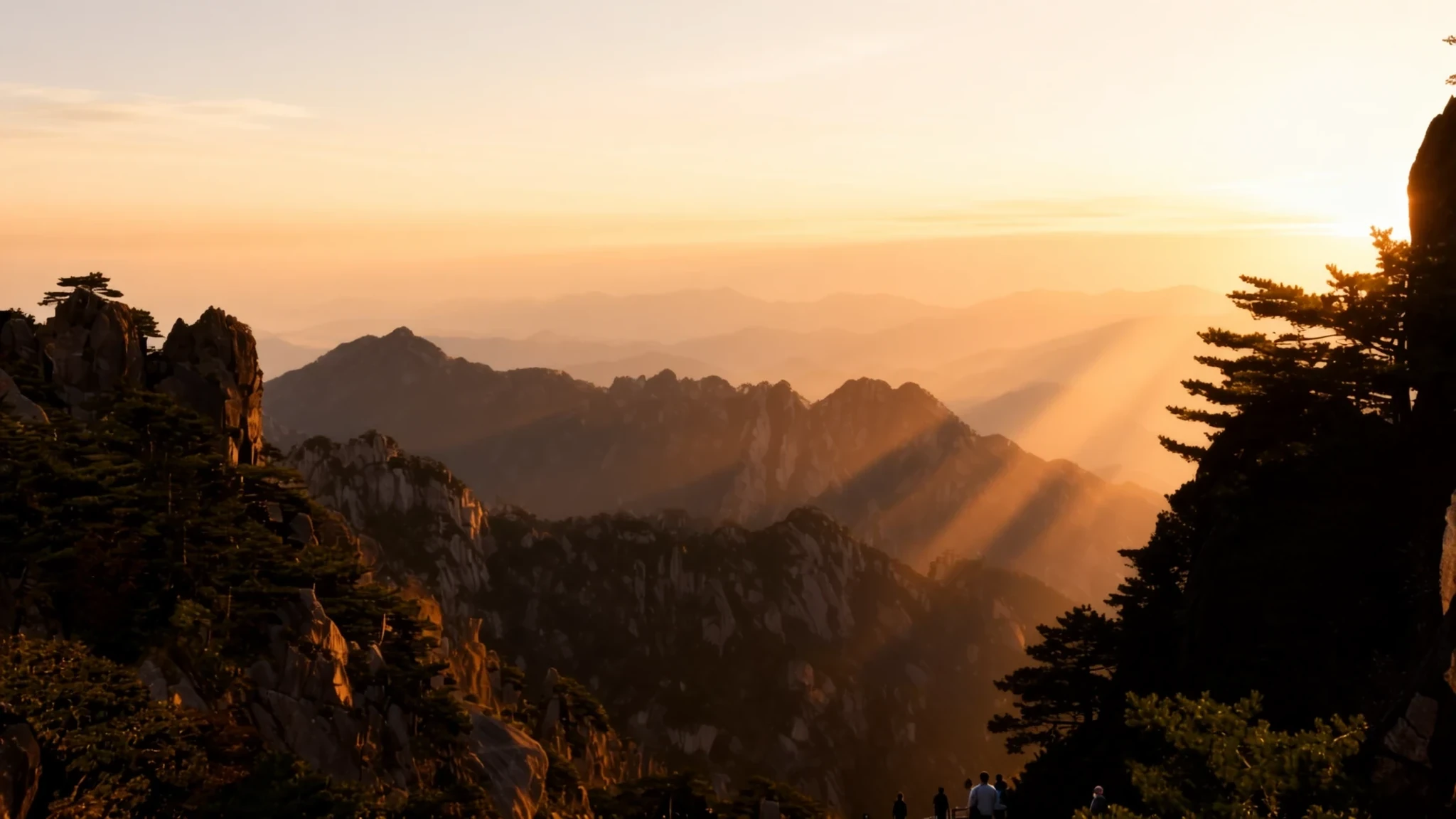
Huangshan offers dramatic granite peaks, ancient pine trees and floating seas of mist that have inspired Chinese art and poetry for centuries.
The place
Huangshan is a dramatic mountain range situated in the southern part of Anhui province within eastern China. Rising across a granite massif of peaks, the area is celebrated across the world for its distinctive scenery, striking sunsets, peculiar rock formations, ancient pine trees, natural hot springs, and sweeping views of cloud banks from high above. Dense vegetation covers the lower slopes beneath the tree line, giving way to barren stone summits that pierce the frequent mists. As a major destination for travellers and artists alike, the landscape combines sheer cliffs with an extensive network of stone staircases and cable cars that make the rugged terrain accessible to active visitors. Visitors walk paths carved directly into the rock face, passing through narrow gorges and across high ridges where gnarled pines cling impossibly to vertical precipices. The mountain environment shifts constantly with the weather, turning from clear blue skies to dense fog within minutes, creating an ever-changing canvas of light and shadow across the deep valleys below. Natural springs emerge at lower elevations, providing warm mineral waters that have drawn travellers seeking rest after long days of walking the steep mountain tracks. The entire range functions as a protected sanctuary for a vast array of native plants, creating an ecosystem that remains remarkably wild despite the steady stream of pilgrims and holidaymakers who have climbed its stone steps for generations.
Its story
Huangshan was shaped approximately one hundred million years ago, acquiring its characteristic geological formations during the Quaternary Glaciation. Early historical records show the range was originally known as Yishan. During the Tang dynasty, the imperial court officially changed the name by decree to honour a legendary figure from Chinese mythology, the Yellow Emperor, who was said to have practiced alchemy and refined pills of immortality among these summits. Poets and painters subsequently made the peaks famous through ink washes and verse, establishing an aesthetic template that would go on to influence traditional garden design across the country. Over the centuries, pilgrims and workers carved tens of thousands of individual stone steps into the vertical cliff faces to allow access to remote temples and viewpoints. This immense stone staircase network represents centuries of patient manual labour in an unforgiving highland environment. While the range was largely remote and difficult to reach in ancient times, the imperial renaming brought increased scholarly attention, leading to the construction of numerous Buddhist and Taoist temples throughout the valleys. Painters travelled here to capture the shifting mists and strange pine silhouettes, developing a distinct regional school of landscape art that treated the actual terrain as a living master. Today, those ancient stone paths remain the primary artery for exploring the heights, connecting historic viewing platforms where travellers have gathered for centuries to watch the sunrise break over the sea of clouds.
What to see
- Huangshan Mountain Peaks — Main mountain range
The main attraction features dramatic granite summits, deep gorges and the famous western steps. Active travellers can tackle the steep staircases rising from the Mercy Light Temple entrance, navigating thousands of rock-cut steps past ancient pines and sheer drops that open out onto sweeping cloud views.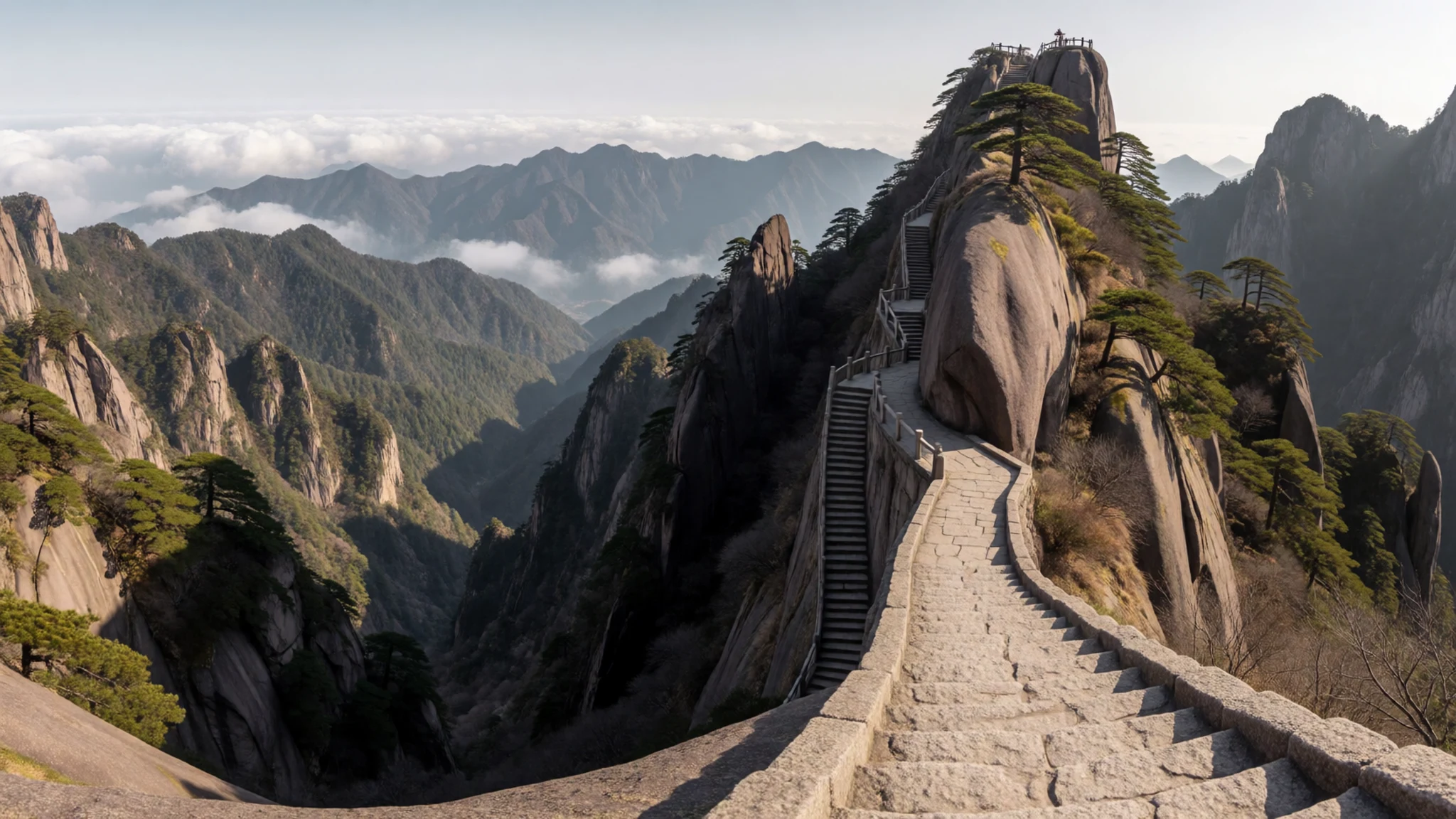
- Hongcun Water Village — Southern foothills
A historic water village characterised by traditional Huizhou-style architecture, narrow canals and dark tiled roofs set against green hills. While popular and often crowded with tour groups, the settlement offers remarkably preserved ancestral halls and picturesque moon ponds reflecting white-walled houses.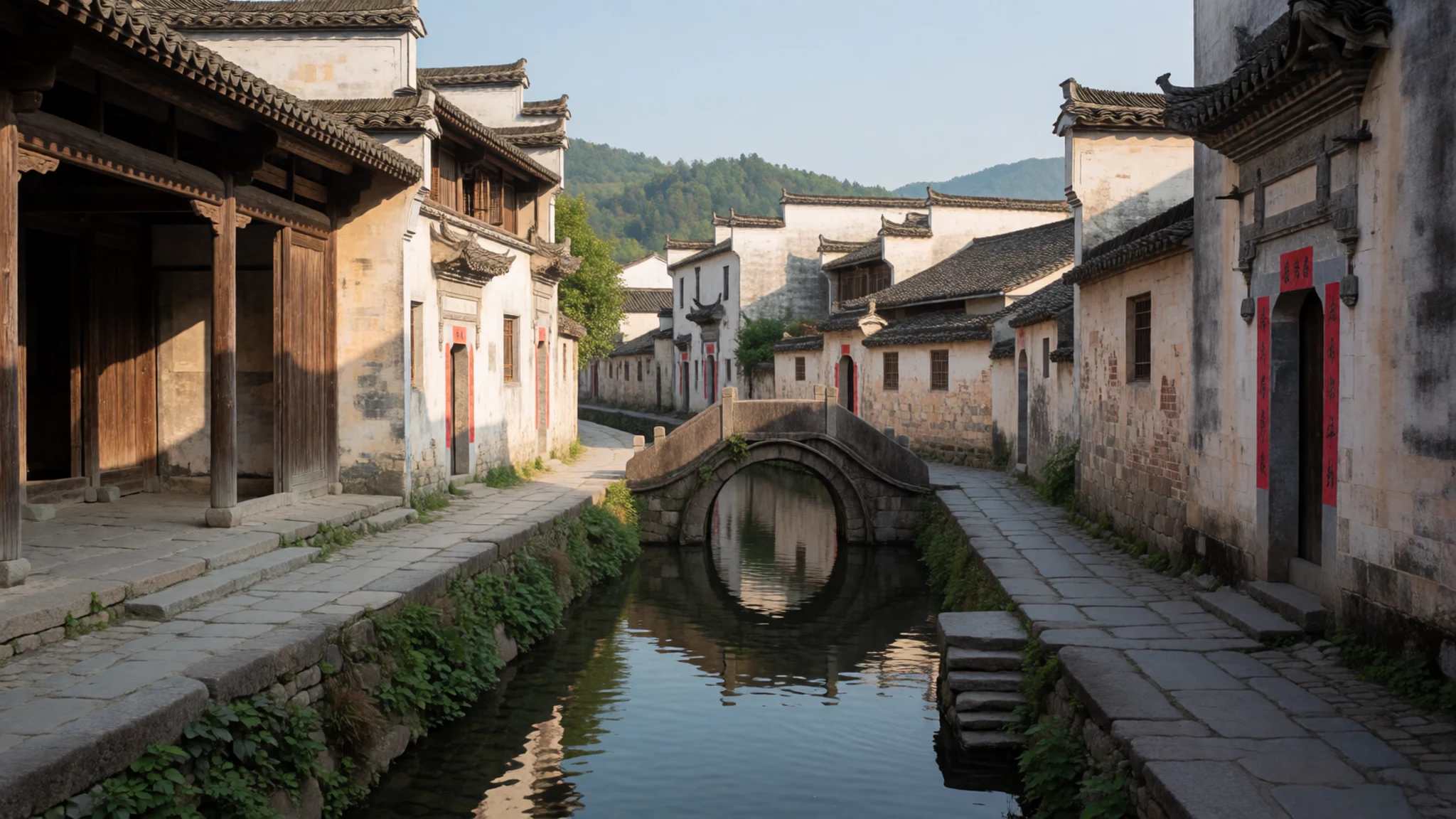
- Chengkan Ancient Village — Huizhou district
An ancient settlement renowned for its geomantic layout and splendid collection of Huizhou architectural complexes. Visitors wander through narrow stone alleys flanked by timber-framed clan halls and merchants' residences that display intricate wood and brick carvings from earlier dynasties.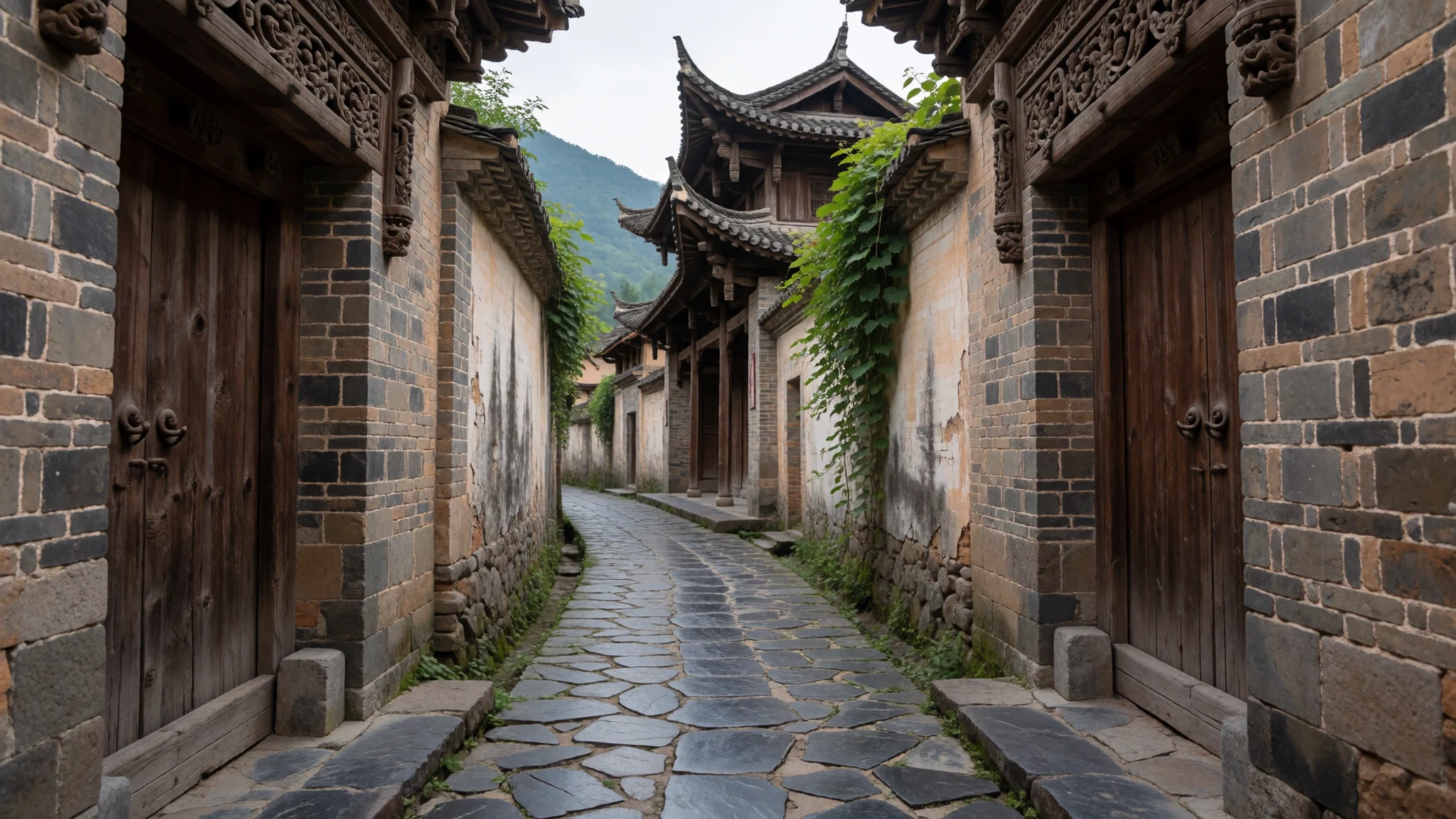
- Zhuhai Bamboo Valley — Southern valley region
A lush, expansive valley completely covered by a dense forest of towering green bamboo. Quiet walking paths wind through the groves, offering a tranquil escape from the crowded granite peaks above, alongside rustic family-run inns and local eateries serving regional dishes.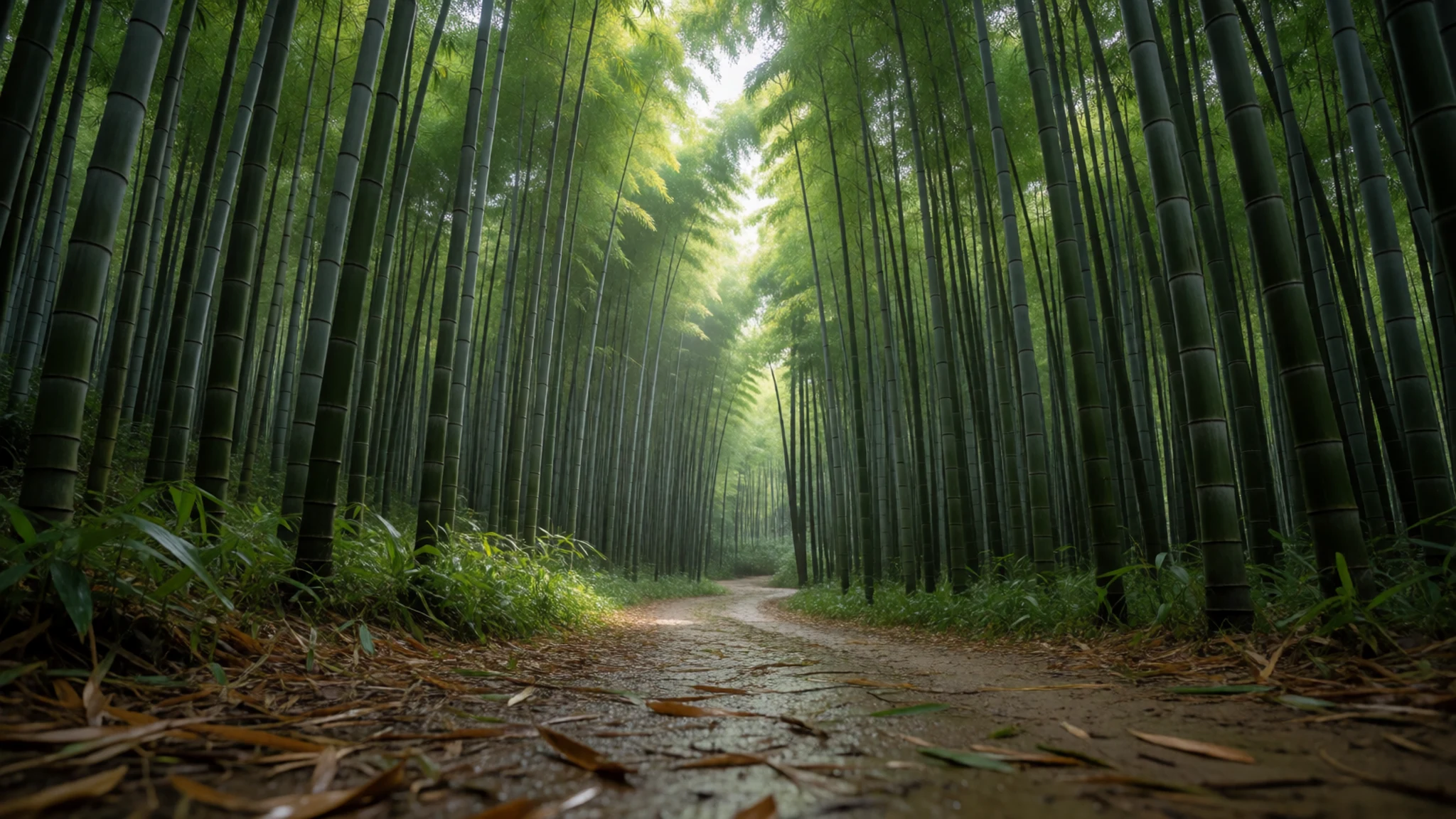
Culture
Huangshan has long held a sacred status in Chinese culture, serving as a sanctuary for poets, monks, and painters who sought spiritual clarity among the mist-shrouded peaks. Traditional values here emphasize harmony with nature, patience, and respect for the monumental scale of the landscape, which is reflected in centuries of ink painting and classical literature. Local communities in the surrounding valleys preserve distinct regional customs tied to Huizhou heritage, visible in their architecture, ancestral worship, and hospitality traditions. Visitors will notice that older residents maintain a quiet, measured pace of life despite the steady influx of modern tourists passing through toward the mountain trails. When visiting temples or interacting with elders in the mountain villages, maintain a moderate tone of voice and avoid loud disruptions. Always ask permission before photographing local residents or artisans at work in the rural settlements.
What to wear
Traditional dress in the Huangshan region historically reflected practical mountain living and Huizhou aesthetic restraint, featuring dark cotton tunics, wide-brimmed straw hats for sun and rain protection, and cloth shoes suited for walking steep earthen paths. Modern residents dress in standard contemporary casual wear, though older villagers in outlying valleys still wear traditional indigo-dyed garments and padded cotton jackets during colder months. For visitors tackling the mountain, practical outdoor gear is essential regardless of the season. Bring sturdy hiking boots with good grip for the thousands of uneven stone steps, moisture-wicking layers to manage sweat during steep ascents, and a reliable windproof and waterproof jacket because high-altitude weather changes without warning. Temperatures at the summit are significantly cooler than in the surrounding valleys, so thermal layers and gloves are necessary even during spring and autumn excursions.
What to eat
- Laojie Diyilou Regional Dishes — Tunxi Old Street
A popular restaurant serving traditional Anhui cuisine with display examples to help visitors order local specialties like braised game dishes, bamboo shoots, and savoury regional pastries.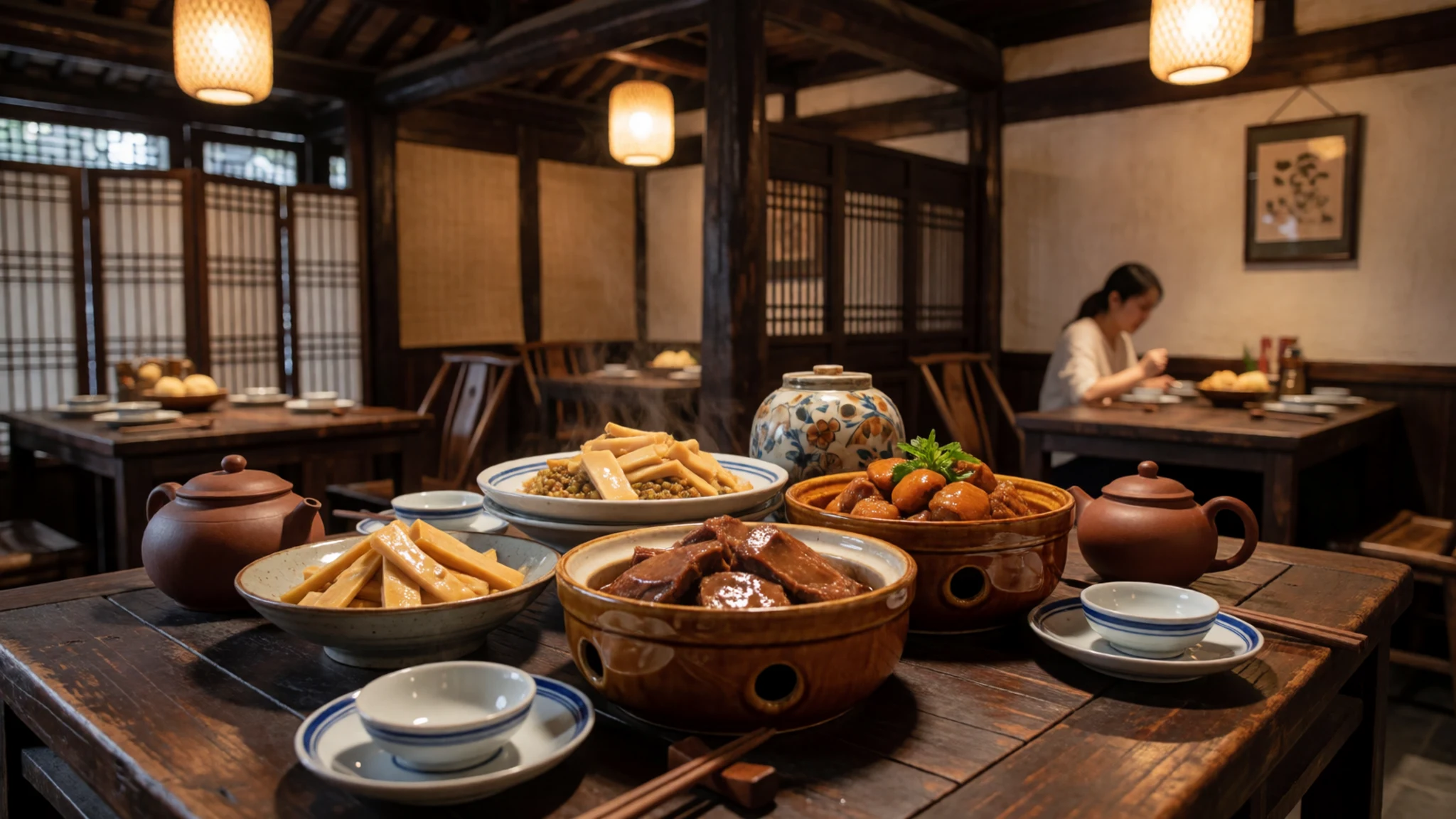
- Stinky Tofu — Mountain pathways and village markets
A potent local street snack with a pungent aroma but a surprisingly savoury, crisp-fried interior, widely available from small stalls around the mountain base and tourist pathways.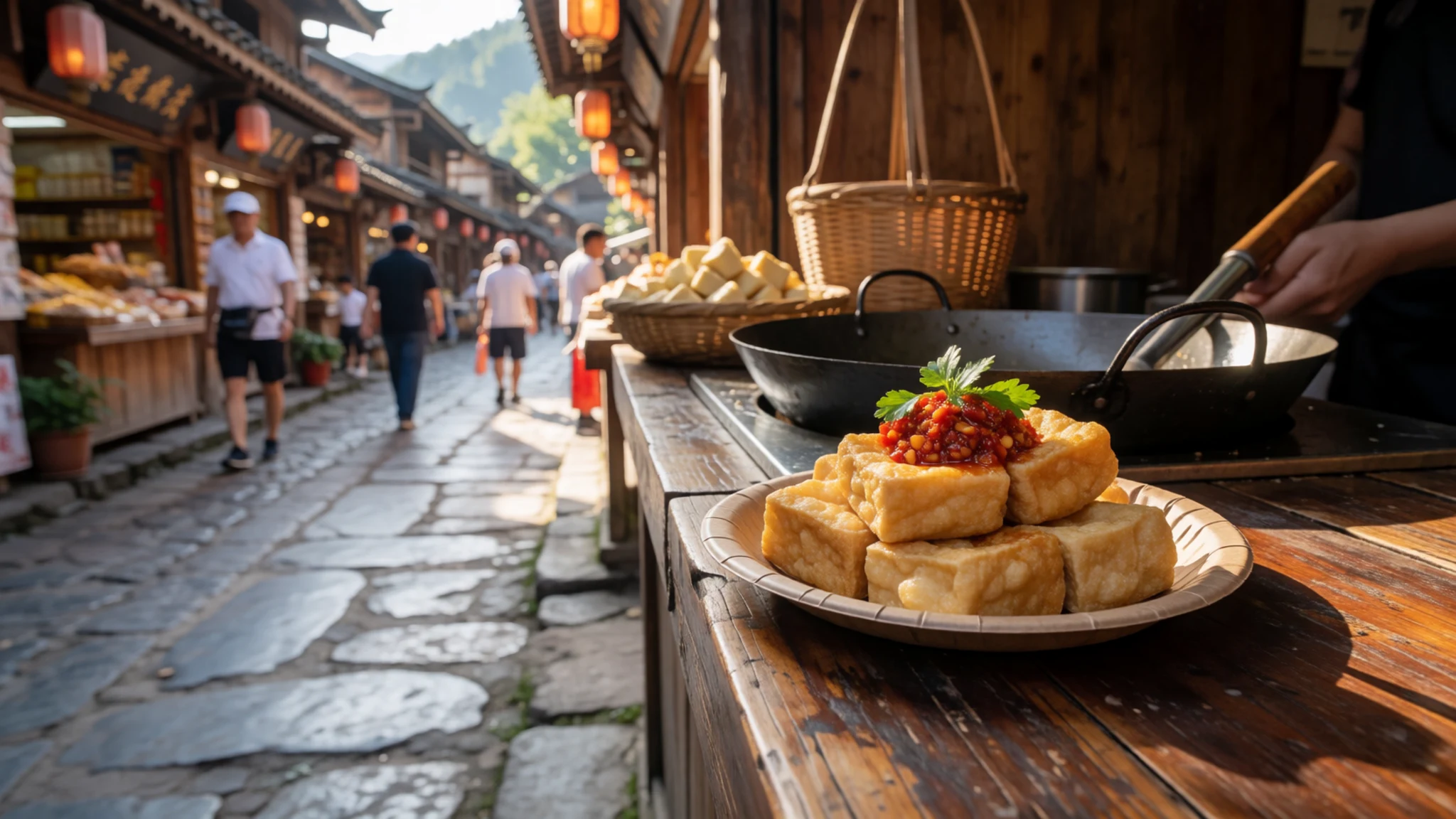
- Mountain Snacks and Instant Noodles — Summit grocery stores and Beihai kiosks
Convenience foods carried up the peaks by porters, serving as vital high-calorie sustenance for hikers tackling the steep staircases where fresh meals are limited. - Huangshan Regional Beer — Village inns and mountain hotels
A crisp local lager brewed in Anhui province, popular among hikers looking to unwind at evening guesthouses after a long day of climbing stone steps.
Plan it
Best time. March to April brings pleasant spring weather and blooming flowers, while late October to November offers crisp autumn air and vibrant maple colours; June brings heavy rain and August is intensely hot and humid.
How long. 3–4
Getting there. Fly or take a train to Huangshan City, then catch a frequent direct bus from the station or nearby cities like Shanghai and Hangzhou directly to Tangkou at the mountain tourist distribution centre.
Budget. mid
Tips
- Start your mountain ascent early in the morning to beat the peak tourist crowds on the narrow stone staircases
- Carry sufficient cash for small rural shops, mountain village markets, and temple entrance fees
- Pack plenty of drinking water before heading up the peaks, as prices for bottled drinks rise steeply at higher elevations
- Wear sturdy, broken-in walking shoes with strong tread to protect your joints on the thousands of steep stone steps
- Keep a safe distance and do not make direct eye contact with the wild macaques roaming certain mountain trails
Etiquette
- Always ask permission before taking photographs of local residents in mountain villages
- Keep your voice down when visiting quiet temple grounds and scenic viewpoints
- Remove your shoes when entering traditional guesthouses or ancestral halls where slippers are provided
Nearby
Sources
- Wikidata Q36034 (CC0)
- Wikipedia (rev 1377541393) (CC BY-SA 4.0)
- Wikivoyage (rev 5384050) (CC BY-SA 4.0)