Hovenweep National Monument
Hovenweep National Monument, United States
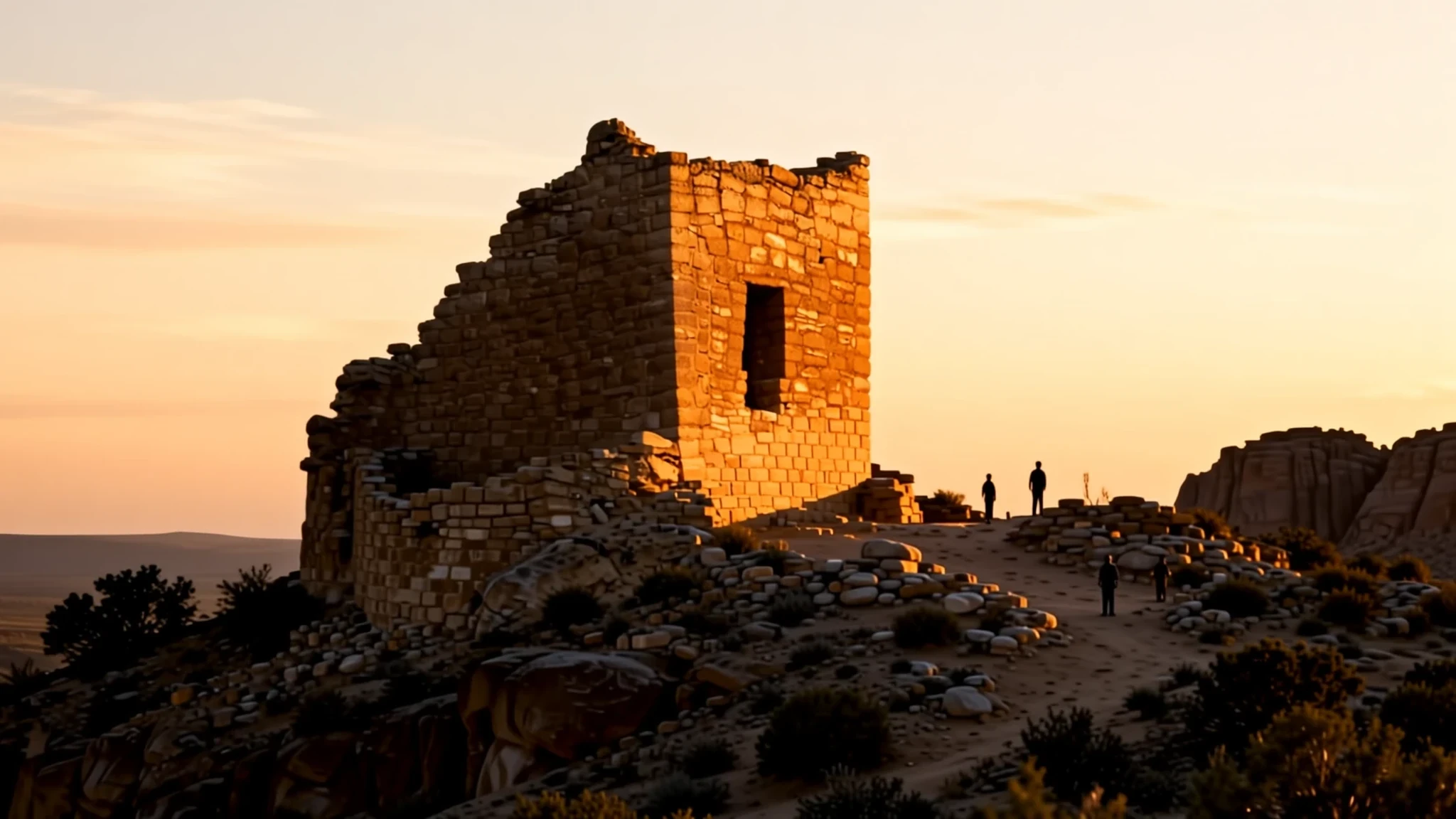
Marvel at astonishing, multi-storey ancestral stone towers balanced precariously on remote high desert canyon rims.
The place
Hovenweep National Monument sits quietly across the remote high desert of the Colorado Plateau, straddling the border between southwestern Colorado and southeastern Utah on the Cajon Mesa of the Great Sage Plain. Shallow tributaries cut through deep canyons here, feeding water toward the distant San Juan River. Although the terrain appears stark and unforgiving, this isolated expanse preserves remarkable remnants of an ancient community. Between twelve hundred and thirteen hundred AD, approximately twenty-five hundred ancestors of modern Pueblo people lived in this striking landscape. They constructed sophisticated multi-storey masonry towers, D-shaped structures, and cliffside dwellings that cling tenaciously to canyon edges. Skillfully built using mortar of sand, ash, clay and water, these remarkable stone buildings have endured centuries of wind, sun, and snow. Today, Hovenweep is just as celebrated for its pristine nocturnal environment as it is for its archaeology. Designated as an international dark sky park, the monument offers uninterrupted views of the Milky Way arching across an obsidian horizon, entirely free from urban light pollution. Visitors walking the trails encounter an austere, profound quiet that feels entirely untouched by modern industry.
Its story
Hovenweep National Monument holds layers of human history stretching back millennia before the stone towers ever rose from the canyon rims. Long before farming villages took root, early hunter-gatherers traversed this difficult terrain around ten thousand years ago, tracking sparse game across deep canyons with limited access to water. These adaptable Paleo-Indians and Archaic-era groups supplemented their diets with wild nuts, seeds, and fruits gathered from hardy desert plants. Around two thousand years ago, Mesoamerican trading networks introduced maize and basketry to the Four Corners region, prompting a profound cultural shift. Hunter-gatherers gradually settled into a more sedentary way of life, cultivating maize and squash while continuing to forage. Archaeologists named these early agriculturalists Basketmakers for their exceptional skill in weaving plant fibres into durable containers, sandals, and storage bags lined with pitch to hold water and toast seeds. Over succeeding centuries, these scattered groups evolved into sophisticated architects. They built pit houses and eventually monumental stone masonry towers along the canyon rims before abandoning the area around fourteen hundred AD due to changing environmental conditions and social shifts. Local Ute and Navajo communities have always known of these sacred stone remnants, while European explorers first documented the ruins in eighteen fifty-four before the federal government established the protected area.
What to see
- Square Tower Loop Trail — Visitor Centre area
Hike this gentle two-mile trail starting right by the visitor centre to get up close to Hovenweep Castle, square towers, and ancient masonry perched dramatically along the canyon rim.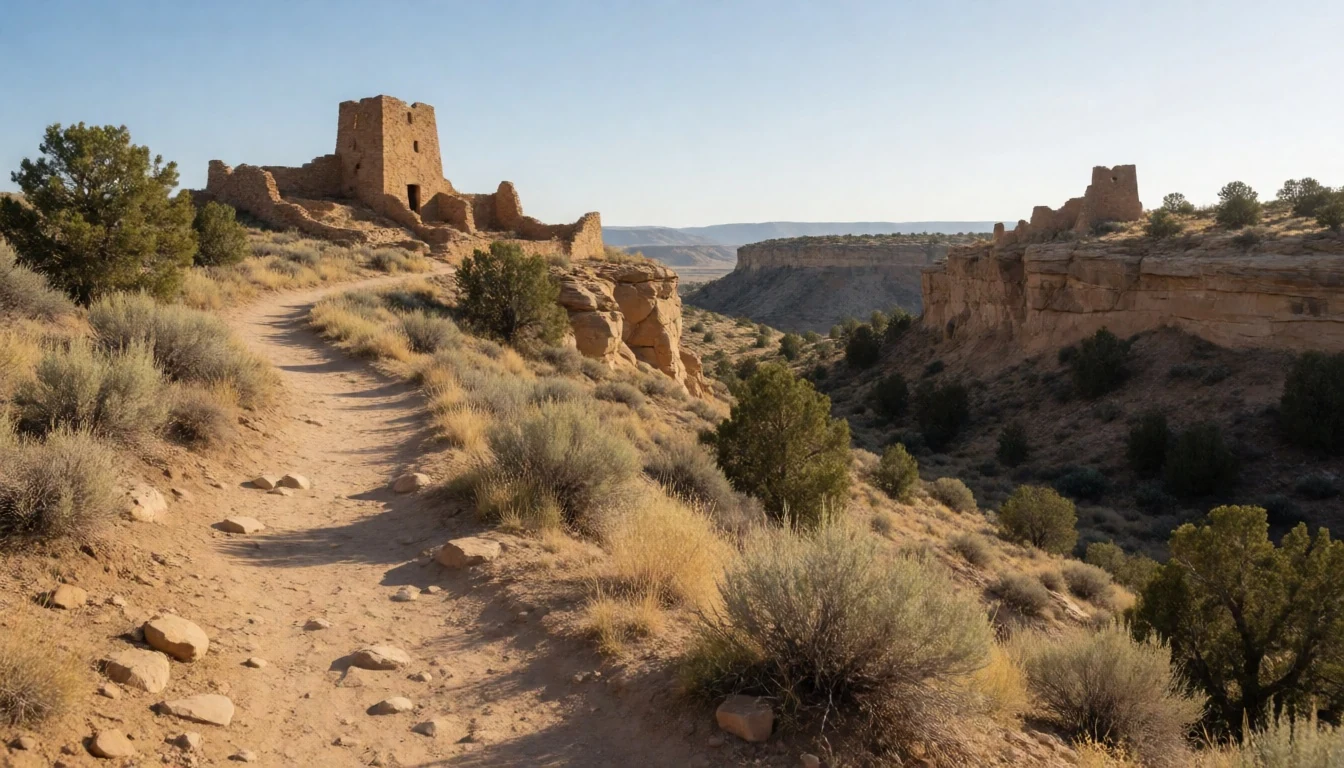
- Petroglyph and Granary Access — Canyon floor interior
Join a ranger-guided walk to cross the canyon floor and view hidden petroglyphs and cliffside granaries carved directly into the opposite stone walls.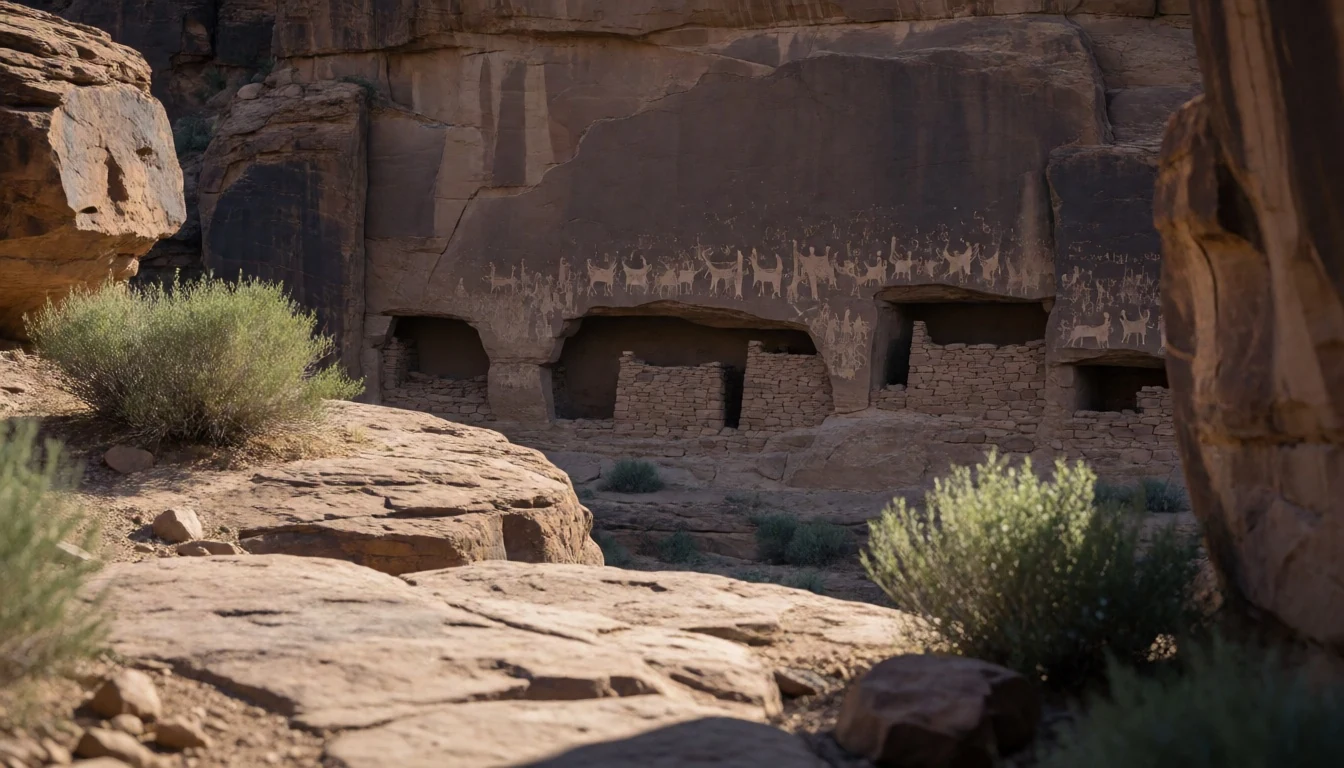
- Outlying Archaeological Sites — Outlying mesa sectors
Drive out to more remote units like Cajon or Holly using a high-clearance vehicle to explore lesser-visited towers and architectural complexes scattered across the mesa.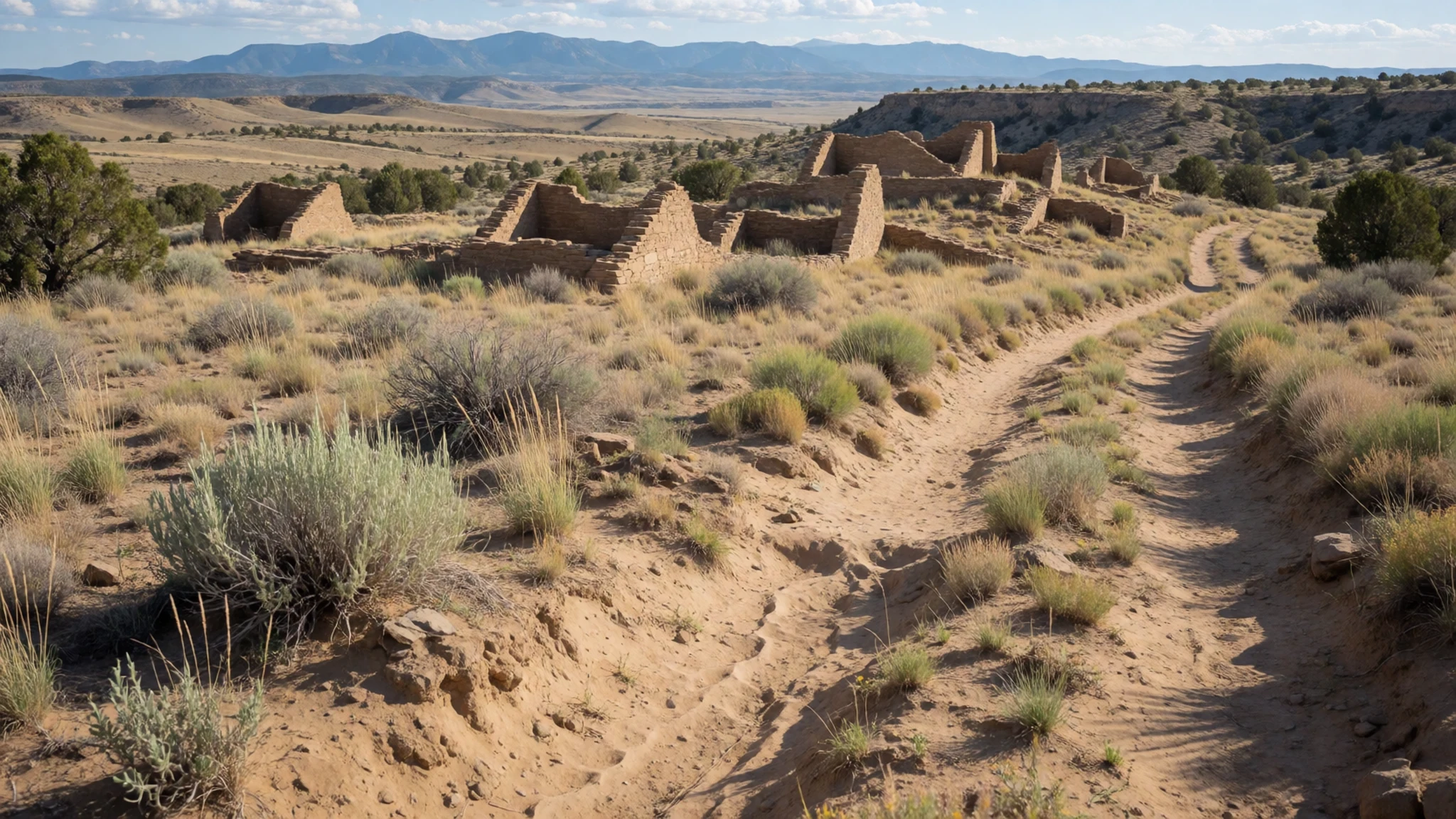
- Night Sky Observation — Main monument parking area
Stay well after dusk to experience world-class stargazing beneath exceptionally dark skies that reveal thousands of stars and the vivid arc of the Milky Way.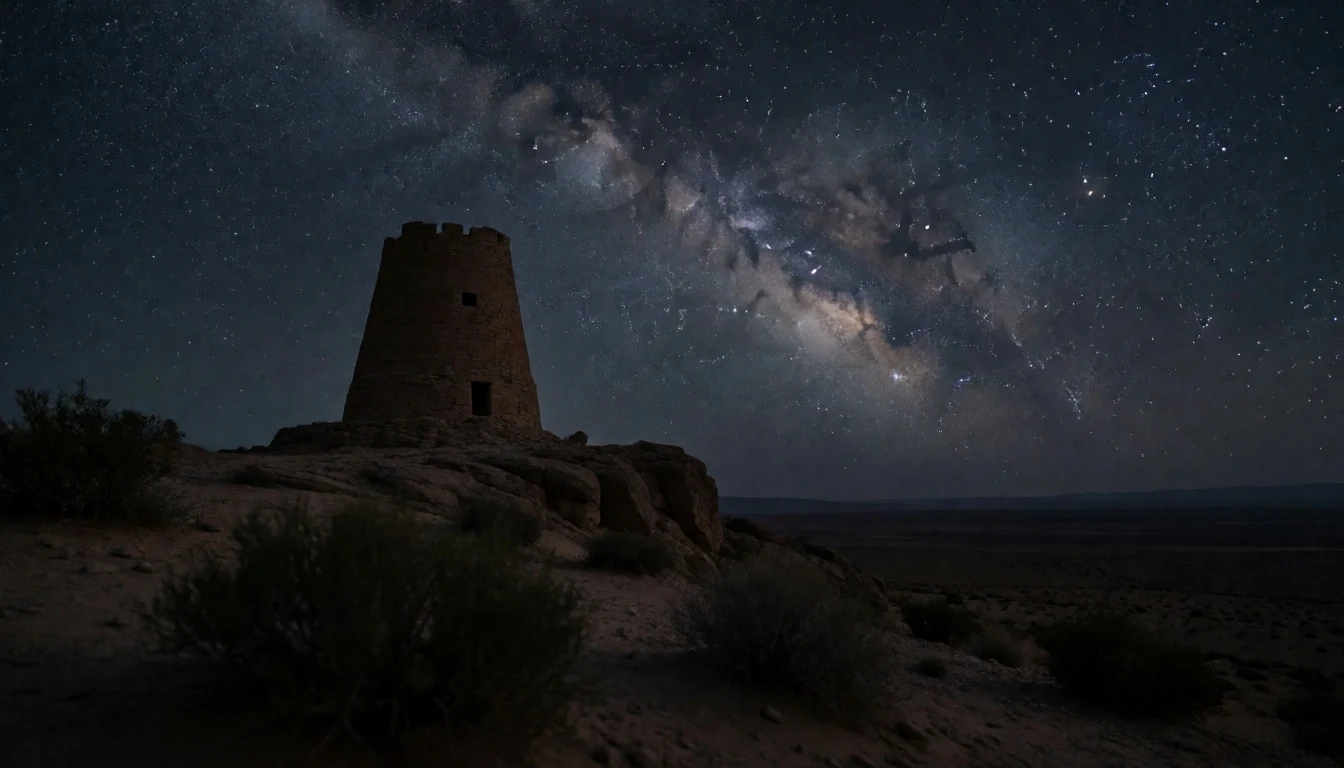
- Ranger Interpretive Talks — Hovenweep Visitor Centre
Stop by the visitor centre exhibits to chat with park rangers about ancestral Puebloan engineering, local geology, and current trail conditions before heading out.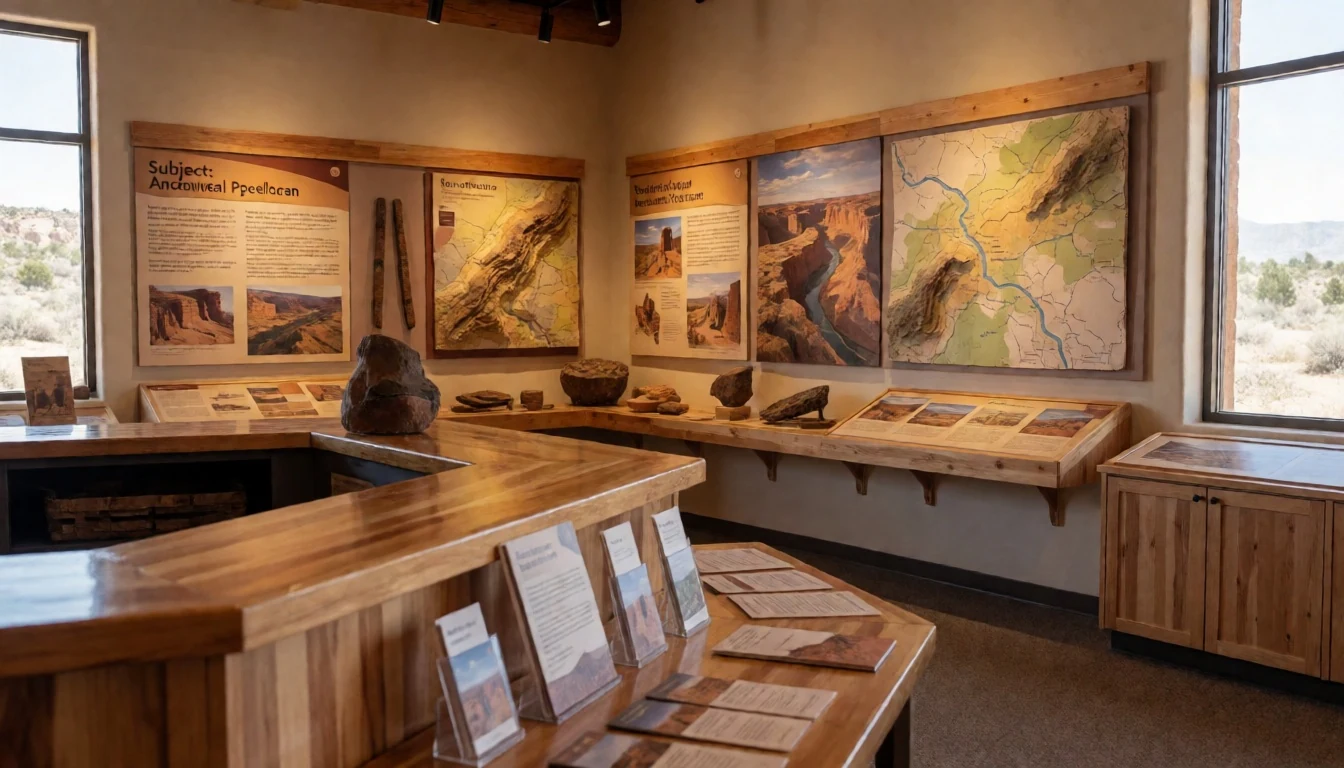
Culture
Hovenweep National Monument is situated on ancestral homelands historically tied to modern Pueblo, Ute, and Navajo nations, whose descendants continue to hold deep cultural and spiritual connections to these sacred ruins. The striking stone towers and surrounding mesas are regarded not merely as archaeological exhibits, but as ancestral resting places and living monuments to past generations who mastered survival in an arid land. Visitors walking through the high desert will notice delicate cryptobiotic soil covering the ground. This fragile living crust is composed of cyanobacteria, lichens, mosses, and fungi that work together to prevent erosion and nourish desert plants, taking decades to form a single inch of growth. Modern travellers are expected to show deep reverence for both the ancient masonry and the surrounding natural ecosystem. Never touch, sit on, or lean against the ancient stone walls, and pack out all personal waste. Stay entirely on designated trails to protect the fragile biological soil crust from irreversible damage.
What to wear
At Hovenweep National Monument, traditional attire reflects centuries of adaptation to the extreme high desert climate, where indigenous weavers historically crafted durable garments, sandals, and carrying bags from native yucca plants and animal hides. Modern visitors today do not wear traditional regional costumes for sightseeing, but instead dress for rugged outdoor exploration under intense sun and variable weather. The sensible choice for any traveller exploring Hovenweep includes sturdy, broken-in hiking boots with good ankle support to navigate uneven sandstone trails and rocky canyon paths. Layered clothing is essential because desert temperatures swing dramatically between chilly mornings and scorching afternoons. Lightweight, breathable trousers and long-sleeved shirts made from natural or high-performance technical fabrics help shield skin from relentless ultraviolet radiation and abrasive brush. A wide-brimmed hat, polarized sunglasses, and a sturdy daypack for carrying ample water are absolute necessities for staying comfortable while walking the mesa trails.
What to eat
- Visitor Centre Snacks — Hovenweep Visitor Centre store
Pick up basic packaged snack bars, dried fruit, and bottled water supplies at the small retail counter inside the main visitor centre building.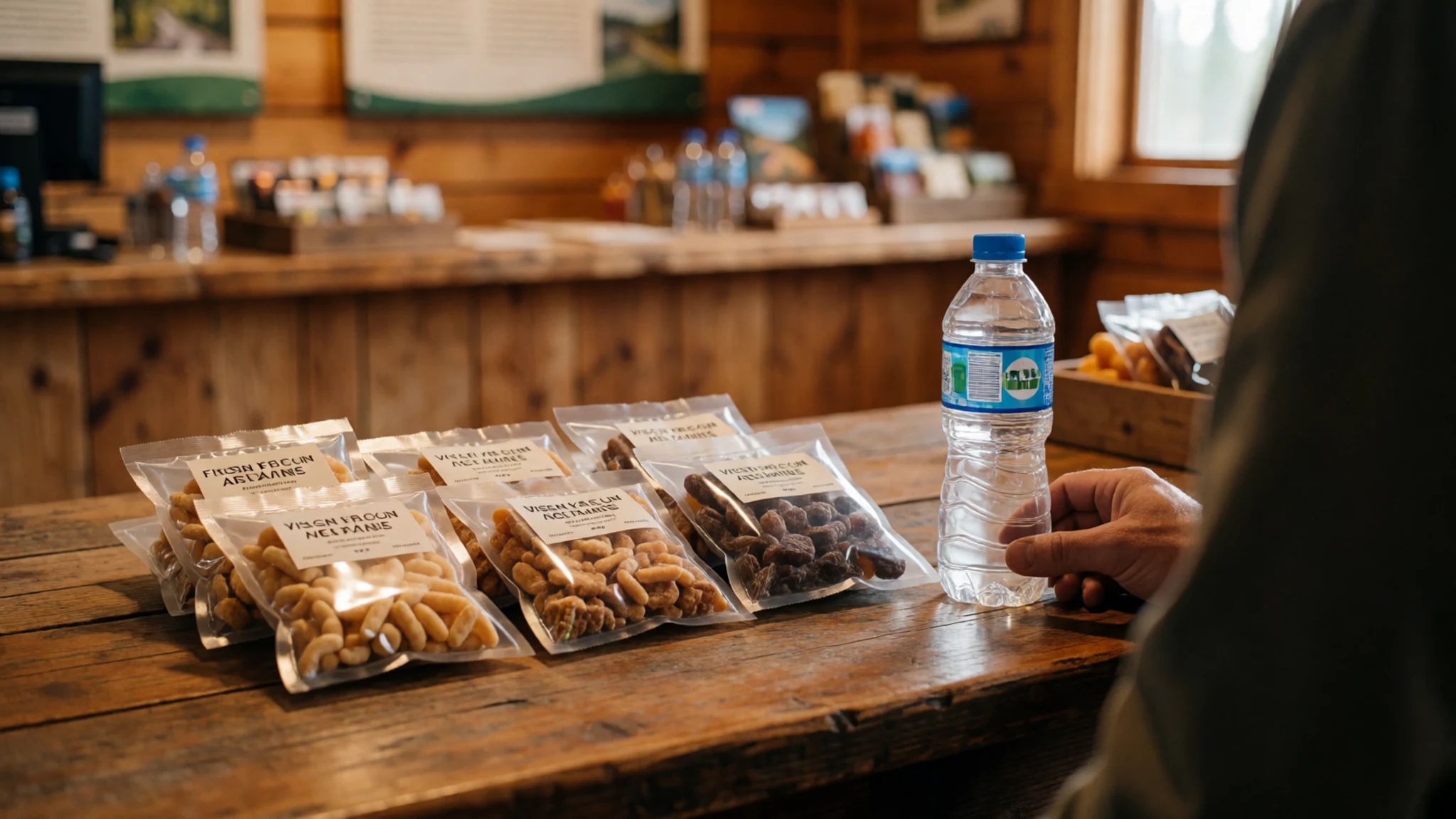
- Packed Picnic Lunch — Visitor centre car park and campground
Assemble your own hearty sandwich provisions and fresh fruit in town before driving out to enjoy a peaceful meal at the shaded outdoor picnic tables.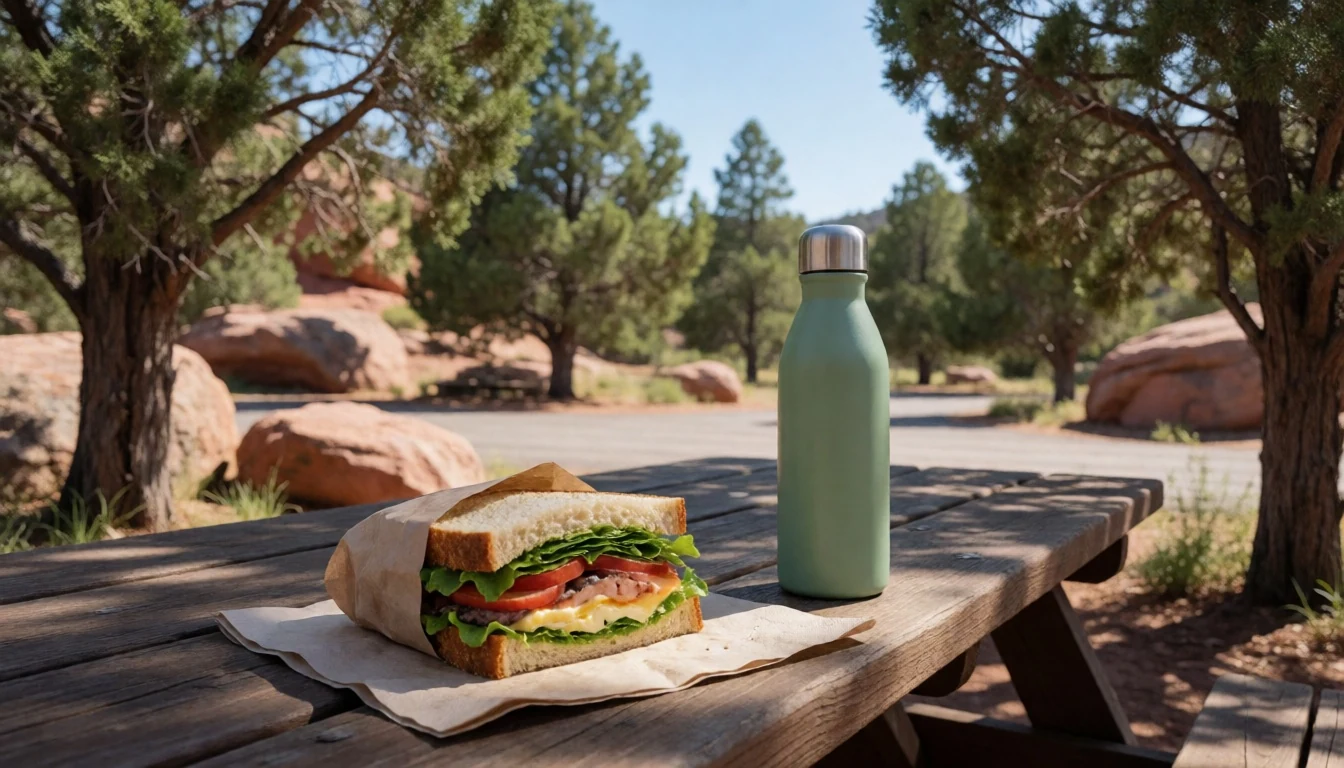
- Cortez Eateries — Cortez town centre restaurants
Drive to nearby Cortez to dine on hearty southwestern comfort food, green chilli burritos, and traditional diner fare before or after your monument visit. - Blanding Cafes — Blanding main street eateries
Stop by local family-run cafes and bakeries in Blanding for casual burgers, home-style soups, and baked goods suited for stocking a roadside cooler.
Plan it
Best time. April to May and September to October offer pleasant daytime temperatures for hiking, whereas summer afternoons routinely exceed one hundred degrees Fahrenheit.
How long. 1–2
Getting there. Fly into regional airports such as Grand Junction or Durango, then rent a car and drive via rural paved and dirt roads towards the Cajon Mesa.
Budget. mid
Tips
- Do not rely solely on digital GPS units as cellular signal is unreliable across remote desert backroads.
- Carry at least four litres of water per person daily during warmer months.
- Check road conditions at the visitor centre before attempting to drive to outlying primitive areas.
- Arrive early in the morning to beat the intense midday sun on exposed hiking trails.
- Bring a red-filtered flashlight to preserve night vision while stargazing after dark.
Etiquette
- Never climb on, lean against, or remove stones from any prehistoric architectural ruins.
- Respect all area closures and remain strictly on marked trails to safeguard cryptobiotic soils.
- Obtain permits and guidance from rangers before attempting backcountry exploration.
Nearby
Sources
- Wikidata Q614423 (CC0)
- Wikipedia (rev 1380114836) (CC BY-SA 4.0)
- Wikivoyage (rev 5242020) (CC BY-SA 4.0)