Hortobágy National Park
Hortobágy National Park, Hungary
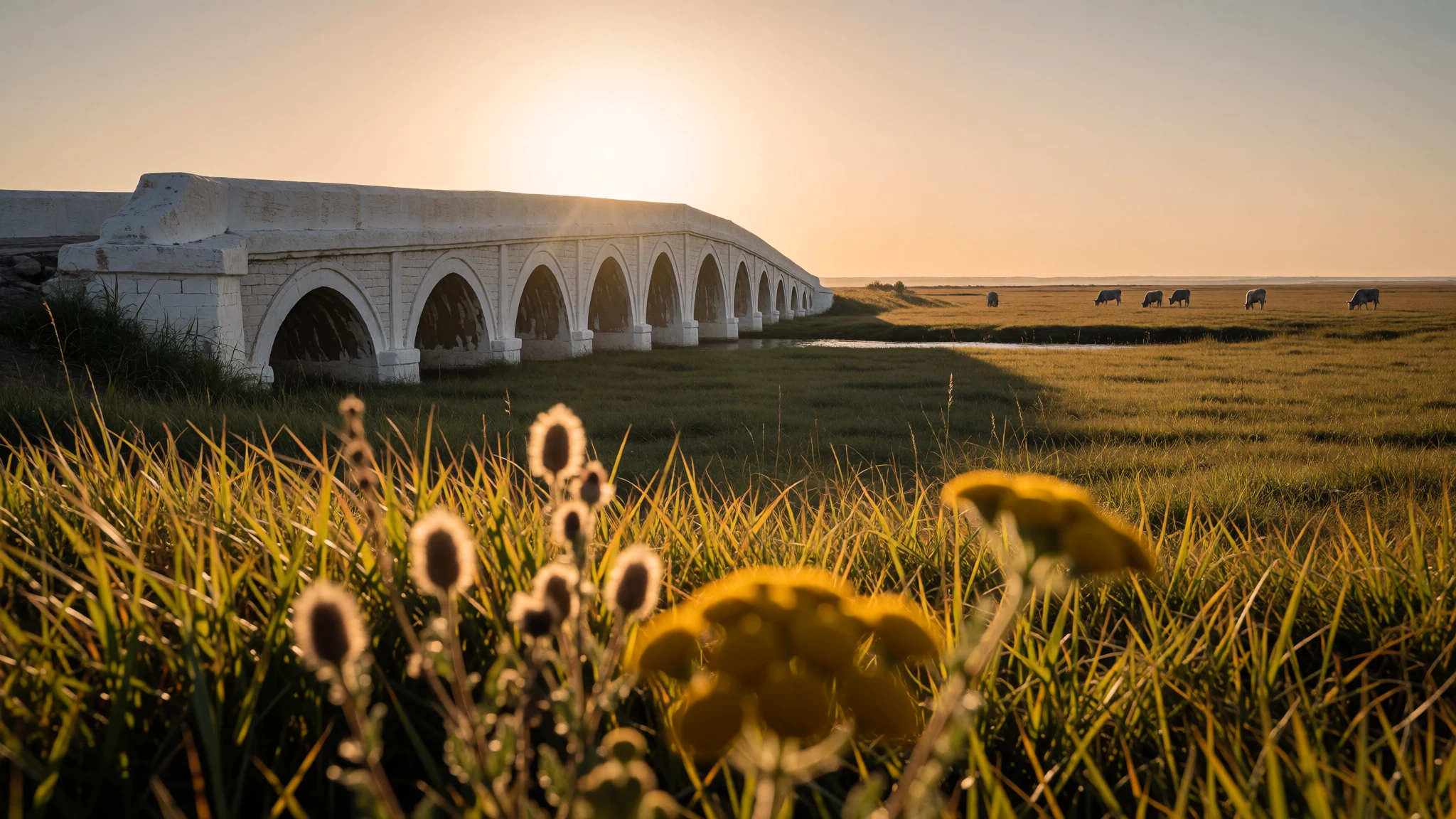
Hortobágy is a flat, treeless steppe where pastoral traditions, big skies and iconic bridges make the landscape feel cinematic.
The place
Hortobágy National Park sits in eastern Hungary, out on the Great Hungarian Plain (Alföld), where the land stretches so wide it almost erases distance. Instead of forests and dramatic mountain walls, the park is defined by open grassland, long horizons and that heat-haze shimmer you only notice when you’re standing still long enough.
The scale is part of the draw: Hortobágy was designated a national park in 1973, and it was later recognised for its long human story, with traditional pastoralism written into the landscape. You can feel that history in everyday-looking elements—grazing animals, wind-scoured views, and a pattern of man-made features that belong to the plain rather than fighting it.
The most famous sight is the Nine-holed Bridge, an elegant piece of infrastructure that has become the park’s photo magnet. Another classic visual cue is the T-shaped sweep wells (gémeskút), scattered across the puszta like markers. In summer, the mirrored “tree” effect from heat and reflection can make you think you’re seeing something impossible—then you realise it’s the plain playing tricks.
Plan for the fact that crowds are mainly local and seasonal, but the park is still busy around the best viewpoints and bridges. You’ll often be sharing space with tour groups on short routes, then turning a corner to get a quieter stretch of grassland. Bring water, expect strong sun, and remember that “remote” here can mean “windy and bright” rather than “no one around”.
Its story
Hortobágy National Park’s story is about time—geological time, and also human time. The plain may look like it’s been shaped in a single, simple way, but the park’s formation is tied to much older processes than the Middle Ages folklore you sometimes hear. Long before modern farming routines, the Tisza’s pathways and the way water moved across the Great Plain influenced how the soil and alkaline conditions developed.
When you stand on the flat steppe, it’s easy to assume the landscape is “natural and untouched”. Hortobágy complicates that idea. Past centuries of pastoral life helped maintain a semi-natural grassland, with grazing animals and the continuity of herding practices keeping the open habitat from turning into something else.
That mix of nature and tradition is part of why the park became internationally recognised. The designation isn’t just about scenery; it’s also about testimony—how traditional methods of pastoralism have persisted long enough to become readable in the landscape itself. It’s a place where practical infrastructure (like sweep wells) and cultural memory sit side by side with ecology.
There’s also a harder thread in the background. Under the communist regime, Hortobágy was connected to forced labour. It’s not always “loud” in what you see on a day trip—most visitors are there for the sky, bridges and animals—but knowing the context adds weight when you look at the park as a lived space rather than a postcard.
If you travel slowly here, moving between viewpoints and animal pens, the plain starts to feel less empty and more intentional—like a system that only makes sense when you watch it unfold.
What to see
- Nine-Arch Bridge (Nine-hole bridge)
Nine-Arch Bridge is the park’s best-known photo stop, instantly recognisable and set in the open steppe. Even when the light is flat, the bridge reads clearly against the horizon, and the surrounding grassland gives you room for wide compositions.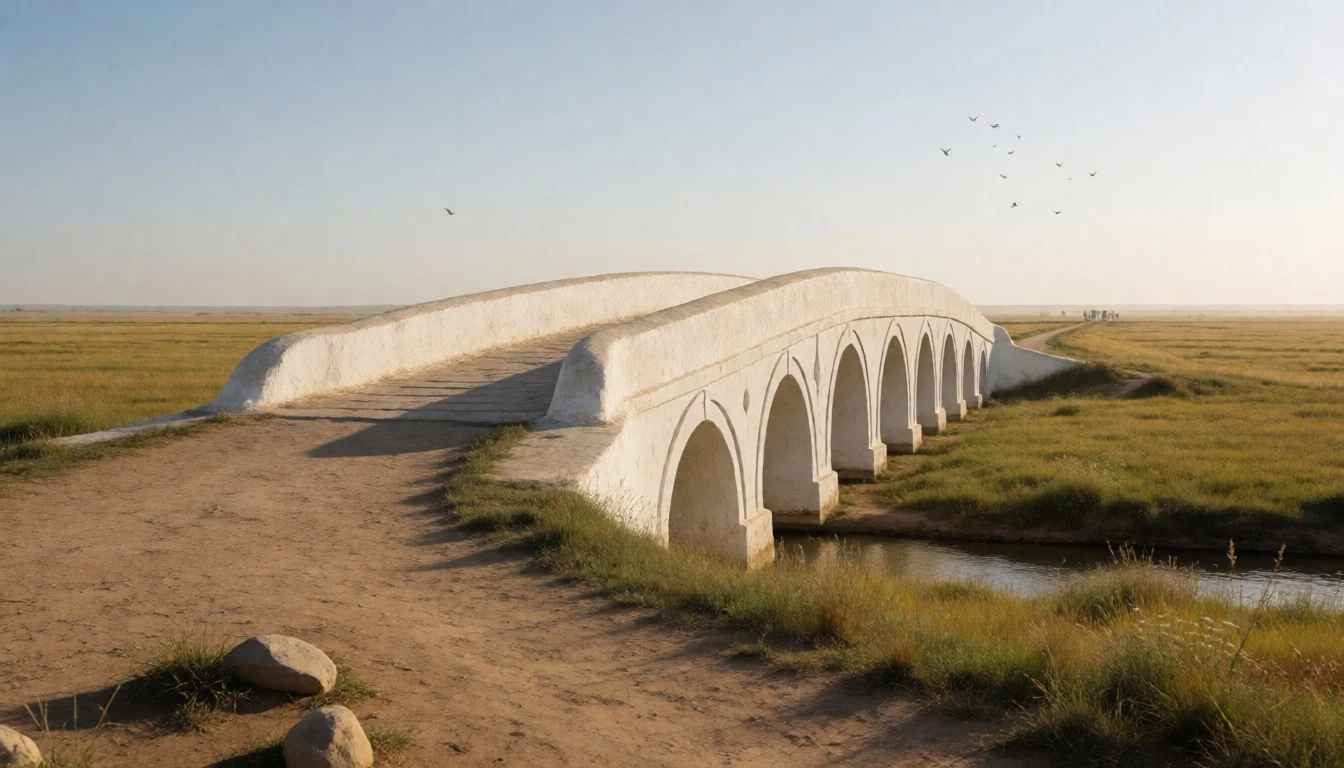
- Nine hole bridge viewpoint
The viewpoint around the Nine-hole bridge area is where you get the “big sky” feeling properly—lines leading out to the horizon, with the bridge and grassland anchoring the frame. It’s a good place to pause even if you’ve already photographed the bridge from up close.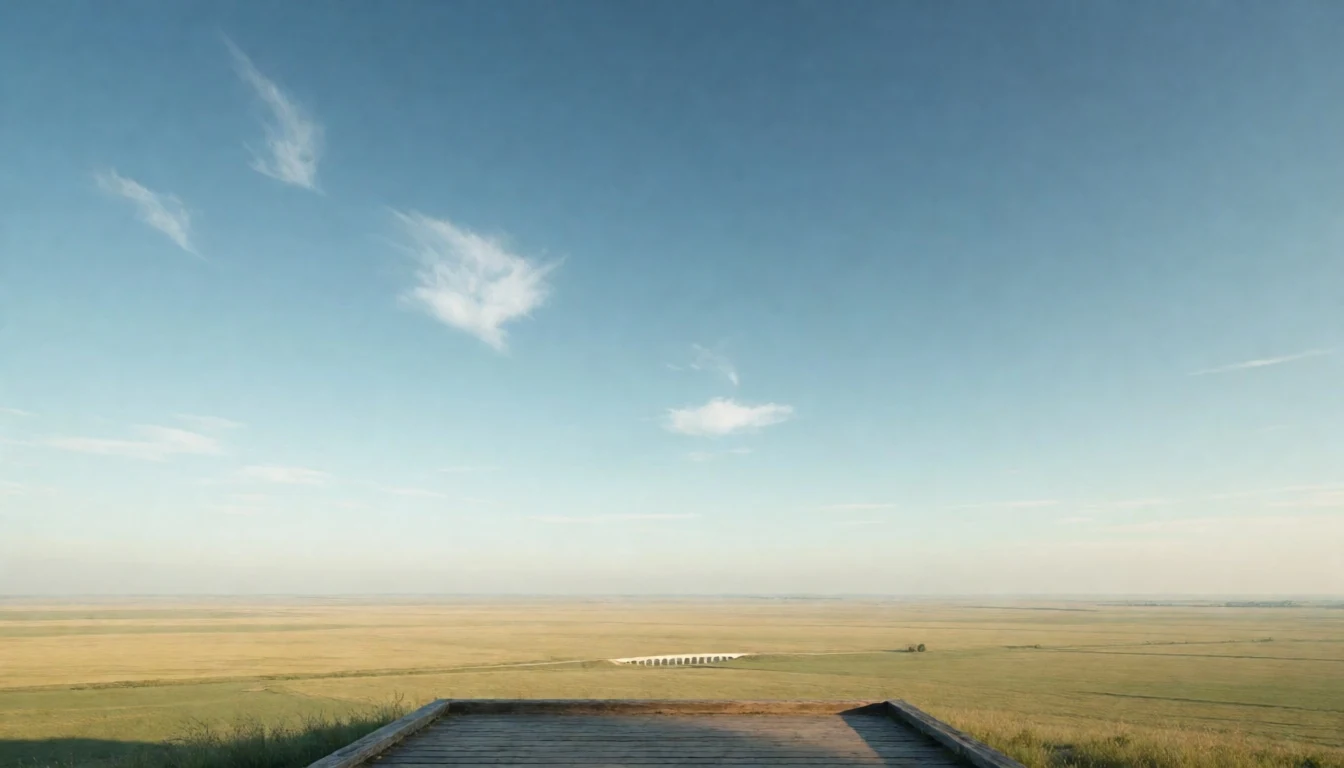
- Puszta Animal Park
Puszta Animal Park is where the steppe world becomes hands-on. Expect typical local animals and a more visitor-friendly atmosphere than the broader open landscape, which is useful if the heat is peaking or you want a calmer stop before heading back out.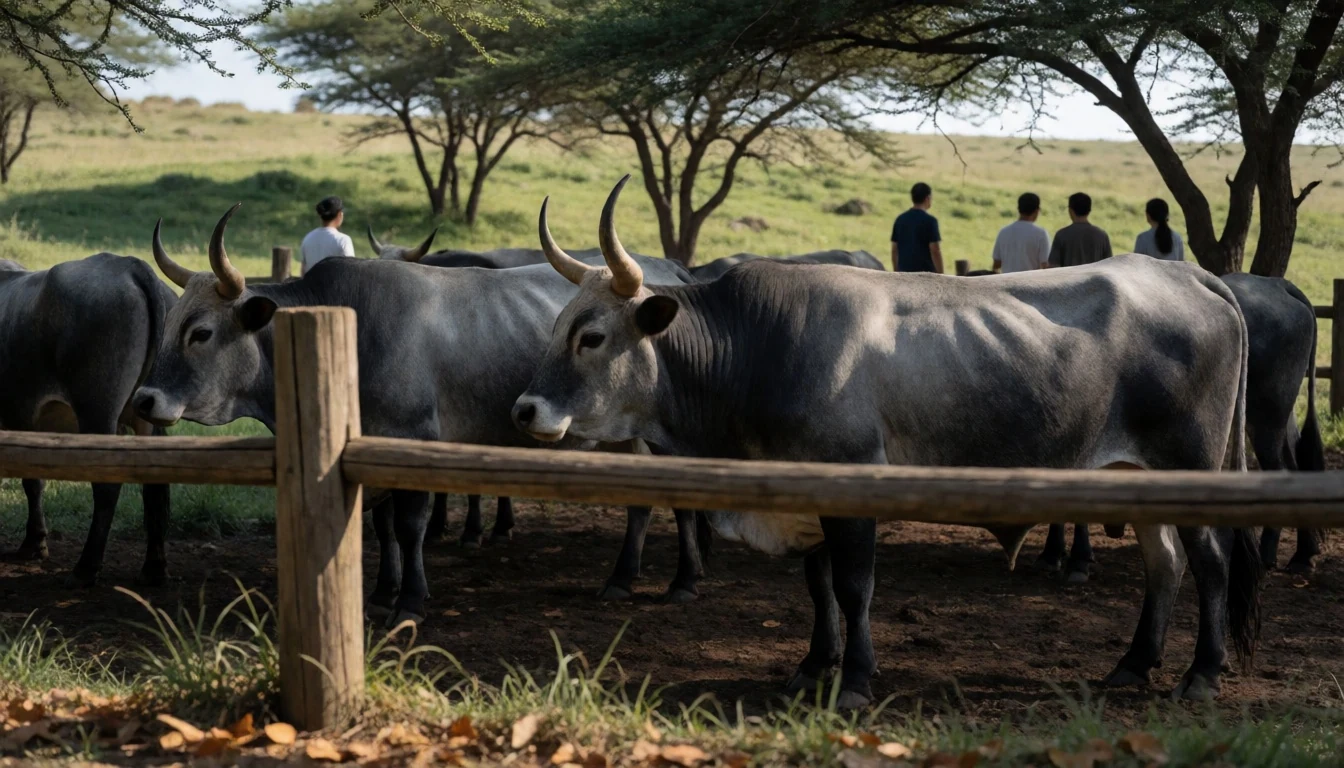
- Fishpond
A small pond tucked into the park—Fishpond feels like a pause button in the otherwise continuous grassland. It’s the kind of stop that helps you notice small changes: birds moving between open water and reeds, and the way the landscape softens at the water’s edge.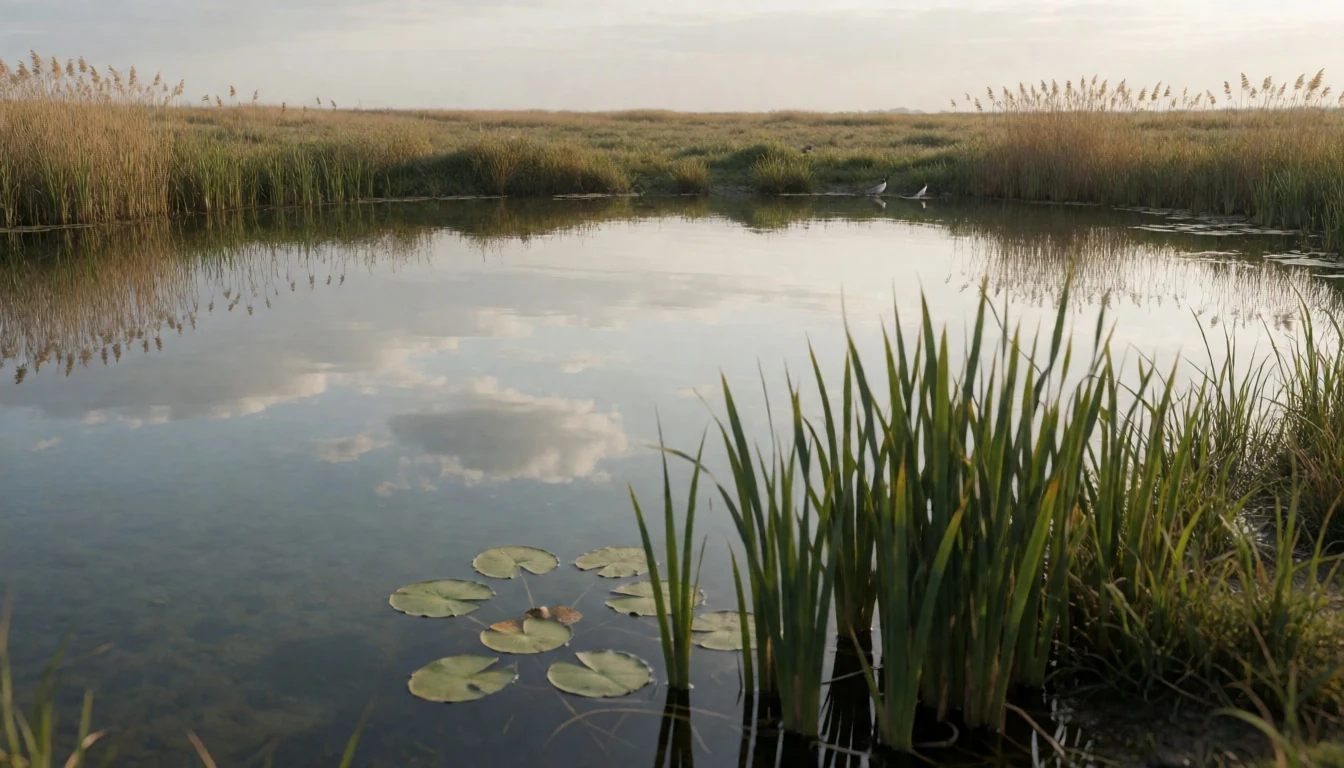
- Bird hide at Függőcinege torony
Függőcinege torony is a bird hide tower designed for patient watching. If you like slow travel—listening for movement, waiting for a wingbeat—this is where Hortobágy’s wildlife presence becomes real rather than theoretical, especially when light is gentle.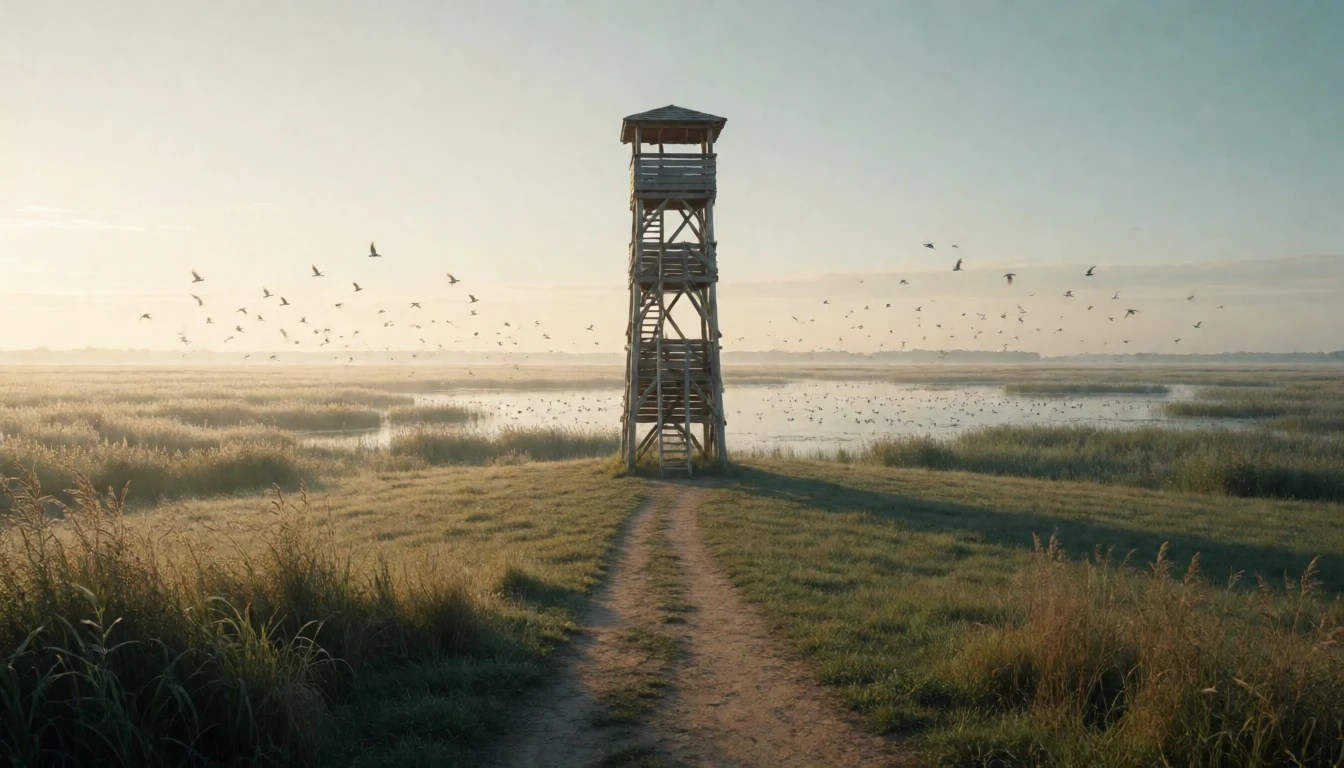
- Windmill Karcag
Windmill Karcag adds a different texture to the puszta: built structures that still feel made for this windy openness. It’s an easy mental shift from “living steppe” to “plain culture”, and it works well as a route marker when you’re linking sights.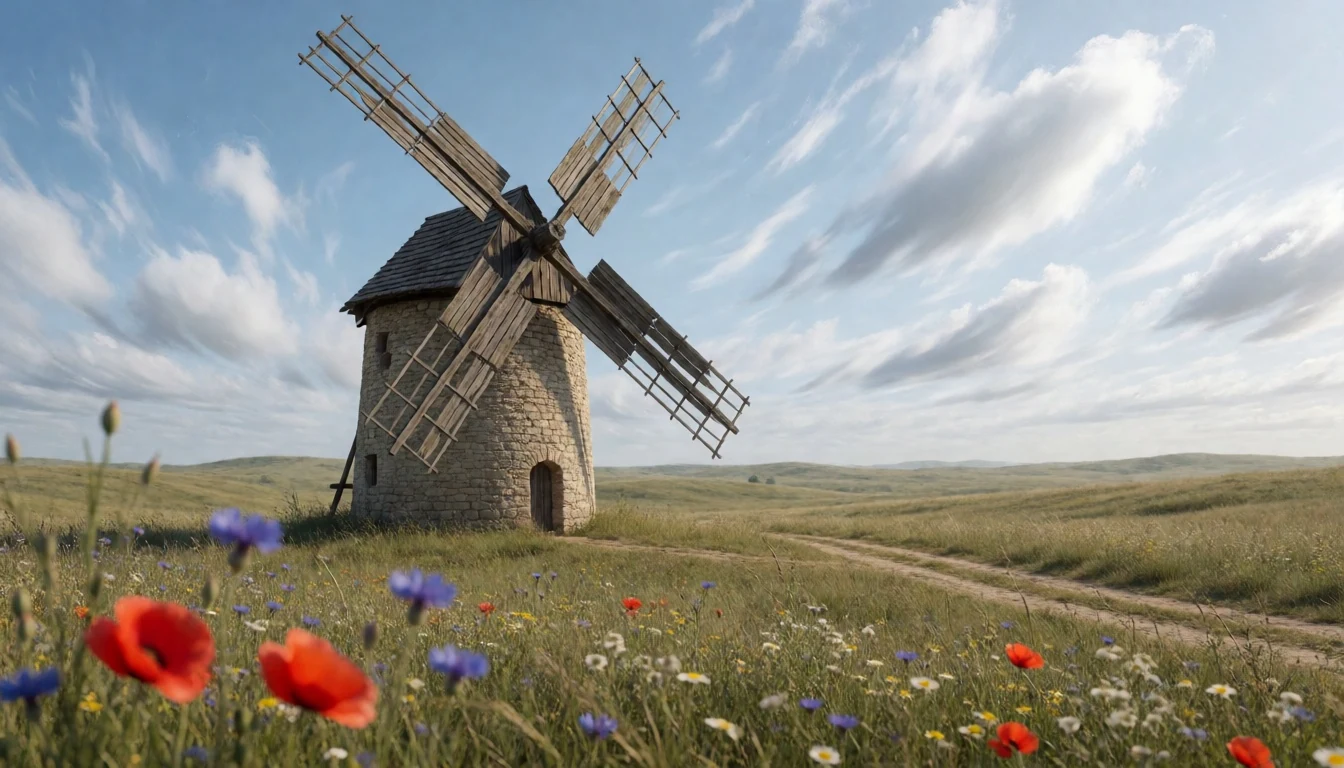
Culture
Hortobágy National Park’s culture is inseparable from pastoral life on the Great Plain. The park’s landscape isn’t just scenery: it’s a record of traditional methods of grazing, maintained long enough to become part of the site’s recognised heritage. That shows up in details that look simple until you notice how widely they’re spread—like the traditional T-shaped sweep wells (gémeskút), which help explain how water management fits into life on a treeless steppe.
The park also has distinctive “plain humour”: on hot days, mirages can make trees appear in reflections, and the brightness can flatten distance so the horizon feels closer than it should. In that kind of setting, folklore and observation naturally blend—people develop stories, and visitors end up watching the landscape the way locals have for generations.
For travellers, the practical side matters too. Many areas reward early starts because the light behaves better and the day’s heat hasn’t hardened the air yet. If you’re coming in high season, you’ll likely share the key bridge and viewpoint areas with tour groups, but once you move along the route the park can feel spacious again.
Visitor etiquette: keep noise low on the steppe and stick to paths where present—animals and grazing routines depend on quiet, steady presence.
What to wear
In Hortobágy, traditional dress is tied to Hungarian rural life and the same plain conditions that shaped pastoral work. Visitors often notice textiles like wool felt and simple, practical garments rooted in everyday labour—pieces designed to cope with sun, wind and variable weather on open grassland. If you see costumed performances, look for headwear and outer layers that would have worked in cold mornings and windy afternoons.
What people actually wear now is mostly practical: T-shirts, light layers, and breathable trousers, with hats a common sight when the sun is strong. Footwear matters because the ground can be dusty and uneven, and the park’s “treeless openness” means you’ll feel every change in weather.
What to wear as a visitor: light breathable layers for daytime, a warmer layer for late-evening breezes, and closed shoes or sturdy trainers for walking between viewpoints. Bring sunglasses and a hat, and consider a small reusable water bottle—shade is limited once you’re out in the open.
What to eat
- Hortobágy Csárda — near the Nine-hole Bridge (Hortobágy Csárda area)
Hortobágy Csárda sits at the foot of the Nine-hole Bridge and is one of the park’s better-known places to eat after sightseeing. It’s a handy option when travel time and weather push you toward a straightforward meal close to the main sights.
- Hungarian paprika-style stews (csárda/inn meals) — inn-style restaurants (csárda) around the park
In and around Hortobágy, menus around the park often lean into classic Hungarian stew flavours—rich, paprika-forward comfort food—suited to refuelling after walking on open ground. Look for these dishes in inn-style eateries near the main visitor routes.
- Goulash-style meat dishes — local eateries in nearby towns serving Hungarian classics
If you want something hearty and easy to order, goulash-style meat dishes are a common choice for visitors. They fit well with Hungary’s plain-country eating: warming, filling, and straightforward after a day in strong light and wind. - Hungarian pastries and strudels — cafés/bakeries in the park’s surrounding areas
A sweet stop is often the simplest way to get energy back after long views. Hungarian pastries and strudel-style desserts show up in cafés and bakeries around the region, and they’re usually an easy add-on between sights. - Seasonal salads and simple sides — daytime restaurant menus near access routes
On hotter days, simple salads and lighter sides can balance the heavier Hungarian dishes many visitors try first. You’ll find these as lunch options in everyday restaurants near the main access points, especially in warmer months. - Local dairy and cheeses (as plates or sides) — restaurant menus in nearby towns and visitor-facing stops
Because the region is pastoral, you’ll sometimes see dairy-based items—cheese boards or local dairy sides—featured as part of a meal. It’s a good way to taste the “plain” character without going complicated.
Plan it
Best time. March–April for clear walking weather and autumn-like light in early fall, and October–November for cooler, calmer conditions; winter can be quiet but the open steppe can feel biting, while June is the rainy season and August can be hot and humid.
How long. 3–4
Getting there. Reach the park by landing near Debrecen and taking a bus, with six to eight departures daily covering the roughly 40-minute journey. If driving, take national road 33 from Tiszafüred or Debrecen.
Budget. mid
Tips
- Start your day early to make the open steppe more comfortable and to catch the best light around the bridges
- Use the bus connections from Debrecen if you want an easy, low-stress day without planning parking
- Bring water and sun protection—shade is limited once you’re walking on the puszta
- Plan viewpoint order around where the crowds gather most, then add quieter birdwatching stops after
- Keep a light layer for breezes; the plain can cool down fast later in the day
Etiquette
- Stay on marked paths and keep a respectful distance from animals
- Keep your voice down in bird hides and avoid sudden movements
- If you’re photographing the Nine-hole Bridge area, don’t block walkways—step aside when people pass
Nearby
Sources
- Wikidata Q61757 (CC0)
- Wikipedia (rev 1366154387) (CC BY-SA 4.0)
- Wikivoyage (rev 5404228) (CC BY-SA 4.0)
- Photo photos/01-hortobagy-ziehbrunnen.jpg (CC BY 2.0)
- Photo photos/02-hu-microregion-1-7-31-hortob-gy.png (Public domain)
- Photo photos/03-hortob-gy.jpg (Public domain)
- Photo photos/04-hortobagy-h-d.jpg (CC BY 3.0)
- Photo photos/05-racka-fabian.jpg (Public domain)
- Photo photos/06-hungarian-grey-cattle.jpg (Public domain)
- Photo photos/07-gentiana-pneumonanthe-0001.jpg (CC BY 3.0)
- Photo photos/08-tisza-t.jpg (CC BY-SA 1.0)


