Hopetoun Falls
Hopetoun Falls, Australia
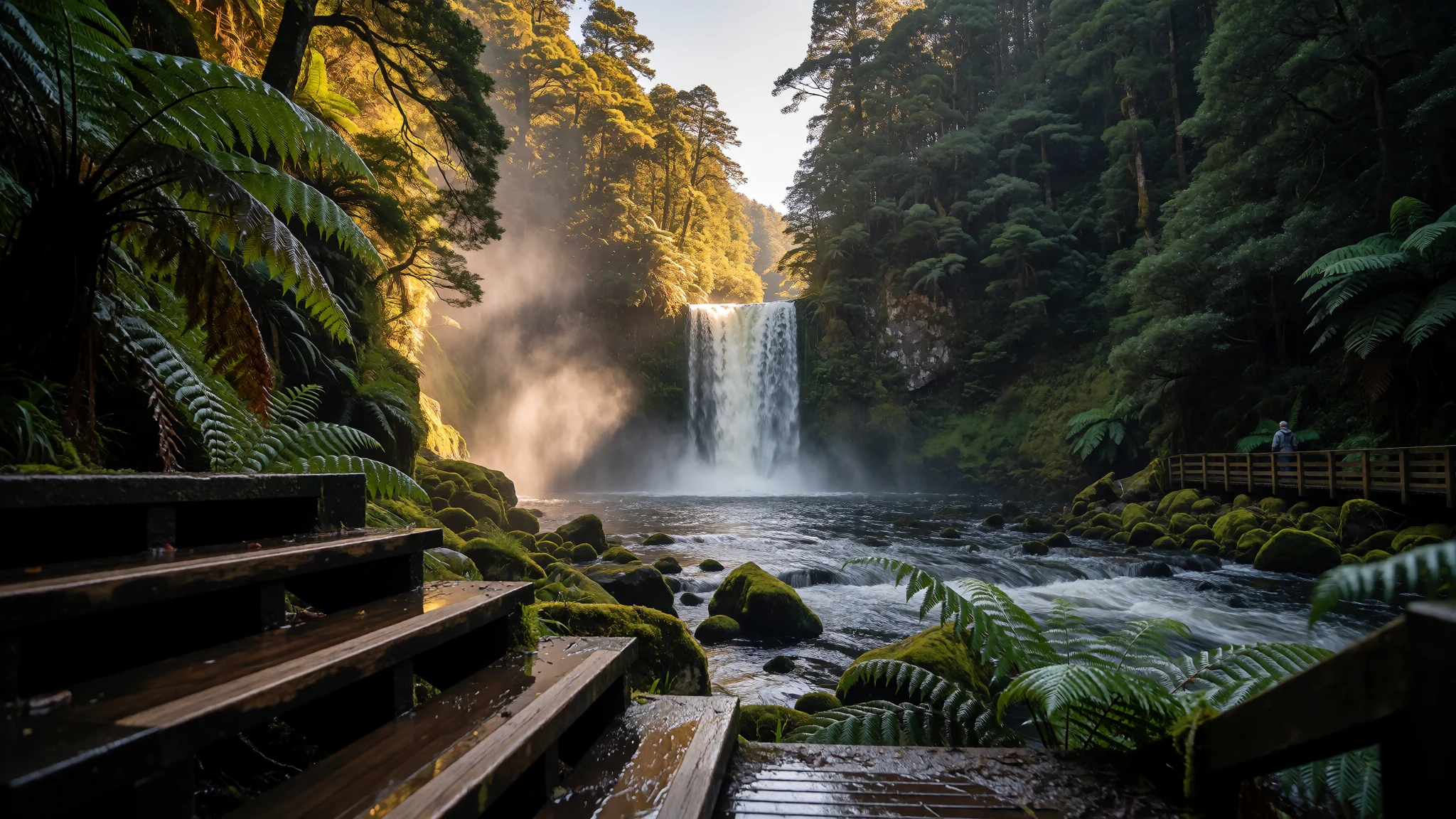
Hopetoun Falls offers a dramatic cascade tucked inside ancient Otway rainforests, combining lush wilderness walks with the raw beauty of southern Australia.
The place
Hopetoun Falls is a stunning waterfall situated across the Aire River within the Otways region of Victoria, Australia. The cascading water plunges over a single drop, creating a rectangular shape that rushes downward into the river below. Positioned near the locality of Beech Forest, the natural site sits surrounded by towering tree ferns, Myrtle beech trees, and dense temperate rainforests that define this lush southern landscape. Visitors approaching the cascades descend down a substantial and well-maintained flight of wooden stairs constructed along a natural stone patio. This descending path leads directly to a timber viewing platform located remarkably close to the foot of the waterfall, allowing travellers to feel the cool mist and hear the constant roar of the tumbling water echoing through the valley. Much care and attention has been dedicated over the years to preserving the wild character of the surrounding woodland while ensuring safe access for everyone who makes the journey down the gorge. Victoria itself is Australia's smallest mainland state, yet it packs an incredible variety of environments into a relatively compact area, ranging from the sophisticated streets and cultural laneways of Melbourne to rugged hinterlands, pristine coastlines, and quiet country towns. Exploring the region around Hopetoun Falls places travellers amidst some of the finest natural scenery in the southern hemisphere, where cool climate rainforests thrive under heavy rainfall and misty mountain air. The local topography features rolling hills, deep river valleys, and winding country roads that invite slow exploration and quiet appreciation of Australia's diverse ecological heritage.
Its story
Hopetoun Falls carries a rich local history that reflects the colonial exploration and administrative naming conventions of nineteenth-century Victoria. Early records indicate that the cascading waters on the Aire River were originally known to local inhabitants and early pioneers by alternative names, specifically Birch Falls or Aire Falls, sometimes spelled as Ayre Falls in historical documents. The waterfall received its current and enduring designation following an official gubernatorial visit. On a summer day in the final decade of the nineteenth century, Lord Hopetoun, who served as the Governor of Victoria at the time, journeyed into the rugged Otway ranges to inspect the remote wilderness. Following this royal vice-regal inspection, the picturesque cascade was renamed Hopetoun Falls in his honour. Later that same year, a local councillor named William Hose Bullivant recognised the urgent need to protect the scenic beauty surrounding the river from potential timber clearing and agricultural encroachment. He successfully persuaded the private landowner, Edward Hall, to reserve the immediate land surrounding the waterfall for public enjoyment and conservation. This successful lobbying led to the formal protection of the site, ensuring that future generations could experience the undisturbed forest and tumbling river. Over subsequent decades, land management agencies worked to balance public access with environmental preservation, eventually constructing the sturdy timber stairs and viewing platforms that protect the fragile riverbank soils while guiding visitors safely into the damp, green gorge.
What to see
- Twelve Apostles — Great Ocean Road
The Twelve Apostles stand as Victoria's most iconic coastal landmark along the dramatic Great Ocean Road. These towering limestone stacks rise directly from the pounding Southern Ocean, creating breathtaking panoramic vistas that are particularly spectacular during sunrise and sunset. Wooden lookouts and walking trails allow visitors to admire the geological formations from multiple vantage points along the rugged cliffs.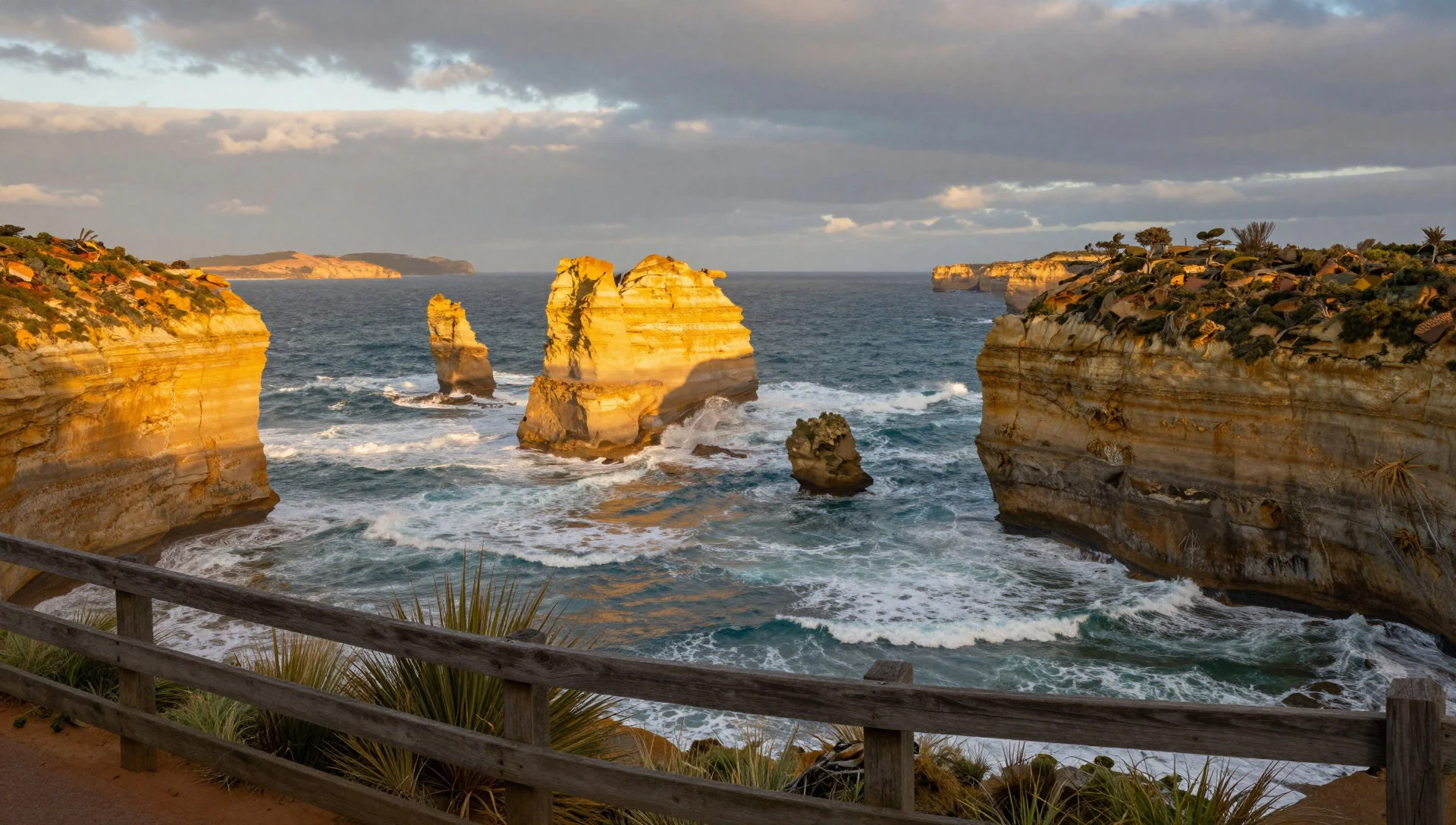
- Budj Bim National Park — South Western Victoria
Budj Bim National Park represents an extraordinarily significant Indigenous cultural and heritage landscape featuring ancient aquaculture systems developed by local traditional owners. Indigenous engineers constructed stone channels and traps to harvest eels and fish across the volcanic terrain thousands of years ago. This remarkable site is celebrated globally as one of the oldest examples of continuous human engineering and traditional land management.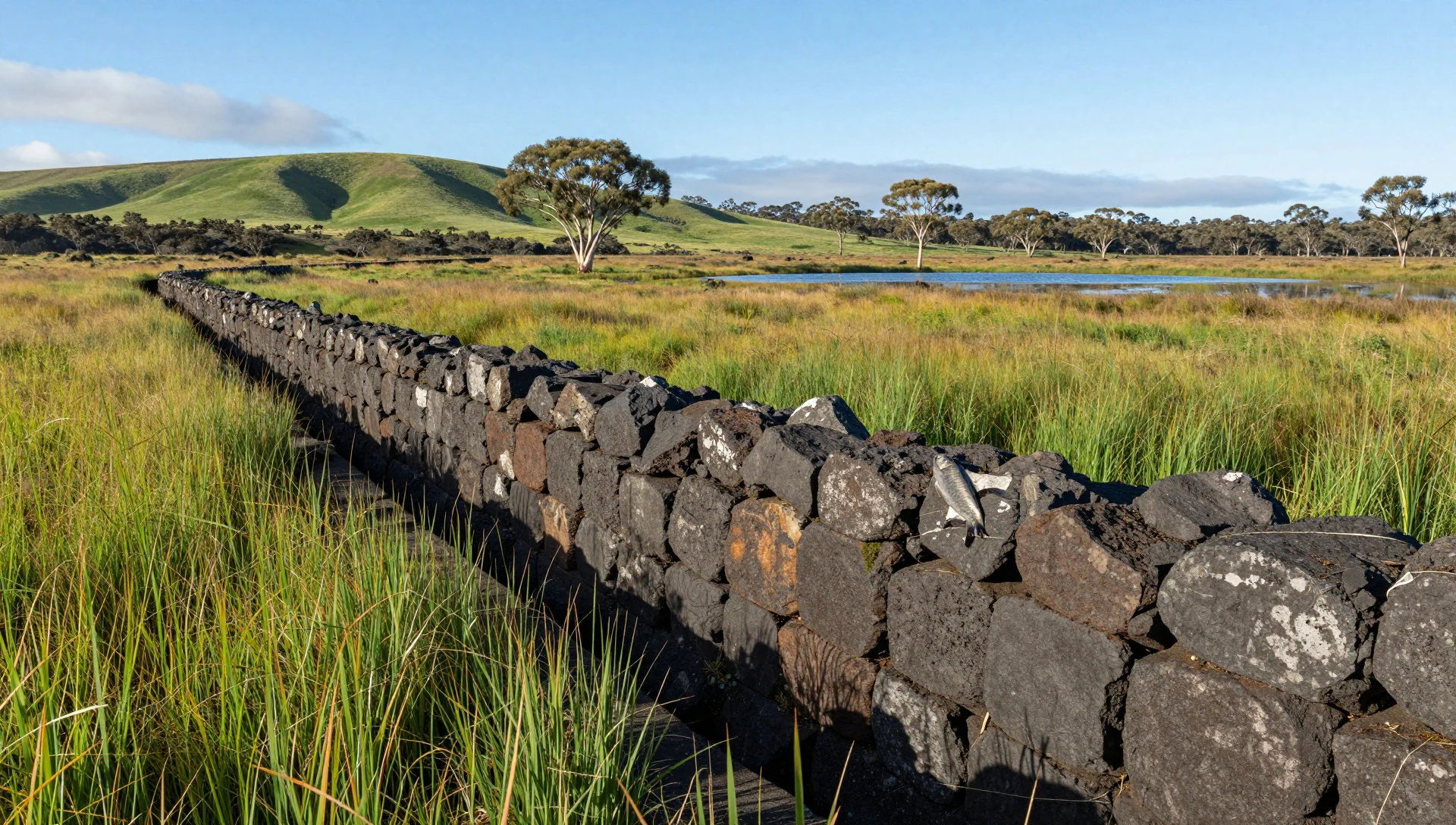
- Sovereign Hill — Ballarat
Sovereign Hill is an immersive open-air living history museum located in Ballarat that meticulously recreates the dramatic atmosphere of the nineteenth-century gold rush era. Costumed historical actors populate the recreated township, demonstrating traditional trades, operating underground mine tours, and inviting visitors to try gold panning in the rushing streams. It remains a fascinating destination for understanding the transformative social and economic history of colonial Australia.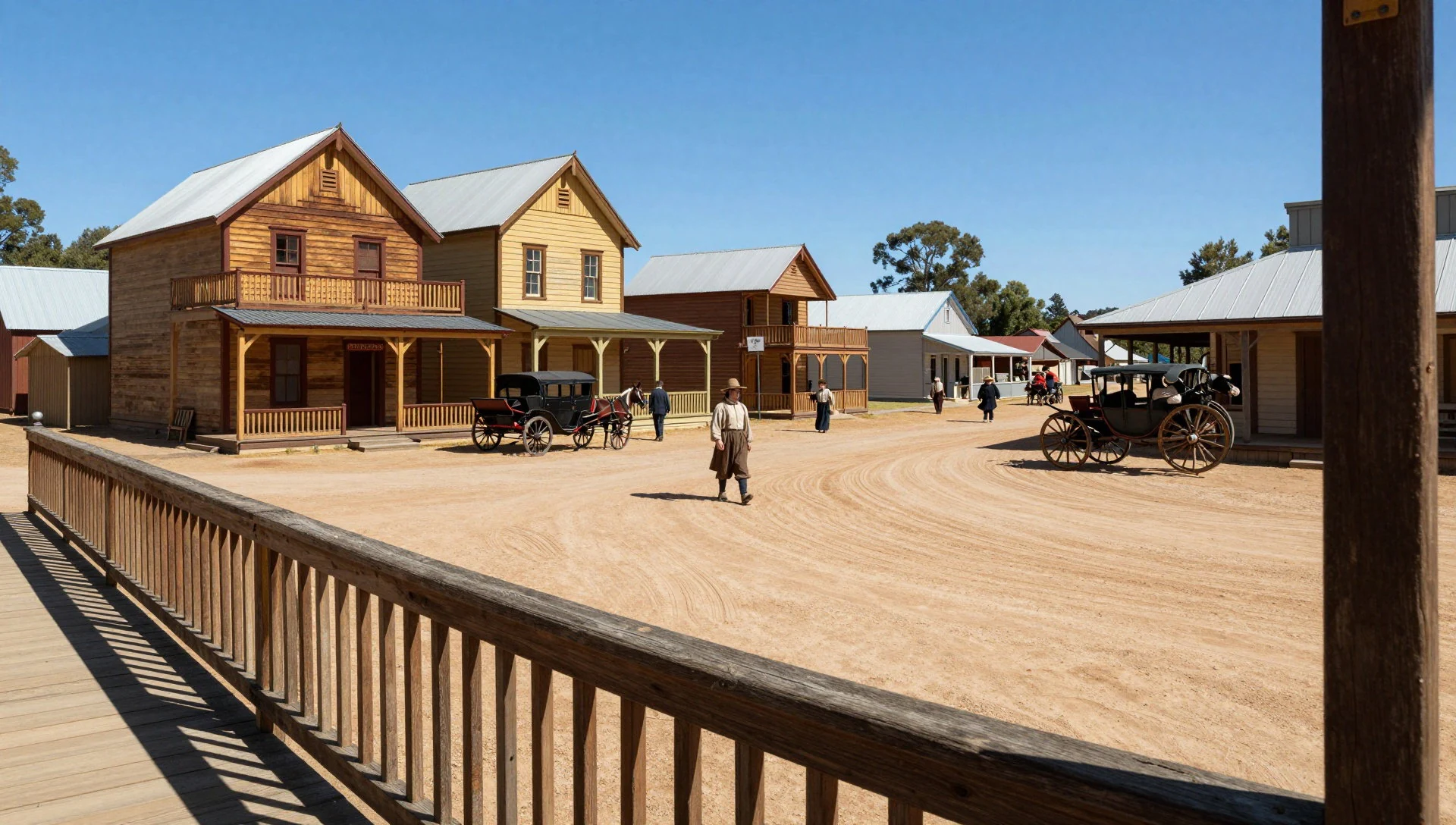
- Grampians National Park — Western Victoria
Grampians National Park encompasses vast, rugged sandstone mountain ranges that stretch across the western plains of Victoria. The dramatic peaks offer challenging hiking trails, sweeping clifftop lookouts, and deep valleys filled with seasonal wildflowers and native wildlife. The park is also home to significant Aboriginal rock art sites that preserve the deep spiritual connection of the traditional custodians to the ancient landscape.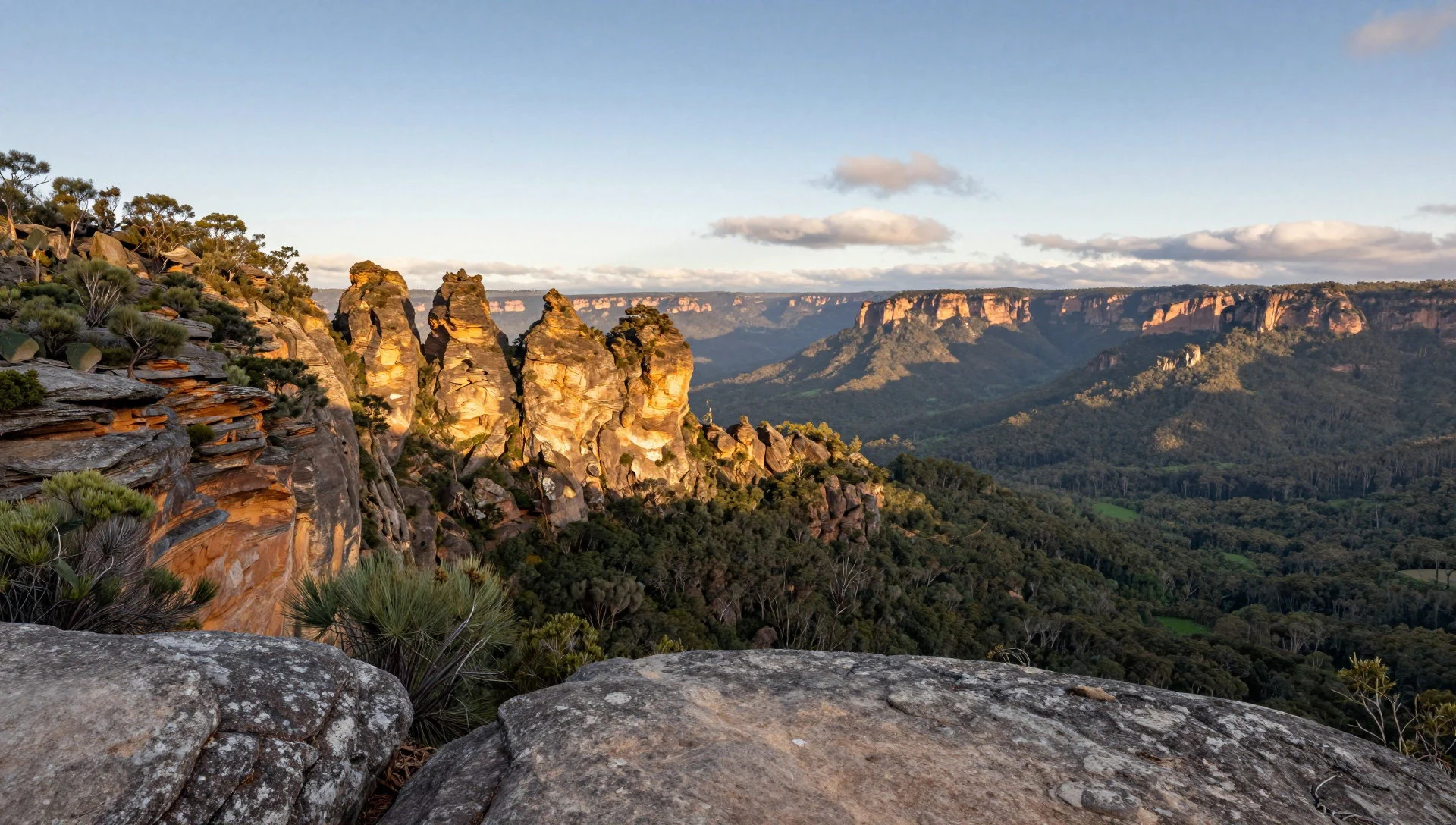
- Wilsons Promontory National Park — Gippsland
Wilsons Promontory National Park occupies the southernmost mainland point of Australia, protecting an expansive peninsula of wild coastal bushland, granite mountains, and pristine white-sand beaches. Popular walking tracks wind through dense eucalyptus forests and open coastal heathlands, offering encounters with native wombats, emus, and kangaroos. The protected marine national parks surrounding the promontory also provide exceptional opportunities for coastal exploration and wilderness appreciation.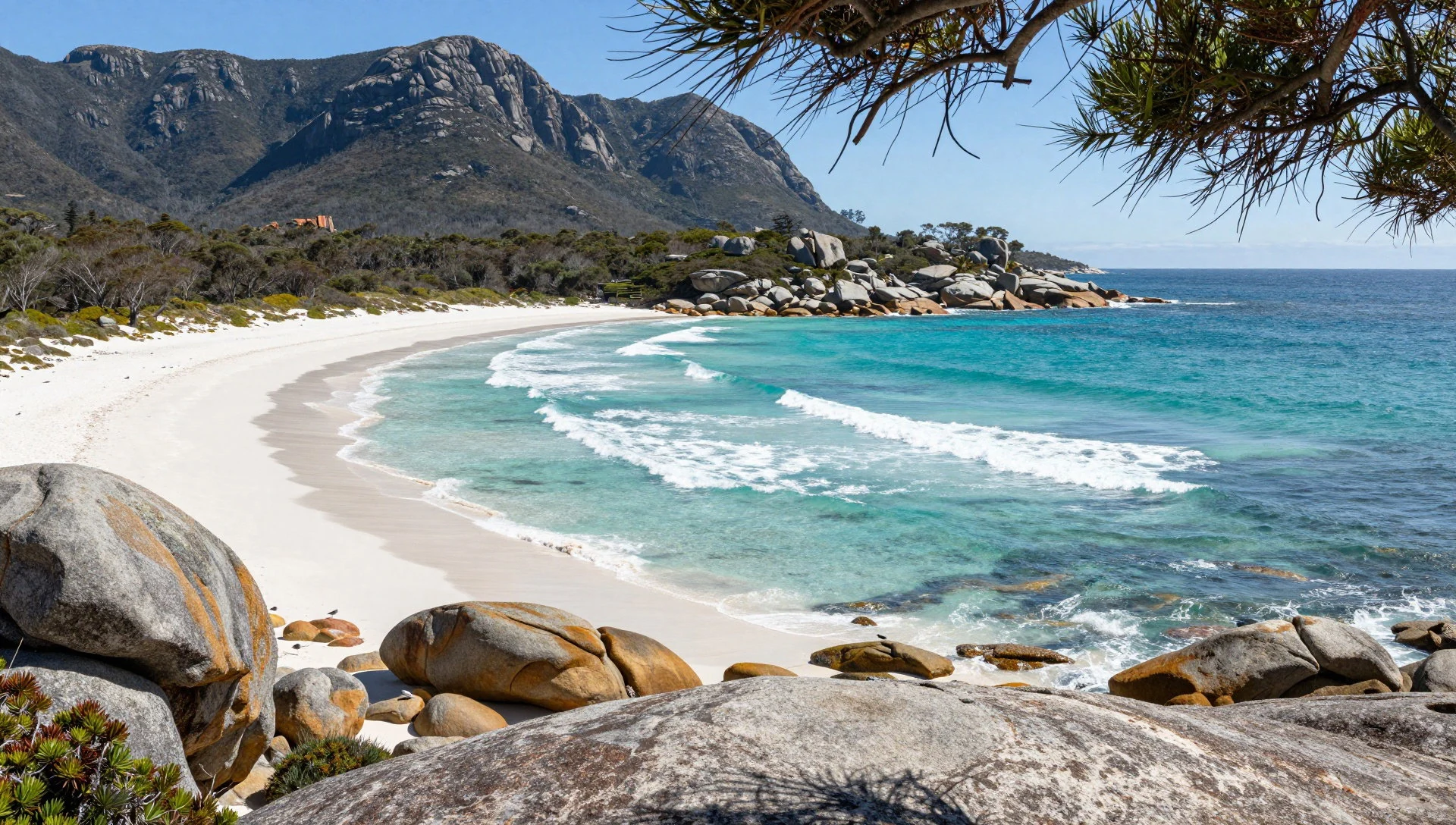
Culture
Hopetoun Falls and the broader Otways region are situated on the traditional lands of the Gadubanud people, who managed and cared for these dense rainforests and coastal environments for millennia before European settlement. Contemporary Victorian culture places a strong emphasis on environmental conservation, outdoor recreation, and respect for Indigenous heritage and land management practices across all national parks. Visitors to natural reserves are encouraged to engage thoughtfully with local conservation guidelines, supporting regional communities that balance tourism with ecological preservation. When exploring rural townships and national park trails around Hopetoun Falls, travellers will find a welcoming, relaxed atmosphere where friendly greetings are customary and community pride in local natural wonders is palpable. Always respect wildlife habitats, stay on marked walking tracks to prevent soil erosion and protect delicate fern roots, and adhere strictly to biosecurity notices regarding plant and fruit movements to preserve local ecosystems.
What to wear
Hopetoun Falls visitors should prioritize practical weather-resistant outdoor gear above all aesthetic considerations. Traditional Australian bush wear historically featured durable moleskin trousers, flannel shirts, and wide-brimmed Akubra hats designed to withstand harsh sun and variable weather conditions in the rugged backcountry. Today, locals and travellers exploring Victorian national parks typically wear comfortable moisture-wicking layers, fleece jackets, and sturdy waterproof hiking boots or trail shoes, as the rainforest environment near the waterfall remains damp, muddy, and slippery year-round. Because southern Victoria's weather can shift rapidly from bright sunshine to chilly rain, intelligent layering is essential for any excursion into the Otways. Visitors should always pack a waterproof jacket or windproof shell, wear long trousers to protect against scratches from ferns and undergrowth, and ensure their footwear has deep treads suitable for navigating wet wooden stairs and muddy forest tracks. Casual, comfortable clothing is universally accepted in nearby towns like Apollo Bay and Beech Forest, so there is no need for formal attire when visiting natural attractions.
What to eat
- Yarra Valley Farm Produce — Yarra Valley
The Yarra Valley offers exceptional farm-to-table dining experiences featuring fresh regional vegetables, artisan cheeses, and locally produced cool-climate wines served against a backdrop of rolling vineyard hills and fertile river valleys.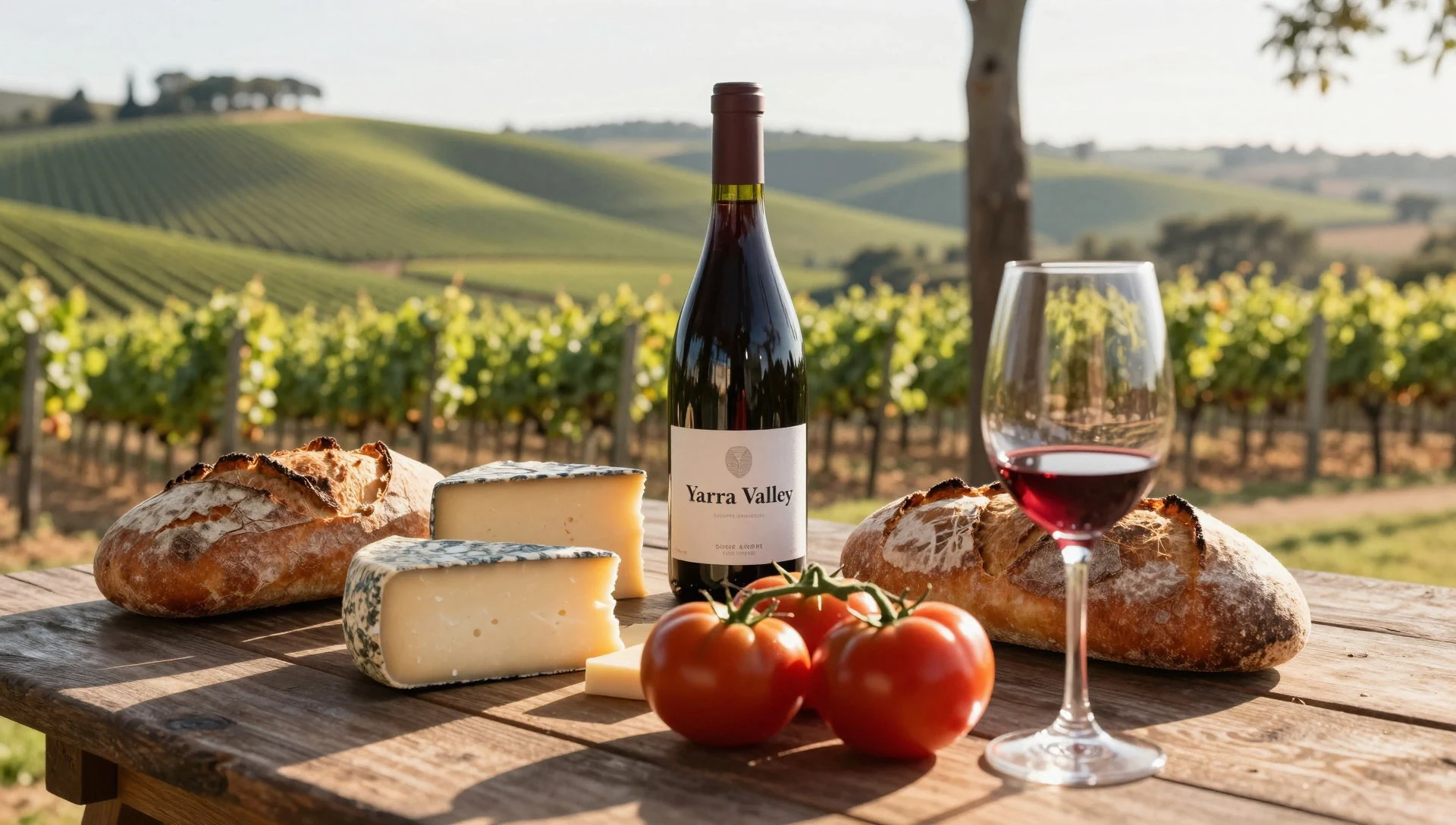
- Coastal Seafood — Apollo Bay and coastal towns
Coastal townships like Apollo Bay and Port Fairy serve freshly caught seafood, including local fish, calamari, and shellfish, enjoyed at casual eateries and restaurants overlooking the sweeping southern ocean views.
- Goldfields Bakery Pastries — Goldfields region historic towns
Historic towns throughout the Victorian Goldfields feature traditional bakeries and local cafes offering hearty pies, classic slices, and fresh pastries inspired by the region's rich colonial heritage and baking traditions. - Melbourne Laneway Coffee — Melbourne laneways and central business district
Melbourne's famous urban laneways house a vibrant café culture renowned worldwide for exceptional specialty coffee roasting, artisanal brunch menus, and innovative pastries served in intimate, art-filled city spaces.
Plan it
Best time. March to April during autumn provides mild weather and colorful foliage, while October to November brings pleasant spring temperatures and active waterfalls fed by seasonal rains.
How long. 2–3
Getting there. Fly into Melbourne Airport, hire a car, and drive south-west via the Geelong and the Great Ocean Road or inland routes toward Beech Forest and the Otways.
Budget. mid
Tips
- Hire a reliable car, as public transport to remote waterfalls in the Otways is extremely limited
- Wear sturdy, waterproof footwear with good grip for the steep stairs down to the waterfall
- Check local weather and park safety warnings before heading into dense forest areas
- Observe strict quarantine rules prohibiting the transport of fresh fruit and soil across biosecurity borders
- Arrive early in the morning to enjoy the tranquil forest atmosphere before day-trip crowds arrive
Etiquette
- Stay strictly on designated walking tracks to protect fragile fern roots and prevent soil erosion
- Dispose of all rubbish properly or carry it out with you to keep the national park pristine
- Respect local biosecurity bins by discarding restricted fruits and plant materials before entering quarantine zones
Nearby
Sources
- Wikidata Q3089832 (CC0)
- Wikipedia (rev 1378976581) (CC-BY-SA 4.0)
- Wikivoyage (rev 5327873) (CC-BY-SA 4.0)