Hirkan National Park
Hirkan National Park, Azerbaijan
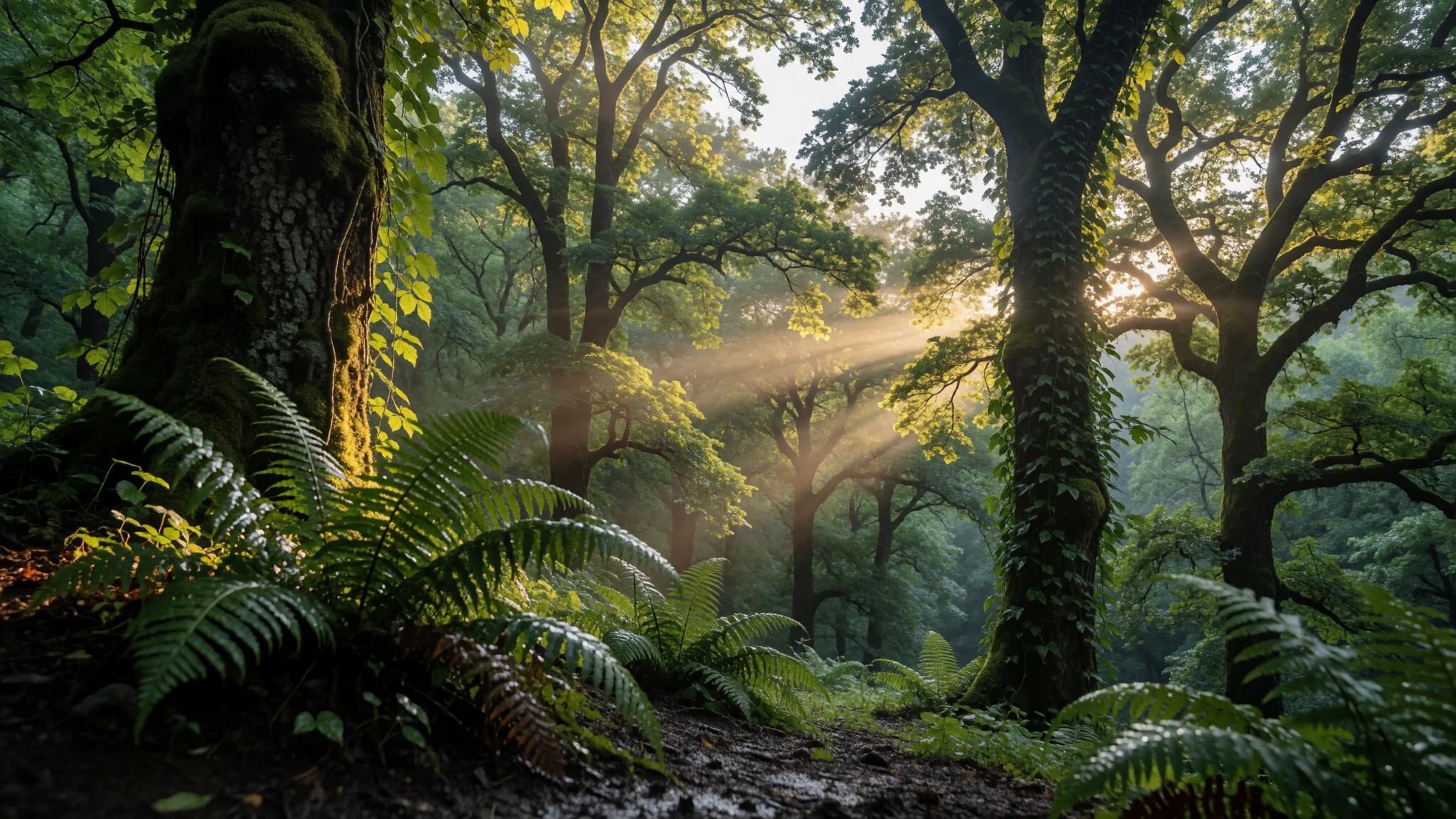
Hirkan National Park keeps a rain-soaked Talysh forest of endemic plants and animals on Azerbaijan's southern edge.
The place
Hirkan National Park occupies the southern edge of Azerbaijan, in the Talysh region, across land in the rayons of Lankaran and Astara. Hirkan Milli Parkı, as it is called in Azerbaijani, holds a block of broadleaved forest that runs from the Lenkoran Lowland up into the Talysh Mountains. The woodland is the landscape. Villages and pasture do not slice it into separate groves, so a walker stays under leaves for long stretches. Moisture defines the climate. Low ground stays humid and subtropical, middle elevations feel more oceanic, and the higher ridges turn towards a humid continental pattern. Rain is a normal condition rather than a season that comes and goes. Old trees, that rainfall, and the change in height from the plain to the ridges give the park a dense mix of living things, including species that grow or live only in this Caspian fringe. The recorded elevation at the park is 243 metres, a mid-slope figure; the protected land both dips towards the lowland and climbs above it. People come for the forest itself. There is no city inside the boundary and little built spectacle. Paths are soft, trunks are thick, and the light is filtered. The Iranian border lies close, and the same kind of Hyrcanian woodland continues on the far side, so Hirkan National Park reads as one piece of a longer coastal forest rather than an isolated reserve.
Its story
Hirkan National Park was founded in 2004, taking over ground that had already been kept as the Hirkan State Reserve. The change of title mattered. A reserve closed to most everyday use became a national park still under strict protection, in the same Talysh forests of Lankaran and Astara. The name Hirkan points to an old geographic idea, the Hyrcanian or Girkan woods along the southern Caspian, known in ecology as the Caspian Hyrcanian mixed forests. Those woods are deciduous. Warm wet air near the coast gives the lower stands a subtropical cast, while the same broadleaved cover feels temperate once the Talysh slopes take over, and the trees reach into the Lenkoran Lowland without claiming the whole plain. Hirkan National Park is the Azerbaijani portion of that pattern, held so that endemic species have somewhere continuous to live. Before the park, the reserve had already marked this woodland as too important to open to ordinary clearing. The 2004 step folded that earlier protection into the national park system without turning the trees into a picnic ground. Nothing in the boundary is organised around a town. The story of the place is administrative as much as natural: a decision to keep a wet mountain forest intact, under a name that ties Lankaran and Astara to a woodland type shared with the Iranian side of the Talysh. Visitors walking there now are inside a decision made in 2004, on land that had already been set aside, in a forest that does not depend on monuments or ruins to explain itself.
What to see
- Talysh forest — Talysh Mountains
Inside Hirkan National Park the Talysh slopes carry a closed broadleaved canopy, with tall trunks and a thick green understorey. The woodland runs without villages or pasture breaking it, so a walk stays inside one long forest. Moisture hangs in the air and on the path. The point is the trees; no monument waits at the end.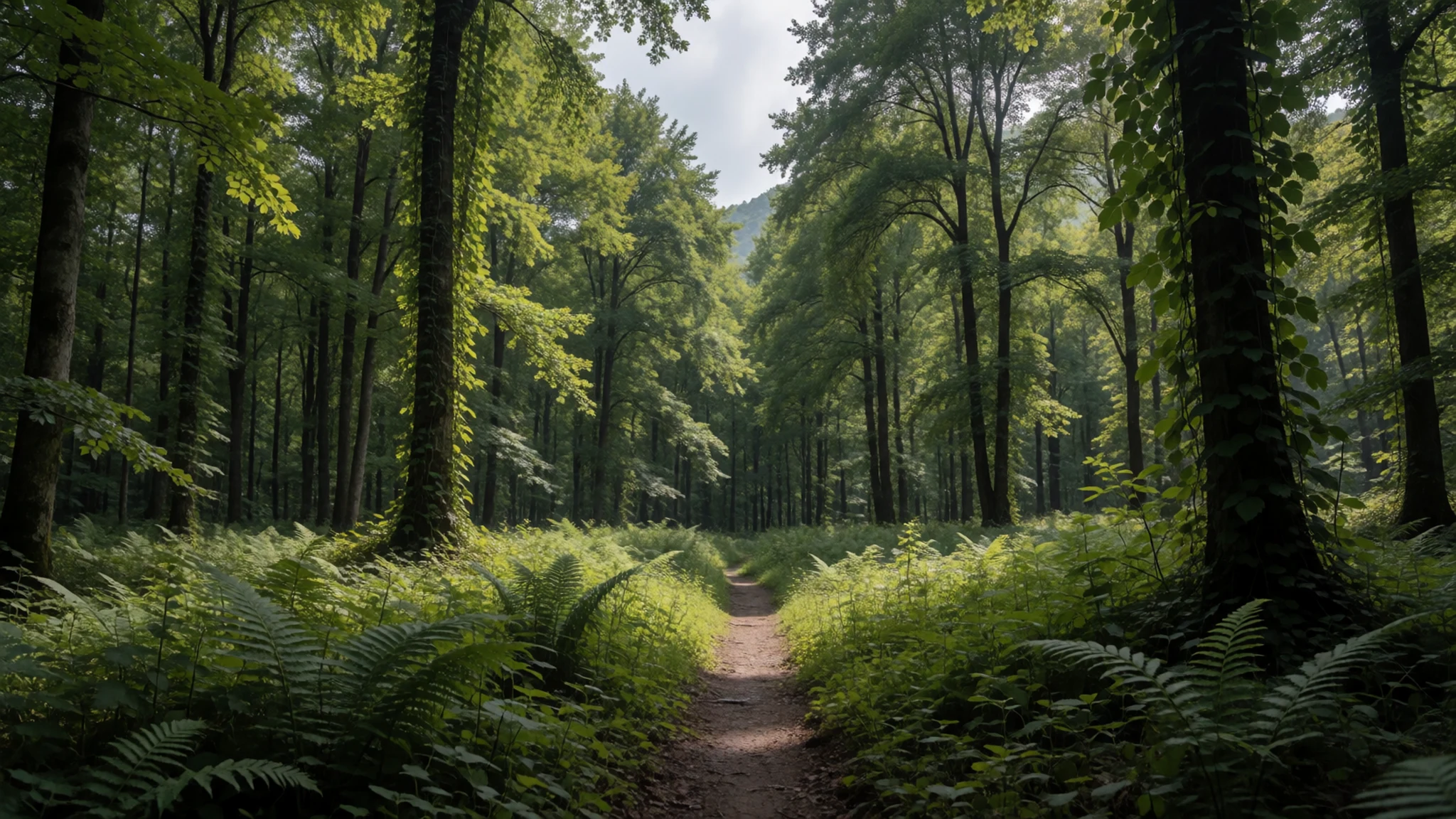
- Old trunks — Park interior
Old trunks in Hirkan National Park show their age as girth, moss, and a layered canopy rather than as signed specimens. A single stem can fill the width of a path. Wet weather and strict protection have left these trees standing instead of being cut for pasture or fuel. They show how the woodland is managed.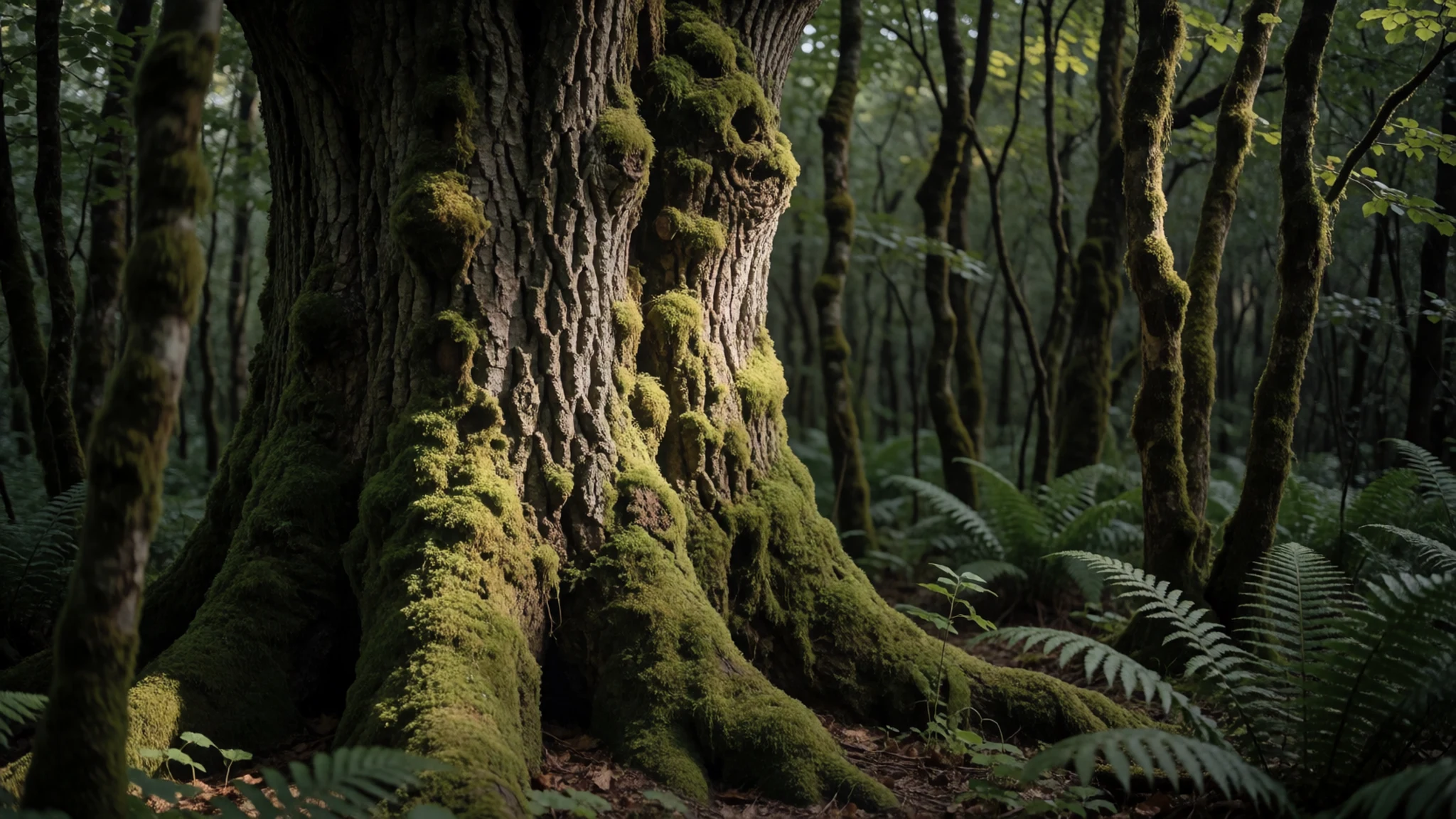
- Lenkoran lowland forest — Lenkoran Lowland
Lower ground in Hirkan National Park, towards the Lenkoran Lowland, feels warmer and wetter than the ridges above. Leaves grow broad, the air stays heavy, and the canopy still closes over the track. This fringe belongs to the same protected forest as the Talysh slopes. A short change in height is enough to shift the woodland from subtropical lowland towards cooler montane trees.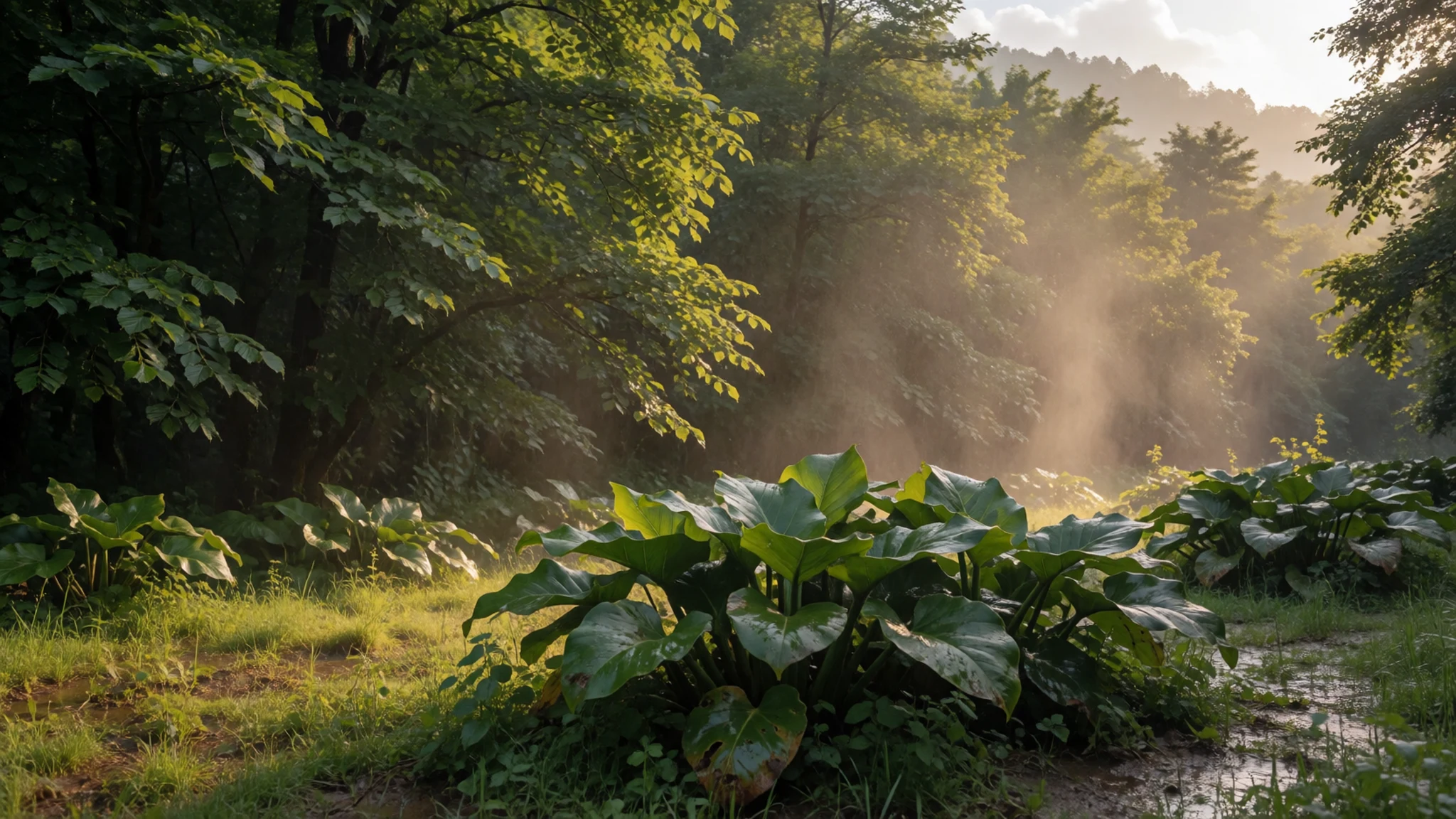
- Deer and woodpeckers — Forest interior
Sika deer and roe deer live in the forest of Hirkan National Park, and the great spotted woodpecker works the older trunks. Sightings take patience; the undergrowth is dense and the animals are wary. Endemic plants and animals are why this woodland is kept under strict protection. Early hours, before walkers and rain both pick up, are the generous time to stand still and listen.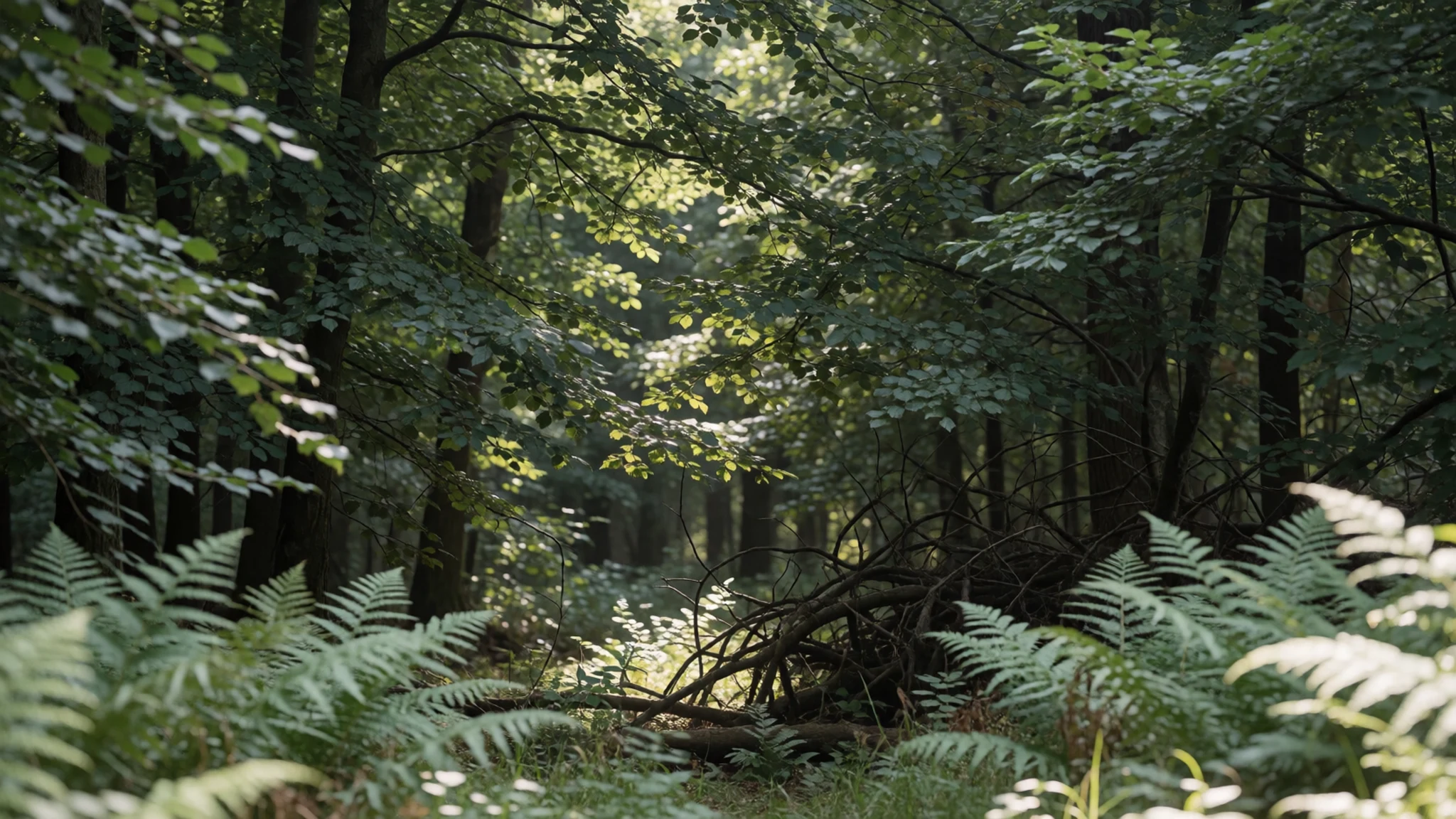
- Wetland birds — Lowland wetlands
Open water and wet clearings inside Hirkan National Park hold more than forest birds. Flamingo has been photographed in the park, a reminder that the lowland edge meets still water as well as trees. These openings sit within the protected area, not outside it. A quiet pause with binoculars is worth more than pushing further into closed thicket.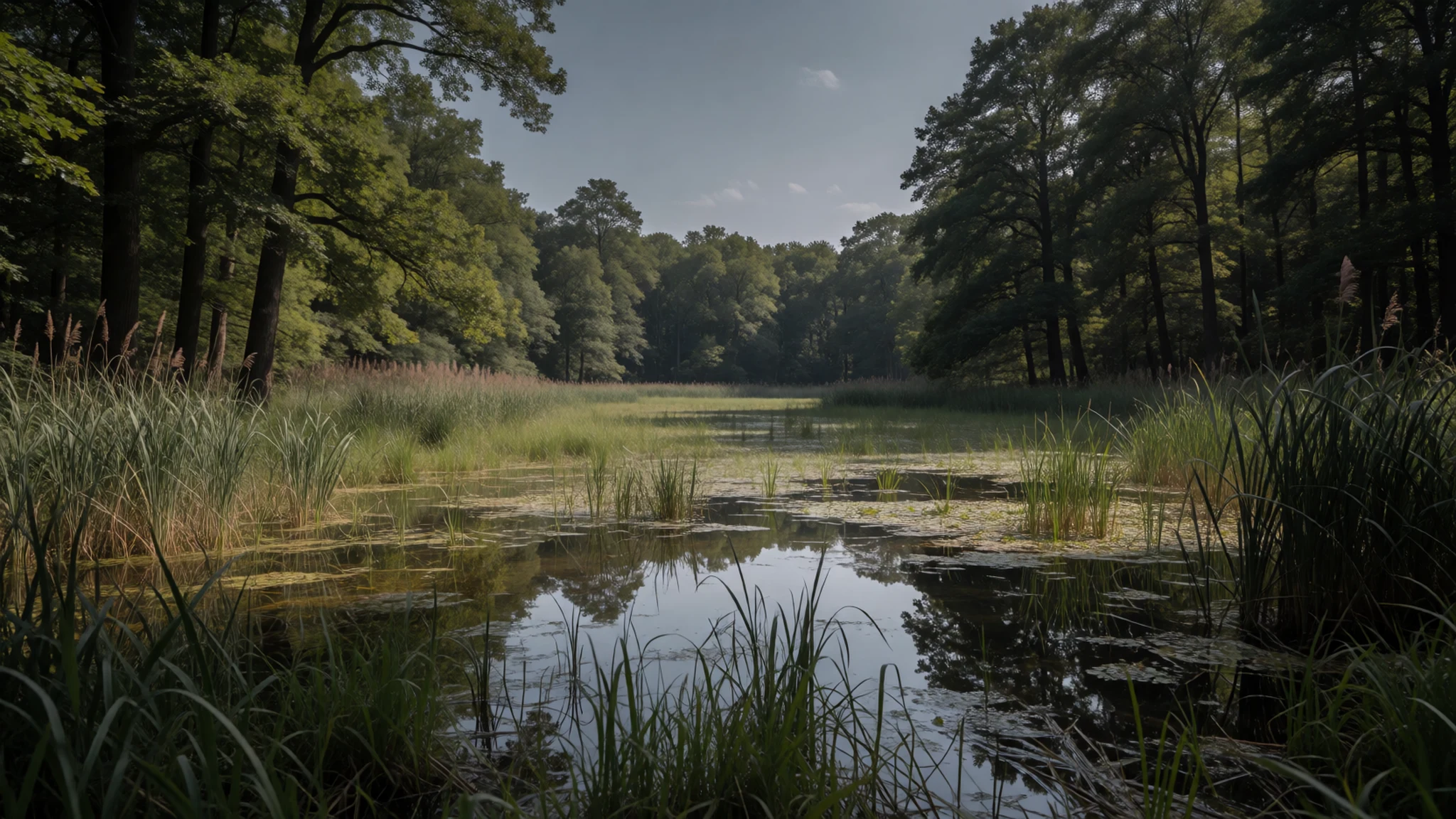
Culture
Hirkan National Park stands in southern Azerbaijan, where house customs still shape a day that begins and ends in Lankaran or Astara. People here are reserved with strangers and careful about politeness. An invitation home calls for a gift: flowers in an odd count, because an even count is tied to funerals, or chocolate, or a small thing brought from the guest's own country. Wine and other alcohol make a clumsy present. A modest present is welcomed; cost is not the point. Shoes are left at the threshold, outside or just inside the door, unless the host explicitly allows them to stay on, and slippers may be offered in their place. Elders are treated with public respect. On a bus, tram, or metro, a younger rider offers a seat to an older person, and also to a pregnant woman, a disabled passenger, or anyone travelling with children. The forest asks for the same consideration. In Hirkan National Park, stay on the path, pick nothing, and keep noise down so the protected woodland stays intact.
What to wear
Around Hirkan National Park, in Lankaran and Astara, traditional clothes are still part of ceremony even though ordinary days look modern. For women, the formal set centres on a silk headscarf known as a kelaghayi, worn with a long fitted jacket, the arkhalig, over a full dress. Silk is the textile that carries status in that scarf; wool and heavier cloth make the outer layers. Men's ceremonial wear draws on the Caucasian chokha, a wool coat, and the papakha hat, now mostly for weddings, festivals, and performance rather than for a walk in the trees. In town, everyday dress is shirts, jeans or trousers, simple dresses, and rain jackets, with headscarves more common among older women. A visitor dressed for Hirkan National Park needs clothes that can take mud and constant humidity: long light trousers, a waterproof jacket, and boots with a firm grip. Sandals and pale trainers fail on wet roots. Covered shoulders and knees sit more easily in local tea houses and in family homes. Pack a spare dry layer, because the forest does not offer a dry hour on demand.
What to eat
- Plov — Home-style eateries in Lankaran and Astara
Plov is rice cooked to a crust and served with meat or other toppings, the plate many Azerbaijanis treat as a full meal. Home-style eateries in Lankaran and Astara, the towns beside Hirkan National Park, serve it at midday, always with bread.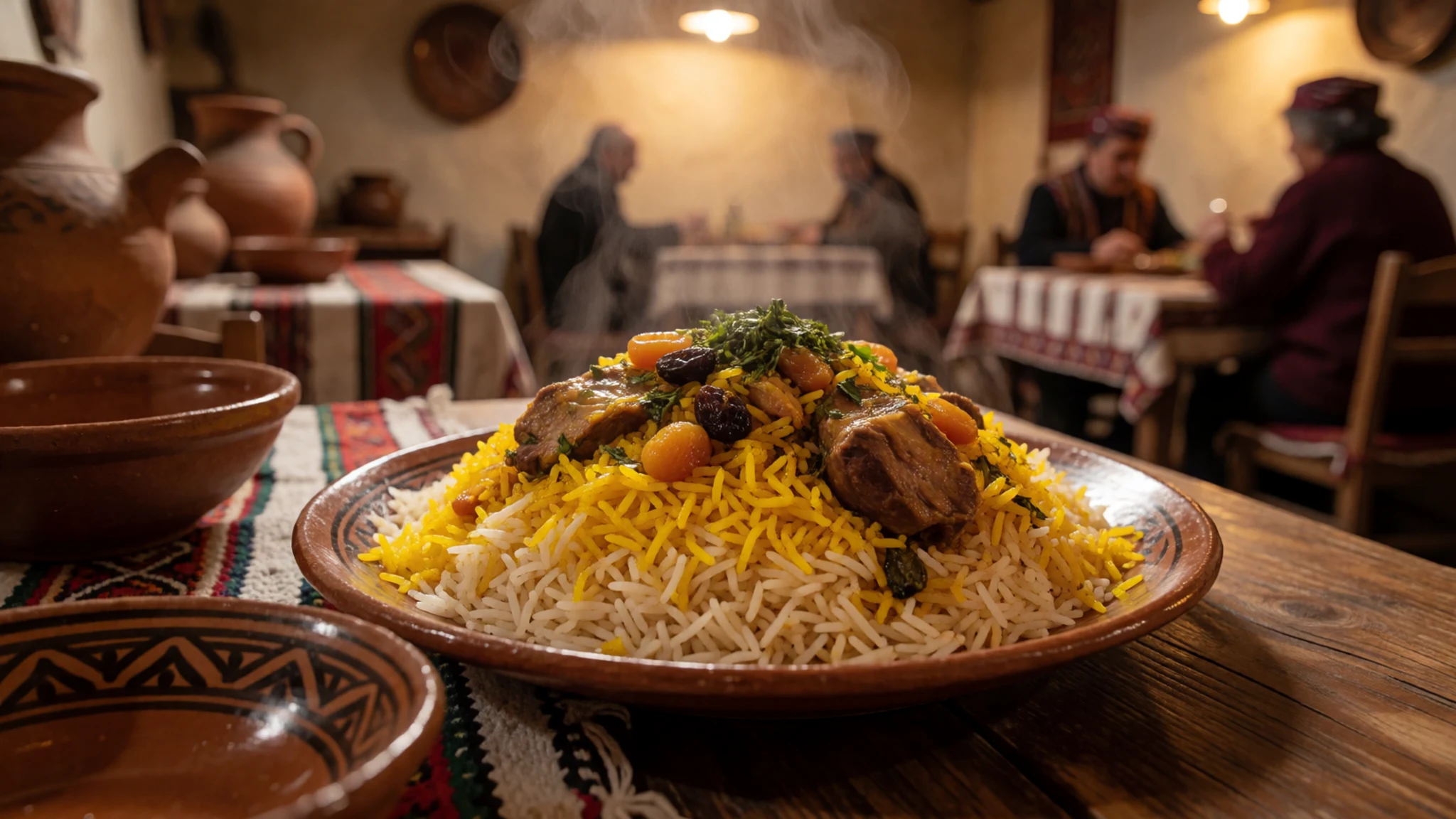
- Piti — Tea houses and eateries in Lankaran
Piti stews mutton in a sealed crock with chickpeas, tomato, and potato, tinted with saffron water and capped by a piece of fat. Tea houses and simple eateries in Lankaran serve it as a heavy, warming bowl after a wet walk in Hirkan National Park.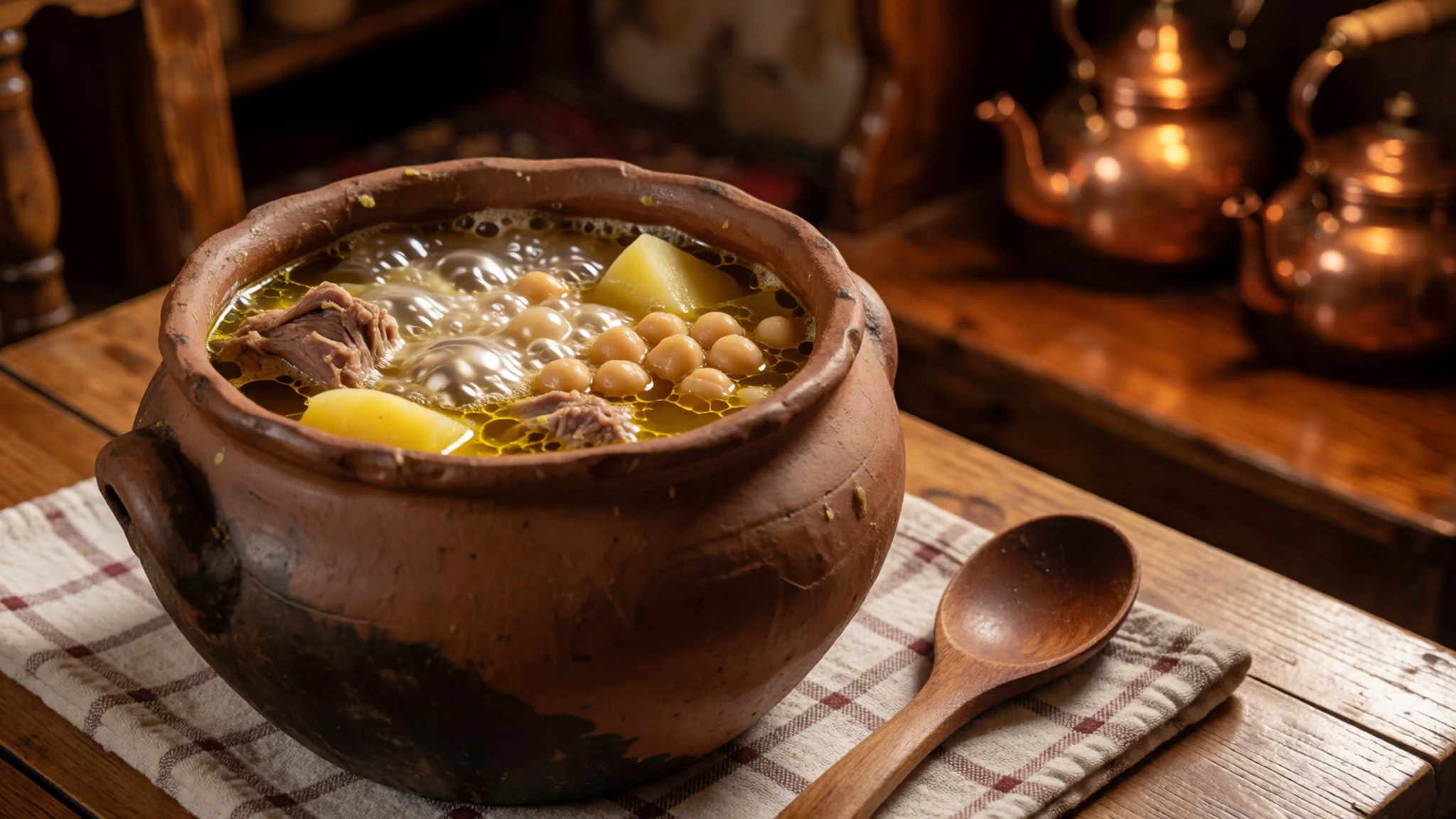
- Yarpaq dolmasi — Family eateries in Astara and Lankaran
Yarpaq dolmasi wraps seasoned meat in grape leaves; cabbage and eggplant versions, kelem and badimjan dolmasi, sit beside it on the same menus. Family eateries in Astara and Lankaran, within reach of Hirkan National Park, serve the parcels warm. Herbs and bread usually come with the plate. - Kabab — Roadside grills and town eateries in Lankaran
Kabab here is grilled meat, often lamb, served with bread, herbs, and a simple salad rather than a long sauce list. Roadside grills and town eateries on the way to Hirkan National Park, especially in Lankaran, cook it to order. - Gutab — Bakeries and tea houses in Lankaran and Astara
Gutabs are thin folded flatbreads with a savoury filling, cooked on a griddle and eaten with tea. Bakeries and tea houses in Lankaran and Astara sell them, a practical bite before a damp morning in Hirkan National Park. - Bozbash — Simple eateries in Lankaran
Bozbash is a meat soup, rich and filling, in the same family as other Azerbaijani bowls such as buglama. Simple eateries in Lankaran serve it when the humidity at Hirkan National Park has soaked through a jacket. Bread alongside is expected.
Plan it
Best time. Humidity and rain stay high through the year in Hirkan National Park, from the subtropical lowlands to the oceanic middle slopes and the humid continental peaks. April, May, September, and October suit walking, while rain and humidity remain the constant at every height.
How long. 2–3
Getting there. Hirkan National Park is reached by entering Azerbaijan through an international airport, because land borders do not offer foreign visitors a civilian way in and work as exits. The last leg is the road south into the rayons of Lankaran and Astara, then a local ride towards the forest. Ask locally about trail access before leaving town; heavy rain can close a path without notice.
Budget. mid
Tips
- Carry a rain jacket and assume the paths in Hirkan National Park will be muddy.
- Begin walks early, before the humid air feels heaviest.
- Take cash for tea houses and small shops in Lankaran and Astara.
- Bring drinking water; the forest has little shelter and few places to buy anything.
- Check how you will enter the country before you book, since land borders are not a way in.
Etiquette
- Remove your shoes at the door of a home unless the host clearly says otherwise.
- Offer your seat on local transport to older people, pregnant women, and passengers with a disability or children.
- Leave plants, fungi, and animals untouched, and stay on existing paths inside the park.
Nearby
Sources
- Wikidata Q2383378 (CC0)
- Wikipedia (rev 1365245686) (CC BY-SA 4.0)
- Wikivoyage (rev 5398516) (CC BY-SA 4.0)
- Photo photos/01-hirkan-national-park-3.jpg (CC BY-SA 4.0)
- Photo photos/02-l-hirkan-mp-019.jpg (CC BY-SA 4.0)
- Photo photos/03-flanmingo-hirkan-np-azerbaijan.jpg (CC BY-SA 4.0)
- Photo photos/04-stamps-of-azerbaijan-2013-1122-1125.jpg (Public domain)
- Photo photos/05-stamps-of-azerbaijan-2013-1126-1129.jpg (Public domain)
- Photo photos/06-l-hirkan-mp-029.jpg (CC BY-SA 4.0)
- Photo photos/07-l-hirkan-mp-030.jpg (CC BY-SA 4.0)
- Photo photos/08-20160907t131142-lat-38-31-36-29719189-n-long-48-44-3-4783800.jpg (CC BY-SA 4.0)


