Hinglaj Mata
Hinglaj Mata, Pakistan
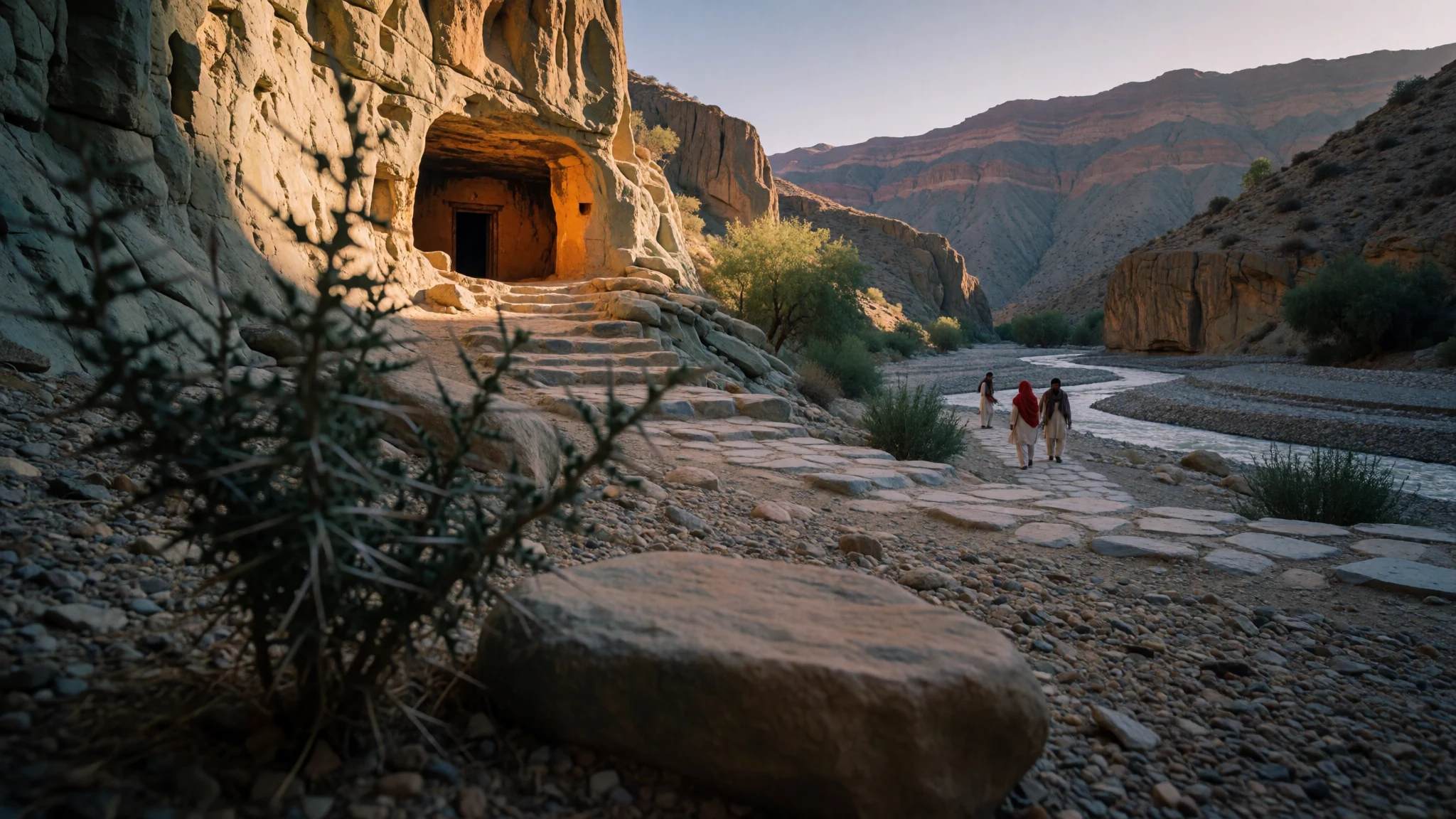
Hinglaj Mata is a goddess shrine in a desert cave on Pakistan's Makran coast, reached by a hard journey that pilgrims consider part of the worship.
The place
Hinglaj Mata is a Hindu cave shrine in the Lasbela district of Balochistan, on the Makran coast of Pakistan. It sits in a narrow gorge on the west bank of the Hingol River, inside Hingol National Park, where the Kirthar hills run out towards the Makran desert. The country is dry, rocky and thinly settled. The shrine is a cavern in the hillside rather than a built temple with a tower and courtyard, and devotees see in it the presence of the goddess Durga, also called Devi.
The names depend on who is speaking. Hindu worshippers say Hinglaj Mata, Hinglaj Devi or Hingula Devi. Many local people, including Muslims, know the same place as Nani Mandir. The name is written in Urdu, Balochi and Sindhi, and Wikidata describes it simply as a Hindu temple in Pakistan.
Shaktism, the goddess-centred stream of Hinduism, lists 51 pithas, seats of the goddess, and Hinglaj is counted among them. Pakistan has two such sites; the other is Sharada Peeth in the Neelum Valley. Around the main cave are smaller places of worship, including shrines to Ganesh and Kali and spots linked with the ascetic Gorakhnath and with Guru Nanak.
The setting is the point. The coast road passes through scrub and sand, the gorge offers little shade, and services are minimal. Reaching Hinglaj has long been a test of effort, and in recent decades the shrine has become a shared reference point for Pakistan's many Hindu communities.
Its story
The story of Hinglaj Mata begins in the Shakta tradition rather than in a dated chronicle. According to the legend, the goddess Sati died after her father insulted her husband Shiva. Shiva, grief-stricken, carried her body across the land, and as it broke apart the pieces fell in many places. Each place where a part landed became a pitha, a seat of the goddess. Tradition places her head at Hinglaj, which is why the cave is held so sacred and why it is counted among the 51.
The pilgrimage built around that belief is old and demanding. Sadhus, including followers of Gorakhnath, are remembered at the site, and the list of nearby sacred spots reads like a map of devotion layered over centuries: Ganesh Deva, Mata Kali, Chandra Goop, Aneel Kund and others. The journey was historically made on foot across desert, and that hardship became part of the meaning of the visit.
In modern times the yatra, held in spring, draws a very large gathering. Wikipedia puts it at about 300,000 people and calls it the largest Hindu pilgrimage in Pakistan. Over the last three decades the shrine has also become a point of unity for Hindus across the country.
The journey has entered popular culture too. The 1959 Bengali film Morutirth Hinglaj follows pilgrims through the desert, and a 2013 Telugu adventure film, Sahasam, uses the temple as the setting for a treasure hunt. Onkar Singh Lakhawat wrote a book about his own trip to the shrine in 2006.
What to see
- The cave shrine of Hinglaj Mata — Hingol National Park, Lasbela district, Balochistan
The main cave is the reason for the journey. The goddess is worshipped inside a natural cavern at the foot of the gorge wall, and the approach is lined with pilgrims, small offerings and the smell of incense. Photographs show a modest entrance, so go for the atmosphere rather than for architecture.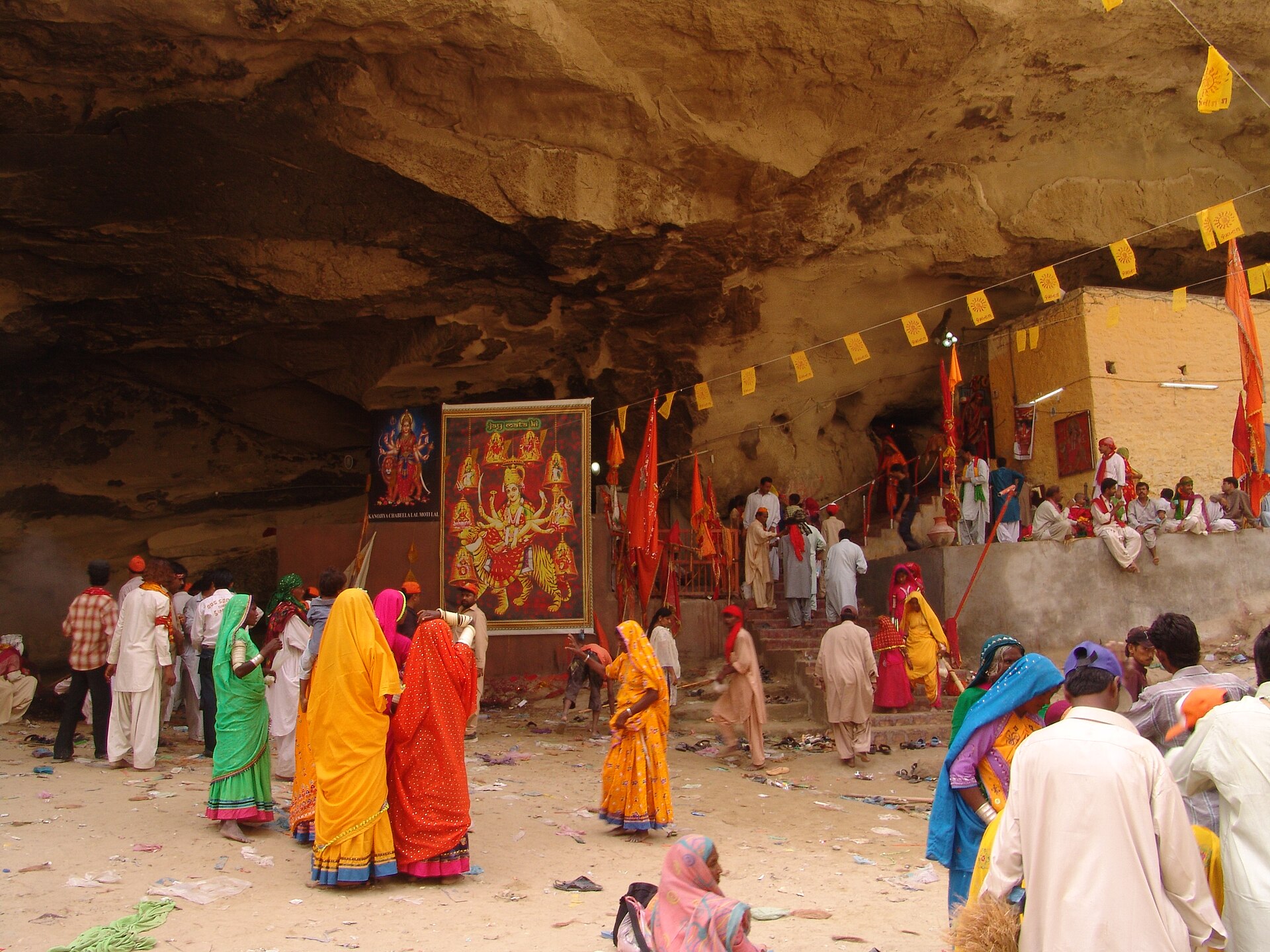
- Hingol River and the gorge — West bank of the Hingol River, Hingol National Park
The shrine stands on the west bank of the Hingol River, and the walk along the gorge is half the experience. Pale, eroded canyon walls rise on either side and the riverbed is stony. Shade is scarce, so early starts and plenty of water matter more than any camera kit.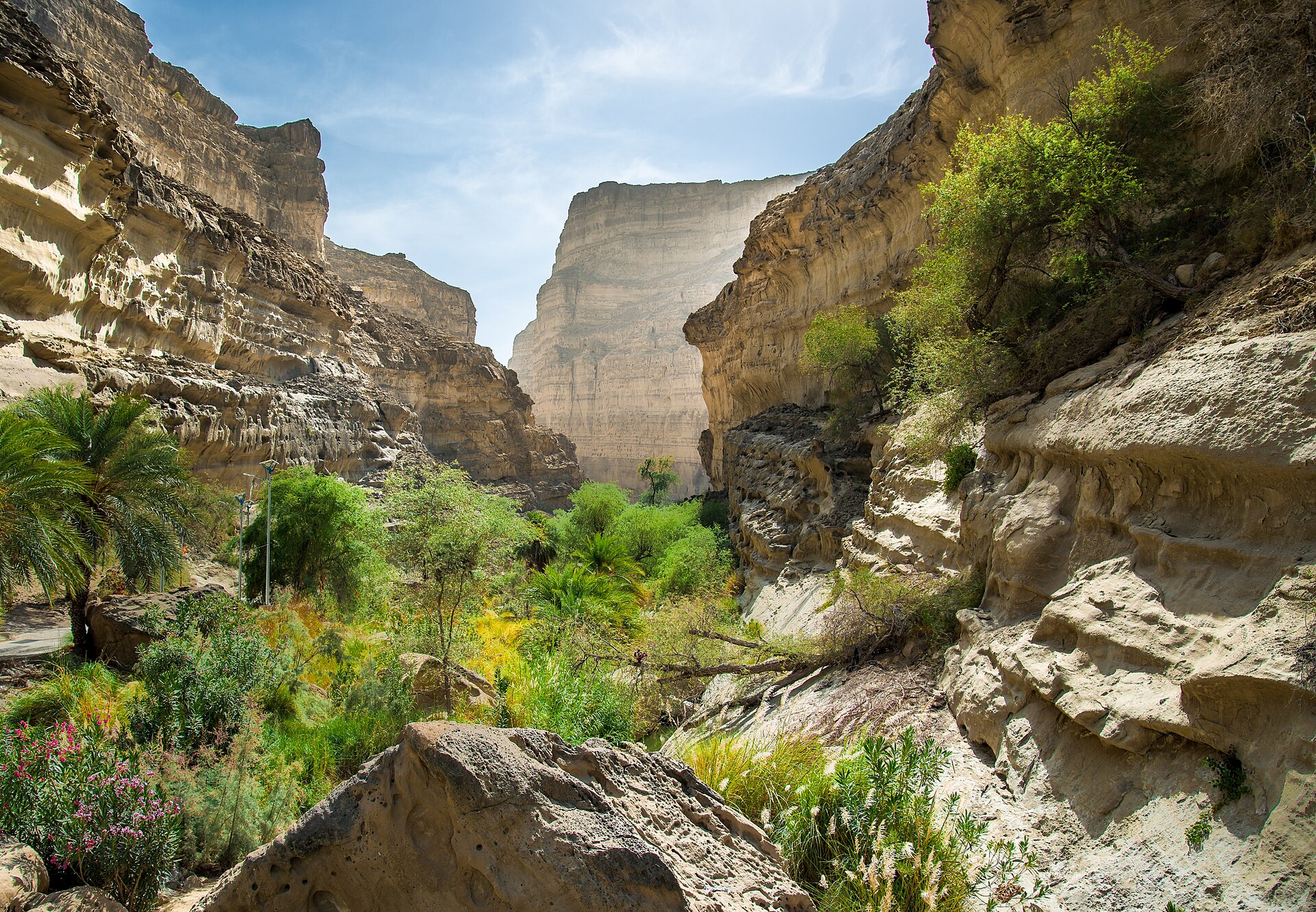
- Ritual fires and gatherings at Rani ki Mandir — Around the shrine complex, Hinglaj
During the spring yatra the area around the shrine fills with worshippers, and havan fire rituals are performed beside the temple. Visiting in that season means crowds and noise but also a rare sight of Pakistan's Hindu communities gathered in one place, with families arriving from many different towns.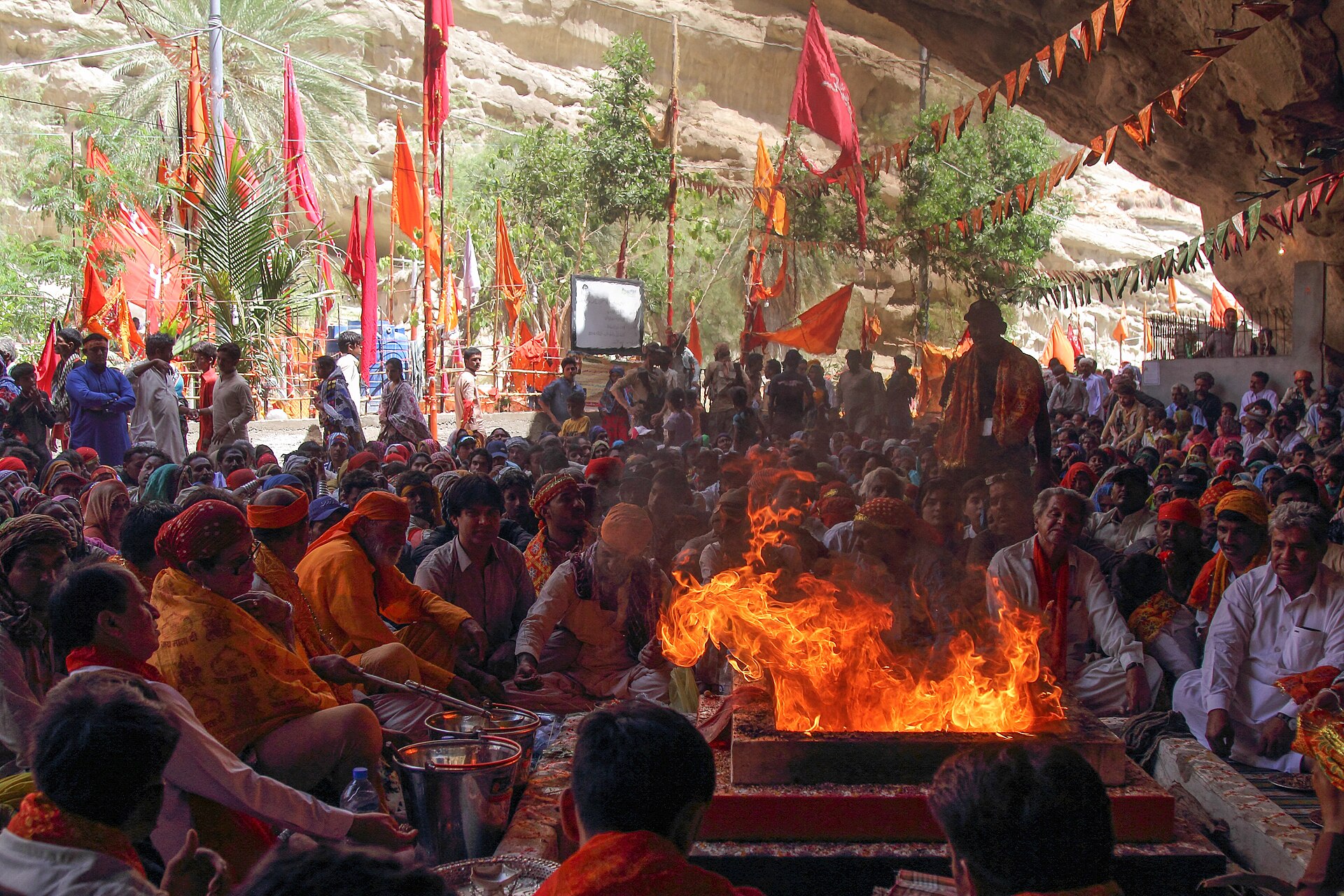
- Ganesh Deva and Mata Kali shrines — Within the Hinglaj sacred area
Several smaller sites cluster around the main cave. Ganesh Deva and Mata Kali are two of them, and pilgrims usually pay their respects at each before or after the cave. They are modest in scale, but they show how this one gorge has been treated as a single sacred landscape.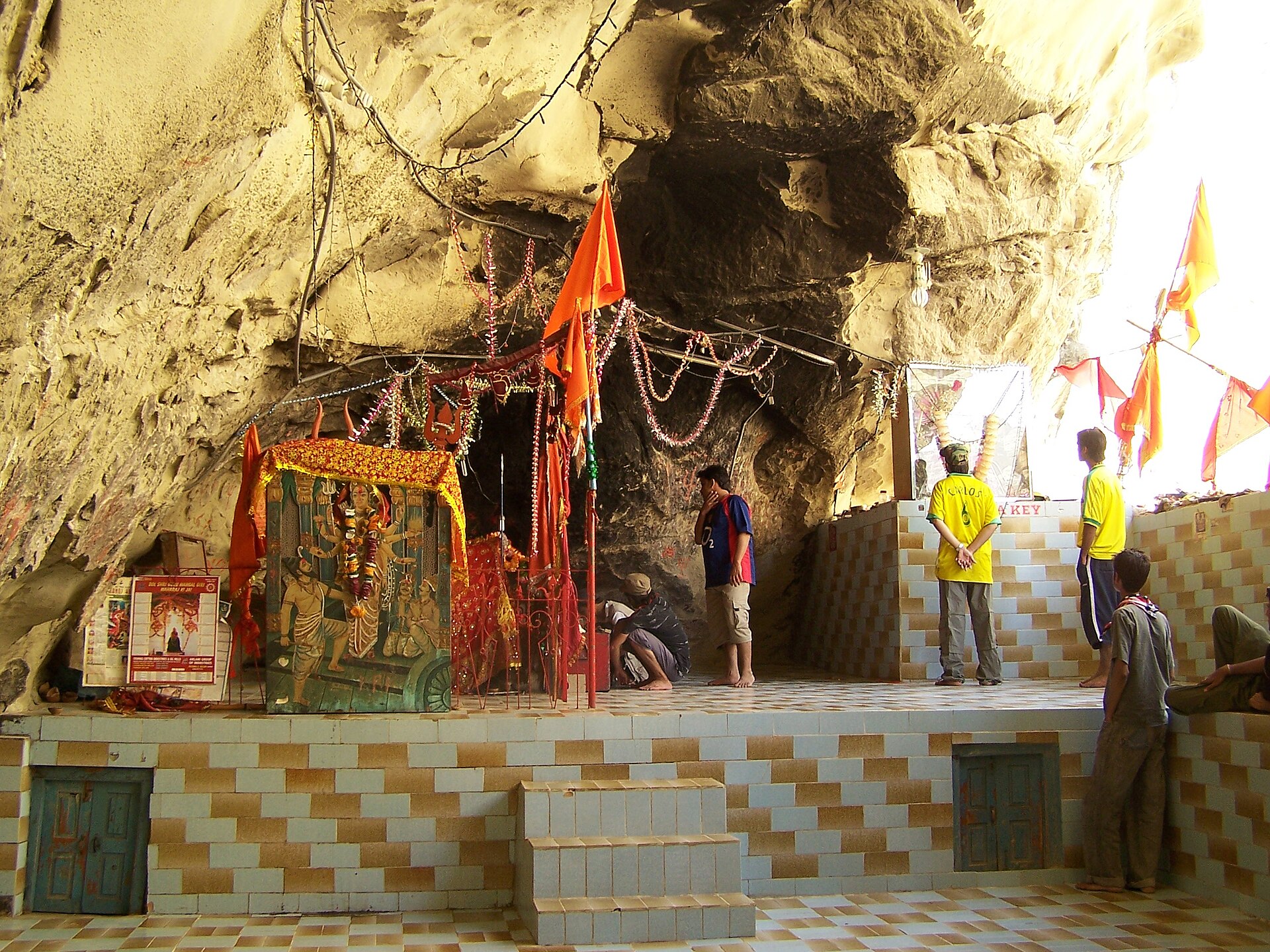
- Gadani Beach — Gadani, Lasbela district, on the Arabian Sea coast
Gadani Beach is the nearest recognised stretch of sand on the Wikivoyage list for Lasbela, and it lies on the coast road between Karachi and the Hingol area. It makes a sensible place for a break from the road, with sea air, fishing boats and a long open shoreline. - Gadani ship-breaking yard — Gadani, along the beachfront of the Arabian Sea
Along the same shoreline lies the Gadani ship-breaking yard, where old vessels are dismantled on the beach. Wikivoyage ranks it behind Alang and Chittagong by volume. It is an industrial working site rather than an attraction, so treat it as something to view from a distance and photograph only with permission.
Culture
Hinglaj Mata sits where Hindu devotion, Balochi landscape and Muslim neighbourliness overlap. Pilgrims come mainly from Sindh and other parts of Pakistan, and the shrine is cared for through the efforts of the Hindu community. The name Nani Mandir, used widely in the area, reflects how local people of all backgrounds have long treated the place with respect.
Worship centres on the goddess in her cave. Visitors will see offerings, prayers and small fire rituals, and during the yatra the gorge is full of families, singing and shared meals. The wider sacred area includes shrines to Ganesh and Kali and places remembered for the ascetic Gorakhnath and for Guru Nanak, so the pilgrimage is not confined to one tradition within Hinduism.
The shrine has also left its mark on storytelling. The Bengali film Morutirth Hinglaj, released in 1959, dramatises a pilgrim group's hard desert crossing. A documentary called Goddess of Hinglaj-51 Shakti Peeth follows another journey, and Onkar Singh Lakhawat's book Hinglaj Shaktipeeth records his own trip.
The atmosphere is devotional rather than touristic, and the surroundings are remote and sensitive. Visitors should expect to travel with organised groups or local guidance, and to follow the lead of the pilgrims around them.
Remove your shoes before the cave, ask before photographing worshippers or the inner shrine, and keep your voice low and your dress modest.
What to wear
Hinglaj Mata draws pilgrims from Sindh and Balochistan, so the clothing seen at the shrine reflects both regions. Traditional Hindu women's dress in Sindh includes the ghagra and choli with an odhni, often in bright cotton or silk with mirror-work and embroidery. Ajrak, the block-printed cotton shawl in deep red and indigo, is worn by men and women and given as a mark of respect. Balochi women's dresses carry dense needlework on the front panel, and men may wear a loose shalwar with a turban or cap.
Day to day, most people at the shrine wear the shalwar kameez, a long tunic over loose trousers, in plain cotton that copes with heat and dust. Women usually cover their heads with a dupatta at the cave. Men wear simple kurtas or shirts, and many pilgrims carry a shawl or cloth for sun and sand.
Visitors should dress for a hot, rocky and religious place. Choose loose long-sleeved cotton tops and full-length trousers or a long skirt, in light colours that reflect the sun. Women should bring a scarf for the head and shoulders. Wear sturdy closed shoes or trainers with good grip for the stony gorge floor, since shoes come off at the cave and bare feet on hot ground are painful; thin socks help. Add a wide-brimmed hat, sunglasses and a light layer for cold desert nights in winter. Avoid shorts, sleeveless tops and tight clothing.
What to eat
- Chai and paratha — Roadside eateries along the Makran coastal highway
The usual breakfast and stop-off on the long drive from Karachi. Strong milky tea comes with a flaky flatbread, sometimes with an egg or a spoonful of pickle. It is cheap, filling and found at nearly every roadside eatery. - Dal pakwan — Sindhi Hindu neighbourhoods and breakfast stalls in Karachi
A Sindhi breakfast of crisp, flat fried bread served with chana dal and tamarind chutney. It is a good meal before the long road west and is common in Karachi's older Hindu quarters and breakfast shops. - Khichdi and dal with roti — Pilgrim camps and shared kitchens during the spring yatra
During the yatra, volunteers and community groups often feed pilgrims with simple vegetarian meals: lentils, rice, rotis and sometimes a vegetable curry. The food is plain, hot and offered with generosity. Ask a group leader before joining a meal. - Sajji — Balochi roadside restaurants and grill houses
A whole bird or leg of lamb is seasoned with little more than salt and roasted slowly over coals. Sajji is a Balochi speciality and is eaten with flatbread. Hindu pilgrims often avoid meat, but it is a defining dish of the region. - Grilled or fried fresh fish — Fishing beaches and coastal stalls near Gadani
The Arabian Sea coast is the best place for fish, usually spiced, fried or grilled and served with bread and a squeeze of lime. Look for stalls close to the landing area where the day's catch comes in.
Plan it
Best time. November to April, when days are warmer rather than punishing and nights are cool; the spring pilgrimage season is the most atmospheric but also the most crowded. Summer on the Makran coast is extremely hot and best avoided.
How long. 2–3
Getting there. Fly to Karachi's Jinnah International Airport, then travel west by road along the Makran Coastal Highway into Hingol National Park. The last leg to the gorge is on unpaved tracks and is usually done in a high-clearance vehicle with a local guide or an organised pilgrim group.
Budget. mid
Tips
- Check current government travel advice for Balochistan before planning, and travel only with a trusted local organiser or an official pilgrim group
- Confirm visa and permit requirements for the area with the Pakistani authorities well ahead, as foreign visitors may need special permission
- Carry plenty of drinking water, sun protection and snacks, because the gorge has almost no shade or services
- Bring cash in small notes, as cards are not used outside the cities
- Start early each day, since midday heat in the gorge is harsh and the road is long
Etiquette
- Take your shoes off before entering the cave and follow the pilgrims' lead
- Ask before photographing worshippers or the inner shrine
- Dress modestly and keep your voice low, especially during prayers and fire rituals
Nearby
Sources
- Wikidata Q2722882 (CC0)
- Wikipedia: Hinglaj Mata Temple (rev 1384689328) (CC BY-SA 4.0)
- Wikivoyage: Lasbela (rev 3769365) (CC BY-SA 4.0)
- Nani Ki Mandir, Bilal Mirza (CC BY 3.0)
- Hinglaj Mata, Mhtoori (CC BY-SA 4.0)
- Hawan at Hinglaj Mata (Rani ki Mandir) during Yatra 2017, Aliraza Khatri (CC BY-SA 4.0)
- Nani Mandir, Hungol National Park, Bilal Mirza (CC BY 3.0)
- Baluchistan Canyons, Uzair189 (CC BY-SA 4.0)
- Hinglaj Mata Mandir Cave entrance, Abrar Alam Khan (CC BY 3.0)
- Baluchistan Canyons (cropped), Uzair189 (CC BY-SA 4.0)
- Hinglaj Mandir, Mhtoori (CC BY-SA 4.0)


