Swaraj Island
Swaraj Island, India
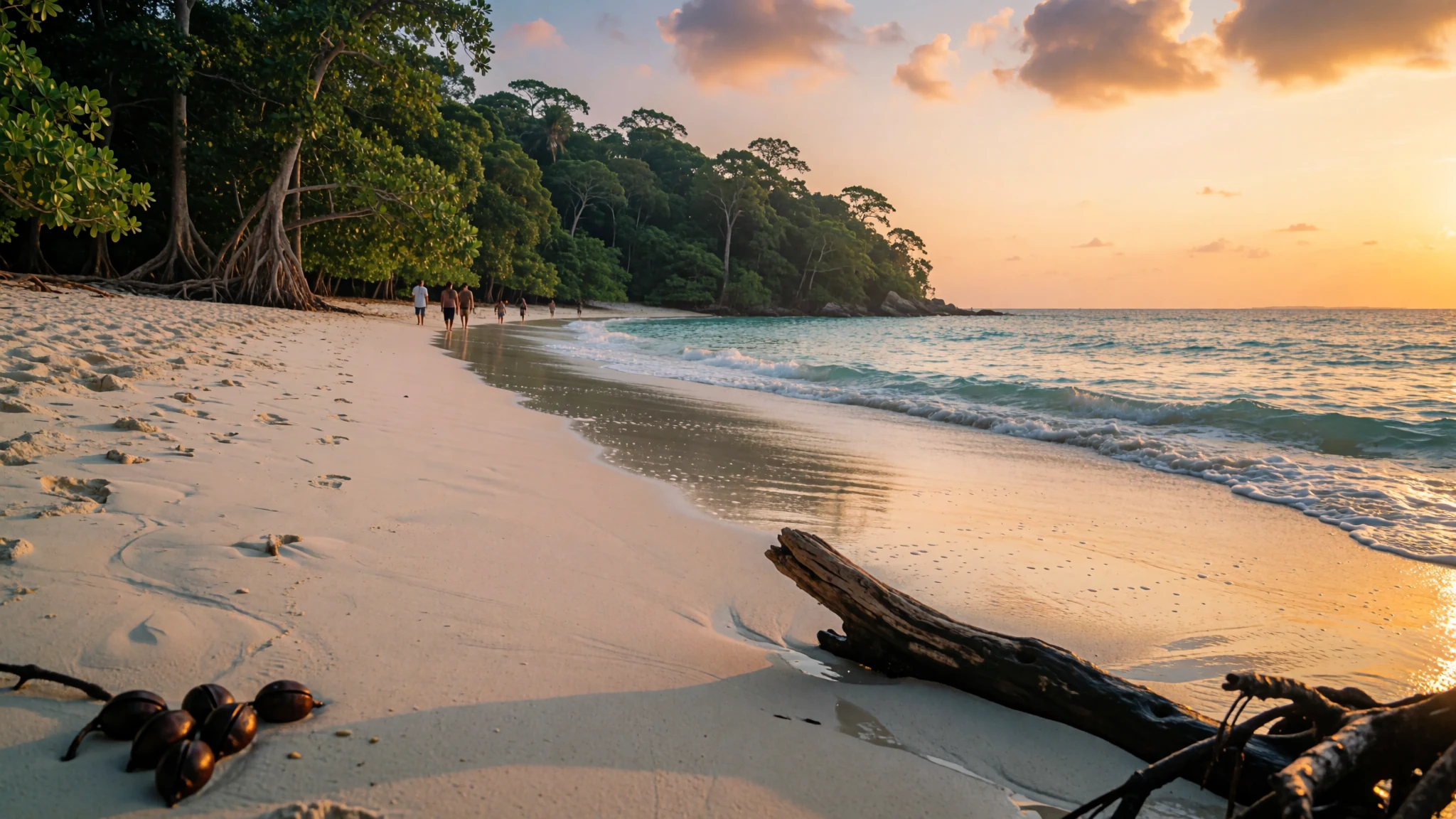
Swaraj Island offers quiet shores, clear turquoise waters and a slower pace of life across Ritchie's Archipelago.
The place
Swaraj Island, officially known as Swaraj Dweep, sits within Ritchie's Archipelago to the east of Great Andaman. It forms part of the Andaman and Nicobar chain, administered by the Union territory of India. The island lies northeast of the capital of Port Blair, nestled between Peel Island and Neil Island. Although it is the most visited of the local islands, it sees only a fraction of the travellers who crowd other Asian destinations. Facilities remain moderately basic across the settlements, and while several lodges include 'resort' in their titles, none lean into lavish luxury, keeping the atmosphere grounded and unpretentious. The main settlement areas use a straightforward numbering system for junctions and roads rather than traditional names, which helps travellers navigate between the ferry jetty and the central crossroad. Govind Nagar serves as the primary local hub, featuring a small collection of shops and humble eateries. Most visitor lodgings cluster along the coastal road connecting the numbered beach zones, surrounded by thick tropical greenery, towering trees, and stretches of sand facing the Andaman Sea. Life here moves slowly, guided by the tides and the arrival schedules of the mainland ferries rather than rigid itineraries.
Its story
The history of Swaraj Island and its neighbouring shores is deeply tied to regional migration and resettlement schemes. A significant portion of the settlers arrived as refugees from East Pakistan following the political upheavals and conflict that preceded the birth of Bangladesh. Despite regional seismic events that altered coastal geographies elsewhere in the Indian Ocean, the island largely avoided major structural devastation during the great earthquake and subsequent tsunami, sparing local communities from recorded casualties. In recent decades, the territorial administration has permitted and encouraged the careful cultivation of tourism, placing a deliberate emphasis on eco-friendly travel practices to protect the delicate marine ecosystems and dense inland rainforests. A white lighthouse was established near Govind Nagar to guide vessels through the coastal waters. The island's journey has evolved from an isolated administrative outpost into a peaceful sanctuary for divers, naturalists, and travellers seeking refuge from the frantic pace of modern cities, all while striving to maintain a delicate balance between welcoming outsiders and preserving the natural charm of the local environment.
What to see
- Radhanagar Beach — Western coast
Framed by a thick forest that casts a welcome afternoon shadow over silky white sand, this western shore looks out across translucent turquoise waters. It remains one of the finest coastal stretches in the region, offering wide horizons and gentle rolling waves ideal for quiet afternoon walks.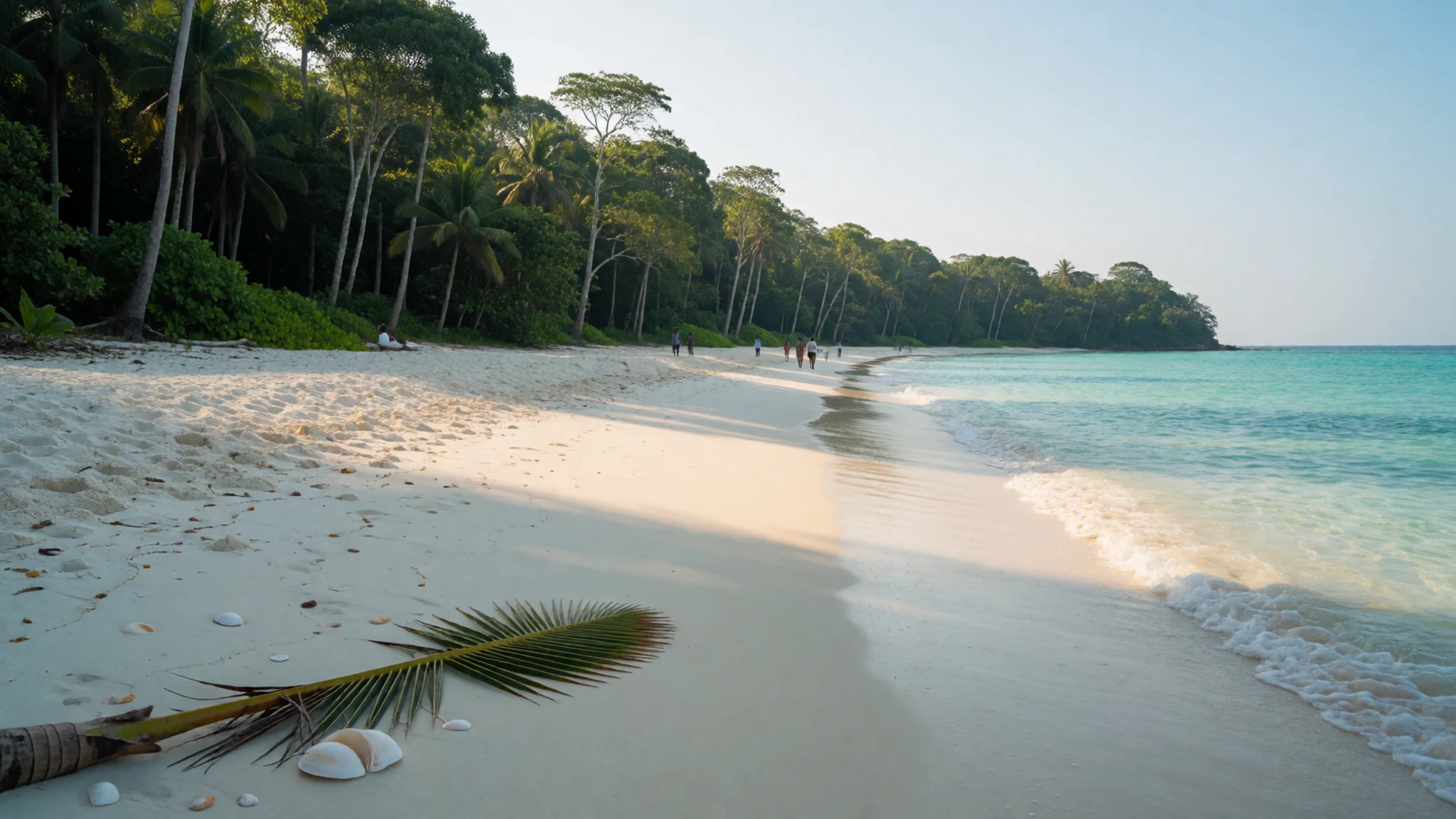
- Elephant Beach — Northern coast
Reachable via forest trails or boat trips from the central jetty, this northern shore features shallow coastal waters and vibrant marine life just off the sand. The shoreline has evolved over the years following seismic shifts, leaving behind a compact yet lively pocket for swimming and casual snorkelling.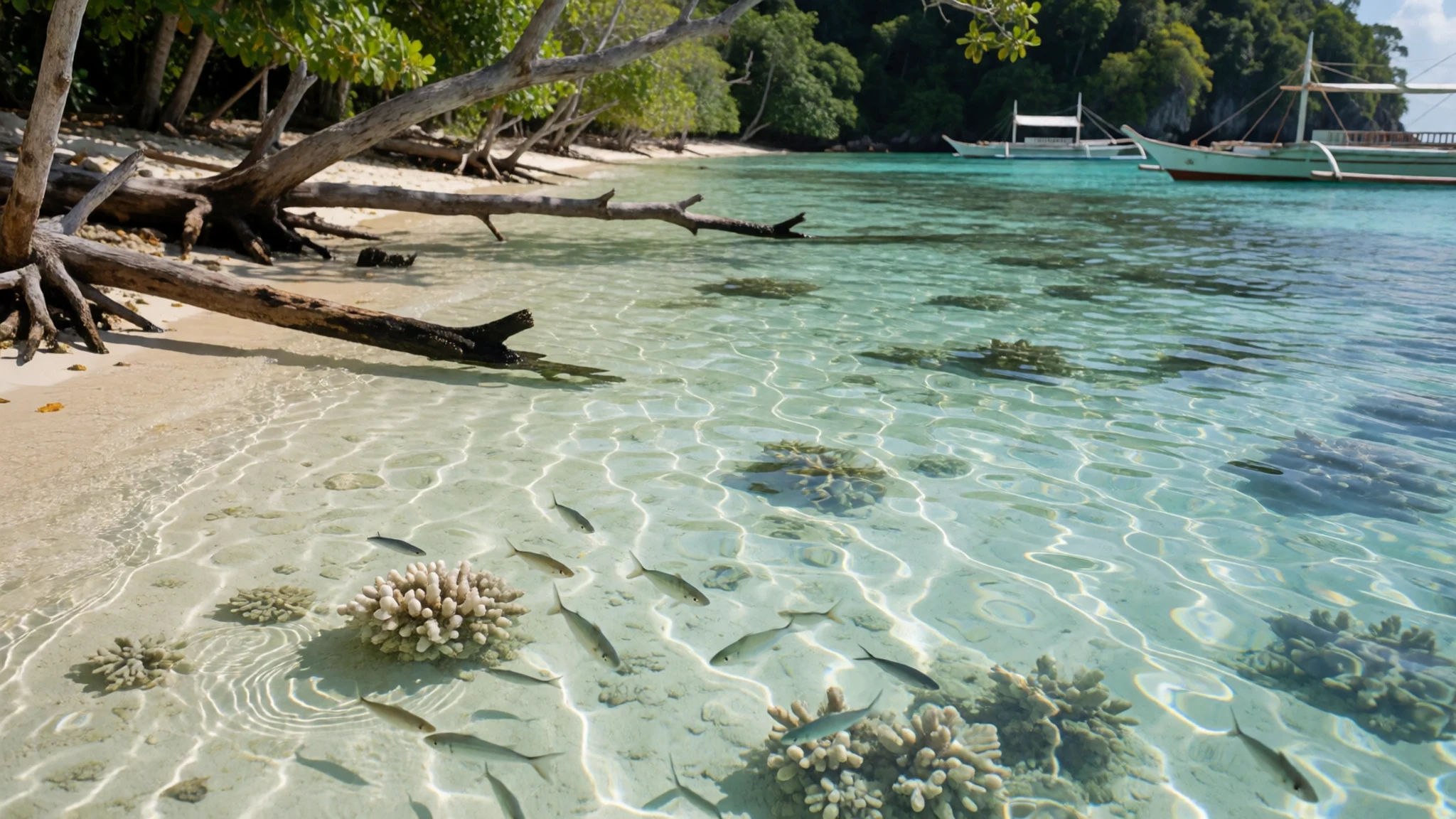
- Kalapathar Beach — Eastern coast
Named after the nearby settlement and the striking volcanic rocks scattered along its edge, this coastline offers a dramatic contrast of dark stone against white sand and blue water. It sits quietly on the edge of the island, catching the early morning light and sea breezes.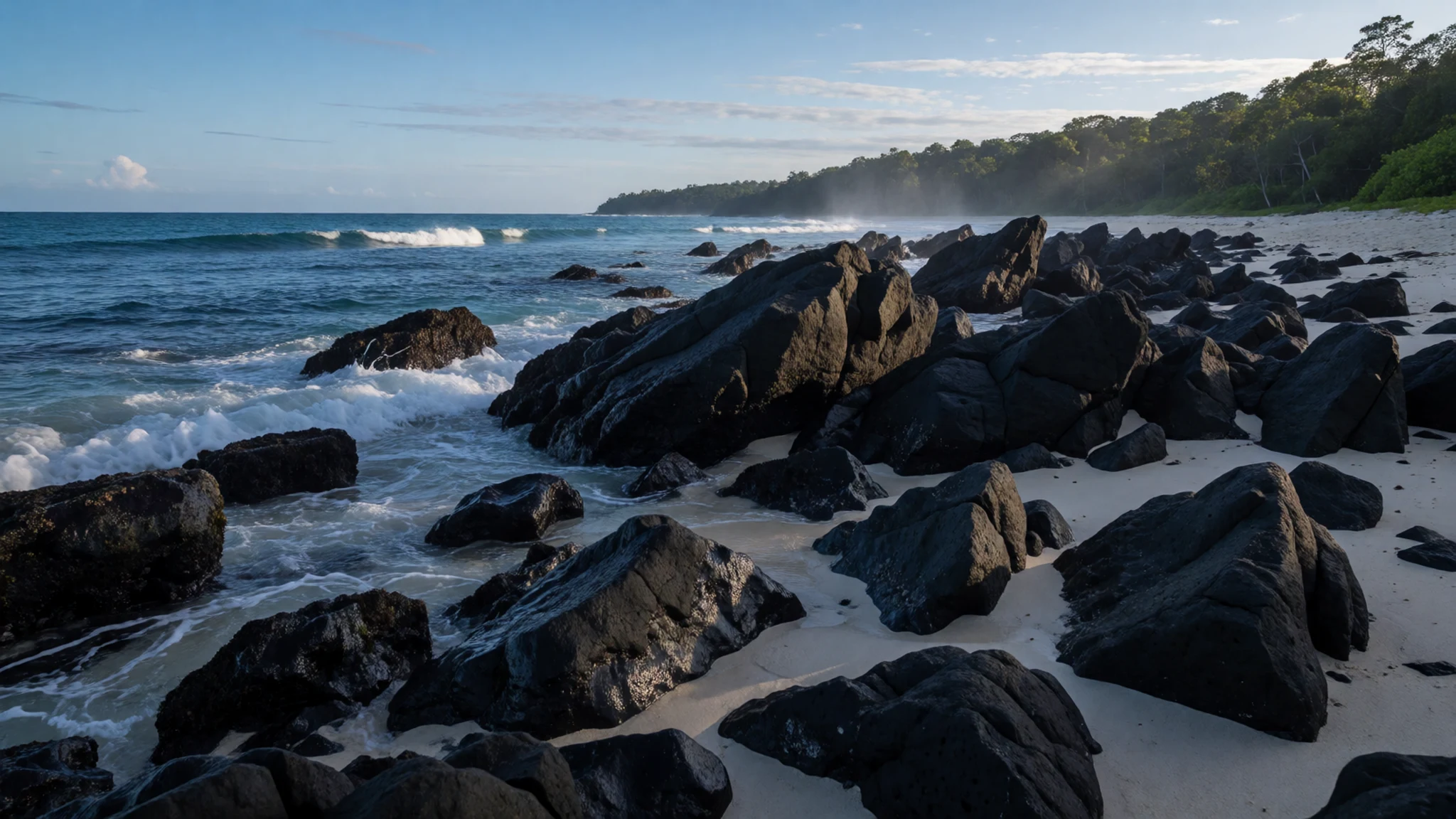
- Andaman Bubbles Dive Centre — Govind Nagar area
A professional diving outfit run by experienced instructors who guide beginners through introductory sessions and take certified divers out to the surrounding coral reefs. It stands as one of several accredited centres helping visitors explore the rich underwater topography of the archipelago.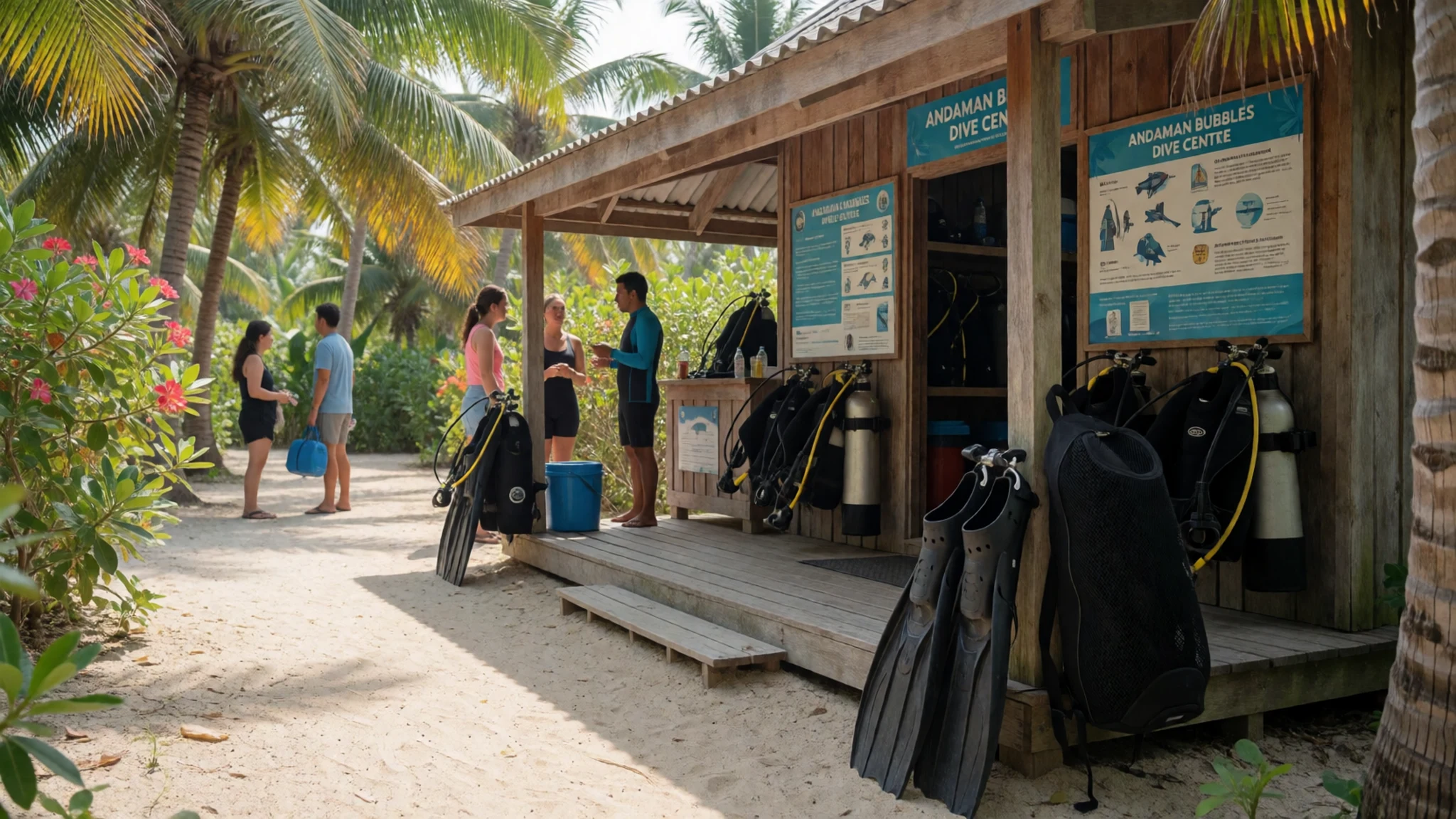
Culture
The social fabric of Swaraj Island is woven from diverse communities of settlers, fishers, and mainland migrants who have built a quiet, close-knit society far from major urban centres. Daily routines are unhurried, reflecting the rhythmic passage of island time and maritime weather. Hospitality is warm and straightforward, rooted in traditional Indian warmth blended with island isolation. While visitor numbers grow during favourable weather months, the local community maintains a respectful, relaxed atmosphere that values mutual courtesy and environmental stewardship. Most residents speak Bengali, Hindi, or Tamil alongside English, making casual interactions easy for travellers exploring the local shops and eateries. Traditional celebrations from across the mainland are observed with modest community gatherings, folk music, and shared meals rather than large commercial spectacles. Visitors are encouraged to dress respectfully when moving through residential areas and village streets away from the sand. Always remove your footwear before entering someone's home or a local place of worship.
What to wear
Clothing on Swaraj Island prioritises comfort and protection from the tropical climate. Traditional attire reflects mainland Indian styles, with many older residents and families wearing lightweight cotton sarees, kurtas, or dhotis during daily routines and community gatherings. Younger generations and people working in hospitality generally opt for casual western wear such as t-shirts, light trousers, and shorts suited for coastal work and outdoor activities. For visitors, the golden rule is breathable, lightweight natural fabrics like cotton and linen that dry quickly in humid conditions. Sun hats, UV-protective sunglasses, and sturdy sandals or flip-flops are daily essentials for navigating sandy paths and rocky shores. Swimwear, rash guards, and boardshorts are appropriate directly on the beaches and during diving excursions, but modest clothing covering shoulders and knees should be worn when visiting local villages, markets, or religious shrines away from the coast. A light rain jacket or waterproof shell is also wise to pack during transitional monsoon months when tropical showers arrive without warning.
What to eat
- Golden Spoon — Main settlement road near the central junctions
A humble wooden shack featuring low ceilings and simple benches where travellers gather to enjoy exceptionally fresh catches of grilled fish and prawns prepared with local spices.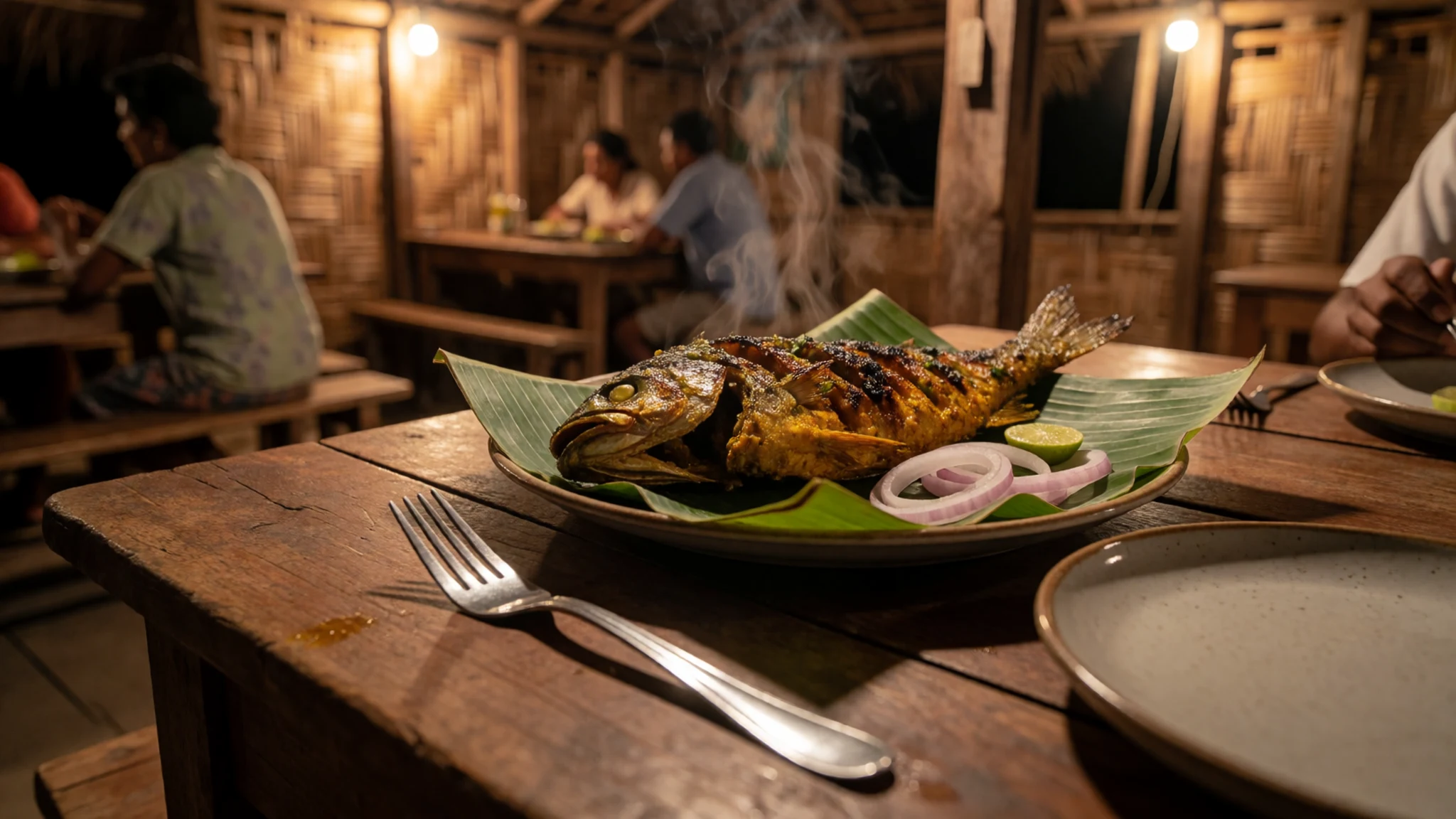
- Local Dhabas — Govind Nagar town area
Unpretentious roadside eateries serving basic home-style Indian dishes, curries, and seafood options, offering the most affordable meals on the island.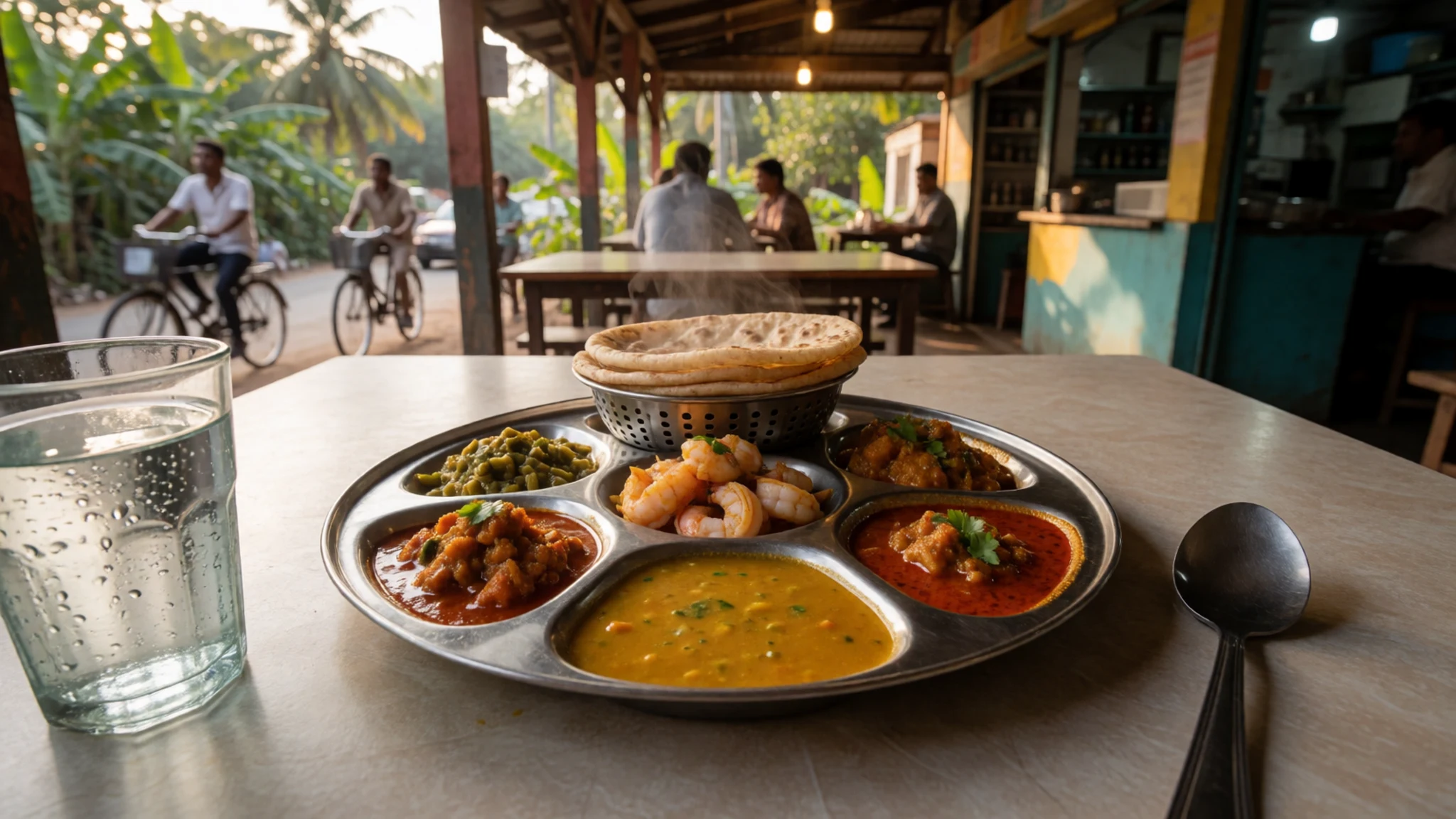
- Anju Coco — Near the central junction and beach access roads
A popular neighbourhood spot known for its welcoming veranda seating and a diverse menu featuring exceptional seafood alongside a wide range of international comfort dishes.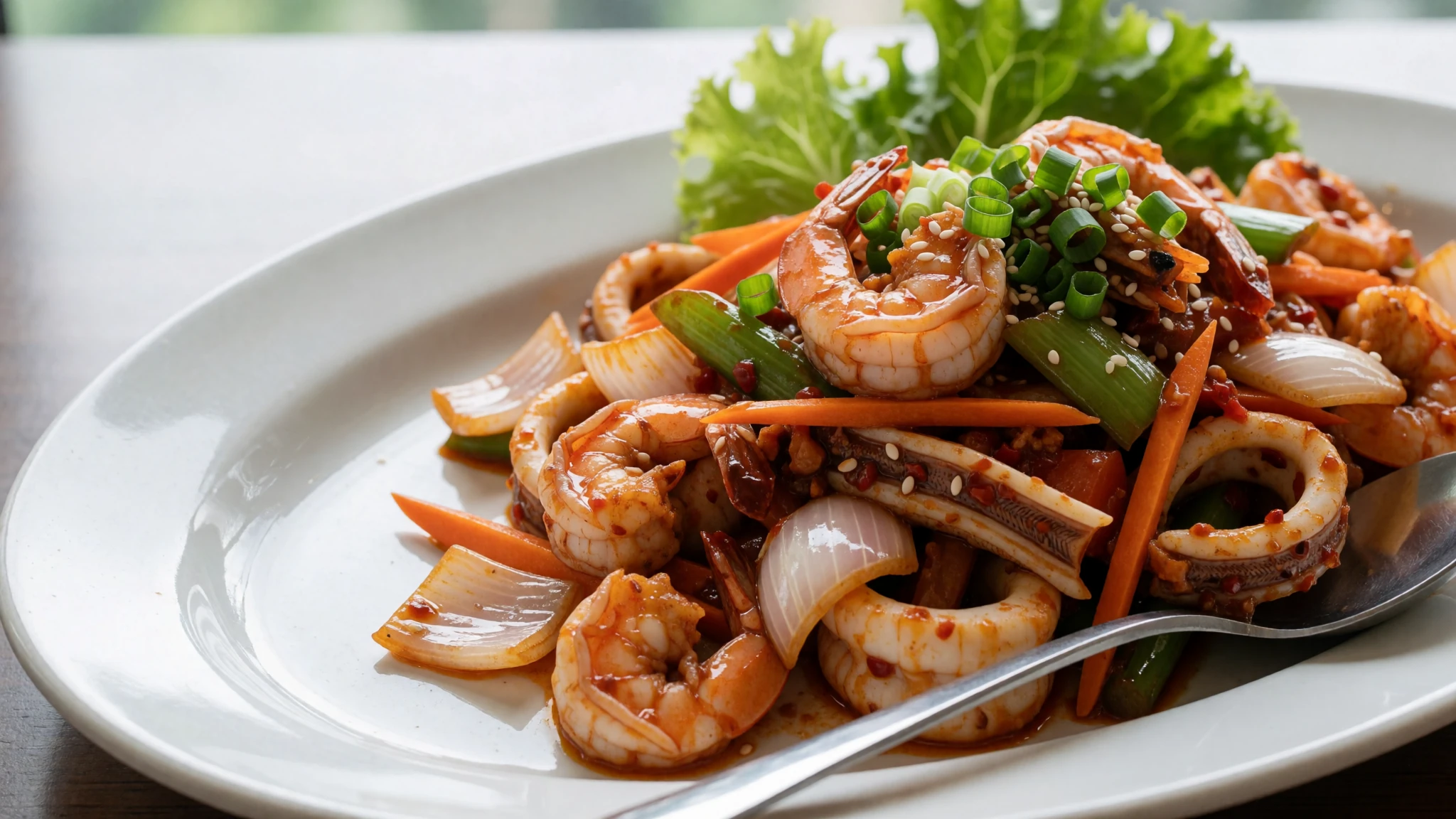
- B3 Bar and Brasserie — Northern coastal road area
A higher-level dining establishment blending European culinary techniques with local ingredients, offering refined meals in a relaxed tropical garden setting.
Plan it
Best time. Mid-January to mid-May offers the most stable weather, calm seas for diving, and comfortable temperatures for exploring the beaches, while December to early January often turns unsettled. June to September brings heavy monsoon rains and rough sea crossings.
How long. 3–4
Getting there. Fly into Port Blair from mainland India, then take a government or private passenger ferry across the Andaman Sea to the island jetty.
Budget. mid
Tips
- Book ferry tickets well in advance during peak months as seats sell out quickly.
- Carry sufficient cash as reliable ATM access can be intermittent across the island.
- Start early in the morning to beat the midday tropical heat and humidity.
- Drink plenty of bottled water and protect yourself against strong sun exposure.
Etiquette
- Dress modestly covering shoulders and knees when visiting local villages and markets.
- Remove footwear before entering homes or places of worship.
- Respect local marine life and avoid disturbing coral reefs while snorkelling.
Nearby
Sources
- Wikidata Q1591501 (CC0)
- Wikipedia (rev 1376182817) (CC-BY-SA 4.0)
- Wikivoyage (rev 5403793) (CC-BY-SA 4.0)
- Photo 01-radhanagar-lateafternoon.jpg (CC BY-SA 4.0)
- Photo 03-havelock-island-mangrove-trees-in-tropical-sea-andaman-islan.jpg (CC BY 4.0)
- Photo 04-havelock-island-tropical-beach-and-tree-andaman-islands.jpg (CC BY 4.0)
- Photo 05-havelock-island-canopy-of-tropical-moist-evergreen-forest-an.jpg (CC BY 4.0)


