Hatra
Hatra, Iraq
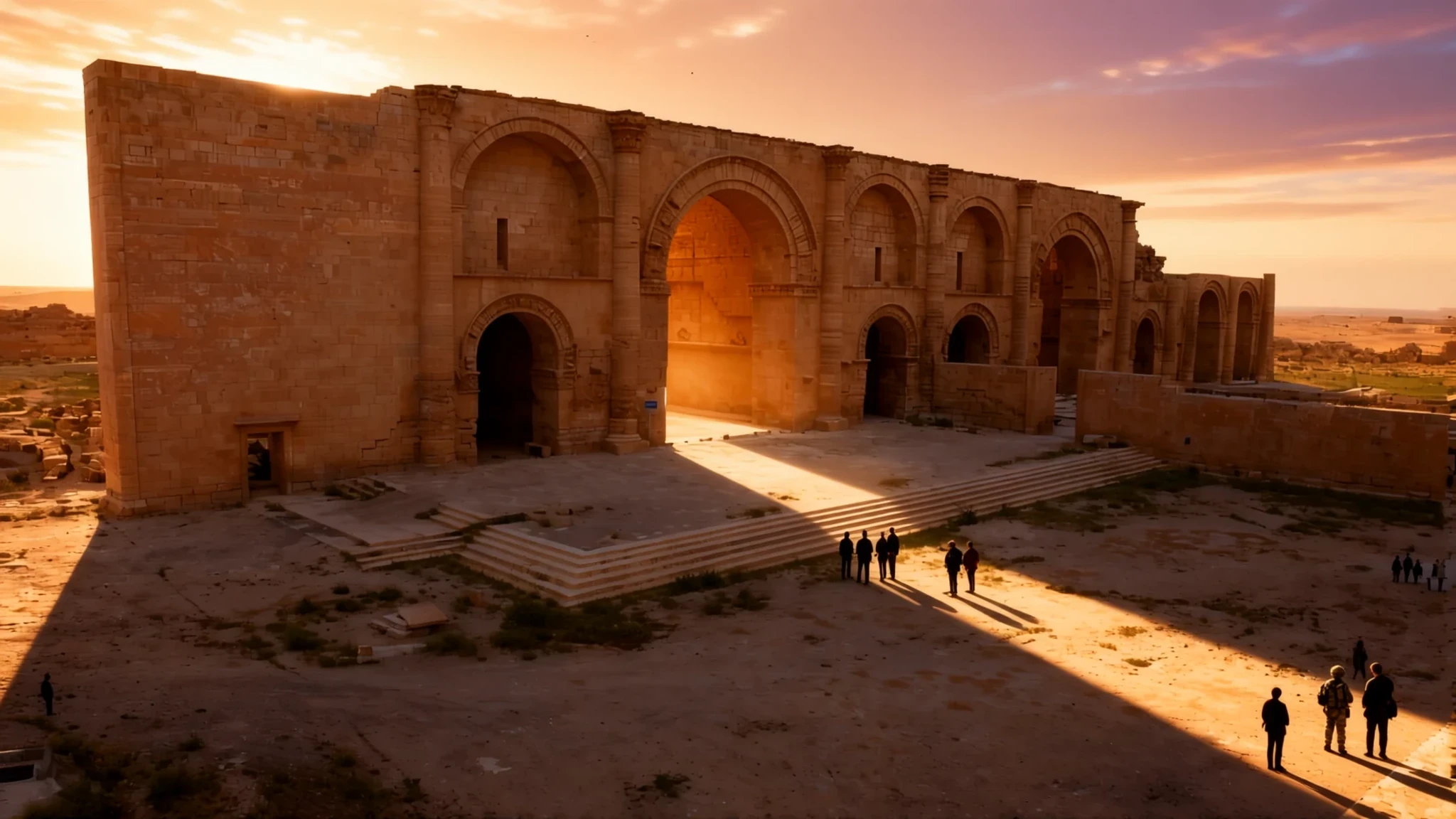
Hatra is a desert city of walls, temples and Parthian-era sculpture, though today it is remote, damaged and hard to visit.
The place
Hatra sits in the plains of eastern Nineveh Governorate in northern Iraq, south-west of Mosul and a long drive north-west of Baghdad. The ruins lie in open, dry country, flat enough that the old walls can be seen from a considerable distance. The city was a fortified caravan stop and the capital of a small Arab kingdom that sat between the Roman and Parthian worlds, trading and defending itself at the same time. Its plan was round, ringed by an inner and an outer wall with many towers, and at the centre stood a sacred precinct of temples. Much of what visitors once saw is now broken stone and footings, but the outline of the city is still readable. The temples served a mix of gods: Greek, Assyrian, Aramean and Arabian deities were worshipped side by side, which sets the place apart from many ancient cities of the region. Sculptures and coins from Hatra are now held in museums in Baghdad, so the best sense of the city often comes from those objects and from photographs taken on the site. Hatra is best approached as a place of fragments and ideas rather than a tidy archaeological park. Its remoteness, the security situation and damage to its monuments mean that independent visits need careful planning.
Its story
Hatra began as a settlement that probably grew up under Hellenistic rule, when the Seleucid kingdom controlled much of the region, although little is known of its earliest phase. Its wealth came from position. It lay on the caravan routes linking Mesopotamia with the Syrian desert and beyond, and at its height it was the capital of an Arab kingdom with a loose allegiance to the Parthians. That made it a buffer. The kingdom sat between the western limits of Parthian power and the eastern edge of the Roman world, and its princes had to keep both neighbours at bay. Hatra's walls were its strongest asset. The city withstood repeated attacks by Rome, including sieges by the emperors Trajan and Septimius Severus, and its forces helped defeat the rising Sasanian Persians in a battle at Shahrazoor. The defence did not last. The Sasanian king Shapur I took the city, it was destroyed, and afterwards it was largely abandoned. The fall came with a story still told in the region. According to tradition, al-Nadirah, the daughter of Hatra's king, betrayed the city to Shapur because she had fallen in love with him. He killed her father and married her, but later had her executed when he judged her ungrateful to her own family. Historians treat the tale with caution, yet it has kept the city alive in memory long after its walls fell silent.
What to see
- The Grand Temple — the sacred centre of the old city
The Grand Temple dominated the sacred centre of Hatra. It was an enormous building of vaults and columns, and in its day it would have towered over the precinct around it. Much of its fabric is now fragmentary, and reports of its condition are uncertain since the site was damaged. If you visit, use the remains to grasp the scale of the place rather than expecting intact walls.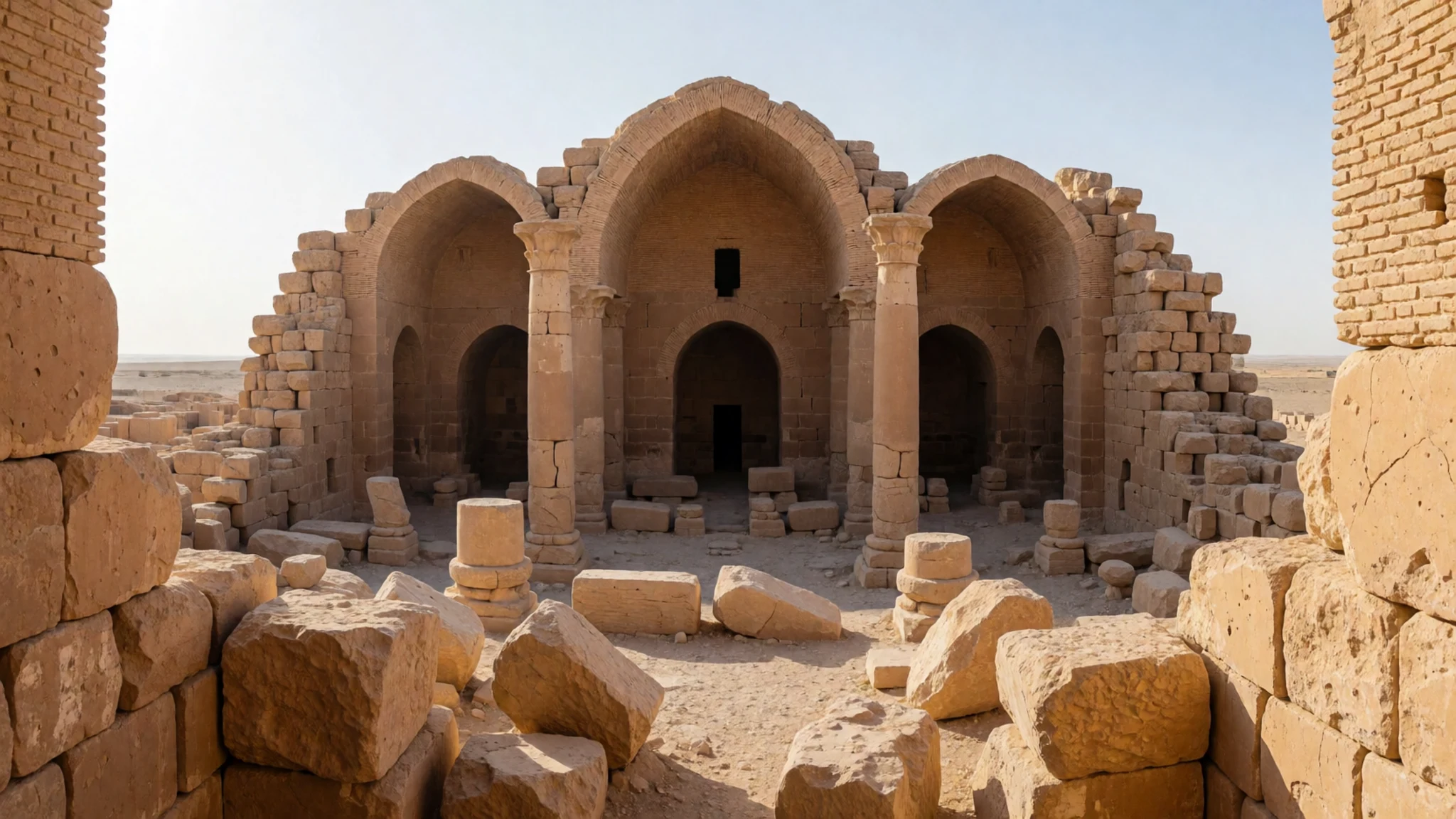
- Walls of Hatra — the circuit of the outer and inner walls
The walls were what made Hatra hard to take. The city was circular and ringed by an inner and an outer wall, studded with towers along their length. Standing on the surviving stretches, you can still make out the curve of the city plan and the line of the defences. Their survival is patchy, so expect long runs of low rubble rather than a continuous rampart.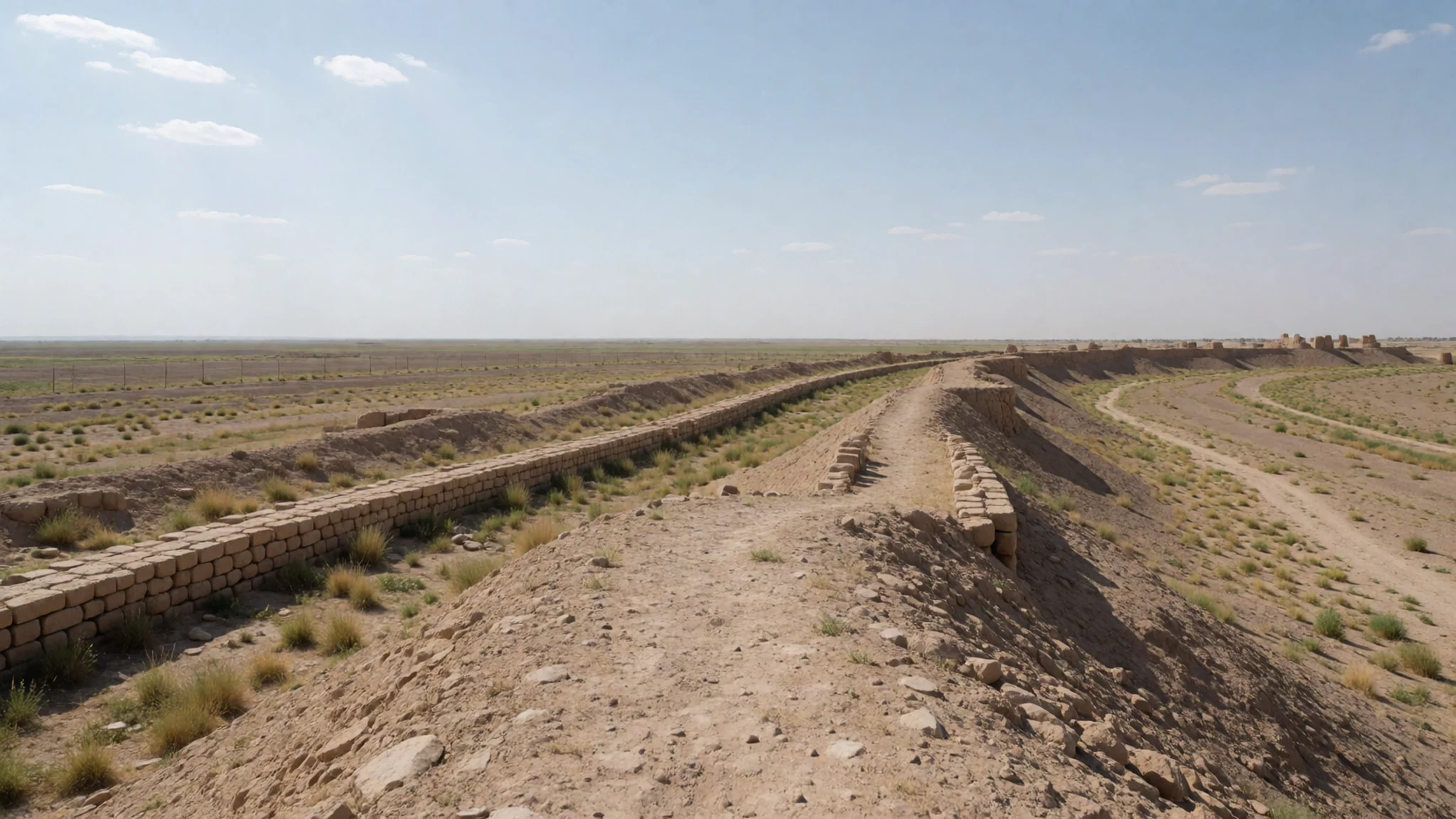
- Temple of Mrn — within the sacred precinct at the city's centre
The Temple of Mrn is named among the religious buildings listed for the site, and it forms part of the sacred complex at the city's centre. Information about its exact condition is limited, because many of Hatra's sites were looted during the years of conflict. Go to see its position within the precinct, and do not expect a complete building.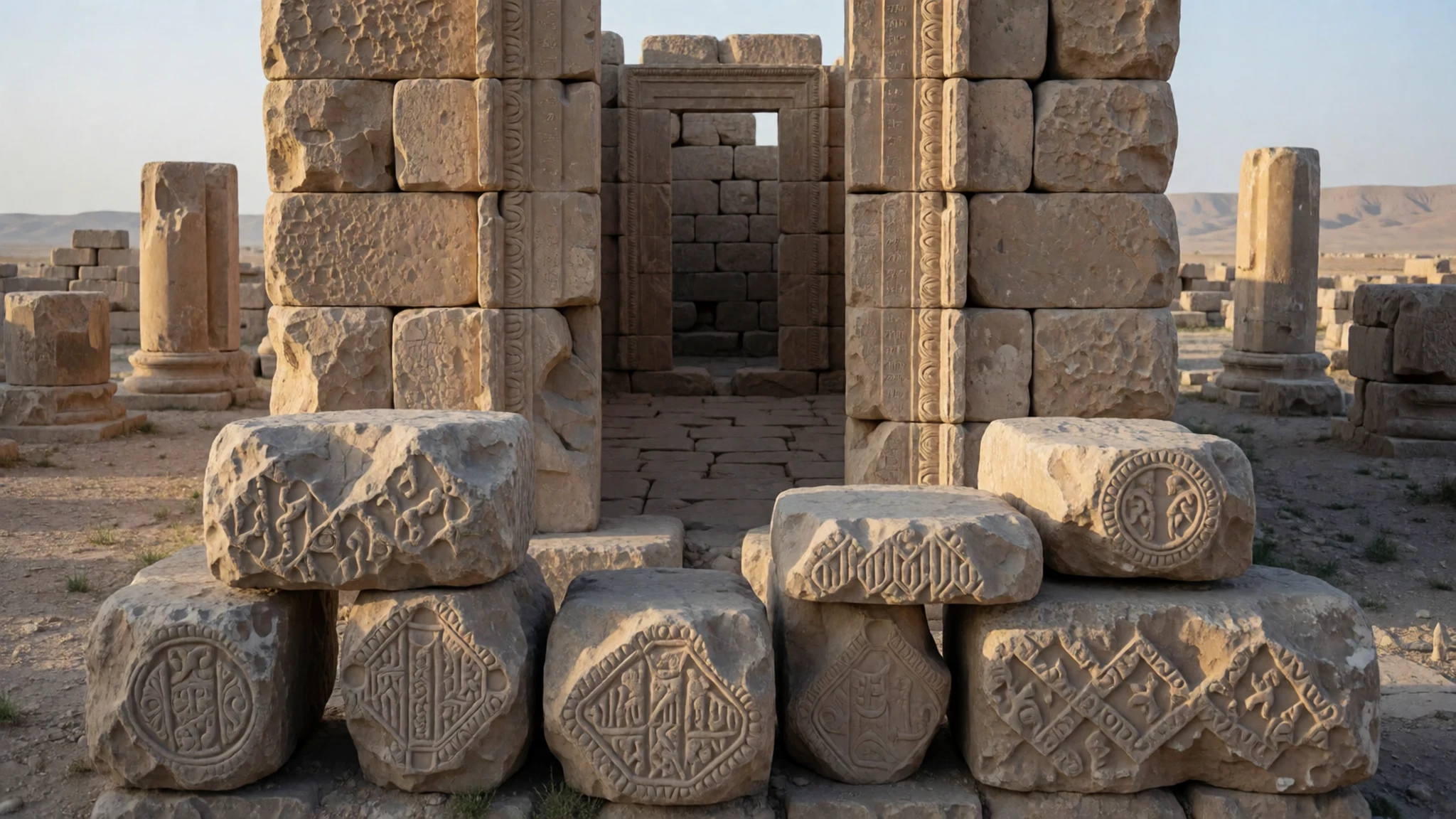
- The sacred precinct — the walled centre of the city
A temenos, or sacred enclosure, surrounded the main religious buildings at the centre of Hatra. Inside it stood temples to a remarkable mix of deities, including the Mesopotamian sun god Shamash, the Assyrian-Babylonian Nergal and the Greek Hermes. Walking the precinct is the best way to understand how the city's religion blended several traditions into one place.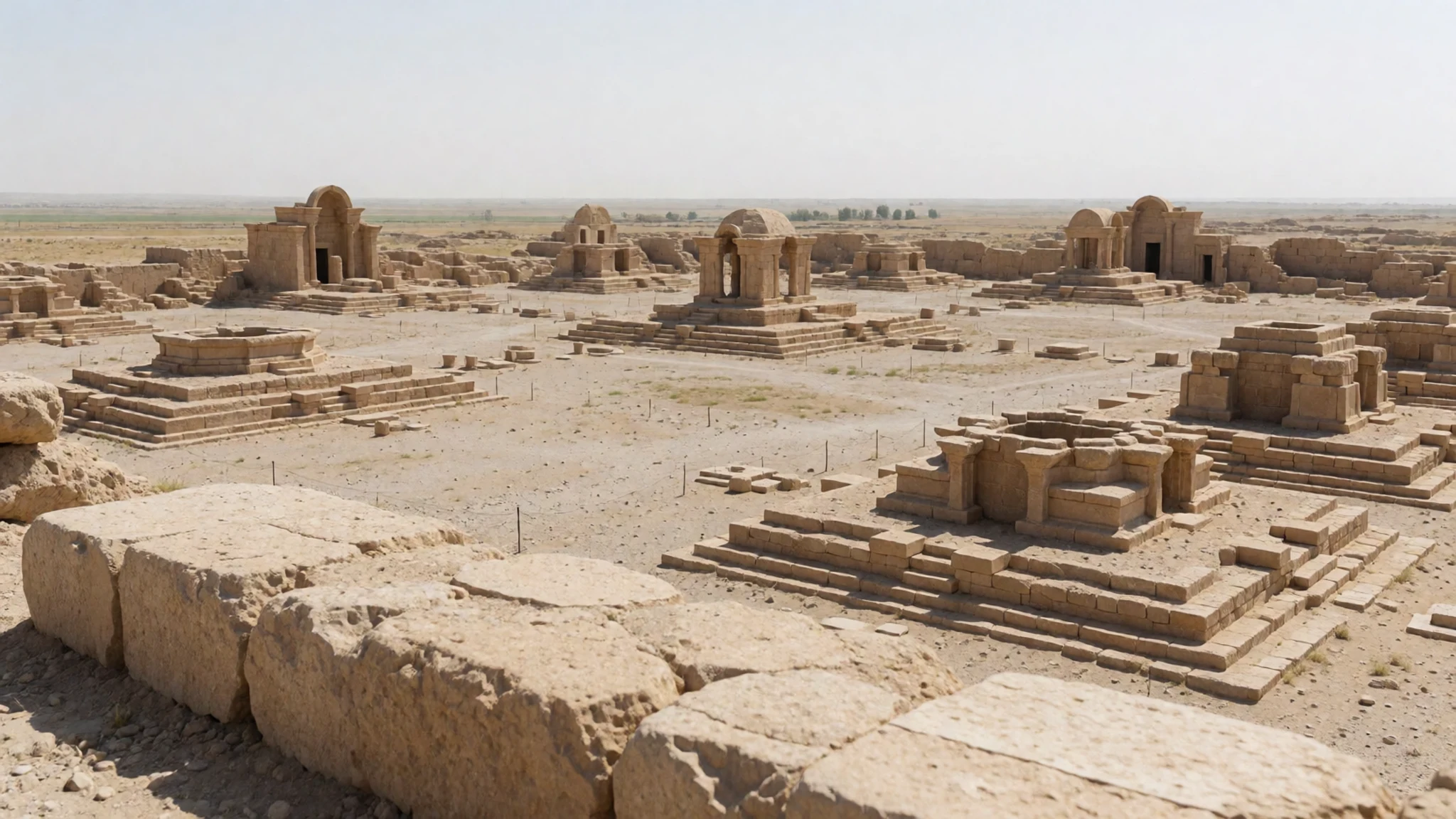
Culture
Hatra is now a ruin, so its culture lives mostly in the stories and objects that have come out of it. Its religion drew on Greek, Assyrian, Canaanite, Aramean and Arabian traditions, and its temples were known in Aramaic as the House of God. Its princes ruled a kingdom that dealt with both Rome and Parthia, and that balancing act shaped the city's art and its inscriptions. Today the surviving sculptures, coins and inscriptions held in Iraqi museums are the main way visitors meet this culture. On site, respect the people who guard and maintain the area and follow their lead on where you may walk. Ask before photographing anyone, especially women, and never climb over carved stone or fragile reliefs.
What to wear
Little is recorded about Hatra's textiles, but the surviving sculptures show men in military dress and in long, draped garments, and the city's coins show gods and rulers in similar layered clothing. Around Mosul and across the wider Nineveh area, everyday dress is practical and modest: men usually wear long trousers and shirts, and many women wear headscarves and loose, long-sleeved outer garments. For a visit, dress for heat and for rough ground. Choose loose, light cotton or linen in long sleeves and full-length trousers, a wide-brimmed hat and sunglasses, and closed, sturdy shoes for walking over rubble. Carry a scarf that women can use to cover their hair at any shrine or home you are invited into.
What to eat
- Kebab — charcoal grills in Mosul's old quarter
Grilled minced or cubed lamb, served with flatbread, raw onion and sumac, is the everyday staple of Iraqi eating. Look for a charcoal grill in the old quarter of Mosul, where cooks work over open flames in the late afternoon. Order it simply and eat it while it is hot, which is the local way.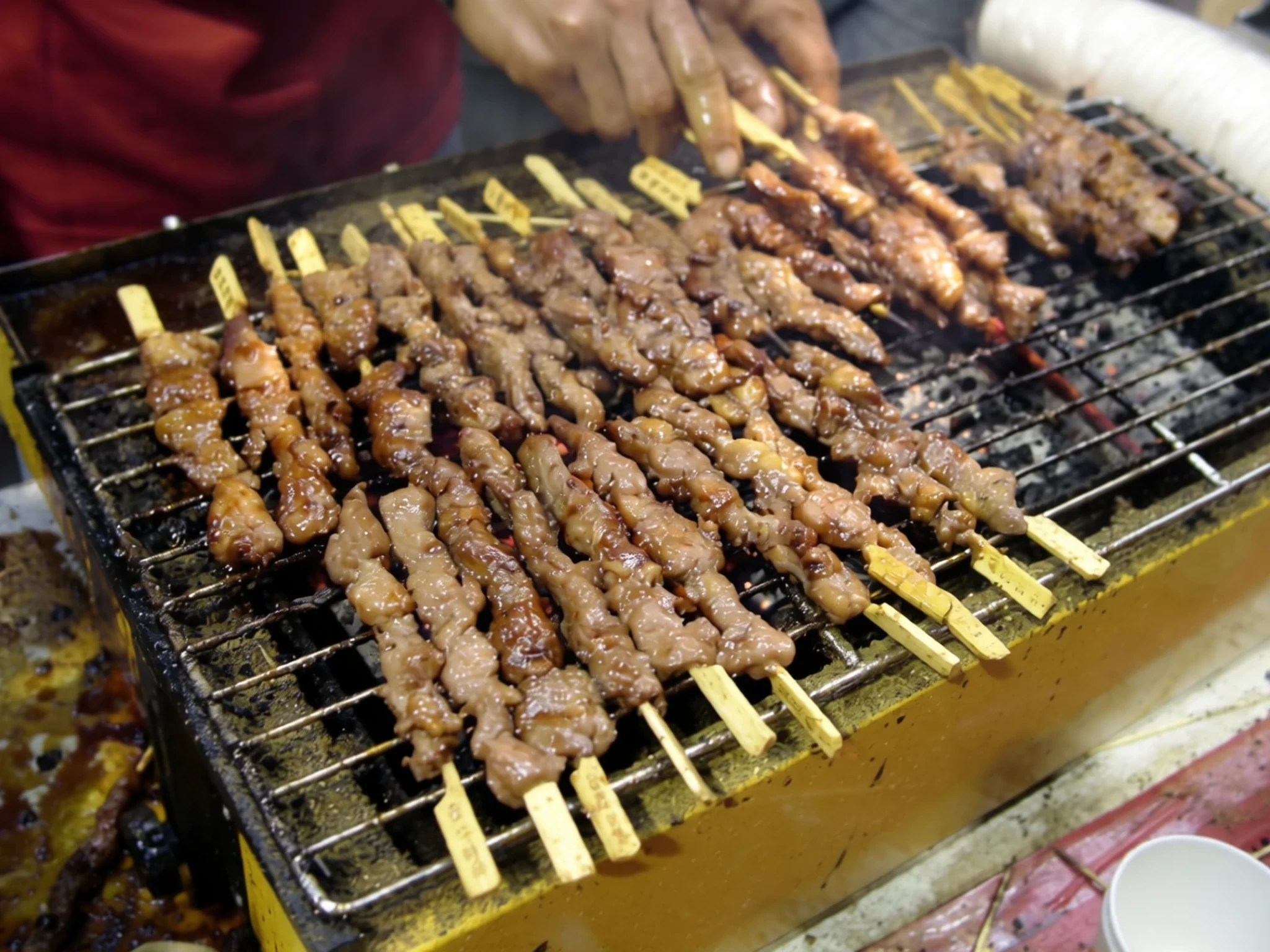
- Masgouf — grill houses along the Tigris in Baghdad
Masgouf is a whole carp split open and grilled over a wood fire, traditionally associated with the Tigris. It is the classic riverside meal in Iraq and is often eaten slowly with bread and salad. Sit by the water in Baghdad and let the smoke set the pace.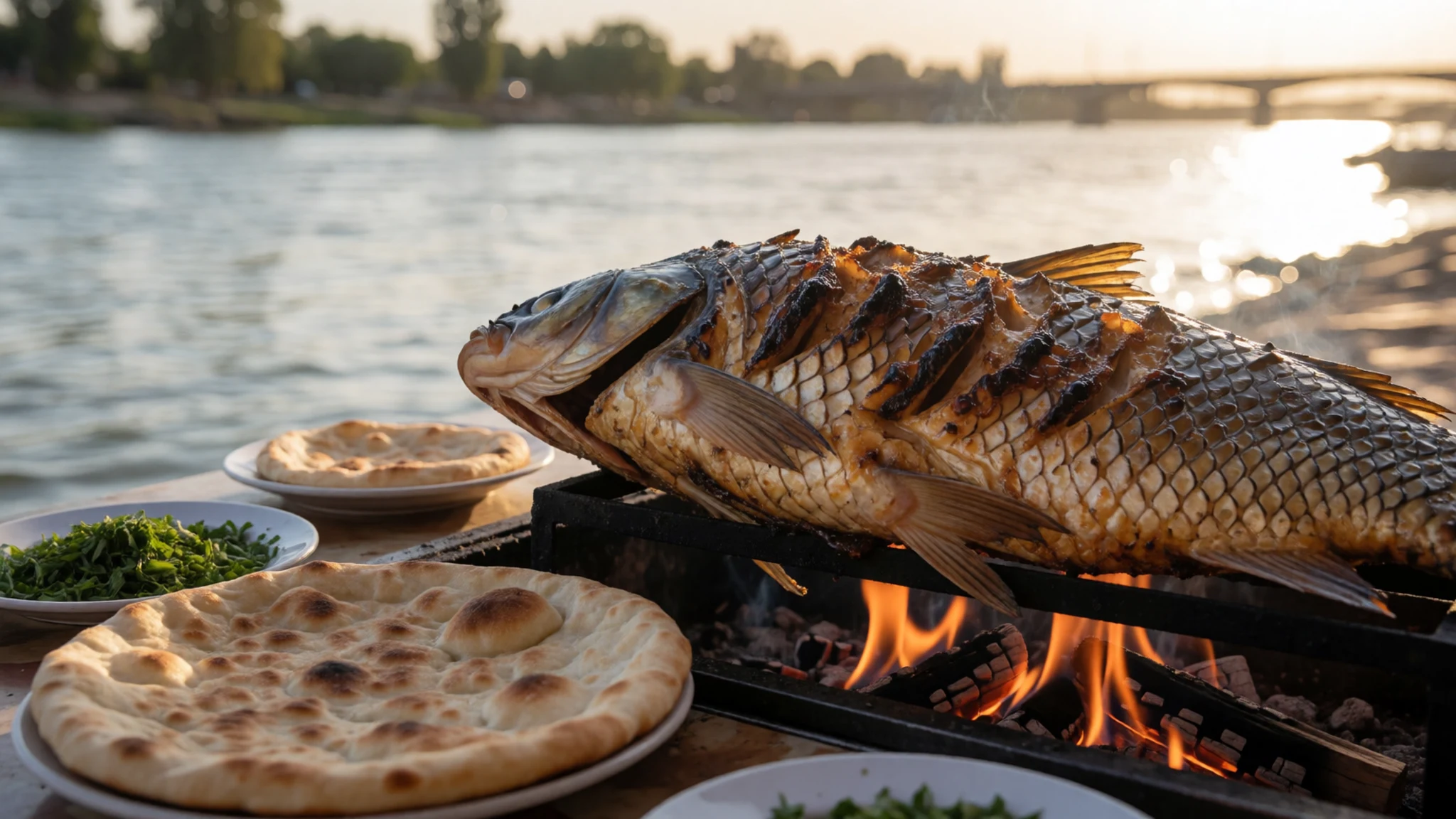
- Tharid — family-run eateries and home kitchens
Tharid is a rich stew of meat and vegetables poured over torn flatbread that has soaked up the broth. It is a home dish more than a restaurant speciality, so it is best sampled at a family-run eatery or as a meal offered by a host. Ask for it if the place you are eating offers it that day.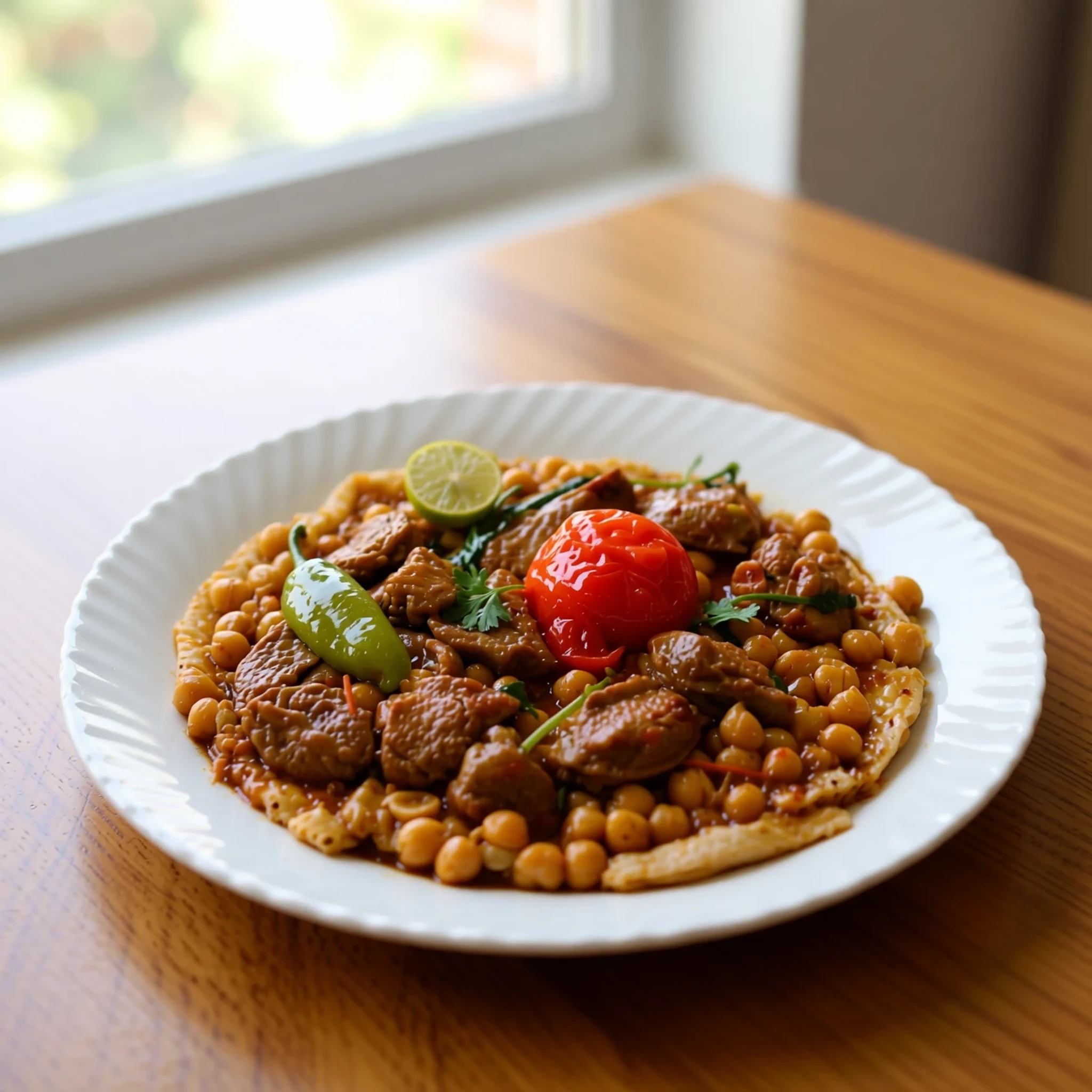
- Dolma — lunch eateries around the Mosul bazaar
Dolma are vine leaves, peppers or vegetables stuffed with spiced rice and herbs and cooked gently in broth. They appear on lunch tables across northern Iraq and are common in market eateries. Ask for them warm, and expect them to be served with yoghurt. - Date and tea — tea stalls and shops along the roads near the ruins
Dates are grown widely across Iraq and are eaten plain or with tea, which is served strong and sweet in small glasses. Visitors are often offered tea at shops and roadside stops, and it is a good way to rest in the heat. Accept it when it is offered, as a gesture of hospitality.
Plan it
Best time. Winter (December–February) is the most comfortable season, with daytime highs of about 21–26 °C and nights that often fall below freezing, while March, April and October regularly reach 35–40 °C; the climate is hot and semi-arid, with most rain falling in winter. Summers are very hot, and the ruins offer little shade.
How long. 2–3
Getting there. Fly into Mosul or Baghdad, then travel by hired car or driver. Mosul is much closer to the ruins than Baghdad, so it is the usual base for the final leg.
Budget. mid
Tips
- Check current security advice from your government before you plan the trip, and go only with a reputable local operator
- Do not assume lodging near the ruins; arrange a base in Mosul or elsewhere before you travel
- Visit in the early morning or late afternoon to avoid the midday heat
- Carry plenty of drinking water, sun protection and cash, as card payment is unreliable
- Hire a guide who knows the site and can explain what survives
Etiquette
- Dress modestly and cover your hair at religious or private sites
- Ask before photographing people
- Keep to paths and do not climb on ruins or carved stone
Nearby
Sources
- Wikidata Q466614 (CC0)
- Wikipedia: Hatra (CC BY-SA 4.0)
- Wikivoyage: Hatra (CC BY-SA 4.0)
- Photo: The ruins of the city of Hatra, Husseinal-mauktar (CC BY-SA 4.0)
- Photo: Coin of Hatra, Johny SYSEL (CC BY-SA 4.0)
- Photo: Headless statue of an unidentified nobleman from Hatra, Osama Shukir Muhammed Amin (CC BY-SA 4.0)
- Photo: Military commander from the city of Hatra, Hanming Huang (CC BY-SA 2.0)
- Photo: Hatra military man, Solider 16IQ (CC BY-SA 4.0)
- Photo: Hatra in the late 1960s, Neuroforever (CC BY-SA 4.0)
- Photo: Hatra-1453, 101st Sustainment Brigade (Public domain)
- Photo: Hatra-71339, Multi-National Corps Iraq Public Affairs (Public domain)


