Hashima
Hashima, Japan
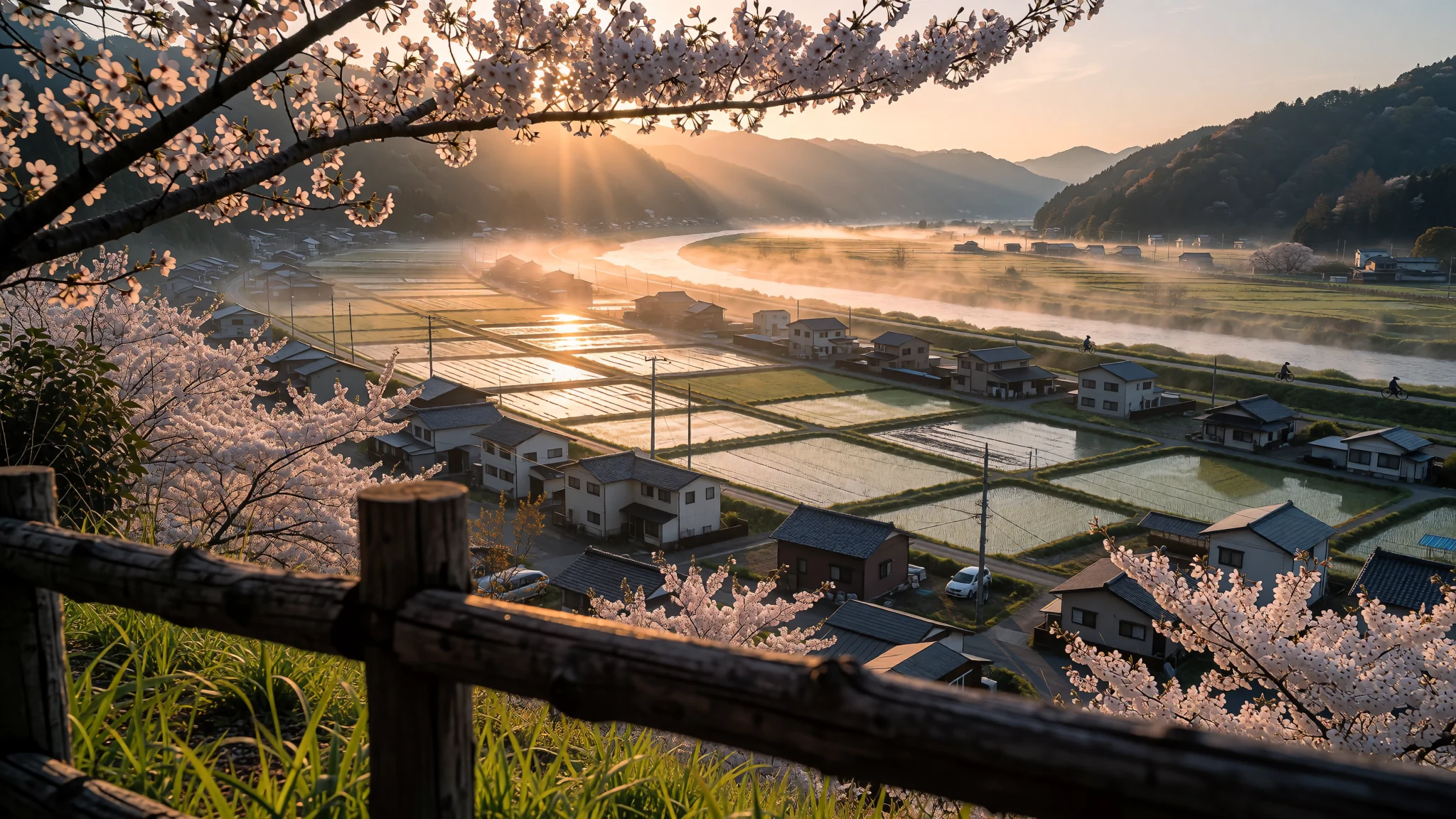
Hashima is a quiet Gifu city on the flat Nōbi Plain: little to see on its own, but an easy base for the wider prefecture.
The place
Hashima is a city of 66,312 people in Gifu Prefecture, set on the Nōbi Plain in the south-west of the prefecture. The land is flat and low. The Nagara River runs along the east side and the Kiso River along the west, and much of the city sits low enough that flooding is a recurring concern. Fields, housing, schools and workshops fill the plain in a loose patchwork, so the town feels more practical than picturesque.
Agriculture and light industry drive the local economy, and woven cloth is the trade most closely tied to the place. Small factories and warehouses sit close to shops and homes rather than in a separate zone, which makes the streets busy in a working way. As a regional commercial centre, Hashima serves the farms and towns around it.
The climate is warm and humid. Summers are hot and close, winters are cold with frosty nights, and rain falls through much of the year, with July usually the wettest month. Spring and autumn are the most comfortable seasons to be outdoors, while midsummer afternoons can feel heavy.
Hashima is not a place built around sights, and nobody should plan a long holiday around it. It is an ordinary Japanese city with a station on the Tōkaidō Shinkansen line, where about four trains an hour stop, including the Kodama, which calls at every station, and the Hikari. Anyone with a few hours between connections can walk from the station into town, look at the river edges and see something of everyday life on the plain. Its real value lies in being a stop and a base for the richer parts of Gifu and Nagoya.
Its story
The land around Hashima belonged to the old province of Mino long before the modern city existed. In the Edo period it was divided. Most of the area lay under Owari Domain, while the remainder was tenryō territory governed directly by the Tokugawa shogunate. Villages on either side answered to different authorities, and that split shaped local life for generations.
After the Meiji Restoration, land surveys reorganised the countryside, and the district was grouped as Hashima District within Gifu. The modern municipal system took effect in 1889, when the town of Takenohana was created. Takenohana was a modest community, its livelihood rooted in farming and the weaving work that spread across the plain.
The city in its present form dates from 1954. In that year Takenohana combined with several surrounding villages to create the city of Hashima, drawing scattered rural communities into one administration. The new city inherited the boundaries of its predecessors, and the names of its districts still carry traces of that patchwork.
The landscape is the other thread running through the story. The Kiso and Nagara rivers shape the plain, and the low ground has always been vulnerable to flooding. Those floods, and the drainage works needed to manage them, decided where villages could be built and farmed. Hashima's history is written as much in water and fields as in the rulers who governed them.
What to see
- Gifu-Hashima Station — Station area, Hashima
Gifu-Hashima Station is the stop most visitors will use. Outside the entrance stands a monument carved from wood with a single blade, a style associated with the monk-sculptor Enkū. The station is served by the Tōkaidō Shinkansen, so the platform gives a fast view of the plain and a sense of how well connected the town is.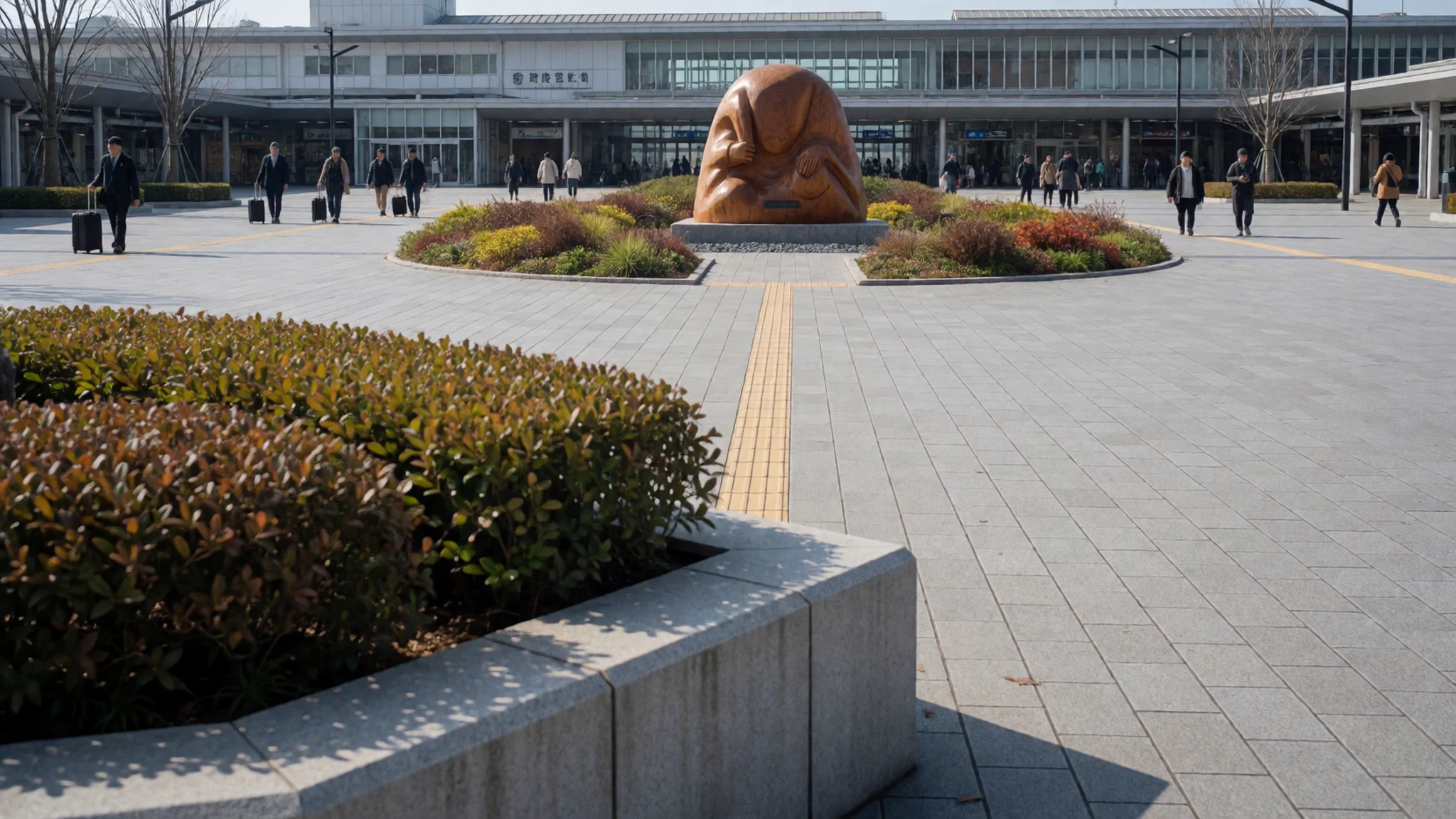
- Hashima City Hall — Town centre, Hashima
The city hall is a modern civic building in the centre of town, where the city's administrative services are based. It is a practical stop if you need local information or leaflets, and it shows how the city presents itself today. Check opening hours on the official city website before visiting.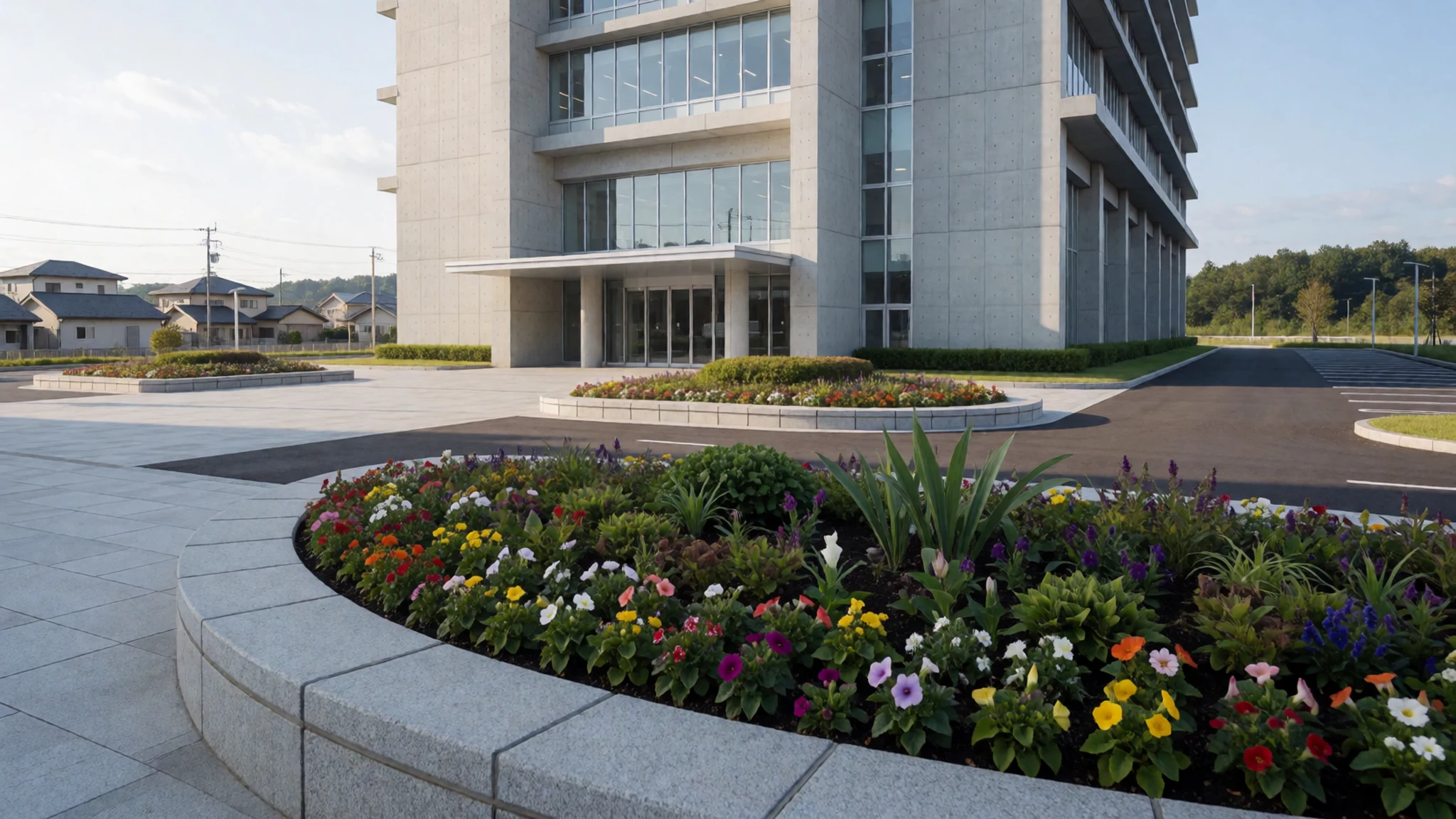
- Daibutsu Children's Park — Residential district, Hashima
The park takes its name from the Daibutsu, or great Buddha, but it is a plain neighbourhood park rather than a temple site. It suits a short break and a look at everyday life in a residential area. Expect benches, open lawns and local families rather than tour groups.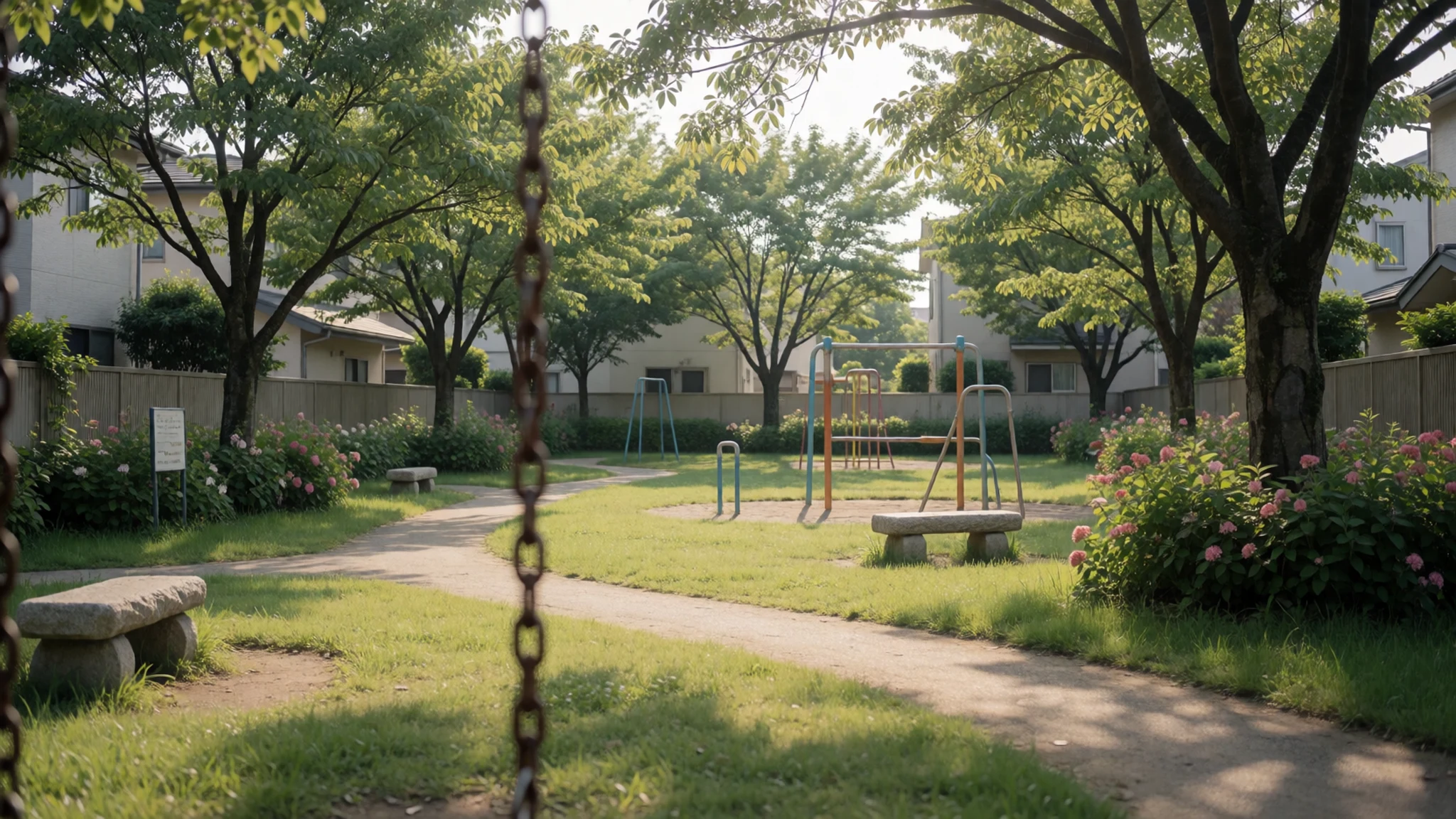
- Gifu Hashima Culture Centre Sky Hall — Civic district, Hashima
The Sky Hall is the city's cultural centre, a venue for performances, exhibitions and community events. Programmes change, so check the official site before going. Its modern building makes an interesting contrast with the open farmland at the edge of the city.
- Cormorant fishing on the Nagara River — Nagara River, Gifu city
Cormorant fishing on the Nagara River in Gifu city is a traditional evening spectacle, with fishers working trained birds from small boats. It is a practical day trip from Hashima by train and makes a good counterpoint to a quiet town. Book seats through the official operators and check the season before you travel.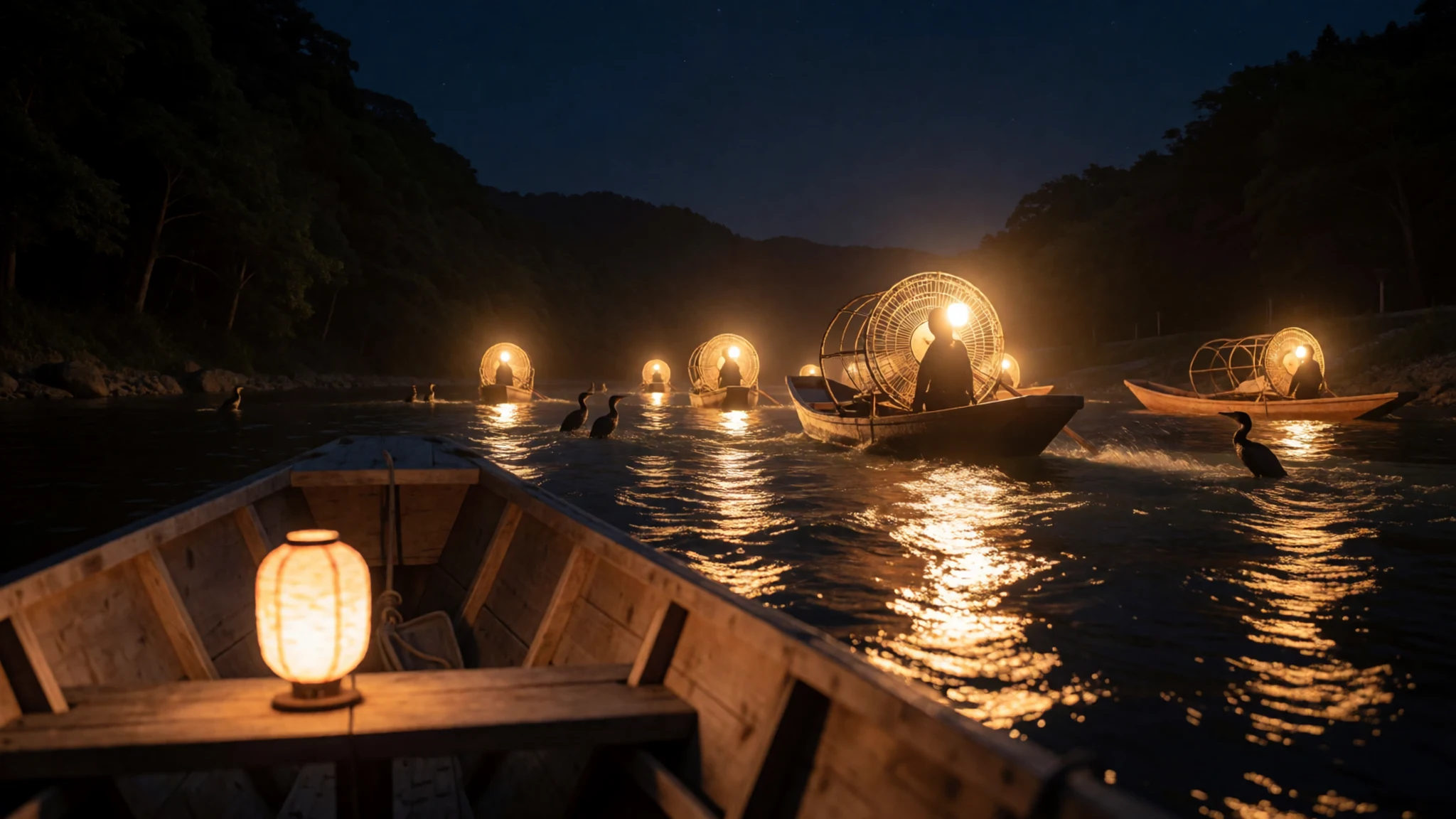
Culture
Hashima is a working city rather than a tourist town, so most of what you will notice is everyday Japanese life. Residential streets are quiet, rubbish is sorted carefully, and shopkeepers greet customers with a small bow. Queues at stations and bus stops are orderly. Evenings are calm, and shops and eateries often close earlier than they do in Tokyo or Osaka, so plan meals around that. Bins are scarce in public spaces, so carry your rubbish home or to a konbini bin. The city's rhythm is set by work, school and the station, so streets are busiest at commuting times and quiet in the afternoons. Tipping is not expected in restaurants or shops. On trains and buses, speak quietly and keep phone calls short. Asking before photographing anyone in the street is the courteous norm, and the same applies to market stallholders. Across Gifu, temples and shrines are places of worship first, so at temple entrances remove your shoes where a step is raised and keep your voice low inside.
What to wear
Traditional dress in Gifu follows the national pattern: the kimono, a long wrapped robe, is worn for formal occasions and ceremonies, usually in silk with woven or dyed patterns. The lighter yukata, made from cotton, is the summer version and appears at summer festivals across the prefecture. Textiles are a regional thread: the weaving that gives Hashima its economic character connects the city to a long tradition of cloth-making on the plain. Today, people in Hashima dress much as they would in any Japanese city, in jeans, cardigans, trainers and office clothes, with yukata and kimono reserved for festivals, weddings and formal events. For a visitor, the climate decides most choices. Summers are hot and humid, so pack light, breathable cotton or linen, a hat and a small umbrella for rain. Spring and autumn call for layers, and winters are mild but can be chilly, so bring a warm jacket. Shrines and temples do not require formal dress, but modest clothing is appreciated. Wear shoes that slip on and off easily, because you will remove them at many indoor and temple entrances, and choose sturdy soles for the flat, sometimes wet streets.
What to eat
- Hōba miso — Local eateries and izakaya in Gifu city; home cooking across the prefecture
A sweet, savoury bean paste spread on a hōba leaf and grilled over charcoal until it bubbles and smells of the leaf. Serve it as a dip for vegetables or spooned over hot rice. It appears on home tables and in local eateries across the prefecture.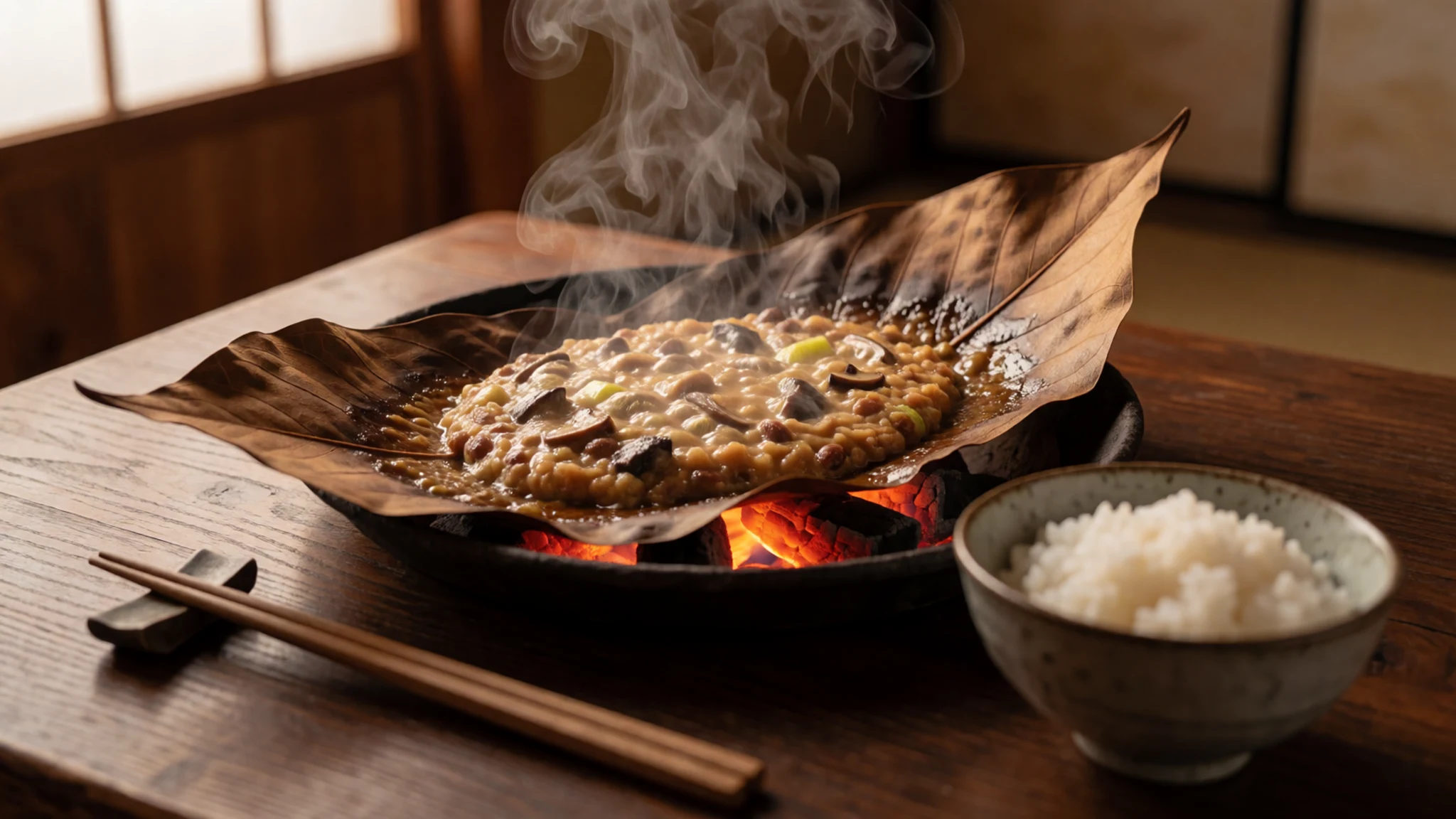
- Hida beef — Yakiniku and steak restaurants in Gifu city; beef counters in Takayama
Thickly marbled and rich, this beef comes from cattle raised in the northern mountains of Gifu. It is usually grilled on a hot plate or served as sukiyaki, where a little goes a long way. Expect to pay a premium, so order it once as a treat.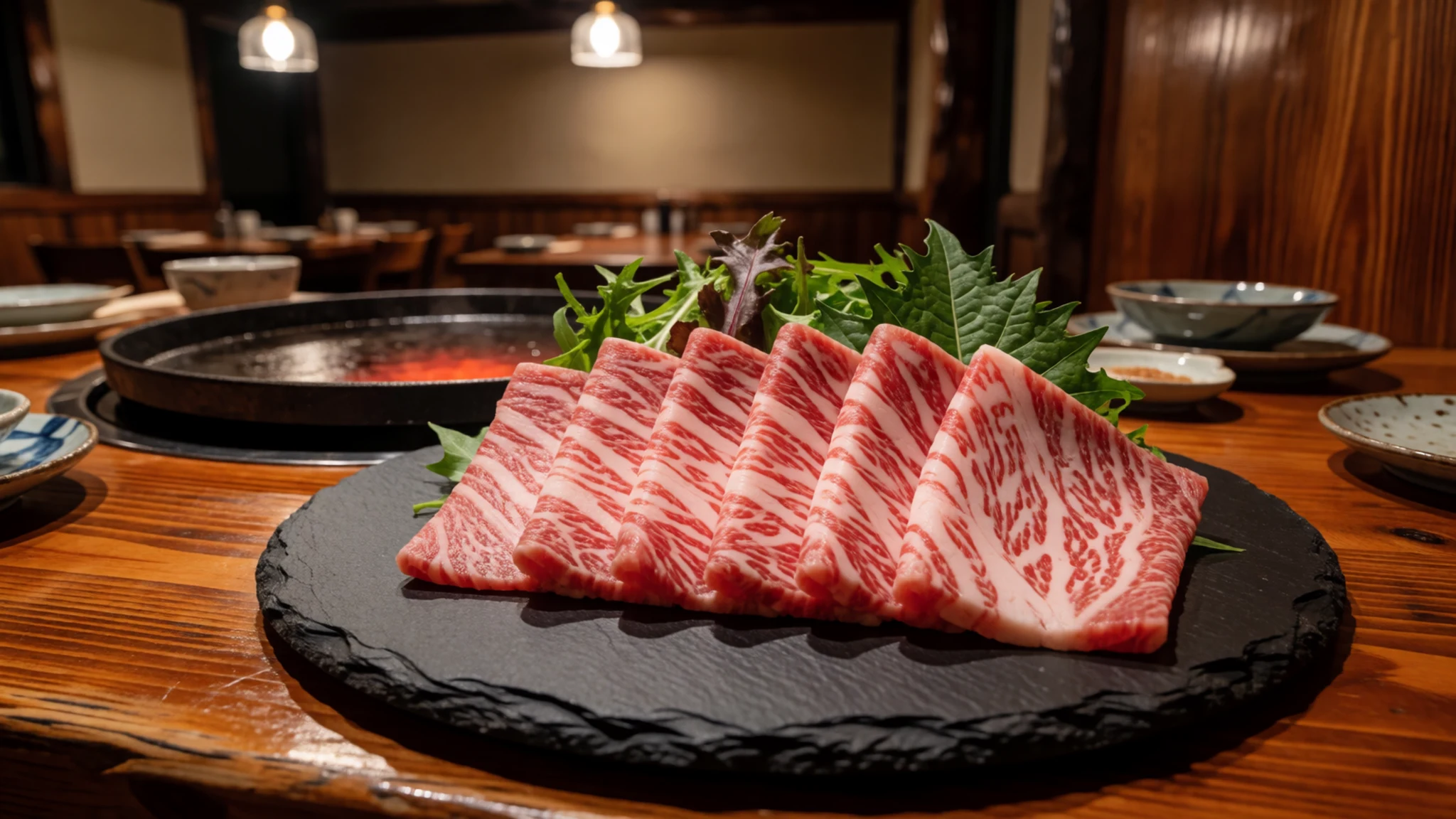
- Kurikinton — Station kiosks and confectioners in Gifu city
A sweet made by steaming and mashing chestnuts with sugar, then shaping the mass into the form of a chestnut. Its soft, pale texture makes it a popular souvenir. Wrapped boxes are easy to carry home. - Gifu sake — Sake shops and izakaya in Gifu city
Gifu has a number of small sake breweries, and their bottles are often sold in local shops and izakaya. Ask for a bottle from a nearby brewery and taste it chilled or warmed. Small bottles make good gifts. - Mountain persimmons, chestnuts and mushrooms — A morning market or roadside stall in the countryside around the city
Persimmons, chestnuts and mushrooms grow in the mountains around the prefecture and appear in markets and roadside stalls. Autumn is the time to look for them, when they are at their freshest. Eat persimmons soon after buying, once they are ripe.
Plan it
Best time. March–April for mild weather and spring colour; November for the coolest, most comfortable autumn days. June is the rainy season, July is usually the wettest month, and August is the hottest.
How long. 1–2
Getting there. Gifu-Hashima Station is a stop on the Tōkaidō Shinkansen, so reach it by shinkansen from Tokyo or Osaka. Nagoya is the nearest major hub, with Chubu Centrair International Airport, and the last leg is by shinkansen or a local train. Check timetables before you travel.
Budget. mid
Tips
- Shinkansen seats fill up at holiday times, so reserve early when you can
- Carry cash for small shops, vending and rural stalls
- Plan outdoor visits for spring and autumn, and keep midsummer walks short
- Combine Hashima with Gifu city for a longer day
- Carry water, especially in summer, when the humidity is high
Etiquette
- Queue in the marked lines at stations and bus stops
- Keep voices low on trains and buses
- Ask before photographing people in the street or at stalls
Nearby
Sources
- Wikidata Q819595 (CC0)
- Wikipedia: Hashima, Gifu (rev 1377786959) (CC BY-SA 4.0)
- Wikivoyage: Gifu (prefecture) (rev 5245915) (CC BY-SA 4.0)
- Hashima City Hall, Asturio Cantabrio (CC BY-SA 4.0)
- Gifu Hashima Station 01, Hide-sp (CC BY 3.0)
- Antenna tower on NTT Hashima-minami from SW, IXTA9839 (CC BY-SA 4.0)
- Daibutsu Children's Park 20211229, 先従隗始 (CC0 1.0)
- From the Shinkansen, David Lee (CC BY 2.5)
- Gifu Hashima Station M01, Hide-sp (CC BY-SA 2.5)
- Gifu Hashima Station M02, Hide-sp (CC BY-SA 2.5)
- Gifuhasima sky, MiNaR (CC BY-SA 4.0)


