Harar
Harar, Ethiopia
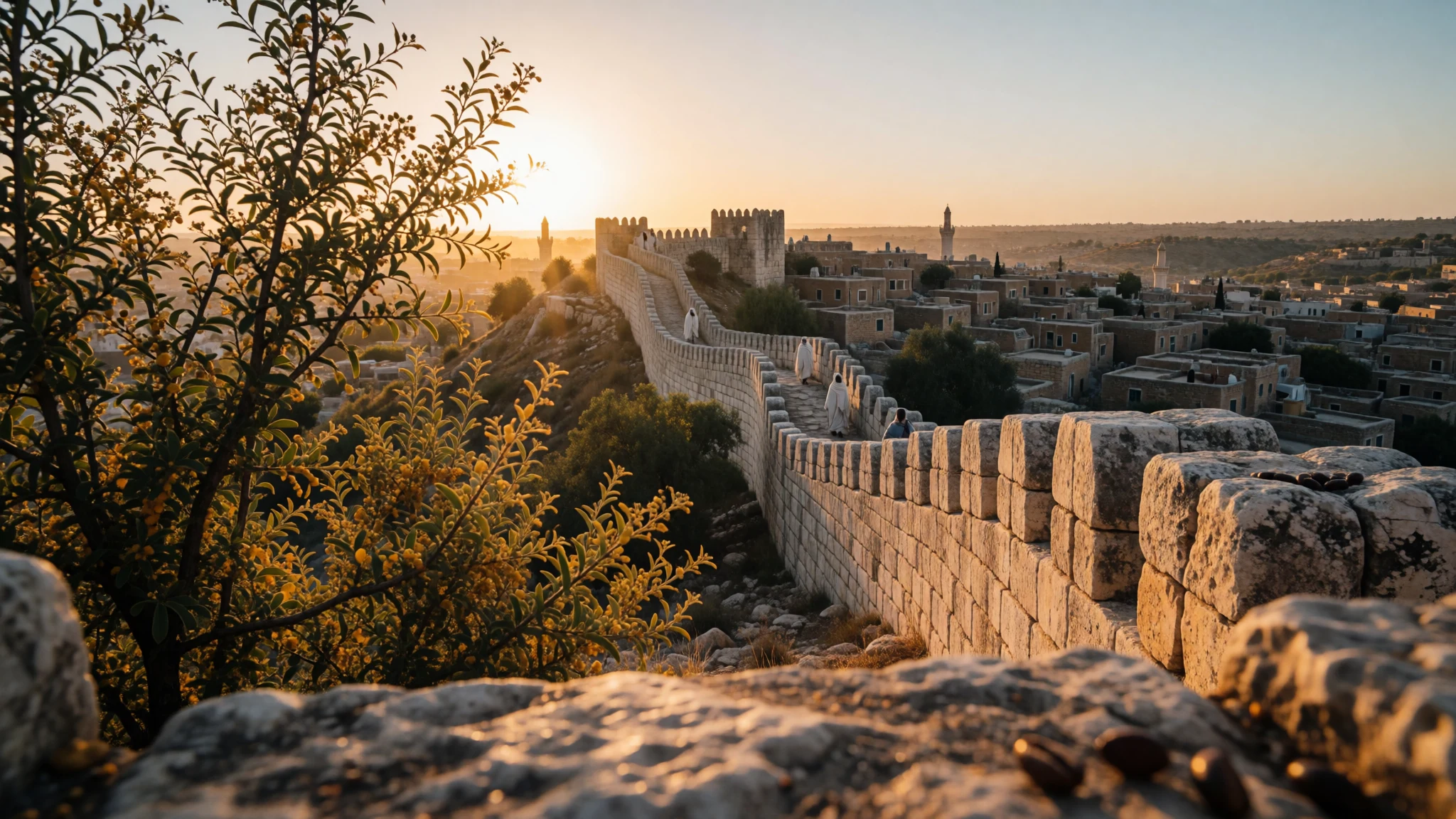
A walled hilltop city of saints, coffee and trade history, best seen in the dry months from November to February.
The place
Harar is a walled city on a hilltop in eastern Ethiopia, roughly 500 kilometres from Addis Ababa and standing at 1,885 metres. Locals call the old town Gey, meaning simply "the city", and outsiders often know it as Harar Jugol. Its population is around 157,000, so it feels more like a dense market town than a sprawling capital. The old town is a tangle of narrow lanes enclosed by a wall, with mosques, shrines, churches and merchant houses packed closely together.
The city is the capital of the Harari Region and carries the nickname City of Saints, a reference to its many shrines and the holy men said to have settled here. Religious life is visible in the streets. Calls to prayer cross the rooftops, and mosques and churches sit within a few minutes' walk of one another. Coffee is part of the daily rhythm too, with beans roasted and brewed at small stands through the day.
Life here moves at a steady pace. Donkey carts share the lanes with bicycles and children heading home from school, and the slopes make every walk feel longer than the map suggests. Afternoons can be warm even in the cooler months, while mornings stay mild. The lanes are rarely crowded except around market hours, when the old town fills with buyers and sellers. The city has long been a trading point linking the interior with the coast, and that history still shapes what gets bought and sold in its markets.
Its story
Nobody agrees on when Harar was founded. Some accounts trace the settlement to migrants from Arabia arriving in the late seventh century, while others credit local people with building the town much later. What is clearer is that Islam reached the plateau through trade with the port of Zeila, and over the following centuries it became the dominant faith in the region. A semi-legendary local text credits a holy man named Abadir with leading a large company of saints from the Arabian Peninsula to the plateau, where existing communities accepted his leadership. That tradition explains the city's nickname, and it is still told with pride.
Before that, the plateau was home to older peoples. Historians think the Harla may have been among the earliest residents, and the area passed between several regional powers over the centuries. Once the town became established, it grew into a hub for caravans moving between the Ethiopian highlands, the Horn of Africa, Arabia and the wider world. Goods flowed in and out, and the merchants who prospered built the stone houses and winding lanes that still define the old quarter.
The city has a strong link with outsiders too. The French poet Arthur Rimbaud is remembered here through the mansion that once housed him, which is now a museum. Haile Selassie spent his childhood in the family mansions near the centre, and those buildings still stand.
In 2006 UNESCO listed the walled old city as a World Heritage Site. Ethiopia's government has made it a criminal offence to damage or alter historic buildings and fixtures, a protection covering stone homes, museums and even items left over from war. Today the Jugol is valued for its architecture, its shrines and its long role as a centre of trade.
What to see
- Jamia Mosque — Centre of the Jugol
At the centre of the old town stands the Jamia Mosque, a working place of worship around which the lanes of the Jugol loop. Only Muslims may enter, so visitors should admire the minaret and the surrounding streets from outside, and keep voices low during prayer times. Photograph the exterior from a respectful distance and ask before taking pictures of people in the courtyard.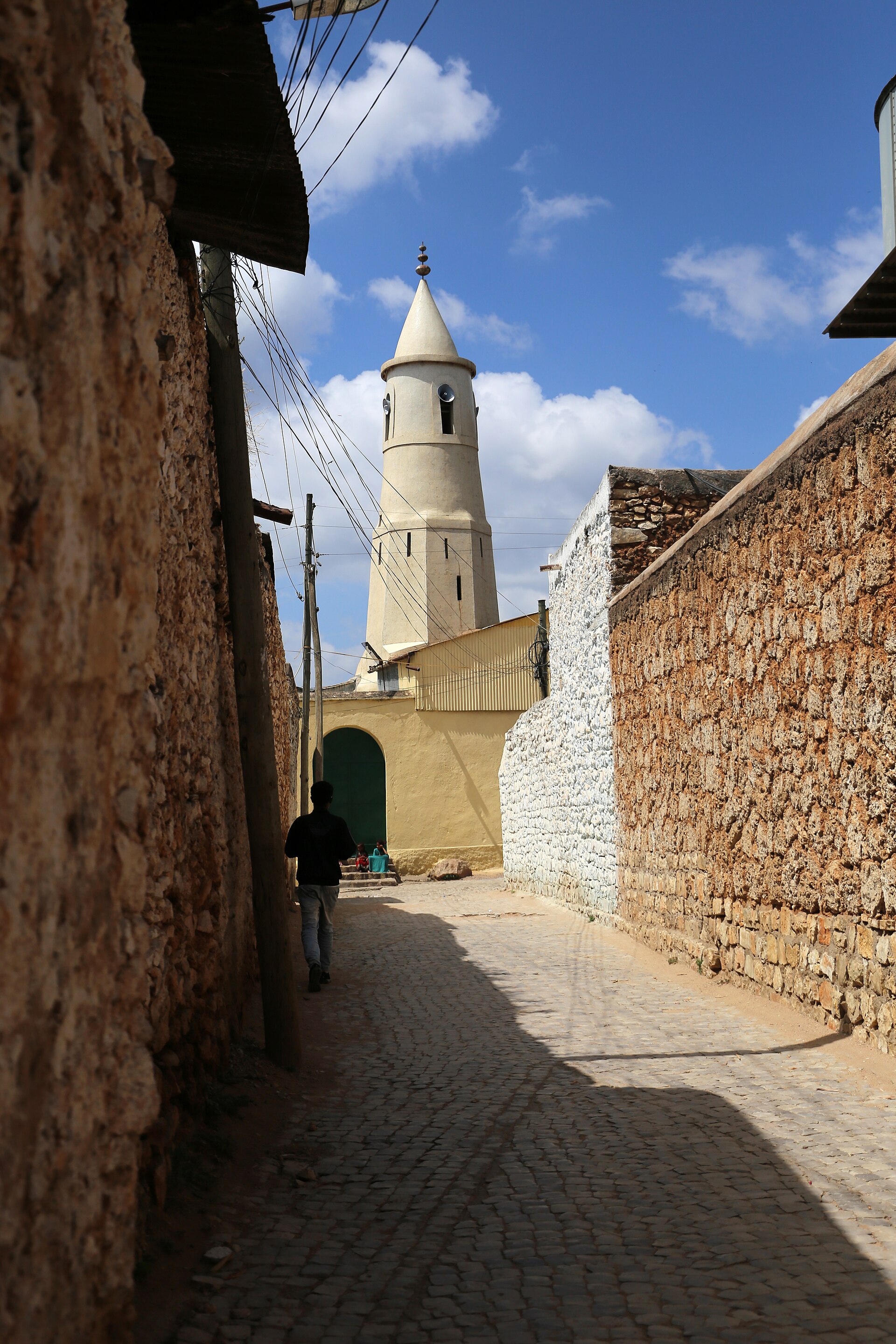
- Rimbaud's House and Museum — Jugol
A mansion that once housed the French poet Arthur Rimbaud now operates as a museum. Its rooms give a sense of the merchant houses that lined the old town, and the displays connect the building to his years in the city. It stands close to the Abdela Sherif Museum, so the two can be seen together on one walk. - Medhane'alem Church — Feres Magala square
An Ethiopian Orthodox cathedral on the Feres Magala square, Medhane'alem is a fine example of local church architecture. The square is open and bright, a welcome change from the narrow lanes. Dress modestly and remove shoes before entering the church compound, as is customary at Orthodox sites. - Abdela Sherif Museum — Jugol
Set in a mansion where Haile Selassie lived as a child, the Abdela Sherif Museum holds dusty objects that are easier to understand with someone explaining them. A guide is well worth hiring, since the rooms are small and the displays rely on context. The family history gives the visit a personal dimension, and it pairs well with the mansions across the street. - Awaach of Amir Nur — Jugol
The Awaach of Amir Nur is a domed shrine commemorating the 16th-century Emir of Harar, a ruler who remains part of the city's identity. It stands among the lanes of the old town and is easy to reach on foot. Shrines like this are active places, so visitors should dress modestly, keep quiet and ask before taking photographs inside.
Culture
Harar is a city of several faiths, and social life in the old town follows religious rhythms. Islam has been central here for centuries, and the Jugol is known in Arabic as the City of Saints because of its many shrines. Christians also live in the city, and an Orthodox cathedral and a Catholic church stand within the old walls. Neighbours share the same lanes, and shopkeepers, students and craftspeople move between prayer times without much fuss.
The city's identity is tied closely to two plants. Khat, the leafy stimulant chewed socially across the region, is said to have originated here, according to the explorer Sir Richard Burton. Coffee is also linked to Harar, with the original domesticated coffee plant said to come from the area. Khat sessions are social and often last through the afternoon, so visitors may be invited to join. A polite refusal is perfectly acceptable.
Hospitality matters. Coffee is served in small cups, and sharing it is a way of welcoming guests. Conversation tends to be unhurried, and questions about where a visitor comes from are common and friendly. When visiting a mosque or shrine, always ask before photographing anyone at prayer.
What to wear
Traditional dress in Harar draws on the wider Ethiopian tradition of cotton weaving. Many people wear the shamma, a white or cream woven shawl with coloured borders, draped over the shoulders for church, festivals and formal occasions. Women may wear a long cotton dress, often white with woven borders in red, green or gold, known as a habesha kemis. The cloth is hand-woven, and the borders carry much of the design, so the finest pieces are valued for their weaving as much as their cut. In Harar, many women also wear modest, brightly coloured clothing with a headscarf.
What people wear now is a mix. Everyday dress includes jeans, shirts and football shirts, especially among younger people, alongside the cotton clothing worn for religious occasions. Modest dress is the norm in the old town, and most people dress with care when going to a mosque or church.
For a visitor, loose, light clothing that covers shoulders and knees suits the climate, since afternoons can be warm even in the cooler months. Carry a scarf or light shawl for mosque and church visits, and choose a hat for the sun. Sturdy closed shoes are the practical choice for the steep, uneven lanes, and they will need to come off at churches.
What to eat
- Camel meat — The butchers on Gidir Magala, with the juice shop next door
Camel meat is a Harari speciality, and the butchers around Gidir Magala cook what they sell. Diners usually take the meat to a juice shop next door to eat, and some will deliver it. The meat is firm and rich, a dish for anyone willing to try something beyond the usual Ethiopian stews. - Fresh juice — The outdoor juice bar on Gidir Magala
Ethiopian juice is made from fresh fruit blended with milk or water and sugar, and it is a daily habit for many people. The outdoor juice bar on Gidir Magala is a pleasant place to sit with a view south over the town. Avocado, mango and papaya are common choices. - Harar coffee — Roasteries in the old town
Among the most ancient and unique arabica varieties in Ethiopia is Harar coffee, which is traditionally dry-processed to create a heavy-bodied cup with fruity, sometimes spicy or chocolatey notes. Roasters in the Jugol let visitors watch the beans turn, and bags of beans are sold to take home.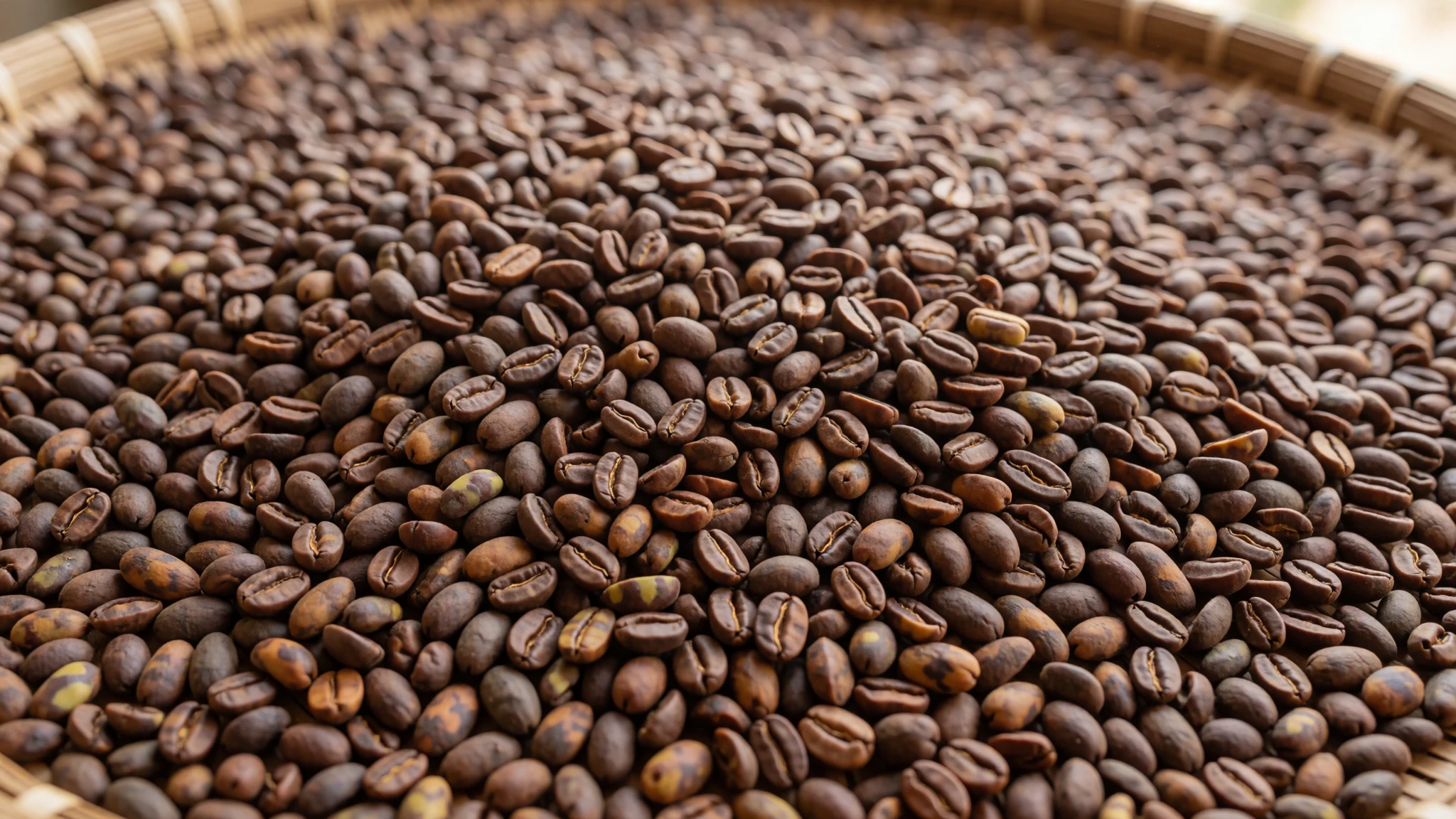
- Street coffee — Bunna bet stands across the Jugol
Bunna bet, the street coffee stands, are scattered through the old town and serve strong coffee in small cups. The coffee is roasted, ground and brewed on site, and locals gather for short, sociable stops. The brew is strong even by Ethiopian standards, so a small cup is usually enough.
Plan it
Best time. November to February is the dry season, with warm afternoons and cool mornings. Rain falls from March to October, peaking in August, so the wetter months bring more mud on the slopes and fewer clear views.
How long. 2–3
Getting there. Fly into Dire Dawa, then take a private car arranged by a hotel there, or a minibus, up to Harar. The minibus is the budget choice, and the private car is the more comfortable one. From Addis Ababa, a long bus journey leaves before dawn and takes most of a day.
Budget. low
Tips
- Book a private car from Dire Dawa for the most comfortable transfer
- Visit the markets early, when the lanes are coolest and busiest
- Carry cash in small notes for guides, coffee stands and small museums
- Split the day, with mansions and churches in the daytime and the bars and nightlife outside the old town in the evening
- Carry water and allow extra time for the steep slopes
Etiquette
- Dress modestly in mosques and churches, and remove shoes where asked
- Only Muslims may enter the Jamia Mosque
- Ask before photographing people, especially at prayer
Nearby
Sources
- Wikidata Q190184 (CC0)
- Wikipedia (rev 1383144329) (CC BY-SA 4.0)
- Wikivoyage (rev 5369766) (CC BY-SA 4.0)
- Town of Harar with Citywall (CC BY 2.5)
- City Gate, Harar Jugol (CC BY-SA 2.0)
- House of Ras Tafari (Harar) (CC BY 3.0)
- Jamia Mosque in Harar (CC BY 3.0)
- Streets in Harar (CC BY 3.0)
- A View of Harar, Ethiopia (CC BY 2.5)
- Walls of Harar (CC BY 3.0)
- Market of Harar in the nineteenth century (Public domain)


