Hallstatt
Hallstatt, Austria
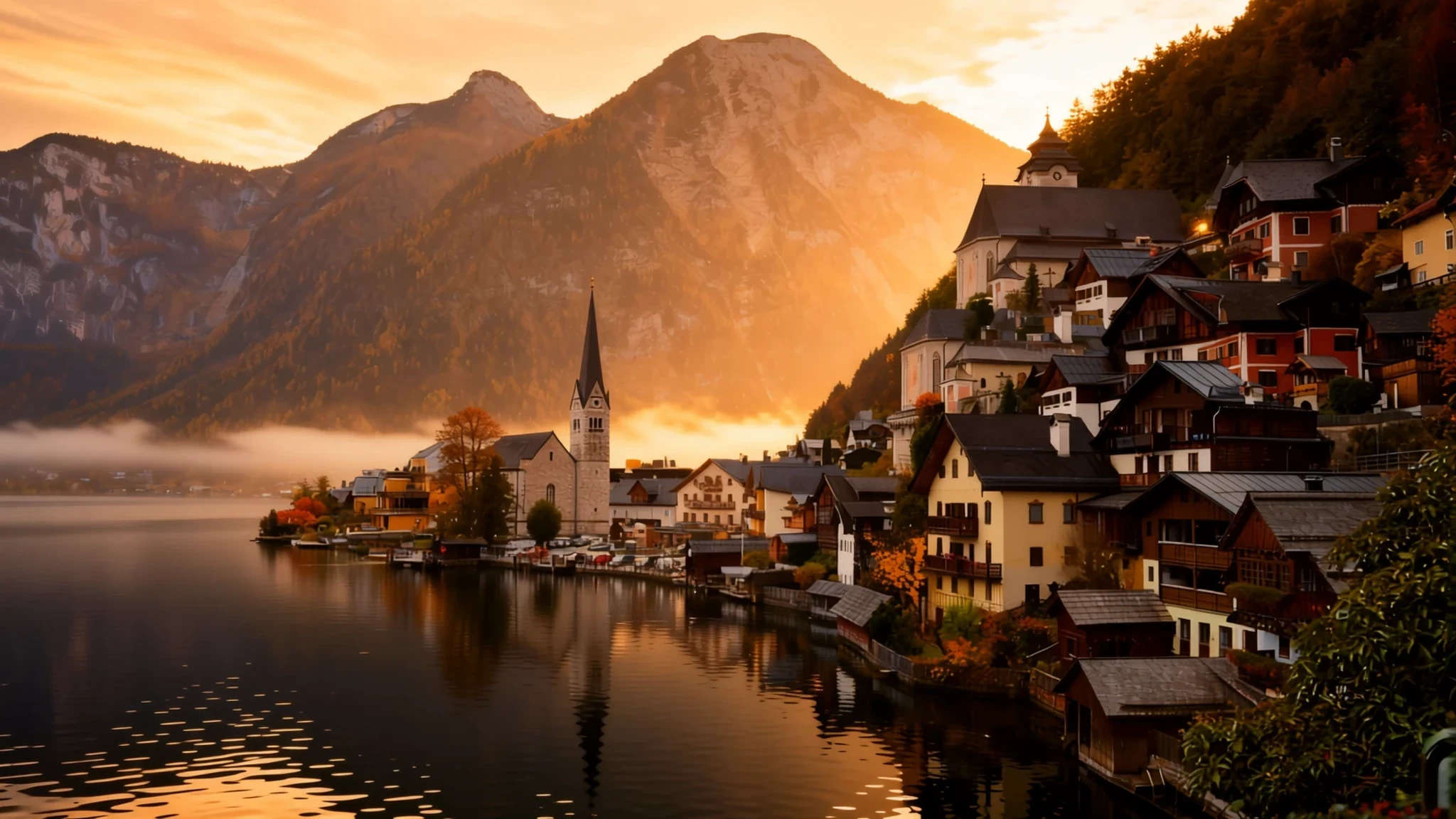
Clinging to a sheer alpine lake edge, Hallstatt packs thousands of years of salt-mining history into a dramatic postcard setting.
The place
Hallstatt sits in the Salzkammergut region of Upper Austria, wedged tightly between the glassy waters of the Hallstätter See and the towering rock faces of the Dachstein massif. Home to a small permanent community of just 741 residents at an elevation of 511 metres, this lakeside settlement is internationally famous yet physically constrained by geography. The village occupies a narrow ribbon of land where the sheer mountain slopes plunge directly into the deep water, forcing centuries of architecture to stack vertically rather than spread outwards. Timber-framed houses with steep gables, flower-box balconies, and slate roofs lean into one another along winding pedestrian paths, creating a tight cluster that feels almost theatrical.
Yet this is a living, working Alpine municipality rather than an open-air museum, though its extreme popularity means visitors often outnumber locals by a staggering margin during peak hours. The natural landscape is the main protagonist here: mist frequently curls off the surface of the lake at dawn, clinging to the forested lower flanks before burning off to reveal jagged limestone peaks overhead. Because road space is severely limited, much of the town is pedestrianised, encouraging slow wanderings past ivy-clad walls, quiet courtyards, and lakeside squares where local fishermen and ferry operators start their day. It is an intensely picturesque environment, shaped entirely by the hard boundaries of water and rock, where every corner opens onto a new frame of reflective water and towering alpine crags.
Its story
The history of Hallstatt is written in salt. For millennia, human activity here has been driven by the rich mineral deposits hidden inside the surrounding mountains, exploited as early as prehistoric times. During the Bronze Age, salt extraction evolved into a highly organized commercial enterprise, supported by specialist miners whose labour generated immense regional wealth. That prosperity is laid bare in the prehistoric cemeteries discovered above the town, where thousands of burials have yielded extraordinary grave goods, weapons, and tools.
In the mid-nineteenth century, local mining supervisor Johann Georg Ramsauer began excavating a massive burial site near the ancient mines, unearthing over one thousand graves filled with exceptional artifacts. The remarkable preservation conditions inside the subterranean tunnels—where salt preserved organic materials such as leather shoes, woven textiles, and wooden miner backpacks—allowed archaeologists to reconstruct daily life from the Early Iron Age. So significant were these finds that the entire archaeological epoch across middle Europe between eight hundred and four hundred BC was named the Hallstatt culture, linking the settlement directly to early Celtic societies.
As mining operations modernized and eventually wound down their domestic scale towards the middle of the twentieth century, the town's economic foundation shifted from mineral extraction to tourism and heritage preservation. In recognition of its profound archaeological and cultural importance, the entire surrounding landscape was inscribed as a UNESCO World Heritage Site, cementing Hallstatt's status as a cornerstone of European prehistory.
What to see
- Salzwelten — Salzberg mountain above the village
Venture deep into the subterranean tunnels of the world's oldest salt mine, where prehistoric miners once laboured. Reached via funicular, the site combines underground lakes, wooden miners' slides, and fascinating exhibits detailing the ancient extraction methods that built the local economy.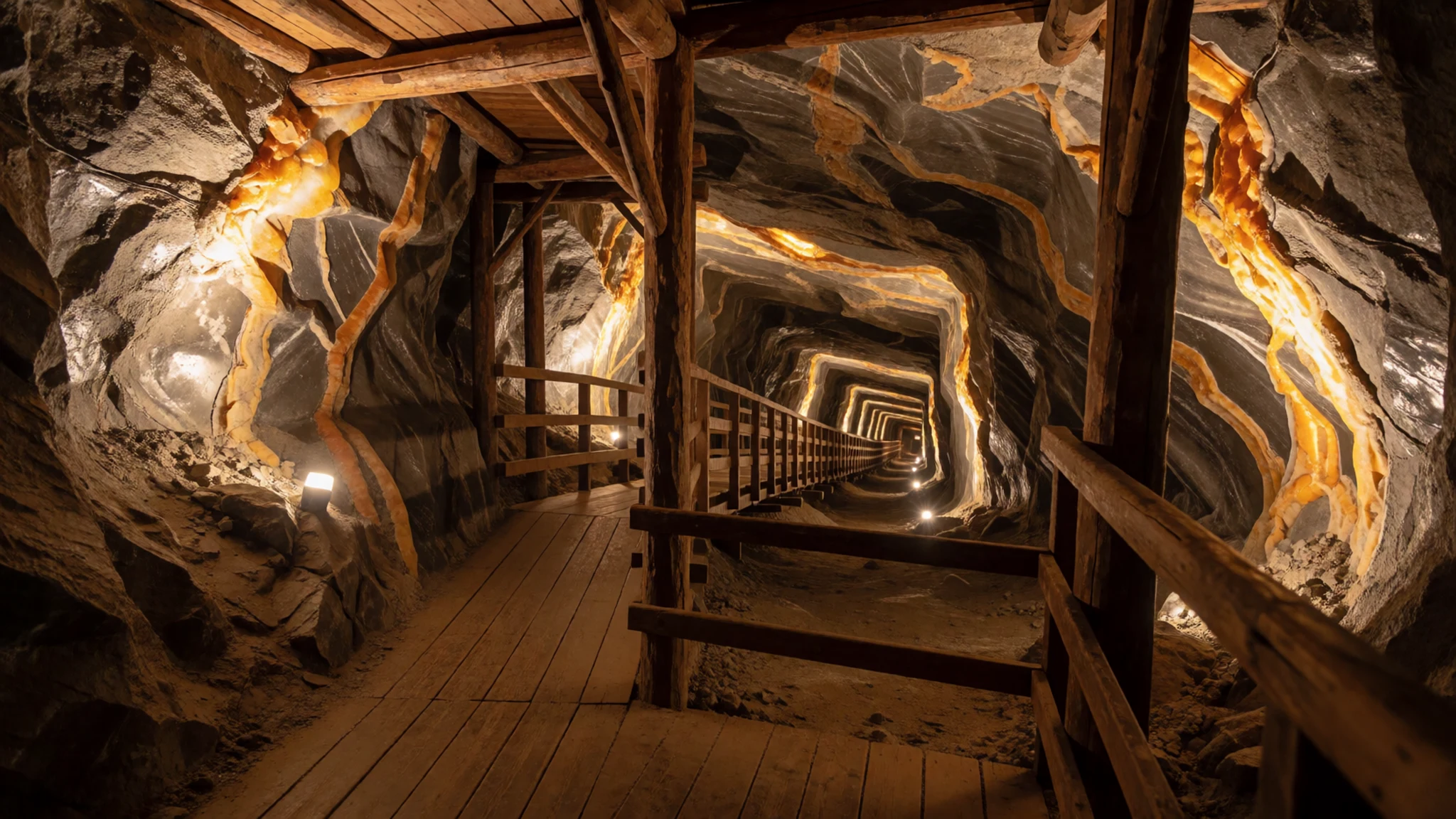
- Hallstatt Museum — Village centre
Examine a world-class collection of archaeological treasures unearthed from the nearby Iron Age burial grounds. The displays showcase intricate bronze weapons, jewellery, and pottery that defined one of Europe's most influential prehistoric cultures.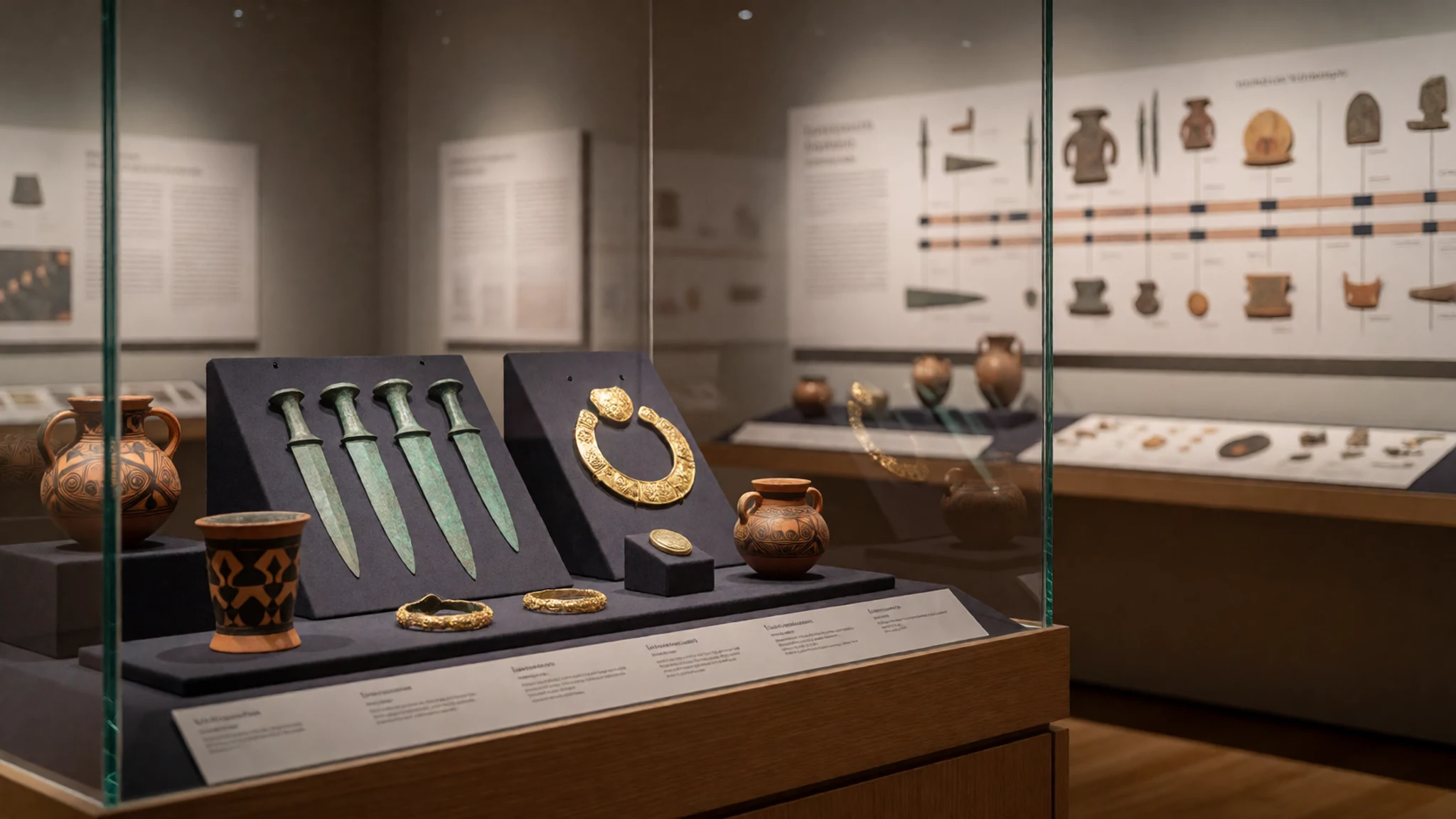
- Ossuary (Bone House) — St. Michael's Chapel above the parish church
Step inside a small Catholic chapel housing hundreds of artistically painted human skulls. Because the local cemetery is tightly constrained by the surrounding cliffs, graves are traditionally temporary, with skeletal remains exhumed, bleached in the sun, and decorated with floral motifs.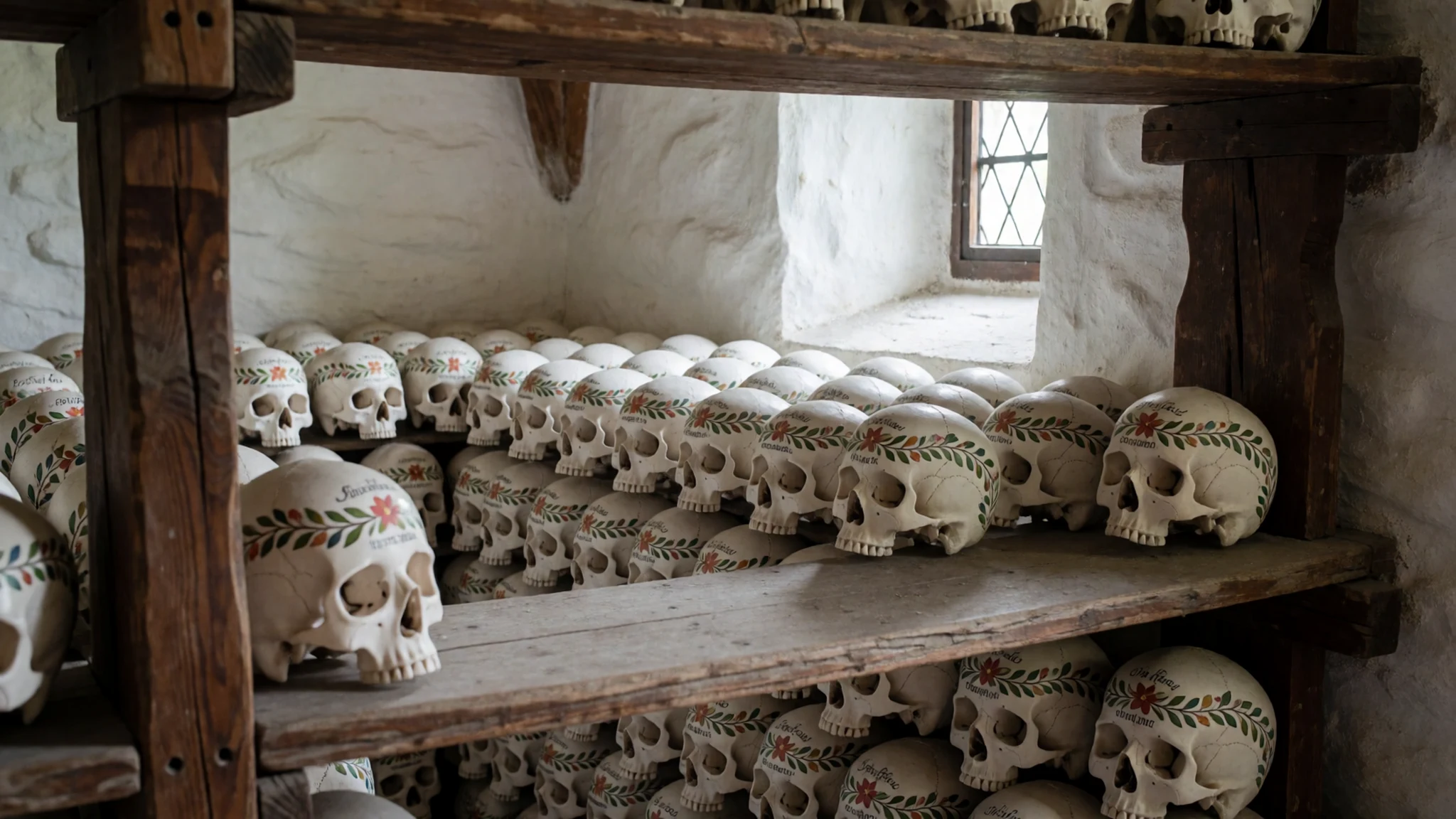
- Dachstein Ice Caves — Dachstein mountain, across the lake
Cross the lake and ascend the massive limestone massif to explore subterranean chambers filled with frozen waterfalls, natural ice formations, and echoing underground pools. Bring warm layers, as the cave interior remains cold year-round.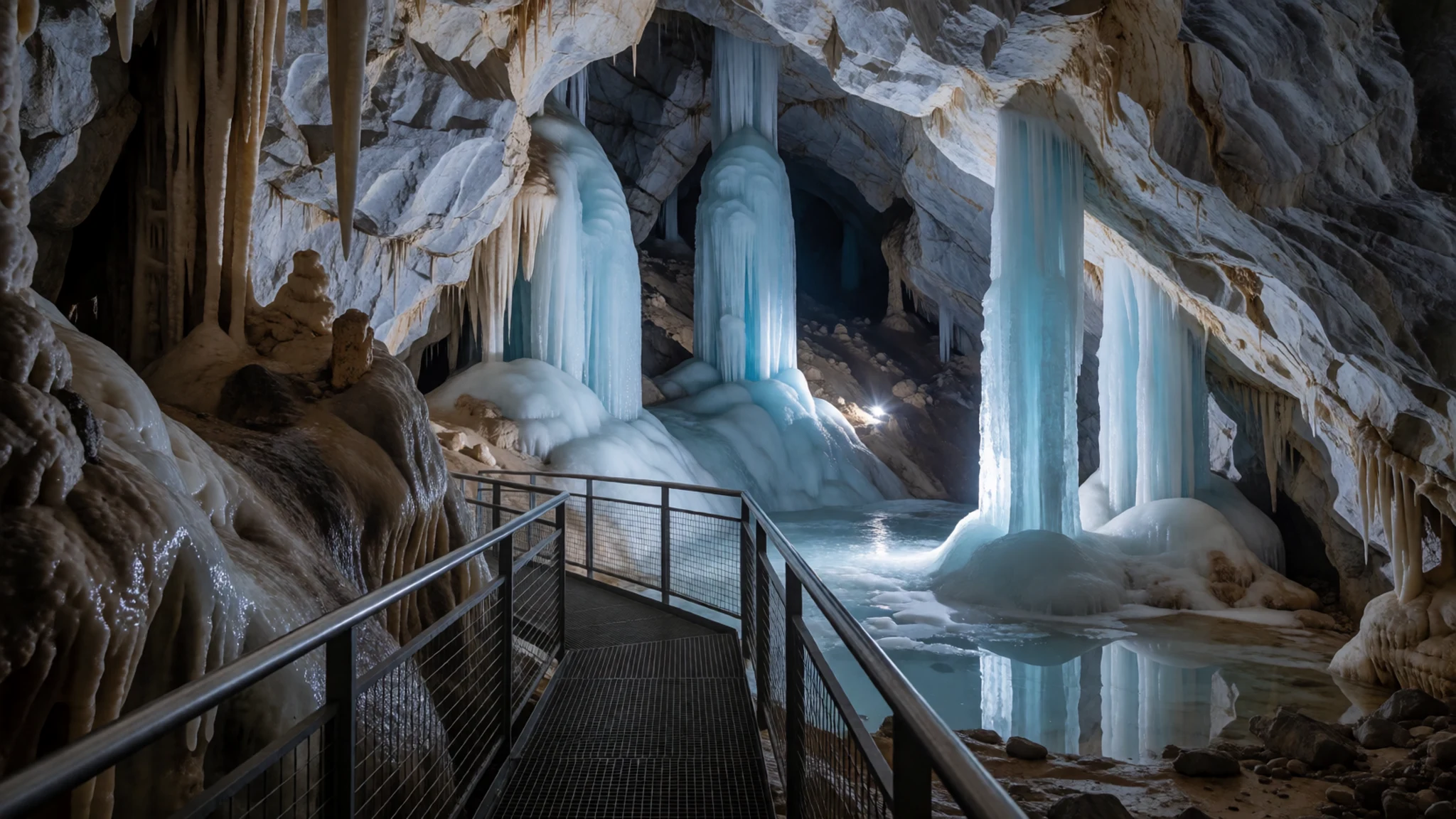
- Hallstättersee-Schifffahrt — Lake Hallstatt
Board a traditional passenger ferry for a journey across the glacial lake. Viewing the multi-layered village from the water provides the classic perspective of the settlement nestled against the towering alpine wall.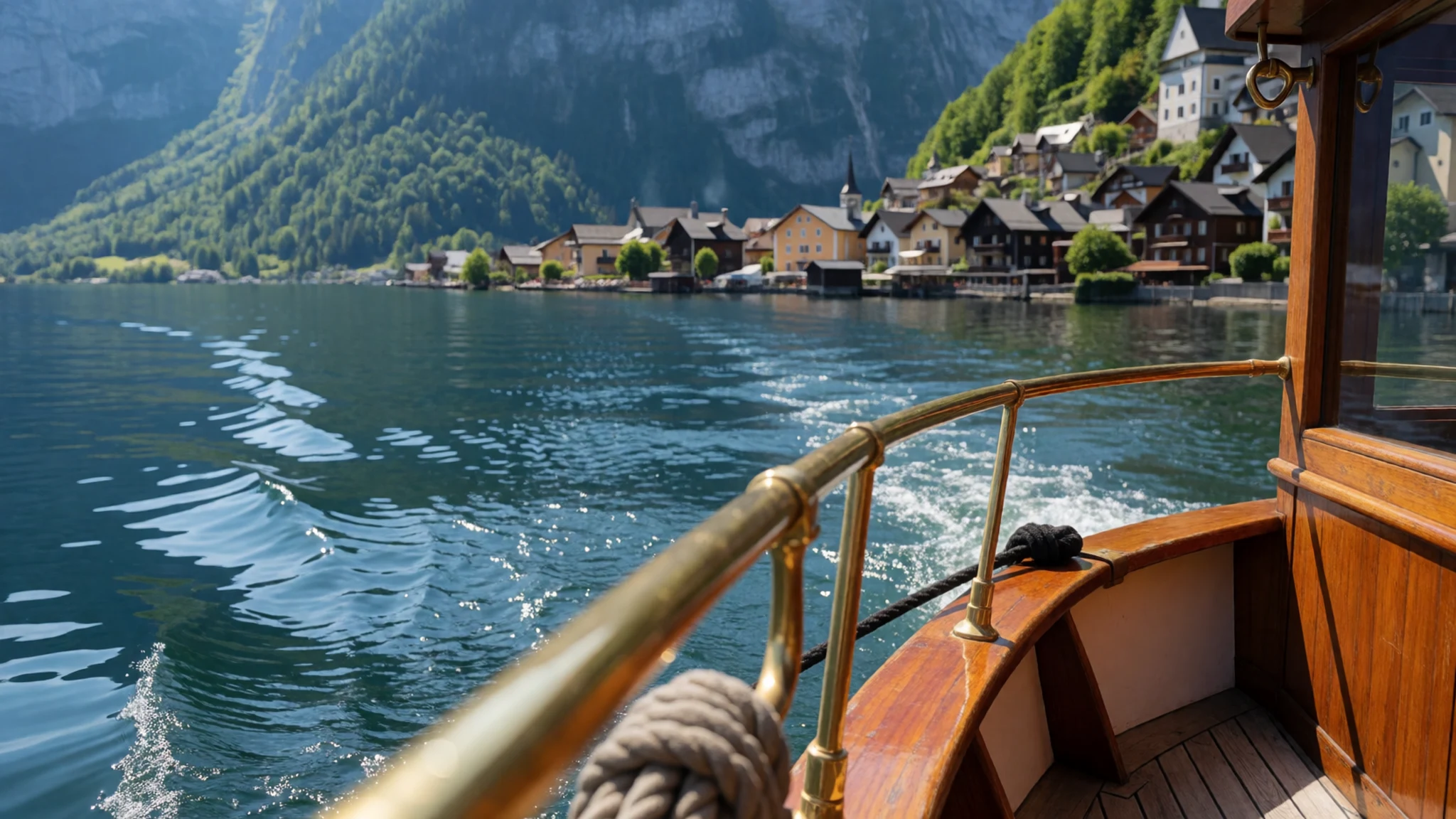
Culture
Life in Hallstatt moves to a traditional Alpine rhythm shaped by centuries of Catholic heritage, seasonal forestry, and tight-knit community bonds. Annual events like the Corpus Christi procession see parishioners and musicians travel across the lake in decorated wooden boats, a centuries-old tradition that highlights the deep ties between the villagers and their watery environment. Despite the relentless wave of international day-trippers filling the narrow lanes, local residents maintain a quiet dignity and a strong commitment to preserving their architectural heritage. Traditional craftsmanship, woodworking, and regional culinary customs are passed down through families, and German remains the spoken language of daily life. Visitors will find that a polite greeting in German—such as a friendly 'Grüß Gott' upon entering a shop or bakery—goes a long way in establishing warmth and mutual respect. When entering churches, quiet reverence is expected, and photography inside sacred spaces should be kept discreet. Please respect private residential areas and do not peer into private windows or step onto residential balconies while searching for the best photograph.
What to wear
Traditional attire in Hallstatt reflects classic Austrian Trachten, rooted in the alpine traditions of the Salzkammergut. For men, this traditionally includes sturdy leather trousers known as Lederhosen, paired with embroidered suspenders, checked linen shirts, and woollen jackets designed to withstand mountain weather. Women wear the Dirndl, a fitted bodice, blouse, full skirt, and apron crafted from durable cotton, linen, or silk, with variations in the bow placement historically signaling marital status. While these garments are worn today primarily during religious festivals, weddings, and village celebrations, you will occasionally see older residents wearing traditional woollens for daily errands.
For everyday wear, locals and contemporary visitors opt for practical, weather-appropriate clothing. Because the town sits beneath steep alpine peaks, weather can shift rapidly from warm sunshine to sudden rain showers.
As a visitor, your packing list should prioritize sturdy, comfortable footwear with good grip, as the village streets feature uneven cobblestones and steep paths, while surrounding hiking trails demand proper walking shoes. Layering is essential: bring a waterproof shell jacket, breathable fleece or woollen sweaters for chilly mornings and evenings, and comfortable trousers or jeans. If you plan to visit the salt mines or ice caves, pack warm fleece layers and sturdy shoes, as underground temperatures remain cold even during the height of summer.
What to eat
- Fresh Lake Fish — Lakeside restaurants along Seestrasse
Savour freshly caught whitefish and trout pulled straight from the cold waters of the Hallstätter See, typically prepared simply grilled with herbs, butter, and lemon at lakeside eateries.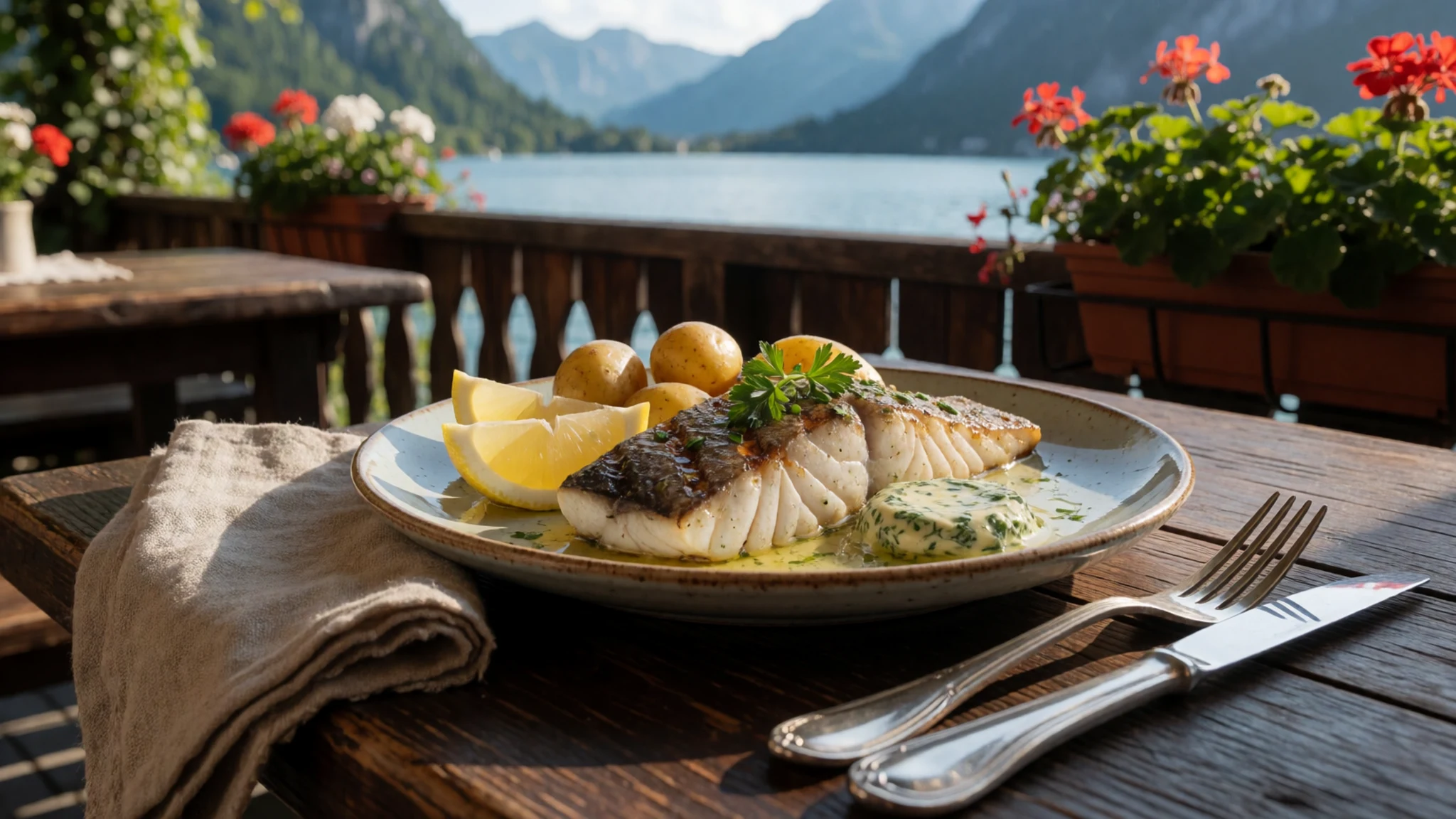
- Apfelstrudel — Local bakeries and cafes in the village centre
Enjoy warm layers of paper-thin pastry wrapped around spiced, tart apples, raisins, and toasted breadcrumbs, dusted with icing sugar and often served with vanilla sauce or cream.
- Kaiserschmarrn — Traditional alpine inns and restaurants
Tuck into a comforting plate of fluffy, shredded pancake torn into pieces during cooking, caramelized with butter and sugar, and served with a fruit compote or stewed plums.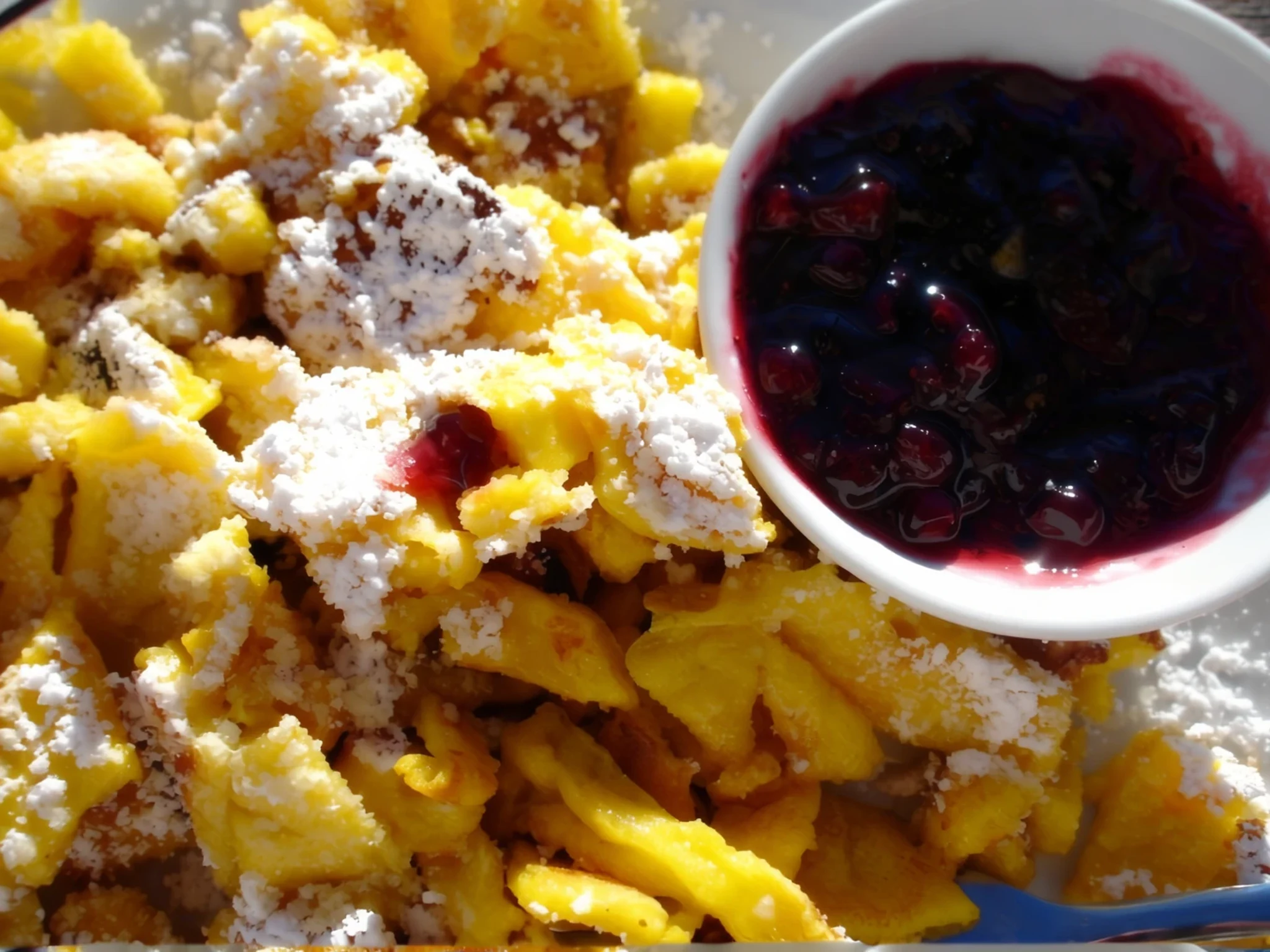
- Kasnockn — Mountain huts and traditional village eateries
Sample small, comforting skillet dumplings tossed generously with melted local mountain cheese and topped with sweet, crispy fried onions. - Austrian Pastries and Coffee — Cafes lining the market square
Settle into a historic bakery for a rich melange coffee paired with seasonal fruit tarts, cream cakes, or freshly baked local breads overlooking the water.
Plan it
Best time. May to September offers the warmest weather for hiking and lake ferries, though winter and early spring bring fewer crowds and crisp alpine air.
How long. 2–3
Getting there. Fly into Salzburg airport, take a train or car towards the Salzkammergut region, transfer at Attnang-Puchheim for the regional train, and cross the lake by ferry from the Hallstatt train halt.
Budget. mid
Tips
- Arrive before 8 am or stay overnight to experience the village before day-tripper crowds arrive
- Wear sturdy walking shoes with good tread for steep lanes and trails
- Carry cash for small bakeries, kiosks, and mountain transport tickets
- Book accommodation several months in advance due to high demand and limited rooms
- Check official websites for seasonal funicular and salt mine opening hours
Etiquette
- Respect private property and do not enter residential gardens or photograph through windows
- Keep noise levels low in residential areas and quiet zones
Nearby
Sources
- Wikidata Q131633 (CC0)
- Wikipedia (rev 1376079060) (CC-BY-SA 4.0)
- Wikivoyage (rev 5403583) (CC-BY-SA 4.0)
- Photo 01-hallstatt-zentrum.jpg (CC BY-SA 4.0)
