Gunung Leuser National Park
Gunung Leuser National Park, Indonesia
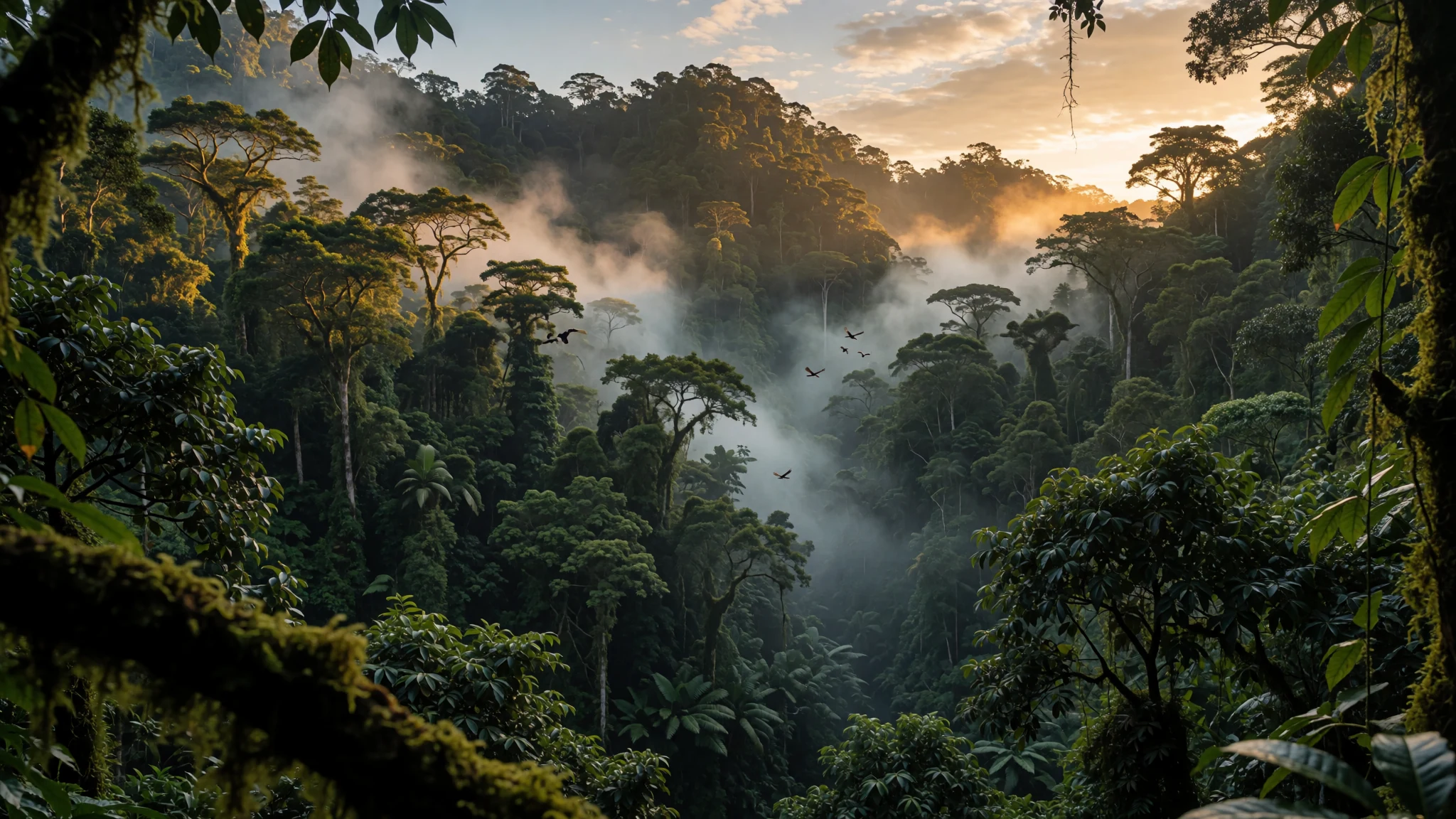
A jungle trek through one of Southeast Asia's largest wild areas, with a fair chance of seeing orangutans in the forest.
The place
Gunung Leuser National Park covers 7,927 square kilometres of northern Sumatra in Indonesia. It straddles the border between Aceh and North Sumatra provinces, with most of the park lying in North Sumatra. The park sits in the Barisan mountain range and takes its name from Mount Leuser, a peak of 3,119 m. It stretches about 150 km long and more than 100 km wide, and most of it is mountainous. The north-west is the steepest part, with around 40 per cent of the park rising steeply and climbing above 1,500 m. The lower southern half is much gentler, with roughly 12 per cent of the land below 600 m. Eleven peaks top 2,700 m, and the highest, Mount Tanpa Nama, reaches 3,466 m. Because the terrain changes so sharply with altitude, the park holds a wide range of ecosystems, from lowland forest to cloud-covered upland ridges. Its eastern edge is where the orangutan sanctuary at Bukit Lawang lies. The park forms part of a larger World Heritage cluster along with two neighbouring national parks further south on Sumatra. Visitors come mainly for the forest itself, whether that means a half-day walk near the village or a longer expedition into the interior.
Its story
The park was established in 1980 and it was named after Mount Leuser, one of the high points that anchor the Leuser Range. Its boundaries were drawn to protect a large block of mountain forest that stretches across two provinces, and in doing so it kept together habitats that would otherwise have been broken up by roads, farms and logging. The Barisan range that runs down the spine of Sumatra gives the park its shape, with ridges falling away into river valleys that feed the lowland plains. Over the decades the park has become known as one of the few places on the island where large mammals still have room to roam. Its reputation rests on that wildness. Conservation work here has also been closely tied to the village of Bukit Lawang, which grew up on the bank of the Bahorok River as a base for visitors and rehabilitation projects alike. Local guides and guesthouse owners now form the everyday link between the forest and the people who come to walk in it. The park is also linked to two other national parks on Sumatra in a shared heritage listing, which reflects how the island's forests function as a single system rather than separate reserves. The story of the place is largely one of keeping that connection intact while more travellers arrive each year.
What to see
- Orangutan trekking from Bukit Lawang — Bukit Lawang, eastern edge of the park
The most sought-after walk in the park starts from Bukit Lawang, where licensed guides lead groups into the forest in search of wild orangutans. Half a day is enough to get a first look, though a full day gives you a better chance and more time to watch them move through the canopy. Sightings are never guaranteed, and the forest is quiet in ways that reward patience.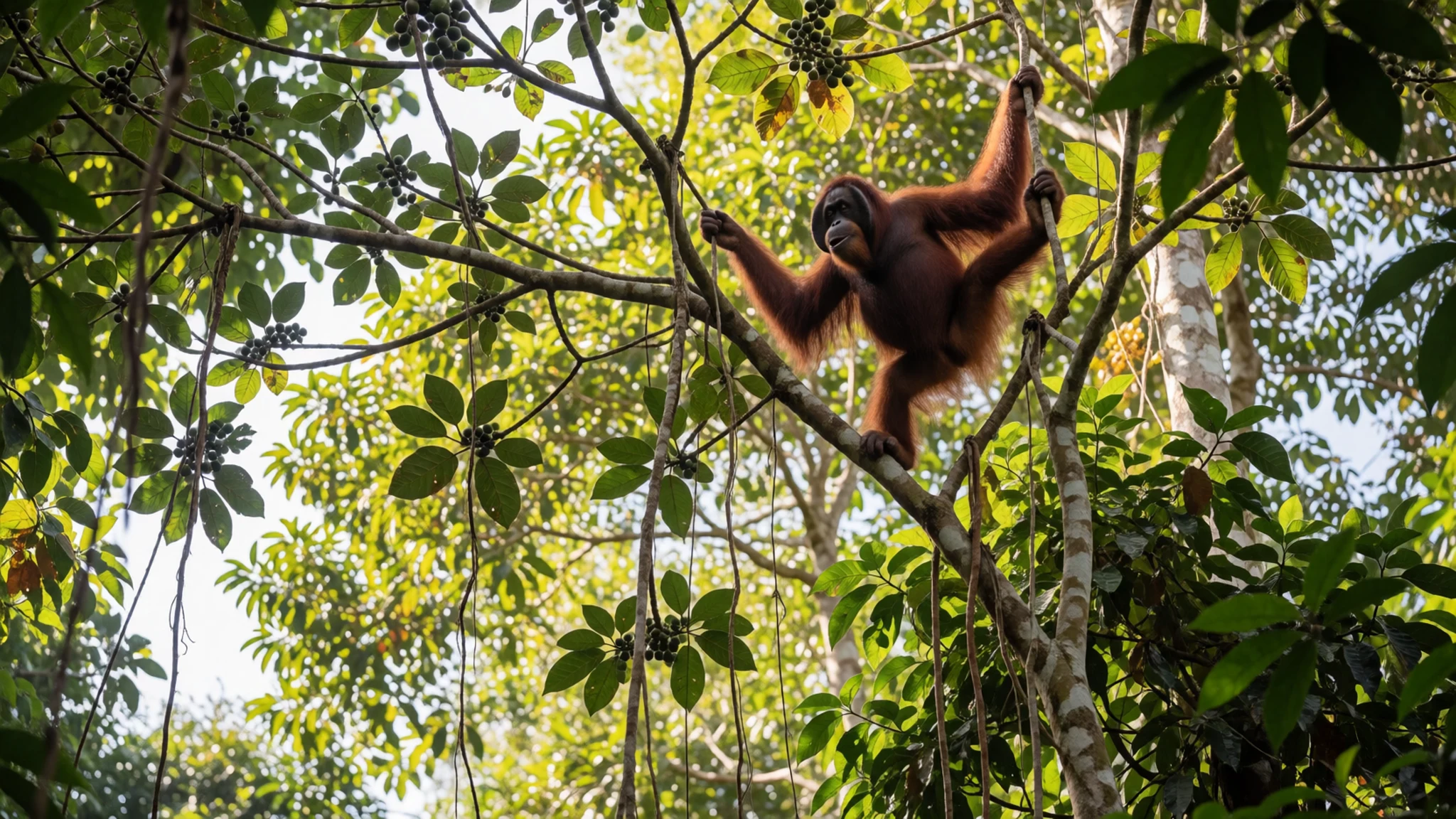
- Ketambe forest and wild gibbons — Ketambe village, south of Bukit Lawang
Ketambe is a quieter alternative to Bukit Lawang, set in the forest with far fewer visitors. Gibbons and orangutans are both found in the surrounding jungle, and the walks here feel more remote. A research station operates in the area but it is not open to the public, so treat it as a working place rather than a site to visit.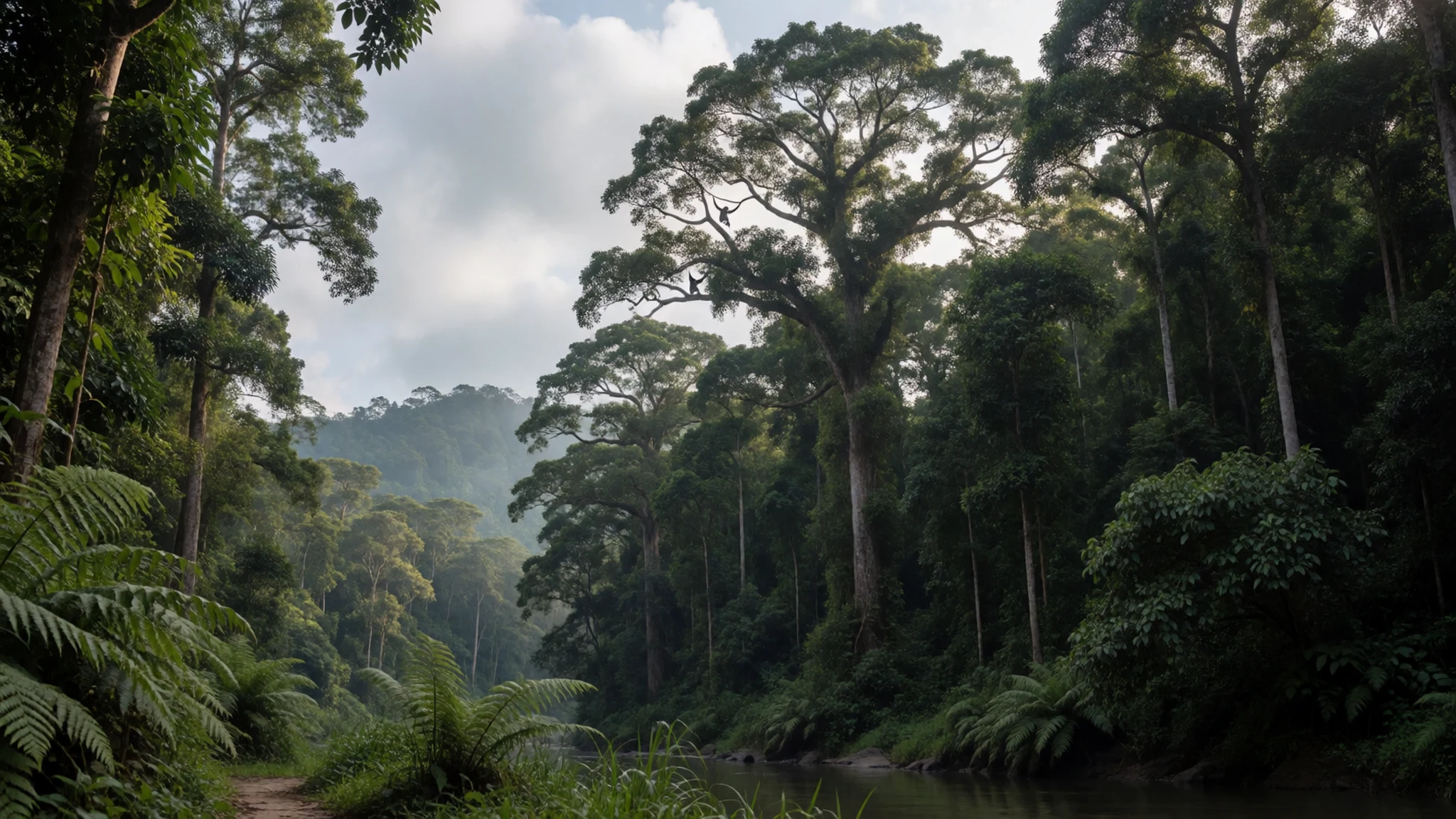
- We Care Program school — Bukit Lawang village
This community project offers free English lessons, environmental education and practical skills to children from disadvantaged families in Bukit Lawang. It is a useful stop for visitors who want to see how the village is working to support its own young people. Volunteering and donations are arranged through local organisers, so ask at a guesthouse before arriving.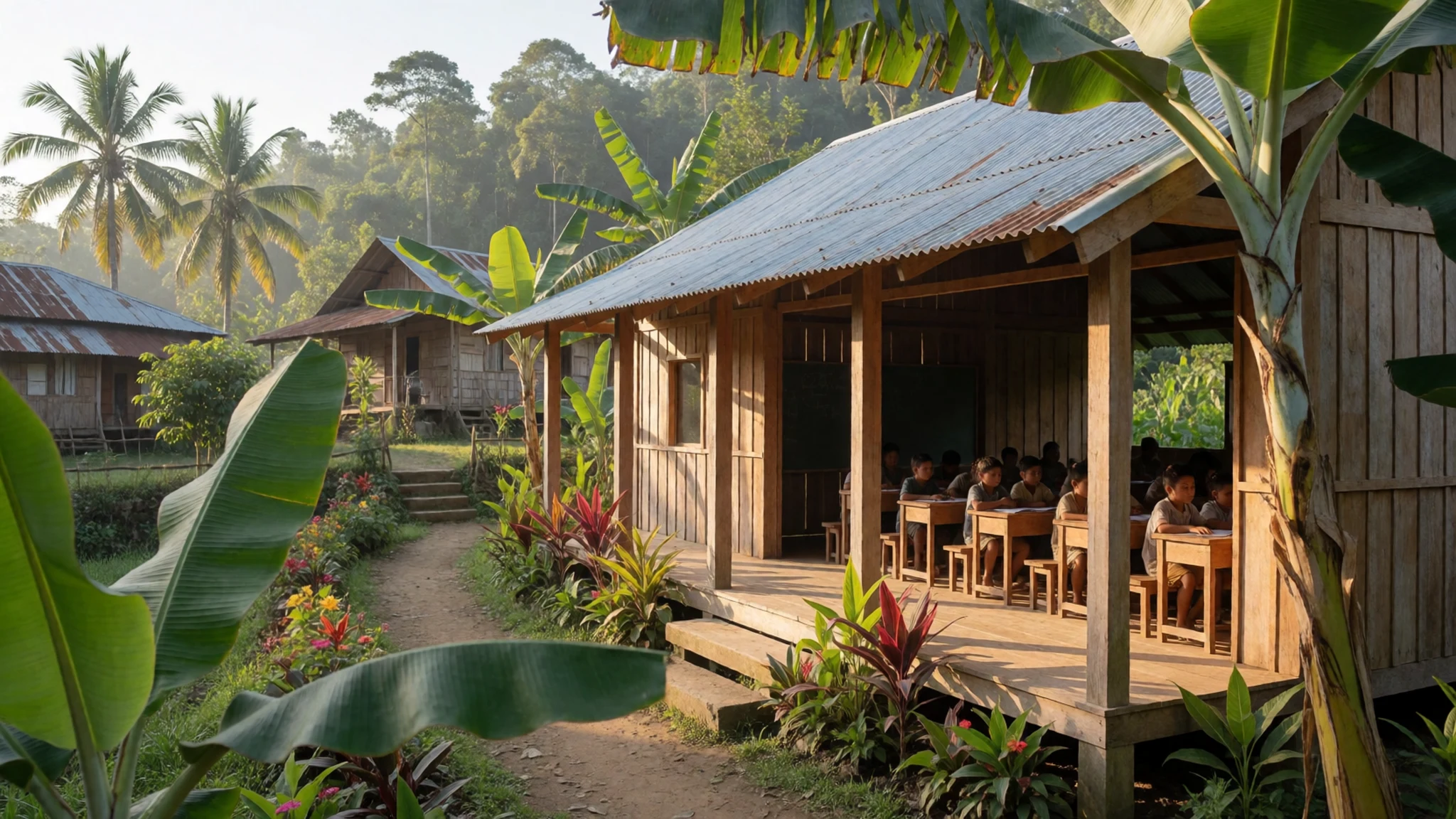
- Bat cave near Bukit Lawang — Forest path outside Bukit Lawang
A short walk from the village leads to a cave where bats roost in large numbers. The approach is through forest and along a path that can be slippery after rain. Bring a torch and sturdy footwear, and go with a guide who knows the route. It is a good half-day outing when the forest trails are too wet for longer walks.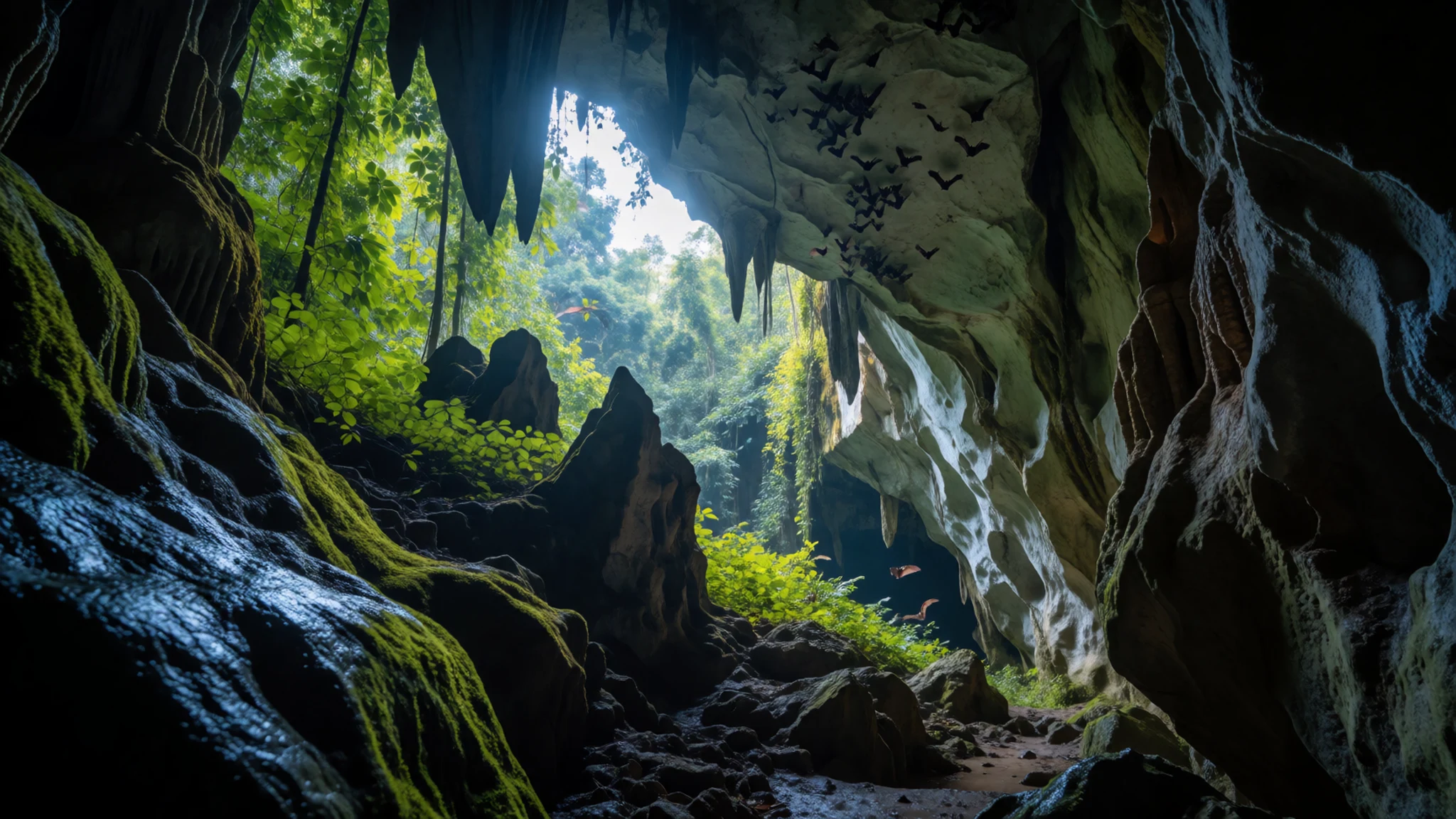
- Elephant camp at Tangkahan — Tangkahan, park edge
Tangkahan, on the park's edge, is known for an elephant camp where visitors can learn about the animals and their care. Sessions are supervised, and the focus is on watching and learning rather than riding. Ask about the programme before booking, and check that the camp's approach to animal welfare meets your expectations.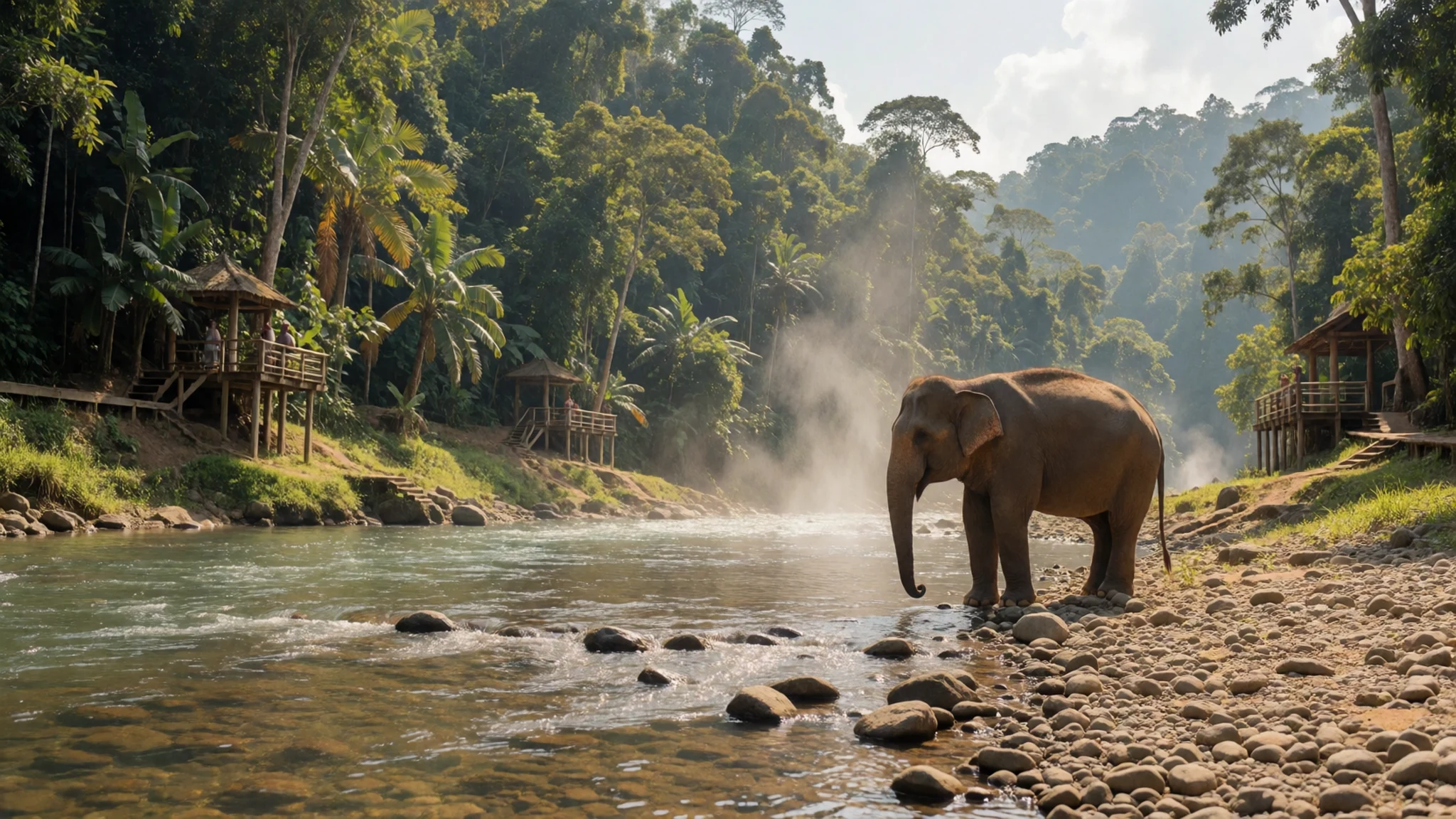
Culture
Life around Gunung Leuser is shaped by Islam, the agricultural calendar and a long tradition of hospitality towards travellers. Villages such as Bukit Lawang depend on visitors, and the guesthouses and guides who serve them tend to be well known to one another. Most conversation is friendly and direct, and people appreciate it when visitors make an effort with greetings in Indonesian. In Aceh, Islamic law shapes public life more visibly than in North Sumatra, and modest dress is expected in villages and at public places. Wildlife is central to local identity, and the forest is treated with respect. Guides and villagers take a close interest in how visitors behave around animals, so the rules they set are part of the local culture. Trekking groups should be small and accompanied by a licensed guide, and the forest should never be entered alone. Do not feed orangutans, gibbons or any other wildlife, and do not let a guide or anyone else persuade you to do so.
What to wear
Traditional dress in the Gunung Leuser region follows the wider Sumatran pattern of loose, modest clothing suited to the heat and to village life. Woven cloth from across Sumatra, including songket-style brocades with metallic or cotton threads, is used for ceremonial occasions and formal dress rather than everyday wear. Women in Aceh often wear headscarves as an everyday norm, and men may wear a songkok or a simple shirt and sarong for prayers. What people wear now is mostly practical: t-shirts, long trousers, sarongs and sandals in the villages, with headscarves common in Muslim communities. Visitors should dress conservatively in villages and at guesthouses. Pack long sleeves and long trousers for the forest, which also protect against leeches and insects. Quick-drying clothes work well because the humidity is high and rain is frequent. Sturdy shoes with good grip are essential for steep, wet trails, and lightweight sandals are useful for the village and the river. Avoid bikinis and tight or low-cut tops when in public, since that clothing draws attention and goes against local expectations.
What to eat
- Gado-gado — Riverside eateries on the Bukit Lawang village strip
Gado-gado is the Indonesian salad of blanched vegetables, tofu and tempeh in a warm peanut sauce. It appears on most menus in the village, and the riverside eateries make a good version that suits a late-morning lunch after a walk in the forest.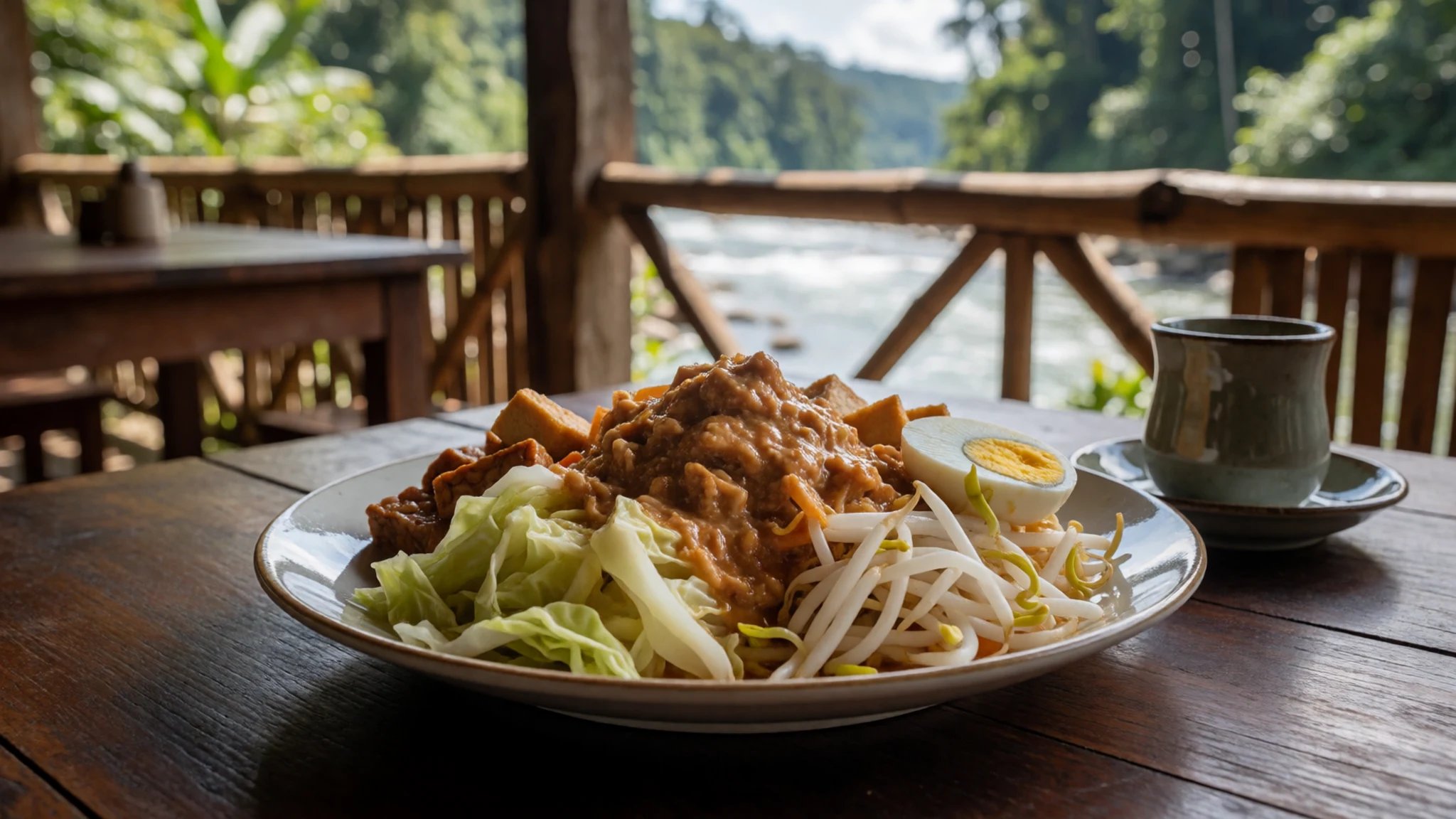
- Pizza and spaghetti — Western-style restaurants in the village centre
Bukit Lawang has long catered to visitors who want something familiar after days of rice. Home-made pizza and spaghetti appear on several menus, and the better cooks take care with the sauces. They are a comfortable choice for an evening meal after a long trek.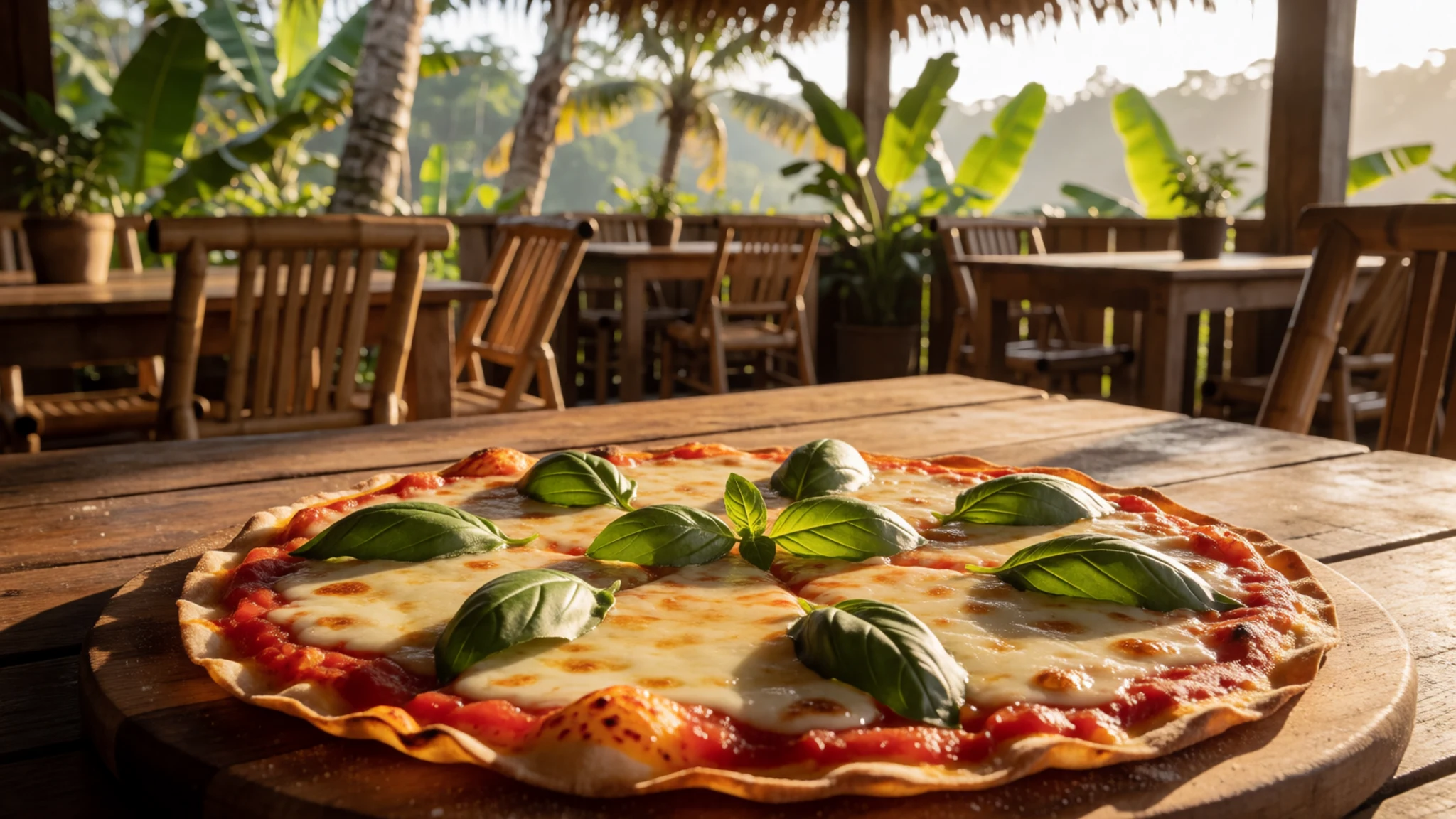
- Nasi goreng — Guesthouse kitchens and roadside stalls
Fried rice with egg, chilli and shallots is the everyday dish of the region, and it is available at almost every guesthouse. It is filling and cheap to eat, and most kitchens will adjust the heat if you ask. A plate in the morning is a reliable start before a walk. - Cold beer at sunset — Hillside lodge terraces above Bukit Lawang
A bottle of Bintang, the lager most Indonesian bars stock, tastes best on a hillside terrace while the light fades over the valley. Several places above the village have terraces with views down to the river, and staff are used to serving drinks as the colours change. - Fresh juice and snacks by the river — Cafés along the Bahorok River, Bukit Lawang
Cafés along the river serve fresh fruit juices, simple snacks and coffee, usually with views over the water. They are the best place to rest between walks and watch the village at its quietest. Many open early for travellers heading into the forest.
Plan it
Best time. Check current conditions with a guesthouse before you commit. Bukit Lawang is at its busiest on weekends and during the public holiday period in June and early July, when guesthouses fill and trekking groups multiply. Visiting midweek outside those holidays gives a quieter forest and easier bookings. Rain is frequent in this part of Sumatra, so expect wet trails whatever the month.
How long. 2–3
Getting there. Medan is the nearest large airport. From Medan, buses run to Bukit Lawang in about 3–4 hours. For Ketambe or the south of the park, fly from Medan to Kutacane, about 30 minutes, and continue by road with a labi-labi minibus. Bus travel is the lower-impact option if you want to reduce your flying.
Budget. mid
Tips
- Book flights early because seats fill quickly and the schedule can lapse between contracts
- Avoid weekends and the June–early July holiday period if you want quieter forest and easier accommodation
- Choose a licensed guide, ask how many people will be in your group, and confirm whether you will be guided by the person you booked
- Carry plenty of drinking water, sunscreen, a rain layer and a torch for the bat cave and early starts
- Bring cash for guides, small purchases and village transport, since card payment is limited outside the main towns
Etiquette
- Never feed orangutans or any other wildlife, and say so clearly to your guide
- Dress modestly in villages and avoid bikinis or tight, low-cut tops
- Ask before photographing local people, and keep your distance from the forest animals
Nearby
Sources
- Wikidata Q1335616 (CC0)
- Wikipedia: Gunung Leuser National Park (CC BY-SA 4.0)
- Wikivoyage: Gunung Leuser National Park (CC BY-SA 4.0)
- Photo: Bukit Indonesia Entrance (CC BY-SA 1.0)
- Photo: Taman Nasional Gunung Leuser (CC BY-SA 4.0)
- Photo: Hutan Gunung Leuser Aceh (CC BY-SA 4.0)
- Photo: The path to the top of Mount Kemiri (CC BY 2.5)
- Photo: Bukit-jungle 09N8618 (CC BY 3.0)
- Photo: Bukit Lawang, Langkat Regency (CC BY 2.5)
- Photo: Sunrises at Mount Leuser National Park (CC BY-SA 2.0)
- Photo: Gunung Leuser National Park Jungle Life (CC BY 2.5)


