Guangzhou
Guangzhou, People's Republic of China
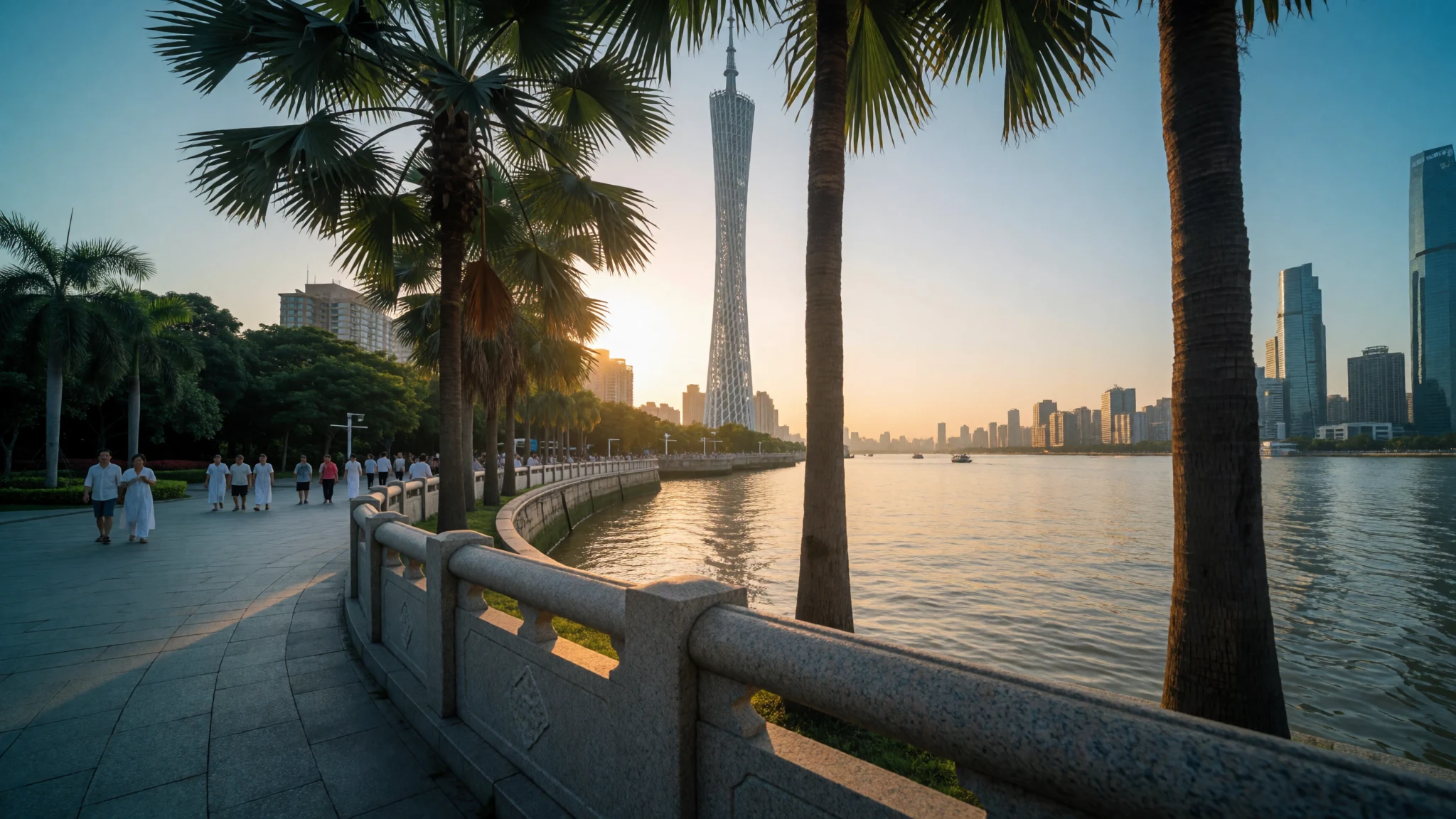
Guangzhou is where southern China's food, trading history and Cantonese culture meet, on a river that has carried ships for over two thousand years.
The place
Guangzhou, also called Canton, is the capital of Guangdong province in southern China, home to about 18.7 million people and set only 21 metres above sea level on the Pearl River. It lies roughly 120 kilometres north-west of Hong Kong, and it anchors the Greater Bay Area, a continuous belt of cities that also takes in Foshan, Dongguan, Shenzhen, Zhuhai and Macau. The city has the status of a sub-provincial administrative unit, which tells you something about its weight in Chinese affairs.
On the ground it is a sprawling, humid, busy place, and its character changes sharply from district to district. Liwan and Yuexiu, the old core, hold narrow lanes, arcaded shopfronts, temples and the colonial buildings of Shamian Island. Tianhe, to the east, is the modern business district of glass towers, malls and wide avenues, with the Canton Tower on the river's edge. Pazhou, further along the river, is given over to the trade fair complex.
The river shaped everything. For a long time Guangzhou was the one Chinese port open to European traders, and although Hong Kong and Shanghai later took much of that business, the city never stopped being a merchant town. That habit survives in the wholesale markets, the dense rail and metro network, and a general air of people getting on with a deal. Visitors usually find it less polished than Shanghai and more relaxed about food, which is exactly the point of coming.
Its story
Guangzhou's recorded history starts well before the Chinese empire arrived. The land around the modern city was home to peoples collectively called the Baiyue, and traditional accounts speak of an early settlement, Nanwucheng, that was little more than a bamboo and mud stockade. How much of that is legend is hard to say, but it shows how far back local memory reaches.
The city proper begins in 214 BC, when Qin forces founded Panyu on the eastern bank of the Pearl River. It served as the seat of a Qin commandery and as a base for the push into the Baiyue lands of the south. One tale says the garrison was so watchful that the soldiers never took off their armour for three years. When the Qin collapsed, a general named Zhao Tuo declared the kingdom of Nanyue in 204 BC and made Panyu his capital. A museum now stands over a royal tomb from that kingdom.
From there the story is one of trade. Ships from across the South China Sea called at the port, and later Guangzhou became a terminus of maritime routes linked to the Silk Road. In the era of European expansion it was the single Chinese port that foreign merchants could use, until the British captured it in the First Opium War and the monopoly ended. Trade then drifted to Hong Kong and Shanghai, yet Guangzhou stayed a major entrepôt. The long habit of looking outward, and of absorbing foreign goods, tastes and ideas, still marks the city.
What to see
- Shamian Island — Liwan district
Shamian Island was the European settlement in nineteenth-century Guangzhou, and its colonial-era buildings have been restored as cafés, restaurants and quiet offices. It suits a slow walk or a bicycle ride under old trees. Weekday mornings are calmest, while public holidays bring crowds and photographers.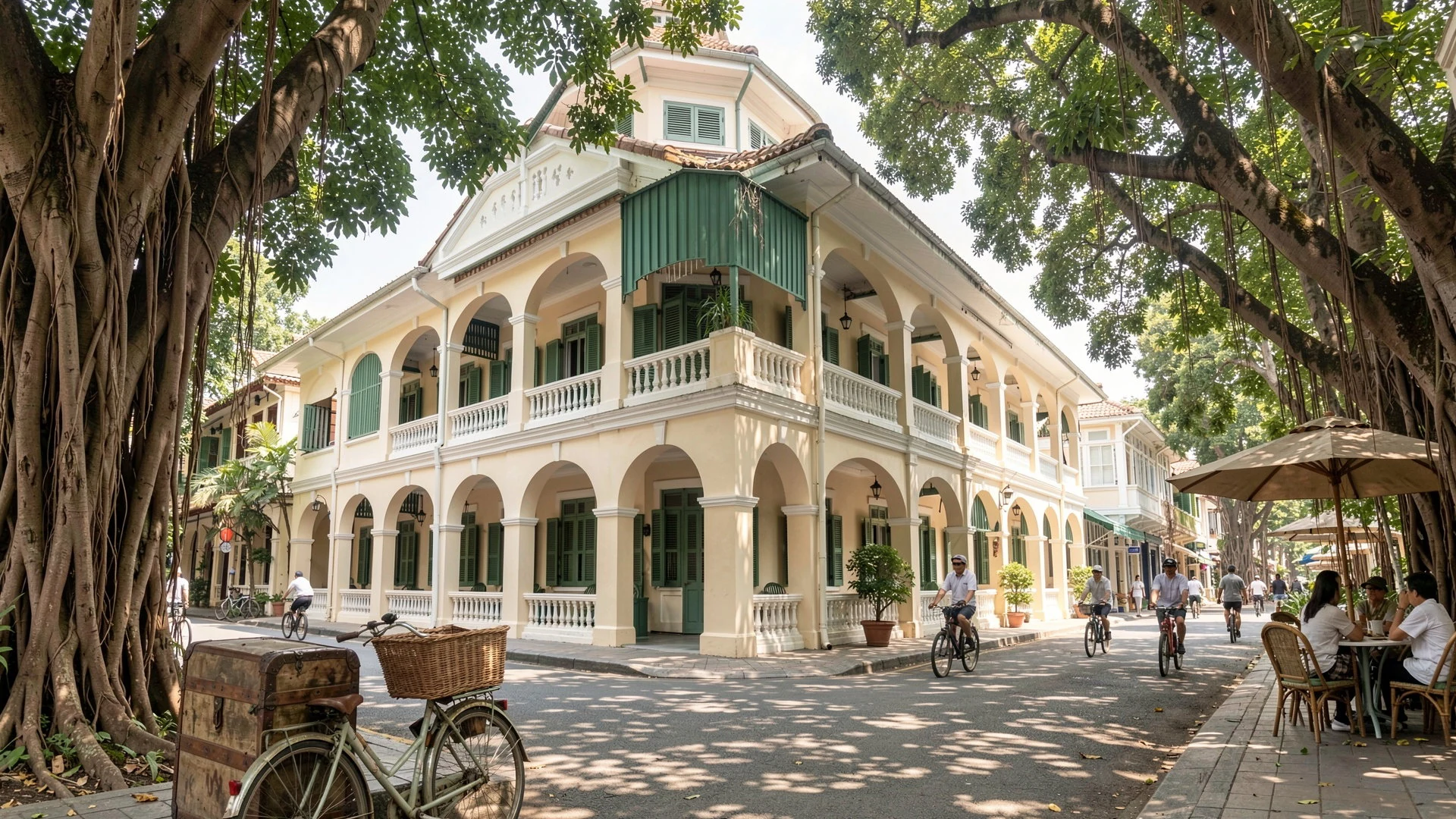
- Chen Clan Academy — Liwan district
The Chen Clan Academy is a well-known example of traditional Cantonese architecture, built as a gathering place for a clan. Look for the carved brick, ceramic roof figures and ornate woodwork across its courtyards. It rewards unhurried attention, and it works well paired with the older streets of Xiguan nearby.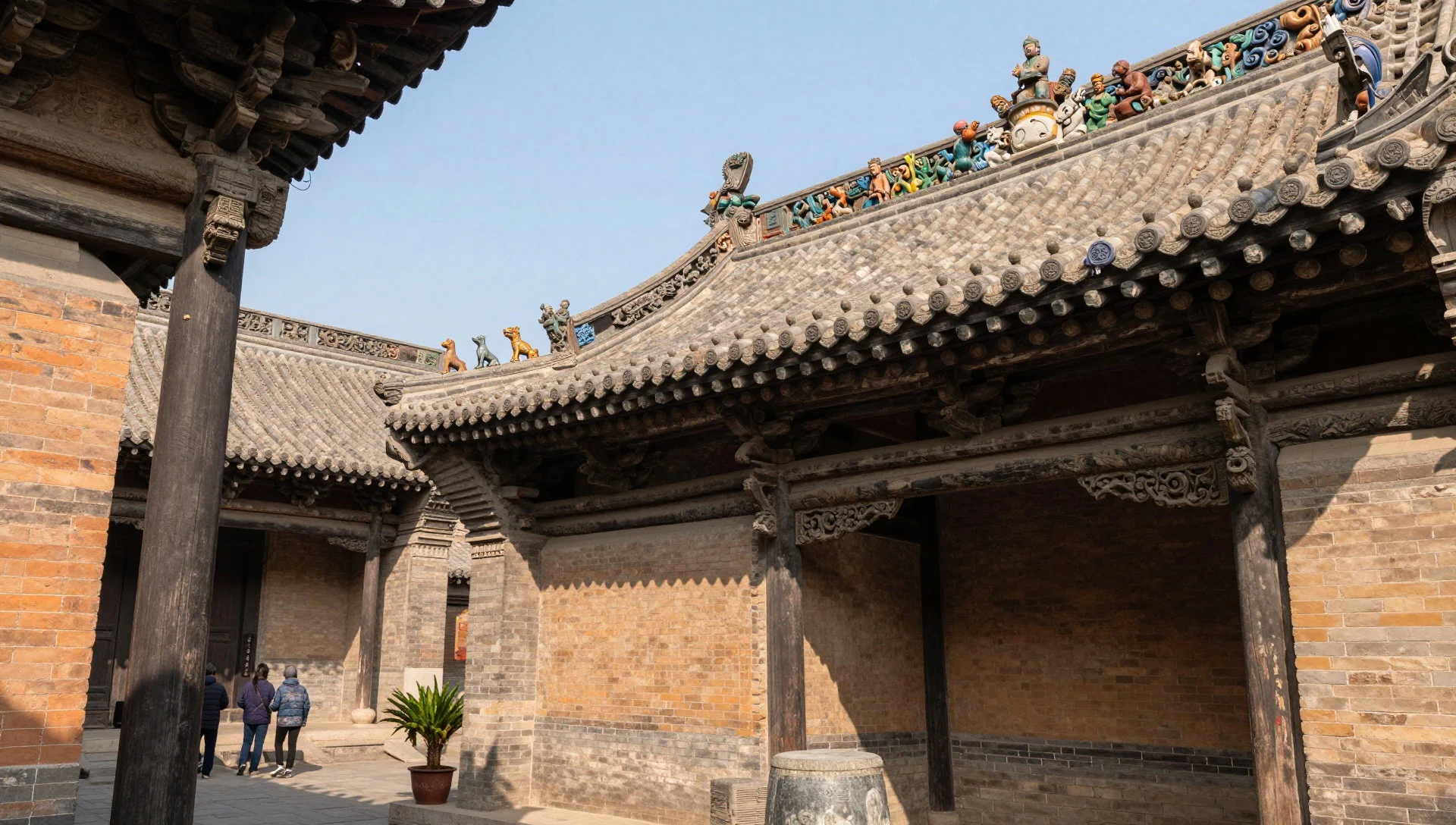
- Yuexiu Park and the Five Rams — Yuexiu district
Yuexiu Park is a large hillside park, and its Five Rams statue is the city's best-known emblem. The Zhenhai Tower, which houses the Guangzhou Museum, sits on the slope above. Allow a couple of hours, wear comfortable shoes, and note that the nearby Sun Yat-sen Memorial Hall has its own opening days; check the official site.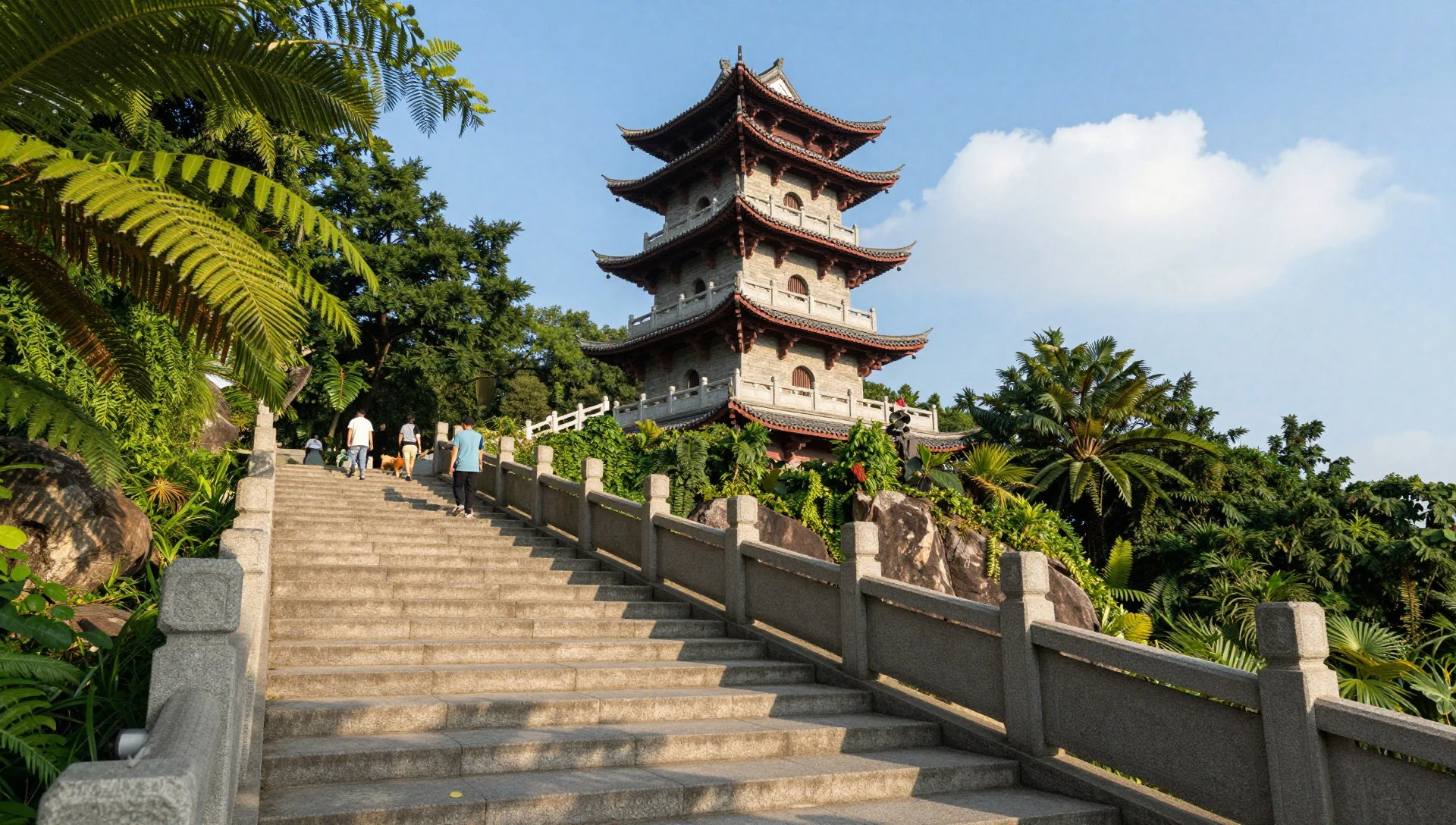
- Temple of the Six Banyan Trees — Yuexiu district
This Buddhist temple is best recognised by its tall pagoda, which rises over the surrounding streets and makes a good landmark for finding it. The courtyards are calm compared with the traffic outside. Incense is burned by local worshippers, so the visit feels like living religion rather than a museum.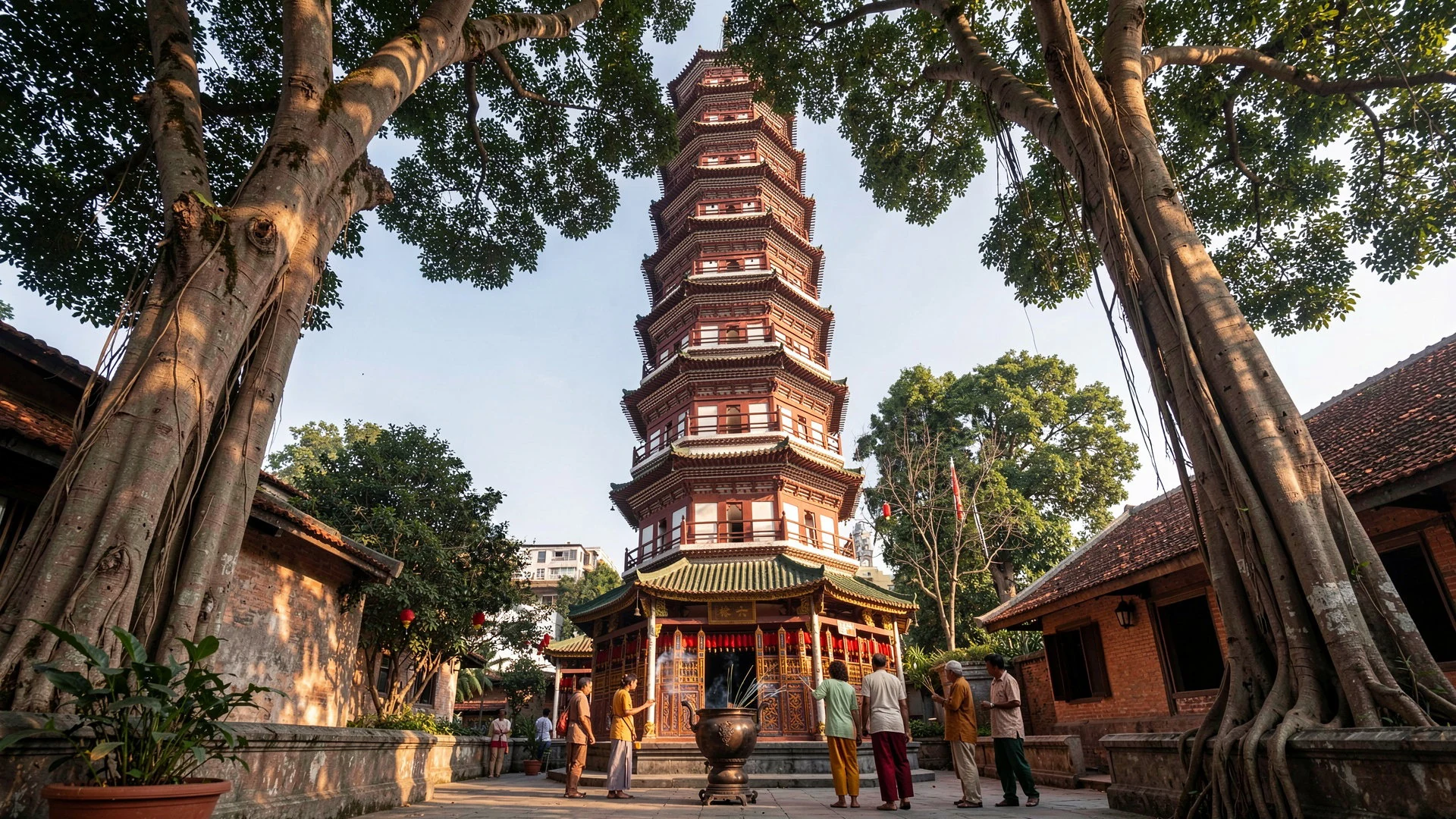
- Canton Tower — Haizhu and Tianhe, along the river
The Canton Tower is a slender, twisting lattice tower on the Pearl River's southern bank, and it dominates the skyline day and night. Many visitors simply walk the riverside to see it lit up after dark. Check the official channels before planning to go up, as access and ticketing vary.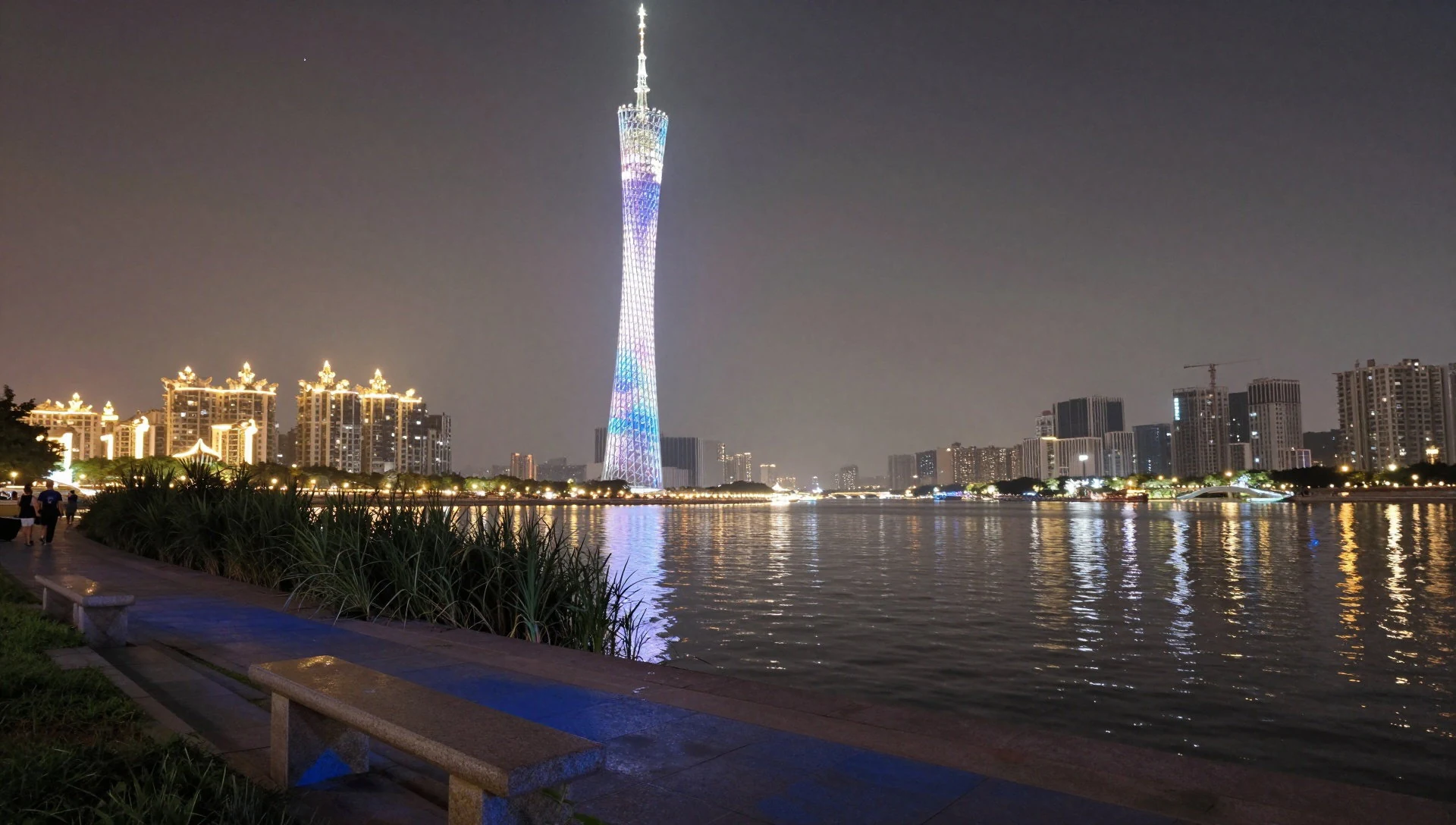
- Nanyue King Museum — Yuexiu district
The museum is built around the tomb of a ruler of the Nanyue kingdom, which made Panyu its capital in the second century BC. It gives a concrete sense of the city's pre-imperial past, well before the Silk Road era. Come here first if the early history is what interests you.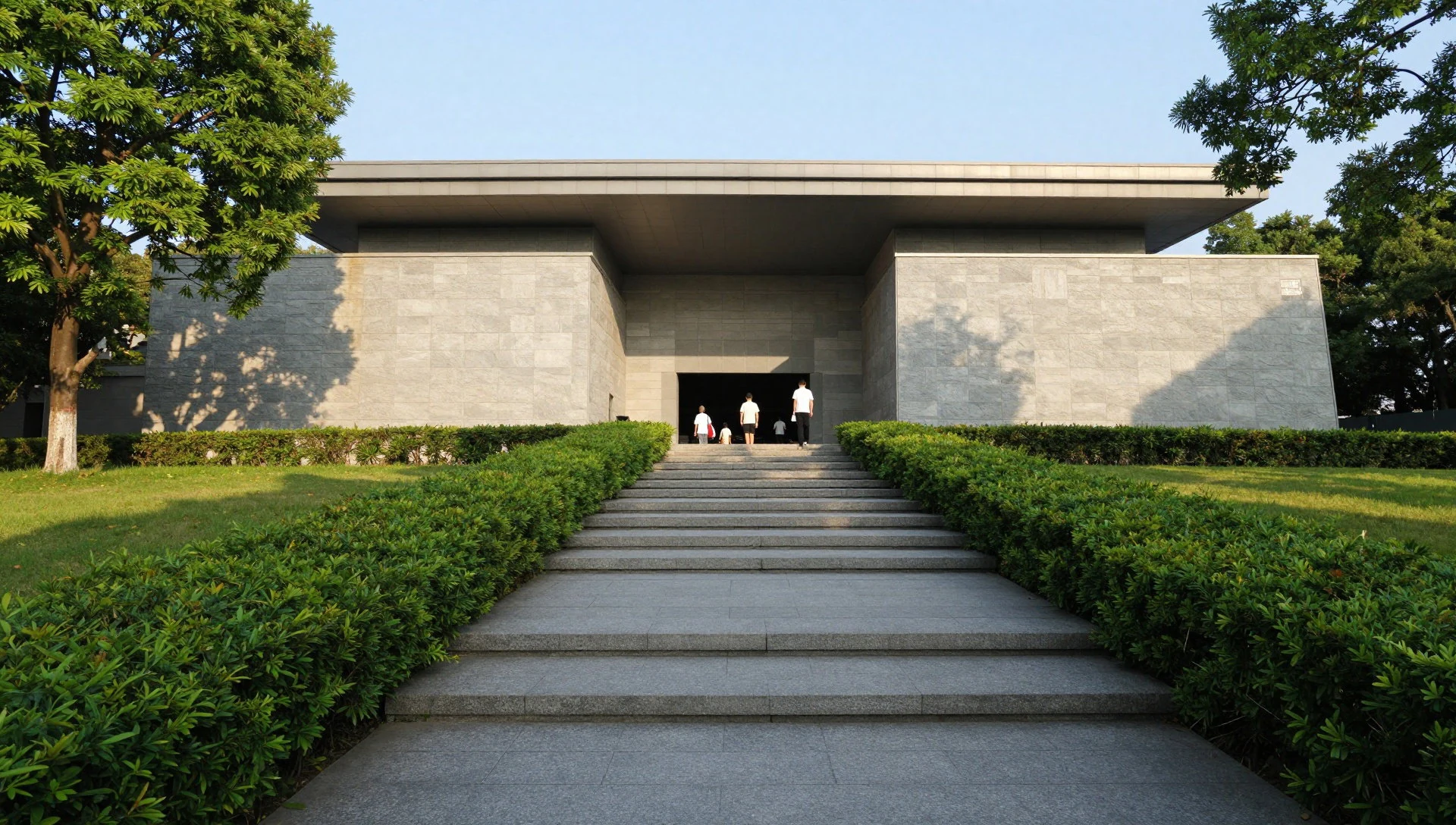
Culture
Guangzhou's culture is Cantonese at its core, part of the wider Lingnan tradition of southern China, with a Hakka presence alongside. The Cantonese language is the everyday speech of the city and a source of local pride, and it differs enough from Mandarin that visitors who have studied only Mandarin will struggle to follow it on the street. Many younger residents switch easily to Mandarin, and English is patchy outside hotels and major attractions.
Cantonese opera, with its martial and literary styles, is the best-known performing art, and it belongs to the whole Guangdong region rather than to the city alone. Cantonese instrumental music and Cantopop, which grew up in close contact with Hong Kong, add to the mix, while the city's opera house and symphony orchestra perform both Chinese and Western classical works. Xiguan, the old district west of the former city wall, is the area most often linked with traditional local life.
Food is the real social language here. Meals are communal, tea is poured for others before yourself, and families gather at weekend dim sum tables for hours. Temples and clan halls remain active, so a visit to one is often a glimpse of ordinary devotion, not a staged heritage display. Life is brisk and practical, with a strong merchant instinct that goes back centuries.
When you visit a temple, keep your voice low, do not point your camera at worshippers without asking, and never step on a threshold or touch offerings.
What to wear
Guangzhou's traditional dress is tied to Cantonese and Lingnan heritage. The cheongsam, or qipao, a fitted dress with a high collar, is the best-known formal garment, while the loose two-piece samfu of cotton or linen was long worn for everyday work. Cantonese opera costume is more elaborate, using heavily embroidered silks, and Guangdong embroidery is a recognised craft. Another local speciality is a glossy, dark-finished silk cloth sometimes called gambiered Canton gauze, traditionally used in summer clothing. These garments appear mostly at weddings, performances, festivals and heritage shops, not in daily life.
What people wear now is practical and light. The climate is hot and humid for much of the year, so cotton, linen and breathable synthetics dominate, with T-shirts, shorts and trainers common on the street. In the business districts of Tianhe, office wear is smart but short-sleeved, and fashion-conscious young residents follow regional trends closely; the city's wholesale clothing markets supply a great deal of what is sold across China and beyond. Umbrellas are used against both sun and sudden rain.
A visitor should dress for heat and wet weather: light, quick-drying layers, a compact umbrella or rain jacket, and comfortable closed shoes for long days on pavements and park slopes. Modesty norms are relaxed, but covered shoulders and knees are sensible at temples. Many buildings are fiercely air-conditioned, so a thin layer is useful indoors, especially on the metro and in restaurants.
What to eat
- Dim sum — Any traditional tea house, especially for a late-morning weekend meal
Small steamed and fried dishes such as prawn dumplings, siu mai and custard buns, served with tea. The ritual of yum cha, meaning drinking tea, is a social meal. Arrive early on weekends, as popular tea houses fill fast.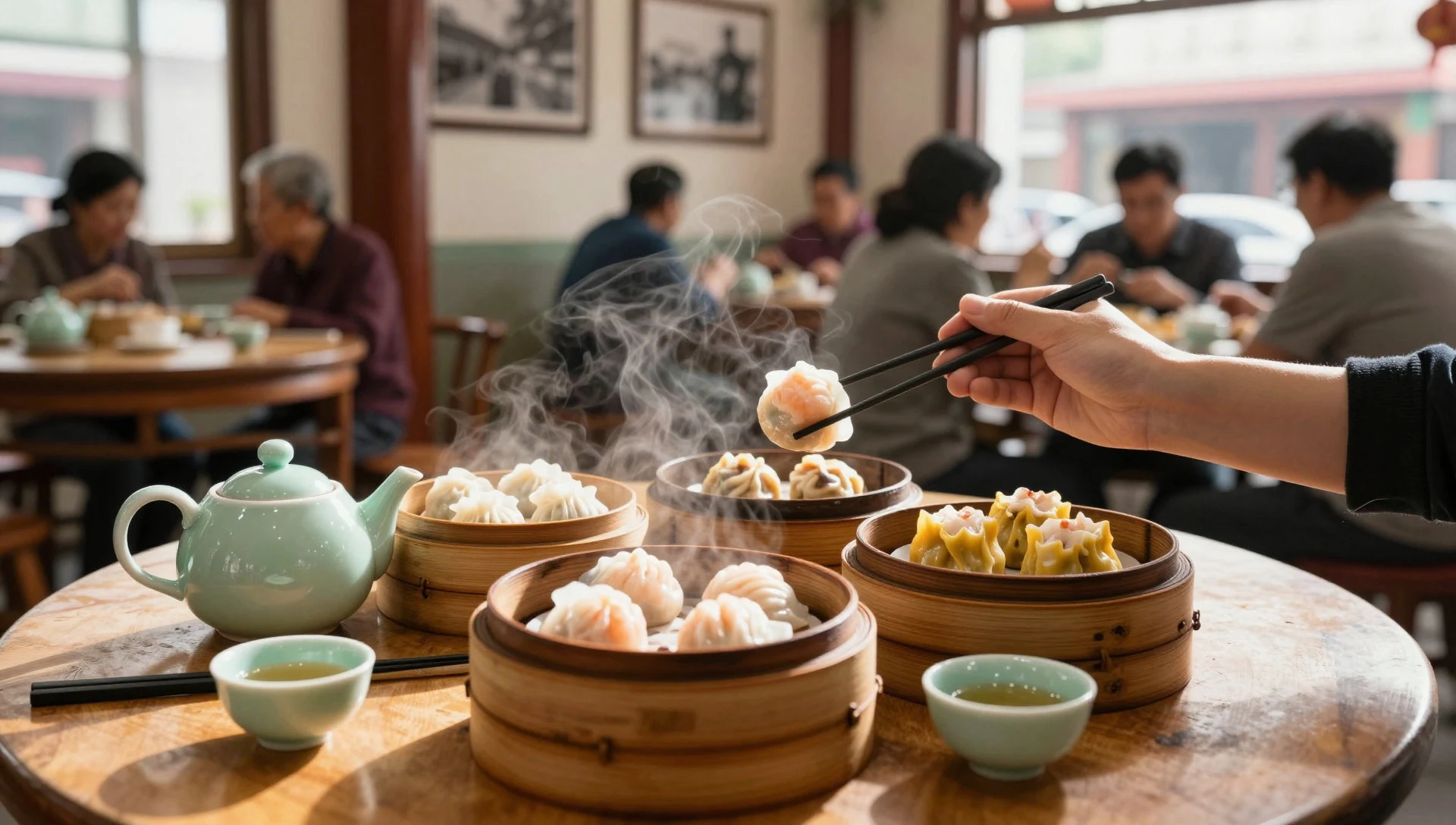
- Cheung fun — Breakfast stalls and dim sum restaurants across Liwan
Silky rice-noodle rolls, steamed to order and filled with prawns, beef or pork, then drizzled with a sweetened soy sauce. They are soft, light and eaten for breakfast. Liwan's older streets are a good place to find them.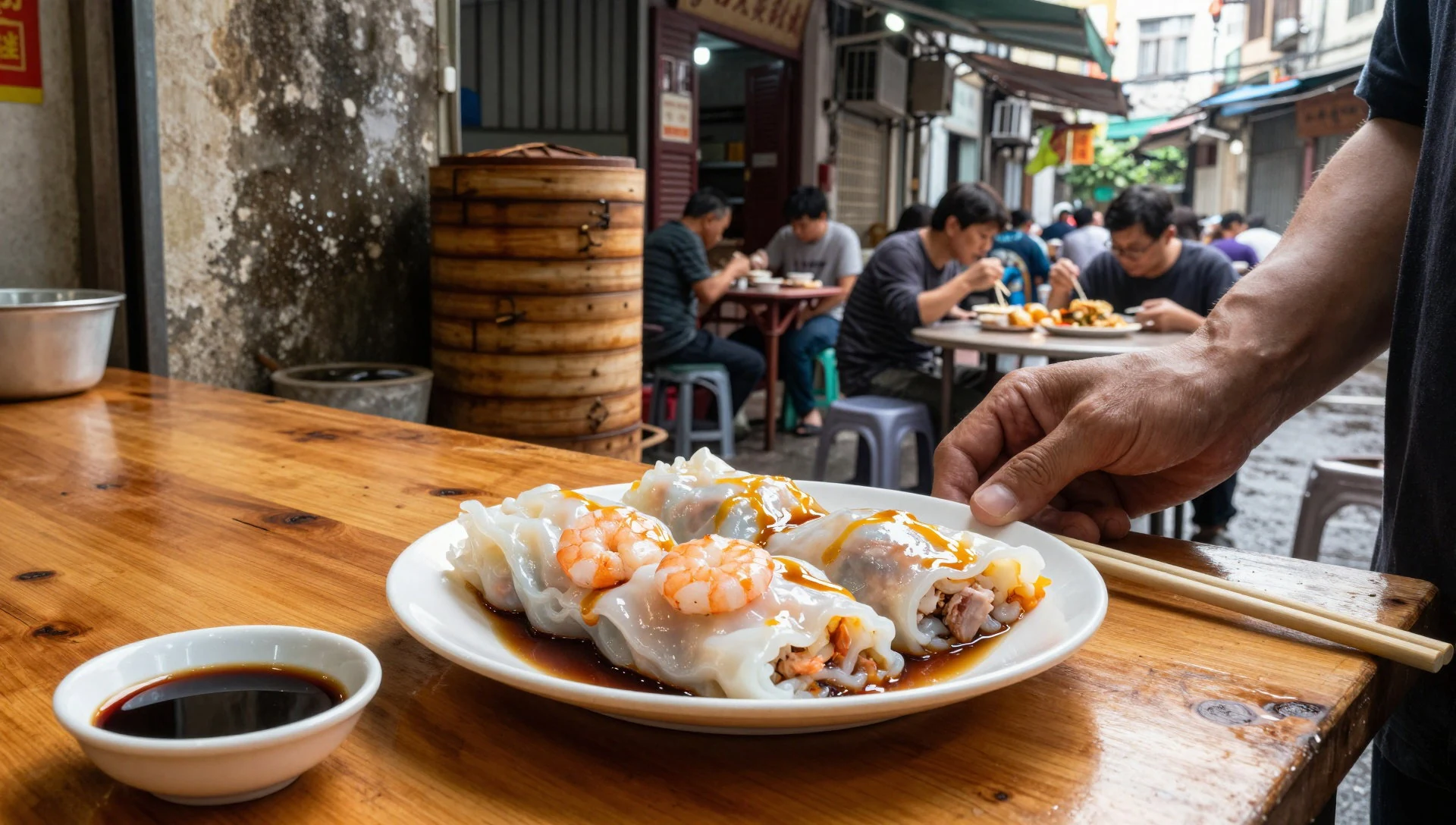
- Congee — Neighbourhood eateries and breakfast shops
A smooth rice porridge cooked slowly until creamy and served with toppings like fish slices, preserved egg or lean pork. It is warming, simple and eaten at any hour. Pair it with a fried dough stick for a classic morning meal. - Roast meats (siu mei) — Roast-meat shops with glazed ducks and geese hanging in the window
Roast goose, duck and barbecued pork are chopped to order and served over rice. The skin is crisp and the meat tender. Shops are easy to spot from the hanging carcasses, and locals often buy takeaway portions. - Wonton noodles — Small noodle shops and food courts
Thin egg noodles in a clear, savoury broth with prawn dumplings. The noodles keep a pleasant springy bite. It is a quick, inexpensive meal, and a good way to try Cantonese cooking without a long sit-down banquet. - Double-boiled soup — Home-style Cantonese restaurants and soup specialists
Soups are simmered for hours with meat, herbs and dried ingredients, and are valued for their gentle, restorative character. Locals often choose them to suit the season. Ask for a recommendation, as flavours range from mild to distinctly medicinal.
Plan it
Best time. October to December is the most comfortable stretch, with lower humidity and milder temperatures. Summer is hot, humid and wet, with heavy downpours and a risk of typhoons, while late winter can be grey and damp.
How long. 2–4
Getting there. Guangzhou has its own international airport and a metro link into the city. High-speed trains serve Guangzhou South Station from across China, and Hong Kong's West Kowloon Station is under an hour away by the fastest trains. There are also ferries and coaches from Hong Kong's airport.
Budget. mid
Tips
- Start sightseeing early, before the midday heat and crowds, and take a break indoors in the afternoon
- Use the metro for most journeys, as road traffic can be heavy
- Carry some cash as well as a phone payment app, since many local vendors prefer mobile payment and foreign cards are not always accepted
- Check visa and transit rules before travel; the city's official site is https://www.gz.gov.cn/
- Avoid peak public holidays at Shamian Island and the main parks if you want a quieter visit
Etiquette
- Keep voices low and ask before photographing people at temples
- Pour tea for others before yourself at a shared meal
- Queue patiently at metro entrances and ticket counters
Nearby
Sources
- Wikidata Q16572 (CC0)
- Wikipedia: Guangzhou (rev 1384852169) (CC BY-SA 4.0)
- Wikivoyage: Guangzhou (rev 5427276) (CC BY-SA 4.0)
- Photo: Aerial photograph of Guangzhou Tower, Tim Wu (CC BY-SA 4.0)
- Photo: 航拍广州塔, Tim Wu (CC BY-SA 4.0)
- Photo: Pazhou West Area, Shujianyang (CC BY-SA 4.0)
- Photo: Aerial View of Zone B in the Canton Fair Complex, Tim Wu (CC BY-SA 4.0)
- Photo: Pagoda in Temple of the Six Banyan Trees, Shujianyang (CC0 1.0)
- Photo: Five-Ram Sculpture of Guangzhou, 钉钉 (CC BY-SA 4.0)
- Photo: Sacred Heart Cathedral of Guangzhou, Shujianyang (CC BY-SA 4.0)
- Photo: Site of King's Tomb, Nanyue King Museum, Shujianyang (CC BY-SA 4.0)


