Great Zimbabwe
Great Zimbabwe, Zimbabwe
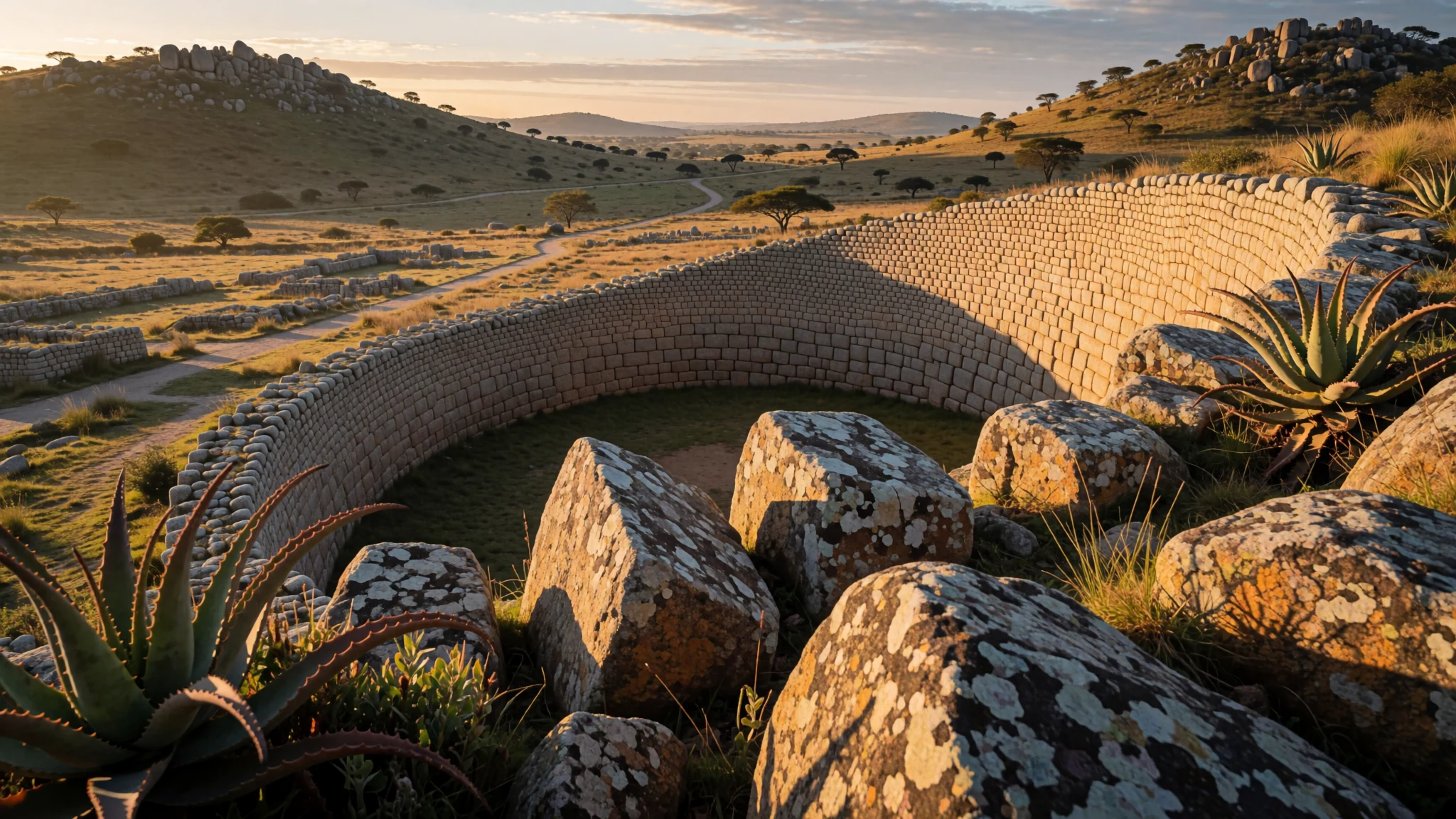
Explore the largest precolonial stone ruins in Southern Africa, an architectural masterpiece built by ancestors of the Shona people.
The place
Great Zimbabwe rises across the south-eastern hills of the country, positioned near Lake Mutirikwe and the regional town of Masvingo. This vast archaeological landscape is divided primarily into three distinct architectural sectors: the elevated Hill Complex, the expansive Valley Complex, and the monumental Great Enclosure. Across these areas, millions of individual granite blocks were fitted together entirely without mortar, creating freestanding curves, chevron patterns, and towering barriers that have stood for centuries. The surrounding terrain features rocky outcrops, indigenous woodlands, and striking aloe plants that bloom seasonally between boulders. Wildlife occasionally moves through the quieter perimeter zones, while the landscape below stretches out towards open agricultural land. The entire stone city covers several square kilometres, encompassing both royal residences and zones where commoners once maintained daily life in earthen dwellings. Visitors walking through the stone corridors experience a profound sense of antiquity, as sunlight filters through ancient granite portals and casts sharp shadows across lichen-covered stones. The scale of the masonry reveals an extraordinary mastery of geometry and masonry techniques passed down through generations, making it one of the most significant heritage monuments on the African continent.
Its story
Human presence in the surrounding region extends back millennia, beginning with San hunter-gatherers and followed by successive waves of Bantu-speaking agricultural communities. Early Iron Age groups farmed the fertile valleys, working iron and copper long before the first major stone foundations were laid. The direct ancestors of the Karanga, a southern Shona group, eventually established the community that would transform into the capital of a vast regional kingdom. As cattle herding and agricultural production generated surplus wealth, leaders consolidated political authority and expanded long-distance trade networks connecting inland resources to coastal ports on the Indian Ocean. This economic growth funded ambitious monumental architecture. Rulers began constructing thick earthen daub houses shielded from public view by towering stone walls, creating physical barriers that reinforced social stratification and royal prestige. The settlement grew into a major political and economic hub before economic shifts, environmental pressures, and changing trade routes eventually led to its gradual abandonment. European explorers and investigators arrived in the latter nineteenth century, sparking decades of archaeological study that gradually overturned colonial myths and restored the site's true African history to global prominence.
What to see
- The Great Enclosure — Central valley area
This monumental stone structure features massive curved dry-stone walls encircling interior courtyards and pathways. Within its perimeter stands the mysterious cylindrical tower, a solid structure of unknown ritual or symbolic purpose. The soaring walls demonstrate incredible masonry skill, curving gracefully without any mortar to hold the granite blocks in place.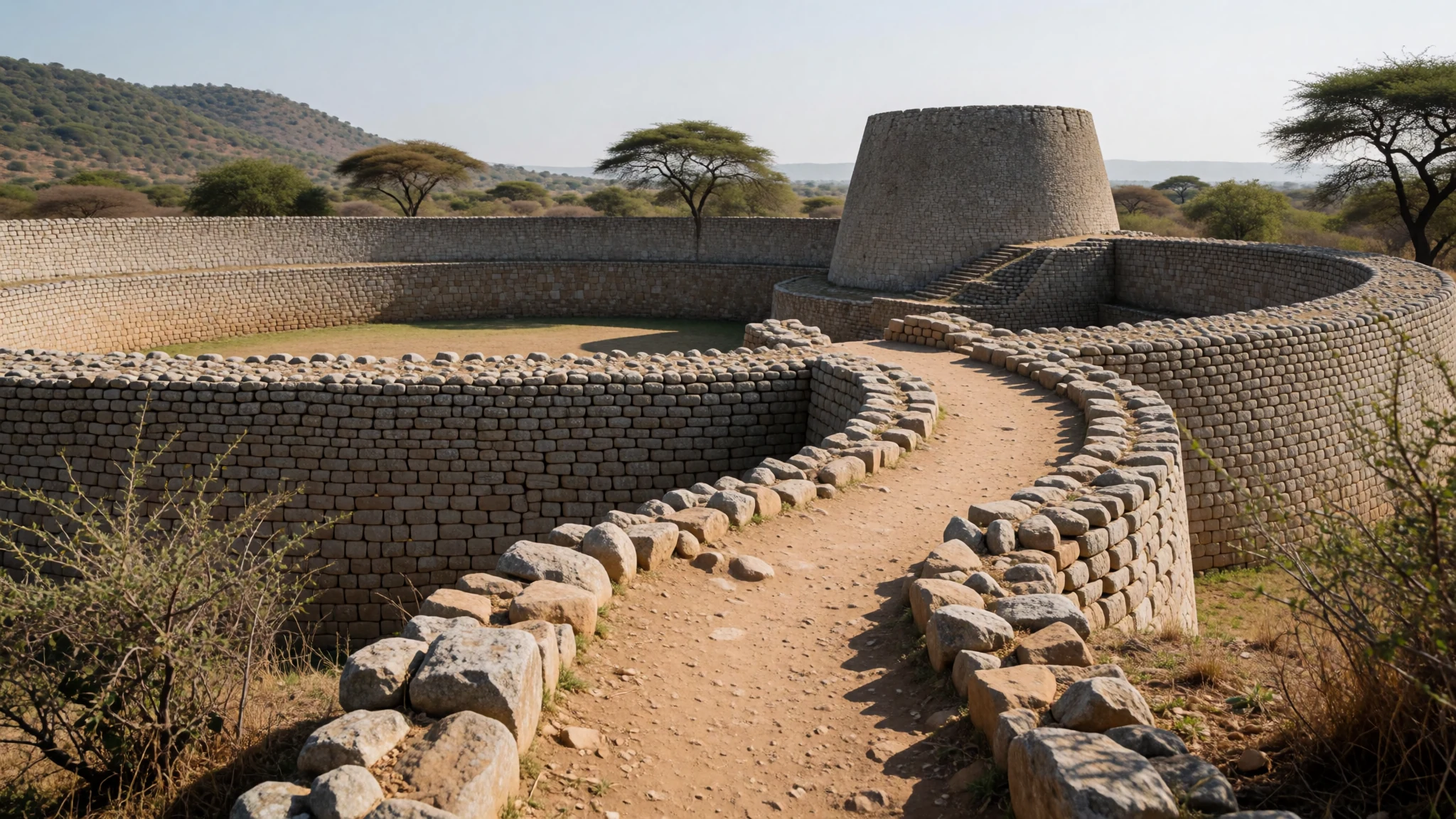
- The Hill Complex — Northern ridge
Perched high upon a massive granite hill overlooking the entire valley, this ancient stronghold served as a fortified royal residence and spiritual centre. Narrow stone staircases wind between massive boulders, leading to enclosures where rulers once governed. The vantage point provides sweeping panoramic views across the archaeological park and surrounding hills.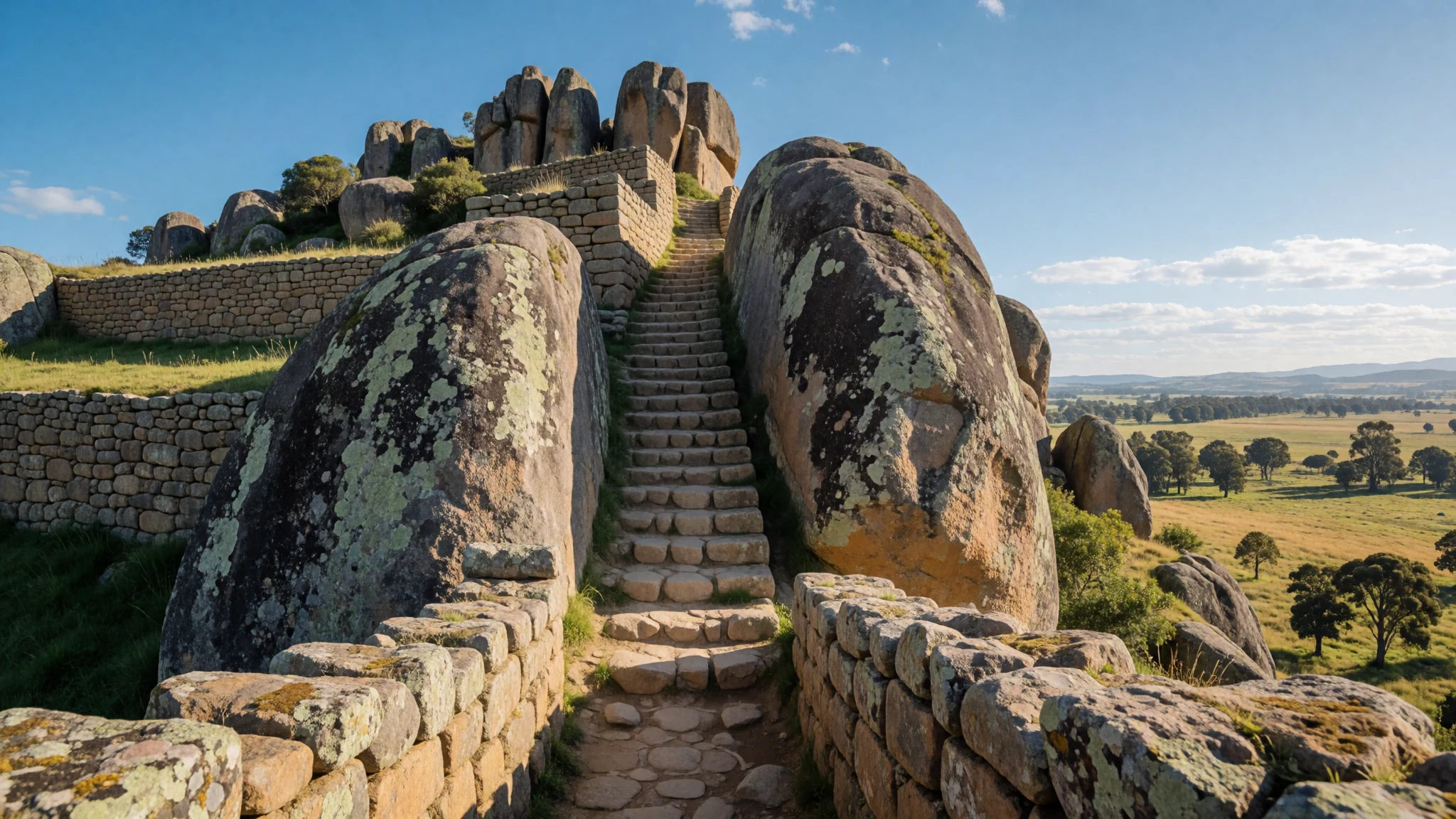
- The Valley Complex — Intermediate valley floor
Spread out between the hill and the Great Enclosure, this extensive zone contains the remains of numerous residential terraces and smaller stone-walled enclosures. Archaeological excavations here have uncovered evidence of domestic life, metalworking, and foreign trade goods brought from afar. Walking paths wind through grassy clearings dotted with indigenous trees and flowering aloes.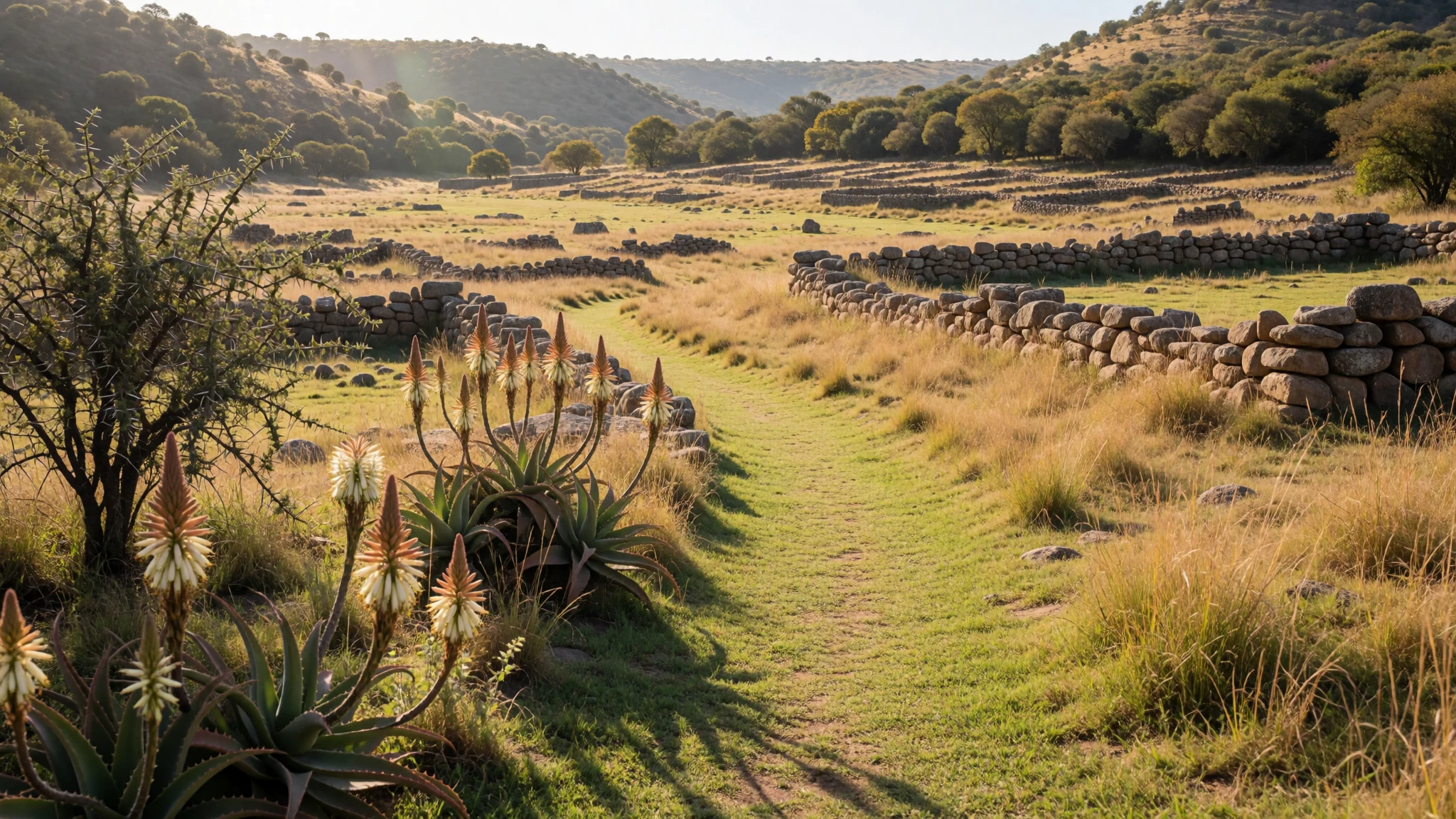
- The Site Museum — Entrance pavilion area
Located near the entrance gate, the museum houses an exceptional collection of artefacts recovered from the ruins over decades of archaeological research. Displays feature pottery fragments, iron tools, copper wire, soapstone bird carvings, and trade beads from distant lands. Informative panels explain the history, daily life, and construction methods of the ancient kingdom.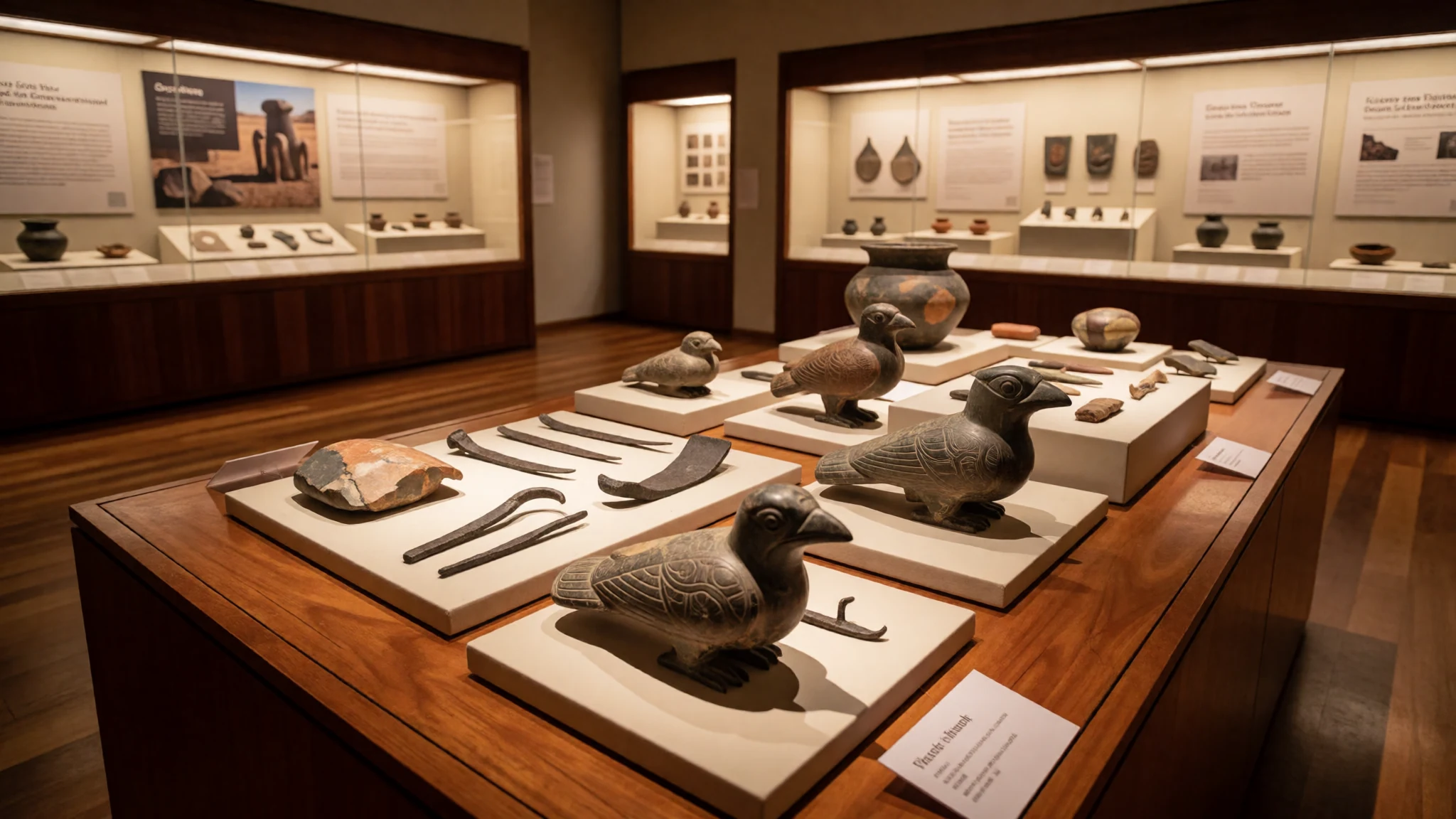
- Lake Mutirikwe — North-eastern surroundings
Situated just a short distance from the archaeological site, this expansive reservoir provides a scenic backdrop of sparkling blue water framed by rolling green hills. The surrounding shores offer peaceful spots for birdwatching, relaxation, and observing local wildlife. It serves as a refreshing natural contrast to the arid stone ruins nearby.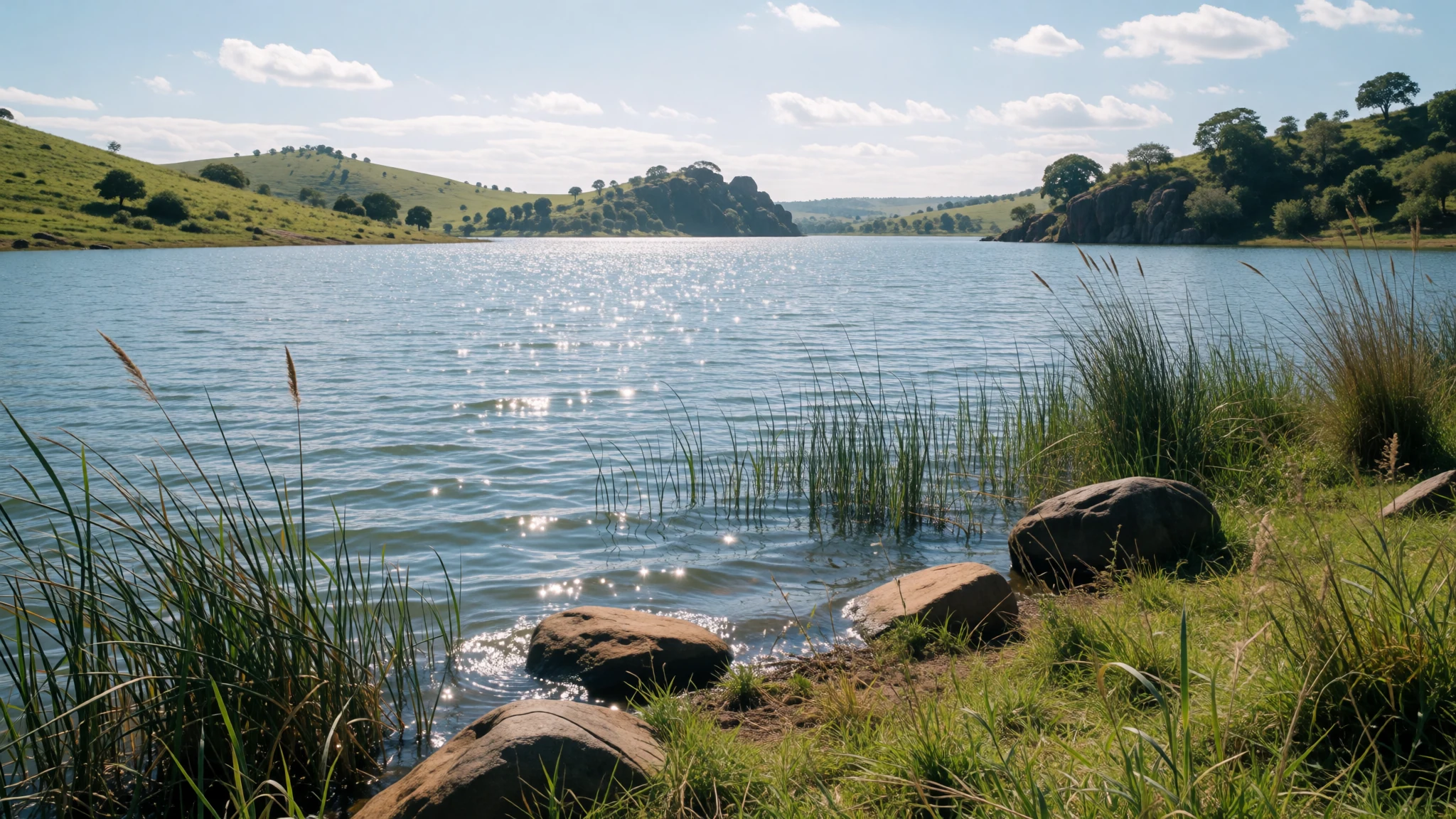
Culture
The cultural heritage of the surrounding region is deeply rooted in Shona traditions, where oral history, music, and ancestral reverence play vital roles in daily life. Traditional ceremonies often involve intricate polyrhythmic drumming, mbira thumb piano music, and community gatherings that honour ancestral spirits and celebrate seasonal harvests. Soapstone carving remains a celebrated local craft, carrying forward artistic techniques inspired by the ancient bird sculptures discovered among the ruins. Visitors encountering local craftspeople near the entrance markets will find a welcoming atmosphere characterised by polite greetings and friendly conversation. Traditional hospitality is highly valued, and showing genuine respect for local customs and elders opens doors to meaningful cultural exchanges. When visiting archaeological features that hold contemporary spiritual significance for local communities, always follow the guidance of local attendants regarding where you may walk and what you may touch.
What to wear
Traditional attire across Zimbabwe reflects a blend of practical heritage and contemporary African style, with vibrant patterned fabrics such as chitenje widely used for wraps, head-ties, and tailored garments during celebrations and community gatherings. In urban areas and modern settings, everyday dress closely mirrors international trends, with jeans, t-shirts, and smart-casual wear preferred by younger generations. For travellers visiting the archaeological site, practical clothing is essential due to the outdoor and uneven terrain. Lightweight, breathable fabrics keep you comfortable in the warm sun, while sturdy walking shoes or hiking boots are required for navigating steep stone steps and rocky paths up to the Hill Complex. A sun hat, sunglasses, and high-factor sun cream are strongly recommended for protection during midday hours. Modest clothing that covers the shoulders and knees is appreciated when interacting with villagers in nearby rural communities or visiting traditional homesteads.
What to eat
- Sadza — Local roadside eateries and traditional restaurants
The national staple food made from finely ground white maize meal cooked with water to a thick, smooth consistency. It is traditionally rolled into balls by hand and served alongside rich meat stews or savory vegetable relishes.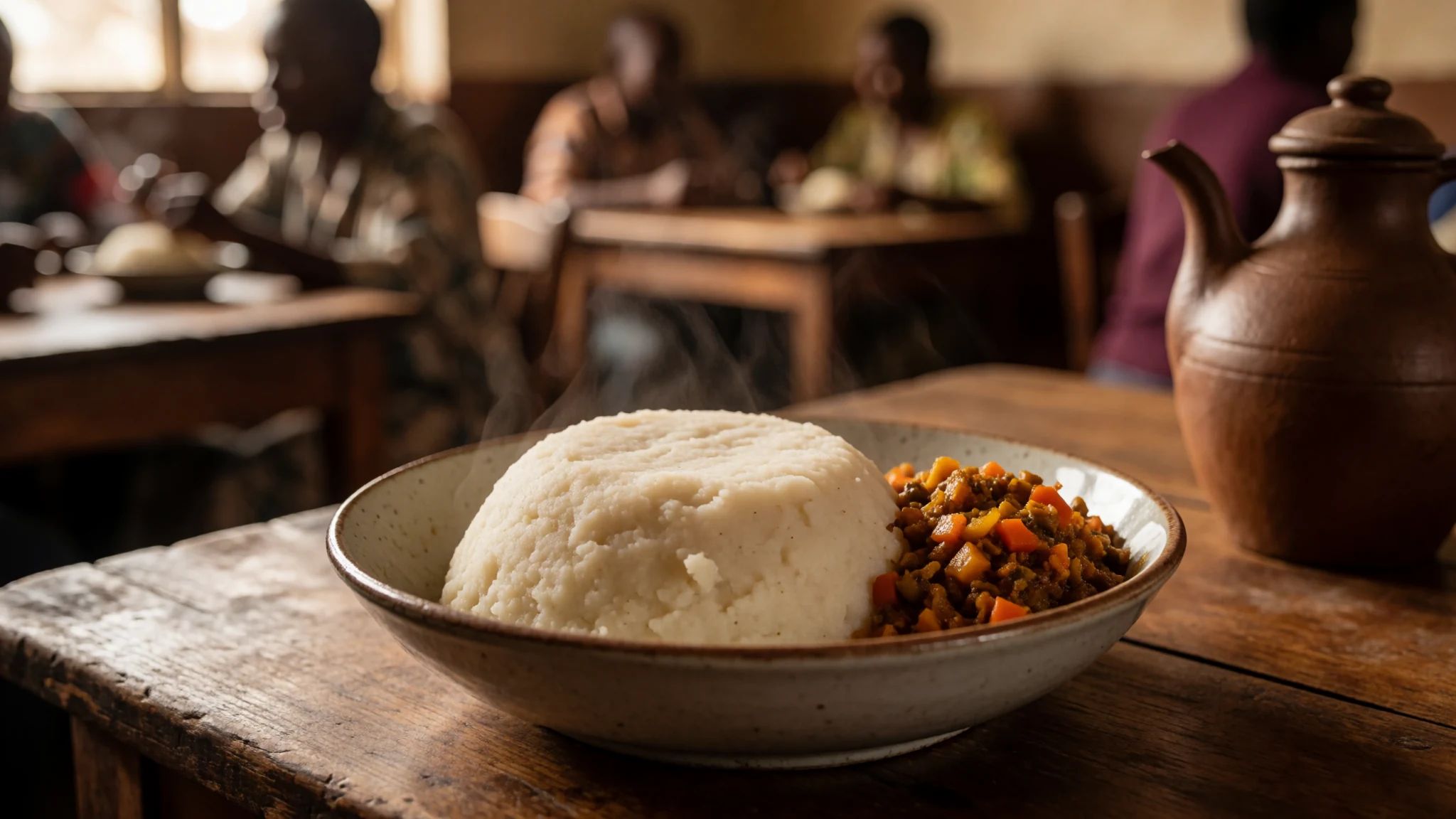
- Nyama — Market stalls and local diners
Succulent beef, goat, or chicken, often slow-cooked in a rich tomato and onion gravy with traditional spices. It provides the protein heart of most family meals and celebratory gatherings across the region.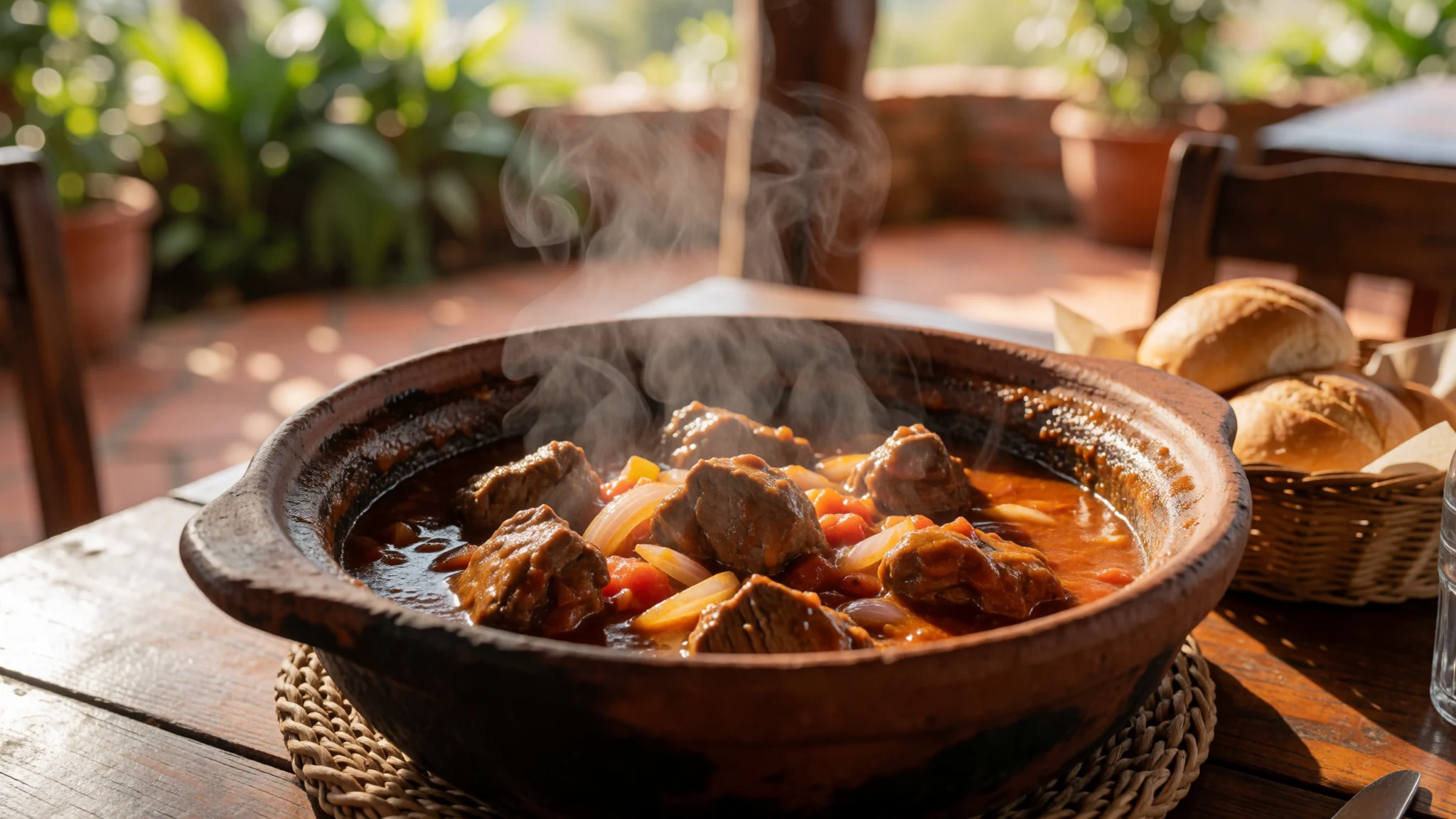
- Muriwo — Village markets and family kitchens
Fresh green leafy vegetables, such as collard greens or pumpkin leaves, gently sautéed with onions, tomatoes, and occasionally peanut butter. This nutritious relish accompanies almost every midday meal of sadza. - Bota — Morning food stalls and guesthouses
A smooth, nourishing porridge prepared with maize meal, water, and peanut butter or milk, often enjoyed as a comforting breakfast or light evening meal. It is warm, filling, and deeply traditional. - Roasted Maize — Roadside stalls and craft market paths
Fresh corn cobs roasted over open coals until slightly charred and smoky, providing a popular, portable snack sold by vendors along roadsides and near tourist sites.
Plan it
Best time. The dry months from May to August offer the most comfortable daytime temperatures and clear skies for exploring the outdoor ruins, while September and October are the hottest months and November to March brings the heaviest rain.
How long. 1–2
Getting there. Travel by road from Masvingo town, taking a local combi from behind the TM supermarket to the turnoff, followed by a short walk past the craft market and hotel.
Budget. mid
Tips
- Arrive early in the morning to enjoy cooler weather and quieter paths before tour groups arrive
- Wear sturdy walking shoes with good grip for climbing steep, uneven stone staircases
- Carry sufficient cash in smaller denominations for entrance fees, local transport, and crafts
- Bring plenty of drinking water, as facilities within the archaeological site are limited
- Hire a local guide at the entrance to gain deep insights into the history and architecture
Etiquette
- Greet locals politely before asking questions or taking photographs of people
- Obey all signage and guide instructions regarding sacred areas within the ruins
Nearby
Sources
- Wikidata Q209217 (CC0)
- Wikipedia (rev 1381423922) (CC-BY-SA 4.0)
- Wikivoyage (rev 5403166) (CC-BY-SA 4.0)