Gran Paradiso National Park
Gran Paradiso National Park, Italy
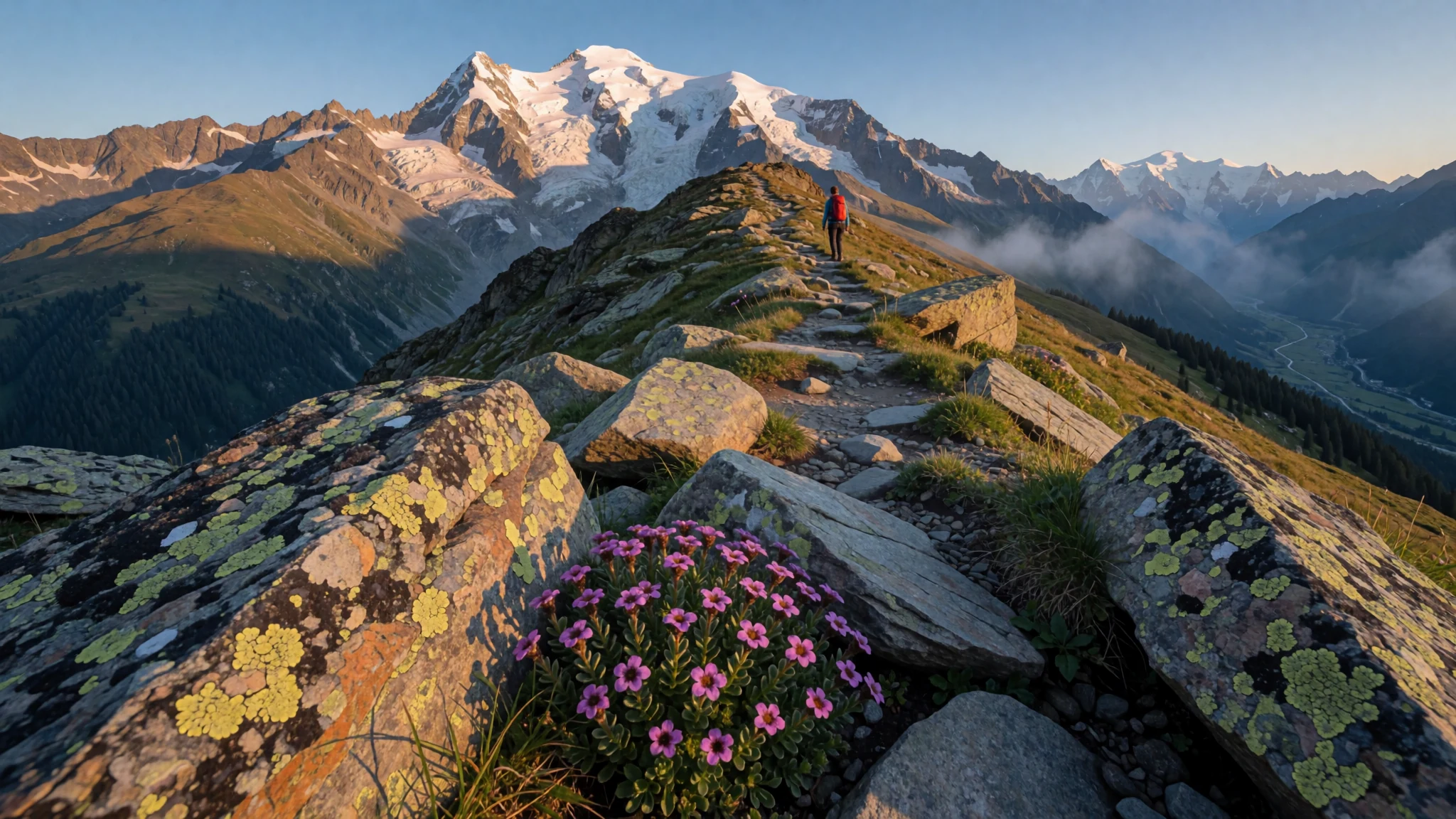
A high Alpine park of glaciers and ibex, where Italy's first national park was set up to protect a hunted animal.
The place
Gran Paradiso National Park lies in the Graian Alps of northwest Italy, spread across the Aosta Valley and Piedmont, with the Metropolitan City of Turin on the Piedmont side. It covers 703 square kilometres of alpine terrain and takes its name from Gran Paradiso, the mountain that rises within its boundaries. That peak is the only one entirely inside Italy that is over 4,000 metres high, and its summit gives views across to Mont Blanc and the Matterhorn.
Heights run from 800 metres in the valley bottoms to 4,061 metres on the high ridges, with an average near 2,000 metres. Forested valley floors give way to alpine meadows, then to bare rock and ice. Glaciers cover about a tenth of the park, with 57 of them, and the landscape was carved by ice and running water. Woodland is limited, and much of the ground is pasture or simply uncultivated.
The western edge meets France's Vanoise National Park, so the two protected areas form one continuous wild stretch of mountain. Villages sit in the lower valleys, and a network of marked trails and old mule tracks threads through the park. Summer is the season for walking and climbing above the valley floor. In winter the valleys turn to skiing, with Courmayeur and Breuil-Cervinia among the best-known resorts in the wider Aosta Valley.
The park is quieter than the big ski towns, but its popular trailheads fill on fine summer weekends. Early starts help, and weather in the high ground can turn quickly even when the valley is clear.
Its story
Gran Paradiso National Park began as a royal hunting ground, and the reason is the Alpine ibex. By the early nineteenth century hunting had reduced the animal to a remnant population in this part of the Alps, partly for sport and partly because ibex parts were prized as charms against violent death.
In 1856 Victor Emmanuel, soon to be king of Italy, set aside the land as a royal reserve and placed a guard over the herd, giving the ibex a chance to recover. Some of the paths first used for guarding and managing the herd are still walked today, and they now form part of the park's trail network.
In 1920 the land was donated to the nation, and the park was established in 1922 as Italy's first national park, when roughly 3,000 ibex lived within its bounds. The herd grew over the following decade. The next decades were harder. Poaching, weaker surveillance under Fascist rule and the Second World War pushed numbers down, and by 1945 only 419 remained. Protection was rebuilt after the war, and by 2005 the park again held about 4,000 ibex. The animal that started the reserve is still the one visitors most hope to see on the high slopes.
What to see
- Valnontey and the high paths — Valnontey, Aosta Valley side of the park
Valnontey is a valley base for walkers in the park, and footpaths climb from here towards the Rifugio Vittorio Sella. The Alta Via route continues through the high ground, linking valley and ridge. Summer brings the most walkers, so start early to reach the upper paths before the afternoon heat builds.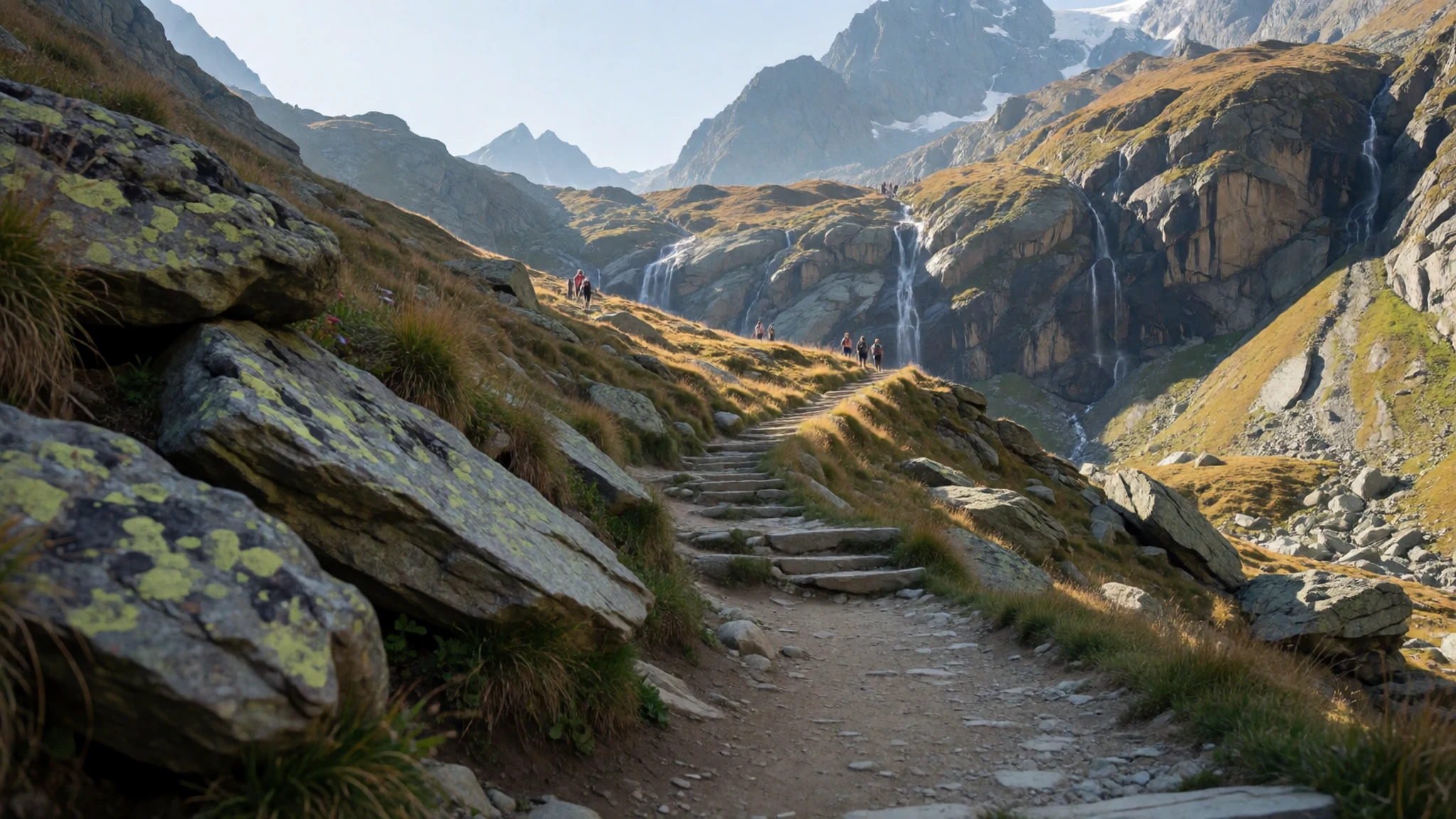
- Thermal baths at Pré-Saint-Didier — Pré-Saint-Didier, Aosta Valley
The Thermes de Pré-Saint-Didier are a year-round option in the wider Aosta Valley, set in a landscape that looks out over Mont Blanc. Relaxing after a long day on the trails is the main point here. Some evenings the pools stay open late, which makes a night visit a pleasant change. Check the official website for current prices and hours before going.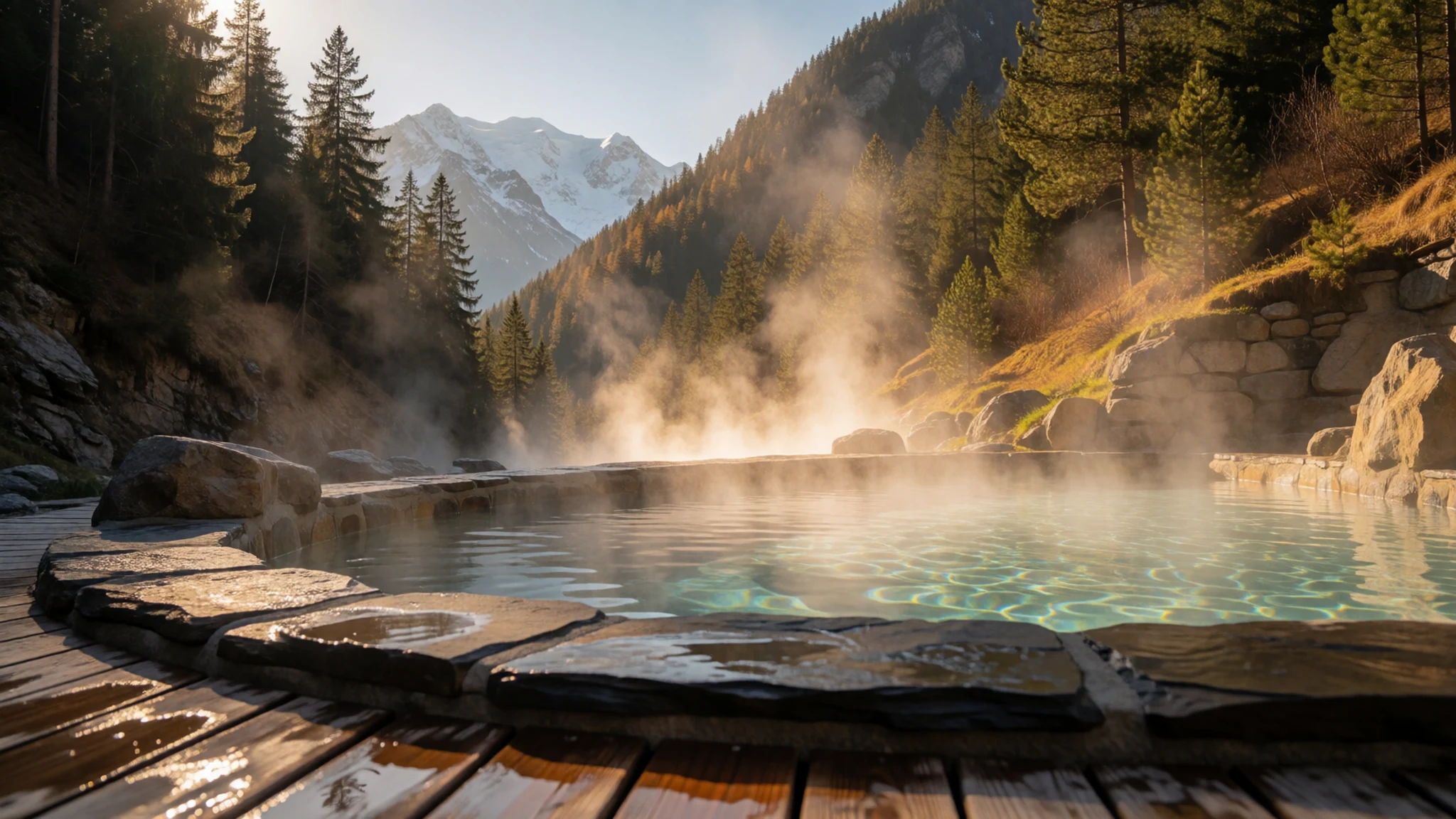
- Rock climbing on the valley crags — Crags across the Aosta Valley
Crags bolted for sport climbing are spread across the Aosta Valley, with routes at every grade and lengths ranging from short pitches to long multi-pitch climbs. The guide most often recommended is Mani Nude by Massimo Bal and Patrick Raspo, though newer sectors have opened since it appeared, so check current sources for approach directions.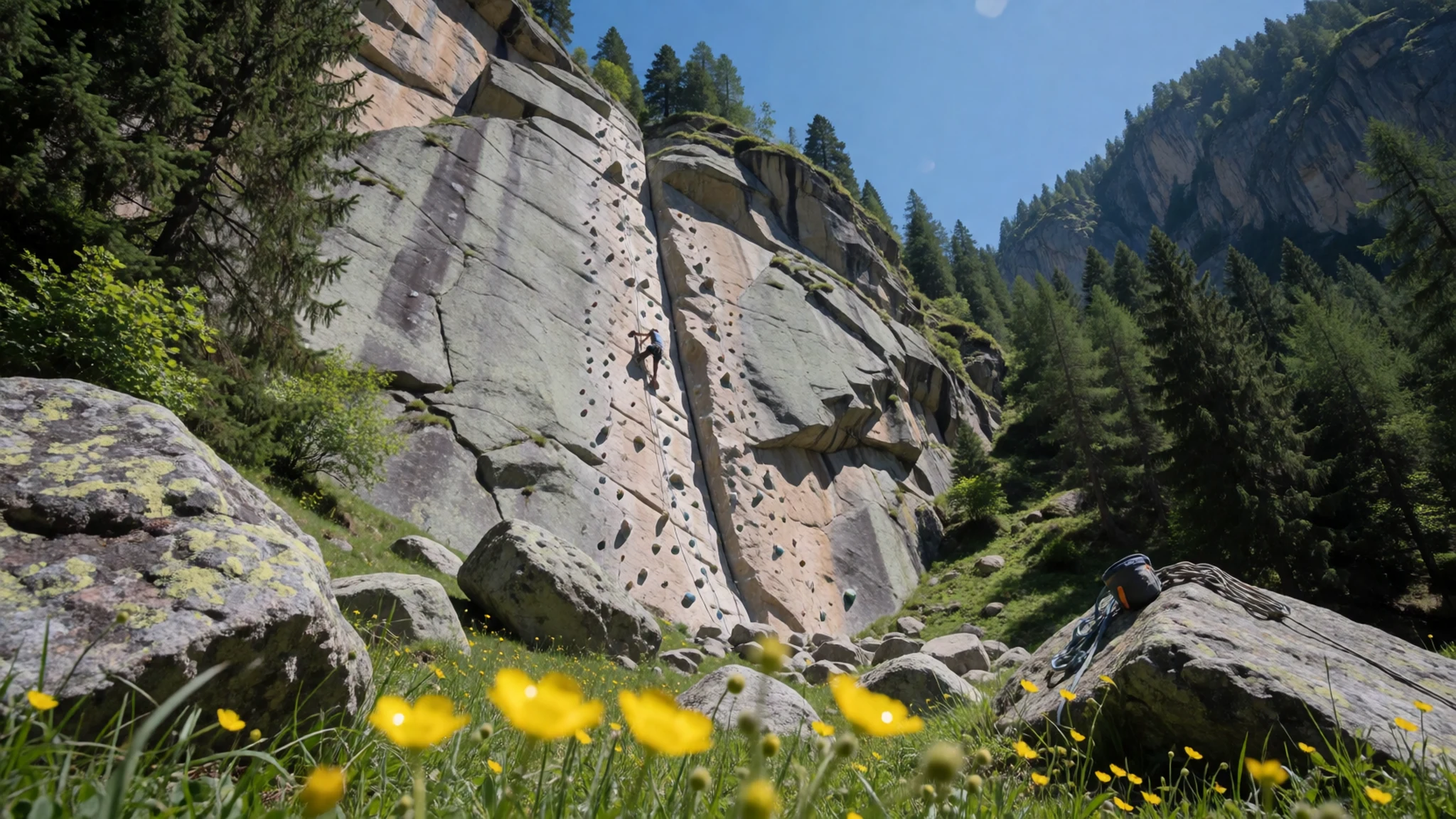
- Breuil-Cervinia and winter skiing — Breuil-Cervinia, Aosta Valley
Breuil-Cervinia, in the wider Aosta Valley, is a winter base with access to the Valtournenche and Zermatt ski areas. Access to Zermatt costs extra, so plan lift passes before arriving. The resort sits outside the park's core, and the valley's ski towns are a different experience from the quiet of the high trails in summer.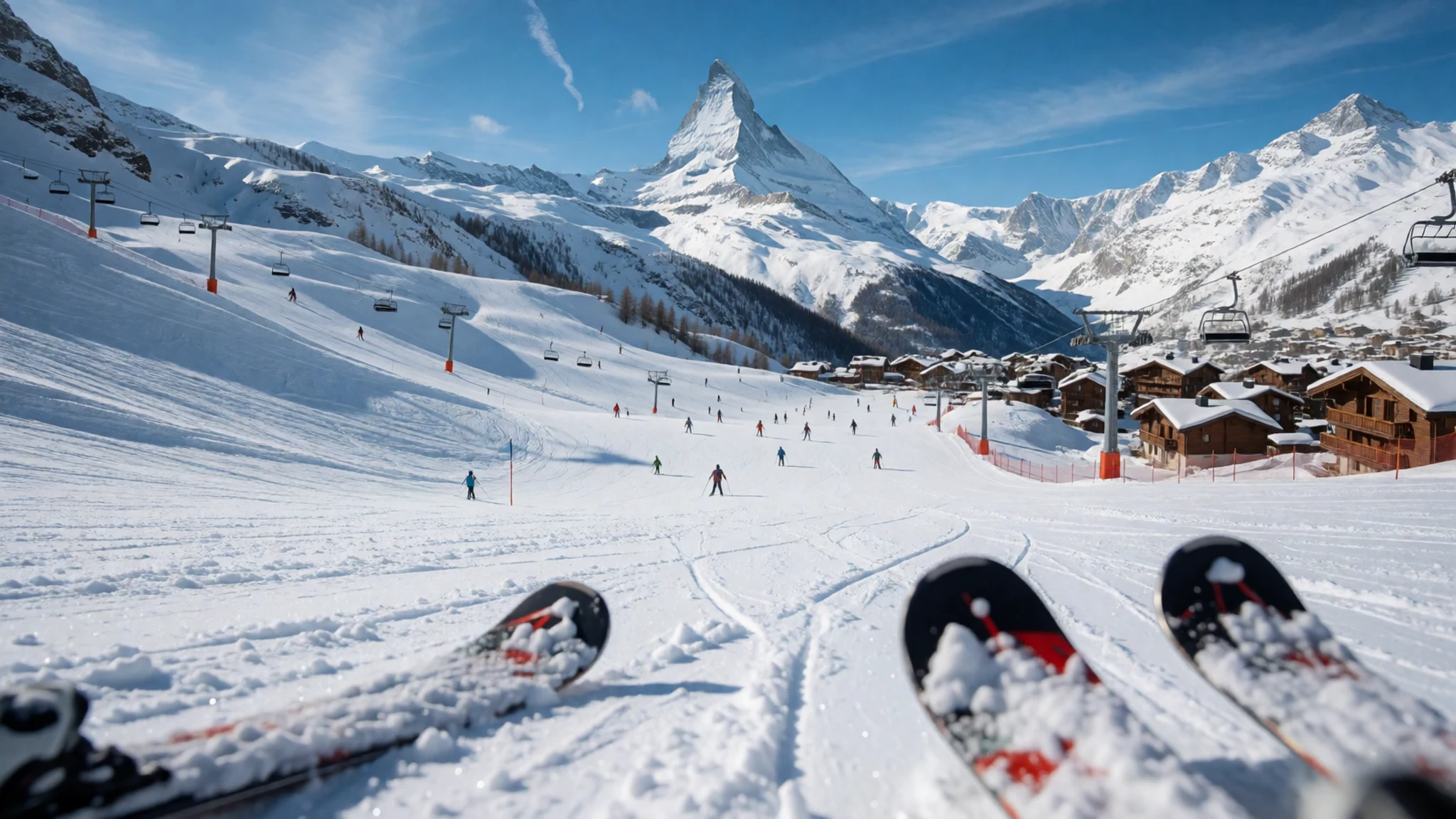
- Ibex and marmots — Rocky slopes above the alpine meadows
The Alpine ibex, the animal the park was created to protect, is often seen on rocky slopes above the meadows, with females and young together in early summer. Marmots whistle across the alpine pastures in warmer months. Watch from a distance with binoculars, since the animals are used to walkers but still deserve space.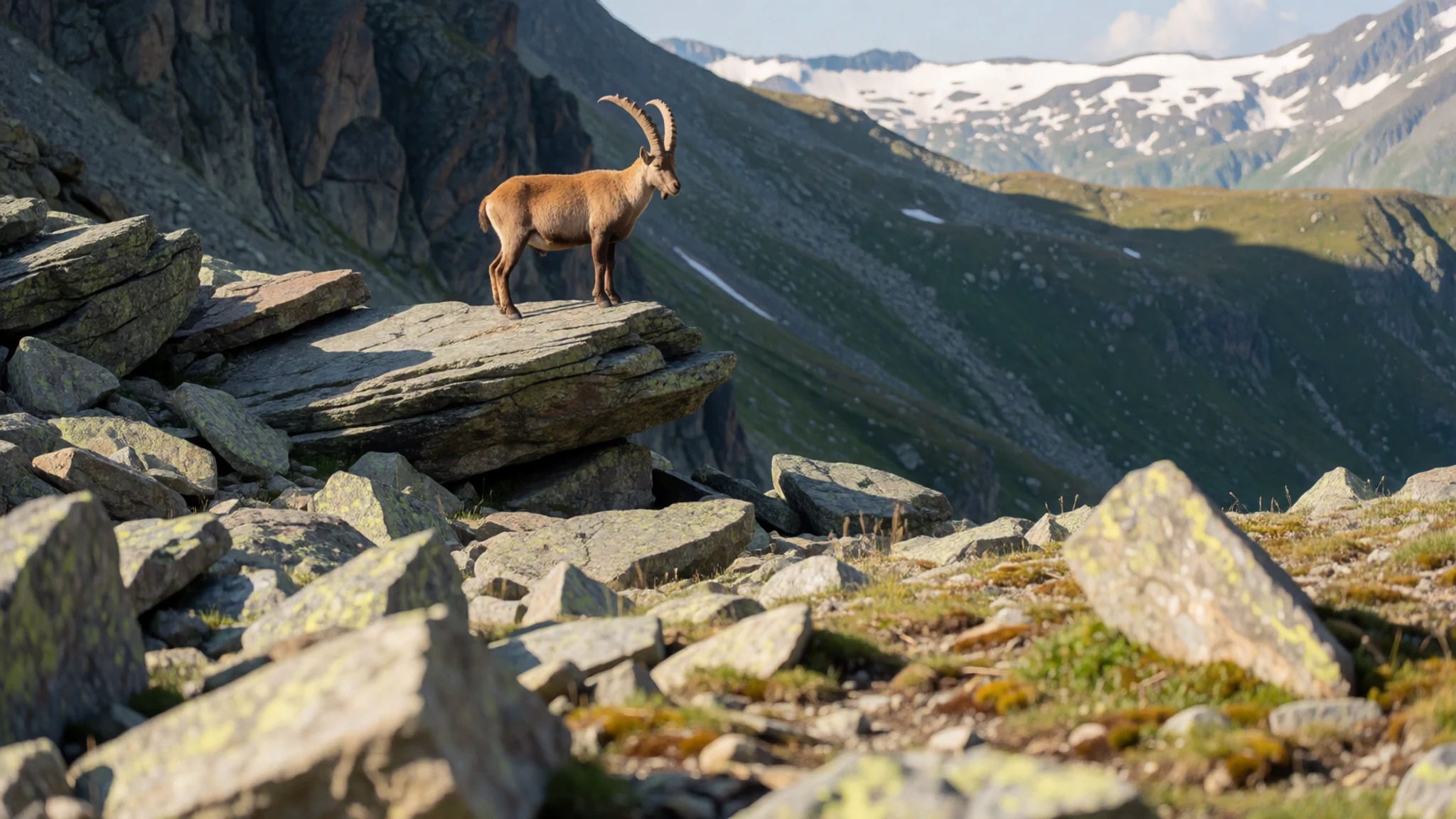
Culture
Gran Paradiso National Park is a protected area first, and the culture around it reflects that. The land was once a royal hunting ground, and today the park exists to protect the Alpine ibex and the wildlife that shares its slopes. French influence runs deep in the Aosta Valley, which is why many restaurant menus give dishes and wines names in French or in patois, the local dialect, and why signs are often bilingual. Mountain refuges serve meals and beds to walkers, so expect a communal, unhurried style of eating and talking after a long day. Villages keep their own pace, so check opening times locally rather than assuming they match a city. Wildlife photography from a distance is fine, but approaching ibex or marmots for a closer shot disturbs them. Give the animals plenty of room, and carry every scrap of rubbish back down with you.
What to wear
Traditional dress in the Gran Paradiso valleys is tied to village festivals and church occasions rather than to everyday wear, and it varies from one valley to the next. Costumes were usually built from wool and linen, with embroidered or woven details, and the best way to see them is in local museums or at a festival where they are still worn. I would not rely on a single image for a typical costume, because the Aosta Valley and Piedmont sides have their own customs.
What people wear now is practical. On the trails you will see fleece, waterproof shells and sturdy boots, while village restaurants and evening strolls call for smarter jackets and knitwear. Bright technical layers are common, and few people dress up for a mountain meal.
A visitor should dress for weather that can change within a couple of hours. Pack a warm layer even in summer, because the high ground is cold and windy, plus a waterproof jacket and sun protection with sunglasses for glare off snow. Choose boots with real grip for scree, wet rock and grass, and leave cotton jeans at the accommodation. In village churches, cover shoulders and knees.
What to eat
- Gamay red wine — Terraced vineyards on the valley sides, and restaurants in the towns below
Gamay is a light red grown on the terraced vineyards that climb the steep valley walls of the Aosta Valley. It does not age well, so it is best drunk young, ideally in view of the land it came from.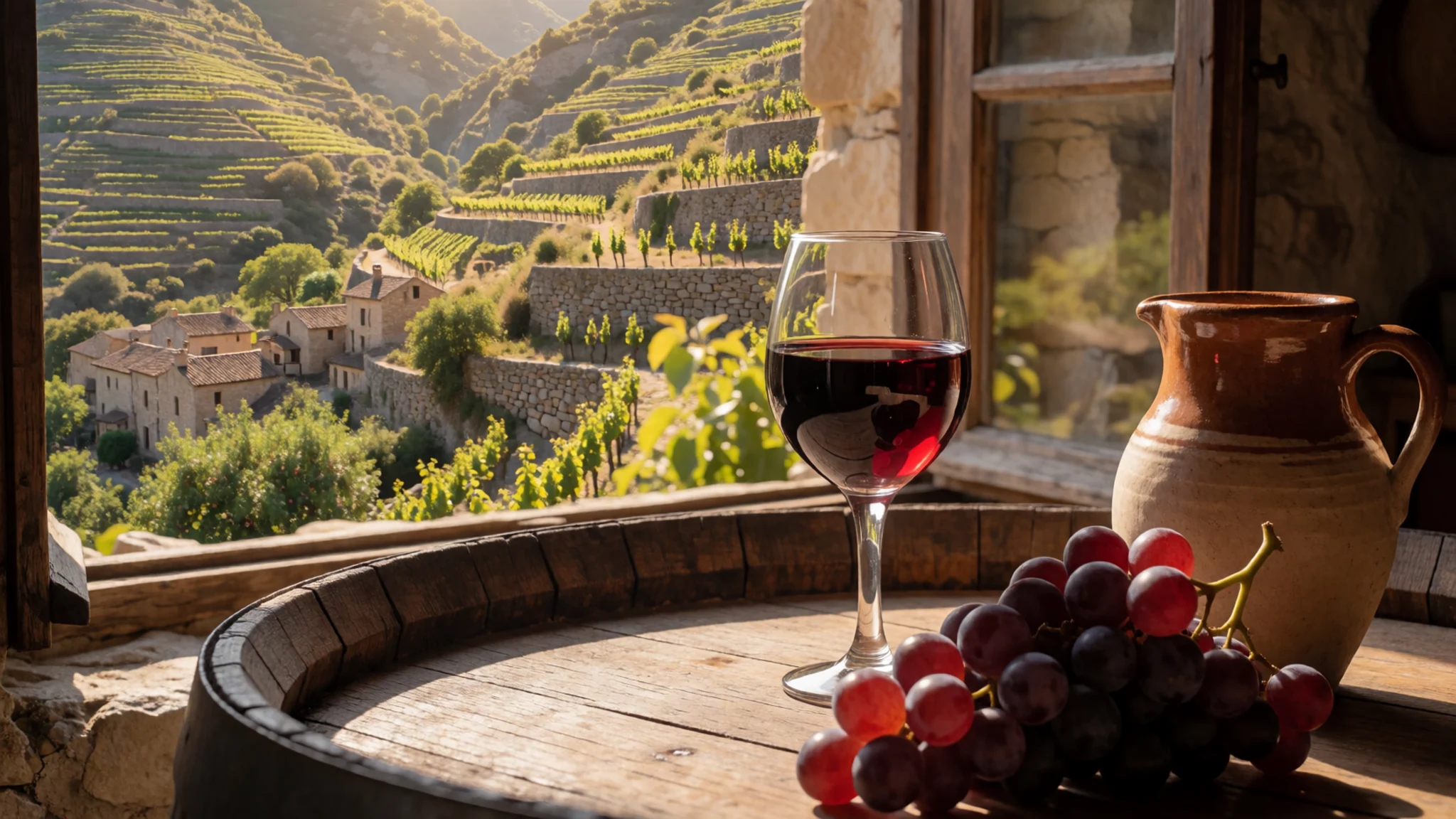
- Torrette and Petite Arvine — Wine bars and restaurants in the valley towns
Valle d'Aosta DOC wines include Torrette, a red, and Petite Arvine, a white, alongside Fumin, Pinot noir and Chardonnay. Ask for valley labels by the glass at wine bars, where local bottles are easy to find.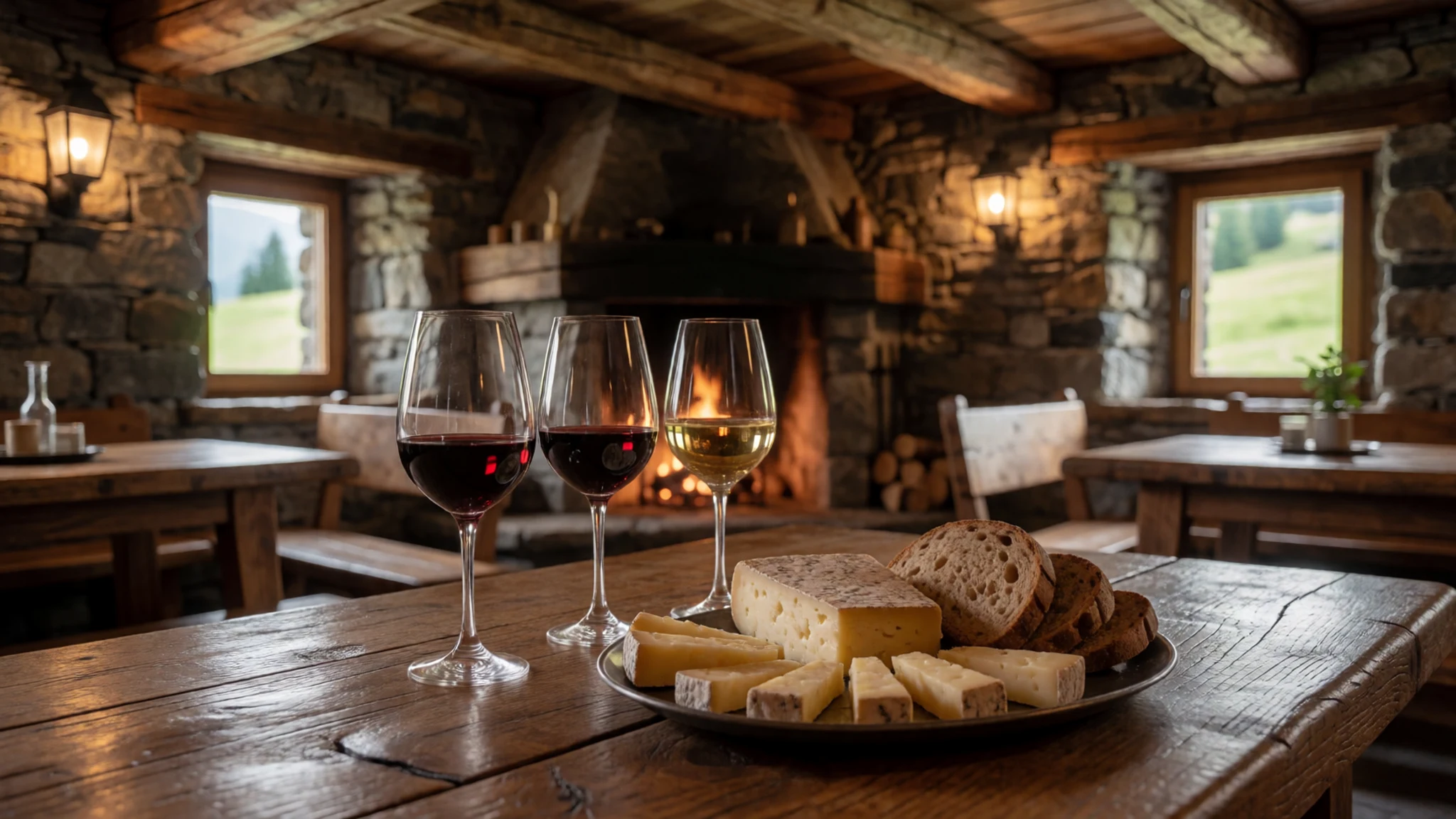
- Maley cider — Valley-town shops and cafés
Maley is a cider from the Aosta Valley, made in Valdigne with Raventze apples from Valtournenche. It makes a lighter alternative to wine at lunch, and it is a sensible choice after a long walk. - Typical dishes at seal restaurants — Restaurants in the Aosta Valley displaying the Saveurs du Val d'Aoste seal
Many restaurants in the Aosta Valley display the Saveurs du Val d'Aoste seal, marked by a copa dell'amicizia (friendship cup) emblem. It guarantees local origin, traditional recipes and atmosphere. Menus often name specialties in French or patois, so ask staff to explain any unfamiliar dish.
Plan it
Best time. July to September suit the high trails, when most paths are clear of snow; June can still carry snow higher up. Winter is for skiing in the valley resorts, and the months either side bring thinner crowds but patchier conditions.
How long. 2–3
Getting there. Turin Airport is the nearest sizeable airport for the Piedmont side, with Geneva and Milan further afield. From the Aosta Valley the last leg is by road or bus up the valleys. The Mont Blanc Tunnel links the valley with France, and the Great St Bernard Pass and Tunnel link it with Switzerland.
Budget. mid
Tips
- Book refuge beds early in summer, as high huts fill quickly
- Start walks early, when paths are quieter and the weather is steadier
- Carry cash for small huts and village shops, since card acceptance varies
- Pack water and layers, because temperatures drop quickly with altitude
- Check the official Thermes website for current prices and hours
Etiquette
- Stay on marked trails to protect vegetation and wildlife
- Keep a distance from ibex and marmots, and do not feed them
- Carry all litter back down the mountain
Nearby
Sources
- Wikidata Q847690 (CC0)
- Wikipedia: Gran Paradiso National Park (CC BY-SA 4.0)
- Wikivoyage: Aosta Valley (CC BY-SA 4.0)
- Parco nazionale del Gran Paradiso, Le prime luci dell'alba (photo 01) (CC BY-SA 4.0)
- Gran Paradiso Panorama (photo 02) (CC BY 3.0)
- Altopiano del Nivolet (photo 03) (CC BY 3.0)
- Autumn in the Valle di Champorcher (photo 04) (CC BY-SA 2.0)
- Alpine ibex female and young, val Veny (photo 05) (Public domain)
- Marmot in the Gran Paradiso National Park (photo 06) (CC BY 3.0)
- Footpath from Valnontey to Rifugio Vittorio Sella (photo 07) (CC BY-SA 2.0)
- Parco nazionale del Gran Paradiso (photo 08) (CC BY-SA 4.0)


