Gran Canaria
Gran Canaria, Spain
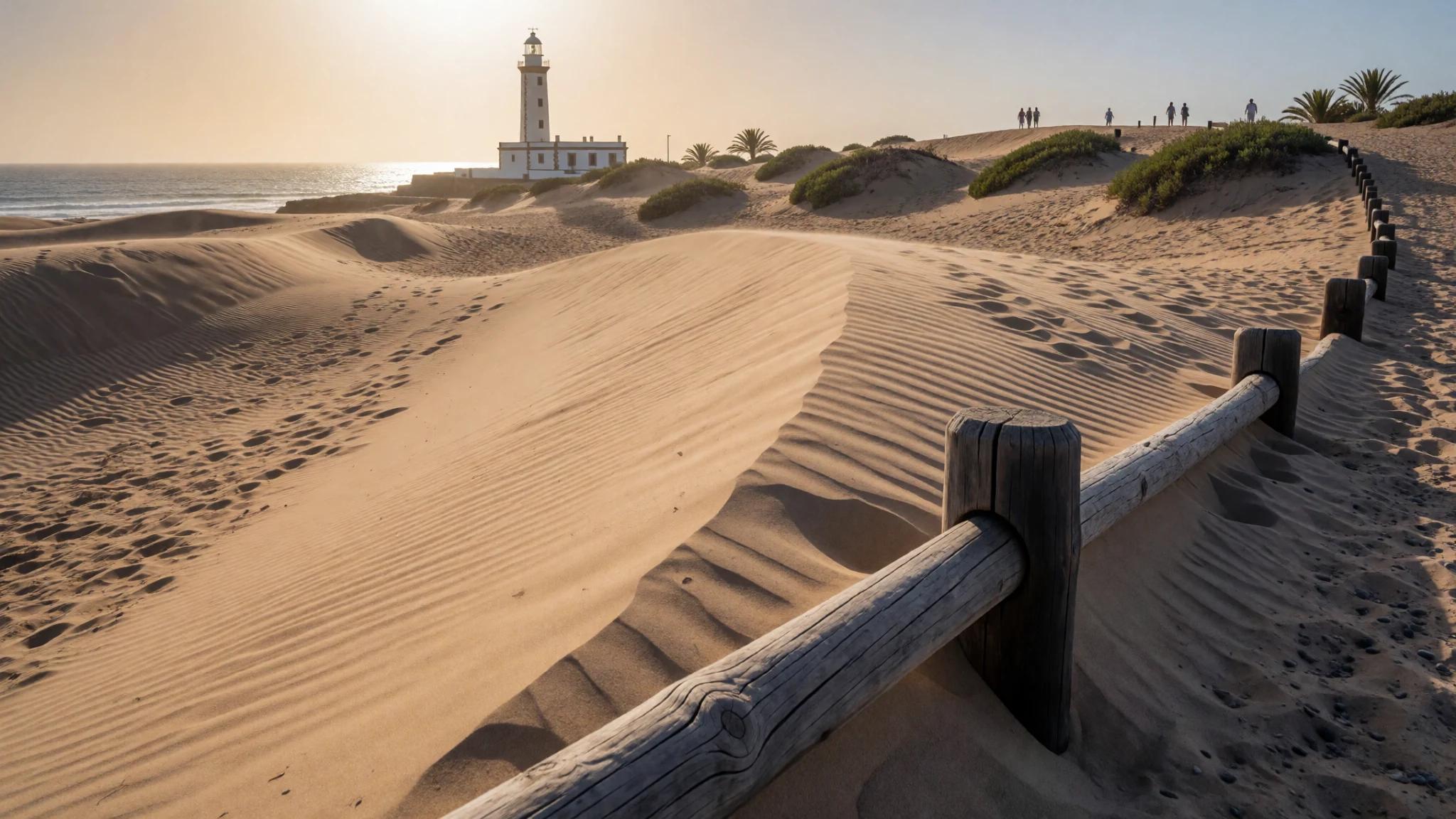
Gran Canaria packs dunes, pine forest, volcanic rock and a big port city into an island round enough to cross in a day.
The place
Gran Canaria sits in the Atlantic, off the coast of north-west Africa rather than anywhere near mainland Spain, yet it belongs to Spain as part of the Canary Islands. About 863,943 people live here, and a large share of them are in Las Palmas de Gran Canaria, the island's capital and biggest city. The island is roughly circular and entirely volcanic, and its highest point reaches 1,956 m. From coast to summit the scenery changes quickly. The south is dry, sunny and warm, with long beaches, dunes and the resort strips most visitors head for. The north is cooler and greener, with farmland, banana terraces and small towns of old stone houses and carved wooden balconies. Between the two, the interior is a tangle of deep ravines, pine forest and rock pinnacles, with a few cave villages still lived in. This variety is why the island is often called a miniature continent, and it explains why two travellers can come home describing entirely different places. Many arrive for winter sun and never leave the south coast. Others hire a car, climb into the mountains and find a walking and cycling island with quiet trails. Crowds gather in the southern resorts and in Las Palmas at weekends; the highlands are emptier but can be cloudy and cold in the morning even when the beach is hot. Visitor numbers run into the millions each year, so booking ahead for winter and school holidays is sensible.
Its story
Gran Canaria began as a volcano. Most of the island's rock was laid down in a long run of eruptions millions of years ago, and wind and rain have since carved the ravines and left hard plugs of rock standing alone, Roque Nublo being the best known. People arrived much later. The Canarii, who came from North Africa, settled the island, lived in caves and stone houses, farmed barley, kept goats and shaped sacred places in the mountains. Their world is still visible in the central and western uplands. European ships began to turn up in the medieval period, and Castile, under Queen Isabella I, completed its conquest in 1483 after years of fighting. A Canarian queen, Abenchara, was captured. Before that, in 1478, the Castilian commander Juan Rejón had founded a camp called Real de Las Palmas, which grew into the capital and became today's Las Palmas de Gran Canaria. The port mattered because it lay on the Atlantic route, and Christopher Columbus stopped here in 1492 on his first voyage to the Americas. In the centuries afterwards, sugar, wine and shipping tied the island to Spain, Portugal and the Americas, and settlers came mostly from Iberia. The airport and the tourist boom of the later twentieth century turned the nearly empty southern coast into a resort region. Today the island carries both inheritances: indigenous heritage in the hills and a Spanish Atlantic port culture in the city.
What to see
- Roque Nublo — Central highlands
A basalt pinnacle in the central highlands, rising from a ridge above pine forest and reached on a moderate footpath from a car park. The figure at its base shows the scale. On clear mornings the view runs across the island to the coast; cloud can close in by midday, so start early and carry a jacket.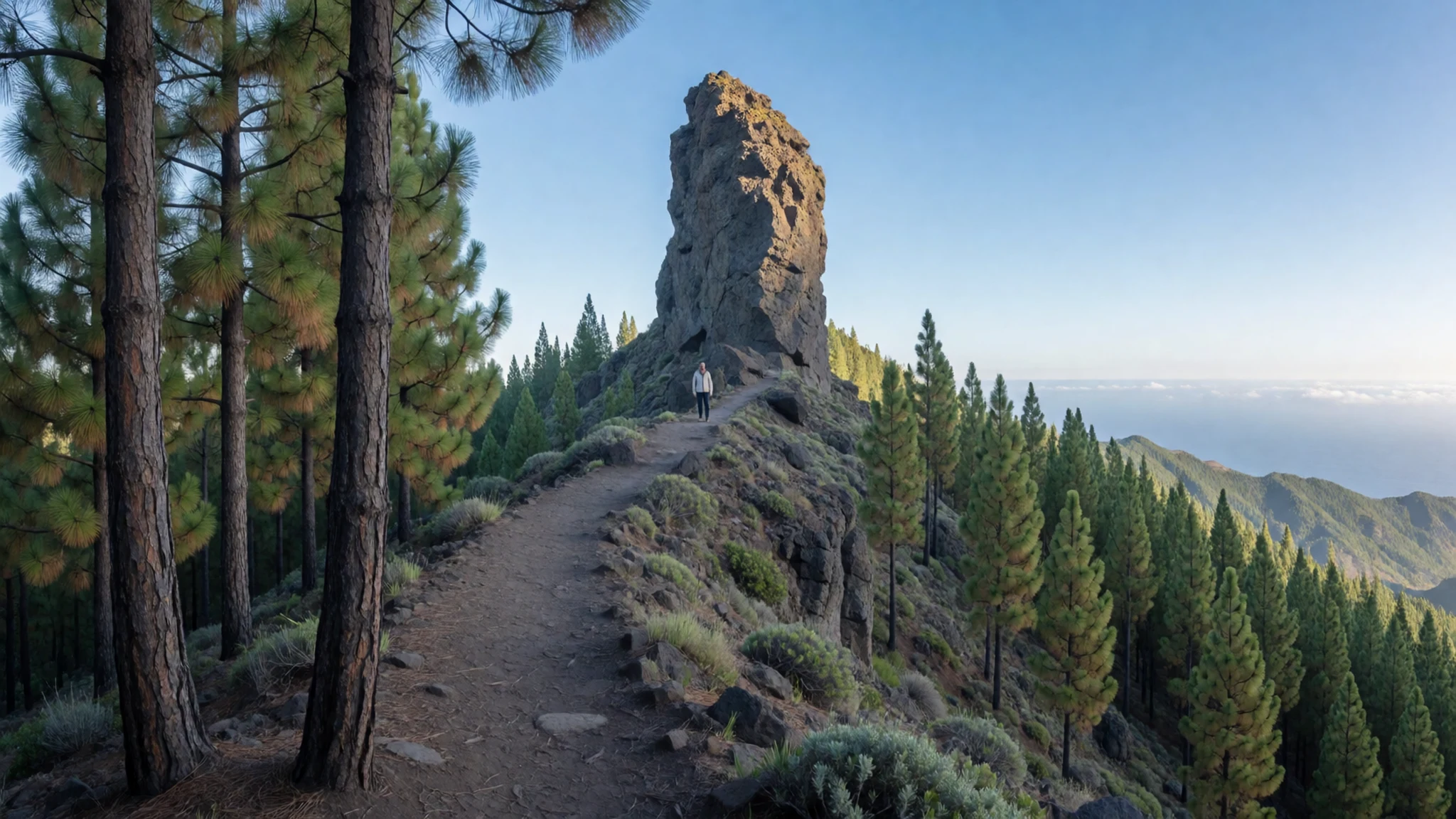
- Maspalomas dunes and lighthouse — Maspalomas, south coast
On the south coast, a field of pale sand dunes lies between Playa del Inglés and the Meloneras end of the resort, with a lighthouse nearby. Walking among the dunes at sunrise is far quieter than at midday. Bring water and a hat, as shade is scarce. Part of the beach is a serviced nudist stretch.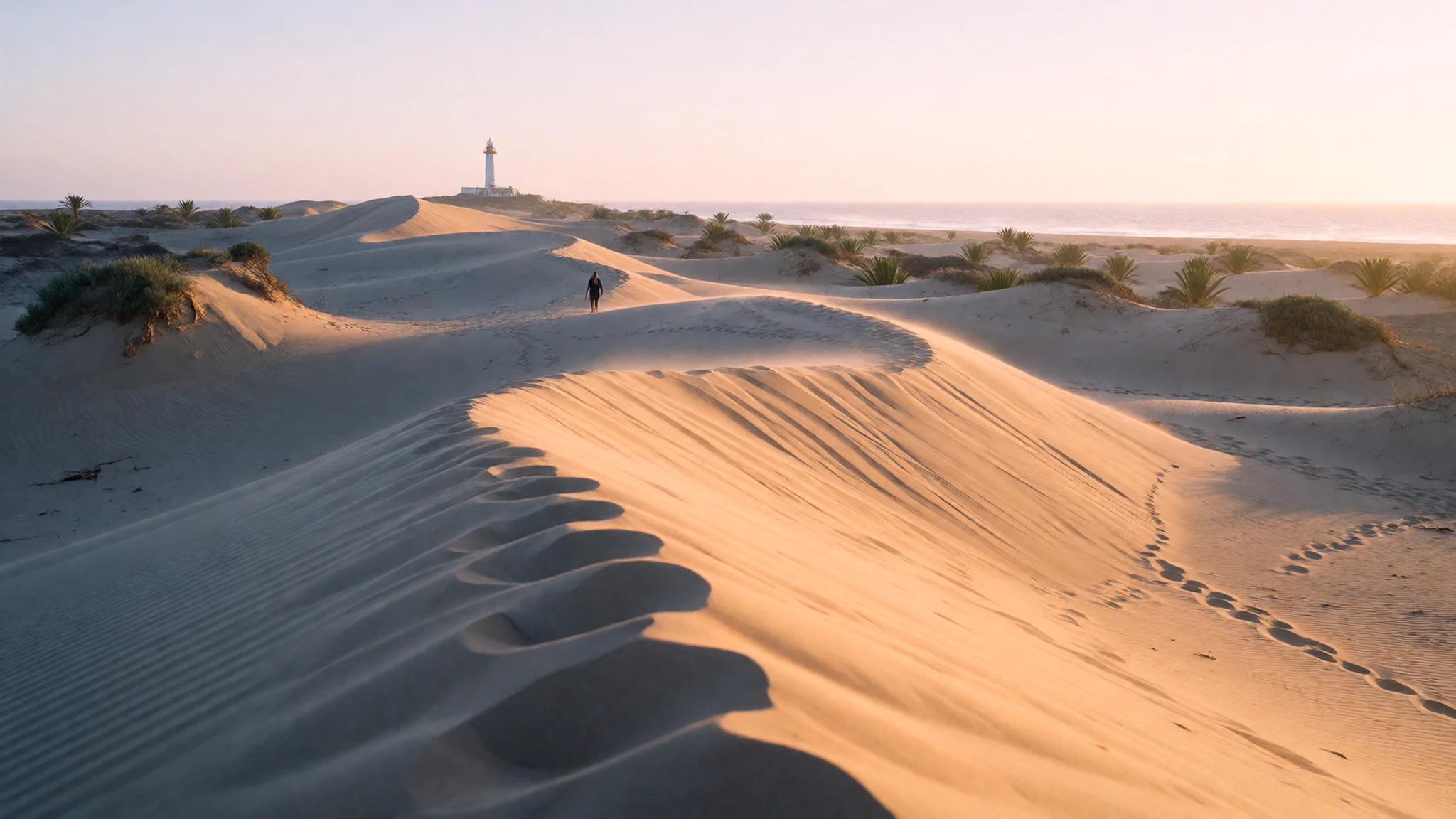
- Teror — North-central hills
A market and pilgrimage town in the cooler, greener north. Its centre holds the church of Nuestra Señora del Pino and streets lined with old houses with carved wooden balconies. A Sunday market draws locals and visitors alike. It makes an easy half-day from Las Palmas by car or bus, and is a good place for cheese and sweets.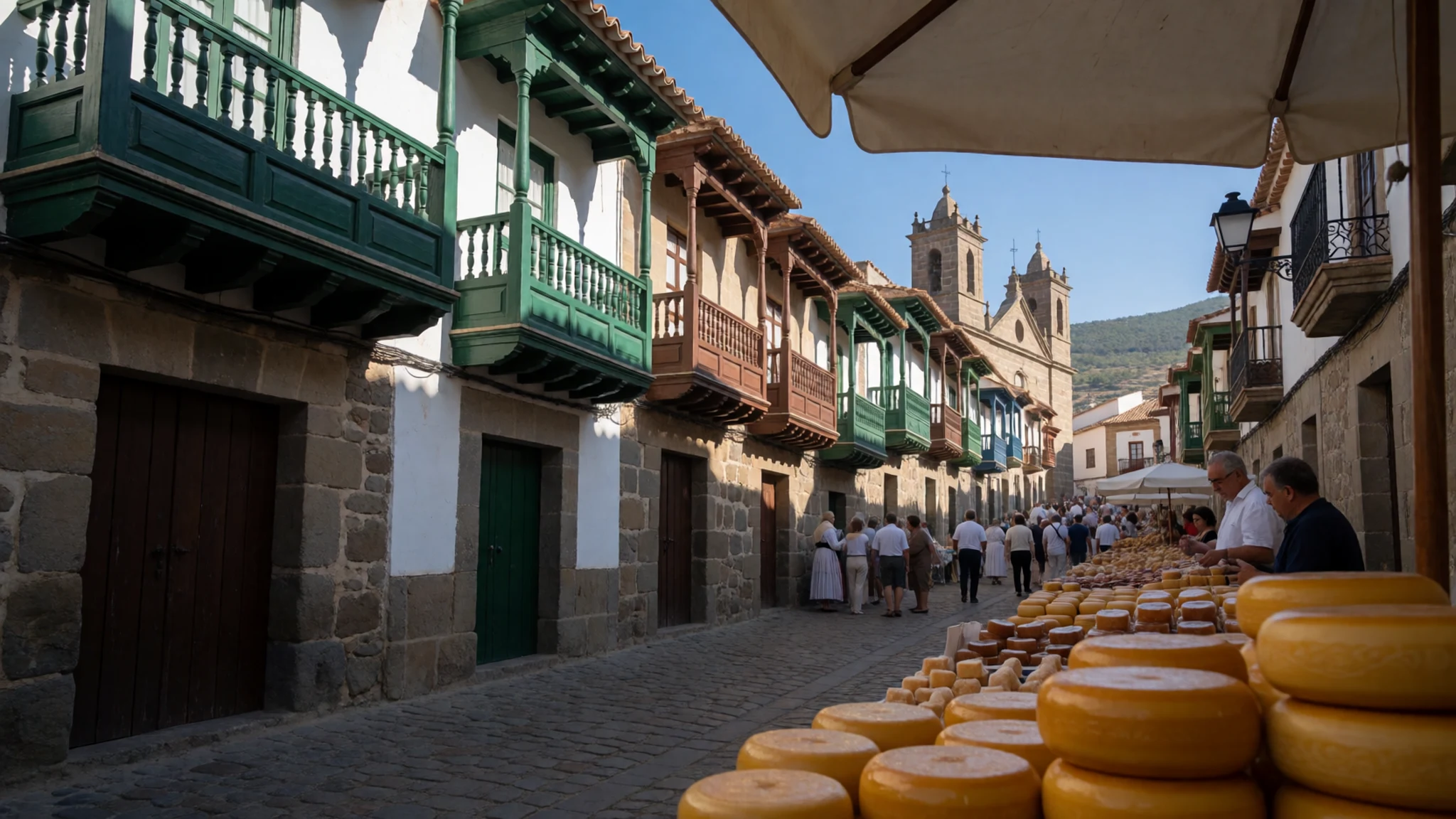
- Puerto de Mogán — South-west coast
A small harbour village on the south-west coast, with whitewashed houses, bougainvillea and a yacht marina. It is calmer than the big resorts and suits a slow lunch of fish by the water and a stroll along the lanes. Coach tours arrive around midday and the quay fills up, so aim for morning or evening.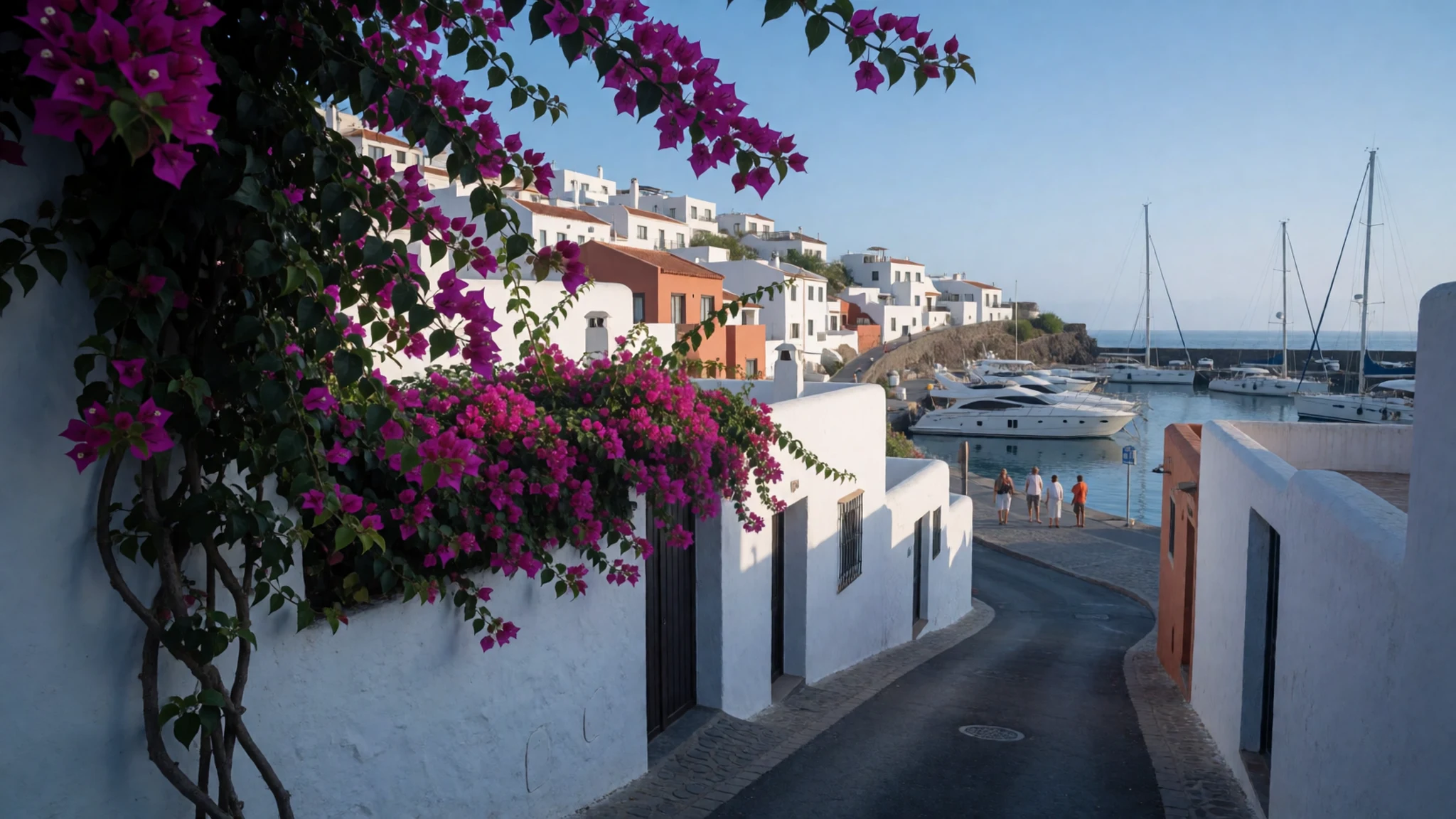
- Agaete — North-west coast
A small town on the north-west coast where the mountains drop steeply to a rocky shoreline. Nearby are a working port and natural sea pools carved into the lava rock. A walk into the green valley behind town shows the farming side of the island. The Atlantic can be rough here, so swim only where locals do.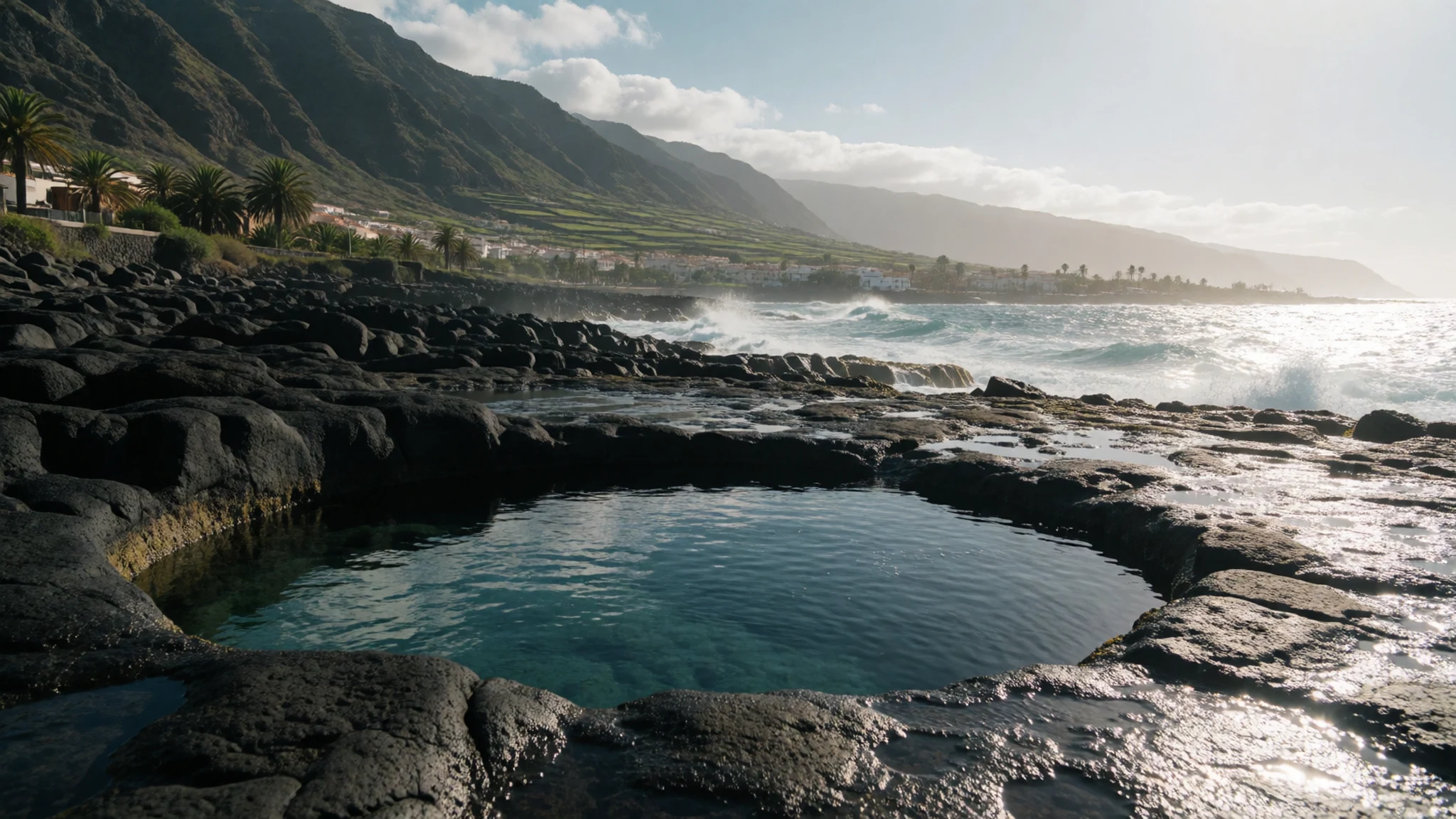
- Risco Caído and the Sacred Mountains — Artenara area and the central uplands
A cultural landscape across the north, west and centre of the island, where the Canarii used caves, rock faces and high ridges for homes, storage and ceremony. The sites are spread out, so a car or guided visit helps. Check the official site before going, as access to some archaeological spots may be limited or need booking.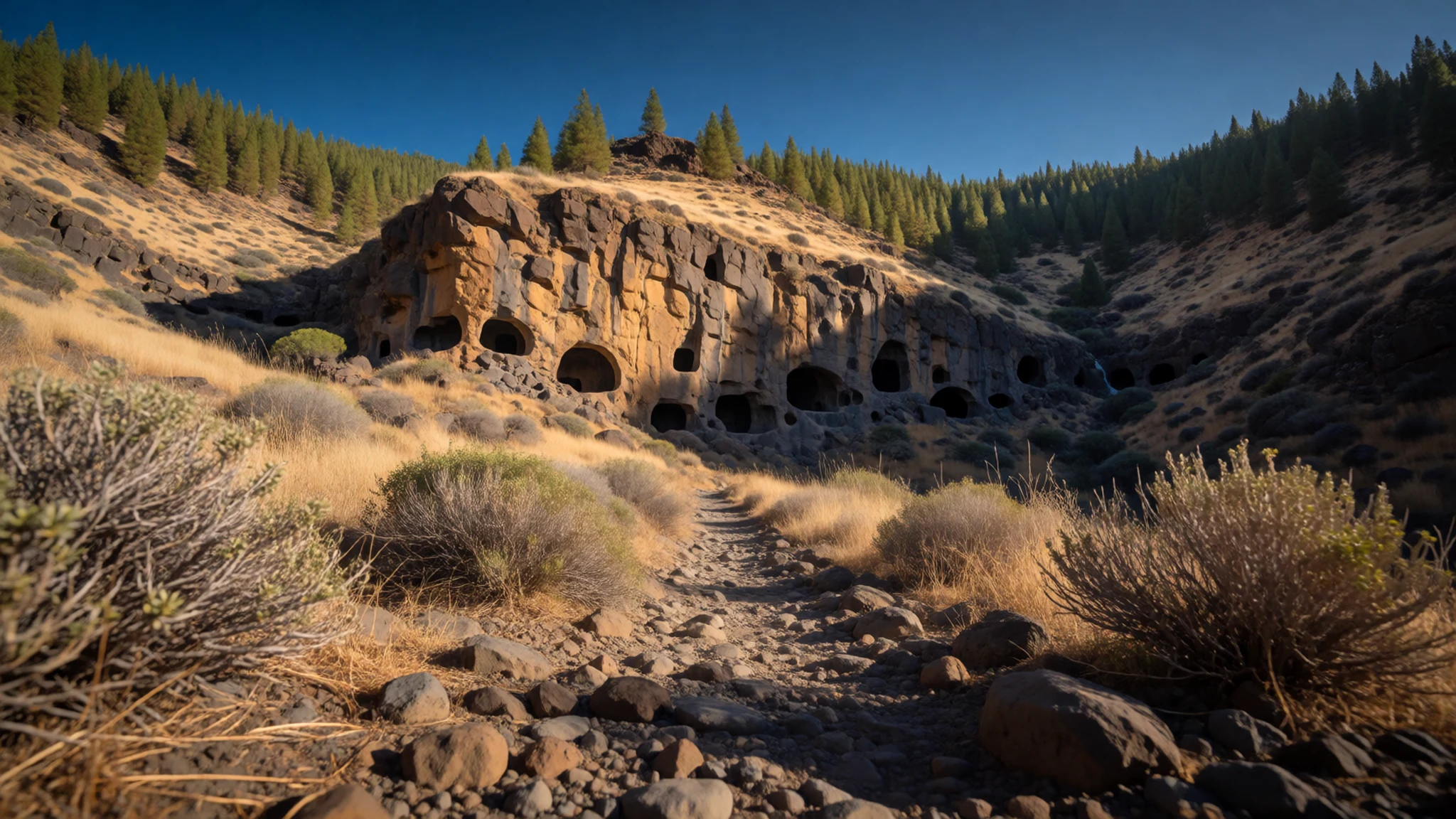
Culture
Gran Canaria's culture is Spanish at its core, shaped by Atlantic trade, Canarian roots and a long habit of welcoming outsiders. Spanish is the everyday language, spoken in a soft island accent that sounds closer to Latin America than to Madrid. Meals are late by British and Indian standards, and lunch is the main event of the day. Evenings in town squares fill with families, especially at weekends. Religion remains visible: in Teror, the church of Nuestra Señora del Pino draws pilgrims, and village fiestas mix mass, music and processions with food and dancing. Folk music uses the timple, a small, high-pitched stringed instrument, and Canarian wrestling, lucha canaria, is still a local sport, held in sand rings. Before the Spanish conquest, the Canarii left cave dwellings and carved rock sites, and pride in that heritage is strong in the central hills. Tourism means English and German are common in the resorts, but a few words of Spanish go a long way in smaller towns. The afternoon pause still affects some small shops and village eateries, so plan errands for the morning. In churches, speak quietly, cover bare shoulders, and do not photograph worshippers during mass or a procession without asking first.
What to wear
Traditional Gran Canarian dress, the traje típico, is worn today mainly at fiestas, folk festivals and pilgrimages. Women wear a full skirt, a white blouse, an apron, a shawl or kerchief and often a wide straw hat; men wear a white shirt, waistcoat, dark trousers, a sash and a hat or cap. Fabrics are cotton, linen and wool, and the island is known for calado, a drawn-thread embroidery used on collars, cloths and blouses, alongside palm-leaf and straw weaving for hats and baskets. Day to day, islanders dress casually and neatly: linen shirts, light trousers, trainers, and a jumper or jacket in the cooler north and highlands. Las Palmas leans smart-casual for restaurants, while resort areas are all shorts and beachwear. For visitors, the key word is layers. The south is warm and sunny, but wind picks up on the coast and the mountains can be chilly and damp, especially in the morning. Pack a sun hat, sunglasses, strong sunscreen, a light waterproof and a fleece for hiking. Sturdy closed shoes or trail shoes are better than sandals on rocky paths and loose volcanic gravel. Beachwear belongs on the beach; in towns and churches, cover shoulders and knees. Nudity is accepted on the designated stretch near Maspalomas but not elsewhere.
What to eat
- Papas arrugadas con mojo — Any traditional eatery or tapas bar, north or south
Small potatoes boiled in heavily salted water until the skins wrinkle, then served with mojo, a garlicky sauce that is either red and spicy or green with coriander. It is the island's default side dish and a good first order.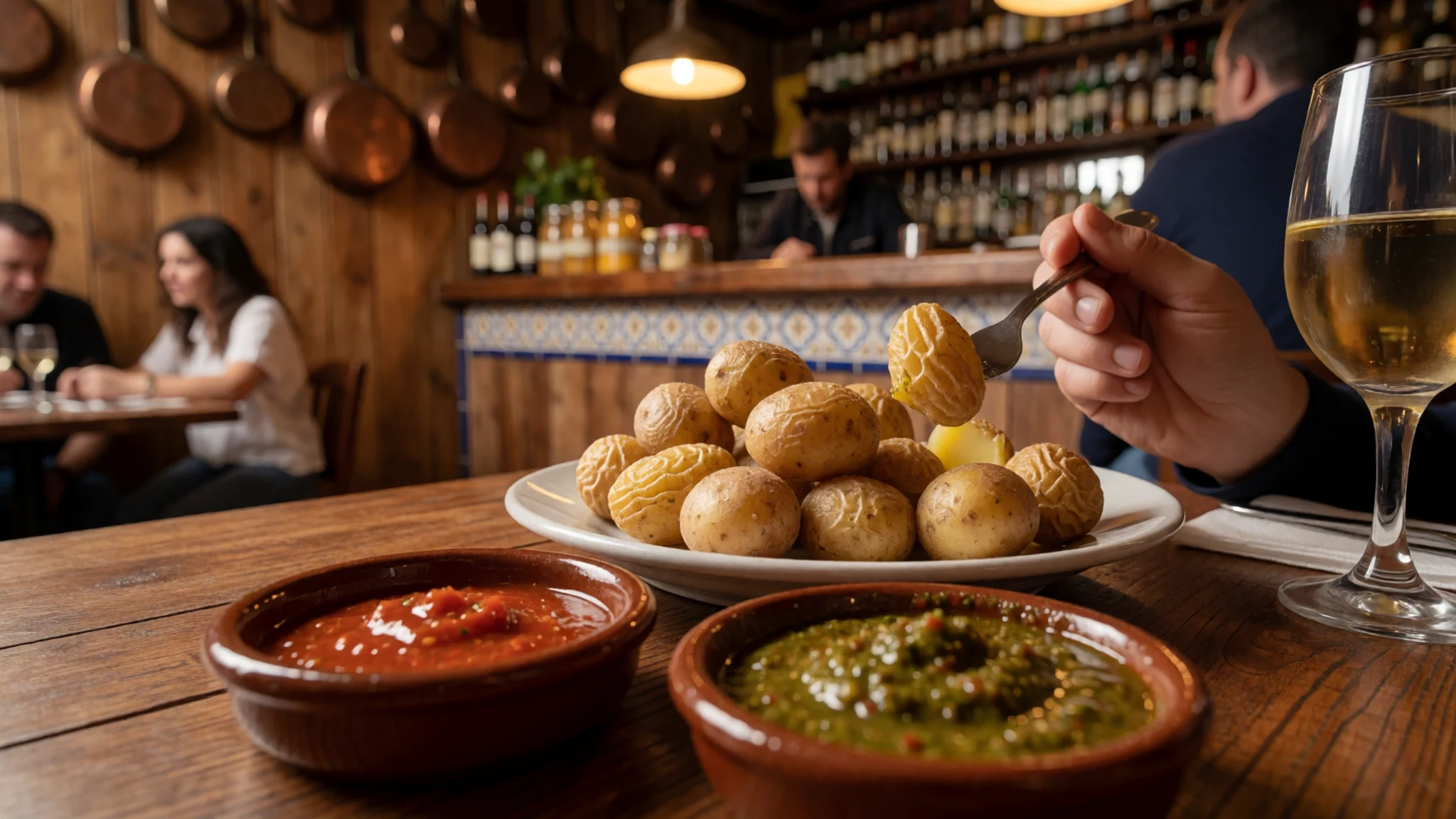
- Gofio — Village eateries, local markets and supermarkets across the island
Gofio is toasted grain flour, an old staple of the Canarii that is still eaten. It turns up stirred into soups, kneaded into a dough, or mixed with milk or honey at breakfast. The taste is nutty and slightly sweet, quite unlike wheat flour.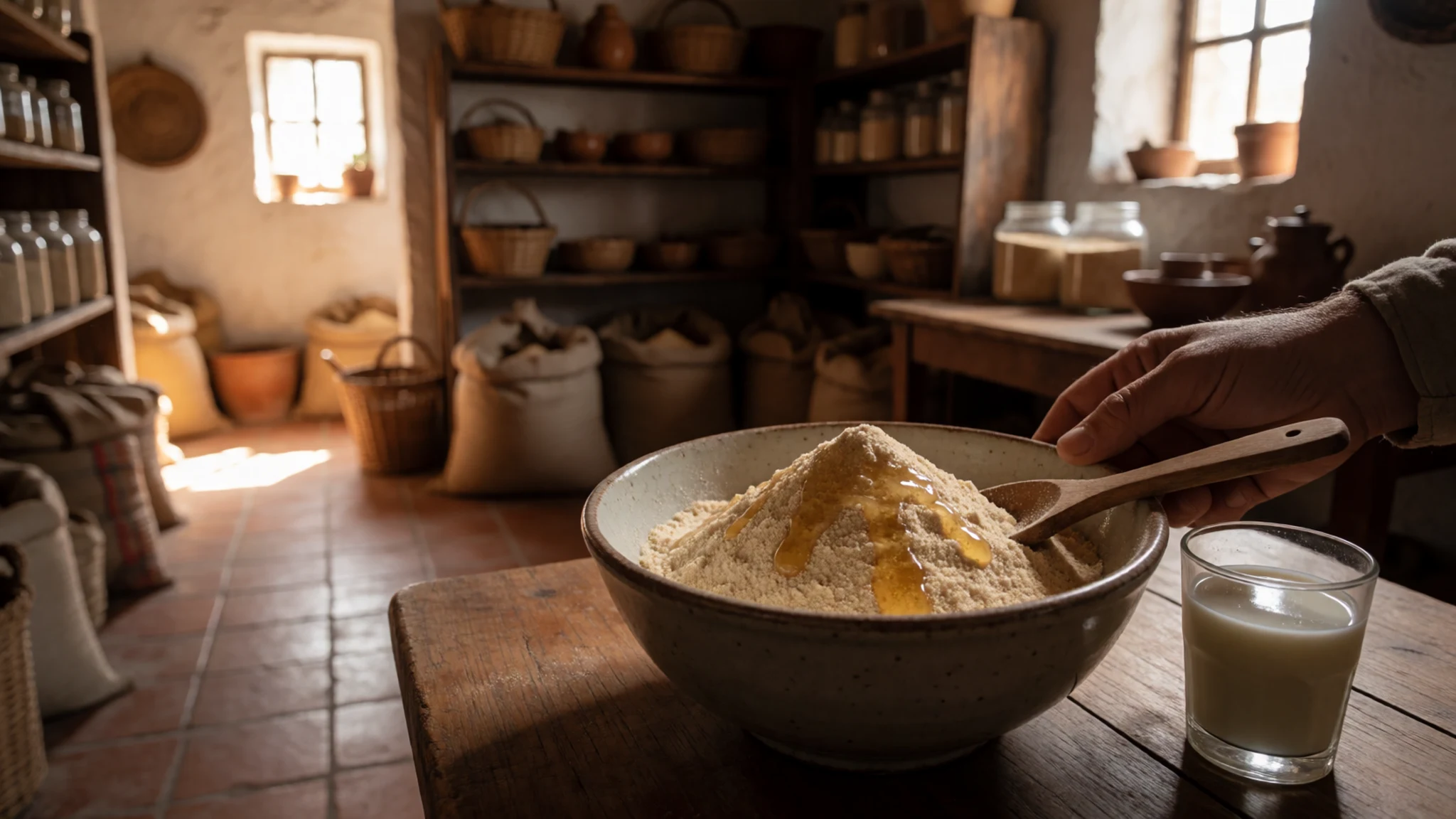
- Grilled fresh fish — Harbour eateries in Puerto de Mogán and along the seafront by Las Canteras beach in Las Palmas
Fish landed locally is usually grilled whole or filleted with olive oil, lemon and sea salt, and served with wrinkled potatoes. Ask what came in that morning rather than ordering by name. Squid rings and octopus dressed with vinegar also appear on most menus. - Canarian cheese — Teror, highland villages, farm shops and weekend markets
Island cheese is made from goat's, sheep's or cow's milk and sold fresh, semi-cured or cured. It is often grilled and served with mojo or fig jam. A slice with local wine makes a simple lunch after a mountain walk. - Bienmesabe — Bakeries and dessert counters in highland towns such as Teror and Valsequillo
A thick, sweet cream of ground almonds, egg yolk, honey and lemon, spooned over sponge or ice cream. Almond trees bloom in the hills in January and February, and almonds feature in many local sweets sold in village bakeries.
Plan it
Best time. February–April and October–November give warm, mostly settled days on the coast and workable walking weather in the hills; January and February add almond blossom around Valsequillo. The south is warmer and sunnier than the cooler north all year, and midsummer brings heat and holiday crowds.
How long. 4–6
Getting there. Gran Canaria Airport on the east coast has regular flights from the UK and connections from India through European hubs; check airlines for routes. From the airport, buses and taxis reach Las Palmas and the southern resorts, and a hire car is the easiest way into the mountains. Ferries and short flights link the neighbouring islands, so check the operators' sites.
Budget. mid
Tips
- Hire a car for the mountains and the north; public buses reach the interior slowly
- Check the forecast for the highlands separately from the coast, as the summit area can be cloudy and cold when the beach is clear
- Carry water, a hat and sun protection on every walk, even on cool days
- Keep valuables off the beach and out of sight; watch for pickpockets in busy southern areas and take care around Las Palmas harbour at night
- Cards are widely accepted in towns, but carry some cash for village markets and small eateries
Etiquette
- Greet shopkeepers and waiters with a quick 'buenos días' or 'buenas tardes'
- Politely decline street vendors who try to tie bracelets on your wrist
- Stay on marked paths in the dunes and mountains, and take litter with you
Nearby
Sources
- Wikidata Q178925 (CC0)
- Wikipedia: Gran Canaria (rev 1379913692) (CC BY-SA 4.0)
- Wikivoyage: Gran Canaria (rev 5402984) (CC BY-SA 4.0)
- Photo: Gran Canaria wildfire, European Space Agency (CC BY-SA 2.0)
- Photo: Topographic map of Gran Canaria, Cartografiagrancanaria (CC BY 3.0)
- Photo: GC-1 bridge over Barranco de Tauro, Gerd Fahrenhorst (CC BY 4.0)
- Photo: Gran Canaria Airport, kallerna (CC BY-SA 4.0)
- Photo: Agaete, Gran Canaria, Bengt Nyman (CC BY 2.5)
- Photo: Puerto de Mogán, Bengt Nyman (CC BY-SA 4.0)
- Photo: Lighthouse at Maspalomas, Wouter Hagens (Public domain)
- Photo: Roque Nublo, MiljenkoSuljic (CC BY-SA 4.0)


