Goiânia
Goiânia, Brazil
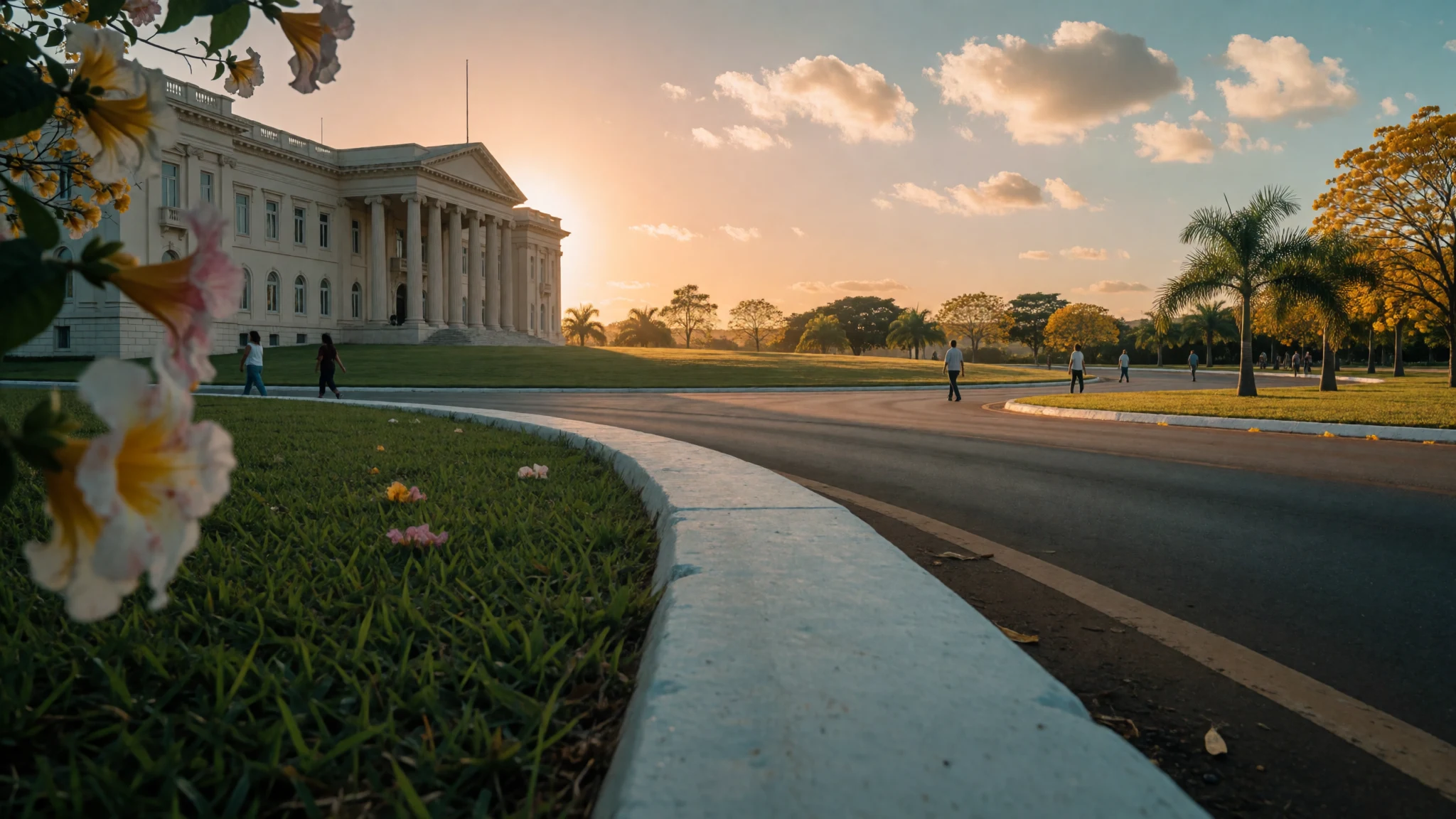
Goiânia is a planned Brazilian capital in the interior: parks, civic squares and small museums, with a food and music scene that feels local rather than touristy.
The place
Goiânia is the capital of Goiás state, in the interior of Brazil, standing at an elevation of 749 m on a plateau with few hills. About 1.5 million people live in the municipality, and the wider metropolitan area is considerably bigger. The city was founded in 1933 as a planned capital, and the origin still shows. The centre is organised around civic squares and broad avenues rather than the tangled lanes of a colonial town. Brasília, the national capital, is a few hours away by road, and the two are often paired on one trip, though they feel quite different.
Goiânia is not a city of famous monuments. Its interest lies in being a working regional capital. Agriculture, medicine, fashion and government keep it busy, and the pavements fill with students, farming families and civil servants. The Meia Ponte River and a few small streams cross the flat ground, and parks such as Vaca Brava give residents shade and water in the evenings.
The climate is tropical, with two clear seasons. The wet season runs from October to April, with warm, heavy afternoons and storms. The dry season, from May to September, brings clear skies, cooler mornings and a lot of dust. Few foreign visitors come this way, so prices, manners and menus are shaped by local life. Taxis and ride-hailing cars make getting around easy, and the museums, squares and eating districts sit close enough to link in a day or two.
Its story
Goiânia exists because the state of Goiás wanted a different capital. The old seat, now known as the City of Goiás, grew up in the gold era, when miners and officials needed a base near the diggings. As gold faded and cattle and farming took over the state's economy, that hill town came to seem remote from the places where the money was made.
Proposals to move the capital surfaced again and again over the centuries. Several state constitutions even endorsed the idea, yet nothing was built. The change came with Pedro Ludovico, who became governor after a national change of government and had the political will to carry it through. A commission was set up to choose a site and settled on land in the municipality of Campinas. Its mayor, Andrelino Rodrigues de Moraes, handed over part of his own land for the project.
The new city was founded in 1933 and given the name Goiânia. Ludovico is remembered as its founder: his house is now a museum, and his name is on the central square. Settlers arrived from across the state and beyond, drawn by work in building, trade and administration, and the city spread quickly over the flat plateau.
Today the deliberate layout of the old core is the clearest reminder that this capital was drawn on paper before anyone lived in it. Its civic squares and the government buildings around them were part of that first plan, not later additions.
What to see
- Praça Pedro Ludovico — City centre
This large roundabout sits at the very centre of Goiânia and works as its civic heart. The governor's palace and the State Legislature stand around it, alongside a monument to the pioneers of Goiás. It is the best place to see the planned layout, and quiet enough early on a dry-season morning.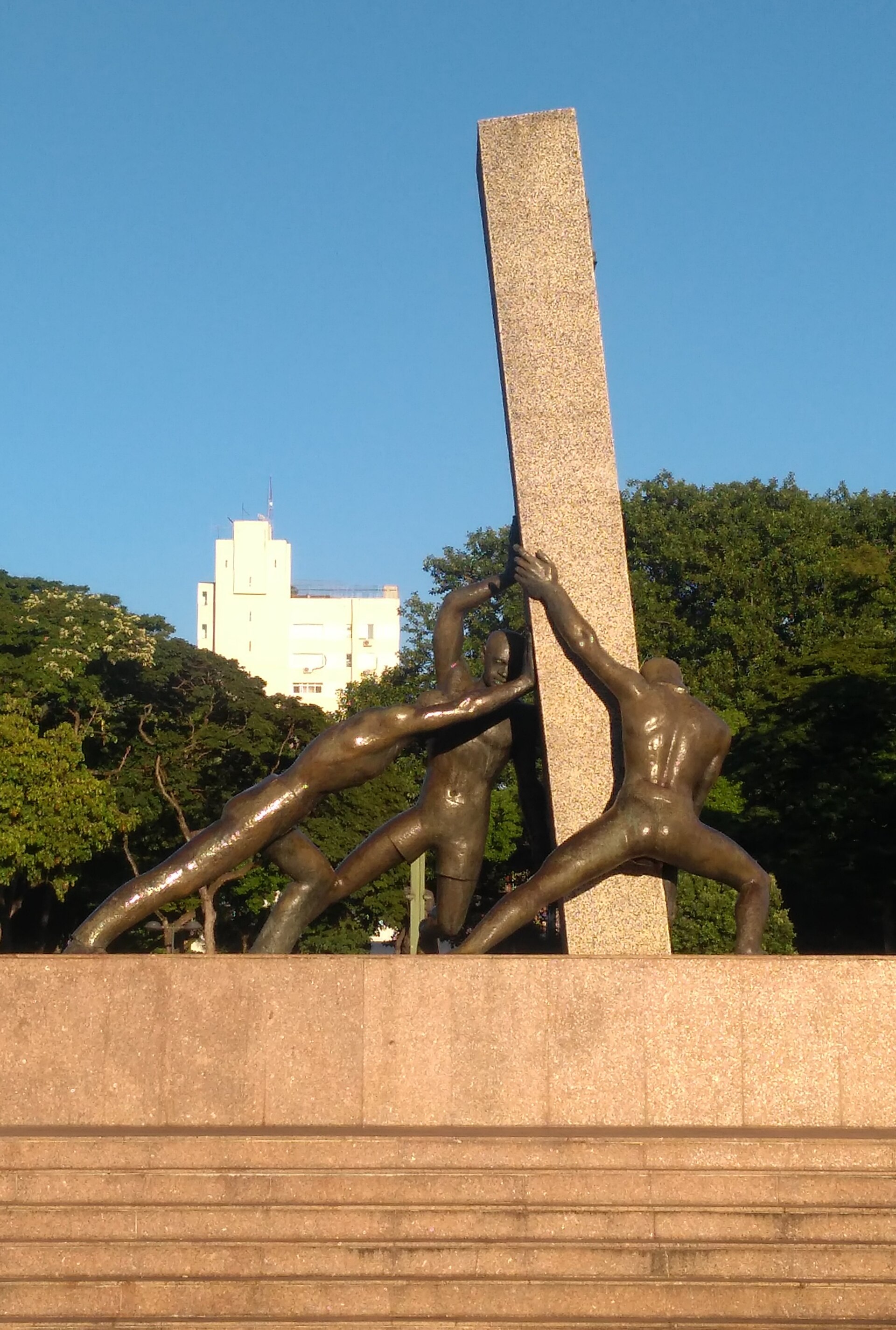
- Museu Pedro Ludovico Teixeira — City centre
This museum occupies the former home of the city's founder. It keeps his furniture and personal belongings, and even the truck he used. Rooms like these show how the first residents lived and how modestly a new capital began. It is small, so it suits a short visit between other stops in the centre. - Instituto Histórico e Geográfico de Goiás — City centre
The institute holds a collection of historical documents, some dating from the Portuguese colonial period. The highlight is a set of original letters written by Princess Isabel to her father, Emperor Dom Pedro II. It is a place for readers and history enthusiasts, and opening arrangements are best checked locally. - Museu Estadual Professor Zoroastro Artiaga — City centre
The state museum gathers papers and records on the history of Goiás and Brazil, including documents signed by Dom Pedro I and Marechal Deodoro da Fonseca. It gives useful background on how the state moved from gold to cattle and farming, and why its capital was relocated. Check the official city website before going. - Praça Universitária — Setor Universitário, northeast of the centre
This square is described locally as an outdoor museum, and it rewards a slow walk. Students, joggers and families share it in the late afternoon, once the heat eases. It is a good way to see everyday Goiânia, away from the government buildings, and to get a feel for the neighbourhood's university life.
Culture
Goiânia's culture is that of Brazil's farming interior, and people here call themselves goianos. The city grew with cattle, crops and trade, and rural habits still colour urban life: sertanejo country music on the radio, rodeo and livestock fairs, and church festivals with fireworks, bonfires and dancing in the June festas juninas. Catholic and evangelical churches are both common, and Sunday lunch with family remains the main weekly ritual.
Being a planned capital, Goiânia also has a civic side. Public squares, state museums and monuments to the founders reflect a city proud of having been built on purpose in 1933. Cultural venues, including the Oscar Niemeyer Cultural Centre, host exhibitions and performances, and university areas such as Setor Universitário give the evenings a youthful feel.
Football is followed closely, and conversation in bars often turns to local clubs. People are generally warm and curious about visitors, especially those who try a few words of Portuguese. A greeting matters more than it might elsewhere: shops, lifts and waiting rooms usually start with a polite 'bom dia' or 'boa tarde'. Service can feel unhurried, and meals are social occasions that run long.
In Goiânia, greet staff and shopkeepers with a friendly 'bom dia' before asking for anything, and ask permission before photographing people.
What to wear
Goiânia has no single regional costume, but the farming culture of Goiás has its own look. Rural dress means wide-brimmed hats, leather boots, belts with large buckles, cotton shirts and denim, worn at rodeos, country-music shows and livestock fairs. During the June festas juninas, people dress up in the country style: checked shirts, patched clothes and straw hats for men, and dresses in chita, a bright printed cotton, for women.
Everyday wear in the city is casual and light. Jeans, cotton T-shirts, sundresses, shorts and trainers are normal, and many residents dress with care for evenings out. The city has a clothing trade of its own, and fashion is among its strategic industries, so shops and wholesale districts are well stocked and style-conscious. Western boots and hats appear mainly at country events rather than on the street.
Visitors should plan for a warm tropical climate. Light, breathable cotton or linen works year-round, with a sun hat and sunscreen for the dry season, when skies are clear. A thin rain jacket or umbrella is useful from October to April. Dry-season mornings can feel cool, and shopping centres and restaurants are often heavily air-conditioned, so carry a light layer. Comfortable closed shoes suit paved streets and park paths. For churches, cover shoulders and avoid beachwear.
What to eat
- Arroz com pequi e frango — Restaurants serving regional Goiás cooking
Rice and chicken cooked with pequi, a pungent fruit loved across Goiás. The flavour is strong and buttery. Eat it carefully, because the stone inside is covered in fine spines and is meant to be nibbled around rather than bitten. - Galinhada — Family restaurants and Sunday lunch spots
A one-pot dish of chicken cooked with rice, often coloured yellow with turmeric and served with hot sauce on the side. It is a staple of home cooking in the interior and a comforting introduction to local flavours. - Empadão goiano — Bakeries and cafés
A rich, deep pie with a crumbly pastry crust, filled with a mix that traditionally includes chicken, pork sausage and local ingredients. It is sold by the slice in bakeries and cafés and makes a filling snack or light lunch. - Pamonha — Street stalls and markets
Fresh corn paste steamed inside corn husks, eaten sweet or savoury, sometimes filled with cheese. It is a popular street snack across the interior, often sold from stalls or from vendors with carts. - Churrasco and buffet by weight — Grill restaurants and lunch buffets in the centre
Grilled meat is central to the local diet, served at grill restaurants and in weekday self-service buffets where the plate is weighed. Both are practical ways for visitors to sample many dishes without fuss.
Plan it
Best time. May to September is the dry season, with clear skies and cooler mornings, so it is the easiest time for walking the squares and parks. October to April is the wet season, with warm, humid days and heavy afternoon storms.
How long. 2
Getting there. Goiânia's airport has direct flights from São Paulo and many connections through São Paulo or Brasília; taxis and ride-hailing cars run from the airport to the centre. The main bus station is at Praça do Trabalhador, on the northern side of the city, and Brasília is about three hours away by bus.
Budget. mid
Tips
- Visit squares and parks in the morning or late afternoon; midday sun is strong
- Carry a rain jacket from October to April, when storms arrive in the afternoon
- Check opening arrangements for museums with the official city website (http://www.goiania.go.gov.br) or locally before going
- Use taxis or ride-hailing cars in the evenings, and keep phones and valuables out of sight, as in any large Brazilian city
- Carry some cash for street snacks, though cards are widely accepted in restaurants and shops
Etiquette
- Say 'bom dia' or 'boa tarde' when entering shops, lifts and waiting rooms
- Ask before photographing people, especially at church events and markets
- Cover shoulders and knees when entering a church
Nearby
Sources
- Wikidata Q83189 (CC0)
- Wikipedia: Goiânia (rev 1378797196) (CC BY-SA 4.0)
- Wikivoyage: Goiânia (rev 5402885) (CC BY-SA 4.0)
- Foto de Goiânia- Jardim América em 2022 — Boaventuravinicius (CC BY-SA 4.0)
- Praça Cívica (Goiânia) — Eugenio Hansen, OFS (CC BY-SA 4.0)
- Antiga Estação Ferroviária (Goiânia, Brasil) — Eugenio Hansen, OFS (CC BY-SA 4.0)
- Goiania by-night — Myosotismail (CC BY-SA 2.5)
- Tarde no Parque Vaca Brava — Boaventuravinicius (CC BY 3.0)
- Oscar Niemeyer Cultural Center, Goiânia — Adelano Lázaro (Public domain)
- Goiânia skyline from the air, Zoo in the foreground — Dasneviano (Public domain)
- Goiânia, Brasil — Guilherme Morais (CC BY 2.5)


