Glen Coe
Glen Coe, United Kingdom
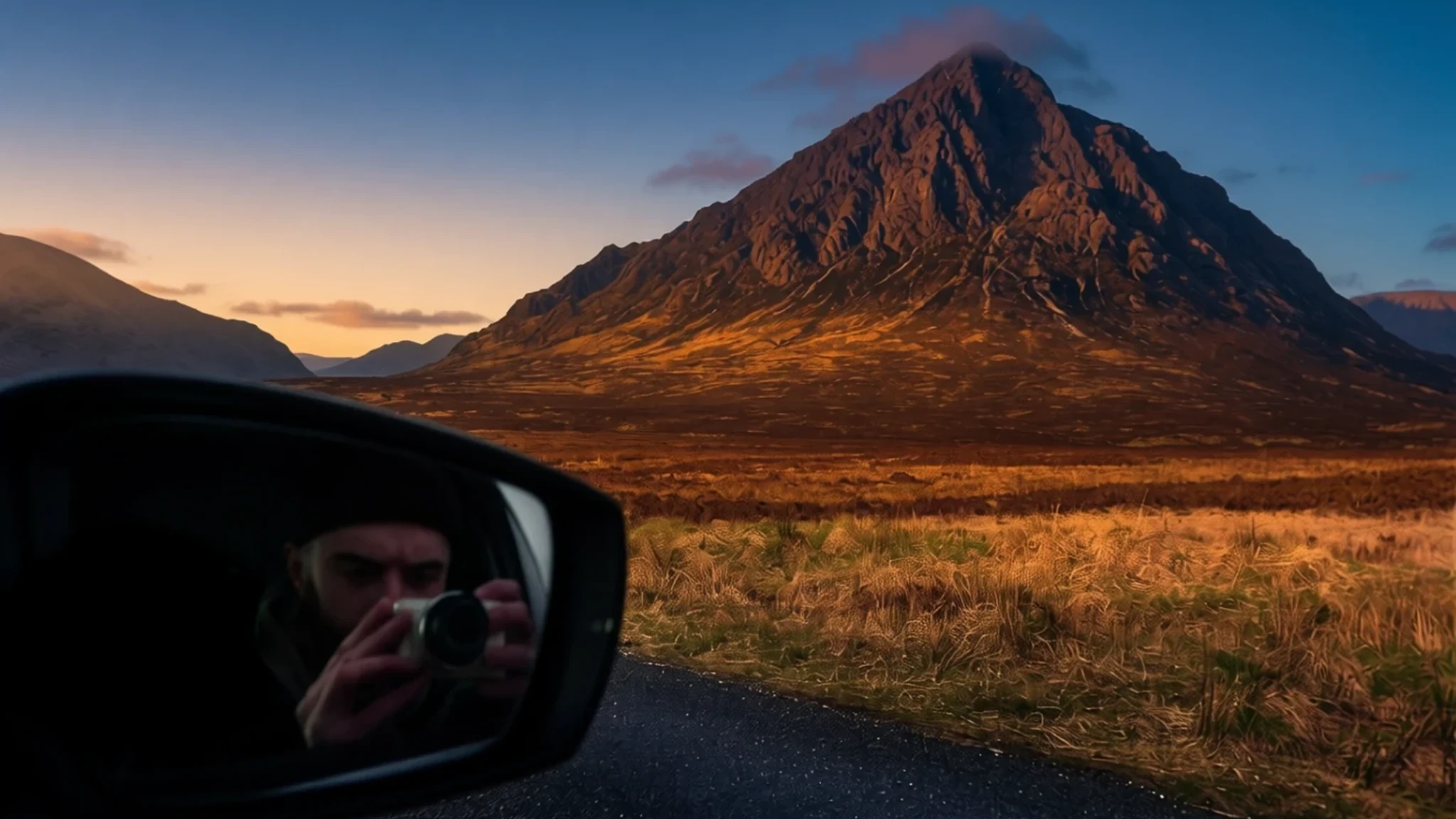
Glen Coe offers soaring, dramatic highland peaks, deep glacial valleys, and a powerful sense of ancient Scottish mountain heritage.
The place
Glen Coe cuts through volcanic formations in the Scottish Highlands, displaying remarkable geological features born from ancient activity. Characterised by towering slopes and sudden transformations from high mountain passes down to lightly wooded straths, the valley forms a magnificent natural corridor followed by the main trunk road. The surrounding terrain represents the core of Scottish mountaineering tradition, drawing outdoor enthusiasts who traverse its craggy ridges and high-altitude corries. Rivers weave through the valley floor, carrying waters past traditional settlements and historical township remains that speak of centuries past. Weather patterns across the peaks change swiftly, casting dramatic shadows and shifting mists across the rocky faces. Travellers approaching from southern valleys encounter an abrupt transition into wild, empty highlands where human scale shrinks against towering walls of stone. Visitors find an landscape that remains resolutely rugged, where modern infrastructure touches lightly upon ancient earth. Whether viewed from the winding tarmac of the roadway or from high ridgelines above, the geography commands respect and quiet contemplation from all who pass through the area.
Its story
Glen Coe holds a profound place in Scottish history due to events that unfolded during the turbulent era following political shifts in the realm. Government forces were quartered within local community dwellings before an orchestrated assault shattered traditional highland hospitality. Nearly two centuries later, a single memorial cross was raised to remember those from the local clan who perished during the winter violence. Beyond this tragic episode, the valley preserves physical traces of older domestic and industrial patterns through archaeological remains found across the lower slopes. Teams of researchers and university field schools have uncovered old turf structures, charcoal production platforms, and traditional highland shelters that illustrate how ancestors navigated a challenging climate. These investigations reveal a landscape once heavily utilised for seasonal cattle grazing and upland living before clearances and economic changes transformed the region. Walking through these historic zones reveals stone foundations half-reclaimed by heather and bracken, connecting modern visitors directly with the resilient communities who once called these remote glens their permanent home.
What to see
- Glencoe Museum — Glencoe Village
Glencoe Museum occupies a traditional thatched cottage and is closed for redevelopment, with its heritage exhibits on local history, clan histories, regional mineral extraction, and the winter tragedy expected to reopen in summer 2027. Once it reopens, visitors will be able to examine artefacts left behind by early residents, understand the architecture of historic highland dwellings, and explore stories linked to the valley communities and families.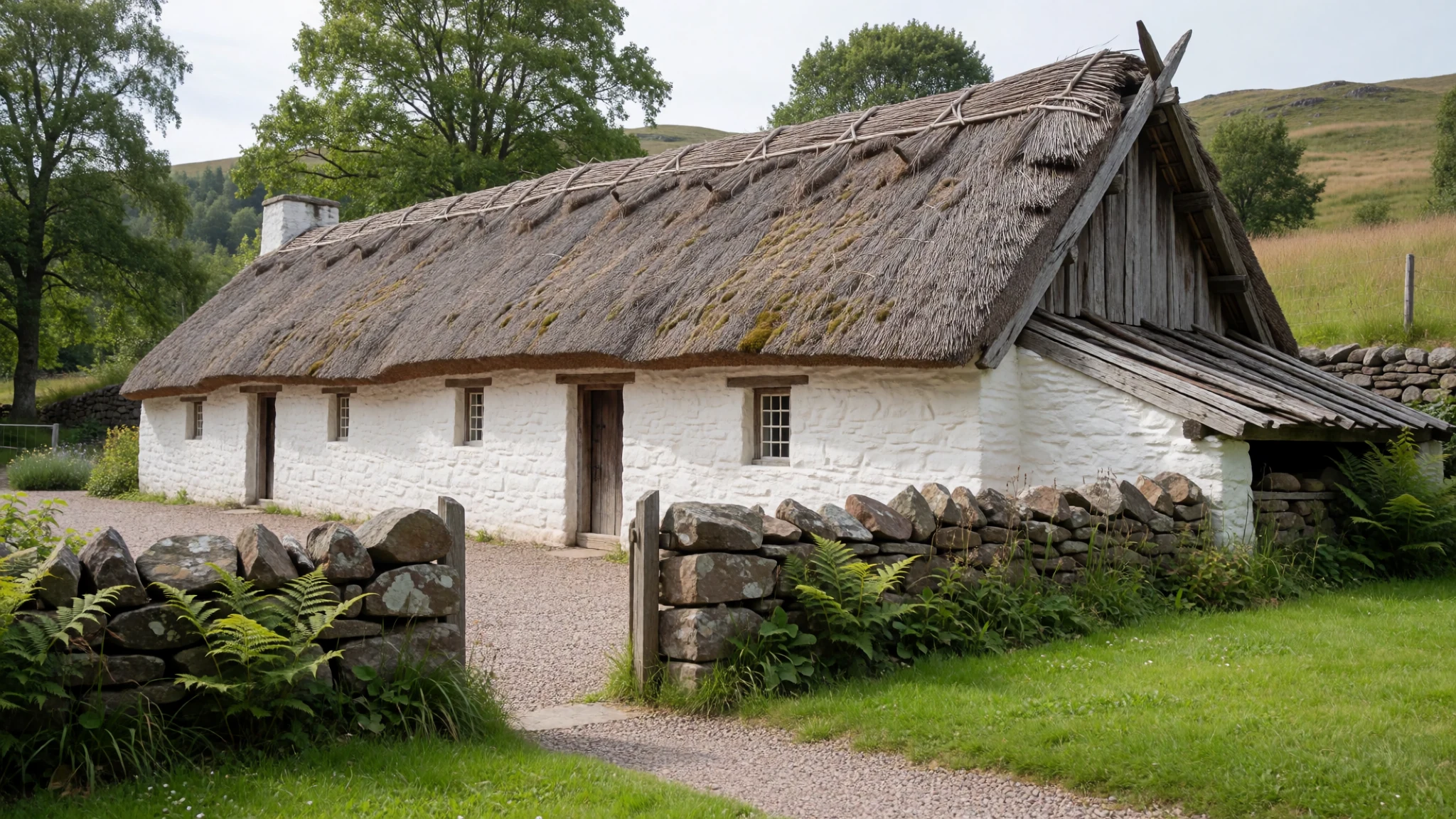
- National Trust Visitor Centre — Glen Coe
The National Trust Visitor Centre serves as the primary starting point for travellers entering the valley, offering detailed exhibitions explaining the complex volcanic origins and human history of the region. Friendly staff provide current safety advice for hillwalkers, outline daily guided walks through the glen, and display environmental conservation efforts protecting local flora and fauna.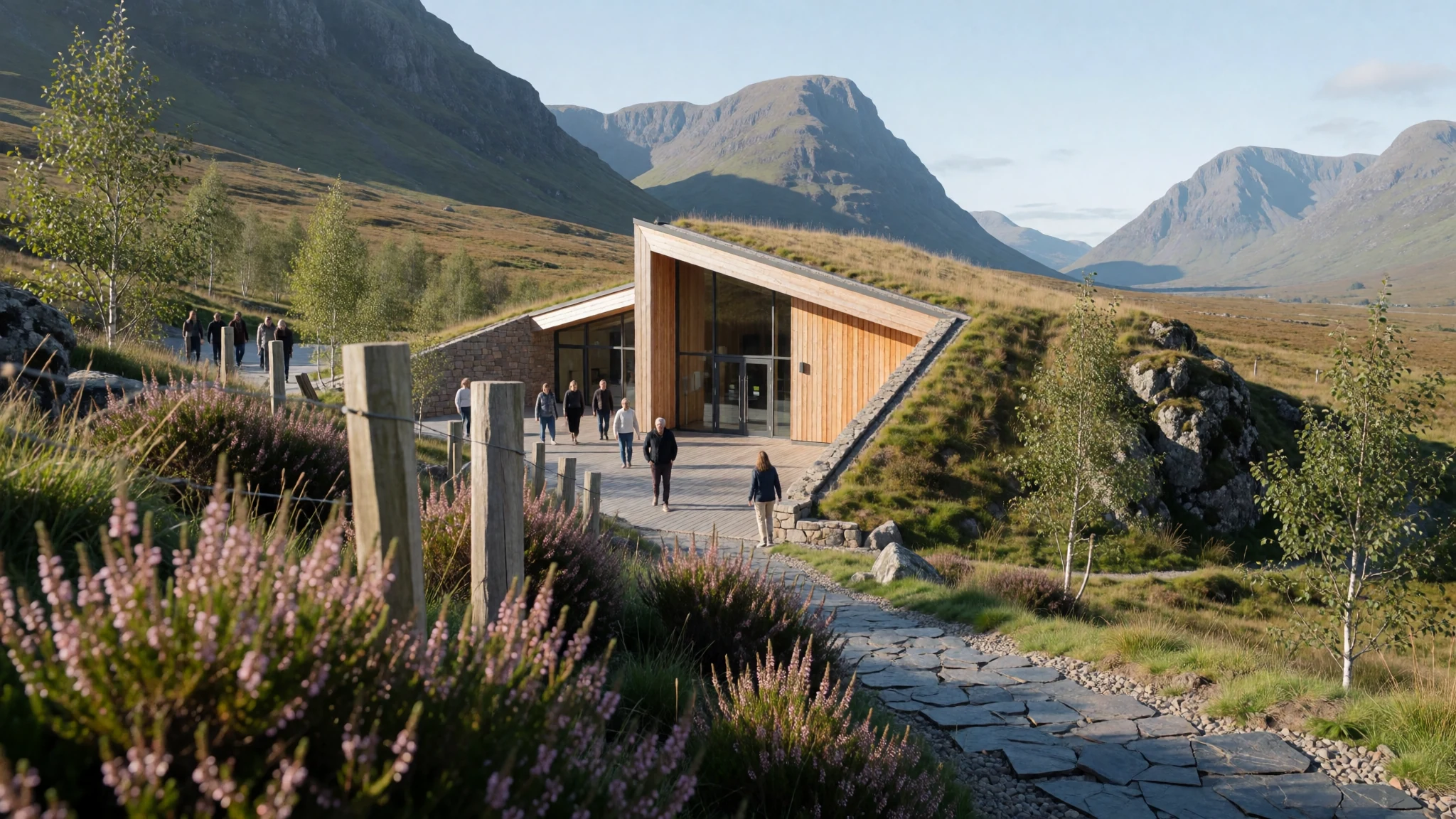
- Glencoe Mountain Resort — Upper Glen Coe
Glencoe Mountain Resort operates on Meall a' Bhuiridh, on the far side of Glen Etive beyond the glen itself, functioning as a hub for outdoor pursuits throughout changing seasonal conditions. An access chairlift transports visitors high onto the mountain flanks to reach upper trailheads, beginner slopes, and panoramic viewpoints overlooking the wider moorland and distant rugged peaks.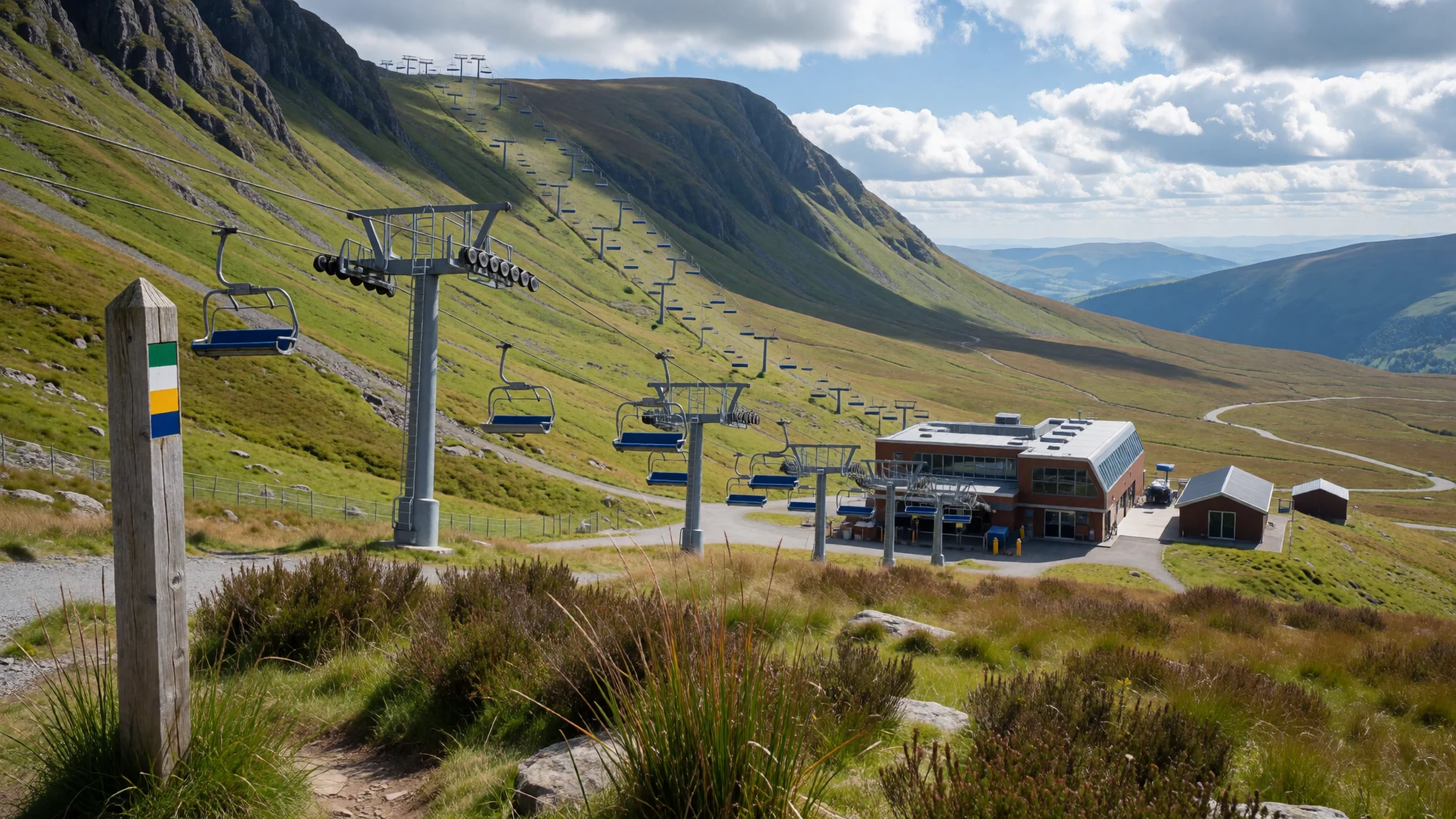
- The West Highland Way — Devil's Staircase
The famous long-distance trail traverses historic military tracks across the eastern end of the glen, offering challenging walking conditions and unforgettable vistas over high mountain passes. Walkers tackle the demanding route toward elevated mountain sections while enjoying expansive panoramas across sweeping highland valleys, remote streams, and dramatic craggy skylines.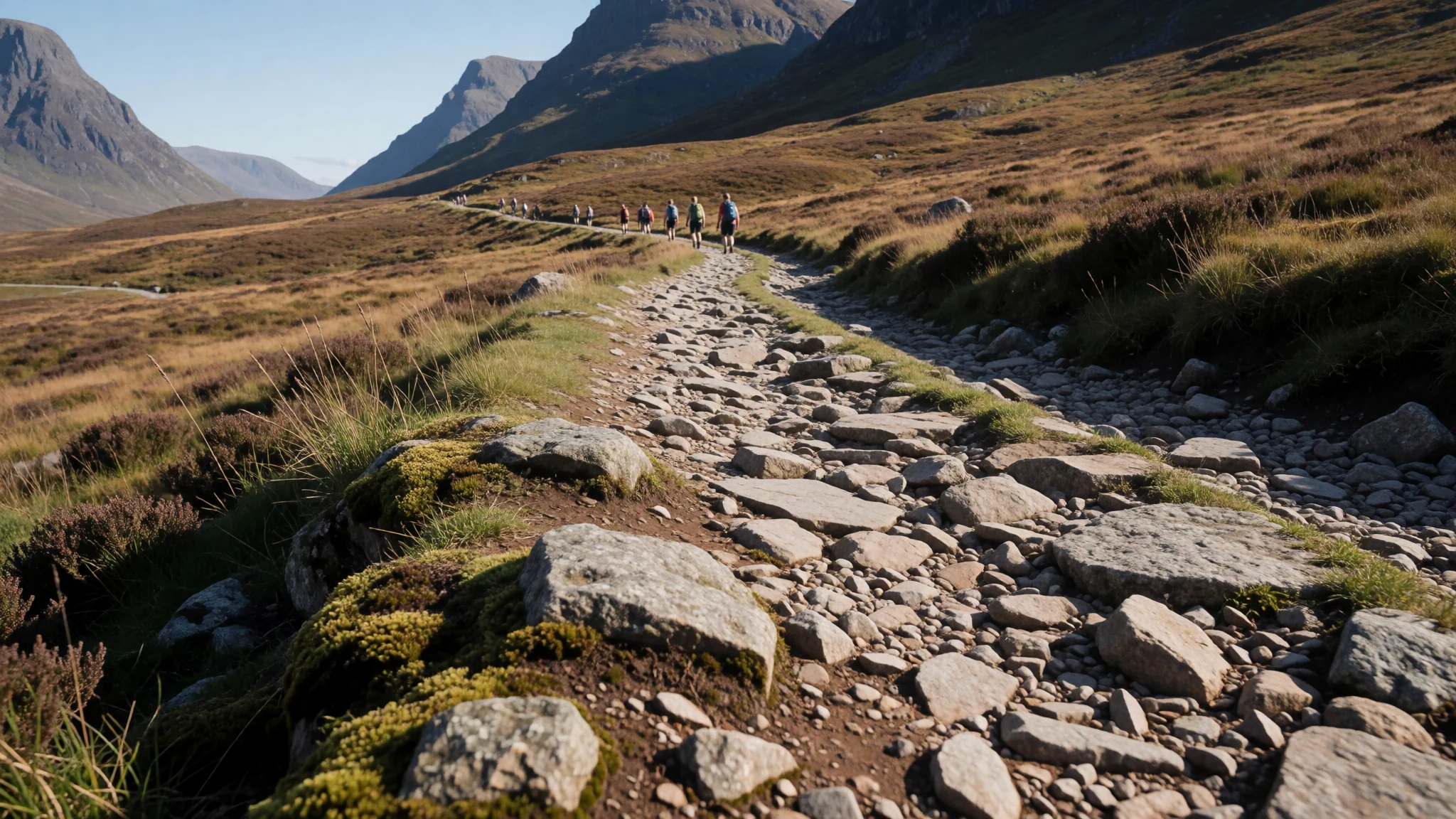
- Kinlochleven Heritage Trail — Kinlochleven
Kinlochleven sits at the eastern head of the loch, preserving remnants of early industrial infrastructure including old hydroelectric installations and power generation works. Visitors can explore walking paths that follow old industrial tracks, discovering how manufacturing once flourished alongside traditional highland fishing and sheep farming economies in this remote corner.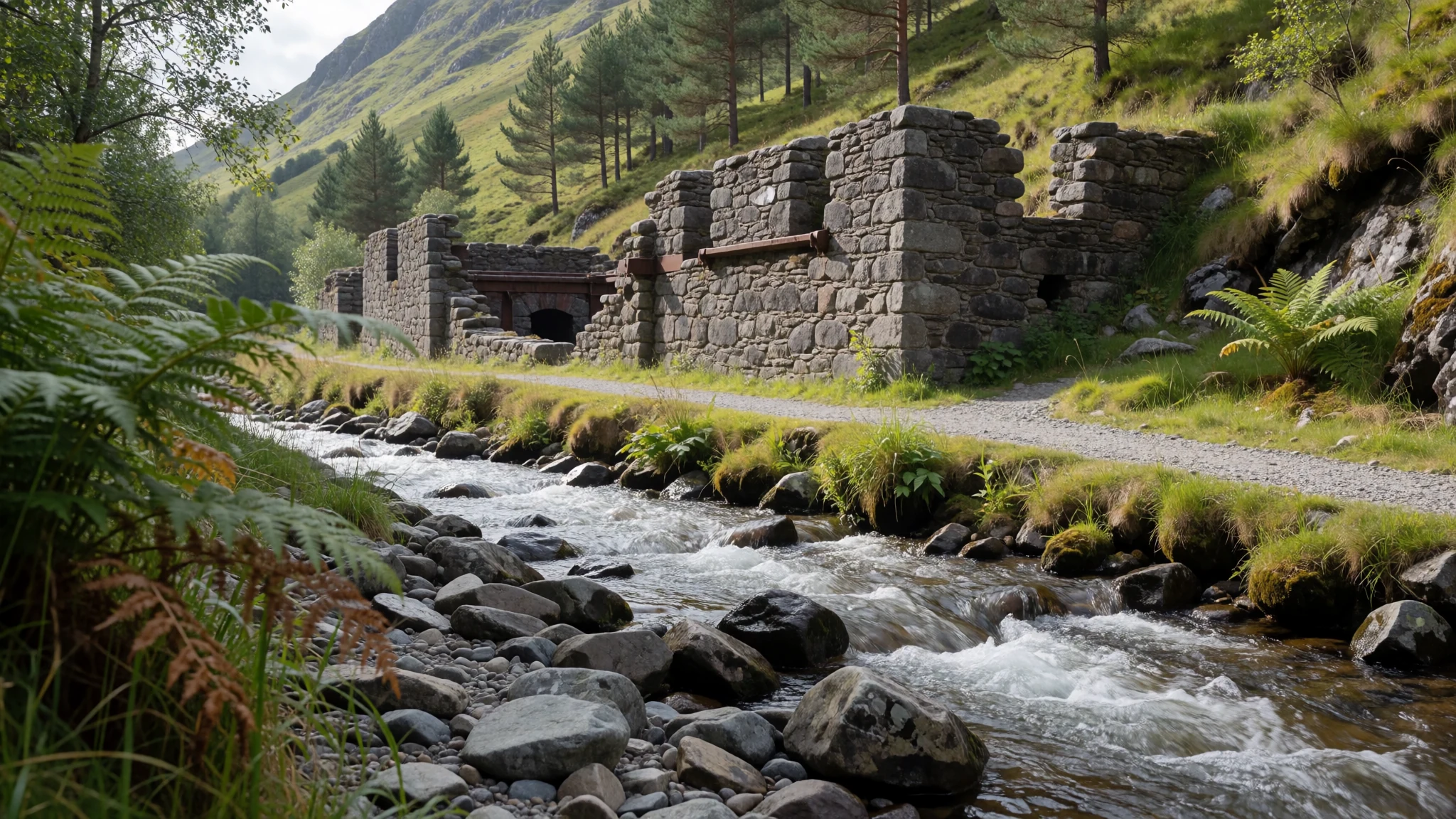
Culture
Glen Coe embodies a deep connection to highland traditions, Scottish Gaelic heritage, and communal storytelling that has survived centuries of social transformation. Local residents maintain a strong tradition of hospitality, folk music, and custodianship of the natural environment, sharing stories of the clan era with visitors who take time to listen. Traditional gatherings often feature acoustic music sessions in local inns, where acoustic instruments and storytelling keep ancestral memories alive. Respect for the natural landscape is paramount, as the mountains demand caution and preparation from everyone who ventures beyond the valley floor. Visitors should always close farm gates behind them, pack out all personal waste, and respect private property around working hill farms. Never disturb grazing livestock or wild deer herds during sensitive calving periods in spring.
What to wear
Glen Coe fashion and attire are entirely dictated by the demanding highland climate rather than seasonal runway trends. Traditional highland wear, including heavy wool tartans and pleated kilts, originated as practical garments designed to withstand wet and windy weather, and remains worn during formal ceremonies, clan gatherings, and traditional weddings. For daily life and exploring the outdoors today, residents and visitors alike wear modern technical gear designed for outdoor survival. Layering is essential, combining moisture-wicking base layers with insulating fleece jackets and completely waterproof outer shells to protect against sudden downpours and cold mountain winds. Sturdy, broken-in waterproof hiking boots with strong ankle support are absolute necessities for navigating boggy ground, uneven rocky trails, and slick stone surfaces across the valley floor and mountain paths. Always carry a waterproof rucksack containing extra warm layers, a wool hat, and gloves, as weather conditions on the peaks can deteriorate with little warning.
What to eat
- Fresh Seafood — Ballachulish Village
Local seafood vans and specialised lochside cafes serve fresh catches from surrounding waters, offering local delicacies such as tender lobster, smoked salmon, and fresh mussels prepared simply to highlight natural coastal flavours.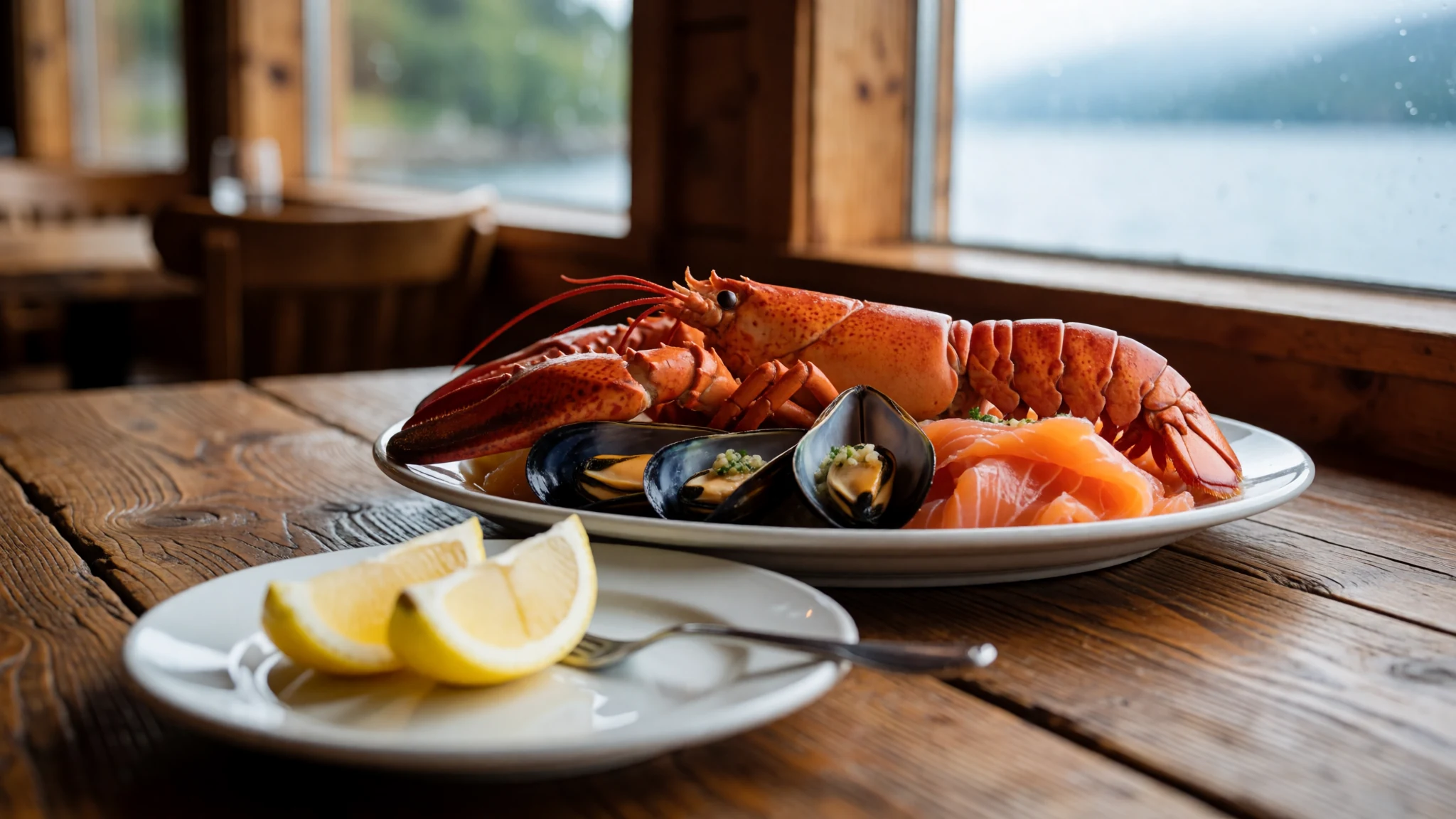
- Pub Bistro Meals — Glen Coe Pubs
Traditional local pubs and hotel bistros serve hearty Scottish comfort dishes, featuring locally sourced venison stews, traditional meat pies, and freshly battered fish paired with thick chips after a long day outdoors.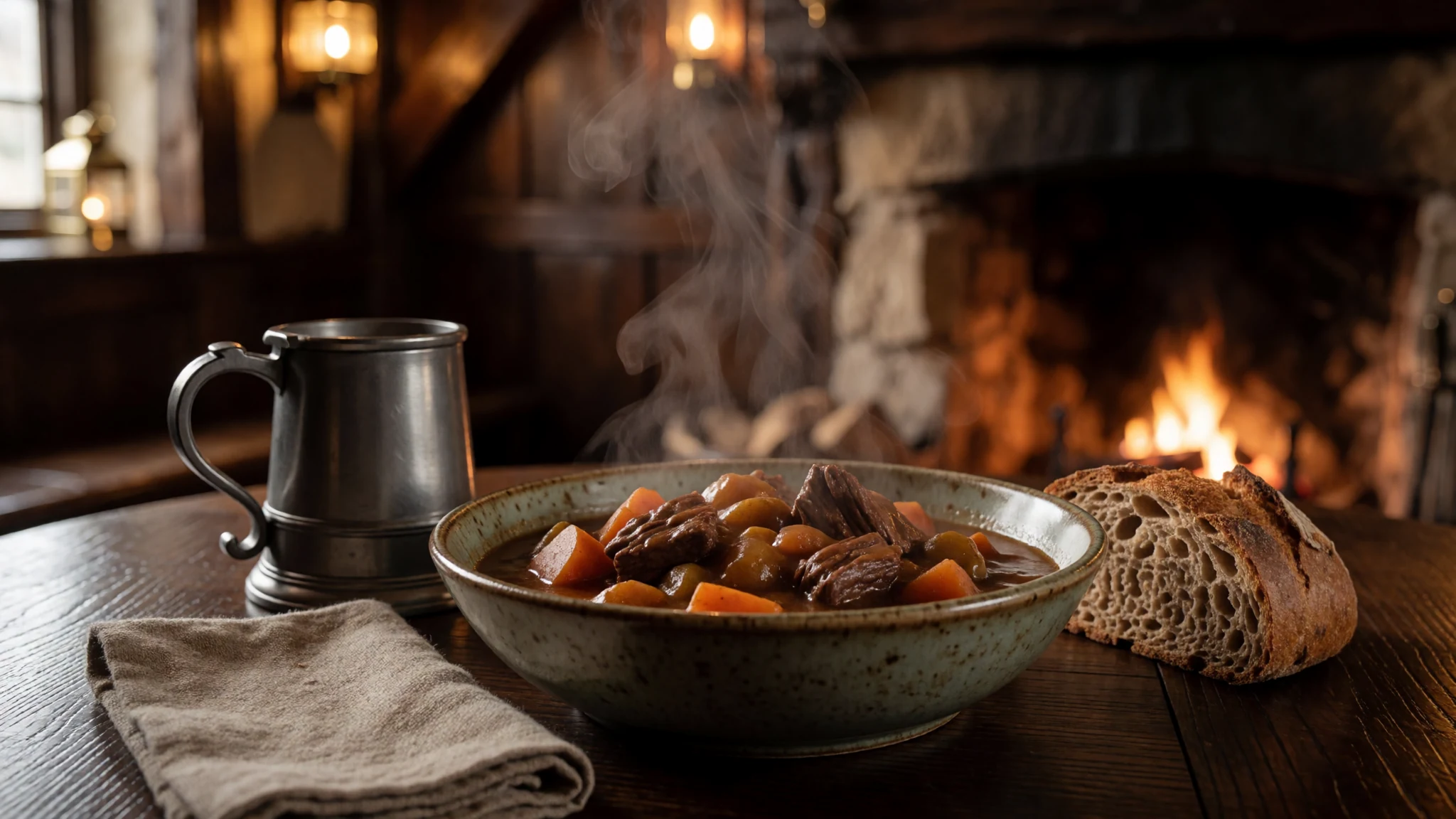
- Cask Ales and Whiskies — Clachaig Inn
Historic valley inns pour regional real ales alongside extensive single malt whisky collections, providing warming spirits that reflect the distinct peaty character of the surrounding highland distilleries. - Artisan Gin and Rum — North Ballachulish
Independent local distilleries craft small-batch spirits infused with regional botanicals, offering visitors an opportunity to sample artisanal drinks produced right beneath the local mountain bridges. - Highland Baking — Roadside Cafes
Local roadside cafes and village tearooms offer freshly baked fruit scones, traditional shortbread, and warming tea to revive travellers pausing their journeys along the main trunk road.
Plan it
Best time. June to August bring the warmest days for hillwalking and the longest daylight hours, though rain falls heavily in every month, and autumn brings striking golden and russet foliage to the glens.
How long. 2–3
Getting there. Citylink coaches run regular daily services from Glasgow along the A82 corridor directly through the glen to Fort William, while driving offers maximum flexibility for exploring remote laybys.
Budget. mid
Tips
- Check mountain weather forecasts with mountain rescue teams before starting any high walks.
- Book accommodation well in advance if visiting during peak summer months.
- Carry cash for small honesty boxes and rural stops where card readers fail.
- Start early to secure parking at popular trailheads before spaces fill up.
Etiquette
- Always close gates behind you when crossing farmland to prevent livestock wandering.
- Take all rubbish with you and leave no trace on the mountain paths.
- Park responsibly in designated pull-ins and never block passing places on single-track roads.
Nearby
Sources
- Wikidata Q92671 (CC0)
- Wikipedia (rev 1379081629) (CC BY-SA 4.0)
- Wikivoyage (rev 5402830) (CC BY-SA 4.0)
- Photo photos/01-scotland-glencoe.jpg (CC BY-SA 2.5)
