Gili Islands
Gili Islands, Indonesia
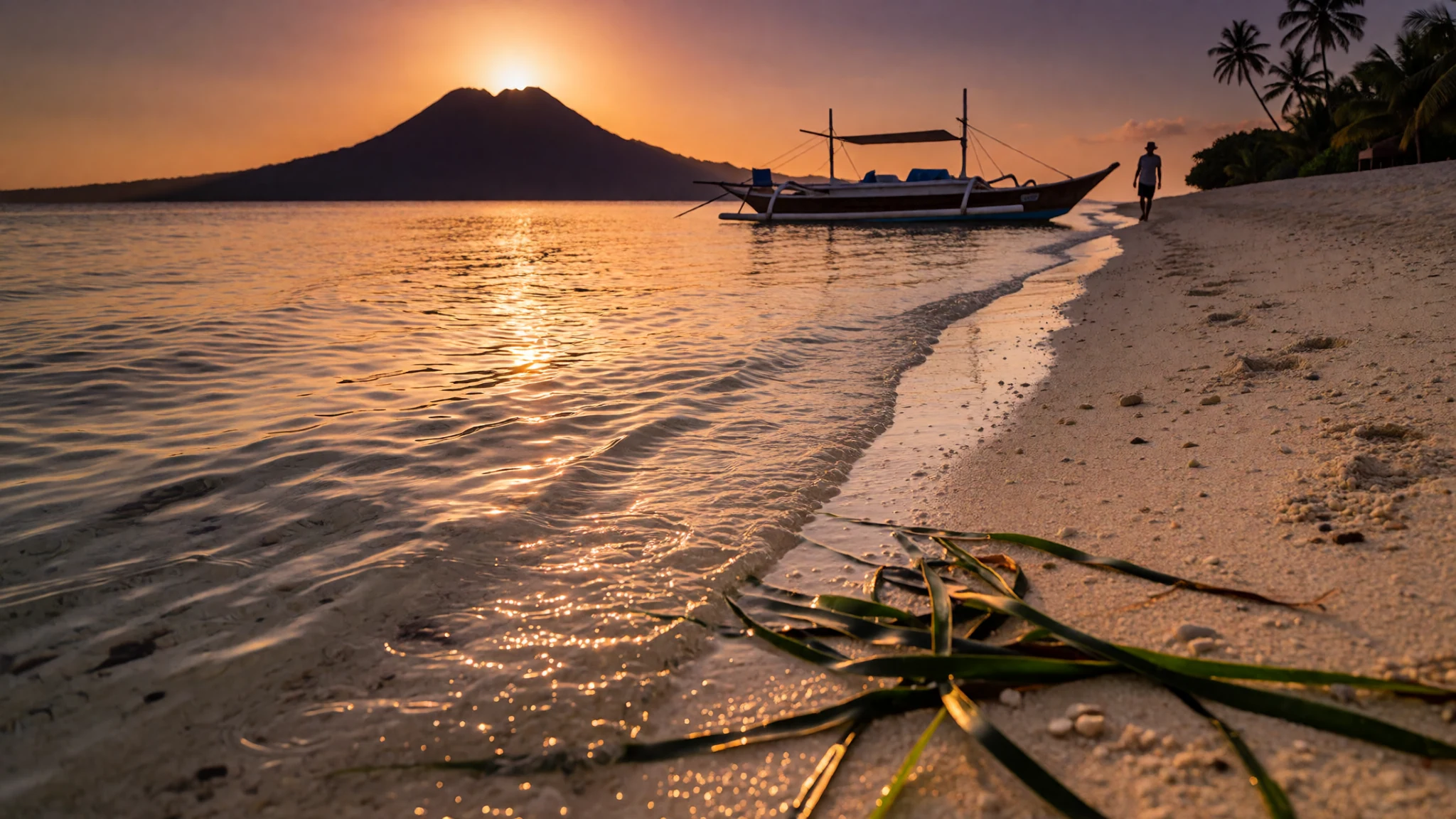
Three car-free islands off Lombok, where you snorkel, dive and watch the sun set over Bali.
The place
The Gili Islands are three small islands lying just off the northwest coast of Lombok, in Indonesia. They are Gili Trawangan, Gili Meno and Gili Air, and together they are usually called the Gilis. Their local name, Gili Indah, is often rendered as something like "beautiful little islands", which suits them.
Administratively, the group moved in 2010 from West Lombok Regency to the new North Lombok Regency. Together the islands form a single village within Pemenang District. Gili Air has the largest Indonesian settlement, but Gili Trawangan is the most densely populated in practice. Many western residents live there alongside local families, and most of the tourist development runs along its east side.
Most places to stay are collections of simple huts, often with a small pool and a restaurant attached. Nothing on the islands is driven. Motor vehicles are banned by local ordinance, so people walk, cycle or ride a horse-drawn cart called a cidomo.
The water is the main attraction. Snorkelling is easy from many beaches, and diving is the core business. The reefs suit beginners and experienced divers alike, and the islands have a strong reputation as a place to train up to instructor level.
Its story
The Gili Islands were a stopping point long before they became a holiday destination. Bugis fishermen moving around the wider archipelago used them as a rest stop on their voyages. Until the 1970s, wildlife had the run of the islands, and there were no permanent residents. Fresh water was the main obstacle, because there was little to drink.
The Second World War left its own traces. For a short period, occupying Japanese forces used the islands as a watch position and as a camp for prisoners of war. A bunker on the hill of Gili Trawangan survives from that time. The wreck of a patrol boat lies in about 45 m of water in the bay south of Gili Air, and it is now a popular dive site.
Settlement began in earnest in the 1970s. In 1971, the governor of Lombok, Wasita Kusama, started planting coconut plantations and granted land rights to private companies. Labour came partly from the prison system. Between 1974 and 1979, around 350 inmates from the overcrowded prison in Mataram, Lombok's largest city, were sent to help with the early harvests. Many of them stayed on as permanent settlers.
Written sources are thin, because the islands are small and were settled only recently. Much of the local record comes from elected officials who know the area. For the wider regional history, the Lombok story is the better place to look.
What to see
- Gili Meno Bird Park — Centre of Gili Meno
In the centre of Gili Meno, a salt-producing lake sits beside open, landscaped grounds. Salt pans and shaded paths make it a pleasant walk, with views across the flats. It is a calm break from the beach and an easy stop if you are walking the island, and it suits families with children.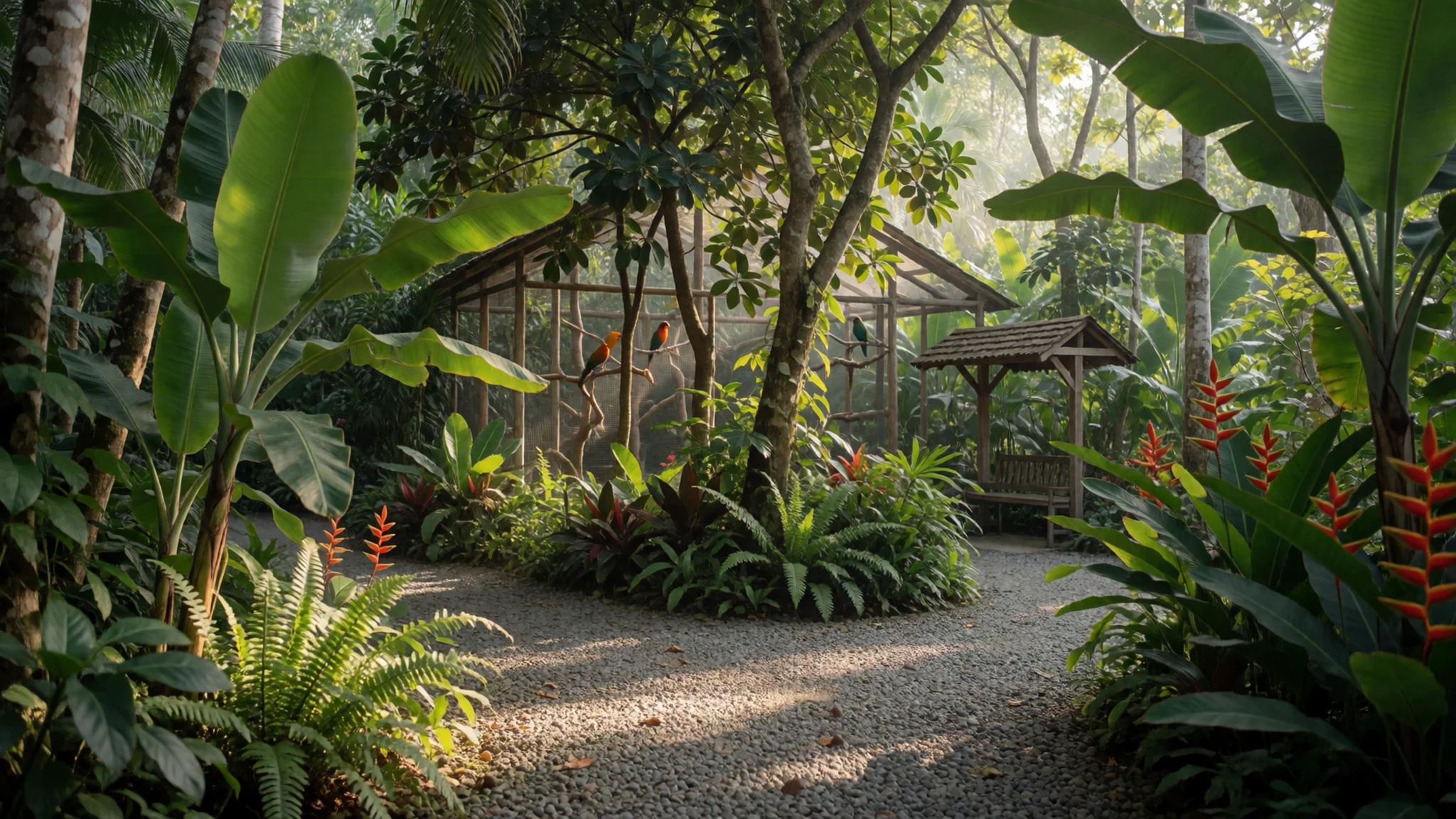
- Turtle sanctuaries — Gili Trawangan and Gili Meno
Green and loggerhead turtles are now a common sight in the waters around the Gilis. Sanctuaries have been set up on Gili Trawangan and Gili Meno to protect them, and they show how the reef community has been looked after. Keep your distance from the animals in the water and follow the guidance of the staff.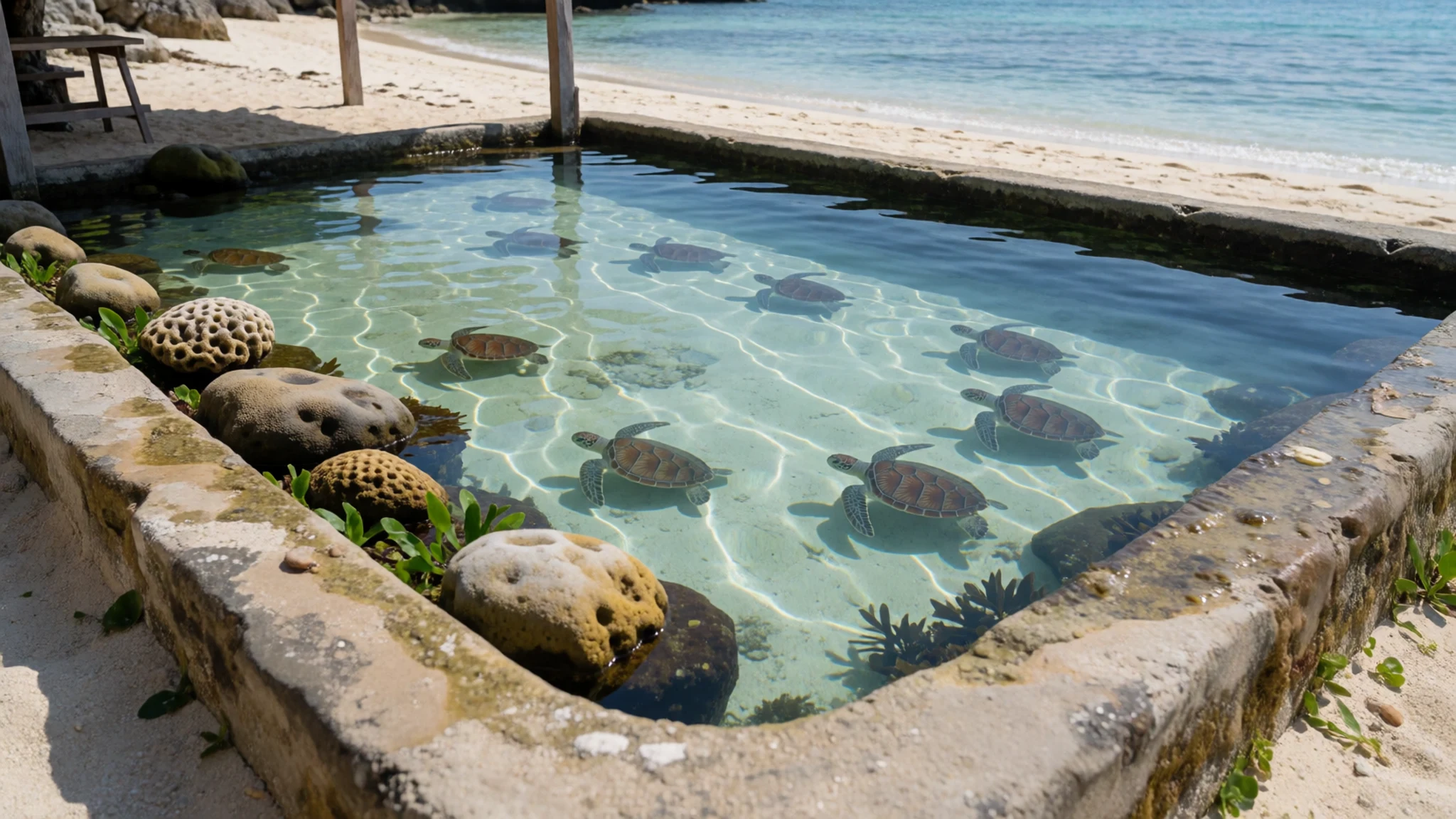
- Sunset viewpoint on the hill — A hillside viewpoint above the islands
A hill above the islands gives panoramic views of all three Gilis, with Lombok and Bali beyond. It is a favourite spot for sunset photographs, so arrive early if you want a place to stand. Bring a torch for the walk back down after dark.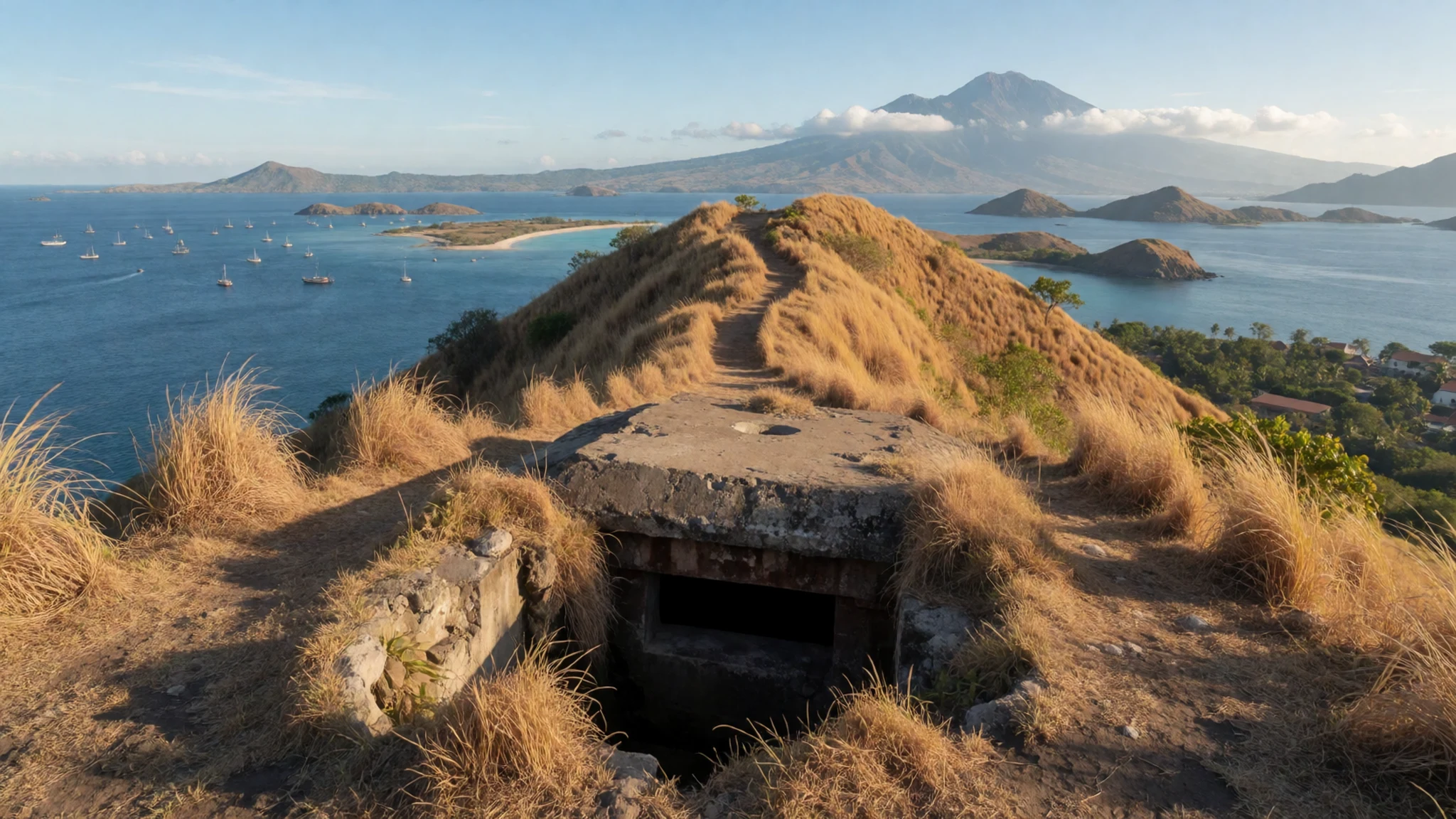
- Diving on the reefs — Reefs around all three islands, with the wreck south of Gili Air
Diving suits all levels, from first dives to technical courses. Sightings include green and hawksbill turtles, bumphead parrotfish, blacktip and whitetip reef sharks. Visibility is commonly 15–30 m. There are muck-diving sites for macro photographers, a Japanese wreck for deeper dives, and biorock artificial reefs.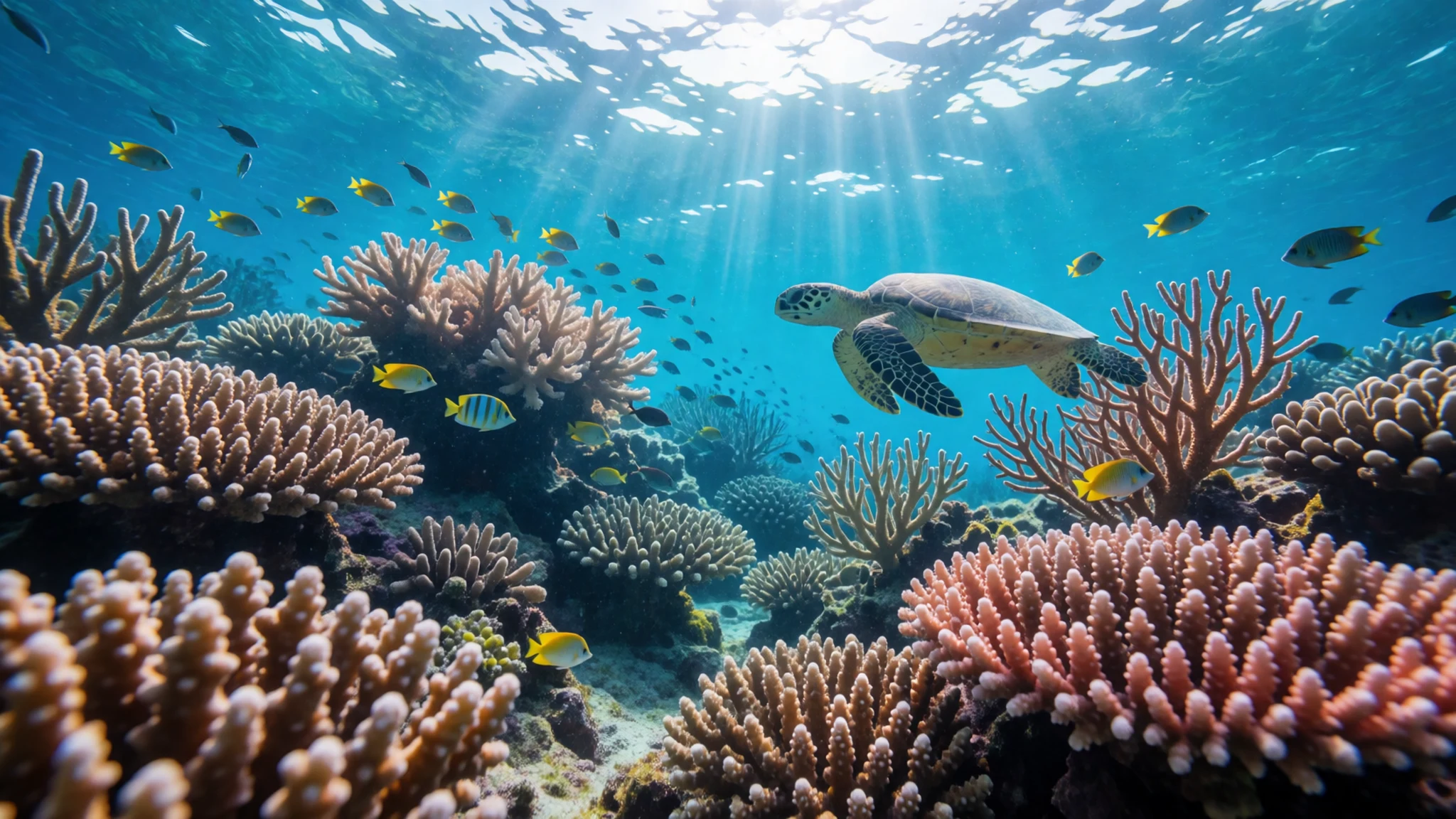
- Cycling and cidomo rides — Across all three islands
Because motor vehicles are banned, the easiest way to see each island is on foot, by bicycle or by cidomo. Bicycles let you circle a whole island in a morning. A cidomo ride suits a slower pace, especially in the heat of the afternoon, and you can agree the fare before you set off.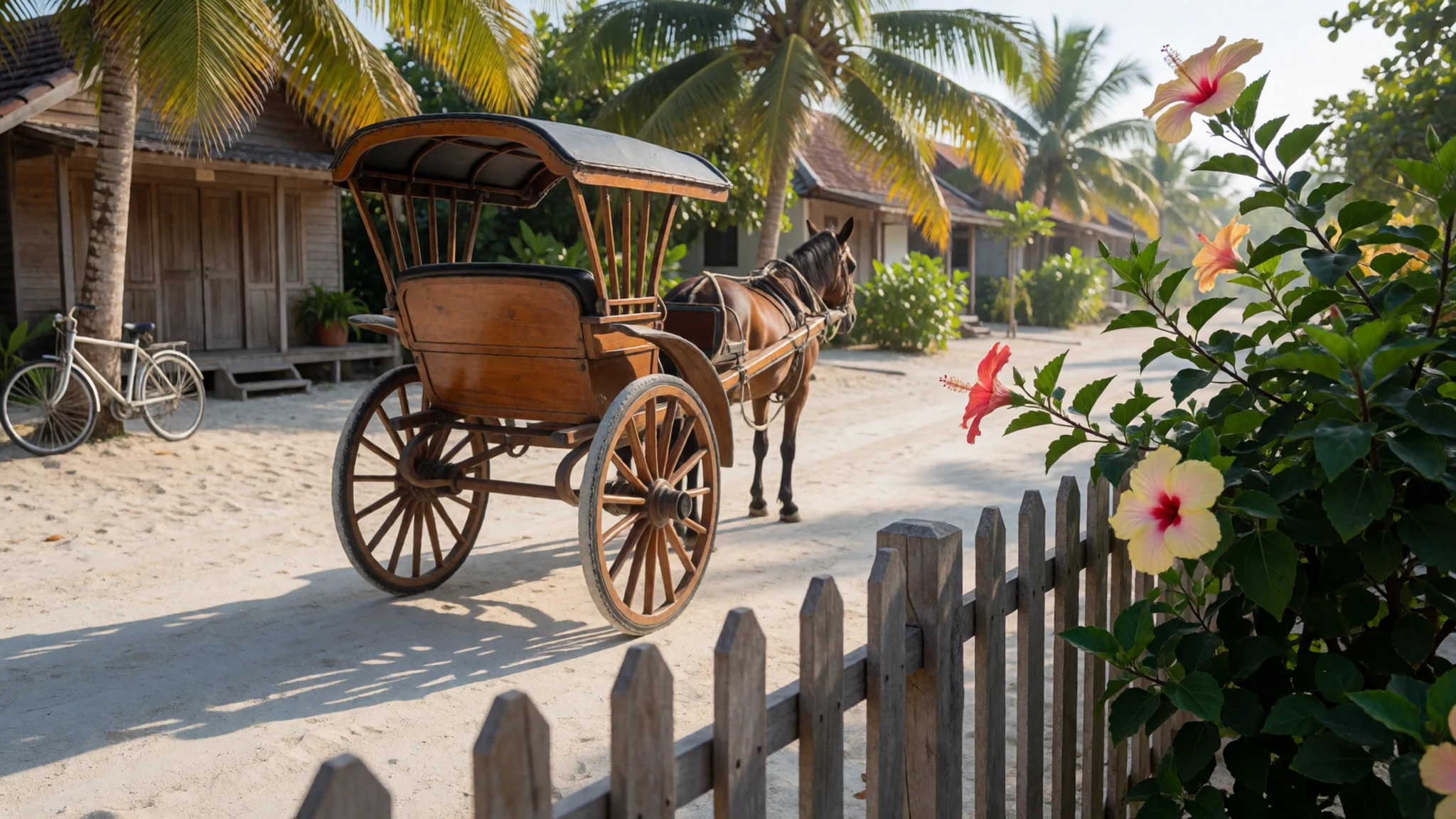
Culture
The Gilis have a largely Muslim population. Local people are used to tourists, but the islands remain a community first. Mosques sit close to the villages, so you may hear the early-morning call to prayer, which is part of daily life rather than a performance for visitors. Away from the beach, cover up. A sarong is cheap and useful for walks into the village or a visit to a shop. Topless and nude sunbathing are not acceptable, and public displays of affection draw disapproval.
During Ramadan, restaurants keep serving in daylight and nightlife carries on after dark. Many dive operators shorten their schedules to suit fasting staff and residents, so expect fewer departures. Eating, drinking or smoking in view of people between sunrise and sunset is considerate to avoid. Do not leave your drink unattended in a bar, since spiking incidents have occurred. Keep a sarong on when you leave the beach, and avoid eating, drinking or smoking openly in front of locals between sunrise and sunset during Ramadan.
What to wear
Traditional dress on the Gili Islands is not a separate island costume. The islands belong to Lombok, where the Sasak people are known for hand-woven cloth called tenun. Such cloth is traditionally made on backstrap looms, using cotton and natural dyes, and it is worn at ceremonies and as sarongs and head cloths. Textiles like these are sold in markets on Lombok itself.
What people wear now is mostly practical. On the beach it is swimwear and sarongs. In the village, shops and restaurants, residents of all faiths dress more modestly, covering shoulders and knees. Western casual clothes are common among residents and staff, especially in the tourist strip.
What a visitor should wear is loose, light cotton or linen for the warm weather. Carry a sarong to cover up away from the beach, and a light long-sleeved layer for boat trips and mosque visits. Sandals or flip-flops work on sand and village paths. Water shoes help when you enter the sea over rocky ground, and sturdier shoes are sensible for the climb to the hilltop viewpoint.
What to eat
- Nasi campur — Small local eateries (warung) in the village streets, away from the beachfront
A plate of rice with a mix of small dishes, typically vegetables, egg, sambal and a little meat or fish. It is the everyday staple of Indonesian eating and one of the cheapest full meals you will find. Order it at a small eatery off the beachfront.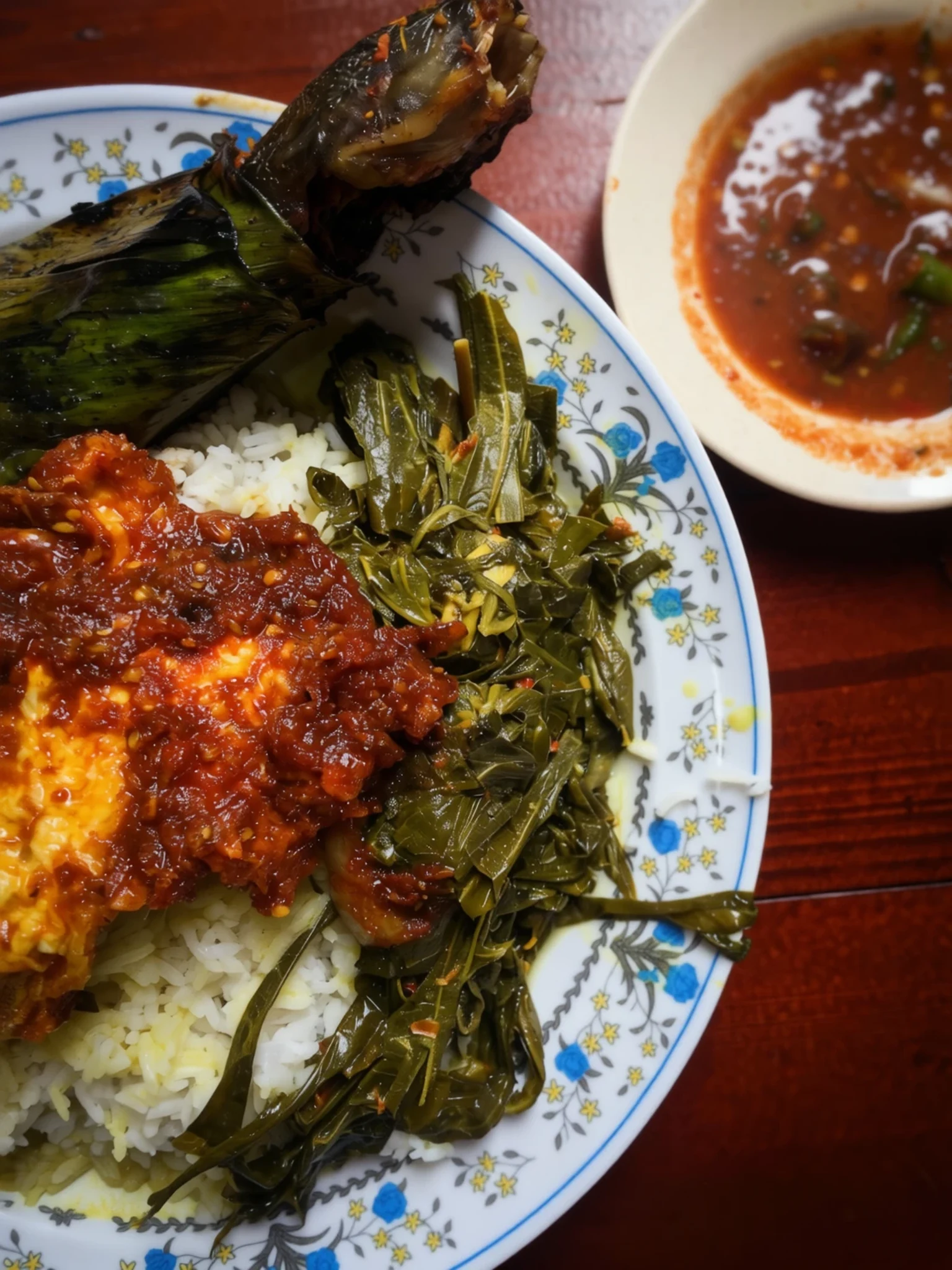
- Grilled fish and seafood — Beachfront restaurants on the east side of each island
Fish and prawns cooked over charcoal and served with rice, sambal and vegetables. The seafood is at its best where the boats land. Many beachfront restaurants on the east side of each island do it well.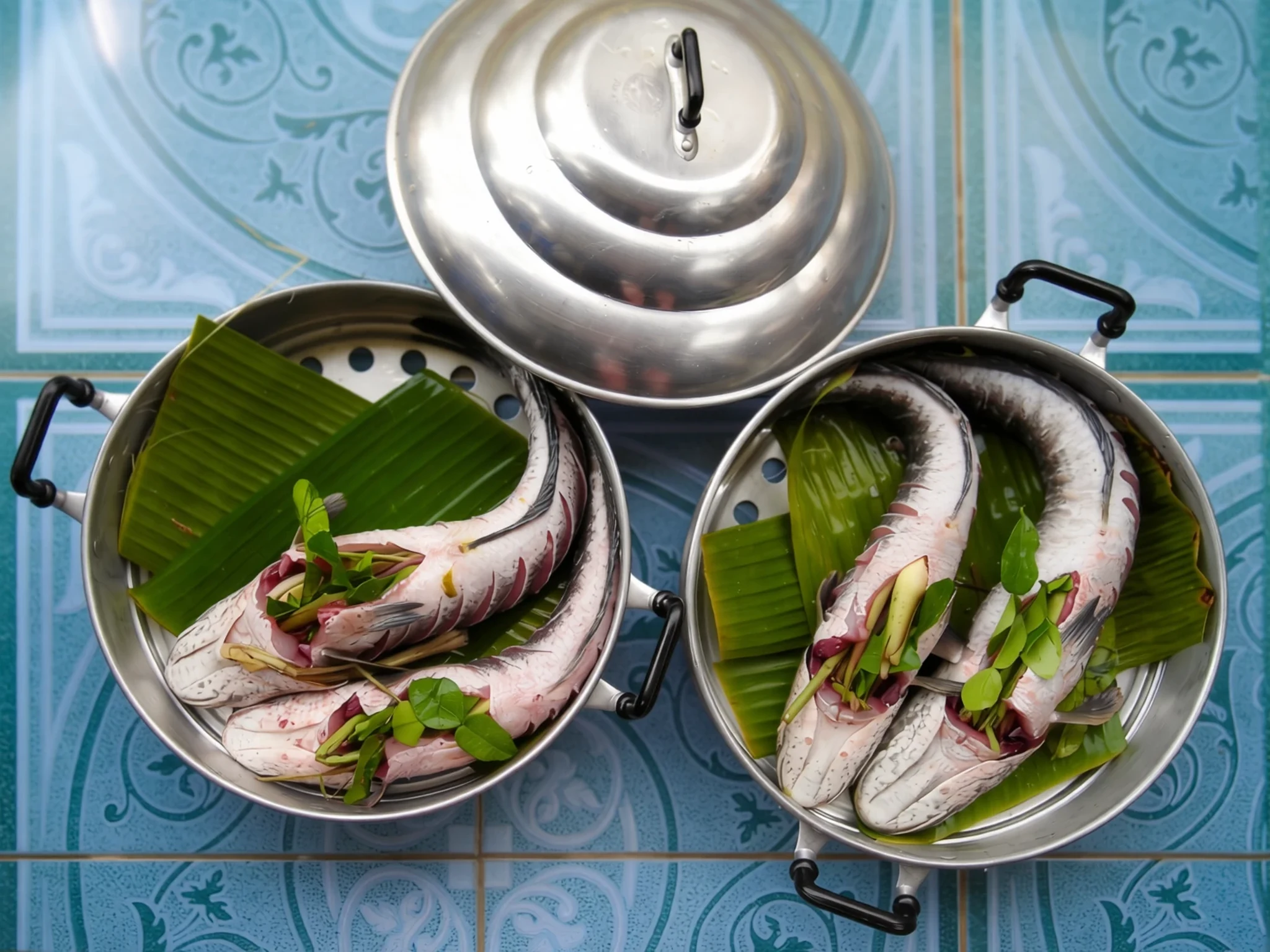
- Sate — Night stalls and beach grills, especially along the east side of Gili Trawangan
Skewers of marinated chicken, beef or fish, grilled and served with a peanut sauce. Sate is a good choice for a quick evening meal on the beach. You will find grills and night stalls clustered along the eating strip.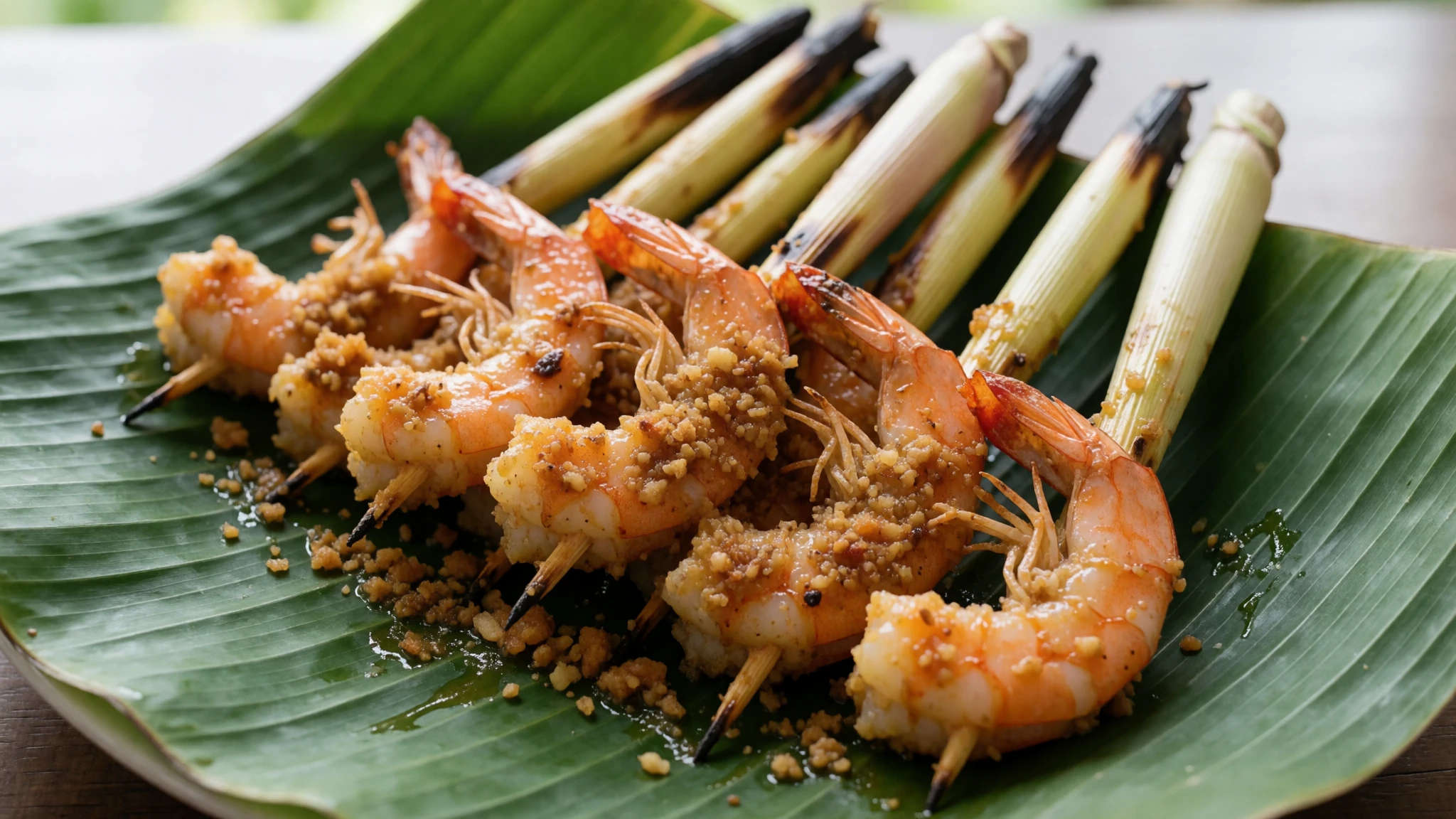
- Fresh juice and young coconut — Beachfront cafes and roadside stalls
Fresh fruit juices and young coconut water are sold along the beach and in cafes. Coconut is a reminder of the plantations that shaped the islands' history. Ask for juice without added sugar if you prefer it plain. - Coffee and breakfast — Cafes on the east side of Gili Trawangan and western-style restaurants on Gili Air
Indonesian coffee is typically strong and often served black or sweetened. Cafes that serve it also do breakfast, from eggs to pancakes. Gili Trawangan has the largest concentration of cafes, while Gili Air has restaurants with western menus.
Plan it
Best time. The drier months, roughly June to September, are the usual choice, because the sea is generally calmer for snorkelling and diving. Check a monthly forecast before you book, since rain and swell can change plans at short notice.
How long. 2–3
Getting there. Fly into Lombok International Airport (LOP) in south central Lombok, then take a taxi or pre-booked transfer to Bangsal or Teluk Nare, about 1 hr 40 min to 2 hr, and finish by boat. Hourly public ferries run around the clock from Padang Bai in East Bali to Lembar Harbour in Lombok, which suits overland travellers.
Budget. mid
Tips
- Aim to reach Teluk Nare or Bangsal by 16:00, since night crossings are possible but not recommended.
- Book the airport transfer online in advance, because taxi meter prices vary with traffic and processions.
- Carry some cash for small eateries and boat tickets, and check that the card terminal works before you rely on it.
- Many restaurants add tax and service of 21%, sometimes in very small print and sometimes more, so check the bill.
- Book dives with the Ramadan dates in mind, because some operators reduce their schedules.
Etiquette
- Wear a sarong or cover-up away from the beach.
- Avoid public displays of affection.
- Do not sunbathe topless or nude.
- During Ramadan, do not eat, drink or smoke openly between sunrise and sunset.
Nearby
Sources
- Wikidata Q1524354 (CC0)
- Wikipedia: Gili Islands (rev 1374524116) (CC BY-SA 4.0)
- Wikivoyage: Gili Islands (rev 5307224) (CC BY-SA 4.0)
- Gili Islands & Gunung Rinjiani, Lombok, Indonesia (Kok Leng Yeo) (CC BY 2.5)
- Map of the Gili Islands region, Lombok (User:(WT-shared) Burmesedays, OpenStreetMap) (CC BY 3.0)
- Sunset @ Gili Trawangan (Kandoi.sid) (CC BY 3.0)
- Gili Trawangan from Gili Meno (unknown author) (Public domain)
- Landfill on Gili Trawangan (Yesthingy) (CC0 1.0)
- Joko Widodo examining the 2018 Lombok earthquake damage (President of Indonesia) (Public domain)
- Gili Meno West Coast (unknown author) (Public domain)
- Gili Trawangan (Will Kew) (CC BY 3.0)


