Gaziantep Castle
Gaziantep Castle, Turkey
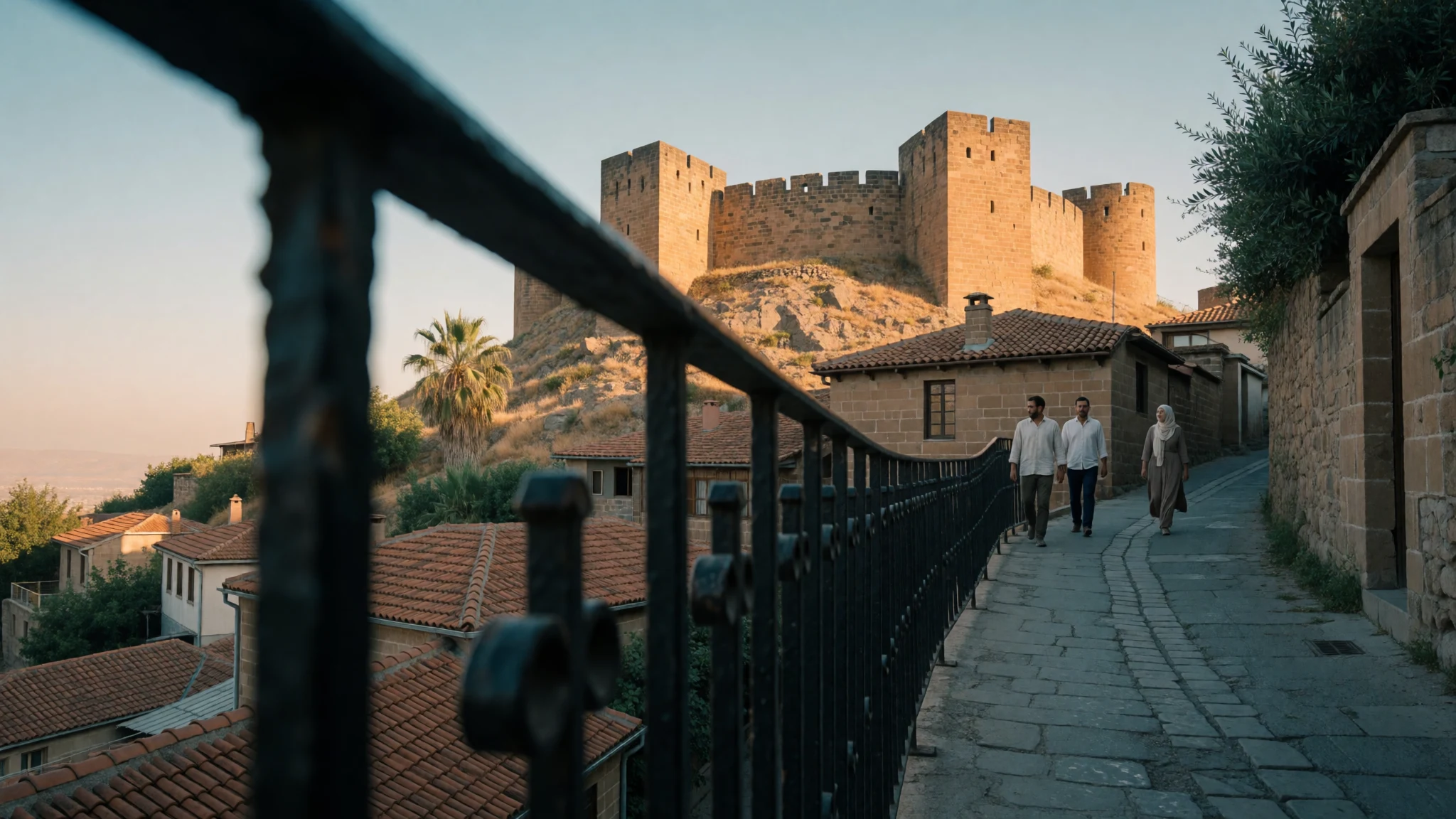
A Roman and Byzantine hilltop fortress in the middle of Gaziantep, now a war-memory museum and a site still recovering from earthquake damage.
The place
Gaziantep Castle (Gaziantep Kalesi) stands on a rounded mound in the middle of the city, so the old fortress and the busy modern streets sit directly against each other. Locals mostly say Antep, and road signs sometimes shorten the name to G Antep. The name carries layers of history: ain means a spring or well, and Aintep was the older form of the town's name, while Gazi, meaning veteran, was added later as an honour for the city's resistance in the years after the First World War.
The ground around the castle is the old heart of town, with lanes of workshops, stone houses and covered passages where coppersmiths and sweet makers trade. Distances are short, and the mound works as a landmark for finding the way back. The city lies in south-east Turkey, inland from the Mediterranean coast, in country that has long been a crossroads for traders moving between Anatolia and Mesopotamia. Summers are hot and dry, so April and November are the more comfortable months for climbing ramparts and walking the old quarter.
The castle is also a place of recent hardship. The earthquakes of early 2023 brought down parts of the walls and bastions, and restoration has been under way since. Access to the ramparts and the museum inside has changed over time, so it is worth checking the official Turkish tourism pages for what is open before setting out. Even when the interior is shut, a slow walk around the foot of the mound shows how completely a fortress once dominated this settlement.
Its story
Gaziantep Castle began as a lookout. The Hittite Empire used the hilltop as an observation point, and the Romans later turned it into a proper castle in the second and third centuries AD. Justinian I, the Byzantine emperor, had it enlarged and renovated in the sixth century. The result is a round fortress with stone walls and twelve bastions, with a circuit of roughly a kilometre around the mound.
Later rulers kept altering it. The Ayyubids made changes in the twelfth and thirteenth centuries, and the Ottomans did the same after them. The settlement below, then called Aintep, grew in importance after an earthquake destroyed the nearby town of Dülük in the fourteenth century. It sat on trade routes and prospered in spells, but warfare and more earthquakes repeatedly set it back.
The castle's best-known role came after the First World War. British forces occupied Aintep, then handed it to the French, and Turkish forces contested the city in a series of sieges. The longest ran from August to February, before the Treaty of Ankara awarded the city to Turkey. That defence is why Gazi was added to the city's name, and why the castle now holds the Gaziantep Defence and Heroism Panoramic Museum.
In February 2023 two consecutive earthquakes brought down some of the eastern and southern bastions and damaged railings and walls. The Ministry of Culture and Tourism supported a restoration that began in September of that year, so what stands today is a fortress in the middle of being repaired.
What to see
- Gaziantep Castle ramparts — Old centre, Şahinbey
The mound itself is the main sight, with a ring of stone walls and bastions rising over the old quarter. When the ramparts are open, the views across the rooftops are the reward. Damage from the earthquakes is visible in places, so check the official site for current access.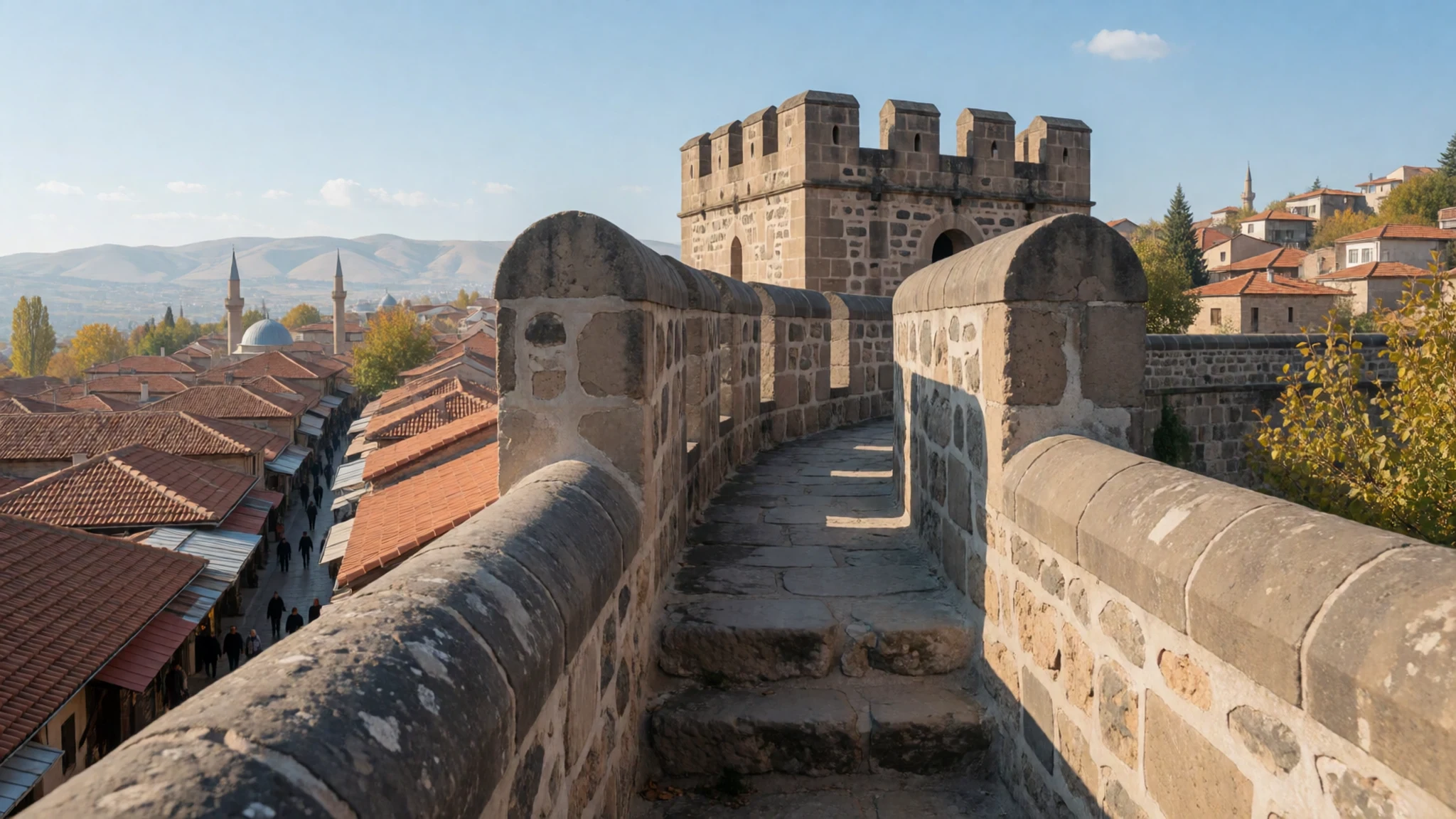
- Gaziantep Defence and Heroism Panoramic Museum — Inside and beside the castle
Inside the castle, this museum tells the story of the city's resistance after the First World War, with a panoramic display and a documentary that runs periodically. It explains why the city carries the title Gazi and gives the walls a human context.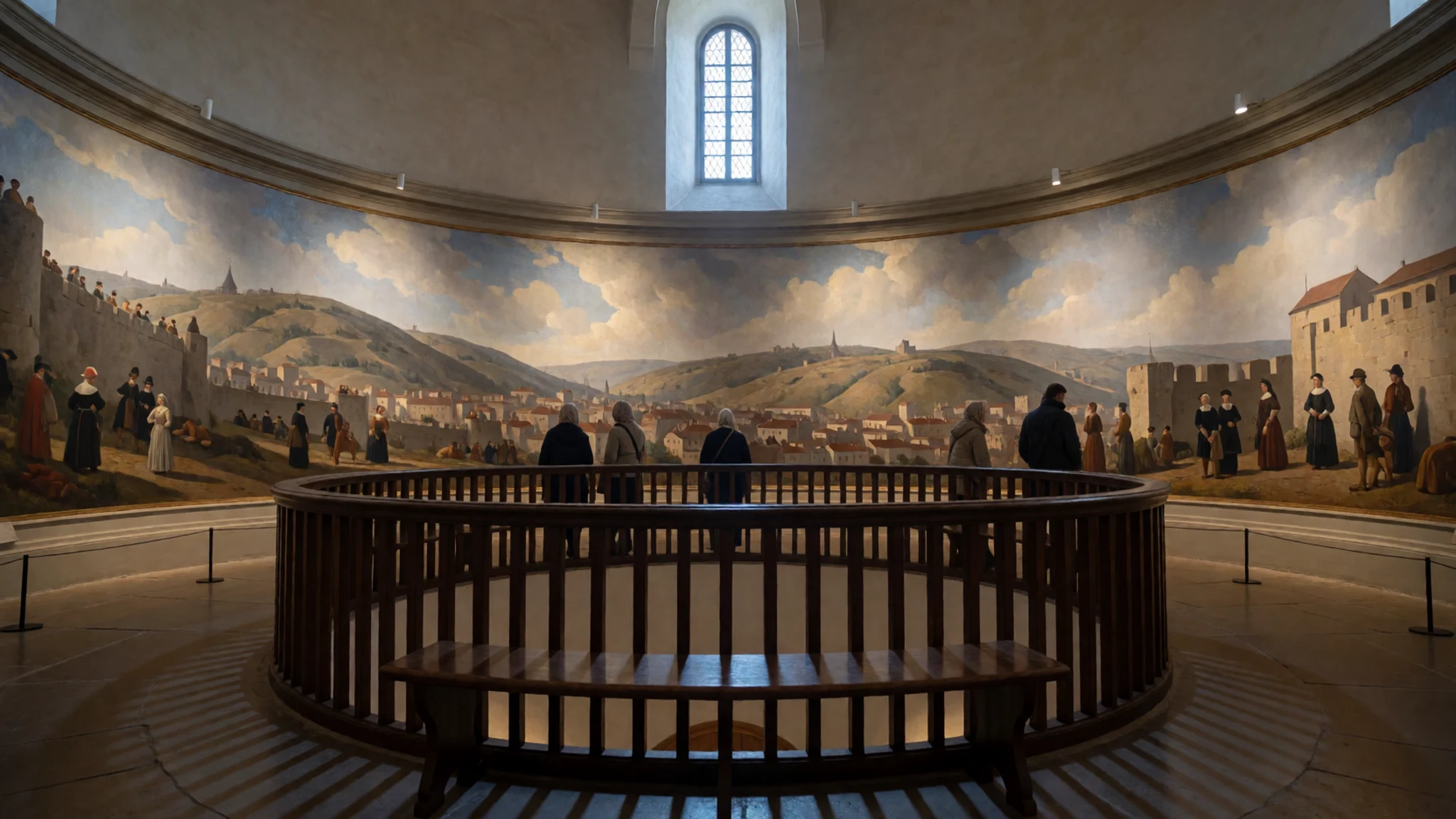
- Zeugma Mosaic Museum — Elsewhere in Gaziantep, a short ride from the castle
Roman mosaics excavated at Zeugma, a garrison town beside a pontoon bridge over the Euphrates, are displayed here. Zeugma means a junction or fastening-together. It is a short city trip from the castle and suits a hot afternoon, as it is indoors.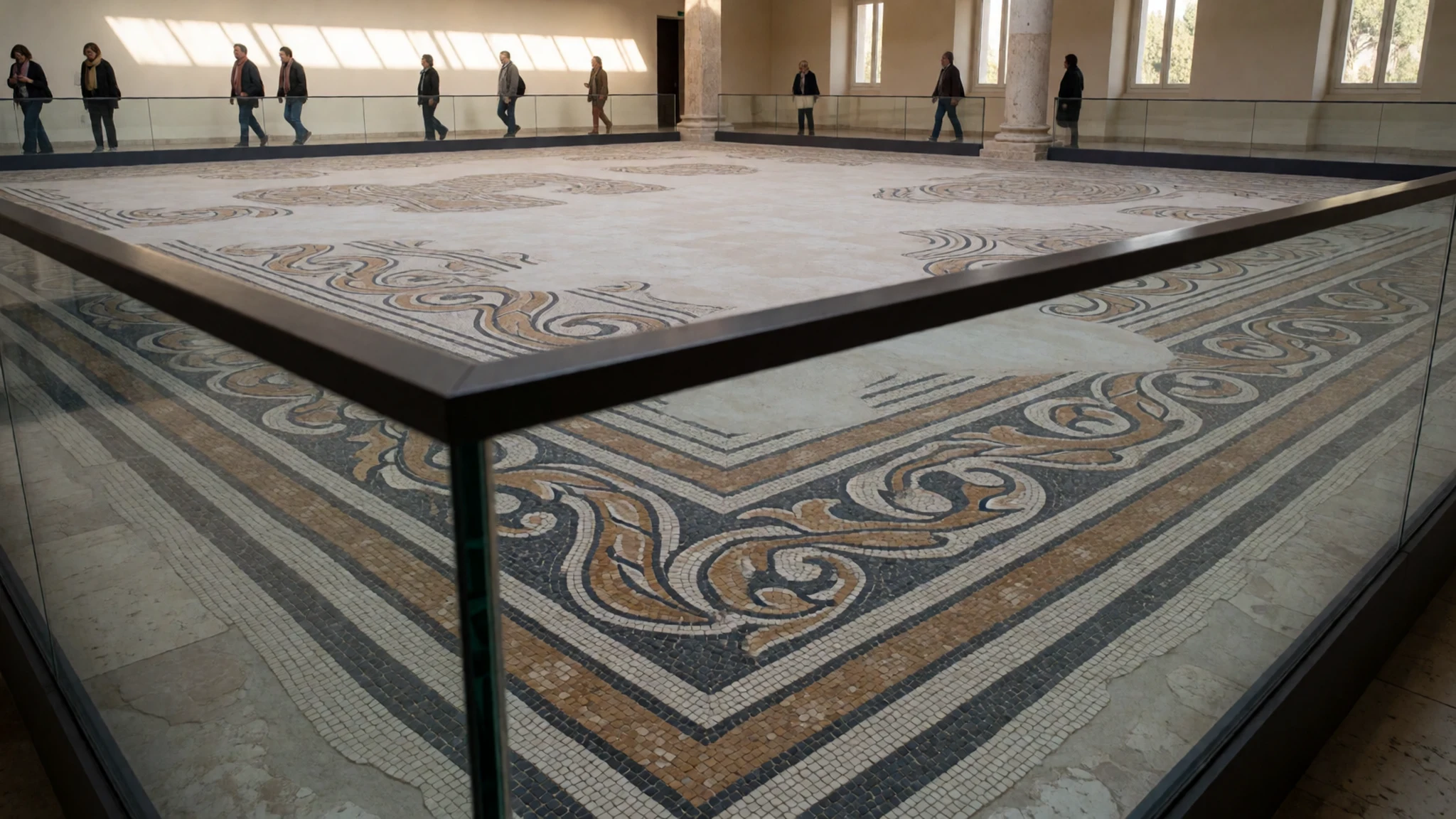
- Soap Museum and olive-oil mills — South of the castle, Handan Bey Sokağı area
South of the castle, the Soap Museum shows how olives were pressed and turned into soap. Nearby, the ruins of old olive-oil mills lie under a glass platform that can be walked over at any hour. It makes an easy, free stop between the castle and the bazaar.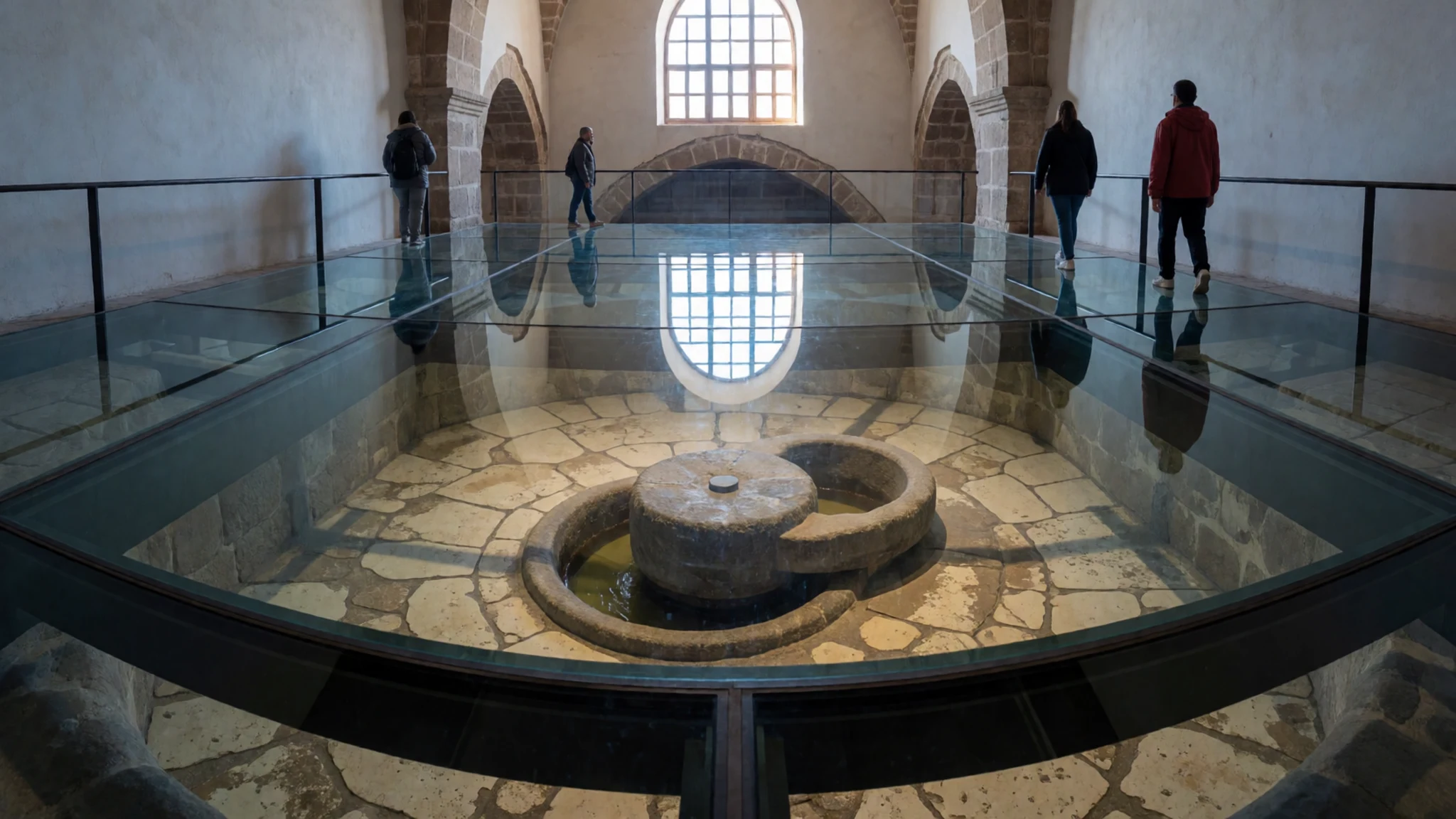
- Kurtuluş Mosque — Central Gaziantep
This building began as an Armenian Apostolic church in the nineteenth century and later served as a prison before becoming a mosque. Its history reflects the painful upheavals of the region. Dress modestly and treat it as a working place of worship.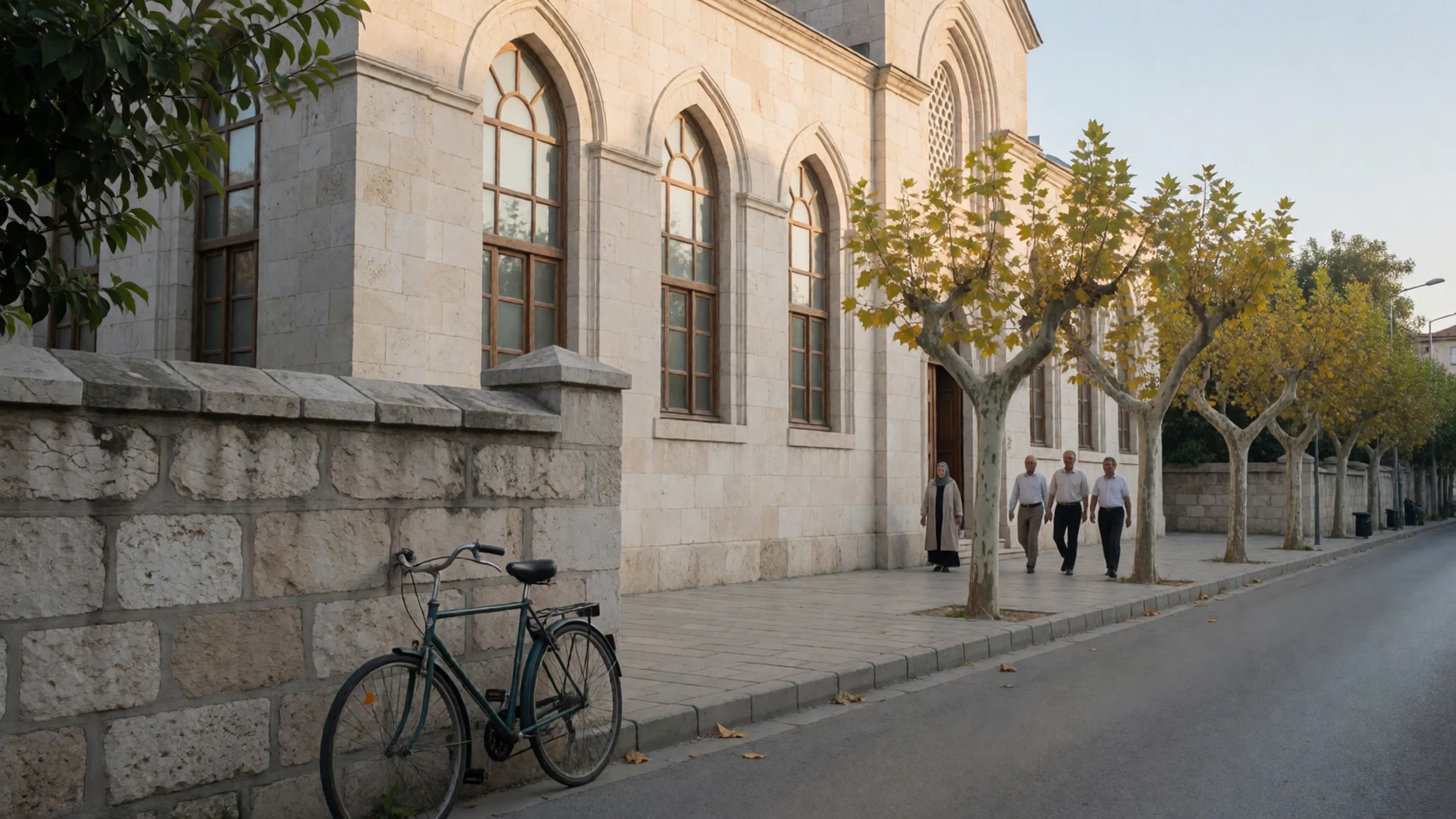
Culture
Gaziantep Castle is read locally as a memorial as much as a monument. The city's formal name includes Gazi, an honorific for veterans, and the story of its resistance in the years after the First World War is told with pride in the museum inside the walls. School groups and families come for that history, and the tone is respectful rather than festive.
The city's past is more mixed than the official story suggests. Aintep sat on trade routes between Anatolia and Mesopotamia, and several communities lived here. The Kurtuluş Mosque, built as an Armenian church and later used as a prison, is a reminder that this heritage includes loss and displacement. Local guides and museum text treat it with some care, and visitors are best advised to listen before commenting.
The 2023 earthquakes have added another layer. Scaffolding, closed sections and repair work are part of the castle's present, and many residents have personal stories connected to that period. Curiosity is welcome, but photographing damage as a spectacle can feel intrusive.
Hospitality is central to daily life in Gaziantep. Tea is offered readily, bargaining in the bazaar is friendly rather than combative, and food is a point of civic pride. Accepting a small offer with thanks is usually the right response, and a few words of Turkish are appreciated.
When visiting the castle, the museum or any mosque nearby, dress modestly, keep voices low, remove shoes before stepping onto mosque carpets, and ask before photographing people.
What to wear
Fashion around Gaziantep Castle mixes older Anatolian dress with ordinary modern clothing. Traditional dress in this part of Turkey includes the şalvar, a loose gathered trouser worn by both women and men, and embroidered waistcoats and headscarves in cotton and wool. Richly embroidered velvet or silk dresses, such as the bindallı worn by brides in Ottoman tradition, now appear mainly at weddings and in museums and folklore events, not on the street.
Day to day, people in Gaziantep wear what most Turkish city residents do: jeans, shirts, trousers, light jackets and, among many women, headscarves of varying styles. Dress in the old quarter and bazaar areas tends to be somewhat more conservative than in modern shopping districts, and in the hottest months people favour loose cotton and linen.
Visitors should plan around heat and terrain. Summers are hot, so light, breathable clothing, a hat and sunglasses make the castle mound more tolerable, and sunscreen is worth packing. The paths and old stone streets are uneven and can be slippery, so closed, comfortable shoes with grip are a better choice than flimsy sandals. Evenings can be cooler outside summer, so a thin layer helps.
For mosques, including the Kurtuluş Mosque, shoulders and knees should be covered. Women should carry a scarf for covering the hair, and everyone should wear socks or shoes that are easy to take off. Beachwear and sleeveless tops are best left for other destinations.
What to eat
- Antep kebabı — Kebab houses in the old centre around the castle
The local kebab is spicy, grilled over charcoal and typically served with flatbread and salad. It is the dish most closely tied to the city. A glass of cold ayran, a salted yoghurt drink, is the usual companion and takes the edge off the heat.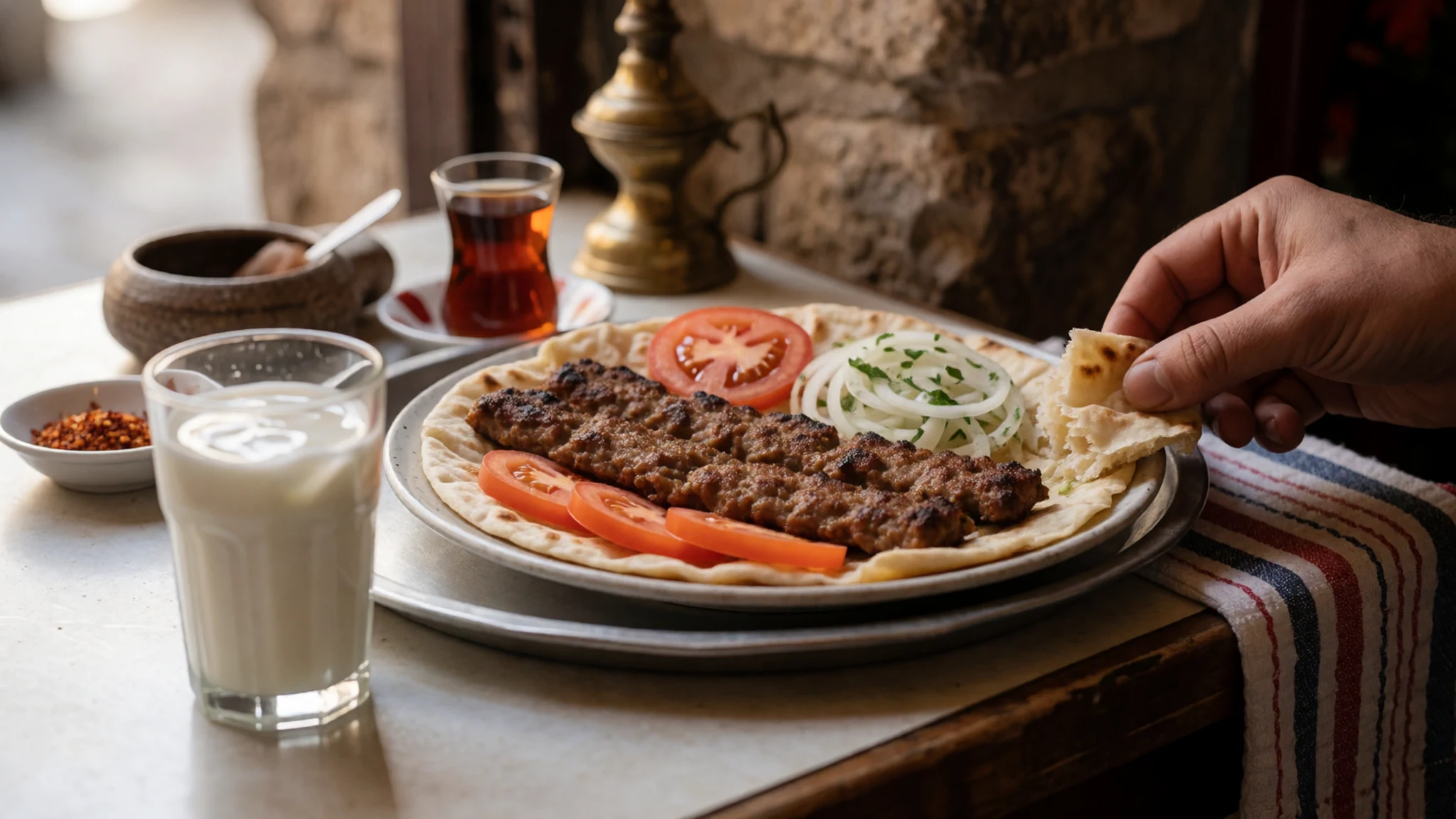
- Lahmacun — Lahmacun ovens and bakeries across the old town
A thin, crisp flatbread topped with minced, spiced meat and chopped vegetables, baked quickly in a hot oven. In Gaziantep it is made with garlic rather than onion. It is folded or rolled around salad and eaten by hand.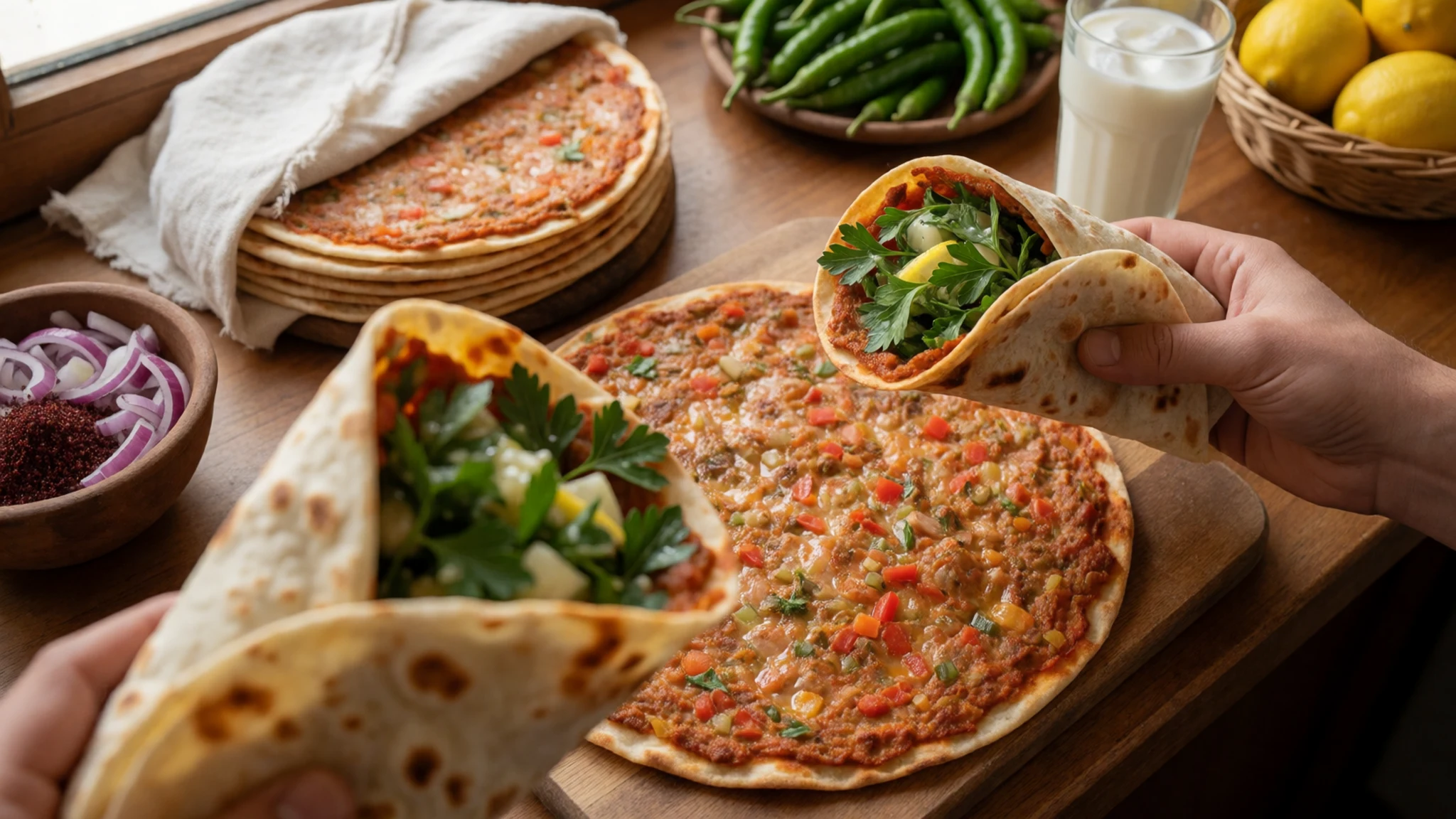
- Dolma and sarma — Family-run eateries serving home-style Turkish dishes
Both are vegetables or leaves stuffed and rolled, with sarma wrapped in vine leaves. They are home-style dishes, often served as part of a meal or as a lunch plate. Ask what is made that day. - Antep fıstığı — Nut and dried-fruit shops in the bazaar streets
Pistachios, known as the nut of Antep, come from groves around the city. They are sold roasted and salted, or spiced, and are best bought fresh. They also appear in sweets and desserts throughout the city. - Baklava — Pastry shops in the old centre
Layered pastry filled with pistachios and soaked in syrup, one of the city's best-known sweets. It is eaten in small portions with strong tea or Turkish coffee. Choose a shop with fast turnover to get it fresh.
Plan it
Best time. April and November, when the climate is milder for climbing the mound and walking the old quarter. Summers are hot and dry, and midday heat on exposed stone is tiring.
How long. 2–3
Getting there. Fly to Gaziantep Oğuzeli Airport (GZT), which has frequent flights from Istanbul and daily connections from Ankara, Izmir and Antalya. It lies south of the city centre; a Havaş bus meets Istanbul flights, otherwise take a taxi. Long-distance buses arrive at the inter-city terminal north of the centre, where a city bus runs towards the old town.
Budget. mid
Tips
- Check the official Turkish tourism site for current opening of the castle and its museum, as restoration is ongoing
- Visit the ramparts early in the morning, before the heat builds up
- Carry water and a hat, as shade on the mound is limited
- Keep some cash for the bazaar and small eateries
- Combine the castle with the Soap Museum, the olive-mill glass platform and the bazaar on foot
Etiquette
- Cover shoulders and knees and remove shoes at mosques
- Ask before photographing people, especially worshippers
- Treat the museum and damaged areas quietly and respectfully
Nearby
Sources
- Wikidata Q6026101 (CC0)
- Wikipedia: Gaziantep Castle (rev 1365244103) (CC BY-SA 4.0)
- Wikivoyage: Gaziantep (rev 5405868) (CC BY-SA 4.0)
- Photo: Festung von Gaziantep, Türkei — Klaus-Peter Simon (CC BY 3.0)
- Photo: The Castle (Kale) of Gaziantep, Turkey — Mxcil (CC BY 3.0)
- Photo: Restoration at Gaziantep Castle — Orhan Erkılıç (VOA) (Public domain)
- Photo: Restoration at Gaziantep Castle — Orhan Erkılıç (VOA) (Public domain)
- Photo: Restoration at Gaziantep Castle — Orhan Erkılıç (VOA) (Public domain)
- Photo: antep kalesine bakış — nami yildirim (CC BY 3.0)
- Photo: Festung von Gaziantep, Türkei — Klaus-Peter Simon (CC BY 3.0)
- Photo: Festung von Gaziantep, Türkei — Klaus-Peter Simon (CC BY 3.0)


