Garden Route
Garden Route, South Africa
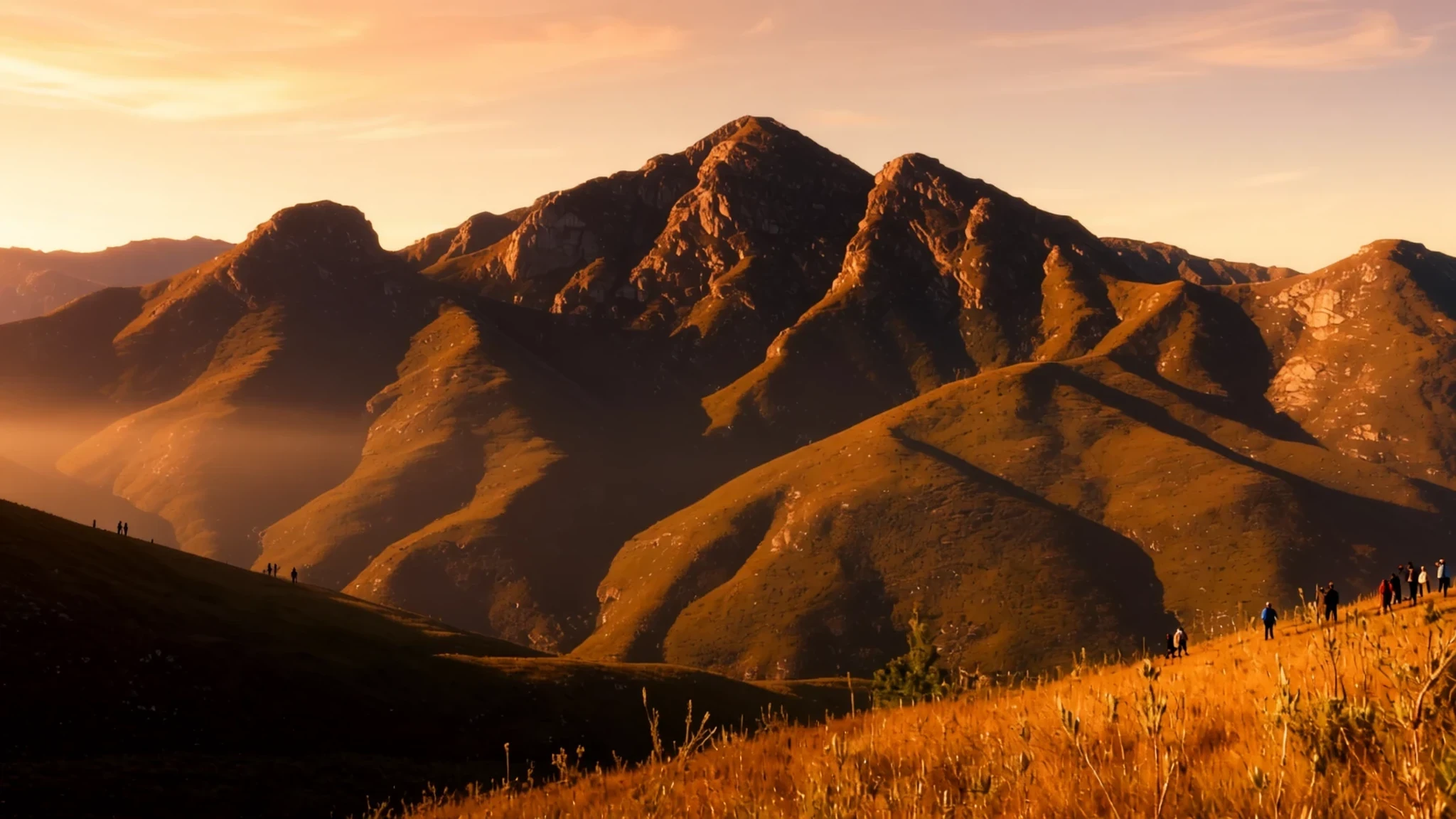
A 300-kilometre run of South African coast where forest, lagoon and surf meet, best covered slowly with the car windows down.
The place
The Garden Route runs for about 300 kilometres along the south-eastern coast of South Africa, from Witsand in the Western Cape to the Tsitsikamma area on the Eastern Cape border. The name refers to the lush, varied vegetation along the way and to the many estuaries and lakes that break up the shoreline. George is the largest town and the main administrative centre, but smaller places such as Knysna, Plettenberg Bay, Mossel Bay and Wilderness do most of the holiday business.
The landscape is shaped by geography. The Indian Ocean to the south is warmed by the Mozambique current, while the Langeberg and Outeniqua mountains rise not far inland, leaving a narrow green coastal strip between them and the sea. Rain falls throughout the year, averaging about 700 mm, and the mountains catch much of it, feeding forests and rivers. Between the sea and the hills you will find indigenous forest, fynbos scrub and wetlands, which together support nearly 300 bird species.
The region is more than scenery. Archaeological finds around Plettenberg Bay, Mossel Bay and Stilbaai connect the coast with the early history of human culture. In 2017 the route was also added to UNESCO's World Network of Biosphere Reserves, a label that recognises its mix of conservation and everyday life.
Its story
The Garden Route's story begins long before the tarmac. Archaeological sites along the coast near Plettenberg Bay, Mossel Bay and Stilbaai show people living off the sea and the forest for a very long time, and that deep past still gives the coastline much of its significance. Visitors who spend time in the museums and quieter bays will notice how far back the human story here reaches.
For most of the modern era, the coast was hard to reach. There are no easy routes inland from this stretch, so settlement stayed thin and industry stayed limited. Forestry was the main commercial activity for generations, and the indigenous forests were worked alongside the trees planted for timber. That isolation kept the coast's landscapes intact in a way that few other South African coastal regions managed.
The modern route developed in recent decades, as good roads reached the towns. The name Garden Route is now applied to the roughly 170 km section from Mossel Bay to Storms River, which forms part of a longer 700 km route between Cape Town and Gqeberha, formerly Port Elizabeth. As the roads improved, so did the holiday trade, and today the coast draws both international travellers and South Africans seeking summer beaches and mountain walks.
What to see
- AfriCanyon — Garden Route, guided river gorges
AfriCanyon offers canyoning, which locals call kloofing. Groups move through river gorges by abseiling down waterfalls, swimming through natural rock pools and, if they choose, jumping from low cliffs. It suits people who want an active day with a guide and wet clothes. Book ahead in summer, and ask the operator about water levels and minimum ages before you go.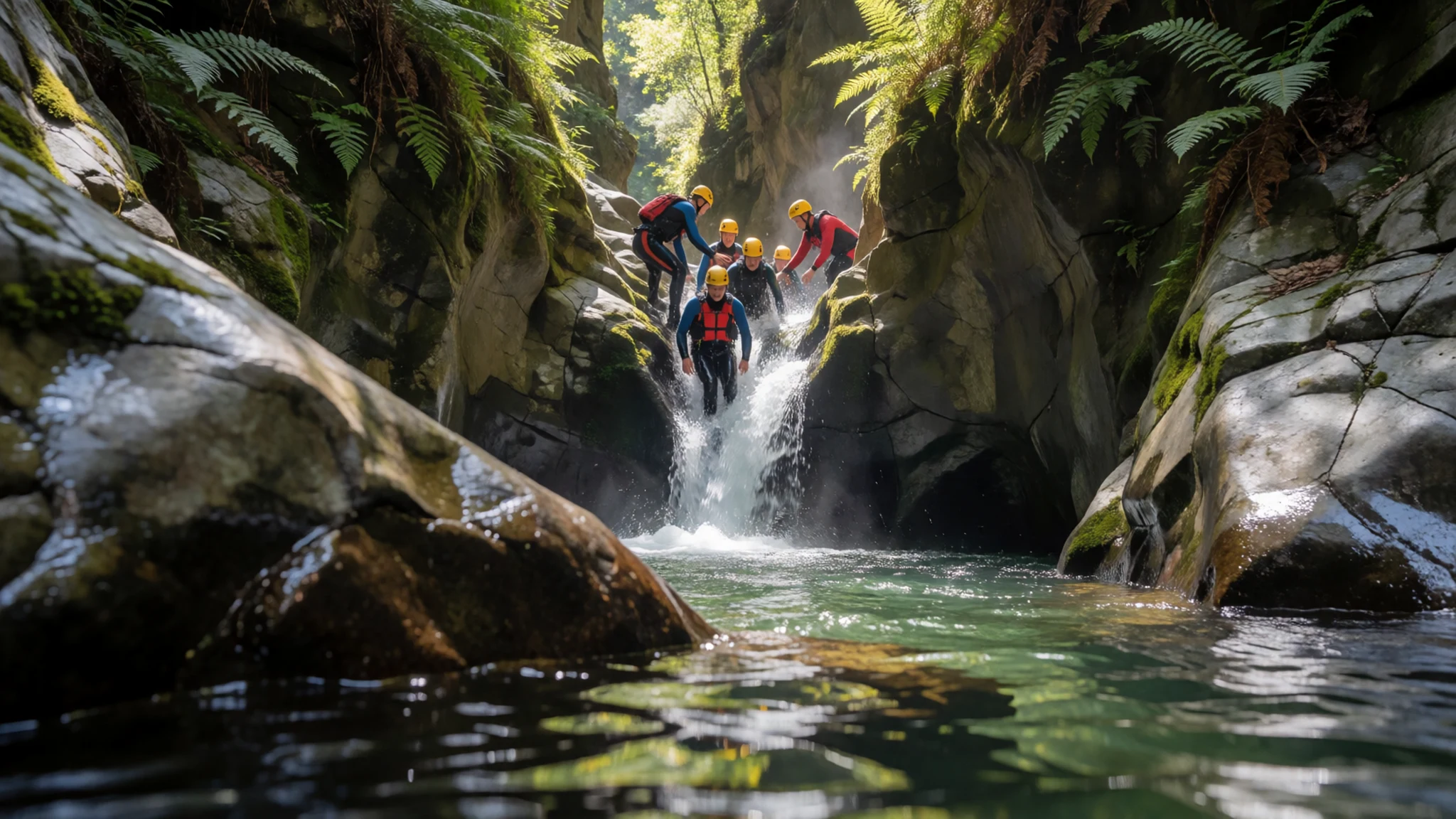
- Otter Trail — Coastal section of the Garden Route
The Otter Trail follows the rugged coast and is named after the Cape clawless otter, which lives along this shoreline. It is a multi-day hike that rewards walkers who like rocky headlands, forest and tidal pools. Because demand is high, reserve your place well in advance and check the official park information for current conditions and requirements.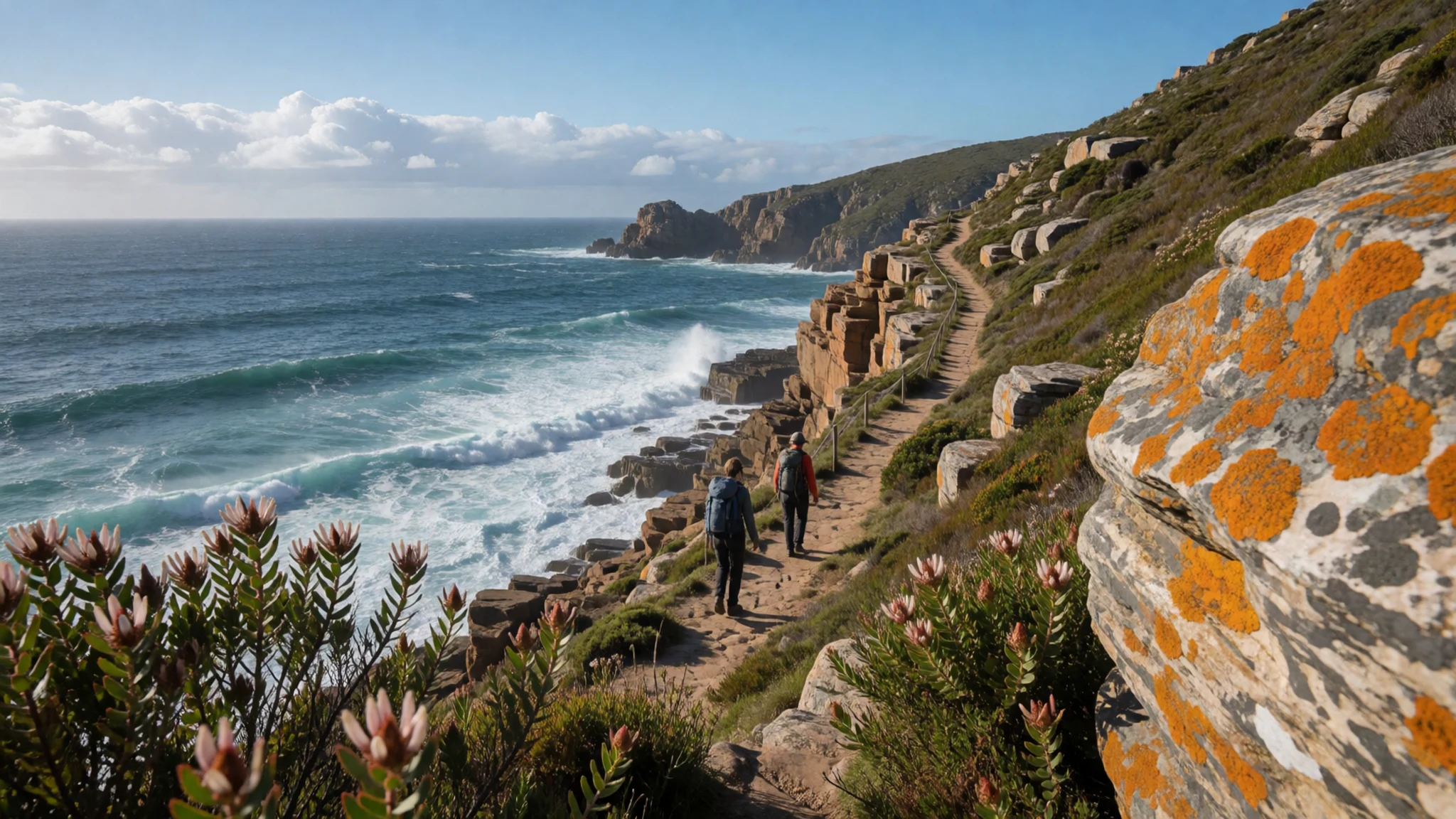
- Tsitsikamma Mountain Trail — Tsitsikamma, inland forest and mountains
The Tsitsikamma Mountain Trail climbs through lush forest and mountain fynbos, where the plants change quickly with altitude. Ancient river gorges and streams give plenty of places to swim on a hot day. Carry enough water, wear shoes with grip for damp rock, and plan your walking time so you are back before the afternoon heat builds.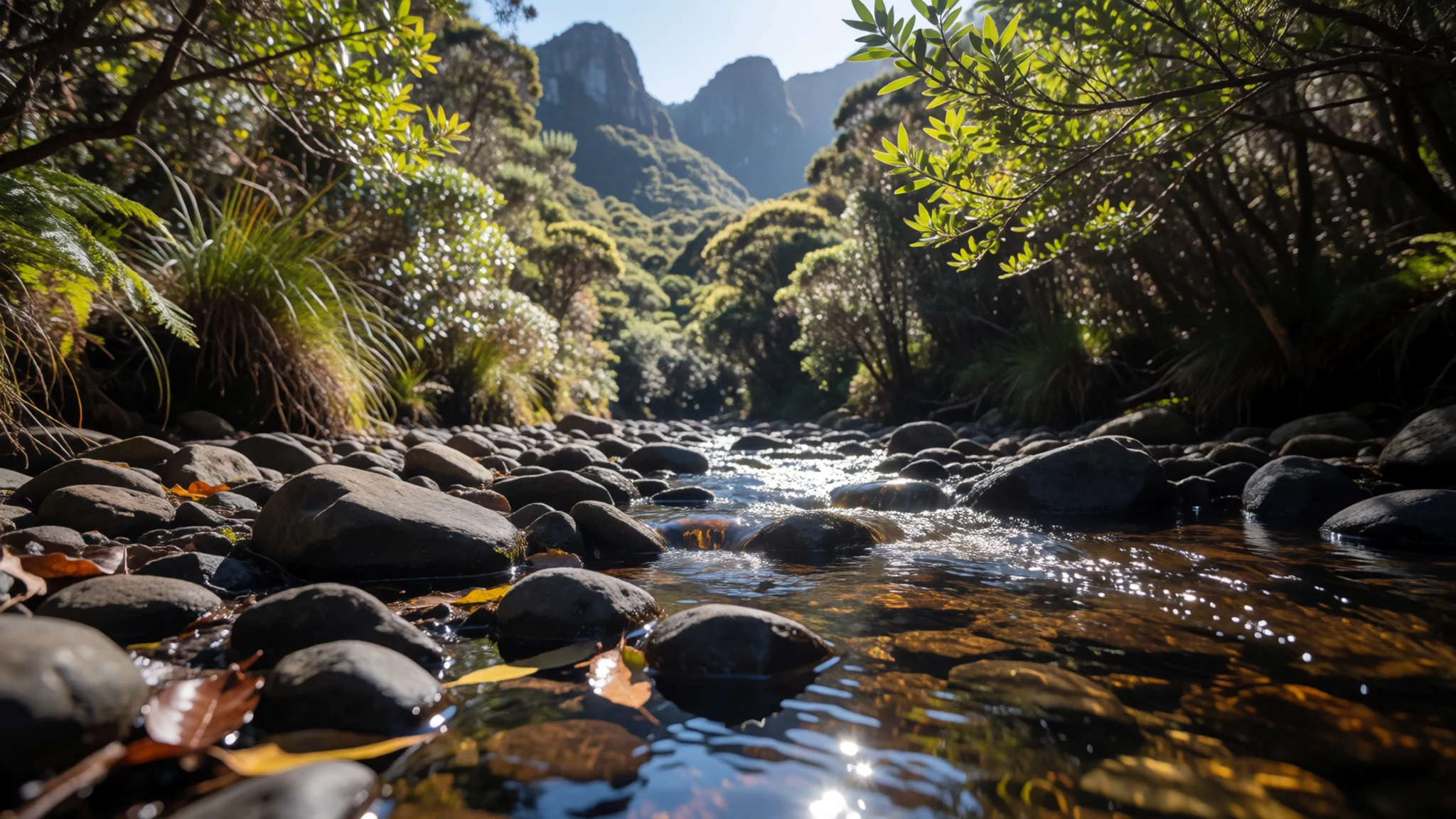
- Outeniqua Trail — Outeniqua mountains, Beervlei to Harkerville
The Outeniqua Trail can be done as a string of day walks or as a longer journey over several days. It starts at Beervlei in the upper reaches of the park and finishes at Harkerville. Along the way you pass through forest, streams and wide views of the range. Pick a section that matches your fitness, and arrange transport at both ends before you set off.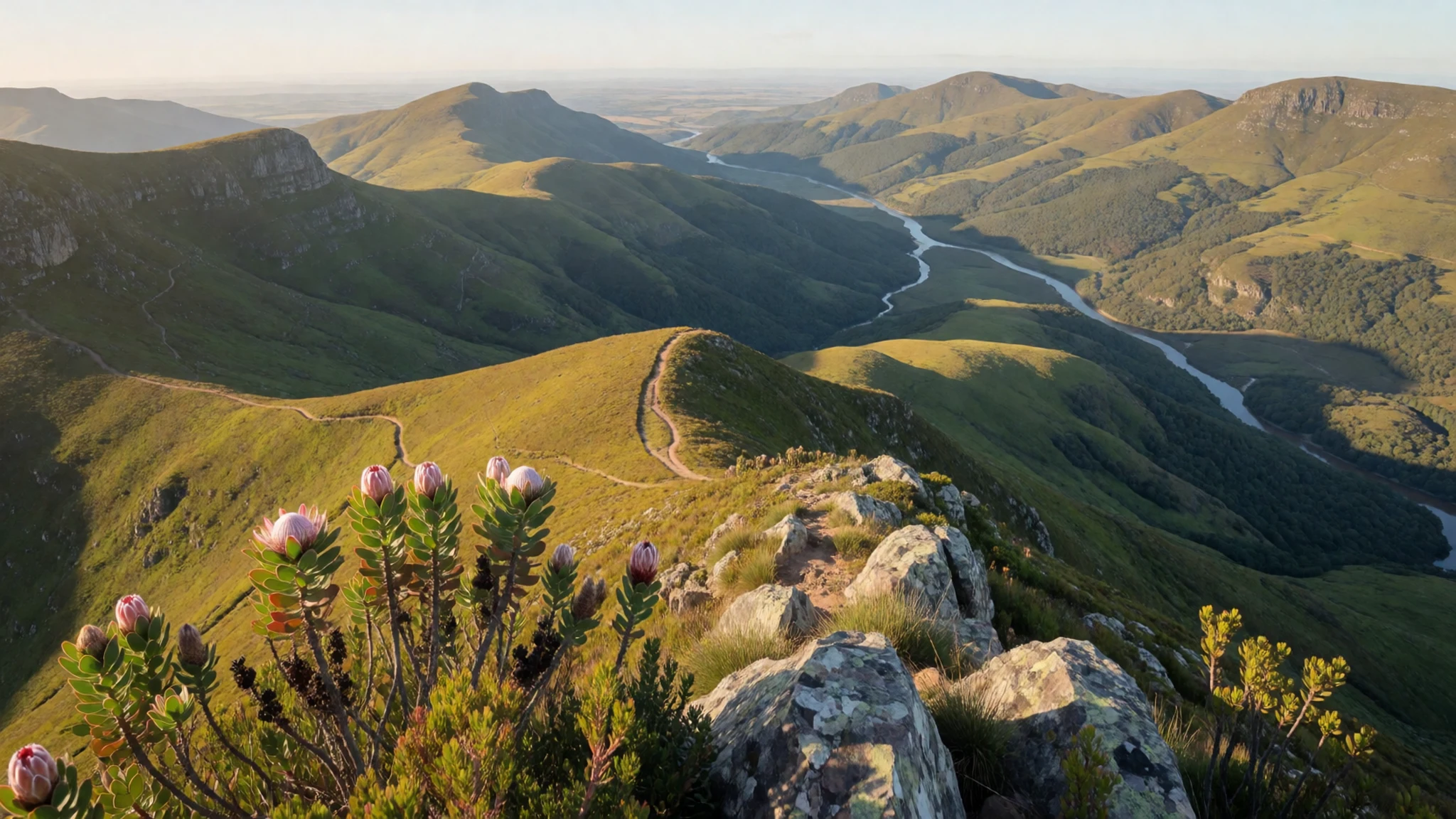
- Ocean Safaris — Boat departures from coastal towns
Boat trips from the coast look for whales and dolphins. Southern right and humpback whales are most often seen from July to December, while Bryde's whales appear all year and are more common in summer. Dolphins seen include bottlenose, humpback and common species. Sea conditions change quickly, so take a warm layer, seasickness tablets if needed, and choose an operator that keeps a respectful distance from animals.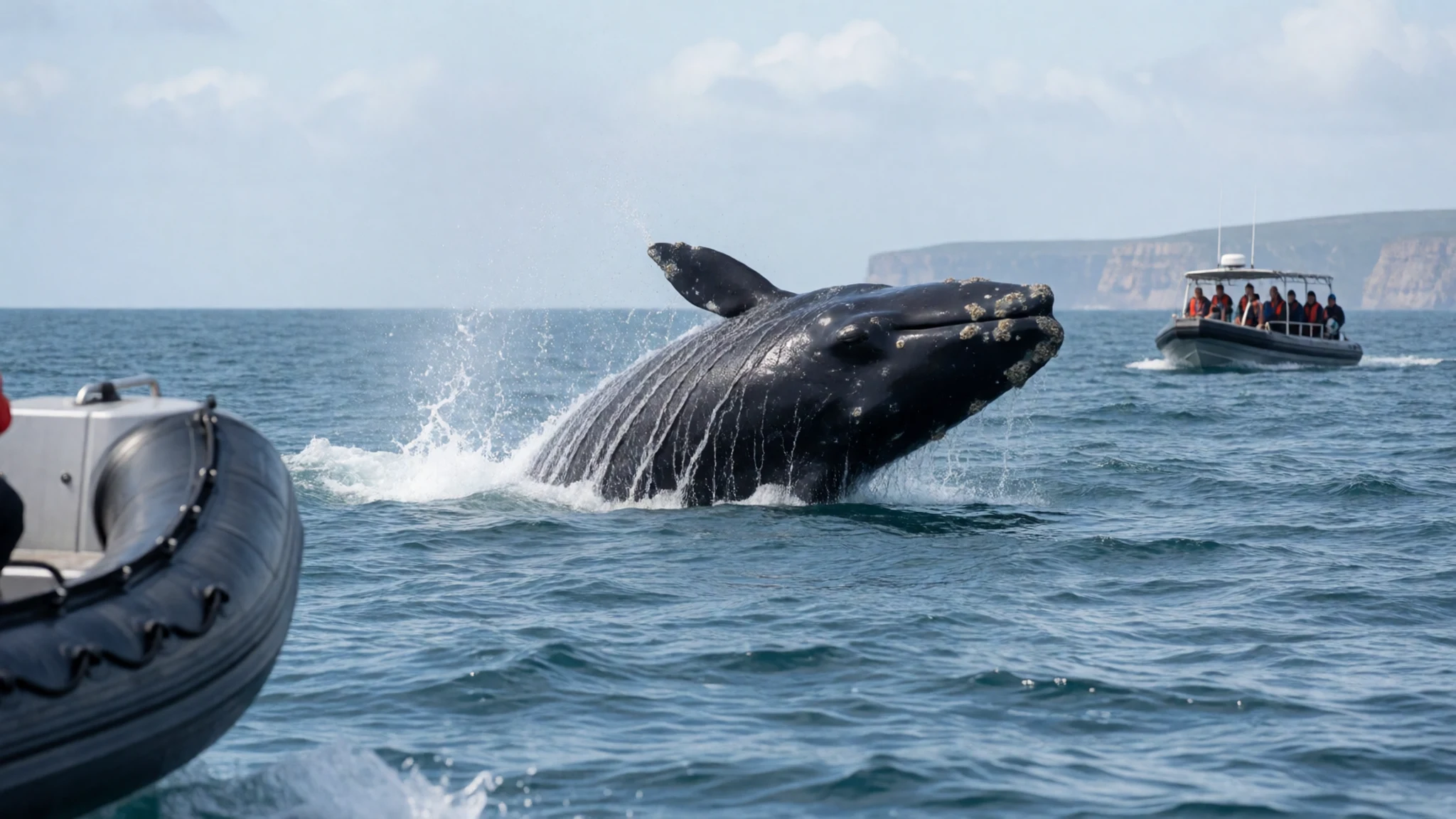
Culture
The name Tuinroete is the Afrikaans form of the Garden Route, and Afrikaans is spoken widely alongside English and isiXhosa, especially towards the eastern end near the Eastern Cape. Farming communities in the hinterland, the Little Karoo and the coastal towns have long shaped daily life, from ostrich and sheep farming to olive and wine estates. Hospitality here tends to be relaxed and friendly, and conversations in shops and restaurants often start with a question about where you are from.
Many visitors come for the outdoors, and that gives the region a strong conservation culture. Local operators and park staff talk often about protecting forests, fynbos and marine life, and they expect visitors to share that care. Expect plenty of people on the roads and beaches in summer, and be patient at busy restaurants and viewpoints where service can be slower than you may be used to.
As you walk the trails, stay on the marked path and keep to any rules about fires and litter, because fynbos and forest floors recover slowly from footprints.
What to wear
The Garden Route does not have a single traditional costume. Its older textiles are more practical than ceremonial: sturdy wool and cotton from the farms, and leather from the Little Karoo's farming economy. On the eastern side of the route, Xhosa beadwork and blankets are part of the wider regional dress tradition, worn at ceremonies and celebrations rather than in daily life. These are worth seeing in craft markets and museums, where you can ask about the materials and meaning.
What people wear now is casual and outdoors-oriented. Shorts, T-shirts and sandals are common in summer towns, while people in the restaurants of George and Knysna often dress smart-casual in the evening. Hiking gear, fleeces and waterproof shells are everyday items for locals and visitors alike, since the weather changes quickly and rain can fall in any month.
A visitor should pack in layers. Bring a windproof and waterproof jacket, a warm fleece for the mountains and early boat trips, and sun protection such as a hat and sunscreen, because the sun is strong even on cloudy days. Sturdy trail shoes with grip are essential for forest and rocky paths, and swimwear is useful for the gorges and beaches.
What to eat
- Fresh line fish — Harbour and seafront eateries in the coastal towns
Line-caught fish is the coast's most reliable treat, usually grilled or fried and served with chips and salad. Ask what came in that morning. Seafront and harbour eateries in the coastal towns serve it most often, and portions tend to be generous. It is a good lunch choice after a morning on the water or a long walk.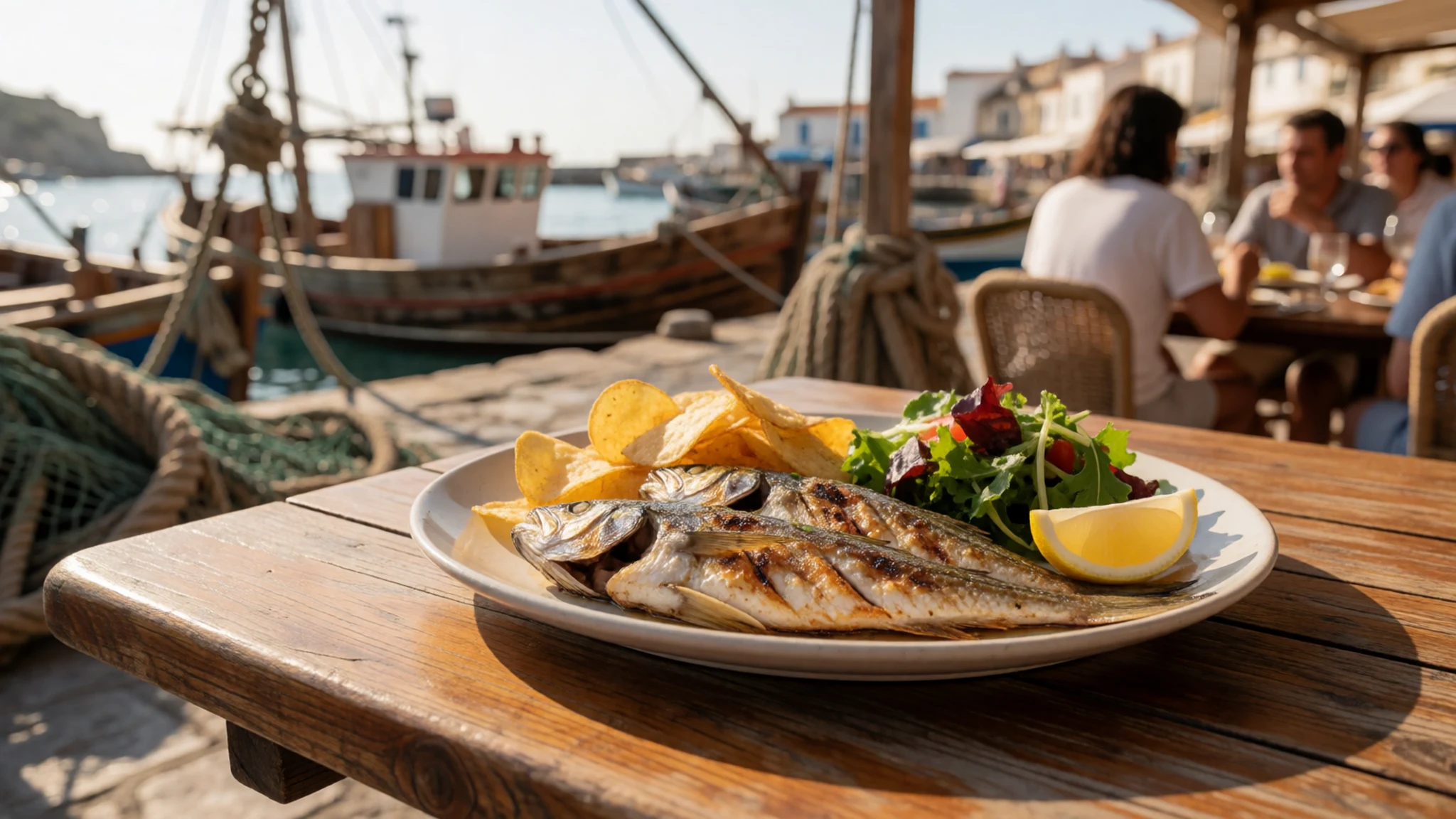
- Knysna oysters — Waterfront eateries and oyster bars in Knysna
Knysna is the place to try oysters, which are served raw with lemon and a splash of vinegar or sauce. The lagoon-side eateries and oyster bars around the town do them simply, letting the shellfish speak for itself. Go at lunchtime when they are freshest, and pair them with a cold white wine from the region.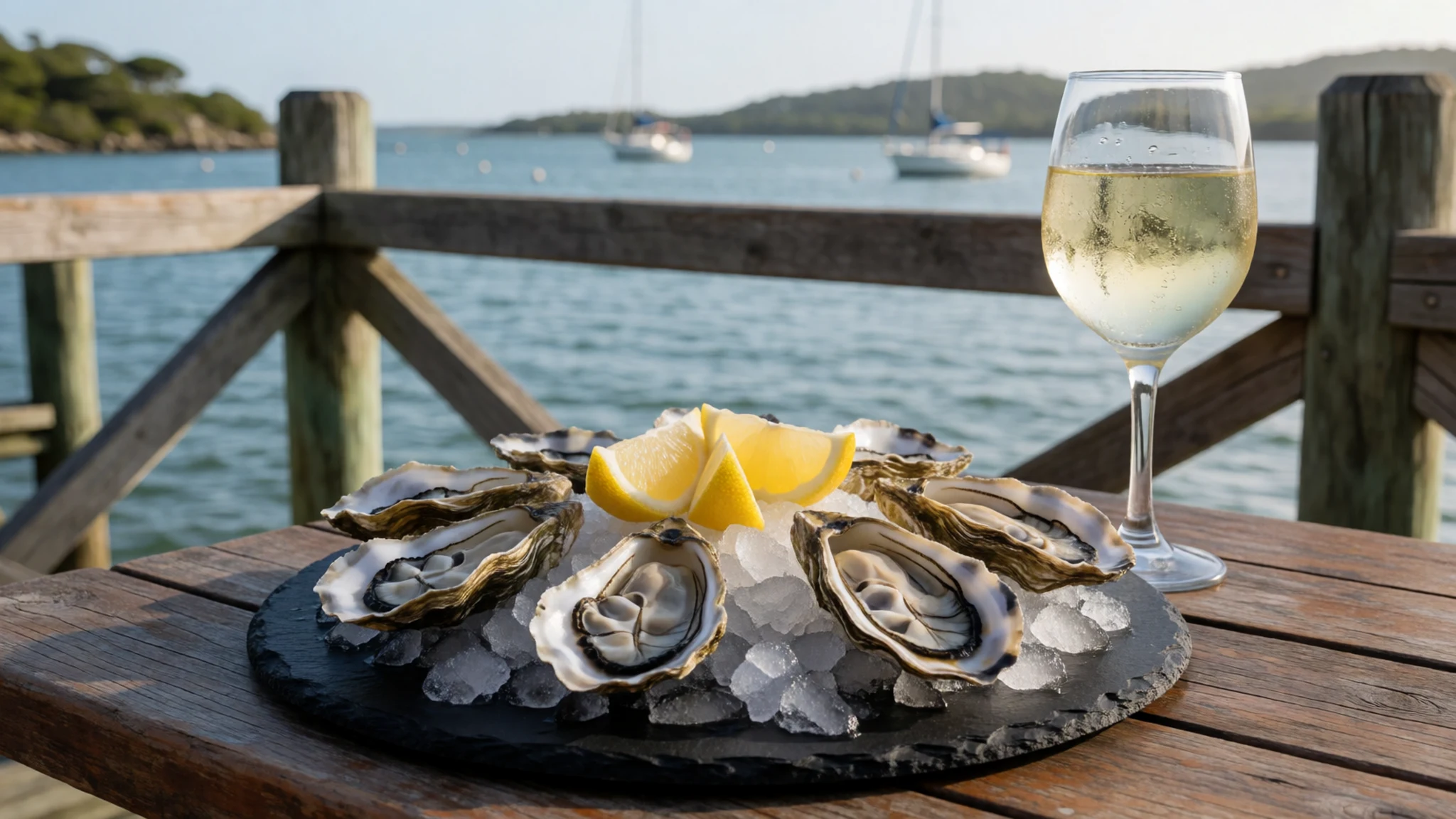
- Little Karoo wine and olive oil — Farm stalls and tasting rooms in the Little Karoo
The Little Karoo produces award-winning wine and olive oil from farms in the valleys behind the mountains. Tasting rooms and farm stalls around Oudtshoorn and the Calitzdorp area are the easiest places to try them. Ask to taste the olive oil on bread, which shows its fruitiness better than a spoon ever could. - Handmade Belgian chocolate — Handmade-chocolate cafés in the coastal towns
Several cafés along the route make chocolate on the premises, using Belgian-style recipes and hand-finished pralines and truffles. The Hot Chocolate Cafe is one example. Choose a small café over a chain, ask what is freshly made that day, and take a box back for the journey.
Plan it
Best time. November to March suits warm sea and long days, though it is the busiest season. Late winter, July and August, brings cold air and snow on the mountains but also whale season. Rain falls in every month, with a slight peak in spring, so pack for wet weather at any time.
How long. 3–5
Getting there. Fly into George for domestic flights or Cape Town for international connections. From Cape Town, follow the N2 east about 350 km to Mossel Bay. Regular buses run from Cape Town and Gqeberha, and a hire car gives you the freedom to stop at estuaries and viewpoints.
Budget. mid
Tips
- Book accommodation early for weekends and school holidays, when the route fills with local and foreign visitors
- Reserve popular hikes such as the Otter Trail well ahead and check the official park information
- Pack for changeable weather, with rain possible in any month and cold mountains in winter
- Carry some cash for farm stalls and small markets, as cards may not be accepted there
- Check the official site or operator before booking any activity, and ask about current conditions
Etiquette
- Stay on marked trails and follow park rules in the forests and fynbos
- Keep a respectful distance from whales and dolphins on boat trips
- Ask before photographing people at farm stalls, craft markets or ceremonies
Nearby
Sources
- Wikidata Q1402191 (CC0)
- Wikipedia: Garden Route (rev 1361202076) (CC BY-SA 4.0)
- Wikivoyage: Garden Route (rev 5402612) (CC BY-SA 4.0)
- South Africa - Garden Route, Diriye Amey (CC BY 2.5)
- Storms River mouth, Tsitsikamma National Park, Conrad88 (CC BY-SA 2.5)
- Fairy Knowe station, South Africa, Duncanogi (Public domain)
- MvubuSunrise, Conrad88 (CC BY-SA 2.0)
- Emily Moon 03 HDR, michael clarke stuff (CC BY-SA 2.0)
- Emily Moon 05, michael clarke stuff (CC BY-SA 2.0)
- Floating Dock Wreck, Nic (Wikivoyage) (Public domain)
- Garden route seaview, Moongateclimber (CC BY-SA 1.0)


