Gaborone
Gaborone, Botswana
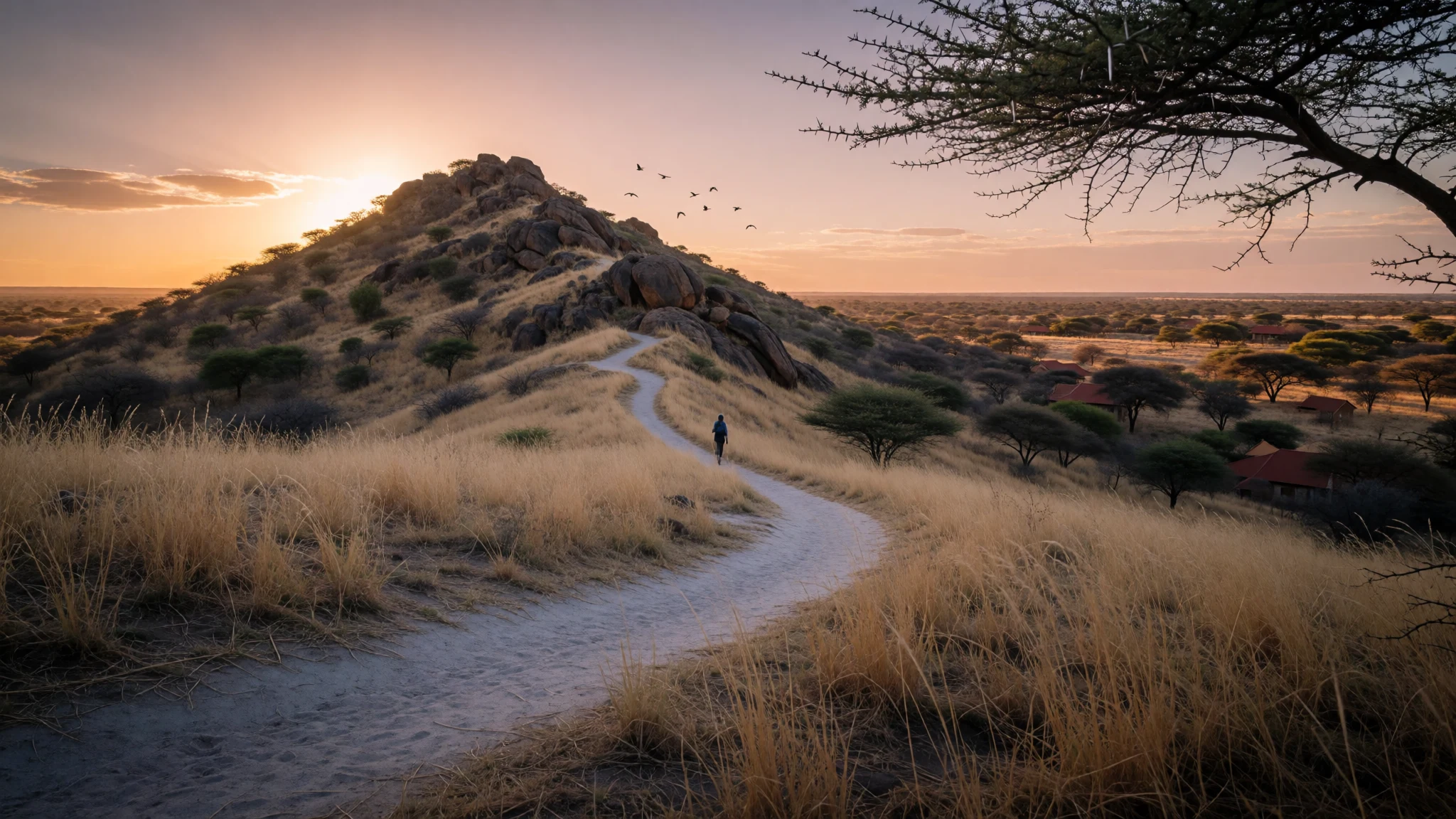
Gaborone is a calm, planned capital in the dry south-east, worth a day or two for its monuments, museum and Kgale Hill.
The place
Gaborone sits in the south-east corner of Botswana, less than 15 kilometres from the South African border, on a plateau at about 1,014 metres between Kgale Hill and Oodi Hill. It is the capital and the largest city in the country. About 246,000 people lived in the city proper at the 2022 census, roughly one Motswana in ten, and the wider metropolitan area holds around 535,000. Locals often call it GC, and sometimes Motse-Mshate.
The layout is easy to grasp. A long commercial strip known as Main Mall forms the spine, and a half-circle of ministries and government offices curls off to its east. The parliament, the Southern African Development Community headquarters and the national museum all sit within a short drive of one another. Beyond that, suburbs spread outwards, and the city has grown quickly enough to put real pressure on housing, with informal settlements at the edges.
It does not look like an old African capital, and it is better not to expect one. Gaborone is a planned, low-rise, car-oriented city of office blocks, shopping malls, wide roads and dry bush. Its pleasures are quieter: unhurried people, clear light, a sunrise climb up Kgale Hill, a reservoir on the city's edge, and a useful base for organising trips to the Kalahari, the Okavango and the wildlife parks further north. Summers are hot and stormy; winters are dry and bright, with cold nights. Most travellers give the city a day or two on the way elsewhere, and that is about right.
Its story
Gaborone as a capital dates only from the 1960s, though people have lived along the Notwane River for centuries. Around 1880 the Tlokwa moved here from the Magaliesberg ranges and named their settlement Moshaweng. Their chief, Gaborone, gave the area the name it still carries; the word is usually glossed as 'it does not fit badly'. European newcomers wrote it as Gaberones, and the colonial administration set up its headquarters across the river from the chief's village, now called Tlokweng. That base was known as Government Camp, which is why the city is still nicknamed GC.
In 1890 Cecil John Rhodes chose the spot for a fort, and it later figured in the planning of the Jameson Raid. For decades afterwards the Bechuanaland Protectorate was run from Mafeking, outside its own territory. As independence approached, Lobatse was the first candidate for a new capital but proved too cramped. Planners instead chose a fresh site beside the old settlement, near water and not tied to any one local group. Building began in 1964, the administration moved in 1965, and Botswana became a fully independent republic on 30 September 1966. The spelling changed from Gaberones to Gaborone in 1969. The city then grew at a pace that, for a time, placed it among the fastest-growing in the world, and the housing questions that followed are still being worked through.
What to see
- Three Dikgosi Monument — Government Enclave
Three bronze figures near the government area honour Khama III, Sebele I and Bathoeng I, chiefs of the Bangwato, Bakwena and Bangwaketse. In 1895 they travelled to Britain to lobby for direct British protection of their lands. It is a short stop, best paired with a walk past the nearby ministries.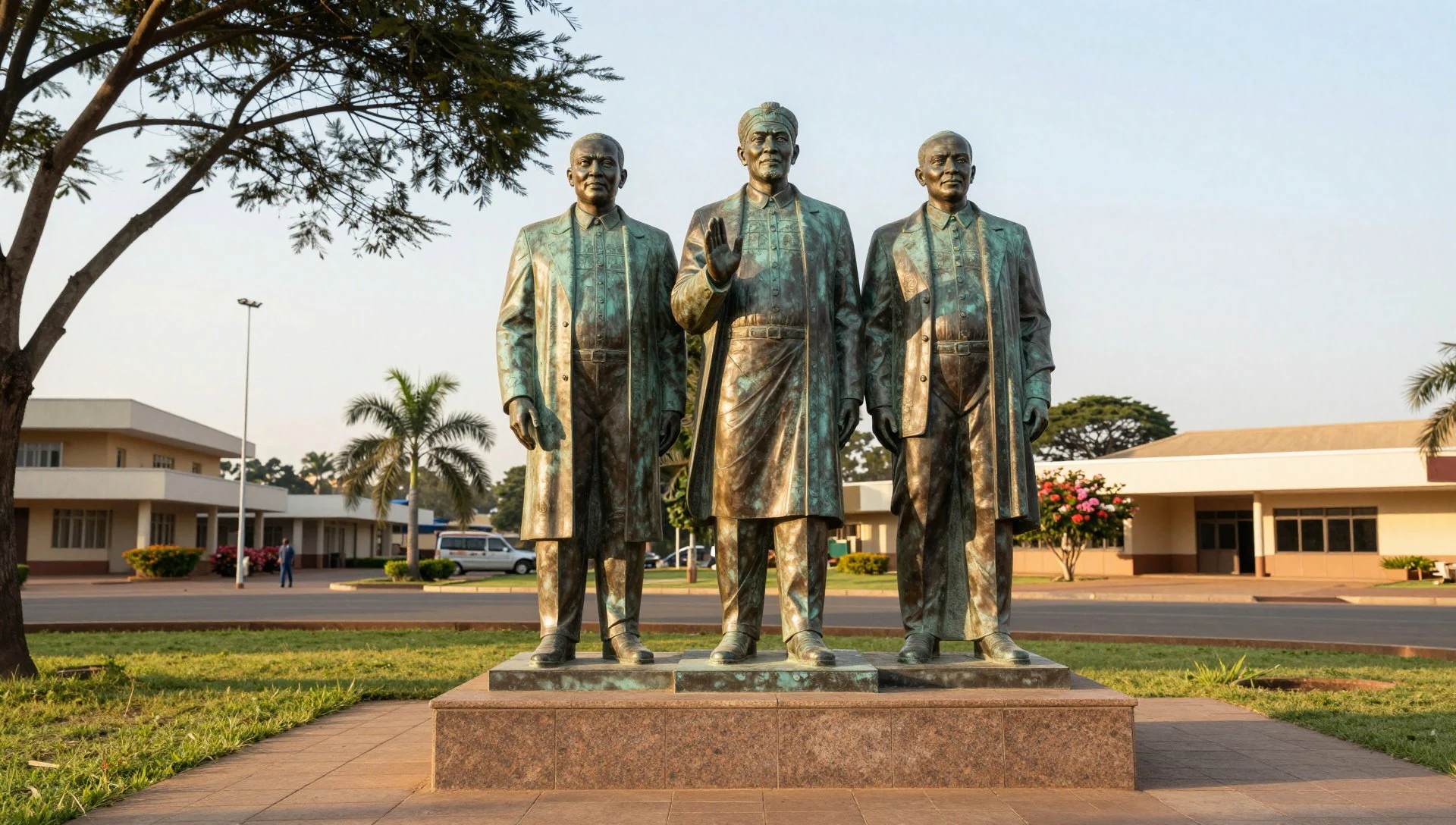
- Parliament and the Seretse Khama statue — Government Enclave
The parliament building and a statue of Seretse Khama, the first president, stand close together at the heart of the government area. They explain the city's purpose better than any guidebook: a capital built from scratch for a new republic. Photography of official buildings needs care, so ask a guard first.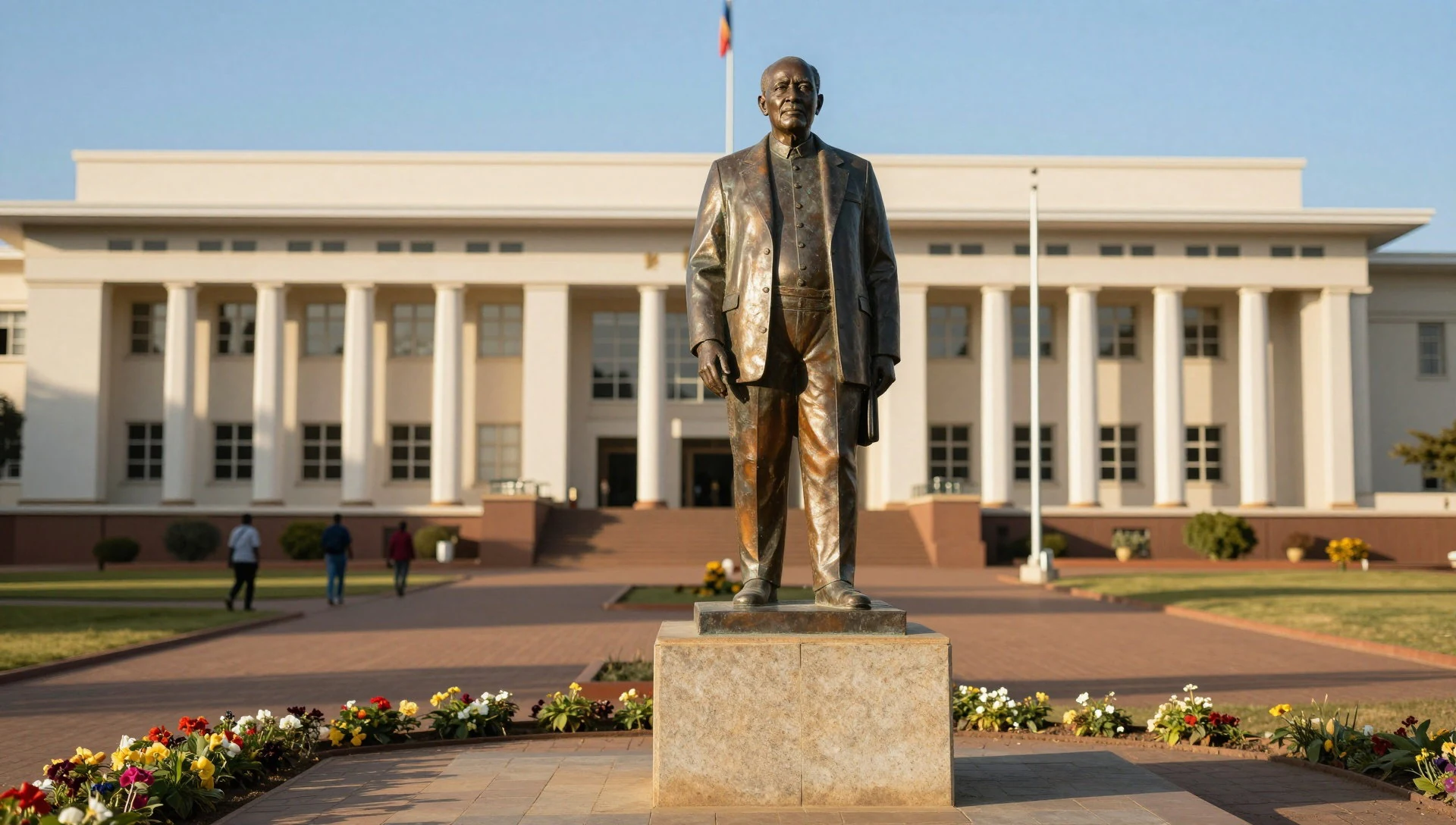
- National Museum and Art Gallery — Independence Road, near Main Mall
Just north-west of Main Mall on Independence Road, the museum covers traditional crafts, work by local artists and paintings by Thomas Baines and Lucas Sithole. Outside, old wagons, sledges and bakkies show how people once moved about. Check the museum's official channels for opening times before going.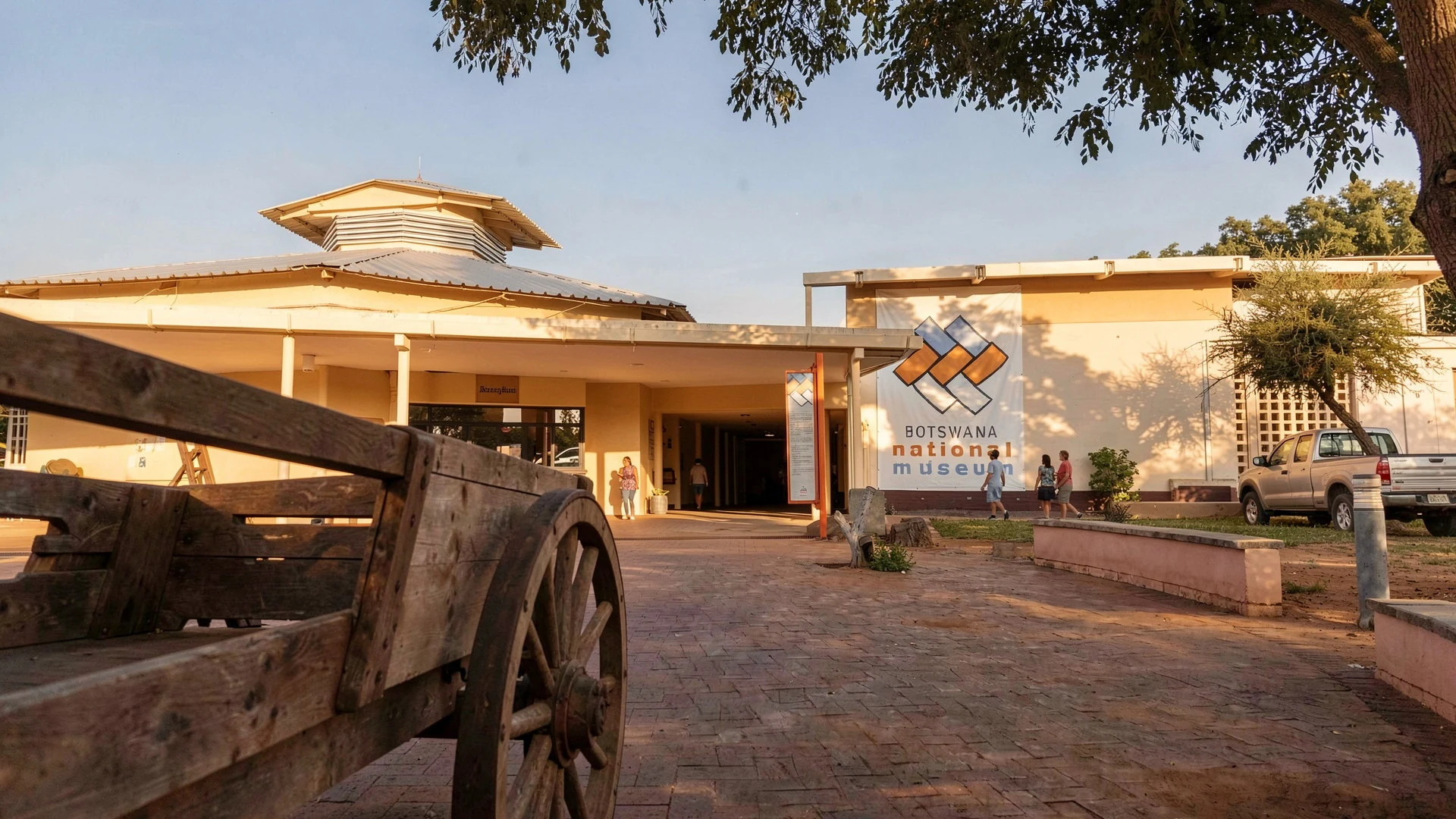
- National Botanical Garden — East Gaborone
Run by the National Museum, this garden gathers native plants from all six of Botswana's ecological regions, and about nine in ten of its species are local. It is a gentle, shaded way to understand the country's landscapes without leaving the city. Bring water and a hat.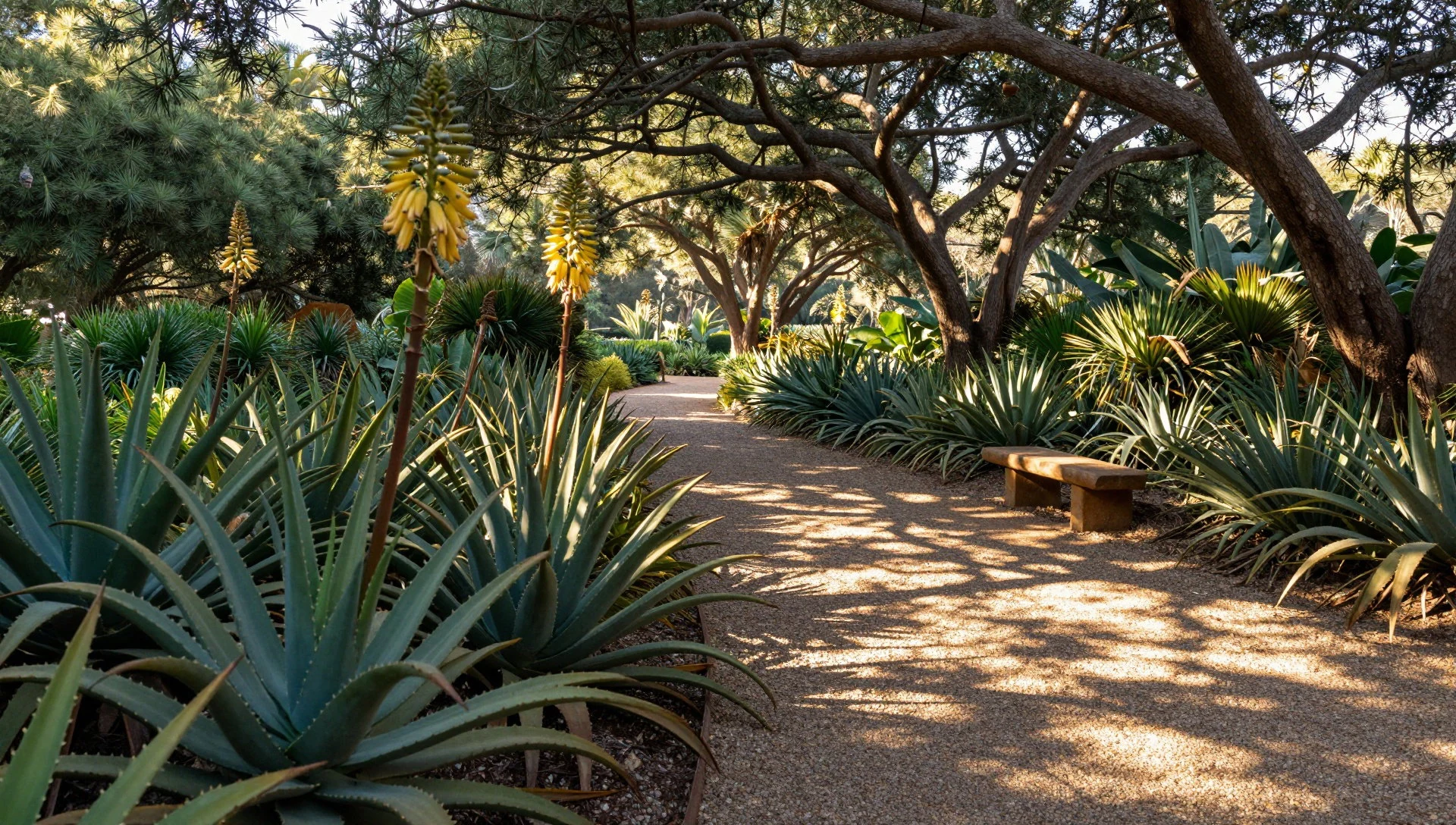
- Kgale Hill — South-west edge of the city
Kgale Hill rises to about 1,287 metres on the south-western edge of the city. The climb is steady rather than technical, and the view back over the flat, scrubby capital is the point. Go at sunrise in the warm months, wear proper shoes, and carry plenty of water.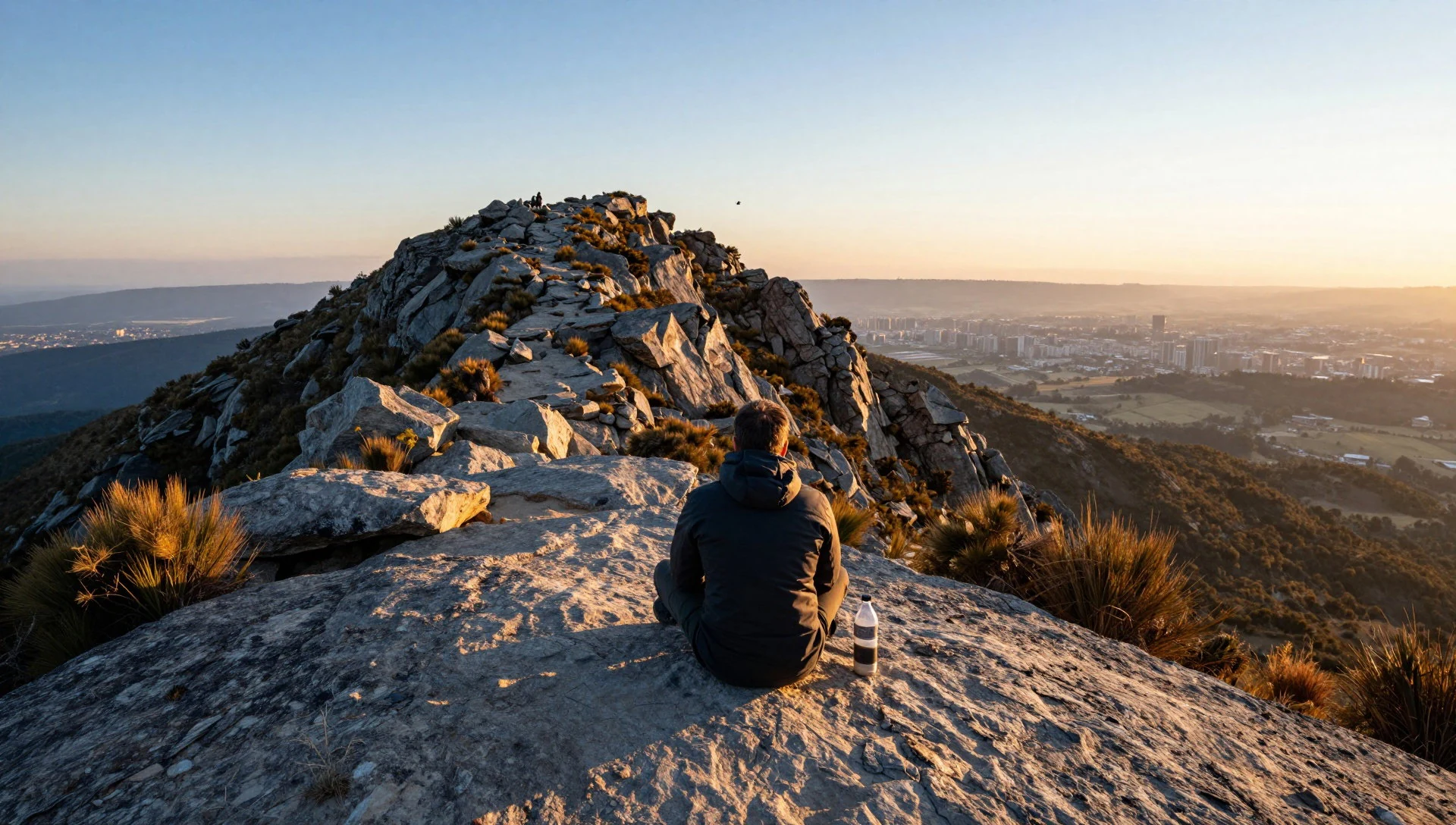
Culture
Gaborone is the political and cultural centre of a country whose majority are Batswana, and Setswana and English are heard side by side. The city's institutions are young, which suits its mood: modern and practical, with older village customs still shaping manners. Greetings matter, and conversations usually open with a proper hello and a question about how you are before any business.
The National Museum and Art Gallery opened in 1968 and holds traditional crafts alongside contemporary art. It also has a gallery on the San, among the first peoples of southern Africa. In 2007 the museum added the National Botanical Garden, built to protect the country's native plants. The performing arts get their showcase at the Maitisong Festival, which began in 1987 and runs for seven days at the end of March or start of April, with theatre, music and dance.
The Three Dikgosi Monument is a reminder that chieftaincy remains part of national life. Leaders and elders are spoken of with respect, and a gathering held under a chief's authority is a serious occasion. Visitors who show interest in history, language and local art tend to get warm responses. Evenings are quiet by the standards of many capitals, and most socialising happens around food, church, family events and sport.
Ask before photographing people, and check before pointing a camera at government buildings or uniformed staff.
What to wear
Gaborone's traditional dress draws on printed cotton, often called leteisi, which is sewn into long dresses with matching headscarves for women. Wool blankets are draped as shawls against winter cold, and skin cloaks (karosses) belong to history and to ceremony rather than daily life. Traditional outfits come out at weddings, funerals, church services, national days and cultural festivals, where patterns and colours can signal a family or occasion.
In daily life, most people dress in a neat, practical, fairly conservative way. Office workers wear suits, shirts and smart dresses, and many wear a mix of modern and traditional pieces, such as a printed skirt with a plain top. Weekends mean jeans, trainers and football shirts. Uniforms are common, from schools to the security services, and people take care to look tidy.
For visitors, think light, breathable cotton and linen for the hot months, plus a hat, sunglasses and sunscreen. Winter nights can be cold, so a fleece or jacket is useful from about May to August. Shoes with grip are needed for Kgale Hill; sandals are fine in town. Dress modestly for places of worship, including the Hindu temple, where shoes are removed. Avoid camouflage patterns, which can be mistaken for military wear.
What to eat
- Seswaa — Local Setswana eateries and community celebrations
Seswaa is Botswana's ceremonial dish: beef or goat boiled until tender, then pounded to shreds and seasoned simply. It is served at weddings, funerals and celebrations, usually with pap. Look for it at family events or local eateries serving traditional food.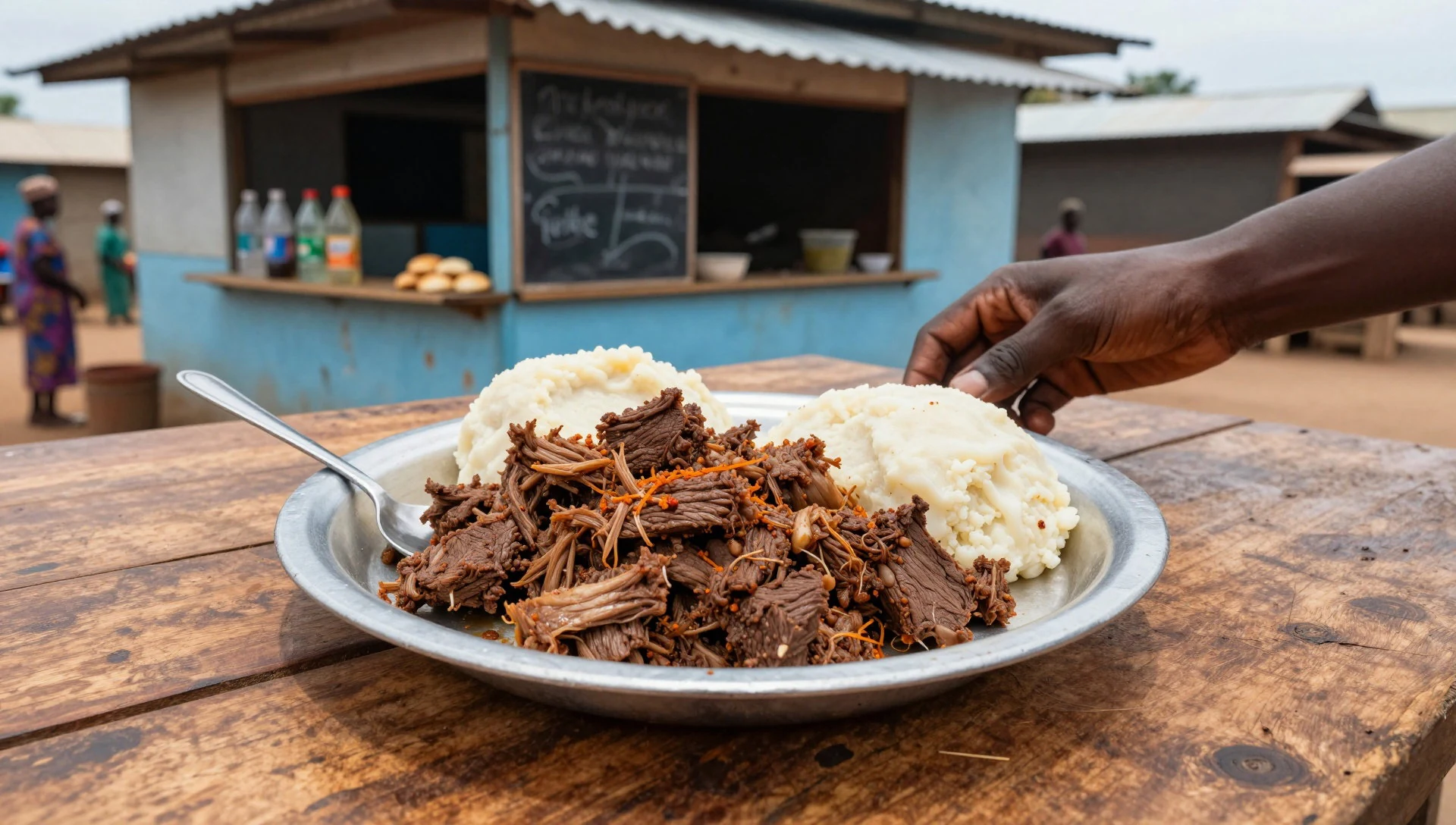
- Pap and morogo — Neighbourhood canteens and takeaway counters
Pap is stiff maize porridge, the everyday staple, and morogo is a dish of wild or cultivated leafy greens, cooked soft. Together they make a filling, inexpensive plate. Sorghum porridge, called bogobe, is the older alternative, sometimes soured or served for breakfast.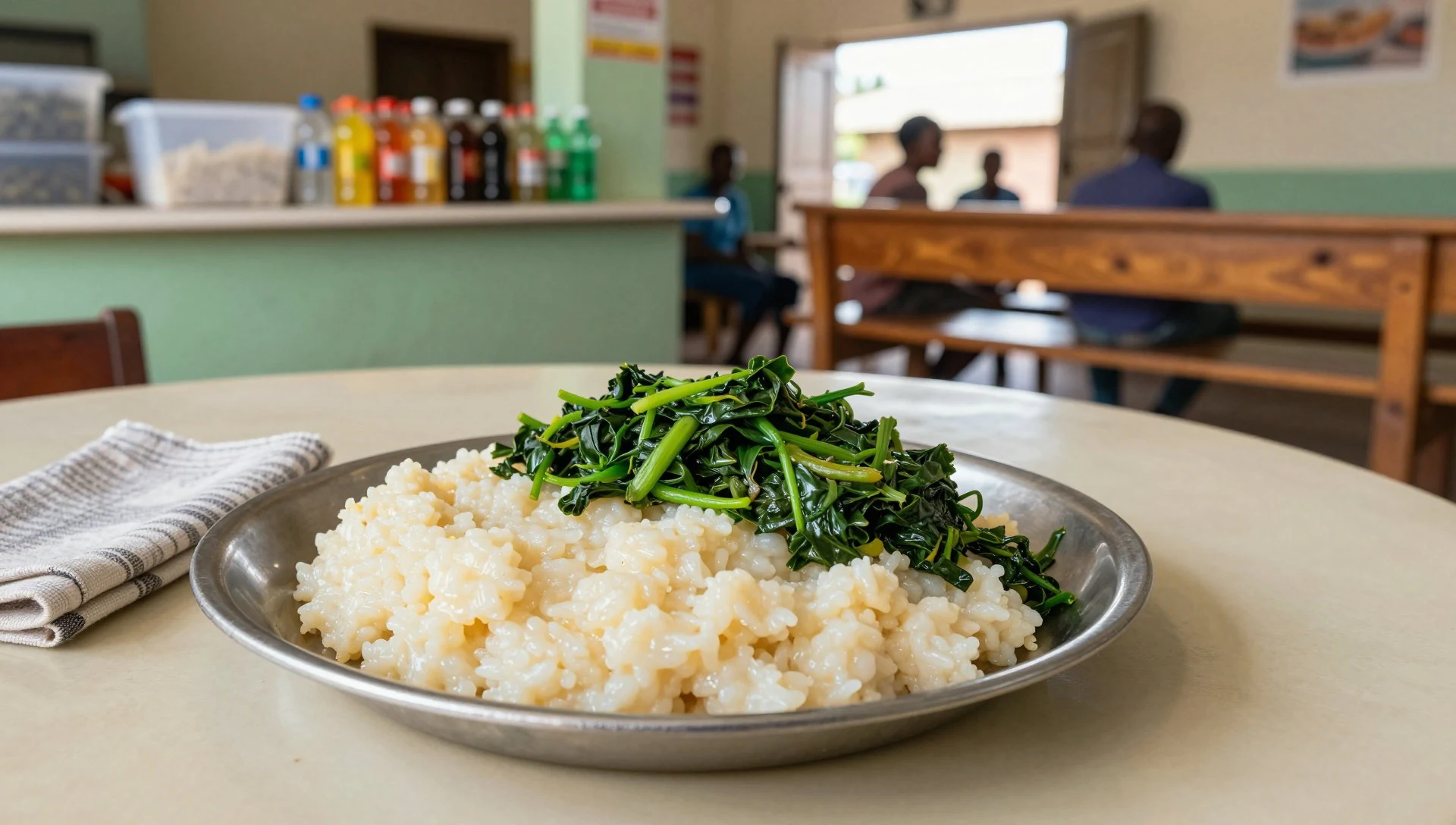
- Braai — Grill restaurants, bars and weekend gatherings
A braai is a charcoal or wood grill, the centre of weekend gatherings. Beef, boerewors sausage and chicken are the staples, with pap and a tomato-onion relish alongside. Many bars and restaurants in the city serve meat-focused menus, and friends often grill at home. - Rice, vegetables and meat plates — Lunch counters and takeaway shops around Main Mall
The standard weekday lunch is a box or plate of rice with vegetables, sometimes meat, filling and quick. It is popular with office workers who want a fast meal. Prices stay modest, and portions are generous, so it is an easy way to eat cheaply. - Daals and Indian curries — Indian restaurants in the central and east districts
South Asian communities have shaped the city's eating. Unfussy Indian restaurants serve vegetable and meat curries, several kinds of daal, rotis and rice. They suit vegetarians well, and the lentil dishes are a good alternative to the meat-heavy local menus.
Plan it
Best time. April–May is warm rather than hot, while September–October is among the hottest times, just before the rains. November–March is hot, with afternoon thunderstorms; June–August is dry and sunny, but nights are cold.
How long. 1–2
Getting there. Sir Seretse Khama International Airport serves the city, with flights from Johannesburg and other regional hubs on Air Botswana and Airlink. A taxi covers the last leg to the centre. A daily bus runs from Pretoria, and domestic buses link most large towns.
Budget. mid
Tips
- Have your accommodation address ready at customs; it makes arrival quicker
- Agree a taxi fare before you set off, or ask your hotel or guesthouse to arrange one
- Arrive early at the bus station, as buses can leave as soon as they fill, and carry water
- Climb Kgale Hill at sunrise in warm months to avoid the heat
- Check opening times for the museum and botanical garden on official channels; the city council site is gov.bw
Etiquette
- Greet people properly before asking a question or starting business
- Ask before photographing people, uniforms or government buildings
- Dress modestly and remove your shoes when entering temples and places of worship
Nearby
Sources
- Wikidata Q3919 (CC0)
- Wikipedia: Gaborone (rev 1380523961) (CC BY-SA 4.0)
- Wikivoyage: Gaborone (rev 5425314) (CC BY-SA 4.0)
- Gaborone skyline, Njengabenngugi (CC BY-SA 4.0)
- View from I-Tower, CNJerem (CC BY 4.0)
- Parliament of Botswana, Iulus Ascanius (Public domain)
- National Museum of Botswana, CNJerem (CC BY 4.0)
- Gaborone Dam, Athena Lao (CC BY 2.5)
- First mayor of Gaborone, Maun man (Public domain)
- Gaborone from the ISS, NASA Astronauts (Public domain)
- Gaberone aerial, Claudia (CC BY 2.5)


