Fuzhou
Fuzhou, People's Republic of China
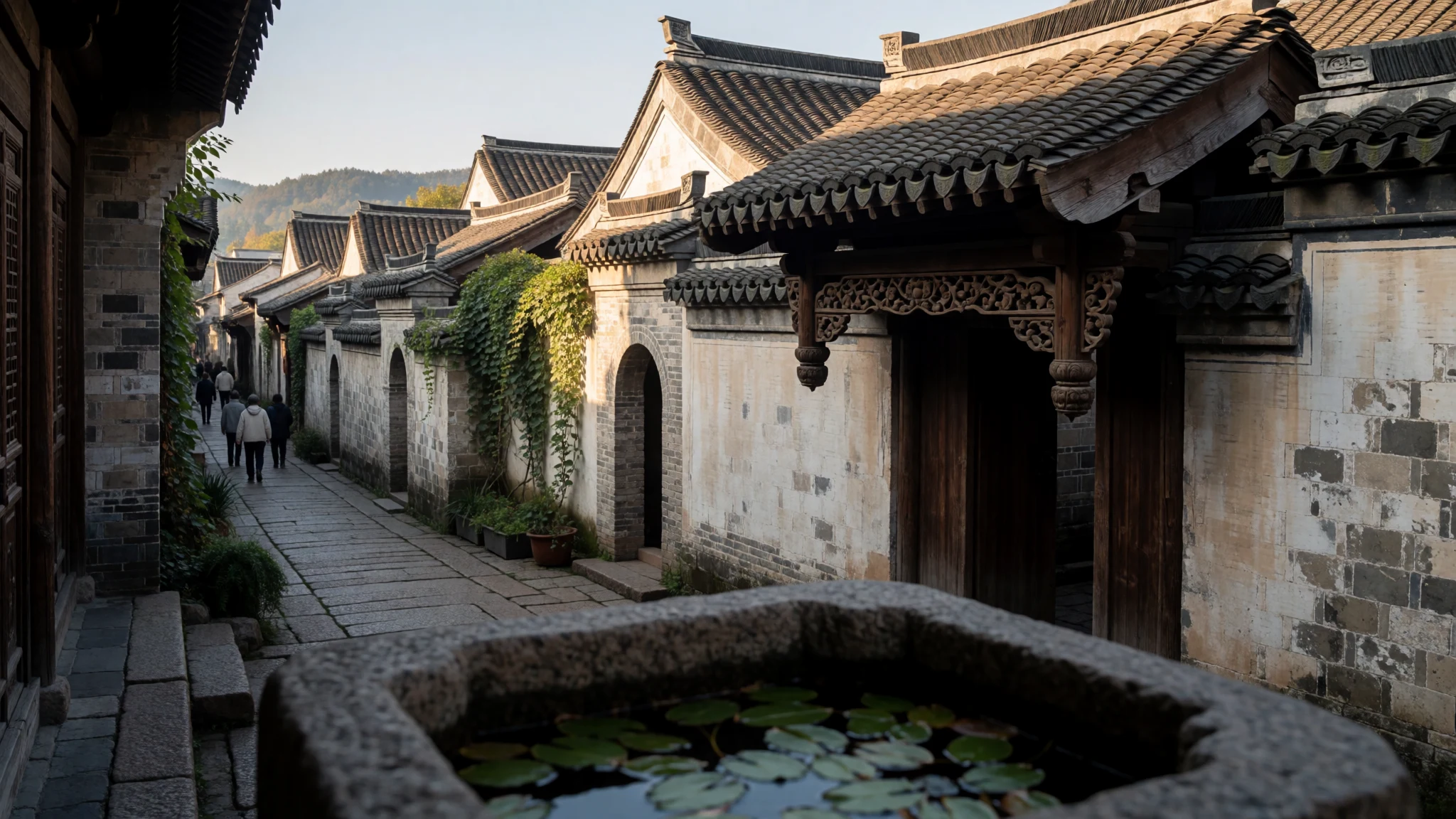
Fuzhou offers deep Minyue heritage, ancient lanes, and steaming coastal breakfasts where the Min River meets the sea.
The place
Fuzhou serves as the provincial capital of Fujian, spreading across the landscape where the Min River estuary meets the southeastern coastline. Together with its northern neighbour Ningde, the territory forms the distinct Mindong linguistic and cultural zone. Administrative boundaries encompass both dense urban quarters and quieter rural districts, supporting a large population across the municipal area. As a major seaport and economic hub, the territory balances rapid modern expansion with enduring historical quarters that line the riverbanks and hills.
Scientific research and higher education hold prominent positions in the urban identity, hosting notable institutions such as Fuzhou University, Fujian Normal University, and Fujian Agriculture and Forestry University. The climate is defined by humid subtropical patterns influenced by the regional monsoon system. Summers stretch long, very hot, and heavy with moisture, while winters remain short, mild, and dry, making spring and autumn the most comfortable seasons for exploring the winding lanes and nearby mountain trails.
Its story
Archaeological excavations reveal deep roots in the region, with ancient bone analysis linking prehistoric inhabitants of sites like Xiying to broader Austronesian populations. The early Keqiutou culture established planned settlements and initiated early agricultural traditions involving rice cultivation in Fujian, leaving behind artifacts that share clear connections with the Dapenkeng culture found across the water in Taiwan. Later, the Tanshishan neolithic culture transitioned into Bronze Age communities supported by maritime economies, specialized crafts, and organized burial practices.
During the Warring States period, central Chinese kingdoms began referring to the region as Minyue, associating the local inhabitants with the Baiyue peoples who once occupied much of southeastern China. After the state of Yue fell to Chu, regional governance shifted, yet the coastal communities maintained distinct traditions separate from central dynasties. This maritime orientation shaped centuries of commercial activity, boatbuilding, and regional migration across the strait and outward toward maritime trade routes.
What to see
- Three Lanes and Seven Alleys — Downtown Fuzhou
This historic district in the heart of the city stands as one of the largest preserved historic downtown areas in the country. It preserves hundreds of ancient residences dating from the Ming and Qing dynasties, featuring white courtyard walls, dark tile roofs, and intricate wood carvings that showcase traditional residential architecture.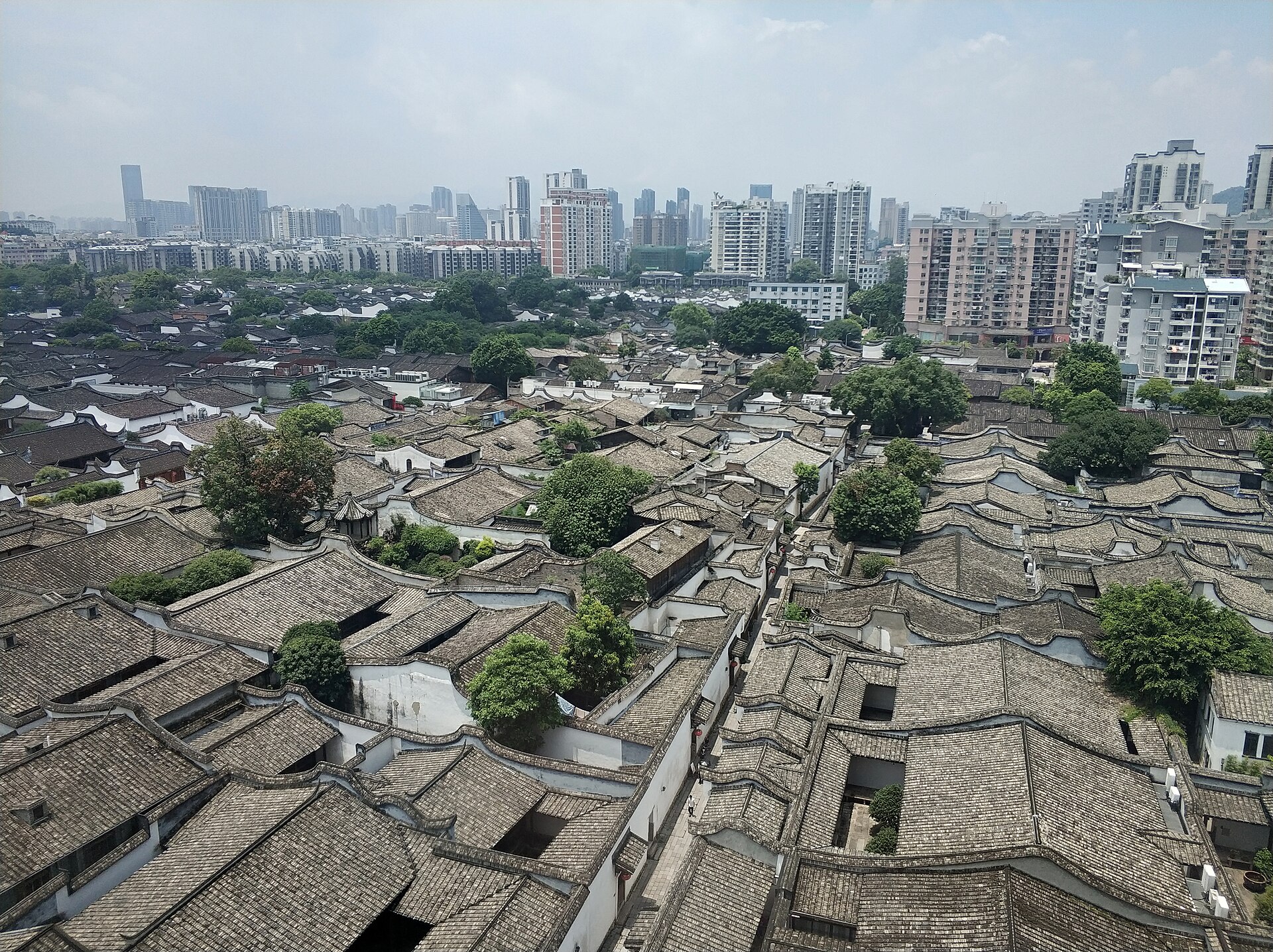
- Zhongzhou Island — Min River
Positioned within the river, this island became the site of a unique architectural experiment when local authorities and foreign investors developed a collection of European-style structures reminiscent of a fairy tale. Surrounded by water, it contrasts sharply with the traditional courtyard architecture found in older residential quarters nearby. - Yantai Mountain — Cangshan District
Serving historically as the primary foreign trading concession area for Western nations, this elevated district retains its original street grid and several colonial-era buildings. Today, the lower slopes have transformed into relaxed neighbourhood spaces lined with independent shops, quiet coffee houses, and casual eateries. - Shangxiahang — Taijiang District
Functioning as a vital commercial hub since the eleventh century, this historic riverfront district preserves late-nineteenth-century merchant houses, old guild halls, and traditional storefronts. Visitors can wander through narrow commercial lanes that once handled vast quantities of timber, paper, and imported goods arriving via the waterway. - Fuzhou Confucius Temple — Gulou District
Established initially during the Tang Dynasty and rebuilt following historical fires, this complex represents the oldest Confucian temple structure in Fujian Province. The current courtyards and ceremonial halls largely reflect Qing Dynasty reconstruction efforts, offering a peaceful scholarly sanctuary amid the surrounding urban expansion. - Hualin Temple — Gulou District
Situated in the downtown sector, this ancient Buddhist foundation operates primarily as a cultural museum rather than an active monastic venue. It preserves centuries-old timber framing techniques and offers visitors an intimate look at early regional structural carpentry without the crowds of working pilgrimage sites.
Culture
Cultural life in Fuzhou maintains a distinct identity separate from inland Chinese traditions, shaped heavily by maritime trade and coastal geography. The majority of local residents converse in Fuzhounese, which serves as the prestige variety of the Eastern Min language group. Traditional performing arts include Min opera, an established theatrical tradition featuring thousands of local plays drawn from historical novels, folk tales, and ancient legends accompanied by regional instrumentation. Alongside regional theatre, spiritual life traditionally revolves around Mahayana Buddhism and Taoism, with neighbourhood temples serving as focal points for community gatherings and seasonal festivals. Visitors should remove footwear before entering temple inner shrines and always ask permission before photographing local residents during traditional ceremonies.
What to wear
Traditional dress in the region historically reflected practical maritime life and coastal climates, utilising durable cottons and silks suited for humid conditions. While historical garments are now reserved for theatrical performances of Min opera and cultural festivals, everyday attire follows modern urban standards found across major Chinese coastal cities. Residents dress in contemporary casual clothing, lightweight wear during the long summer months, and layers when cooler dry air arrives in winter. Travellers exploring the city should pack breathable, lightweight fabrics for hot summer days, sturdy walking shoes for navigating uneven stone paths in historic districts like Three Lanes and Seven Alleys, and modest attire covering shoulders and knees when visiting active temples or traditional ancestral halls.
What to eat
- Yu Wan — Morning markets and neighbourhood noodle shops
These celebrated fish balls feature a filling of minced pork encased in a delicate skin made from fish paste and flour, served hot in a clear savoury broth. - Guo Bien Hu — Traditional breakfast stalls along street corners
A beloved breakfast specialty consisting of soft rice noodles cooked inside an aromatic soup of rice powder and water, often enriched with tiny dried shrimp or oysters. - Rouyan — Historic eateries in Shangxiahang
Boiled pork dumplings wrapped in a translucent, locally crafted skin known as yanpi, which is beaten from lean pork and sweet potato flour. - Oyster Pancake — Night markets and food stalls
A savoury local pancake made from fresh small oysters, leeks, and a crisp batter, pan-fried until golden and crunchy on the edges. - Buddha Jumps Over the Wall — Traditional banquet restaurants
A legendary slow-simmered banquet soup containing premium delicacies such as abalone, sea cucumber, dried scallops, shark fin, and ham cooked with rice wine. - Scallion Pork Pastry — Bakeries in the old lanes
A flaky, layered traditional baked pastry stuffed with minced pork and fragrant scallions, prized by locals as a comforting snack throughout the day.
Plan it
Best time. March to April and October to November offer pleasant mild weather; avoid the heavy rainy season in June and the extremely hot, humid conditions of August.
How long. 2–3
Getting there. Fly into Fuzhou Changle International Airport, then take the airport express bus into the city centre (about one hour). Alternatively, arrive by high-speed rail at either the old Fuzhou Railway Station or Fuzhou South Station, both connected via Metro Line 1.
Budget. mid
Tips
- Wear comfortable footwear for walking on uneven cobblestones in historic quarters
- Carry digital payment apps as cash is rarely used for daily transactions
- Sample breakfast dishes early in the morning when noodle shops are most active
- Plan outdoor sightseeing outside of peak midday heat during summer months
Etiquette
- Remove hats and caps inside temple halls out of respect
- Always ask permission before taking photographs of elderly residents or private ceremonies
Nearby
Sources
- Wikidata Q68481 (CC0)
- Wikipedia (rev 1384515756) (CC-BY-SA 4.0)
- Wikivoyage (rev 5402517) (CC-BY-SA 4.0)
- Photo photos/01-fuzhou-taixi-cbd.jpg (CC BY-SA 4.0)
- Photo photos/08-a-10.jpg (CC BY-SA 4.0)

