Fushimi Inari-taisha
Fushimi Inari-taisha, Japan
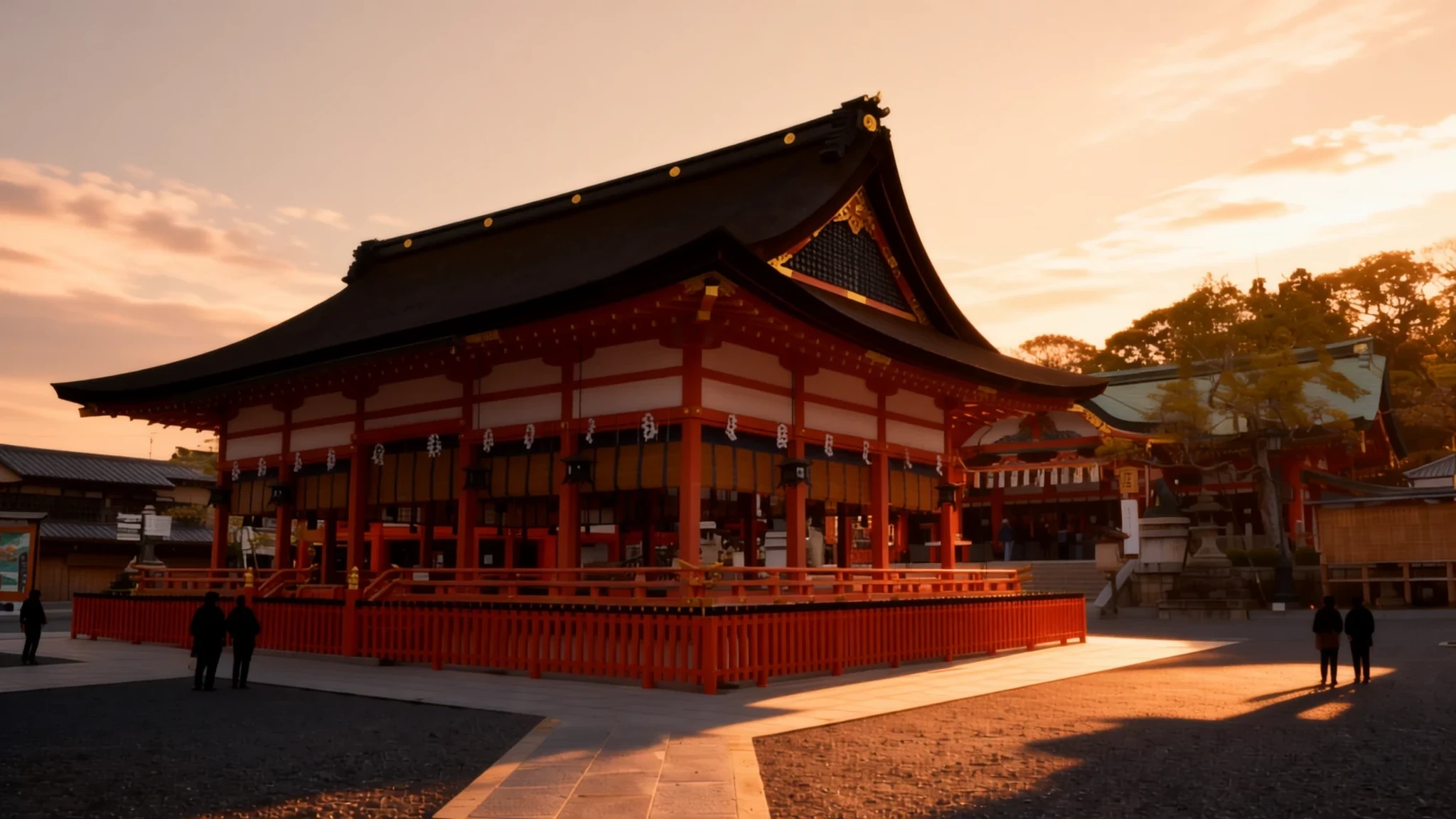
Fushimi Inari-taisha is a Kyoto shrine whose mountain path runs under thousands of vermilion torii, best seen early before the crowds arrive.
The place
Fushimi Inari-taisha is the head shrine of Inari, the kami of rice and farming, set in the Fushimi district of southern Kyoto at the foot of a wooded mountain that shares the same name. Most people come for the gates rather than the main buildings. Vermilion torii line the paths that climb the slope, forming tunnels dense enough to hide the city below. Smaller shrines sit among the trees along the route, and the full loop up the mountain takes a few hours at a steady pace, so proper shoes and water are worth packing.
The buildings at the bottom are open and busy. Worshippers clap, bow and leave small offerings, while school groups and tourists wander the approach lined with stalls. The lower stretch feels cheerful and a little commercial, especially around midday, when the first gates fill with photographers.
Higher up the crowds thin quickly. Many visitors turn back after the first viewpoints, which leaves the upper trails quieter and shaded. Stone foxes, the shrine's messengers, appear at many points, often with a red bib or a key in their mouths.
The shrine serves merchants as well as farmers. Companies and individuals have donated the torii, so the tunnel reads like a roll call of local firms. The shrine lies in a city that was the imperial capital for centuries, and its gates are a reminder of how deeply that old world still shapes everyday devotion.
Its story
Fushimi Inari-taisha was traditionally founded in 711, but its roots run back to the arrival of the Hata clan. The Hata had migrated from the Korean Peninsula and established themselves in Yamashiro during the Kofun era. With them they carried expertise in irrigation, silk making and sake brewing. Their knowledge of rice growing helped turn Inari from the protector of one family into a deity honoured across the country.
Regional chronicles, including the Yamashiro-no-kuni Fudoki, tell a founding legend. A wealthy landowner named Hata no Irogu is said to have shot an arrow at a rice cake, which turned into a white bird and flew to the mountain peak. Where it landed, rice grew, and Irogu built a shrine to the deity there. Scholars still debate whether the mountain or the shrine took its name first, and the tale reads as an explanation of a sacred place rather than a dated record.
Over time the clan's ties to the imperial court carried the cult far beyond its local roots. During the early Heian period the shrine received imperial patronage, and Inari became a guardian of both the harvest and the state. Merchants came to see the deity as a patron of trade, and that business side of the cult still shapes the donated gates today.
The fox appears in shrine art and statues across the grounds because it serves as Inari's messenger. Many of the stone foxes near the gates hold a jewel or a key, objects usually read as links to the rice store and the crop.
What to see
- Senbon Torii — Lower mountain path
At Fushimi Inari-taisha, the famous tunnel of gates climbs the lower slope in dense rows, the vermilion frames close enough that the light turns orange and the path curves out of sight. Most visitors walk a short section and turn back, which is fine, since the gates are much the same further up. Early morning gives photographs without crowds, and standing to one side lets people pass.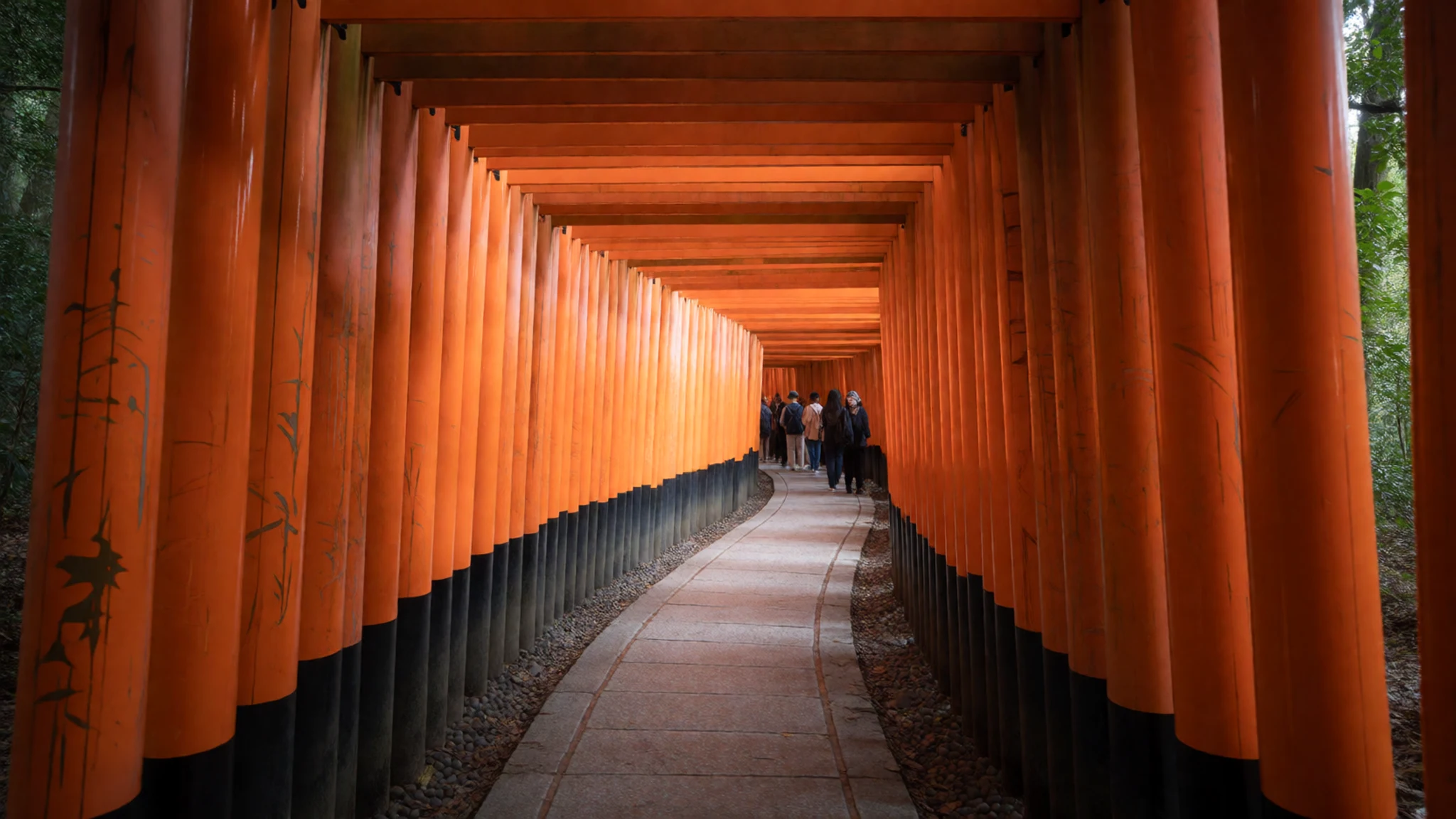
- Inner worship hall — Main grounds at the base of the mountain
The inner worship hall at Fushimi Inari-taisha stands at the foot of the mountain, where most visitors pause before the climb. Its painted timber is a good introduction to the shrine's colours. Locals come here to pray for business and good harvests, tossing a coin, bowing and clapping before they move on. Watching quietly from the edge of the courtyard is a fine way to see that routine.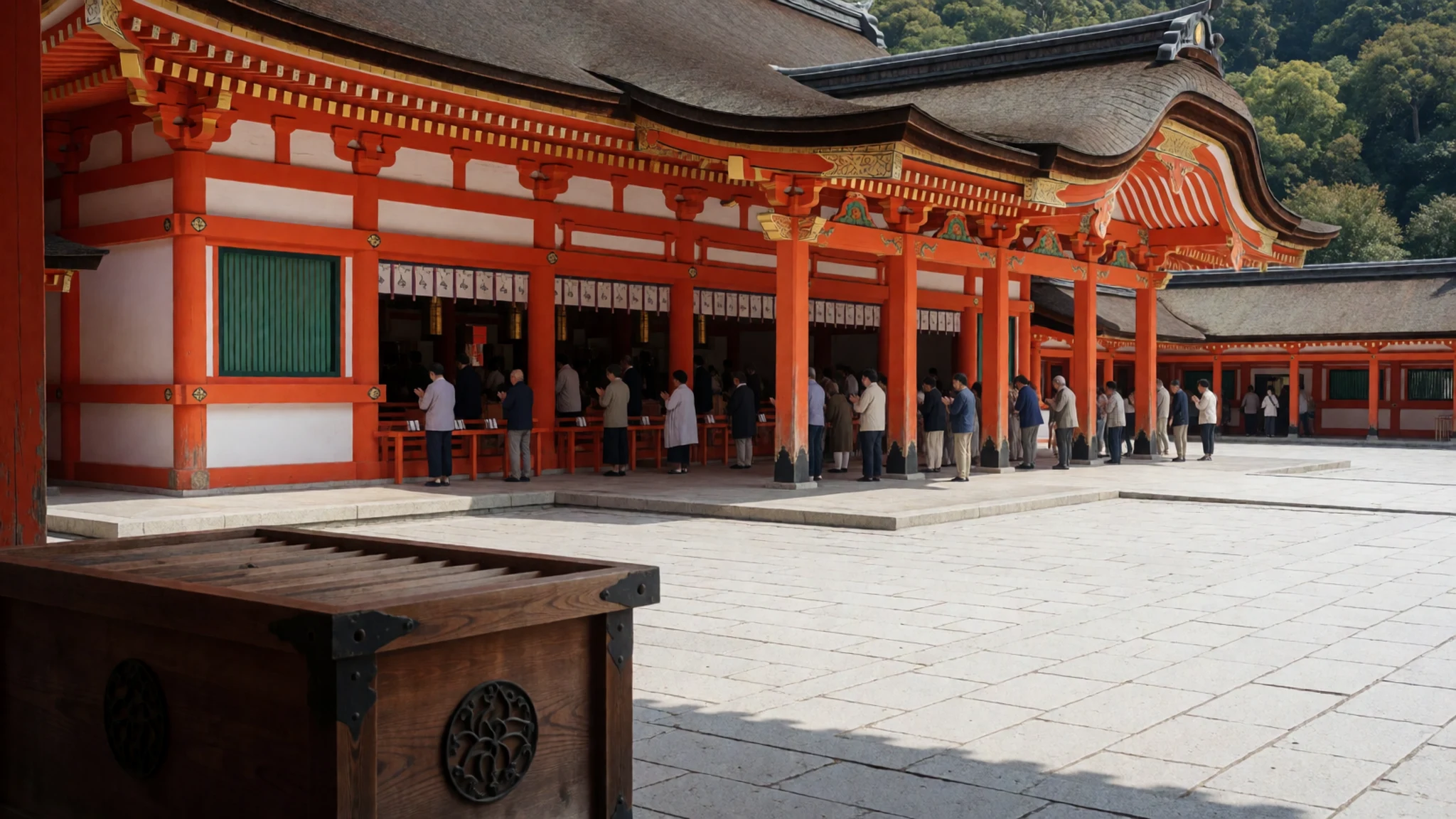
- Mountain trails — Upper mountain paths
Above the gates at Fushimi Inari-taisha, the paths split into a network that climbs through wooded slopes, passing small shrines and stone markers. The full route needs a sensible pace and a water bottle. The side shrines are often quiet and old, and the views over Kyoto open at a few clearings. Turning back at a viewpoint makes a satisfying end to the walk.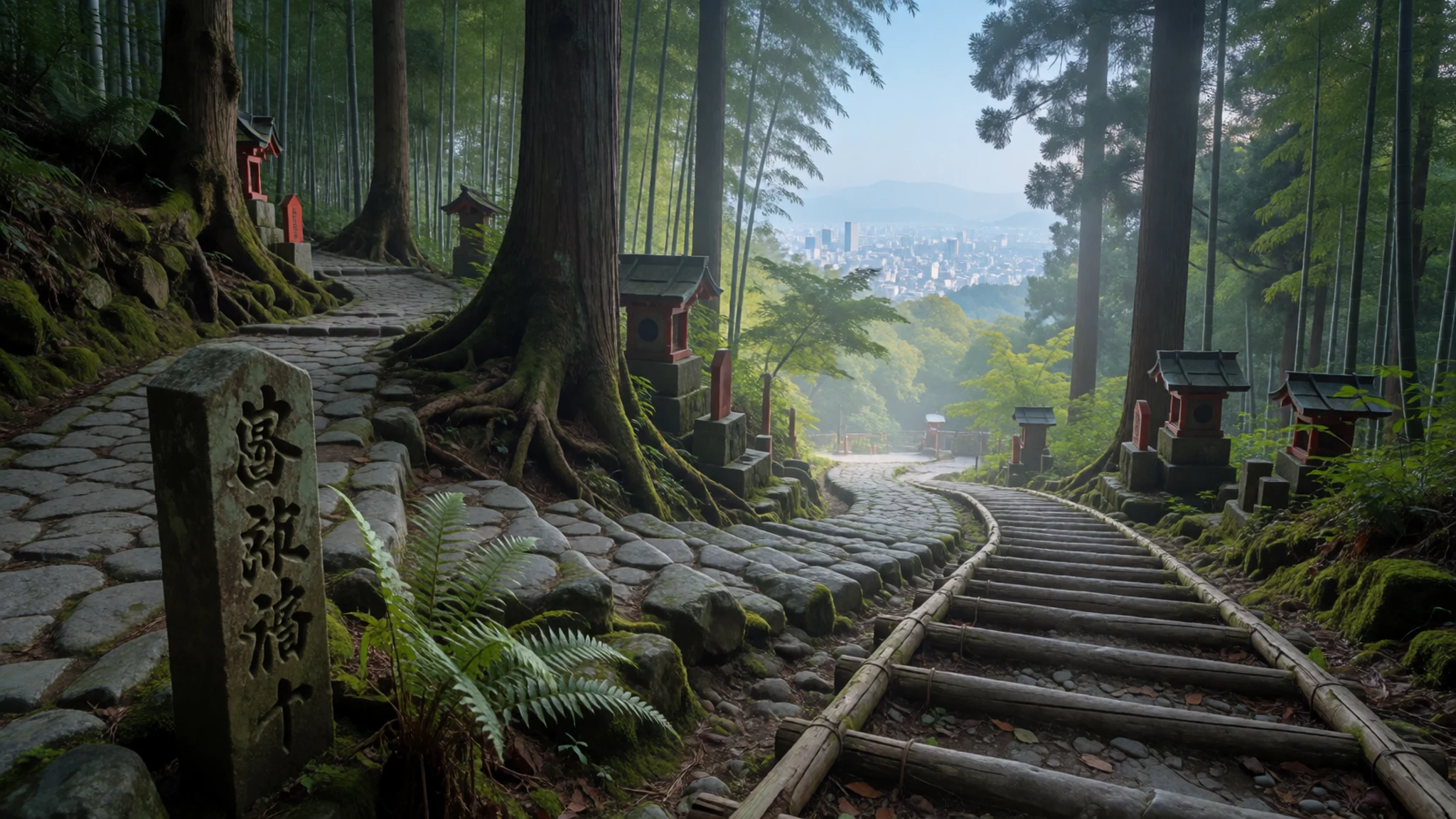
- Purification basin — Near the main hall
The purification basin at Fushimi Inari-taisha is where visitors rinse their hands and mouths before approaching the hall. Water runs from spouts into a stone trough, with ladles set beside it. The ritual is simple, and it is one of the few places where visitors can take part in the shrine's daily practice. Use it respectfully and keep the water clean for the next person.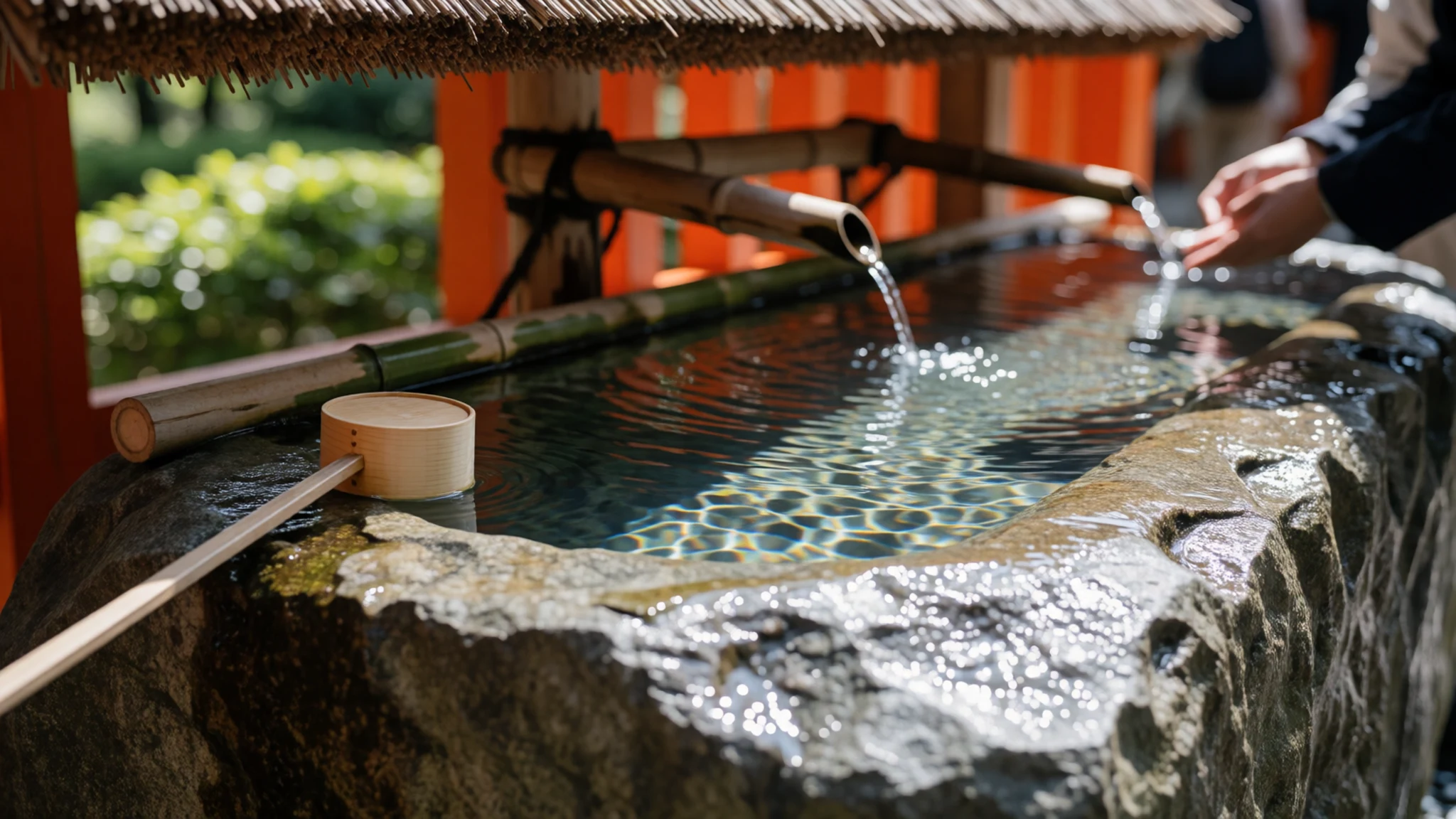
- Funaoka Onsen — Northern Kyoto
Funaoka Onsen is a traditional public bath house in the north of Kyoto that still operates as a neighbourhood bath. Its building shows the style of bath house design from the early decades of the last century. It makes a pleasant change of pace after a day of shrines and stairs. Check the official site for current opening arrangements before going.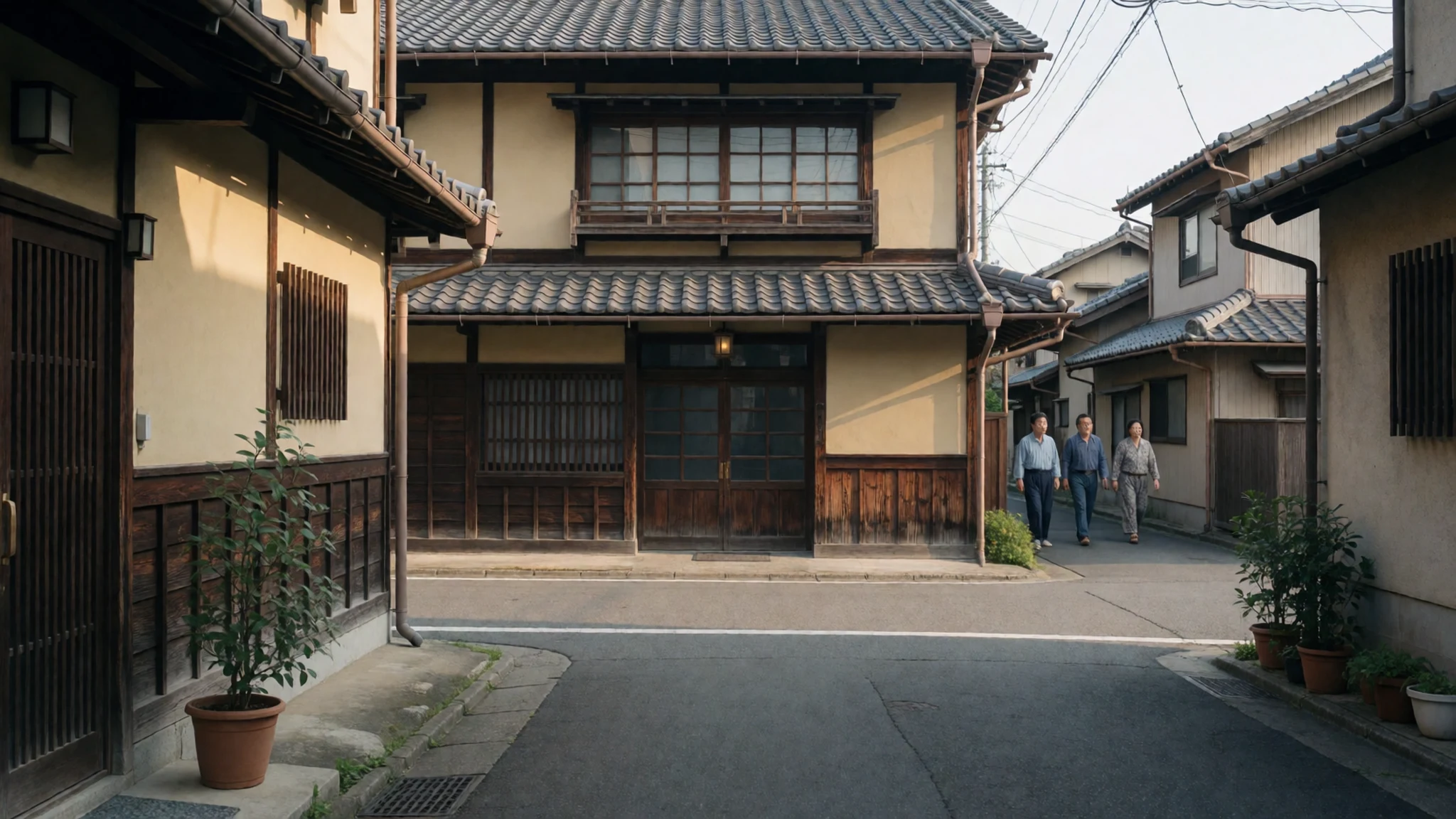
- Toei Kyoto Studio Park — Western Kyoto
Toei Kyoto Studio Park is an active film studio in the west of the city, where period dramas are still made. Its outdoor sets, built for samurai films, can be seen when the site is open to visitors. Filming takes priority, so access can change at short notice. Check the official site before planning a visit.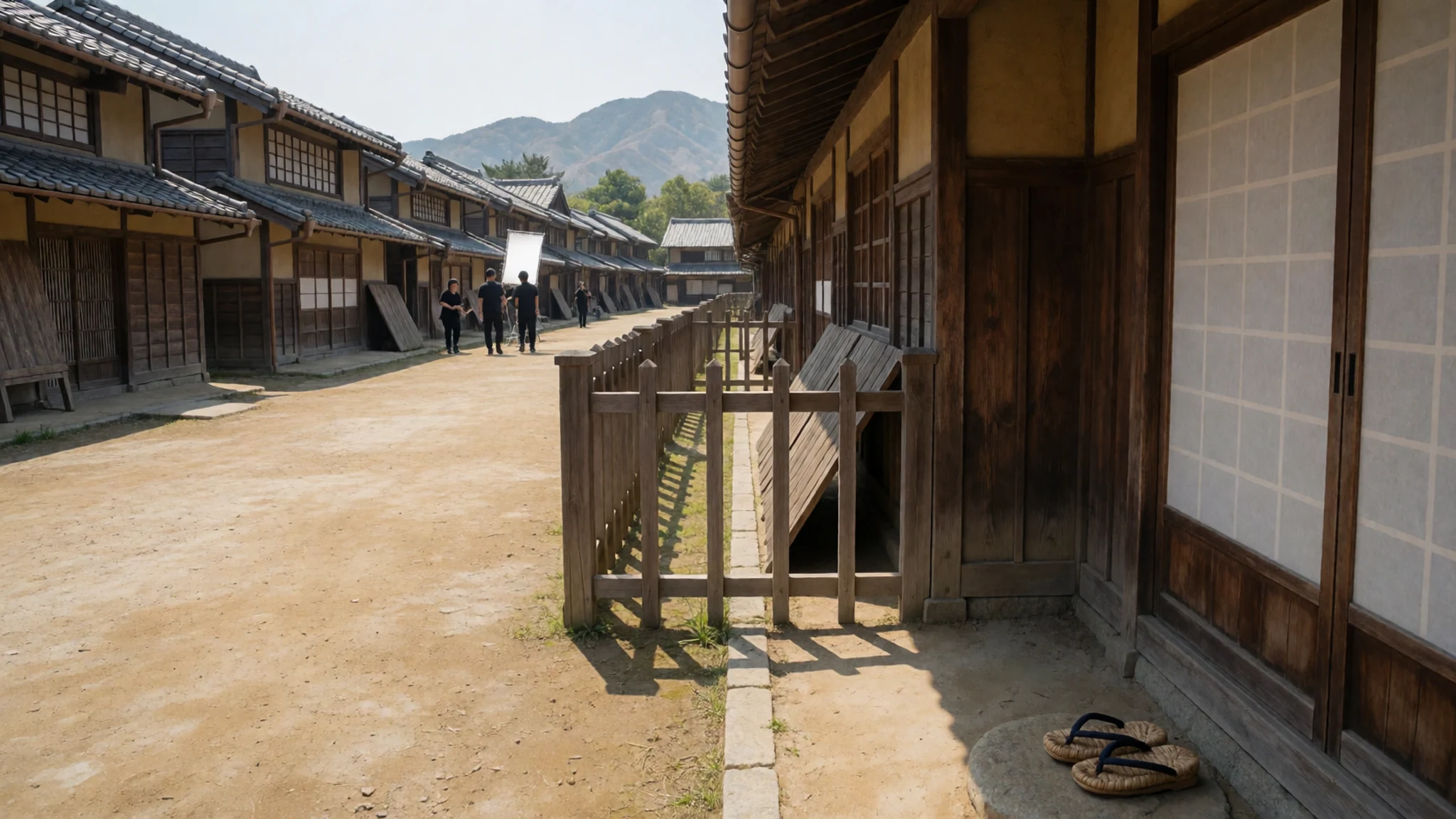
Culture
At Fushimi Inari-taisha, Shinto practice runs through everyday life on the grounds. The torii mark the boundary between the ordinary world and the sacred space of the kami, so people usually bow before passing under them. Many visitors walk more slowly than they expect, partly because the mountain asks for it and partly because worshippers often pause at the small shrines.
The purification basin is used before approaching the main hall. Worshippers take water with a ladle, rinse the left hand, then the right, and then rinse the mouth with cupped water. The ladle should never touch the lips, and the water should not be poured back into the basin.
Prayer at the main hall is quiet and brief. Coins go into the offering box, followed by two bows, two claps and a final bow. Photographing the buildings and gates is generally accepted, but people at prayer, shrine staff and children should not be photographed without permission, and the inner areas are not open to the public.
Shrine staff keep the centre of the gate path clear, and the stone foxes are sacred messengers rather than climbing frames. Please keep to the side of the path, keep voices low near worship areas, and never climb on the fox statues.
What to wear
Fushimi Inari-taisha is a shrine where dress has always been practical rather than formal. The traditional dress of Japan is the kimono, a long robe wrapped left over right and tied with an obi sash, made in silk for formal wear and in cotton or linen for summer. The yukata, a lighter cotton version, is the everyday summer garment for festivals and evening walks. Shrine priests wear layered robes and the hakama, a divided skirt-like garment, and these are seen at ceremonies rather than on the mountain path.
Today most people at the shrine wear ordinary clothes: jeans, trainers, a light jacket and a cap. Many visitors rent a kimono or yukata in Kyoto and wear it up the gates, and the photographs look striking against the vermilion. Younger local visitors often mix modern and traditional pieces, such as a cotton yukata with plain trainers.
Dress for the climb and the weather. Comfortable shoes with good grip are essential, since the stone steps are uneven and the mountain path can be slippery after rain. Pack a light layer for cool mornings, and in summer choose breathable cotton to cope with the humidity. Modest clothes suit a working shrine, so covered shoulders feel right at the worship halls, and a hat or umbrella helps for sun or rain.
What to eat
- Inari-zushi — Stalls and shops along the approach street
Sweet, seasoned fried tofu pouches filled with vinegared rice, linked to the fox messenger and sold at stalls and shops along the approach to the shrine. Eat them as a snack on the walk up, or take a few for later in the day.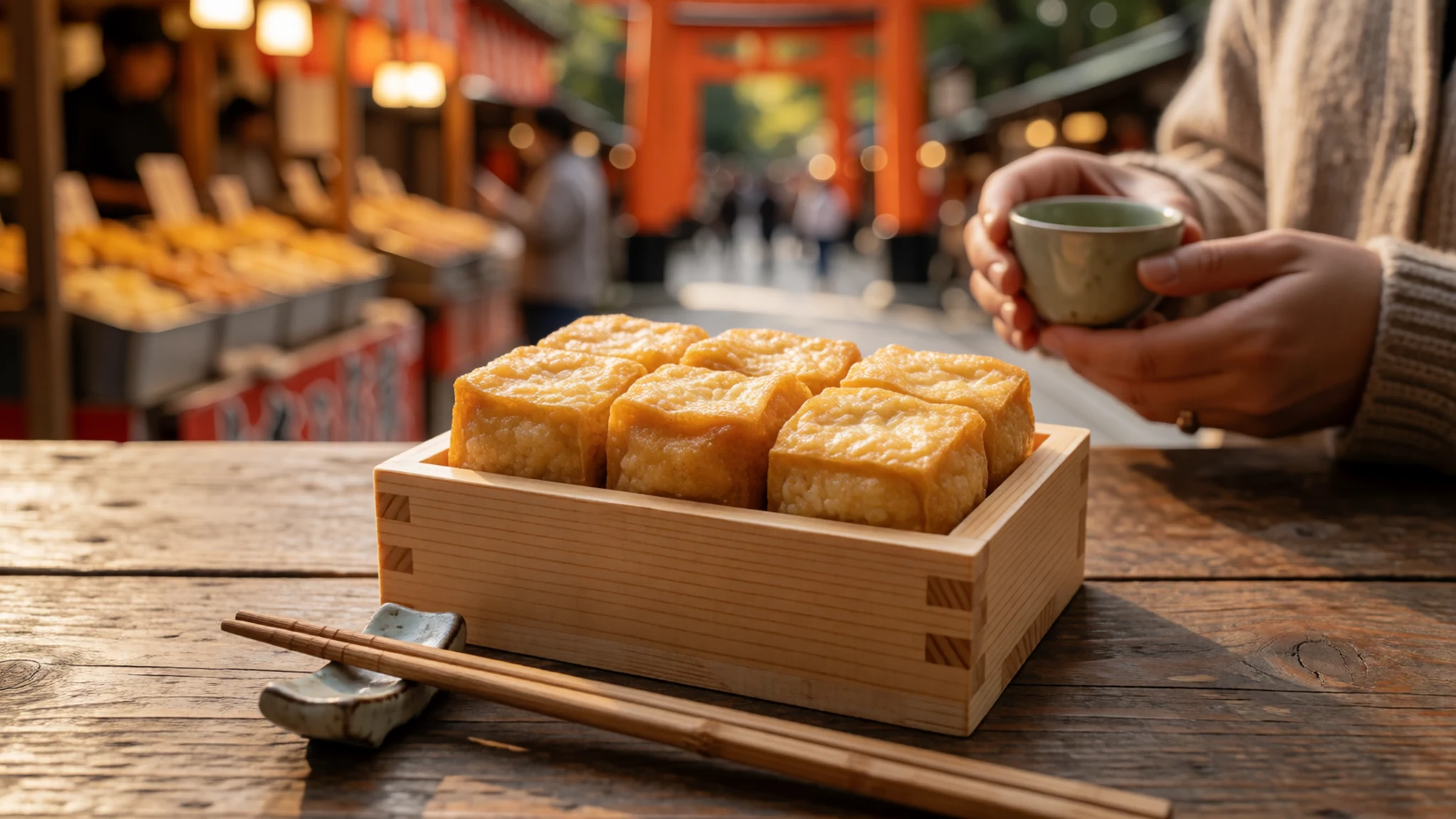
- Kitsune udon — Small noodle shops near the lower gates
Thick wheat noodles in a clear dashi broth, topped with a sheet of sweetened fried tofu. The name means fox, which links it to the shrine's messengers. Order it at a small noodle shop near the lower gates, where the broth is light and the bowls arrive fast.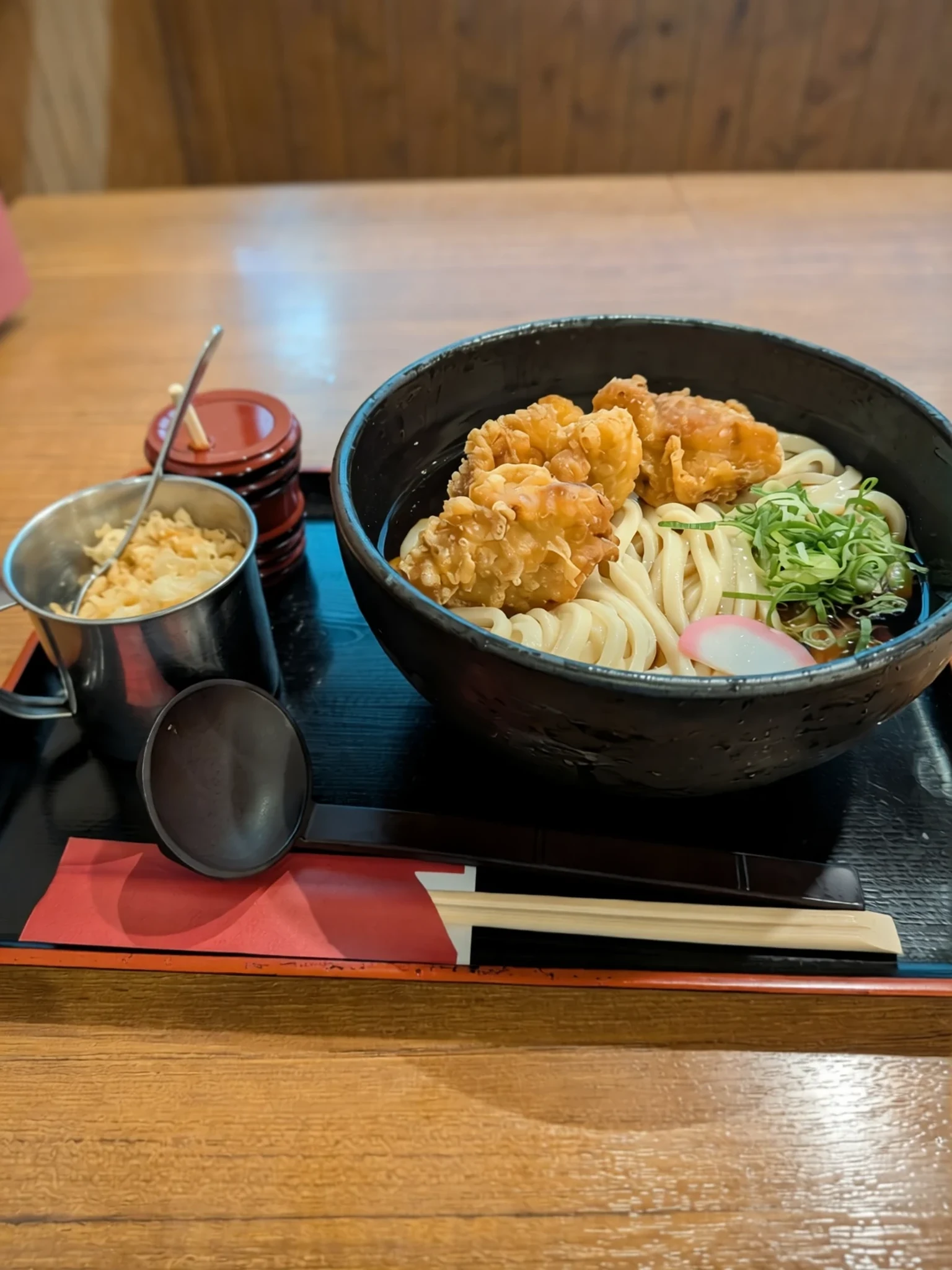
- Dango — Street stalls on the approach and near the shrine
Chewy rice-flour dumplings threaded on skewers and often brushed with a sweet soy glaze. Street stalls near the shrine and the approach streets sell them, and they make a good energy boost before the steep section. Look for the stalls with smoke rising from the grill.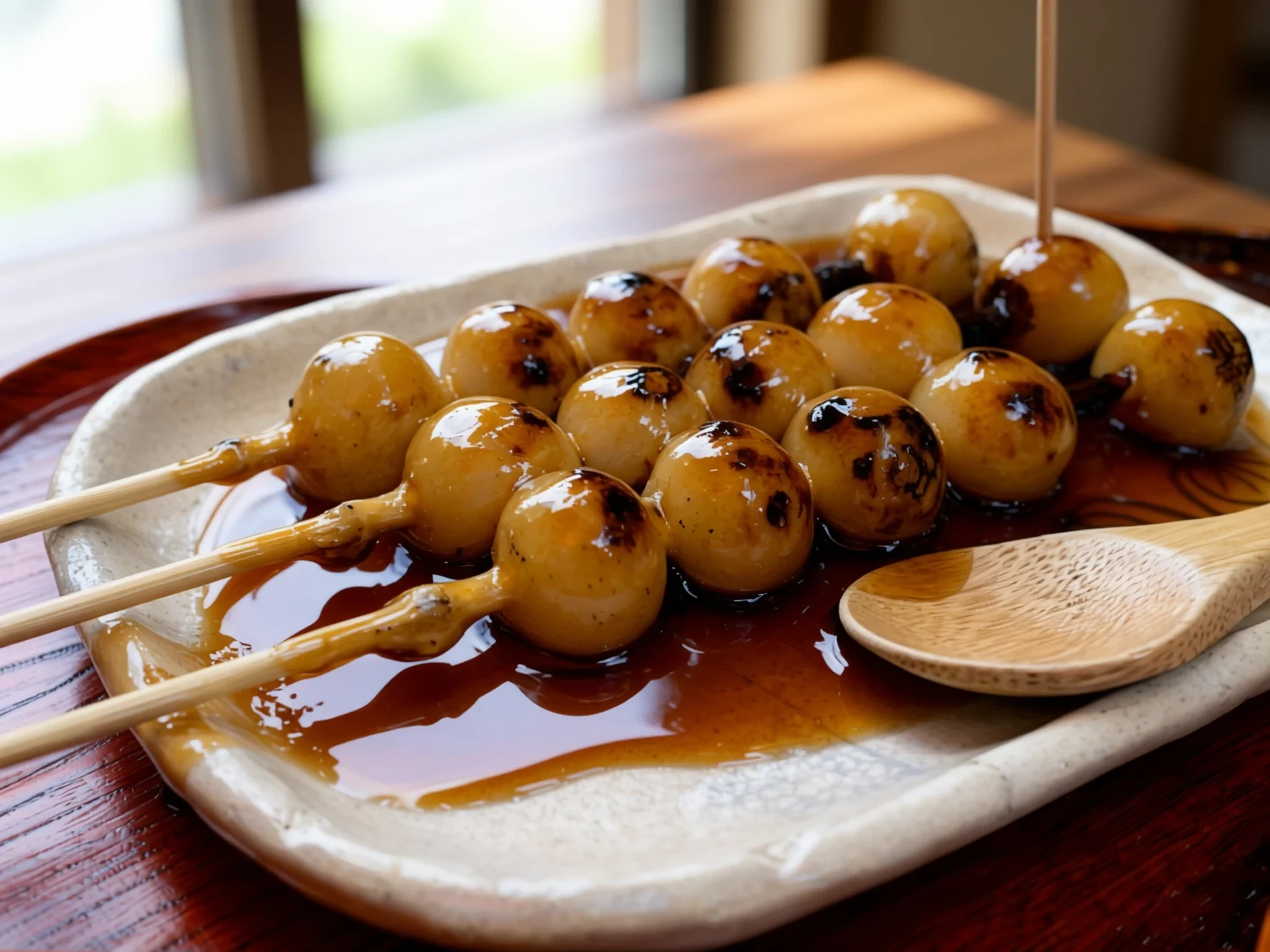
- Kaiseki — Traditional restaurants in Kyoto's older districts, arranged through a hotel
A multi-course meal of small seasonal dishes, served in private rooms in traditional restaurants. Many Japanese regard Kyoto as its home. Most places do not take bookings directly from foreigners, so ask your hotel to help. It is slow and costly, better for an evening than a quick lunch. - Kyoto ramen — Upper floors of the department store beside Kyoto Station
Kyoto ramen comes in many styles, from light soy broths to richer pork. The ramen village on the upper floors of the department store beside Kyoto Station makes a convenient first meal after arriving. Expect queues at lunchtime, and carry a little cash in case a counter prefers it.
Plan it
Best time. March and April for blossom, and October and November for maple colour. June is the rainy season and August is hot and humid, which makes the mountain climb hardest.
How long. 1–2
Getting there. Fly into Kansai International Airport, then take the Haruka limited express to Kyoto Station in about 75–80 minutes. From Kyoto Station the JR Nara Line runs south to Inari Station, a short ride to the shrine.
Budget. low
Tips
- Arrive at first light to walk the lower gates with fewer people
- Climb only as far as you have time for; most visitors stop well before the top
- Carry cash for small stalls and shrine offerings
- Bring water and a snack for the steeper upper paths
- A one-day Kansai Area Pass can cover the Haruka at a discount; check current terms before buying
- Check the official website, inari.jp, for changes before you go
Etiquette
- Bow before passing under a torii and keep to the side of the path
- Rinse at the purification basin before the hall and keep the ladle away from the lips
- Ask before photographing people at prayer
Nearby
Sources
- Wikidata Q714828 (CC0)
- Wikipedia, Fushimi Inari-taisha (rev 1366832639) (CC BY-SA 4.0)
- Wikivoyage, Kyoto (rev 5407786) (CC BY-SA 4.0)
- Fushimiinari-taisha, naihaiden-1, Saigen Jiro (CC0 1.0)
- Torii path with a hanging lantern, Basile Morin (CC BY-SA 4.0)
- Fushimi Inari-taisha, nobu3withfoxy (CC BY 2.5)
- Senbon Torii 2018, Luka Peternel (CC BY-SA 4.0)
- Senbon Torii 2016, Luka Peternel (CC BY-SA 4.0)
- Fushimi Inari Torii in Kyoto, Dariusz Jemielniak (CC BY 3.0)
- Fushimi-Inari-taisha 4, Kakidai (CC BY-SA 4.0)
- Chozuya at Fushimi Inari-taisha, Jakub Halun (CC BY-SA 2.0)


