Fremantle Prison
Fremantle Prison, Australia
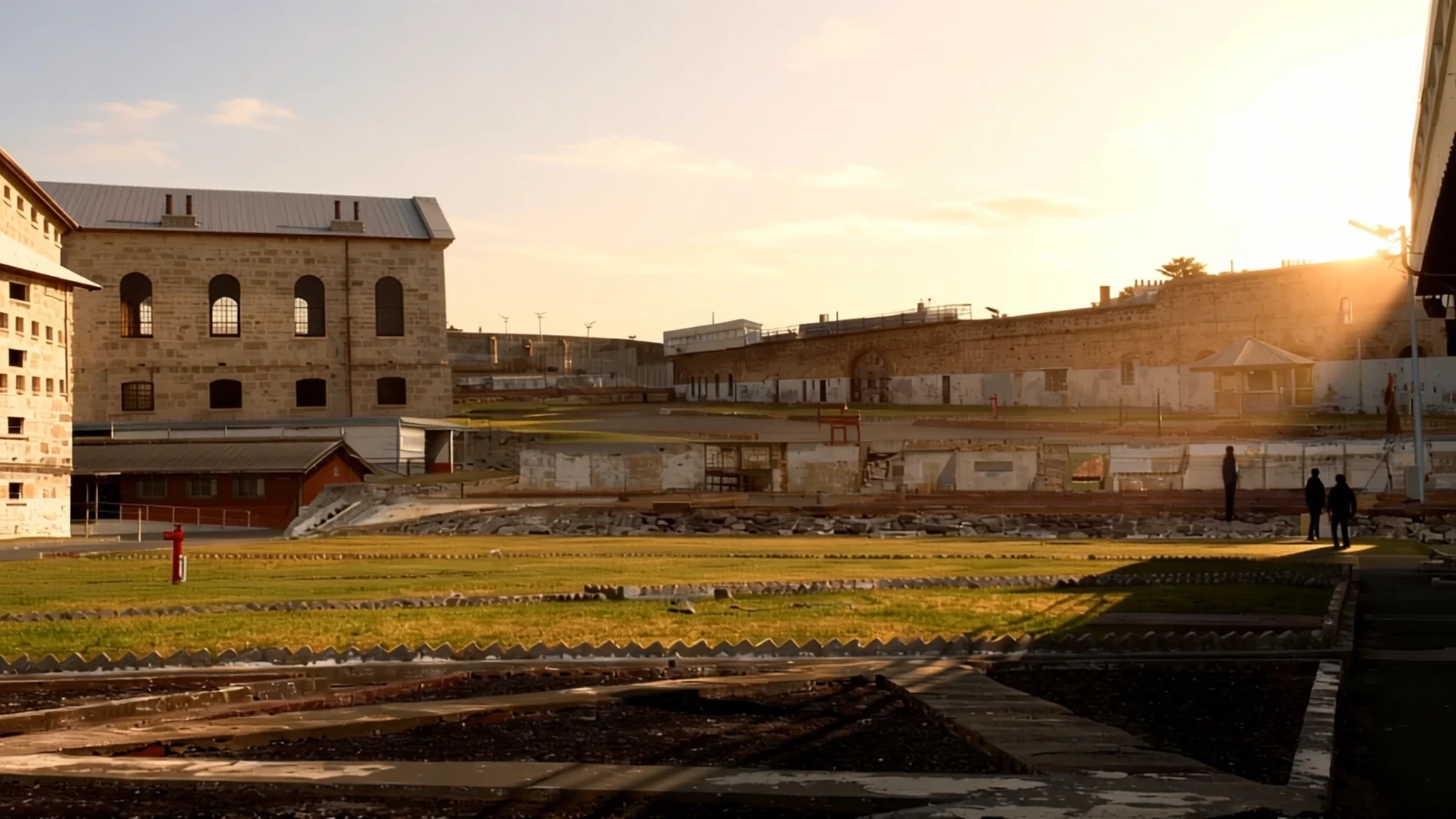
A former convict and colonial jail on a hill above Fremantle, now a museum where you can walk through cells, tunnels and limestone walls.
The place
Fremantle Prison, also called Fremantle Gaol or Fremantle Jail, stands on a hill overlooking the port city of Fremantle in Western Australia. The site brings together the cellblocks, the gatehouse, the perimeter walls, a row of cottages and a network of tunnels, most of it built from local limestone. It is listed as a World Heritage Site. Its founding is recorded as 1855, and the place has been a prison, a museum and, in part, a youth hostel. Most visitors now come for the guided tours rather than to see anything resembling daily prison life. The buildings sit on a slope, so the walk from the lower gate to the upper walls is steady and a little steep in the heat. Inside the main cellblock, the rows of narrow cells and the exercise yards show how the institution was run, and the displays explain the regimes that prisoners and staff lived under. Some sections now house a hostel, so an overnight bed can be booked inside the walls, which is an unusual choice for a holiday. The tunnels are cool and dim, and a torch or phone light helps in the darker passages. Tours and opening arrangements change through the year, so check the official site before you plan your day.
Its story
Fremantle Prison grew out of a colony that was founded as a free settlement rather than a penal one like those on the east coast. By the time demand for cheap labour outweighed earlier doubts, the colony agreed to accept convicts from Britain. The first convict ship arrived earlier than planned, because a sailing ship sent ahead had been blown off course. The colony's existing jail was already full, so the convicts had to stay on board until a temporary prison was ready. The comptroller general of convicts then looked for a site for a permanent establishment and chose a hill overlooking Fremantle. The design took its lead from Pentonville Prison in Britain, but the diagonal cell blocks gave way to a four-storey linear block that was, for a time, the longest and tallest cell block in the southern hemisphere. Convicts were taught to cut and dress the limestone quarried on the site, and Royal Engineers arrived soon after work began to supervise the building. Over the following decades the prison passed to colonial government control and was examined by royal inquiries, which led to some reform. Change was slow, and the culture of the institution resisted it for longer than reformers hoped. Prisoner discontent eventually boiled over into a riot in which guards were taken hostage, and a fire followed that caused heavy damage. The prison closed when the new maximum-security Casuarina Prison replaced it. The walls still hold these stories, which guides and historians retell to visitors today.
What to see
- The main cellblock — Main site, on the hill above Fremantle
The long, four-storey main cellblock is the building most people picture when they think of Fremantle Prison. Its linear layout was unusual for its time, and walking its galleries gives a clear sense of how many people were held under one roof. Look at the wear on the stone and the iron fittings, which show decades of daily use. Guided tours pass through this block, and the stories told here cover both the convict years and the later decades.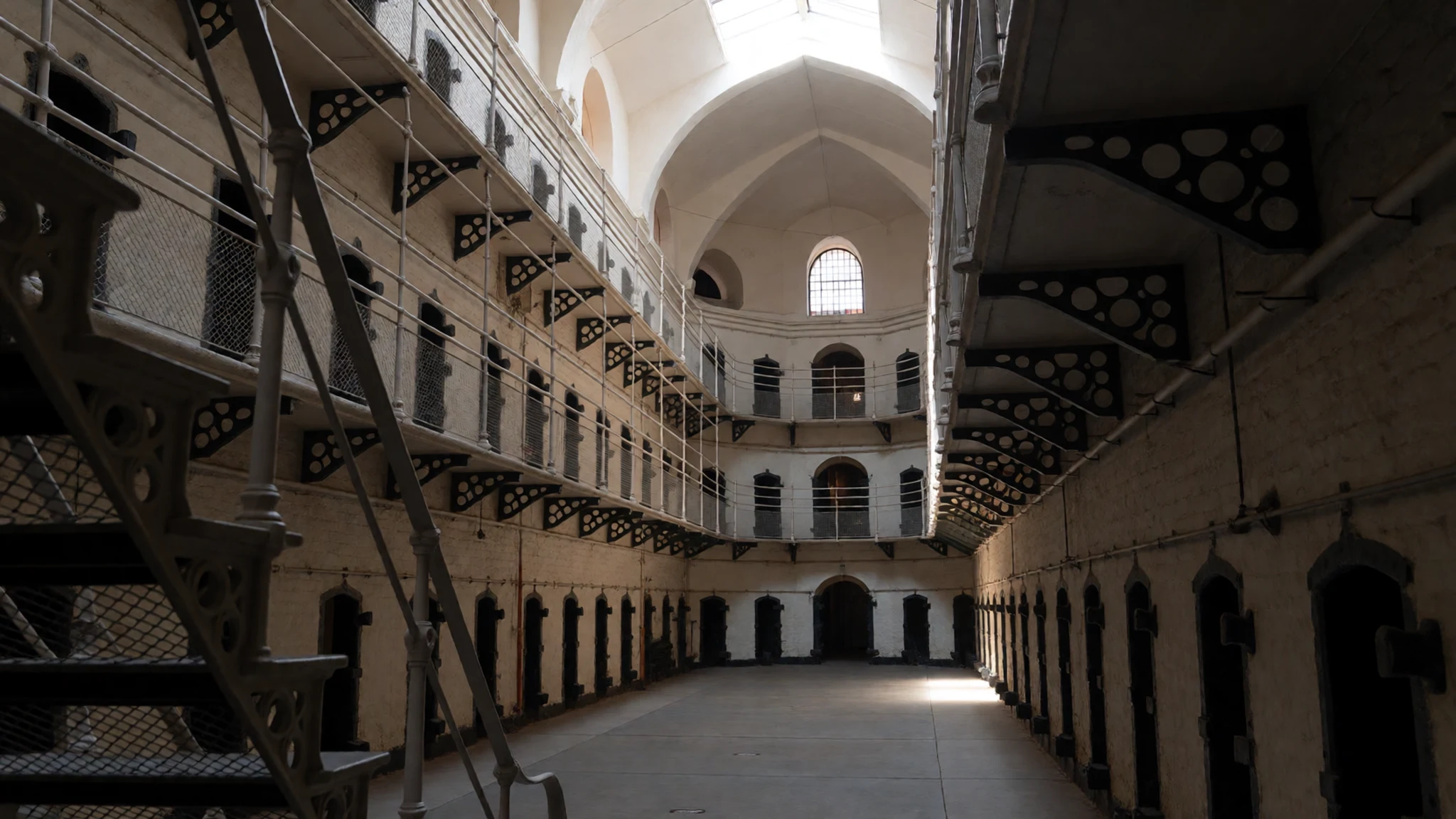
- The cells — Cellblock interiors, on guided tours
The cells are small and plain, with thick walls and little light, and they are the most direct way to understand daily confinement. Stand inside one for a moment with the door closed in your mind and consider how long a day here would feel. Guides often explain the routines of counts, meals and lock-up. Take the tour seriously and keep your voice low, since the rooms are part of a working memorial.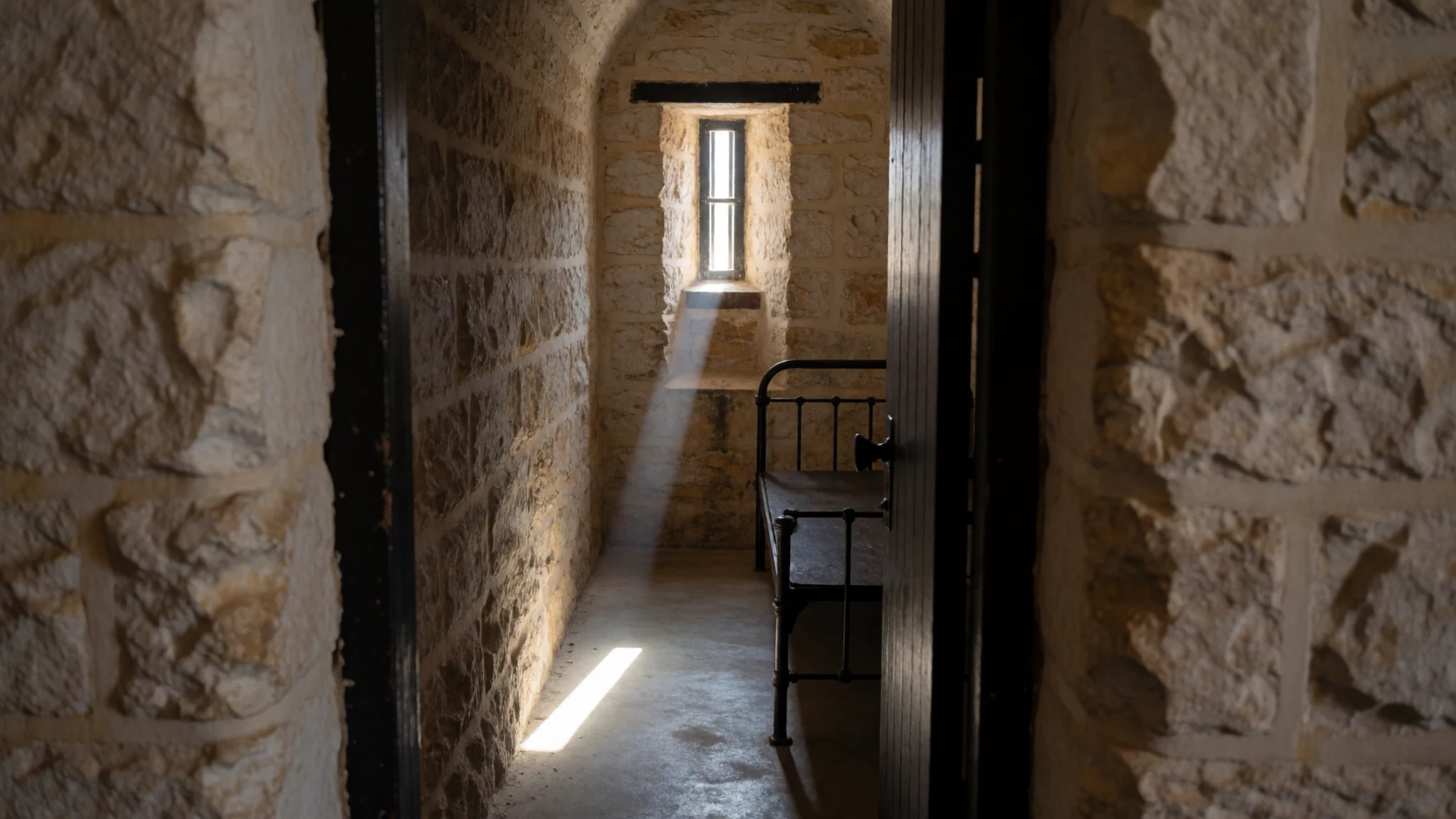
- The tunnels — Underground passages within the site
The tunnels under the site are cool, narrow and dim, and they are among the more memorable parts of a visit. They connect areas of the complex and offer a view of the stonework that is hard to see above ground. Bring a torch or use your phone light, and move slowly where the floor is uneven. Tours may limit numbers in the passages, so check the official site for current arrangements.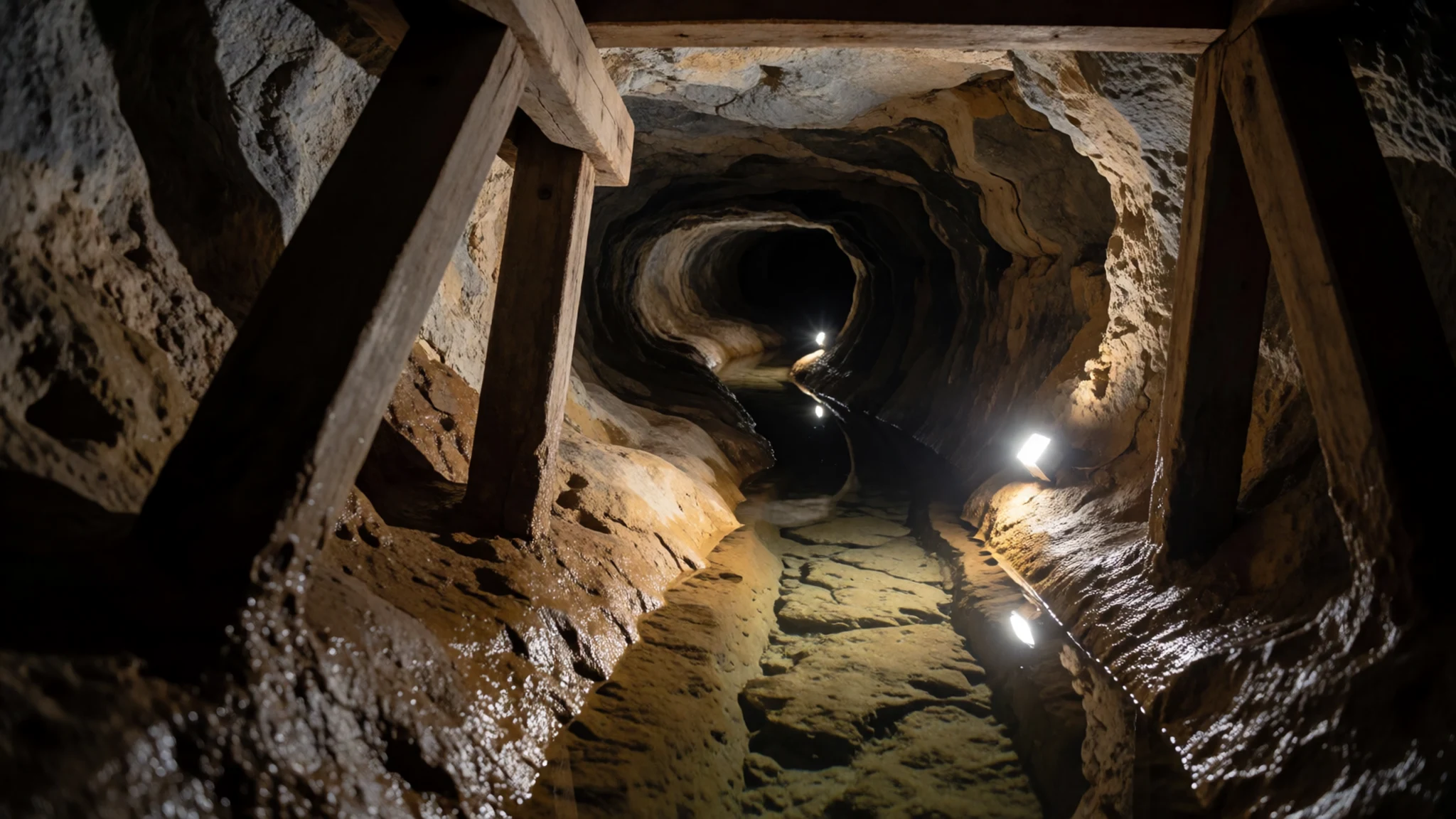
- Limestone walls and the cellblock plan — Perimeter walls and interpretive displays
The walls are built from limestone that was quarried on the site, and a plan of the main cellblock shows where that stone was used. The plan helps you to match what you see on the ground with the building's layout. Spend time at the perimeter walls to see how the complex was laid out on the slope. The contrast between the pale stone and the blue sky is one of the strongest images the site offers.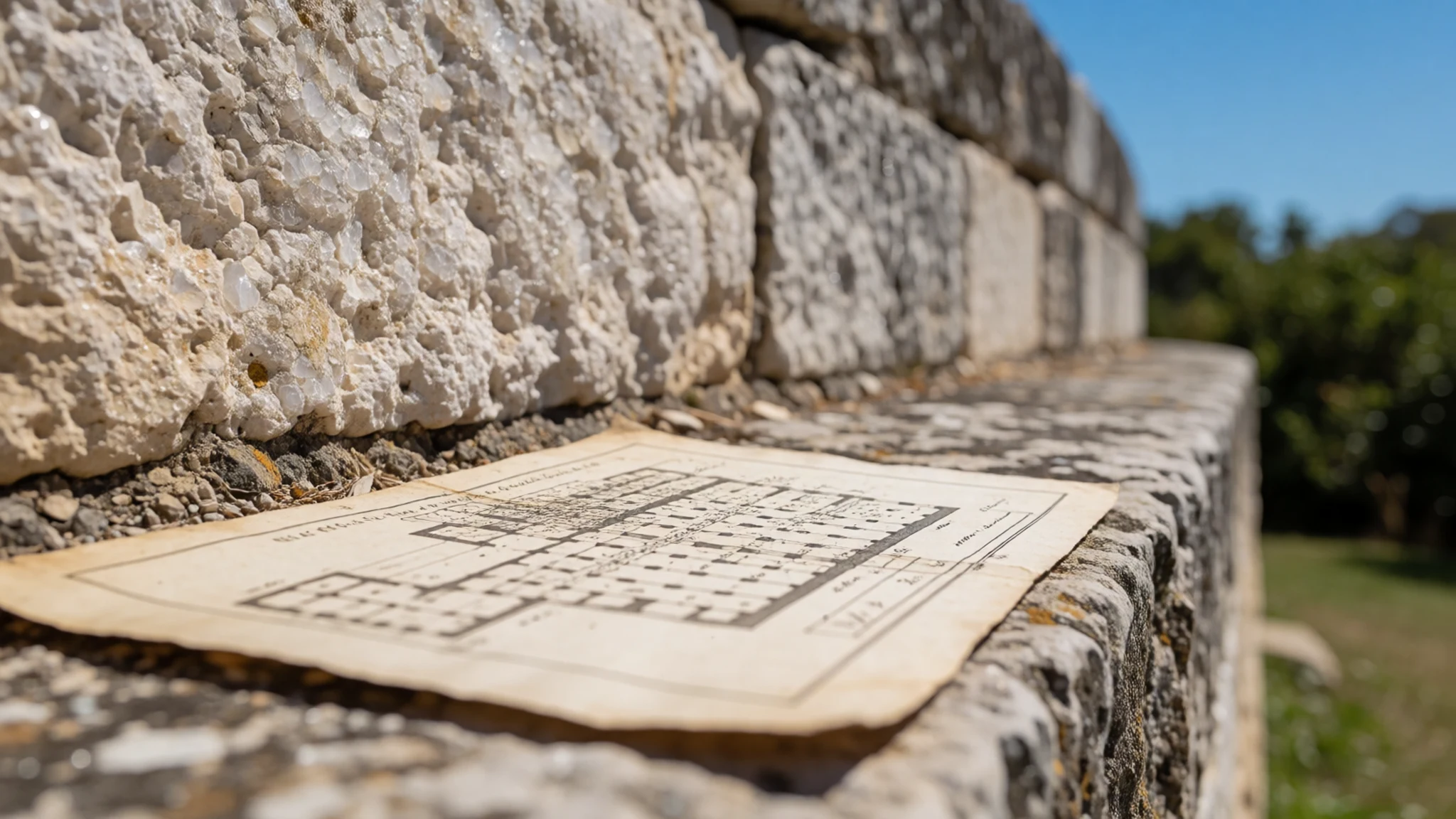
- Sleeping inside the walls — Hostel wing within the site
Part of the complex now operates as a youth hostel, so you can stay the night within the old prison walls. This is an unusual experience and suits travellers who want to be in the building after the tours finish. Rooms are simple, and the atmosphere is quieter in the evening than during the day. Booking ahead is sensible, and it is worth checking the official site for the hostel's current terms.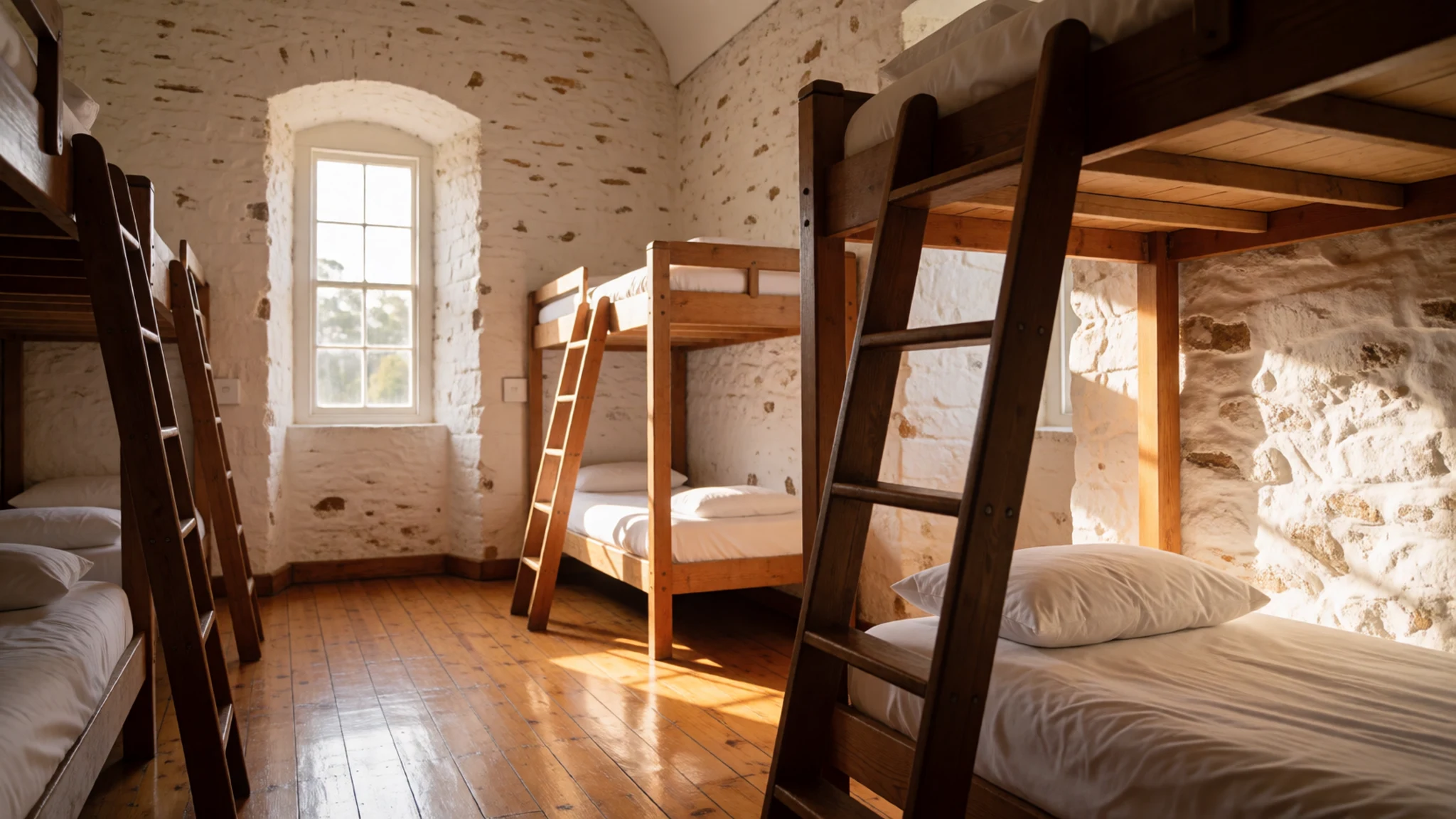
Culture
Fremantle Prison is a place of hard history, and the stories told inside it connect to wider debates across Western Australia. Mining brings in a large share of the state's income, yet many sacred sites have been destroyed because Indigenous landowners were not adequately engaged beforehand. Juukan Gorge, a sacred gorge, was blown up by a mining company, and the case remains a touchstone for how land is treated in the state. Similar questions arise around renewable energy and the conservation of coastal areas, where the people with the strongest ties to the land are often not the people making the final decisions. Visitors will hear these debates less at the prison itself than in conversation across the state, but it helps to know that the land beneath the walls has a long story that predates the colony. Guides usually welcome thoughtful questions, so ask them about the history rather than treating the cells as a backdrop. Stay with your guide in the cells and tunnels, and ask before photographing anyone who is dressed as a former inmate or officer for a demonstration.
What to wear
Fremantle Prison has no traditional dress of its own, so its clothing history is mostly about work and confinement. In the colonial era, convicts wore issued clothing of rough, hard-wearing cloth, while warders wore uniforms that showed their rank and role. The Whadjuk Noongar people, whose Country includes the Fremantle area, traditionally made cloaks, bags and tools from animal skins and woven plant fibres, and some of this craft continues today. Today, people in Fremantle dress casually: shorts, light shirts, sundresses and flip-flops for the beach, with a little more care for dinner in the town centre. For a visit here, wear light, breathable clothing and a wide-brimmed hat, because the sun is strong and the yards and hilltop walk offer little shade. Choose closed shoes with good grip, since the limestone floors can be uneven, the slopes are steep and the tunnels are slippery in places. No modesty rules apply to the site itself, so a comfortable outfit with a light layer for the cooler, shaded passages is the most practical choice.
What to eat
- Marron — Restaurants in Perth in season, and marron farms in the south west
Marron is a freshwater crayfish with sweet, delicate flesh that is quite unlike its saltwater relatives. Trendy restaurants serve it in season, but the most common way to get it is from a marron farm in the south west, where you can buy them frozen or still live. If you want to catch wild marron yourself, you will need a fishing licence.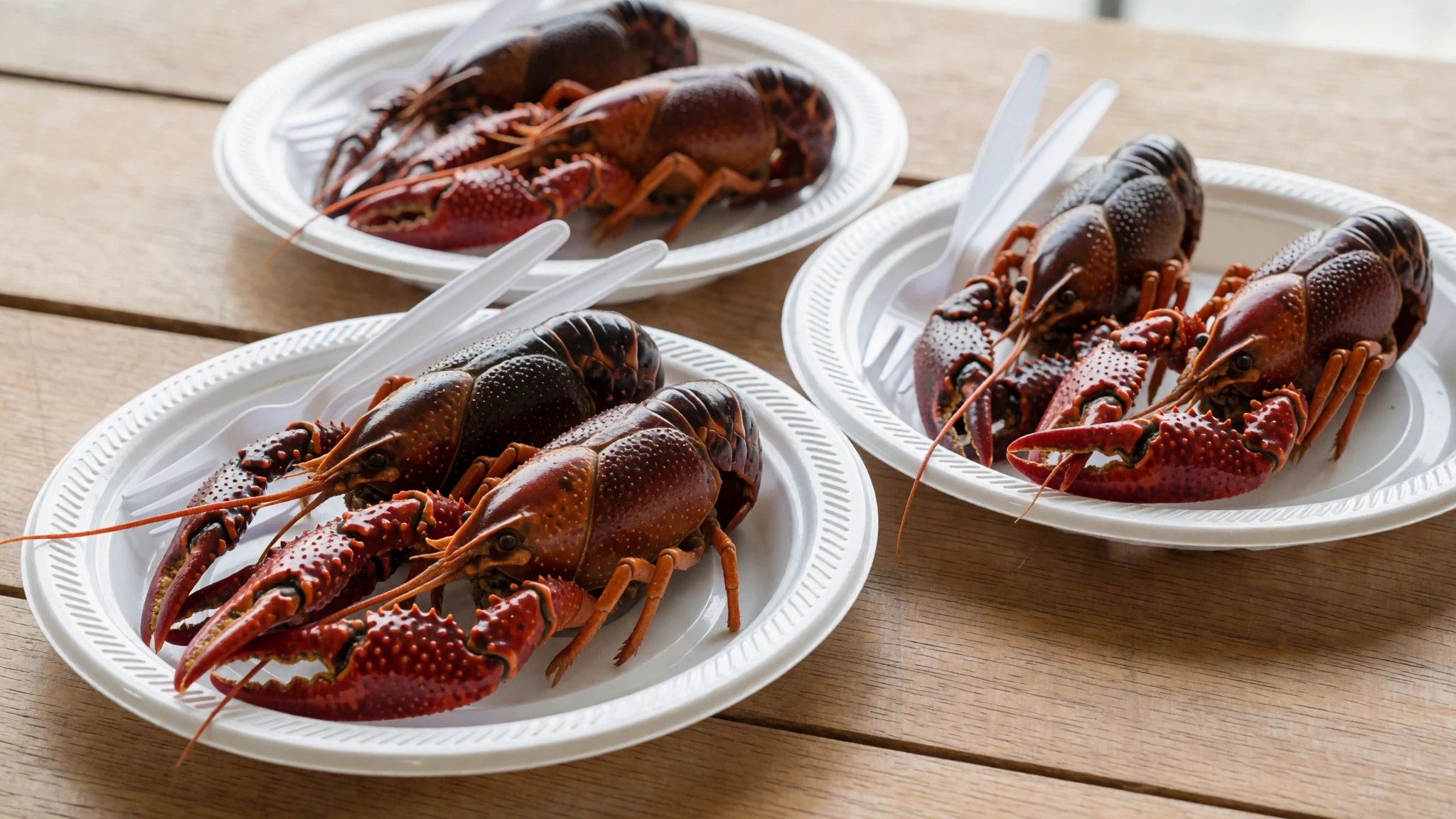
- Local black truffle — Fine-dining restaurants in central Perth, and truffle events in Manjimup
This black fungus is grown in the south west and favoured by fashionable restaurants in the better parts of Perth. The local variety is not quite the equal of its European counterparts, but it has the same earthy taste and aroma that explain its high price. Truffle hunts in Manjimup are a festival event, so plan ahead if you want to join one.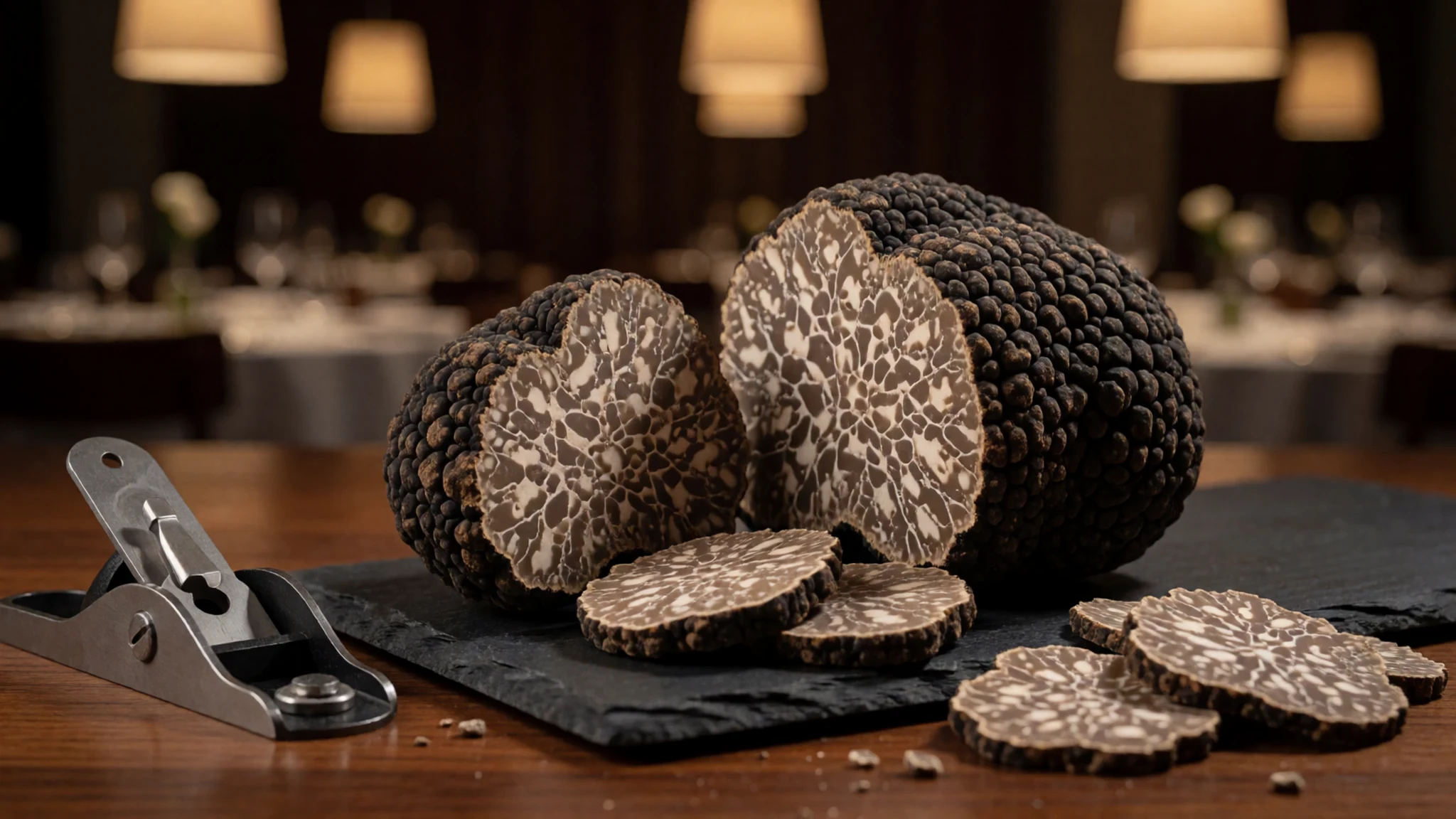
- A pub evening meal — Any pub in Fremantle's centre or in the larger towns
Pubs in Fremantle and most of the larger towns can usually be relied on for a solid evening meal after a long day on the hill. Menus tend to be simple and filling, and a busy counter is a good sign. Pubs are a relaxed place to sit down with a cold drink while you plan the next day. - Thai and Chinese restaurant food — Small restaurants and cafes in Perth's inner suburbs and around Fremantle's centre
Perth's Thai and Chinese restaurants often carry an Australian touch, with local produce and milder spicing for regular diners. Cafes across the city and in Fremantle serve a mix of brunch dishes, which makes a relaxed lunch easy to find after the tour. These places are a good choice for a quick, inexpensive meal.
Plan it
Best time. Autumn and spring, roughly March to April and October to November, suit a walk around the hill and the open yards. Summer afternoons are hot and bright, so plan the outdoor parts of your visit for the morning.
How long. 1–2
Getting there. Perth Airport is the state's main international gateway. From the city, a suburban train runs to Fremantle, and the prison sits on a hill within walking distance of the station, so allow time for the climb.
Budget. mid
Tips
- Book a timed guided tour in advance on the official site, since places can fill up
- Go in the morning or late afternoon to avoid the hottest hours on the exposed hill
- Carry water and a hat, because the yards and walls offer little shade
- Bring a torch or phone light for the tunnels
- Leave a whole morning, so the tours and displays do not feel rushed
- Carry some cash for small purchases, though cards are widely accepted in Fremantle
Etiquette
- Follow your guide's route and keep out of areas marked as closed
- Ask before photographing staff in costume or other visitors
- Speak quietly in the cells, tunnels and hostel rooms
Nearby
Sources
- Wikidata Q3089169 (CC0)
- Wikipedia: Fremantle Prison (rev 1378426846) (CC BY-SA 4.0)
- Wikivoyage: Western Australia (rev 5395173) (CC BY-SA 4.0)
- Fremantle Prison main block — Gnangarra (CC BY 2.5 au)
- Prison cell in Fremantle prison — User:SeanMack (CC BY 3.0)
- Fremantleprisontunnels.JPG — Ghostieguide (Public domain)
- Map of Fremantle Prison Main Cell Block — Ghostieguide (CC BY 3.0)
- FremantlePrisonHenry Wray.jpg — Henry Wray (Public domain)
- Fremantle Prison — Gnangarra (CC BY 2.5 au)
- YHA youth hostel in Fremantle Prison — Ridiculopathy (CC0 1.0)
- Fremantle Prison inmates and main front — Iwelam (CC BY-SA 4.0)


