Fremantle
Fremantle, Australia
Fremantle is a harbour city at the mouth of the Swan River, a short train ride from Perth, with convict history and good seafood.
The place
Fremantle sits where the Swan River meets the Indian Ocean, on the western edge of the Perth metropolitan area. The town's Noongar name is Walyalup, and locals use the nickname Freo for almost everything. Fremantle Harbour is the port that serves Perth, so container ships and fishing boats share the same water, and the working waterfront is never far from the cafés.
The town centre is compact and easy to walk. High Street runs up from the old port area past colonial-era shopfronts, and the streets around it hold galleries, pubs and small shops. South Terrace, known as the Cappuccino Strip, is the busiest stretch for eating outdoors. Fishing Boat Harbour, a little to the south, has become a tourist precinct with breweries, eateries and fish and chip shops.
The climate is mild by Australian standards. Summers are warm and dry, and a sea breeze often arrives in the afternoon, while winters are wetter and cool rather than cold. The land is almost flat: the city sits about 1 metre above sea level, so the tide and the sea air are never far away. Fremantle still feels like a working port town rather than a resort, and that character is most visible on the waterfront in the early morning and at dusk.
Its story
Fremantle's story begins long before the British arrived. The Noongar people, whose Whadjuk group lived on this coast, called the area Walyalup, which translates as 'place of the woylie'. They gathered there in spring and autumn to share fish and game. Nearby, the limestone rise at Arthur Head was part of a wider meeting ground called Manjaree, where bush paths came together and trade took place. Noongar people still gather at both places today.
Dutch navigators reached the coast in 1697 under Willem de Vlamingh. He mapped the river and reported that the spot would suit a settlement, but nobody acted on the idea. In 1827 Captain James Stirling, sailing in HMS Success, surveyed the coast near the Swan River, and the first colonists arrived in 1829. The town takes its name from Captain Charles Fremantle, the naval officer who claimed the west coast for Britain.
The early decades were hard, and the colony struggled for labour and money. In 1850 the British government began sending convicts to the colony, and Fremantle became the main point of arrival. Convicts built the prison that still stands on the hill, and it went on housing prisoners long after transportation ended in 1868. The Round House, Western Australia's first permanent building, was also built as a prison in the 1830s.
The harbour changed the town's fortunes. Fremantle was chartered as a municipality in 1883, and a decade later its harbour was deepened for commercial shipping. The port became a busy trade gateway during the Western Australian gold rushes, and the town was declared a city in 1929. During the Second World War it served as a key submarine base.
What to see
- Fremantle Prison — Fremantle Prison precinct, above the town centre
Fremantle Prison is the convict-built complex on the hill above town, and it is the natural place to start on the city's history. Convicts from the United Kingdom built it, and it served as Western Australia's main maximum security prison after transportation ended in 1868. Guided tours are the best way to understand the site. Check the official site for current times, as tour schedules change.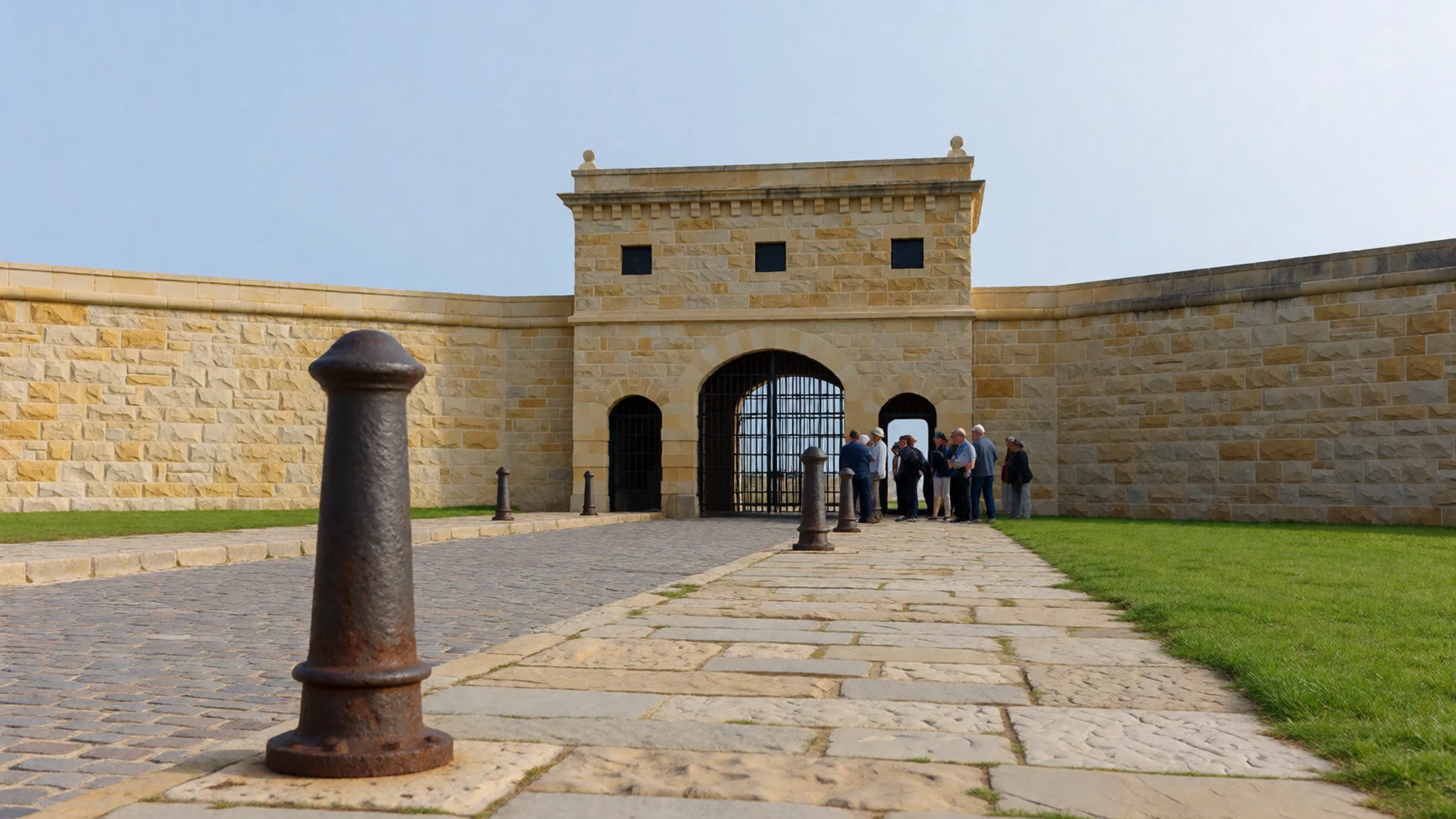
- WA Shipwrecks Museum — Fremantle waterfront, near the port
The WA Shipwrecks Museum is housed in a restored commissariat building from the 1850s. Its focus is maritime archaeology, with displays on ships that were lost along the Western Australian coast and the work of studying what remains of them. It is a good stop before walking to the harbour, and it suits visitors who enjoy stories of wrecks and salvage.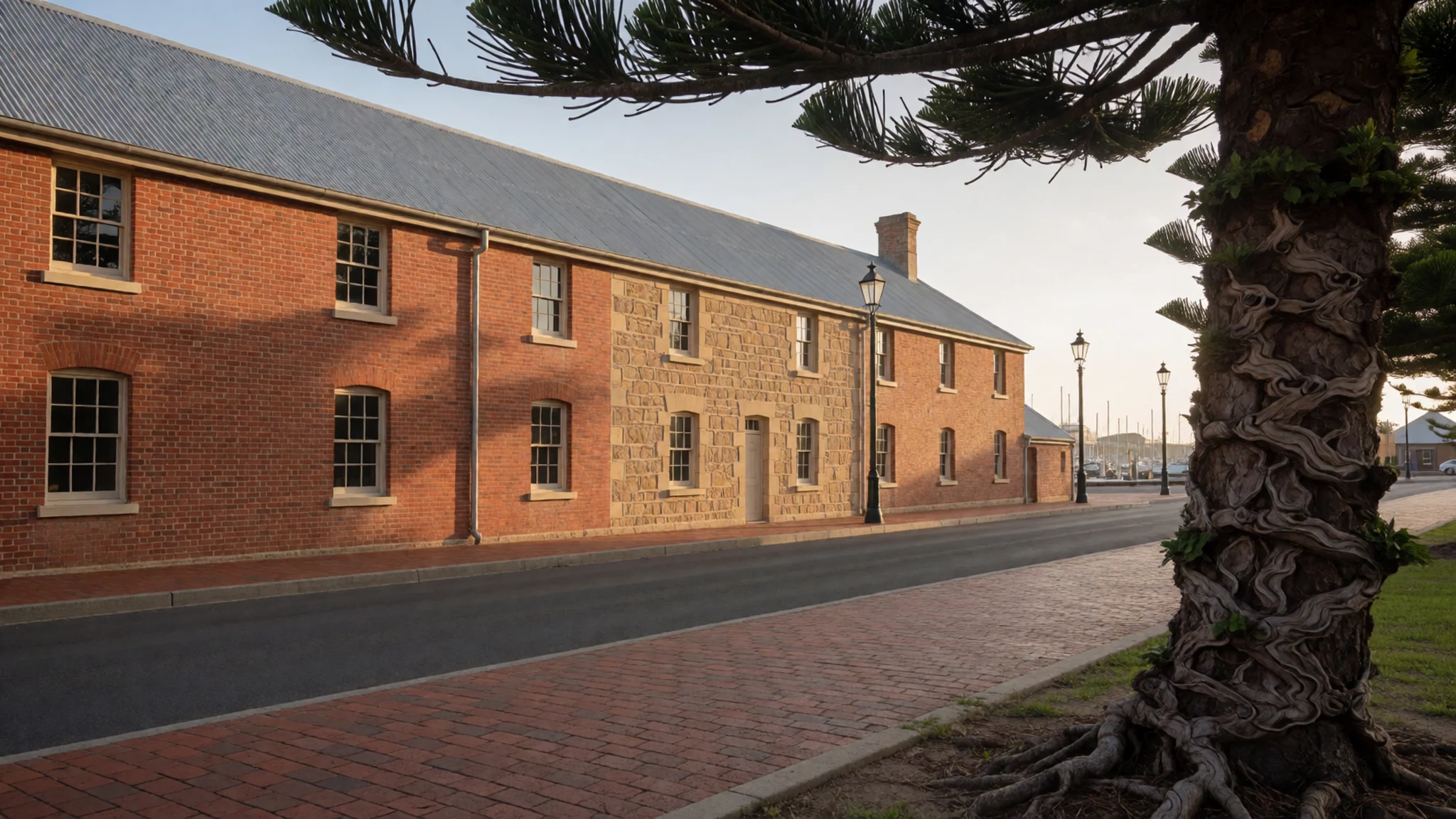
- WA Maritime Museum — Fremantle harbour, close to the Fishing Boat Harbour route
The WA Maritime Museum holds a large collection of vessels, including the winged-keel yacht Australia II, which won the America's Cup. The displays also cover the history of marine activity along the Western Australian coast, from early boats to the port's commercial trade. Allow a couple of hours if you like boats, and check the official site for current opening times.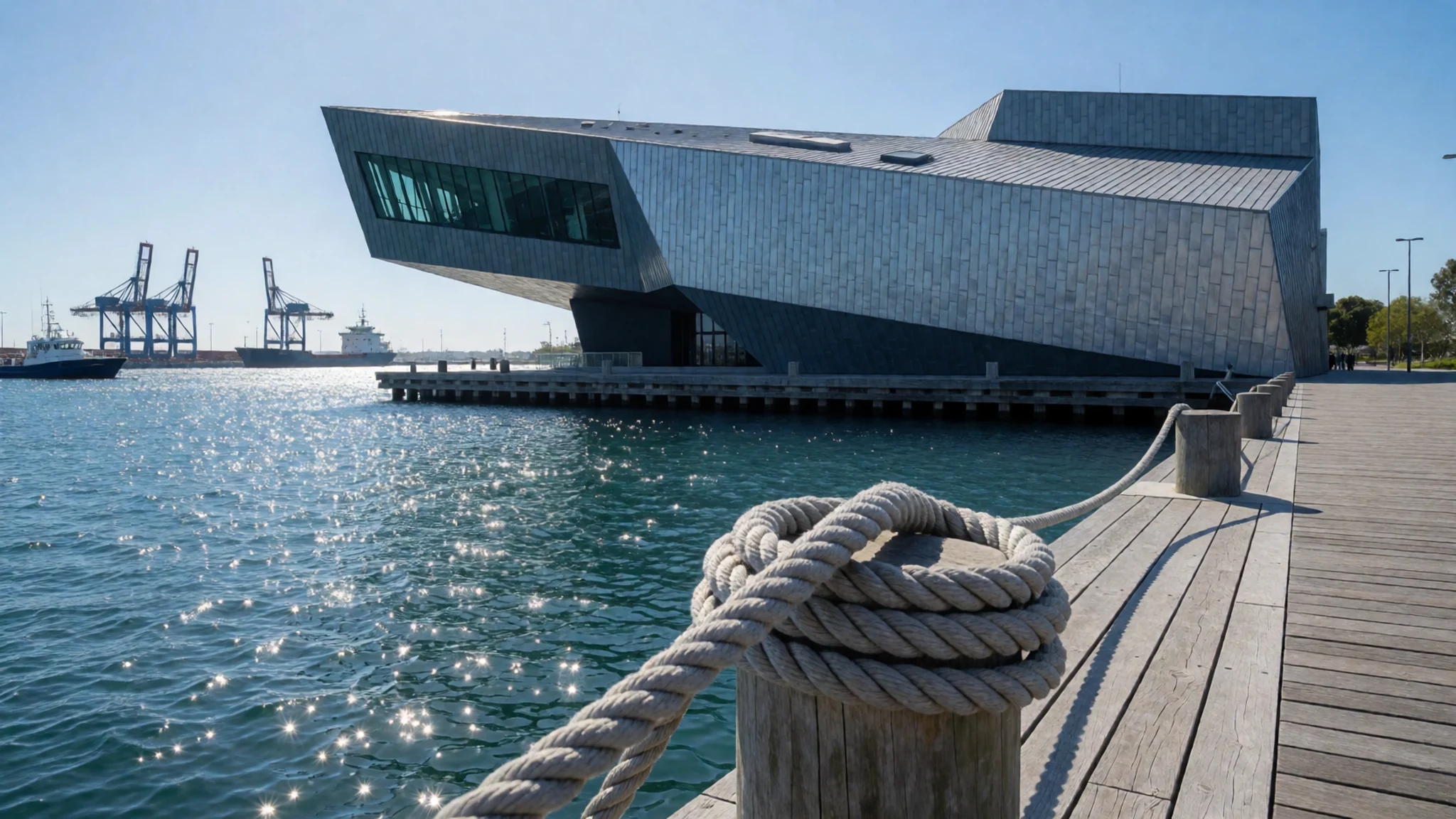
- Round House — Arthur Head, above the harbour
The Round House is Western Australia's first permanent building, and it was built as a prison in the 1830s. It now operates as a small museum focused on the convict lifestyle of the 1800s. The building is compact, so it works well as a short stop between the prison and the harbour, and the displays are clear and informative.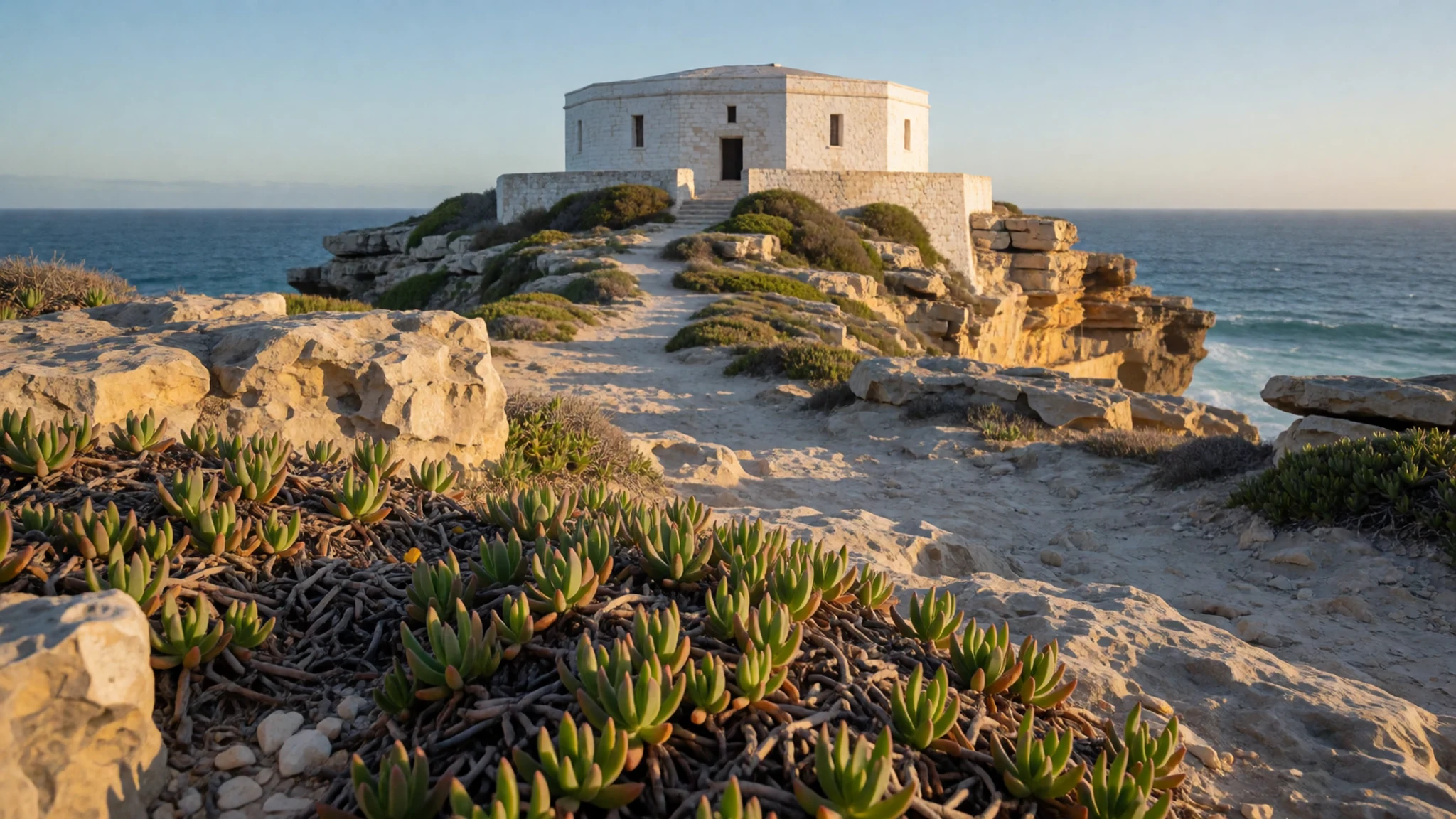
- Cantonment Hill — North of the town centre, overlooking the harbour
Cantonment Hill is the easy climb for a wide view over Fremantle Harbour and the coast beyond. It is a short walk from the town centre, and the light is best in the late afternoon, when the water turns gold and the port cranes stand out against the sky. Bring water on a warm day, as there is little shade on the top.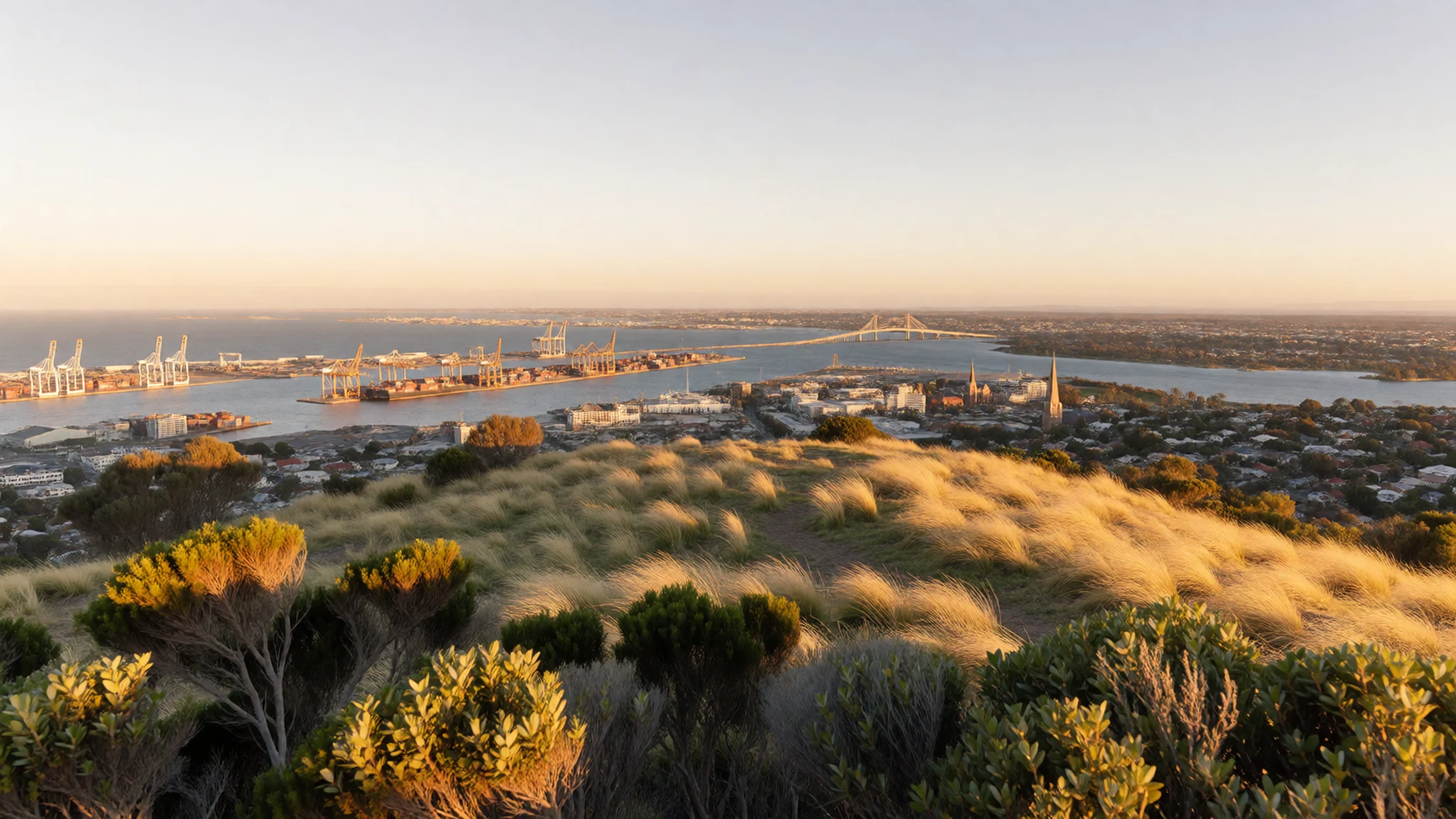
Culture
Fremantle's social life is built around eating out. The Cappuccino Strip on South Terrace is the best-known example, a row of cafés where people sit outside for long stretches over coffee. The restaurants lean towards Italian and Asian food as well as seafood. Down at Fishing Boat Harbour, breweries and eateries have been set up in older working buildings, and Little Creatures, for example, is a converted boat shed with a café and an art gallery. The annual Sardine Festival on Esplanade Park draws large crowds of seafood lovers, so expect the harbour to be busy that weekend. The Noongar people treat Walyalup as a living place of ceremony, trade and gathering, and local guides often speak about the land and its meanings with real pride. Ask before photographing people at a gathering or at a café table, and leave the sites of Noongar significance as you find them.
What to wear
Fremantle's traditional dress comes from the Noongar people of the south-west, whose clothing was simple, practical and close to the land. Possum-skin cloaks, sewn from skins and worn for warmth and ceremony, are among the best-known garments of that region. Their materials and making were closely tied to the seasons and to the people who wore them.
What people wear now is relaxed and coastal. Shorts, linen shirts and sundresses are common in summer, and flip-flops are the default for the beach and the cafés. In the cooler months, locals add a jumper or light jacket for windy evenings on the harbour, and most people dress up only for a restaurant dinner.
What a visitor should wear depends on the season. In summer, pack light, breathable clothing in pale colours, plus a hat, sunglasses and a strong sunscreen, since the sun is fierce and the sea breeze can hide how hot it is. Carry a light layer for winter evenings and for windy walks along the water. Wear closed shoes with good grip for the Fremantle Prison tour and the cobbled streets near the harbour, and bring a swimsuit if you plan to swim at the beaches.
What to eat
- Fish and chips — Fishing Boat Harbour
Fremantle's fish and chips are the classic lunch, and the Fishing Boat Harbour has several shops to choose from. Eat them on the harbour wall with the boats moored alongside, and watch for gulls, which are bold here.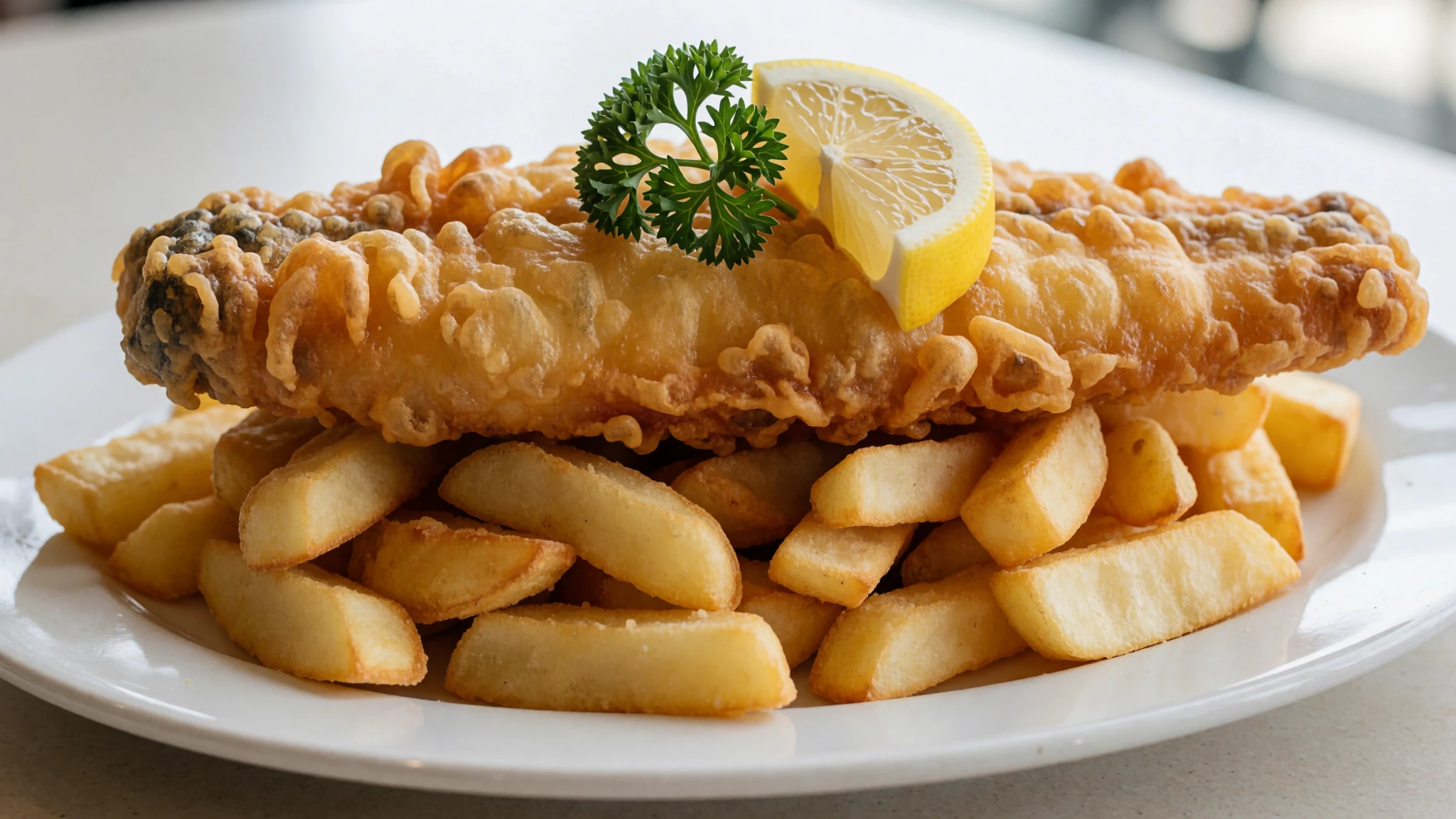
- Italian pasta with seafood — South Terrace, on the Cappuccino Strip
Italian cooking is well represented in Fremantle, and pasta with seafood is a good order at a restaurant on or near South Terrace. La Sosta looks out over the Cappuccino Strip and has a large wine selection, so it suits a slower dinner.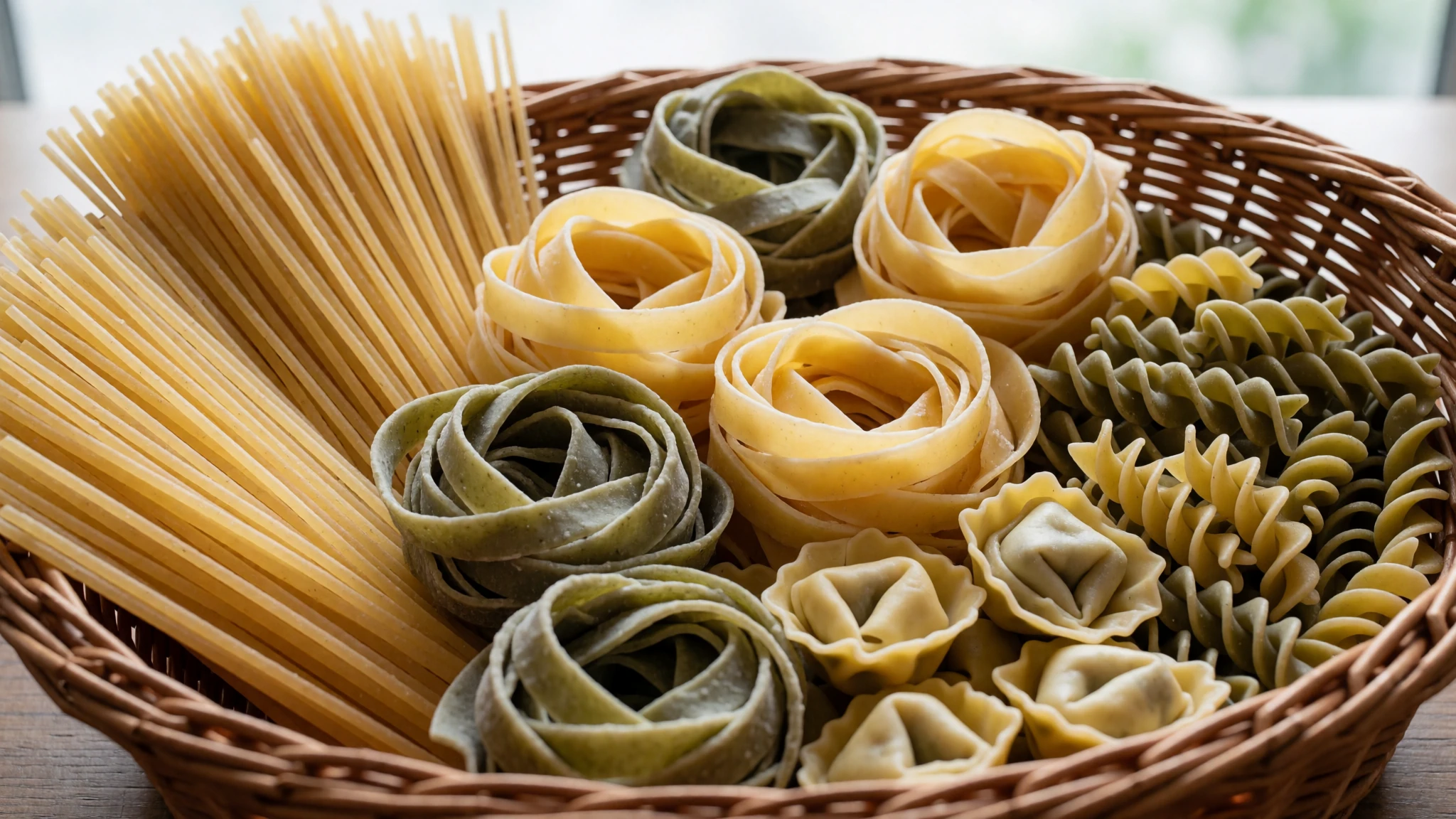
- Souvlaki — a Greek-style grill in the town centre
Souvlaki, the Greek-style kebab, is grilled to order on the barbecue with marinated lamb, chicken, pork or beef. It is a casual and filling meal, and a long-running eatery in town does it well. Eat it in the hand, wrapped in bread.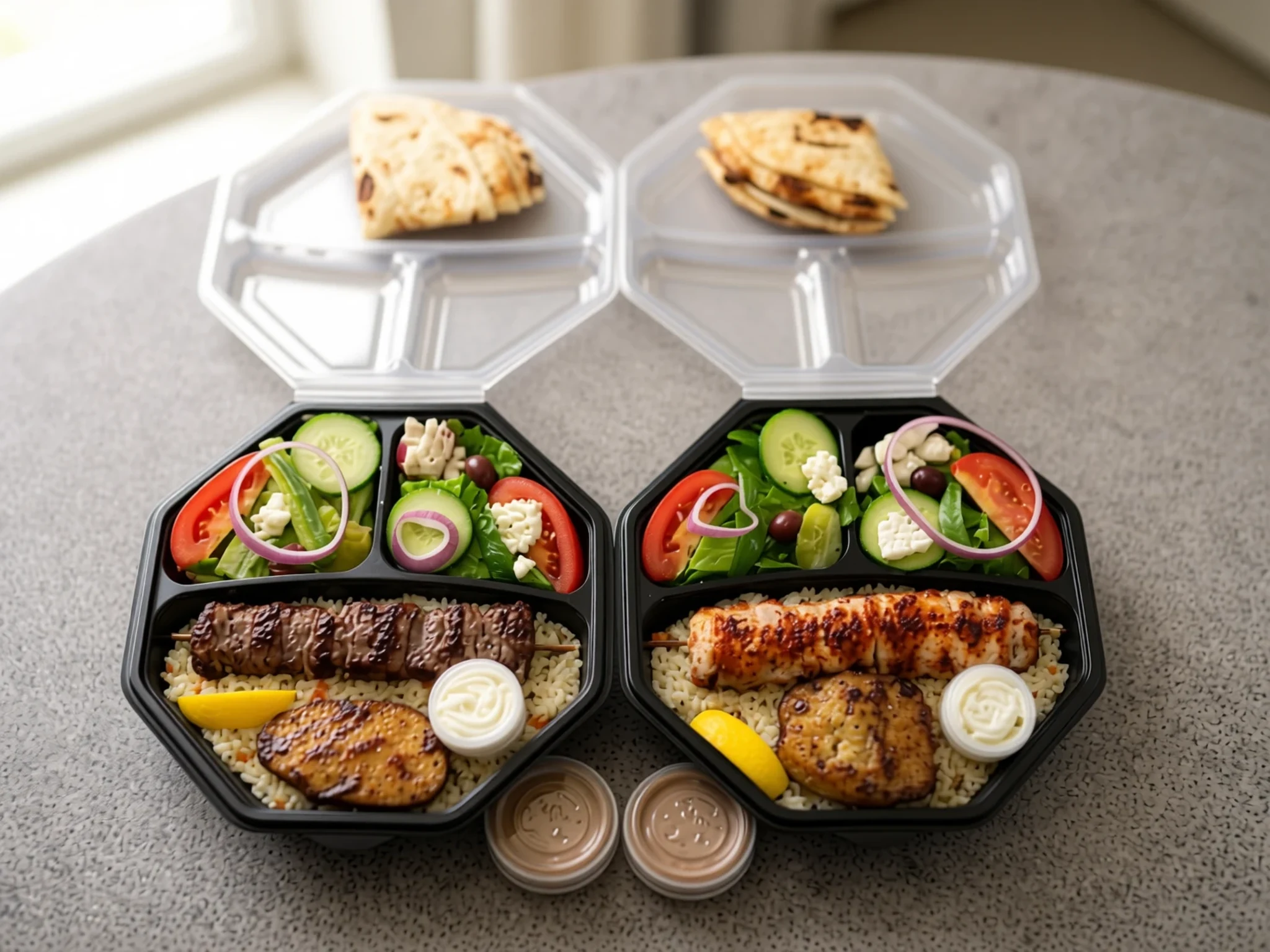
- Pies and pasties — Culley's Tea Rooms, near the town centre
Pies and pasties come from a tea room that has served them since the 1920s. Culley's is the best-known of the old-style cafés, and its savoury pies make a quick lunch. The old milk bar counter is worth a look for its history. - Coffee on the Cappuccino Strip — South Terrace, the Cappuccino Strip
Coffee is the reason many people come to South Terrace. Gino's became one of the first cafés in the town and remains the heart of the strip, while The Attic is a smaller, cosy café in a building designed by Brian Klopper. Order a flat white and sit outside, as the locals do.
Plan it
Best time. March–April and October–November are the most comfortable months, with mild weather and calmer streets. December to February is hot and dry with strong sun, and June to August is cool and wetter, though still pleasant on sunny days.
How long. 2–3
Getting there. Fly into Perth, then take a suburban train from platform 7 at Perth station, about 25 minutes to Fremantle station, which is a short walk from the town centre. The drive from Perth takes about 30 minutes using the Kwinana Freeway.
Budget. mid
Tips
- Trains from Perth run about every quarter-hour, so you rarely wait long
- Use a SmartRider card for trains and buses across Perth
- Book the Fremantle Prison tour ahead and go in the morning, when it is cooler
- Carry water and sun protection in summer; the coast can be windy
- Check the official site for museum and prison opening times, as they change through the year
Etiquette
- Ask before photographing people at a market, café table or ceremony
- Give cafés on the Cappuccino Strip room at peak times, as tables turn over quickly
- Treat Noongar cultural places with respect and take only photographs
Nearby
Sources
- Wikidata Q606212 (CC0)
- Wikipedia: Fremantle (CC BY-SA 4.0)
- Wikivoyage: Perth/Fremantle (CC BY-SA 4.0)
- Photo: Aerial view of Fremantle, Chewy m (CC BY 3.0)
- Photo: Fremantle harbour meets the museum, JarrahTree (CC BY 2.5 au)
- Photo: CMA CGM Chopin, Bahnfrend (CC BY-SA 4.0)
- Photo: Fremantle Prison main block, Gnangarra (CC BY 2.5 au)
- Photo: High Street, Fremantle, Richard Keeler (CC BY 2.5)
- Photo: Panorama of the Swan River Settlement, 1831, Jane Eliza Currie (Public domain)
- Photo: C. Y. O'Connor statue, Nachoman-au (CC BY-SA 1.0)
- Photo: Fremantle, Phil Whitehouse (CC BY 2.5)


