Forbidden City
Forbidden City, People's Republic of China
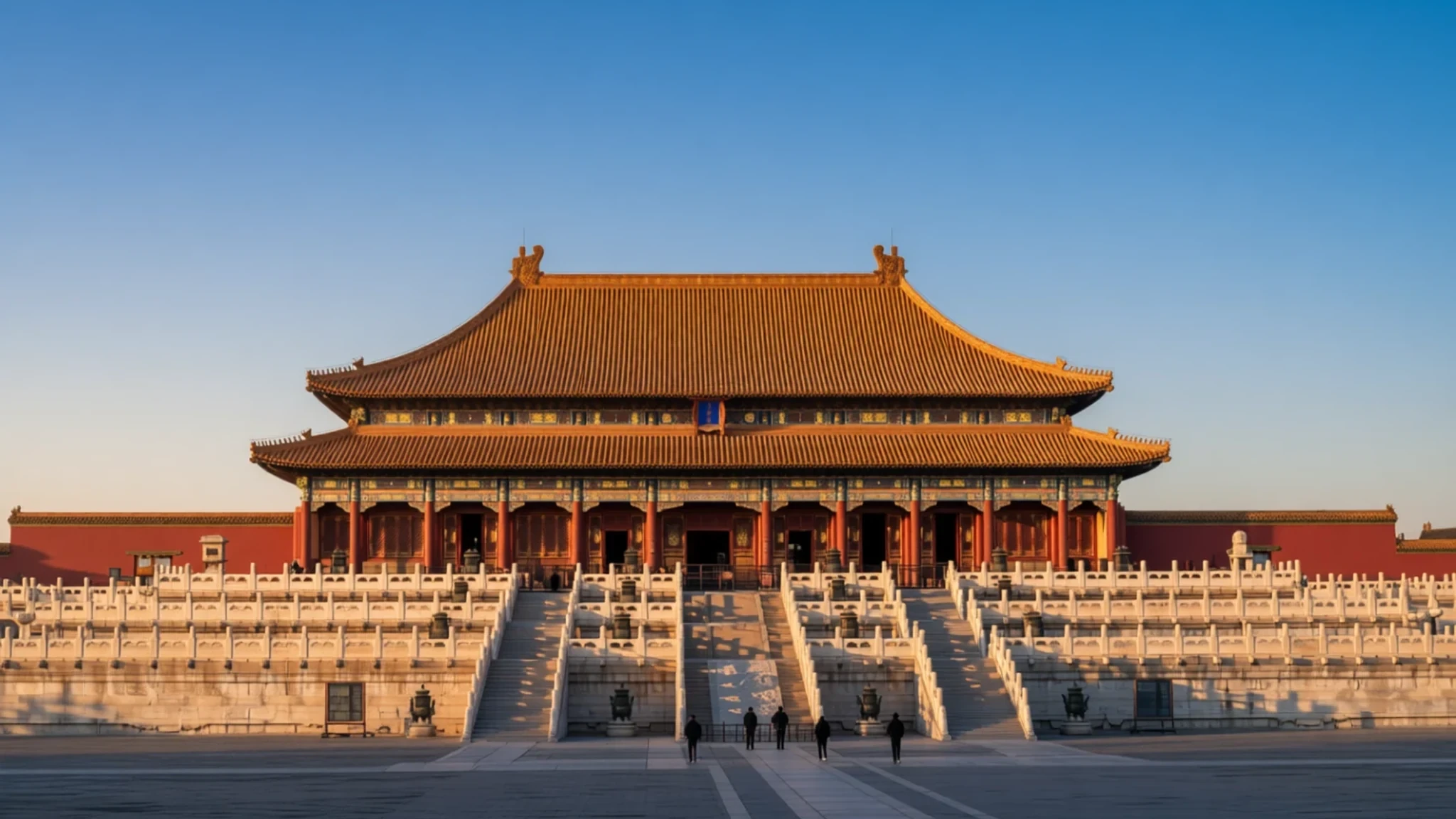
Walk through the sprawling ancient heart of imperial China, where emperors ruled from behind towering vermilion walls and golden roofs.
The place
The Forbidden City stands right at the geographical heart of Beijing, occupying a massive rectangular footprint that once defined the absolute centre of Chinese imperial authority. As you approach its grand perimeter, you encounter high, protective red walls flanked by defensive watchtowers at each corner, all encircled by a wide, deep moat. This vast palace compound served as the winter residence and operational seat for monarchs across dynasties, housing households, court officials, eunuchs, and guards behind closed gates. Today, administered as the Palace Museum, the site invites visitors to wander through a succession of expansive courtyards, marble terraces, and ceremonial throne rooms. The scale is immense, characterized by symmetrical courtyards lined with yellow-glazed ceramic tiles that catch the sun. Visitors pass through monumental arched gates to explore vast open plazas where thousands of courtiers once gathered to kowtow before the emperor. Beyond the main ceremonial halls lie more intimate residential quarters, gardens, and galleries showcasing centuries of imperial treasures, jades, bronzes, and imperial portraits. While crowds are a constant reality, the sheer architectural rhythm of halls, courtyards, and covered walkways reveals a meticulous urban design philosophy rooted in cosmological order and imperial supremacy. Walking the stone pathways today allows you to trace the footsteps of sovereigns who governed an empire from behind these very fortifications, turning a closed citadel into one of the world's most compelling historical archives.
Its story
The story of the Forbidden City began when the Yongle Emperor decided to shift the imperial capital northward from Nanjing to Beijing, launching an immense construction project in the early fifteenth century. Transforming swampy ground and previous Yuan dynasty foundations required massive logistical efforts, drawing over a million laborers and around 100,000 craftsmen, soldiers, and artisans from across the realm. Precious Phoebe zhennan timber was hauled from remote southwestern jungles, while large marble blocks were dragged over winter ice roads on sledges from nearby quarries. Special golden-firing paving bricks were transported from distant kilns to floor the grandest throne rooms. For centuries, the compound remained the absolute center of power for the Ming dynasty until rebel forces captured the palace, setting fire to several structures before fleeing from advancing Manchu armies. The incoming Qing dynasty quickly claimed the citadel, restoring burned sections, renaming key halls to emphasize harmony, and introducing bilingual nameplates in both Chinese and Manchu script alongside traditional shamanist rituals. Throughout subsequent centuries, the complex witnessed foreign occupations, including troops entering during the Second Opium War, before the final abdication of the last emperor ended imperial rule. Transformed into a public museum in the twentieth century, the palace survived twentieth-century upheavals and conflicts, protecting its imperial collections through wartime evacuations and emerging as a preserved monument to centuries of dynastic rule.
What to see
- Outer Court — Southern central section
The Outer Court forms the monumental ceremonial heart of the Forbidden City, featuring expansive open stone yards designed to overwhelm visitors with imperial majesty. Here, grand marble terraces support the primary state halls where emperors presided over state affairs, military decrees, and grand anniversary celebrations.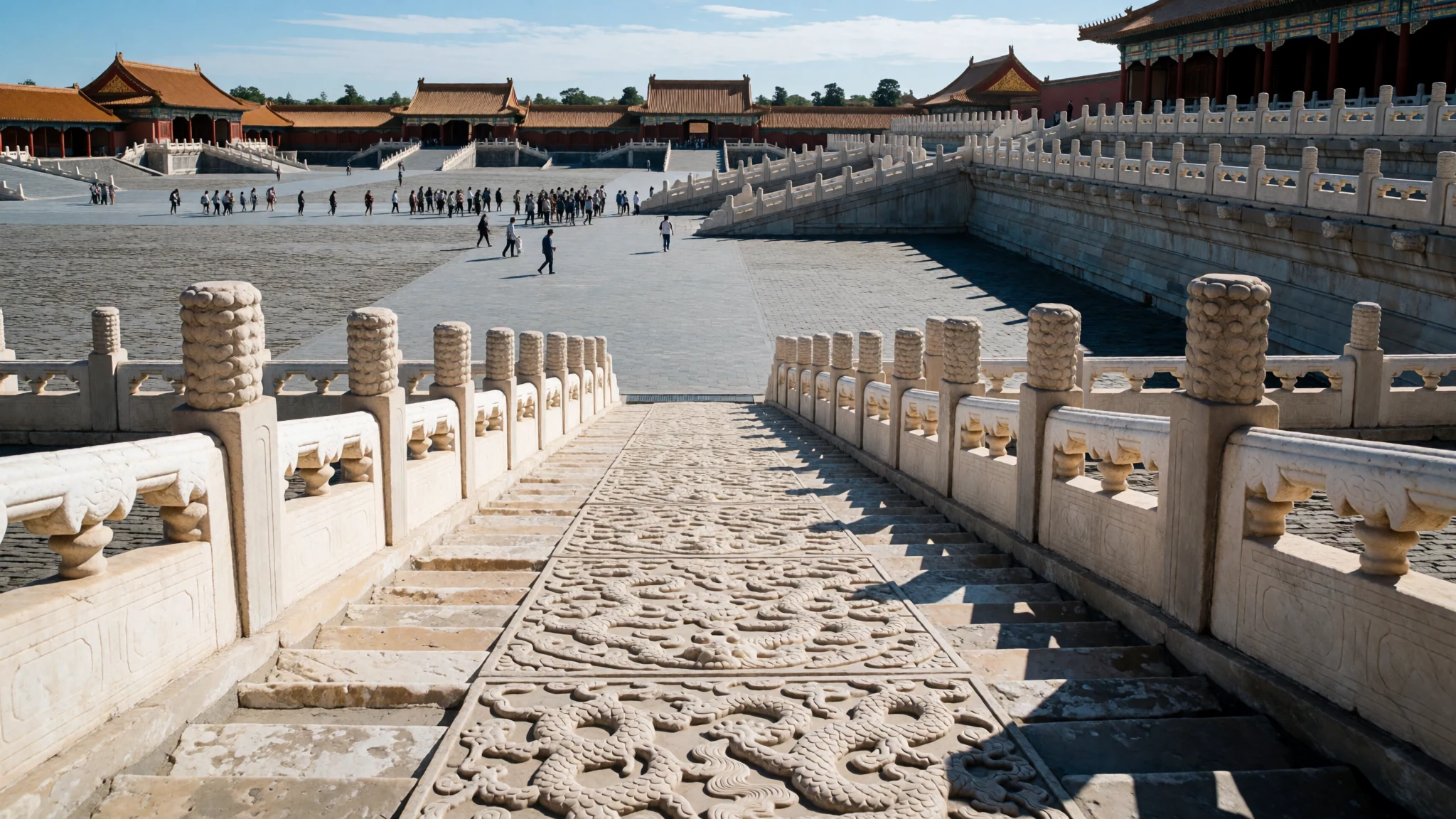
- Paintings and Calligraphy Gallery - Hall of Military Eminence — Western side of the Outer Court
The Hall of Military Eminence now houses the Palace Museum's exceptional collection of traditional Chinese paintings and calligraphy scrolls. Ironically, despite a name celebrating military prowess, these structures currently display delicate ink works on silk and paper by master artists from successive dynasties.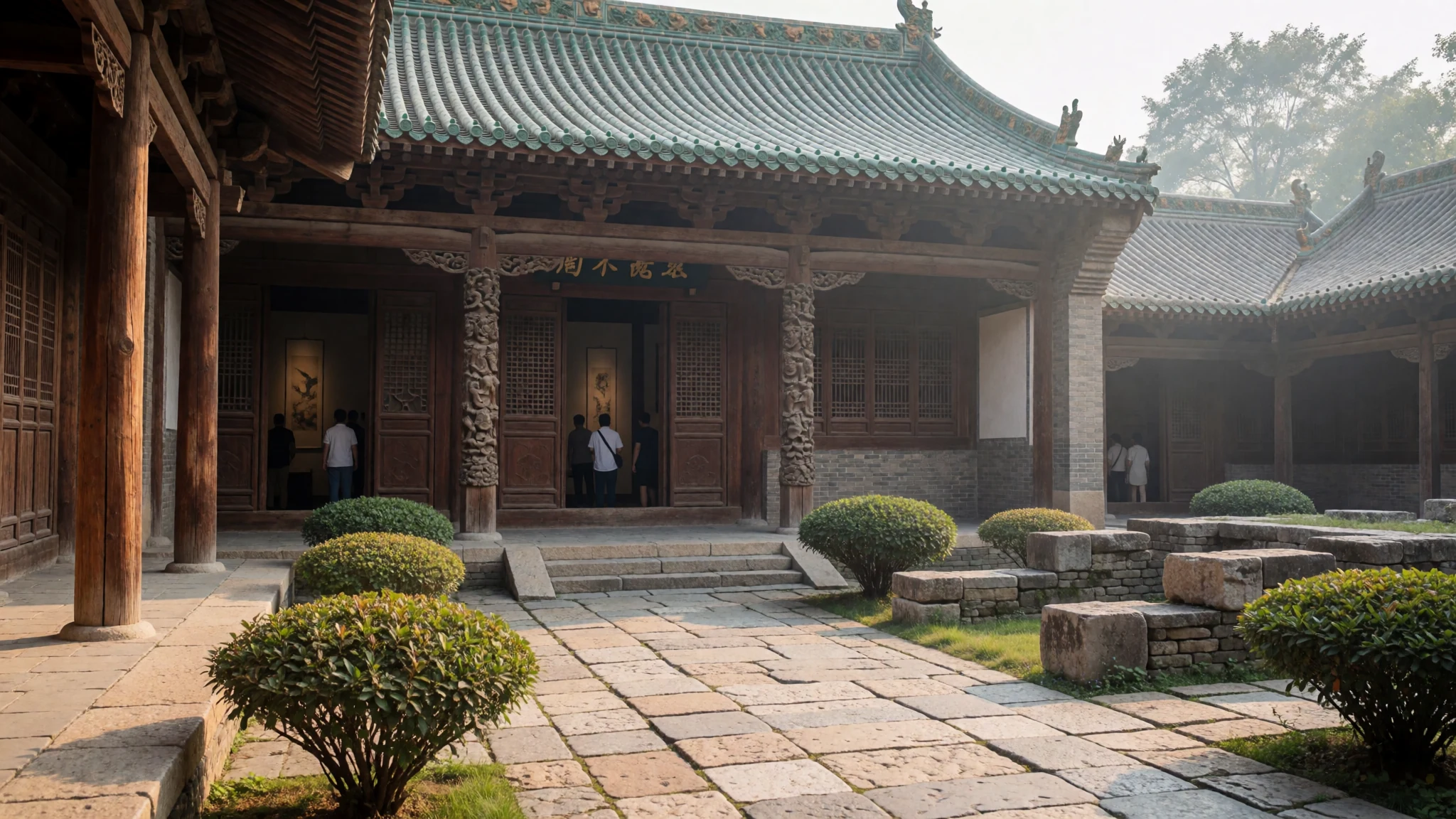
- Porcelain and Ceramics - Hall of Literary Glory — Eastern side of the Outer Court
The Hall of Literary Glory once served as an imperial lecture hall and the crown prince's court before becoming a dedicated ceramics exhibition space. Visitors can inspect thousands of years of glazed pottery, celadons, and imperial porcelain pieces recovered directly from historical palace storerooms.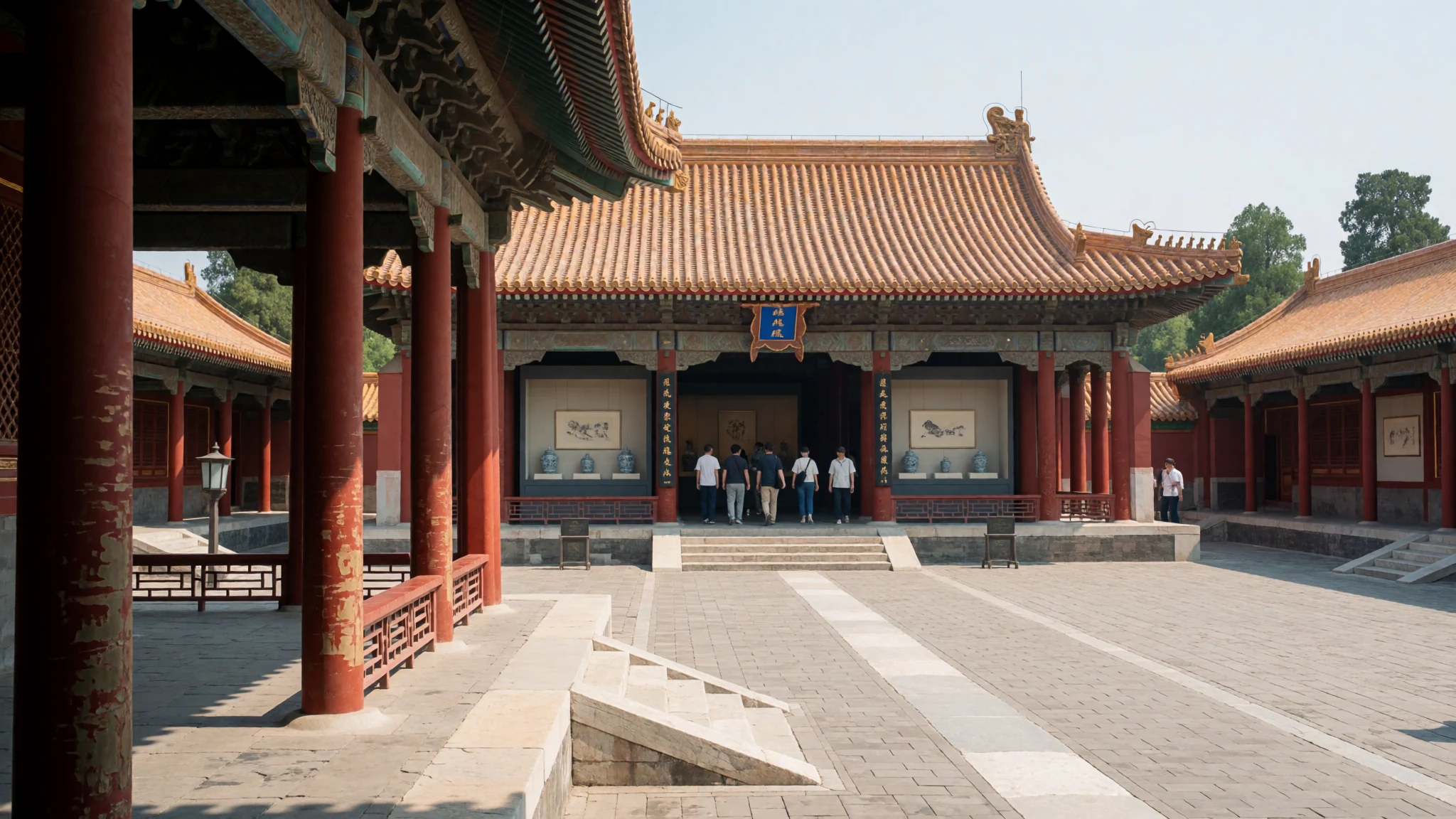
- Inner Palace — Northern central section
Passing through the Gate of Heavenly Purity brings visitors from the public Outer Court into the private residential zones of the Inner Palace. This northern cluster contains living quarters, personal gardens, and smaller shrines where emperors, empresses, and concubines lived their daily lives.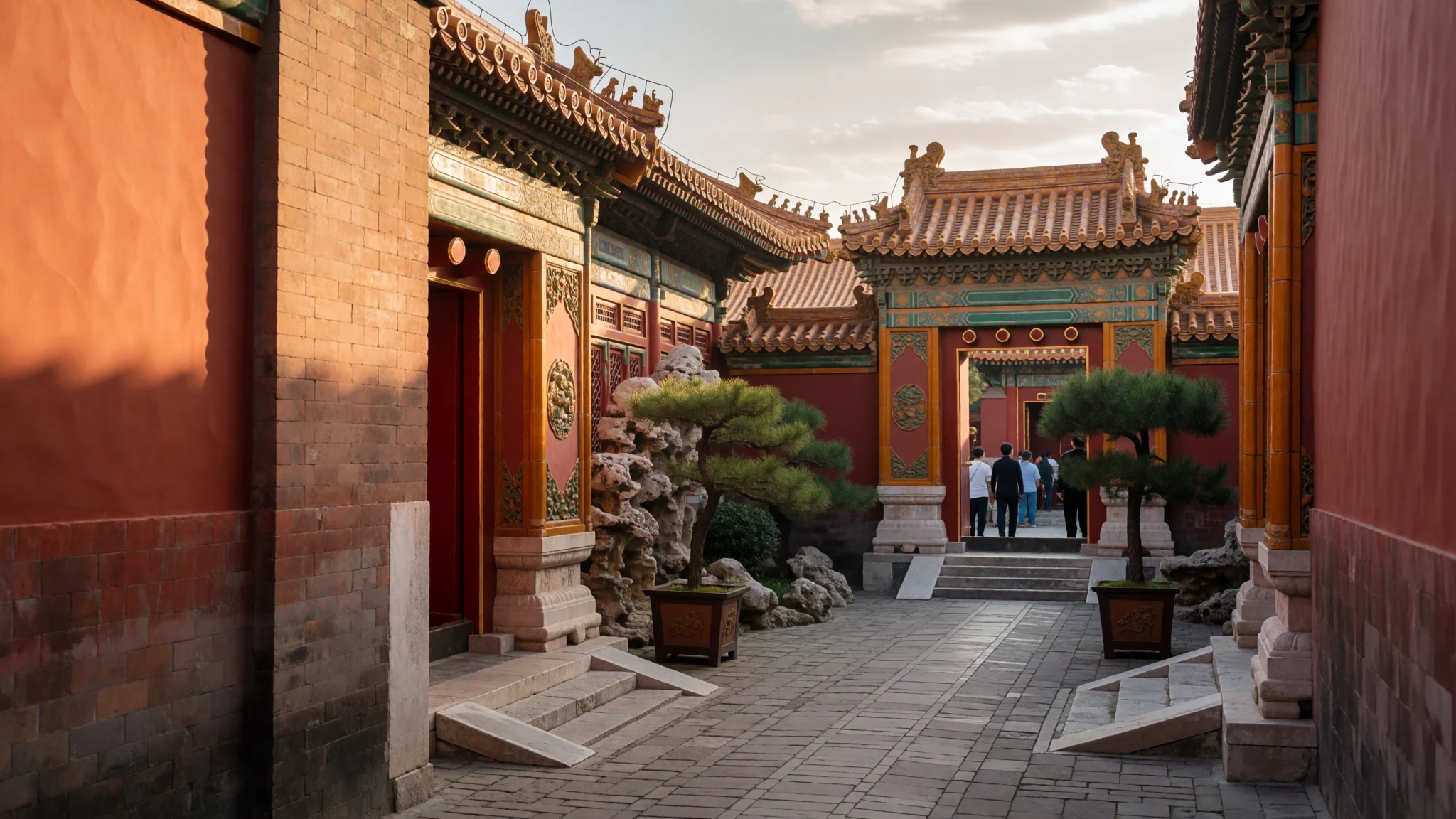
- Meridian Gate — Southern entrance wall
The Meridian Gate serves as the main monumental entrance and the sole access point for modern tourists entering the palace grounds. Featuring protruding side wings and tall red gatehouses, it was historically the point where emperors reviewed troops and announced calendar changes.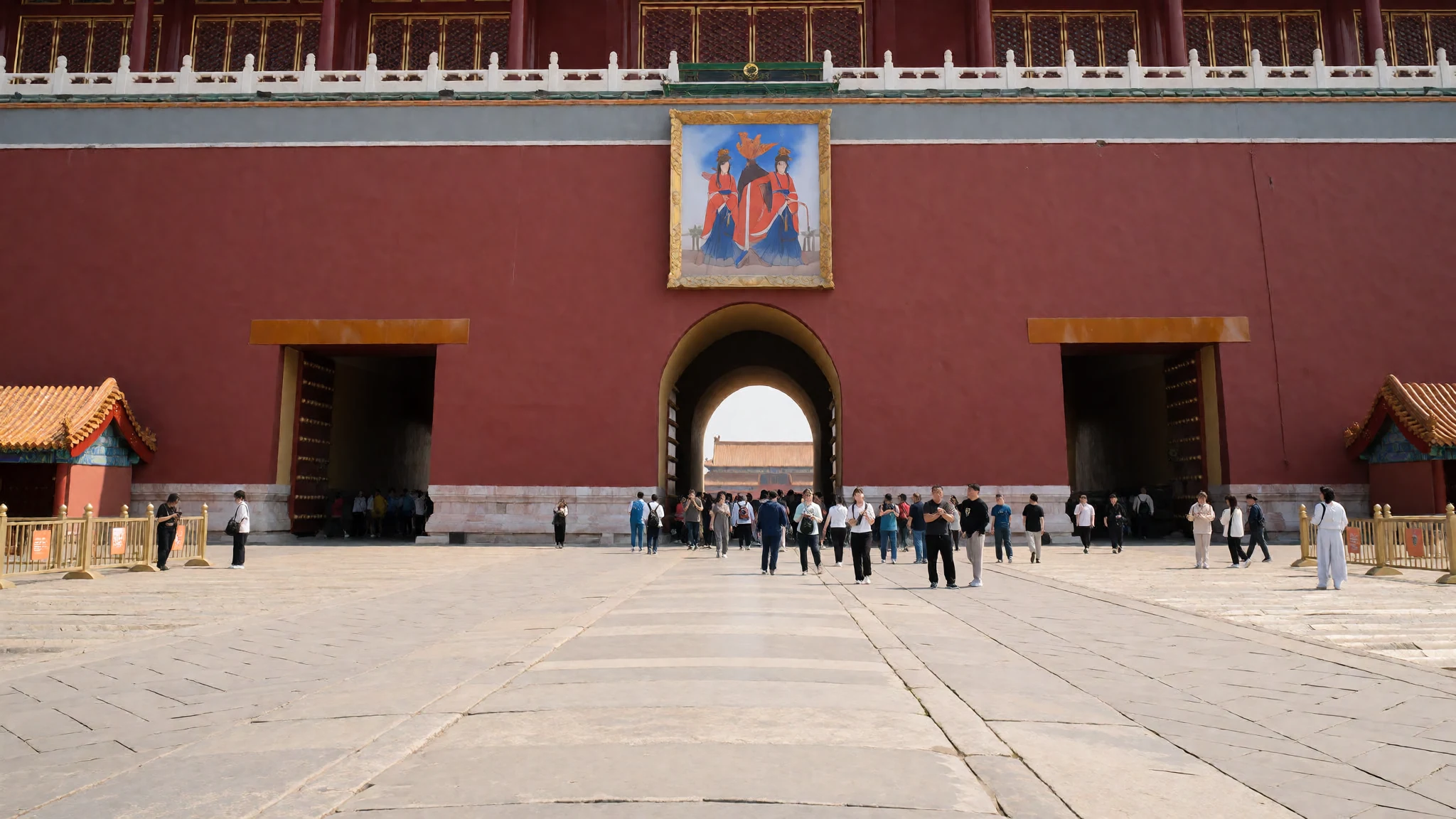
Culture
The cultural weight of the Forbidden City reflects centuries of strict Confucian hierarchy, court ritual, and imperial cosmology that governed daily life in the capital. Every courtyard proportion, roof tile colour, and decorative animal motif served to reinforce the emperor's mandate as the Son of Heaven, mediating between cosmic forces and human society. Today, the site functions primarily as a national museum, drawing millions of domestic and international visitors who come to witness the preservation of China's royal heritage. Traditional etiquette within the complex demands respectful behavior, quiet reflection in gallery spaces, and strict adherence to designated pathways to protect ancient wooden structures and stone carvings. Security screening is rigorous at the gates, and visitors should remain mindful of large tour groups that populate the central axis throughout the day. Please keep your voice down when entering historical halls, and never touch painted pillars, artifacts, or antique display cases.
What to wear
Historical fashion within the Forbidden City was strictly regulated by sumptuary laws that dictated the exact fabrics, colors, and embroidered motifs—such as five-clawed dragons—permissible for members of the imperial family, officials, and eunuchs, using fine silks, brocades, and furs. Today, local and international visitors dress in comfortable, modern casual wear suited for extensive walking across large stone-paved courtyards. Many domestic tourists, particularly younger visitors, enjoy renting elaborate traditional Hanfu garments or Qing dynasty imperial court attire from nearby shops for themed photography sessions inside the palace grounds. For practical touring attire, wear sturdy, supportive walking shoes, as the expansive gravel and stone paths will tire your feet quickly. Dress in breathable layers during spring and autumn, pack a hat and sunscreen for the exposed summer courtyards, and bring a warm coat, scarf, and gloves if you visit during the cold winter months.
What to eat
- Imperial Cuisine Dishes — Traditional imperial cuisine restaurants located just outside the southwestern walls
Inside the palace you will find only a few cafes and kiosks with a narrow menu of ready meals, noodles, and sandwiches at high prices, so it is wise to bring a packed lunch.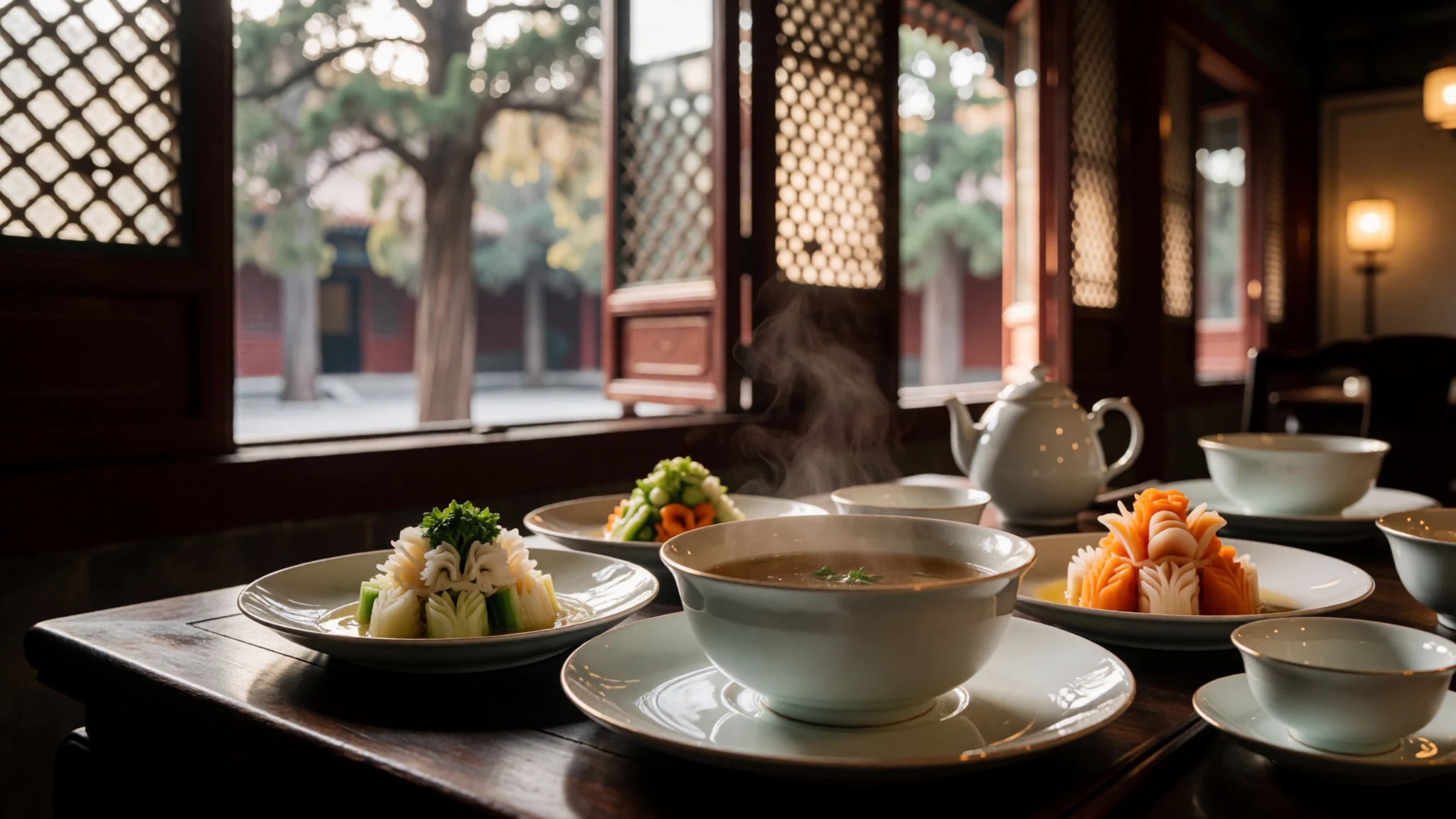
- Traditional Teas — Peaceful heritage teahouses inside nearby public parks adjacent to the complex
Enjoy freshly brewed jasmine, green, or oolong teas served in quiet courtyard teahouses surrounded by mature cypress trees and shaded garden walkways.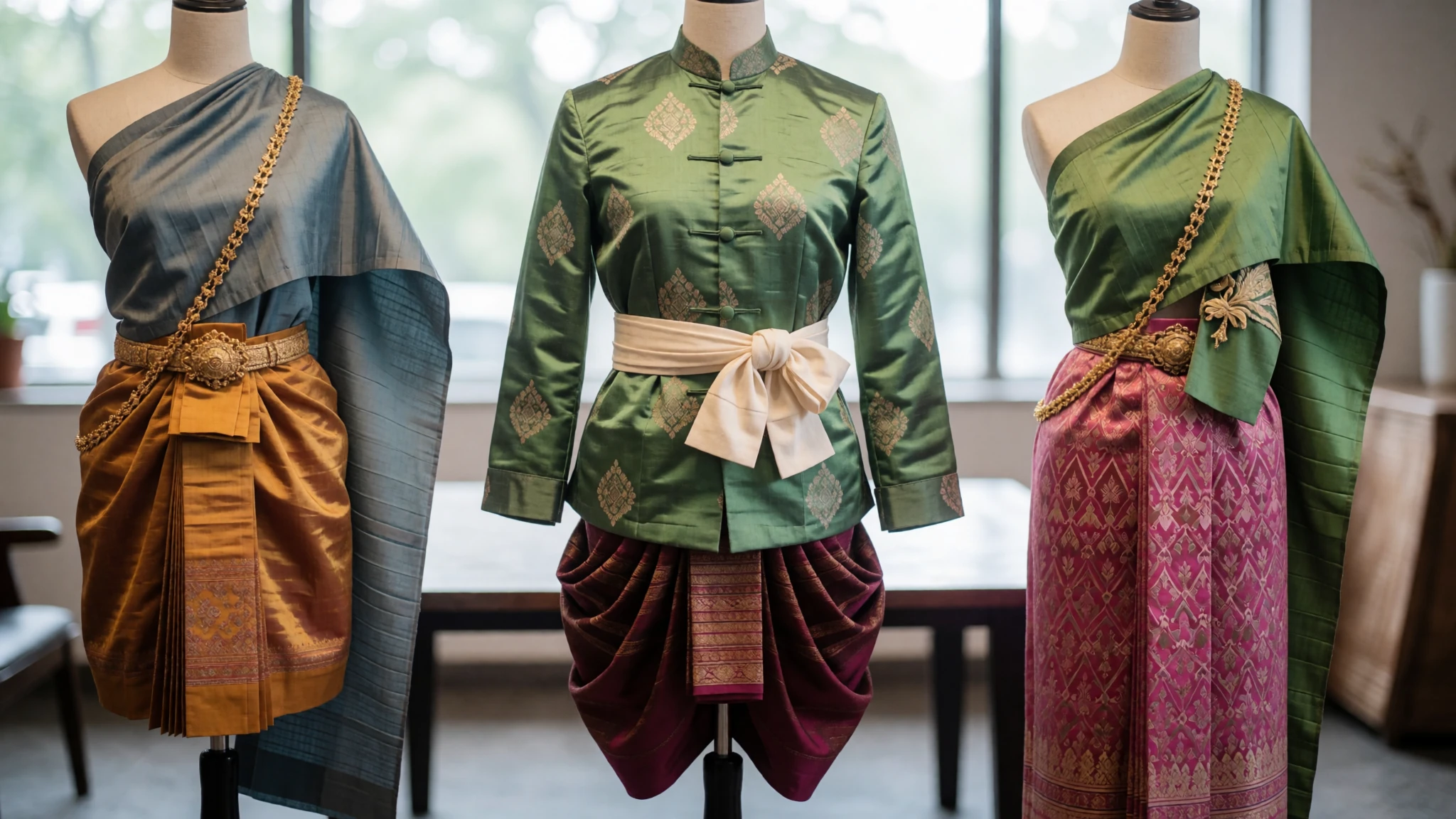
- Beijing Noodle Dishes — Local noodle shops and casual dining houses throughout the Dongcheng and Xicheng districts
Try classic hand-pulled noodles tossed with rich soybean paste, fresh cucumber strips, and savory pork sauce at traditional eateries across the surrounding district. - Jiaozi Dumplings — Small family-run dumpling restaurants located within walking distance of the palace gates
Savour steamed or pan-fried wheat dumplings filled with seasoned minced pork, leeks, or cabbage, served with black vinegar and chilli dipping sauce.
Plan it
Best time. March, October, and November offer the most comfortable days with milder daytime highs; April and May are already hot, May and June are the hottest months, July is the wettest, and winters from December to February are bitterly cold.
How long. 1–2
Getting there. Fly into Beijing Capital International Airport or arrive by high-speed rail at Beijing Station or Beijing West, then take the subway line to Tiananmen East or West station and walk north through Tiananmen Square.
Budget. mid
Tips
- Book your admission ticket online well in advance since daily visitor numbers are strictly limited
- Enter through the southern Meridian Gate after clearing security checkpoints on the square
- Arrive early in the morning to beat the heaviest crowds along the central axis
- Wear comfortable walking shoes for navigating the vast courtyards and gravel paths
- Carry your original passport or identification document, which is required for entry verification
Etiquette
- Keep your voice low when visiting indoor galleries and exhibition halls
- Never touch ancient painted pillars, stone carvings, or display cases
- Obey all photography rules, avoiding flash photography inside heritage buildings
Nearby
Sources
- Wikidata Q80290 (CC0)
- Wikipedia (CC-BY-SA 4.0)
- Wikivoyage (CC-BY-SA 4.0)