Fatehpur Sikri
Fatehpur Sikri, India
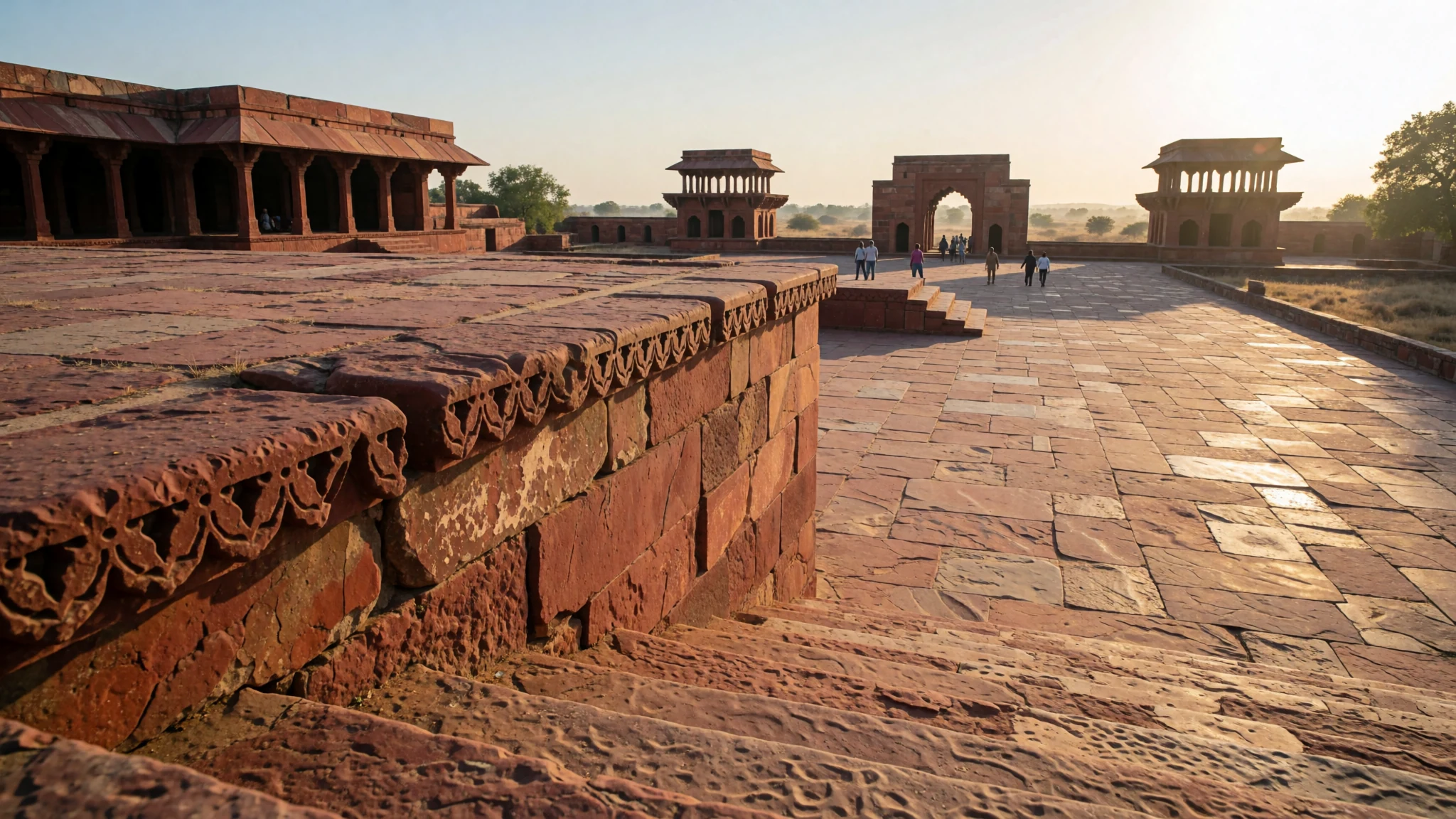
Step inside a deserted sixteenth-century imperial capital of red sandstone, built by Emperor Akbar as a grand monument to a Sufi saint.
The place
Fatehpur Sikri stands as a remarkably preserved ghost capital in the northern plains of India, holding a silent testament to a brief moment of imperial glory. Established as the seat of the Mughal Empire by Emperor Akbar, the settlement grew swiftly around a humble ridge where a revered Sufi mystic once lived. When visitors approach the historic site from the dusty plains of Uttar Pradesh, massive red sandstone walls and sweeping courtyards emerge against the open sky, revealing a complex urban layout that blends Persian engineering traditions with indigenous Indian architectural forms. Although the imperial court abandoned the location due to shifting military campaigns in the north, the empty pavilions, audience halls, and royal residences retain an uncanny sense of royal presence. The surrounding district features scrub-covered terrain, agricultural fields, and lively local markets that contrast sharply with the quiet majesty of the elevated palatial complex. Walking through the courtyards today feels like stepping directly into an illustrated sixteenth-century manuscript, where every carved pillar, shaded veranda, and reflecting pool tells the story of an ambitious sovereign who dreamed of uniting diverse cultural and spiritual worlds under one imperial roof. The local municipal council manages the modern town nestled at the base of the ridge, where daily life carries on around the ancient monuments, blending modern commerce with centuries of royal heritage.
Its story
The historical narrative of Fatehpur Sikri extends far deeper into antiquity than its celebrated Mughal chapter, rooted in layers of ancient human habitation. Archaeological investigations at Birchhabili Tila, located near a former lake bed, have uncovered structural foundations, pottery fragments, and terracotta artifacts dating back centuries before imperial architects arrived. During the early mediaeval eras, local rulers including Sikarwar Rajputs maintained fortifications and sacred structures across the rocky ridge until major shifts in regional power altered the landscape. The definitive transformation of Fatehpur Sikri began when Emperor Akbar sought the blessings of the revered Sufi saint Salim Chishti, who resided in a simple khanqah on the rocky outcrop. Following the birth of his son and heir in the village of Sikri, a grateful emperor initiated a monumental building programme that converted the modest settlement into a magnificent walled capital known as the City of Victory. Artisans, stonecutters, and scholars flocked to the expanding urban centre from across the realm, creating a vibrant hub of intellectual debate and artistic innovation. Yet this golden era proved remarkably short-lived. Environmental challenges, particularly the scarcity of reliable water sources for a burgeoning urban population, combined with urgent political demands in the Punjab frontier, forced the emperor to shift his court away permanently. The grand palaces fell silent, leaving behind an architectural masterpiece frozen precisely in time for modern travellers to explore.
What to see
- Buland Darwaza — Southern entrance of the Jami Masjid complex
Rising magnificently at the southern entrance of the grand mosque complex, this soaring gateway was constructed to commemorate triumphant military campaigns in the western provinces. Visitors ascending the monumental flight of stone steps are met with imposing proportions, soaring archways, and subtle calligraphic inscriptions carved deeply into the dark red sandstone facade, creating an unforgettable first impression of imperial power and architectural mastery.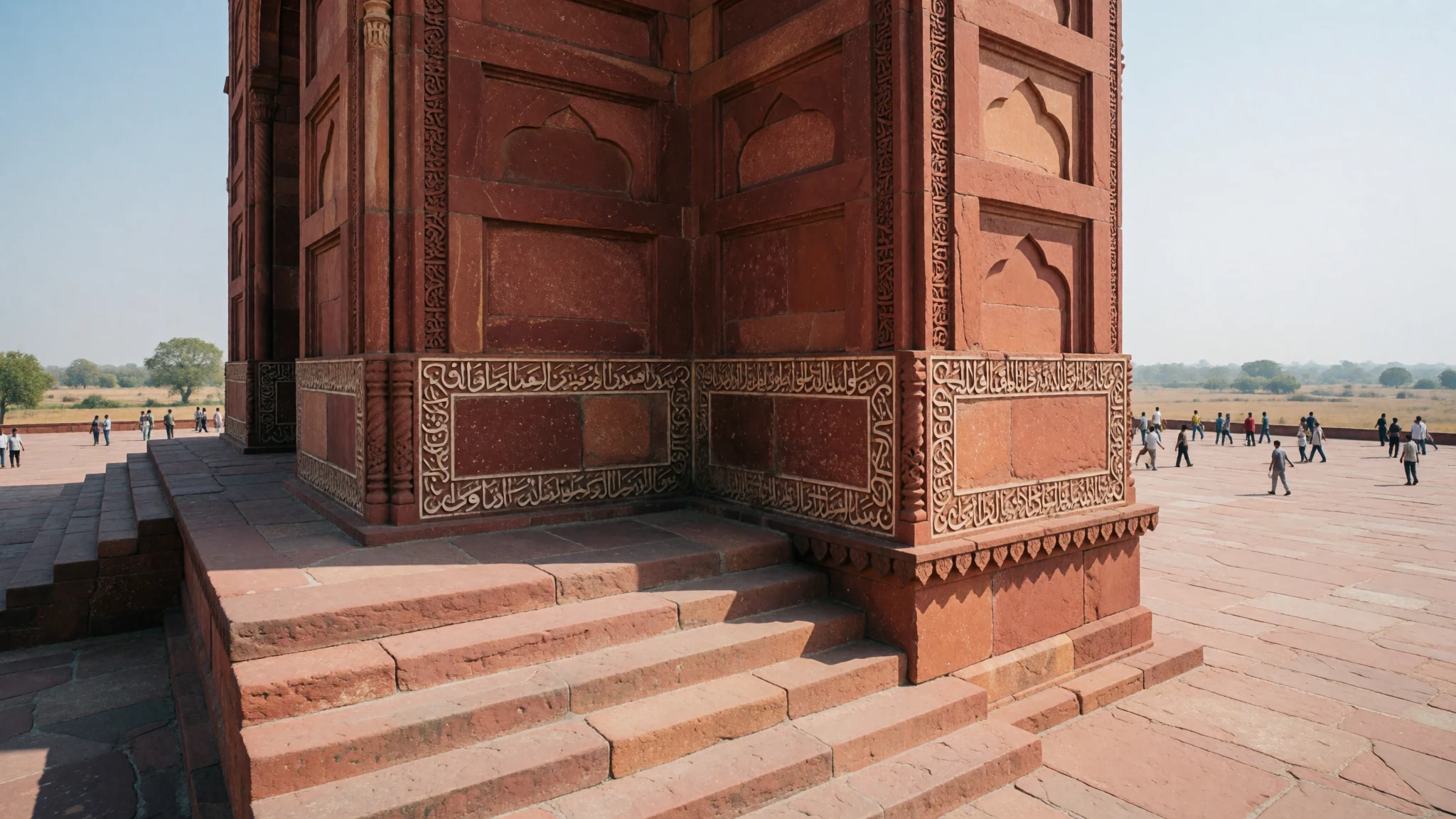
- Tomb of Salim Chishti — Inner courtyard of the Jami Masjid
Encased within the expansive courtyard of the main mosque, this luminous white marble shrine honours the revered Sufi mystic whose spiritual guidance inspired the creation of the imperial capital. Delicate pierced marble screens frame the interior chamber, where pilgrims tie colourful threads around the tracery lattices to offer personal prayers, creating a deeply spiritual atmosphere that contrasts with the surrounding red sandstone monuments.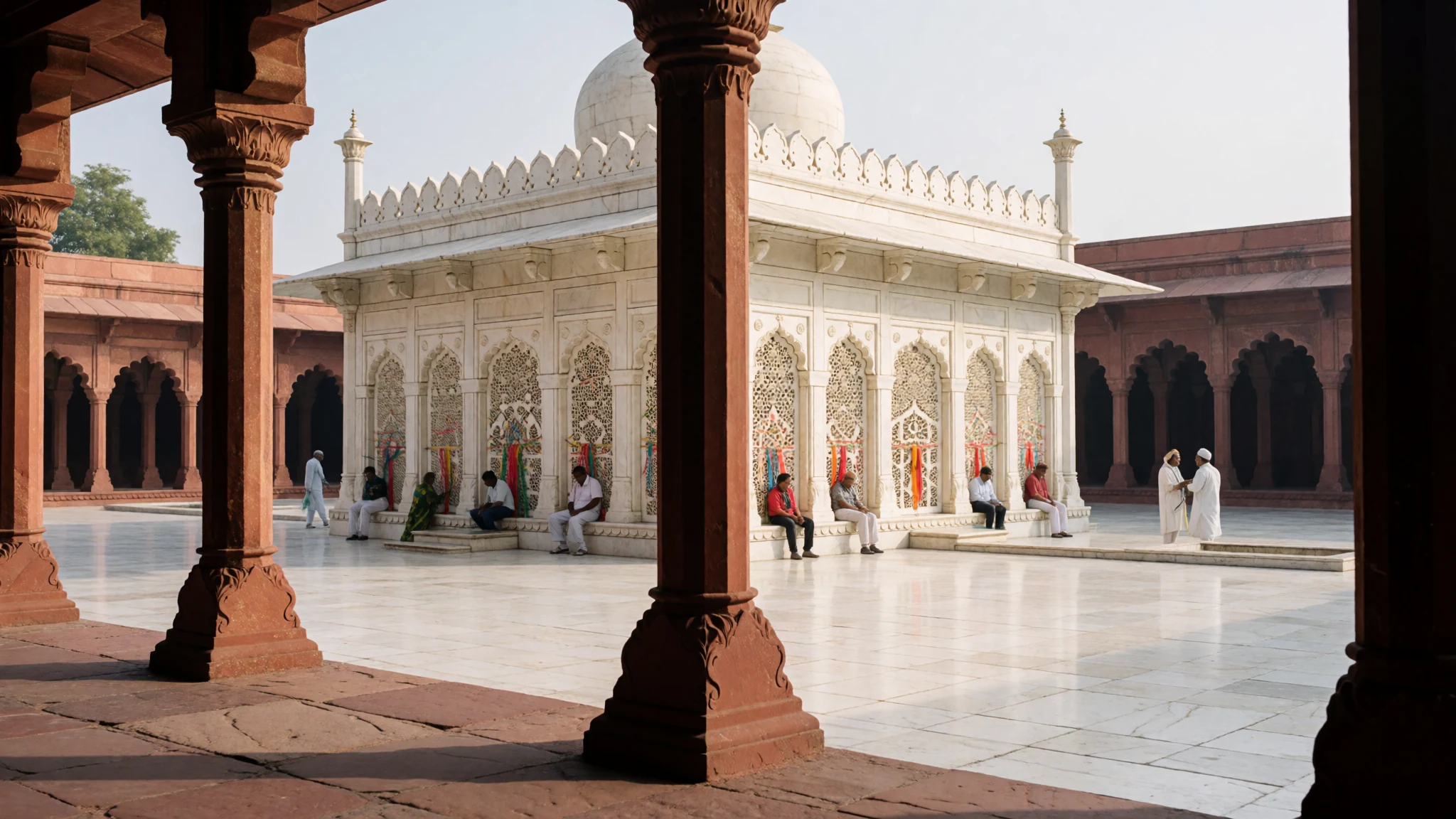
- Jama Masjid — Central religious precinct
Serving as one of the largest congregational mosque complexes in the country, this sacred space demonstrates an exquisite fusion of regional Indian bracket structures and classic Persian dome designs. Vast open courtyards framed by pillared cloisters provide a tranquil sanctuary where worshippers gather for daily prayers, surrounded by intricately carved mihrabs and soaring iwans that reflect the artistic zenith of the sixteenth-century empire.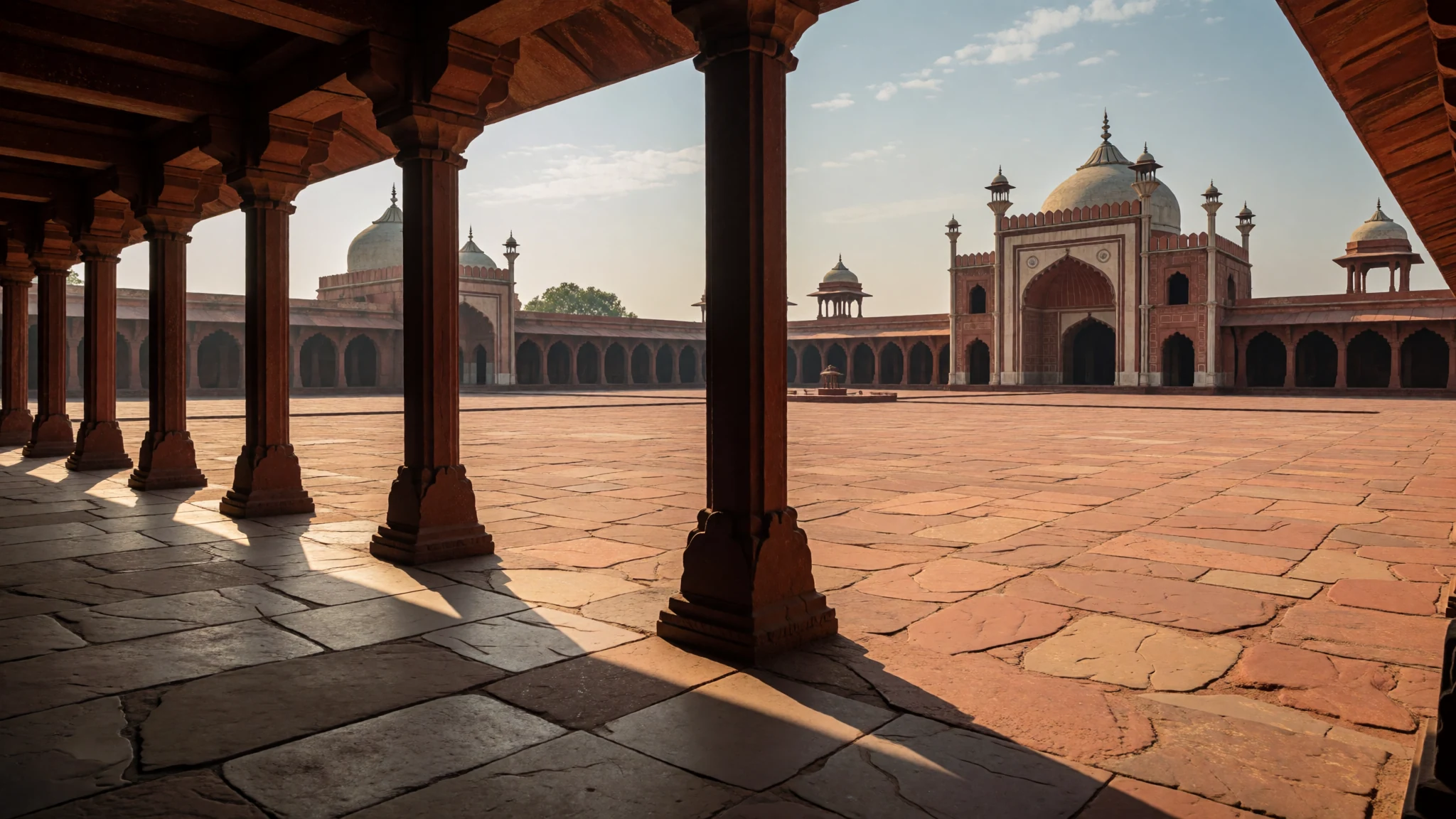
- Panch Mahal — Royal palace precinct
This extraordinary five-tiered pavilion diminishes in size as it rises toward the open sky, featuring dozens of intricately carved stone pillars that once supported royal leisure activities. Each level offers sweeping views over the surrounding courtyards and administrative quarters, while the open-sided design allowed cooling breezes to sweep through the pleasure palace during the stifling summer months of the northern plains.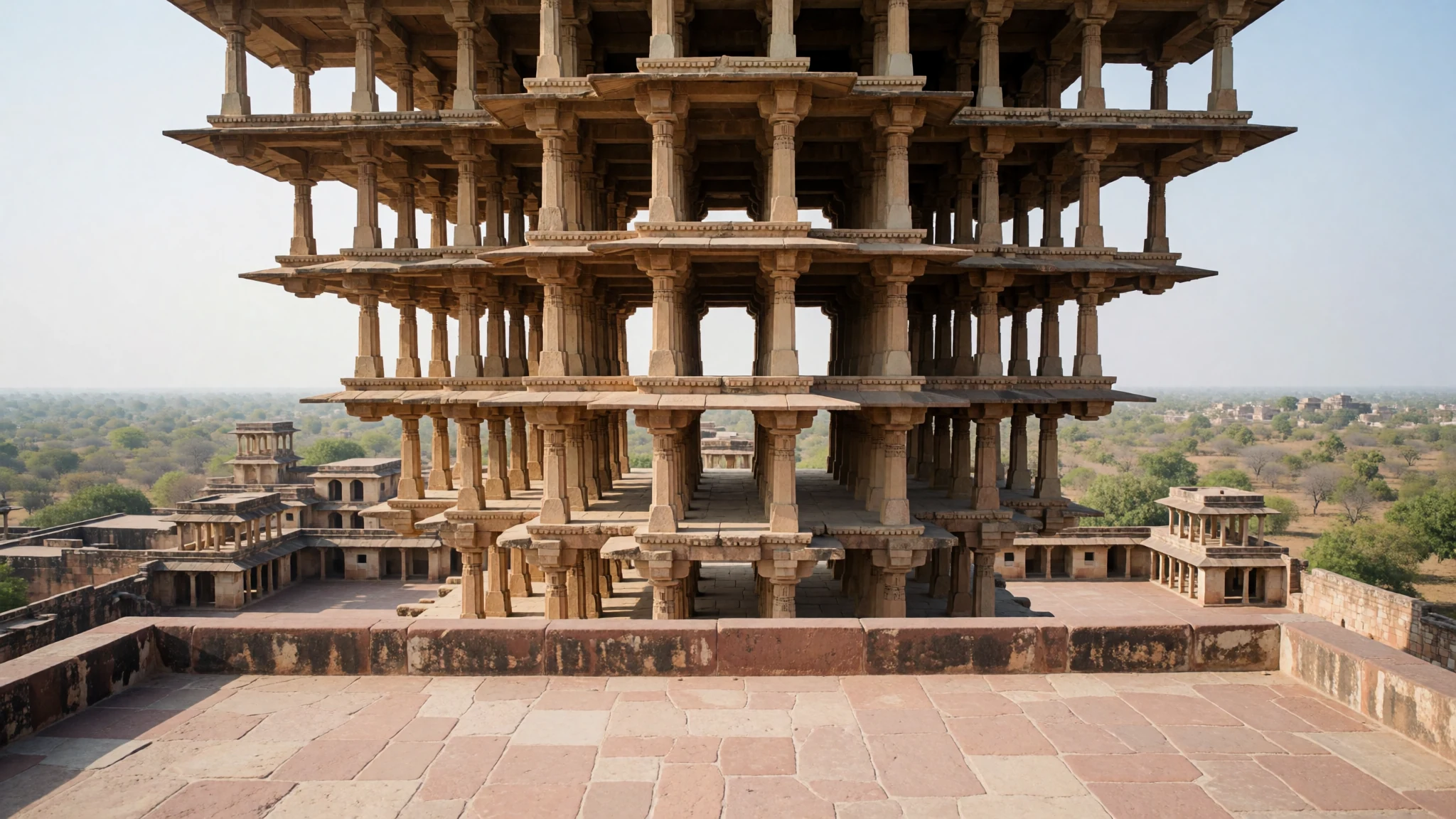
- Diwan-i-Khas — Imperial administrative courtyard
The private audience hall captivates visitors with its striking interior layout, dominated by a magnificent central stone column featuring elaborate radiating serpent brackets. Emperor Akbar sat upon the elevated platform atop this pillar while ministers and scholars gathered on surrounding suspended stone bridges, symbolising the ruler's unique vision of cosmic harmony, equality, and balanced governance across his vast multicultural realm.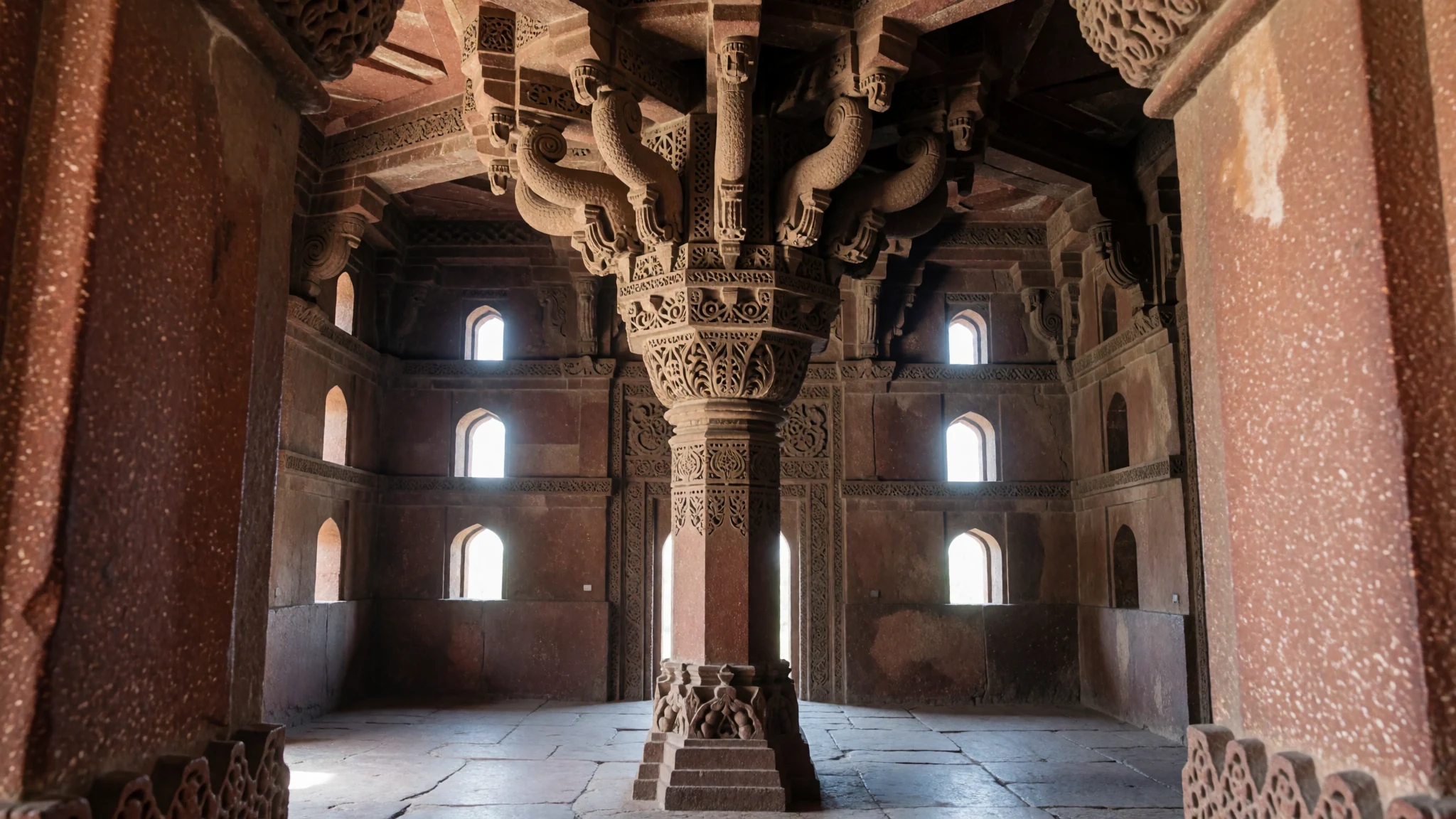
Culture
Fatehpur Sikri reflects the rich composite heritage of northern India, where centuries of Islamic courtly traditions and regional Hindu customs have intertwined to shape daily social life, local festivals, and community interactions. Traditional North Indian etiquette places a strong emphasis on hospitality, respect for elders, and modest interpersonal conduct, values that remain deeply embedded among local residents who welcome international travellers with traditional greetings and polite conversation. The town's vibrant markets and surrounding neighbourhoods resonate with the sounds of daily commerce, artisanal craftsmanship, and religious observance, maintaining a lively continuity despite the historic ruins standing quietly above the town. Visitors wandering through the active religious sites and bustling market streets will encounter a harmonious blend of communities whose ancestors served the imperial court generations ago. When visiting sacred shrines, respectful attire and quiet decorum are expected from every traveller to preserve the tranquil atmosphere of these revered spaces. Always remove your footwear before entering the mausoleum of Salim Chishti and other holy enclosures.
What to wear
Traditional dress in Fatehpur Sikri and the wider northern plains reflects both practical adaptations to a hot climate and deep-seated cultural preferences for breathable textiles. Local women commonly wear colourful cotton sarees or flowing salwar kameez sets, often embellished with subtle block prints or delicate embroidery crafted by regional artisans, while men frequently opt for light cotton kurtas and trousers that provide comfort during warm afternoons. Modern daily wear in the town blends traditional garments with contemporary casual styles, particularly among younger residents and working professionals in the municipal council area. For international travellers exploring the historic red sandstone monuments and open courtyards, comfort and modesty are essential considerations. Lightweight, breathable cotton or linen clothing that covers shoulders and knees is ideal for coping with high temperatures while respecting local cultural norms regarding modest dress. Sturdy, slip-on footwear that can be easily removed at sacred shrines and tomb entrances will ensure a smooth and respectful exploration across the uneven stone pathways.
What to eat
- North Indian Vegetarian Thali — Local eateries near the town bazaar
A satisfying assortment of seasonal lentil dals, spiced vegetable curries, freshly baked flatbreads, and aromatic rice served together on a traditional metal platter, offering a balanced taste of local culinary traditions.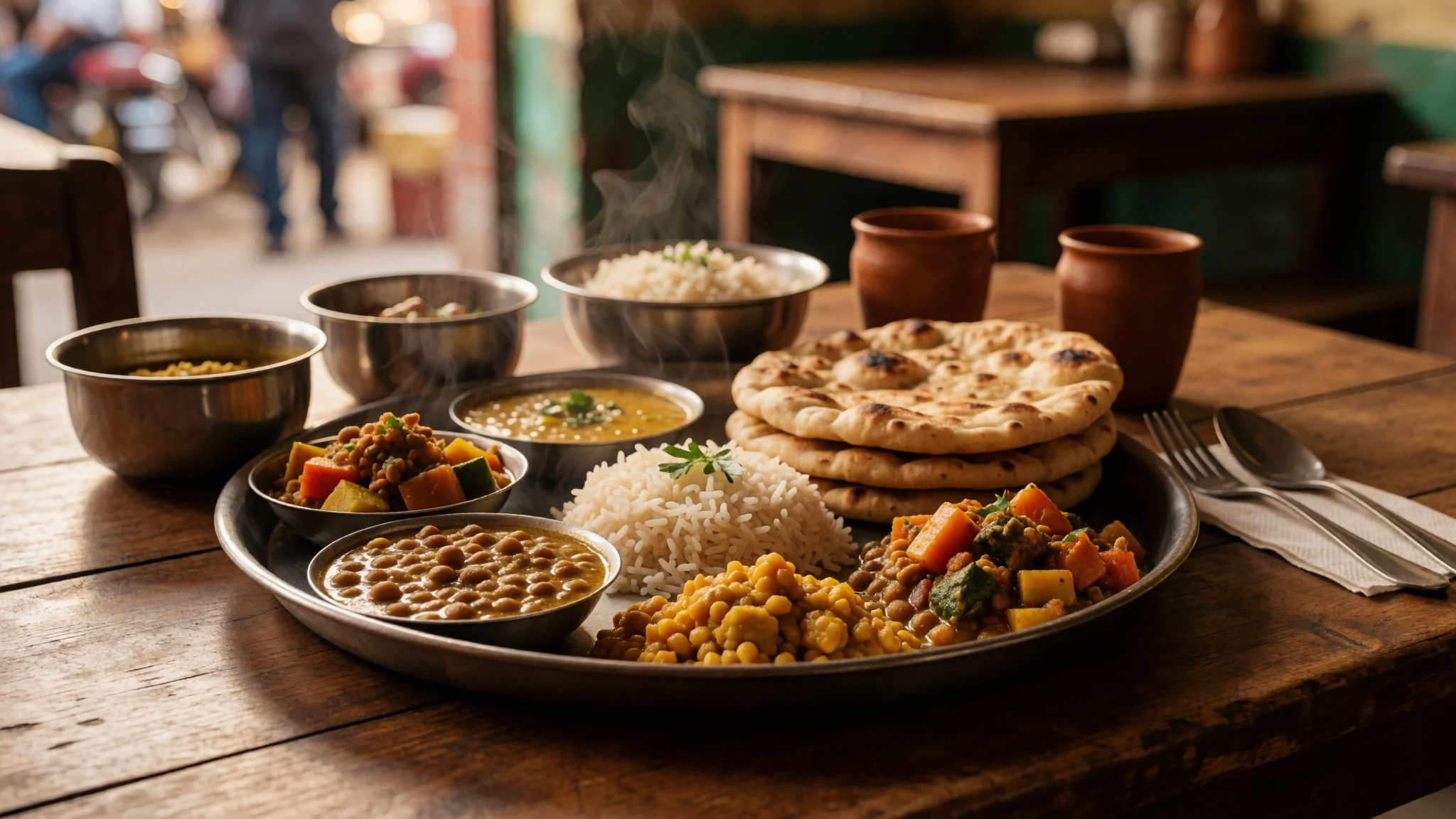
- Punjabi Paneer Curries — Traditional roadside restaurants along the highway
Rich and flavourful dishes featuring cubes of fresh cottage cheese simmered in buttery tomato gravies or vibrant spinach masalas, seasoned with traditional spices and fragrant herbs.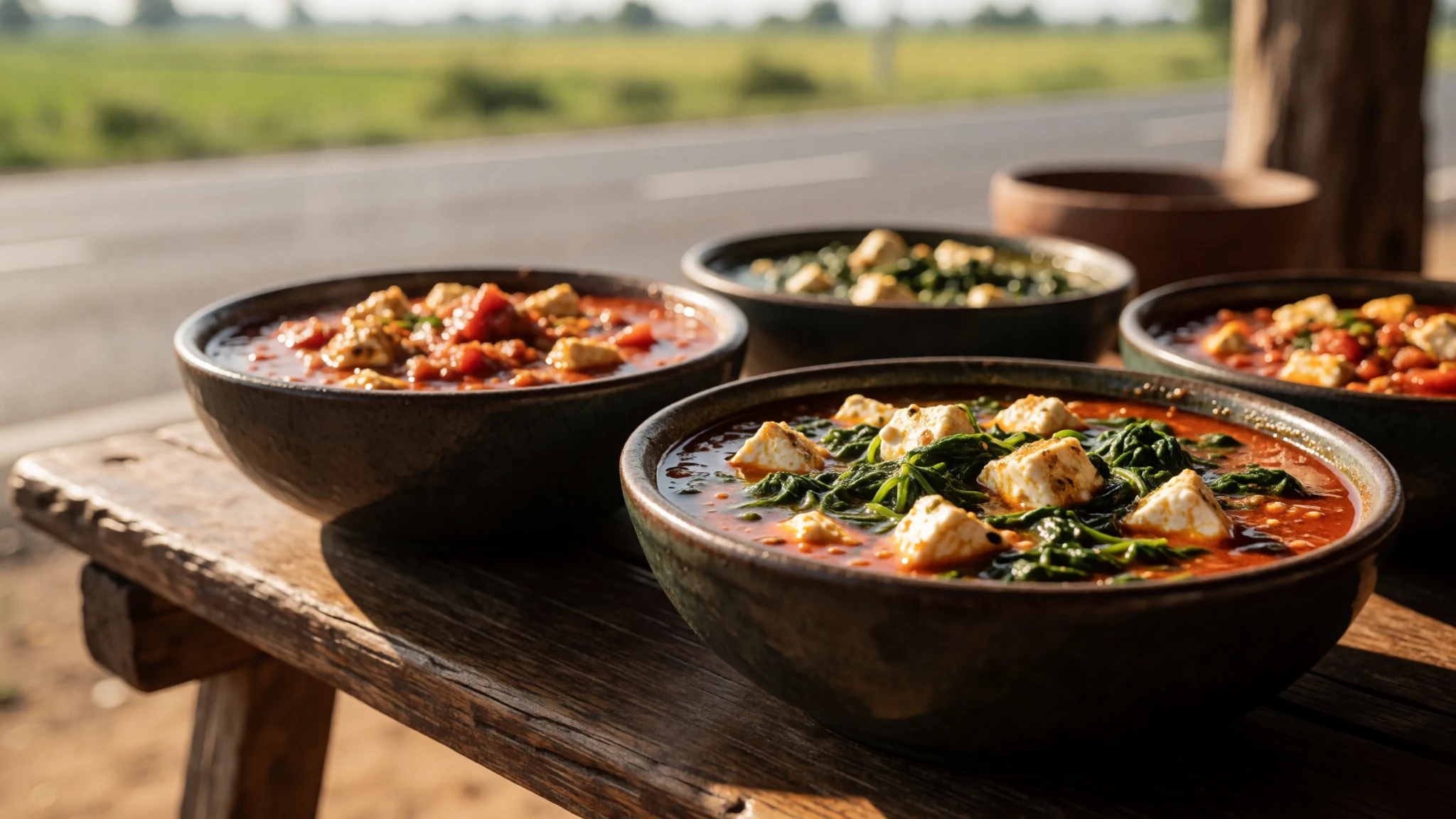
- Mughlai Biryani — Family-run dining rooms in the town centre
Fragrant basmati rice layered with tender morsels of spiced meat or vegetables, slow-cooked in sealed pots with saffron, ghee, and aromatic spices inherited from imperial court kitchens. - Crispy Samosas and Masala Chai — Teashops lining the approach to the historic ridge
Golden, triangular pastry parcels stuffed with spiced potatoes and peas, served alongside piping hot black tea brewed generously with fresh ginger, cardamom, and milk.
Plan it
Best time. Visit between December and February, when daytime highs of about 31–37°C and very little rain make outdoor exploration of the open-air courtyards most comfortable; November is a pleasant alternative, while the intense heat from March to June and the monsoon rains of July and August should be avoided.
How long. 1–2
Getting there. Fly into Agra or nearby major transport hubs, then travel by road along National Highway 21 or take a local bus from the Agra Idgah bus stand directly to the Buland Darwaza gate.
Budget. mid
Tips
- Arrive early in the morning to beat the midday heat and heavy tour crowds in the courtyards
- Wear comfortable footwear that can be slipped on and off easily at religious shrines
- Carry bottled water and sun protection as shade can be scarce across the open stone platforms
- Check the official government website before your visit for updated opening hours and guidelines
Etiquette
- Always remove your shoes before stepping inside the marble tomb of Salim Chishti
- Dress modestly with shoulders and knees covered when exploring religious and historical precincts
- Ask permission before photographing local residents in the town markets and neighbourhoods
Nearby
Sources
- Wikidata Q179046 (CC0)
- Wikipedia (CC-BY-SA 4.0)
- Wikivoyage (CC-BY-SA 4.0)