Fakarava
Fakarava, France
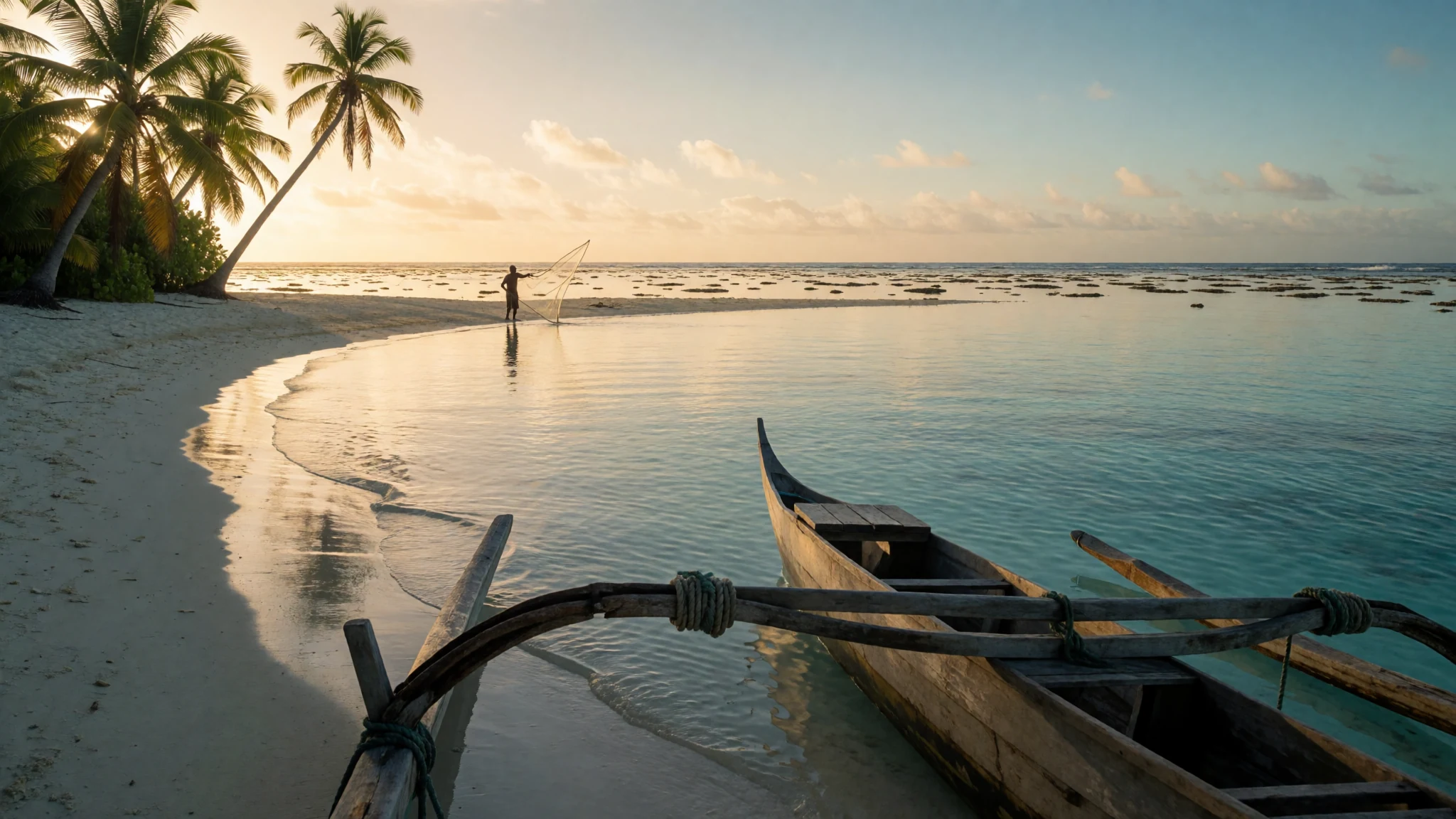
Fakarava offers vast, remote coral lagoons and world-renowned drift diving among hundreds of grey reef sharks in an untouched biosphere.
The place
Fakarava sits in the western reaches of the Tuamotu archipelago in French Polynesia, forming a vast, roughly rectangular ring of coral. It is the second largest atoll in its island group, supporting a small population spread across narrow motu where coconut palms lean over blinding white sand and shallow shallows. The atoll encloses an immense, deep lagoon framed by two broad openings to the ocean. The northern entrance, Passe Garuae, ranks as the largest passage in all of French Polynesia, while the southern opening, Tumakohua, cuts through a quieter, reef-fringed sanctuary.
The main settlement, Rotoava, gathers most of the island's residents near the northern passage, functioning as the quiet administrative and domestic heart. Life here moves slowly, dictated by the rhythm of the tides, the arrival of occasional cargo and passenger vessels, and the gentle trade winds blowing across the Pacific. Away from the primary village, long stretches of sandy shoreline and jagged coral ramparts remain entirely untrodden by crowds. The surrounding waters sustain an astonishing density of marine life, earning the entire atoll recognition as a protected biosphere reserve. Beneath the surface, current-swept channels connect the open ocean to the inner shallows, creating nutrient-rich corridors where rays, reef sharks, and pelagic fish congregate in remarkable numbers. Visitors arrive seeking quiet isolation, vast horizons of water and sky, and an encounter with one of the planet's best-preserved marine ecosystems.
Its story
Long before European vessels reached these horizons, the Pōmare Dynasty originated on these shores before extending their rule to Tahiti. Russian navigator Fabian Gottlieb von Bellingshausen made the first recorded European sighting in July 1820, naming it Wittgenstein Island. British and French explorers followed in the decades that followed, documenting the atoll's reefs and lagoon entrance.
During the nineteenth century, Fakarava became integrated into French territory and emerged as a modest trade hub for coconut oil production and mother-of-pearl harvesting. Catholic missionaries arrived by mid-century, establishing parishes and constructing coral-stone churches that still stand today, including the historic house of worship at Tetamanu in the south. Father Honoré Laval led much of the early evangelisation, leaving lasting architectural markers across the scattered settlements.
As the pearl trade evolved, the atoll transitioned into a quieter administrative outpost. In the twentieth century, the economy shifted toward sustainable copra farming, regional pearl cultivation, and marine conservation. The twentieth-first century brought high-speed submarine connectivity, linking the remote coral rings directly to global networks while tourism began to grow around specialized diving expeditions. In recognition of its pristine habitats and rich biodiversity, the atoll was incorporated into a broader biosphere reserve, safeguarding its terrestrial and aquatic ecosystems for future generations.
What to see
- Passe Garuae — Northern end
The largest ocean pass in French Polynesia, located at the northern end of the atoll. Strong tidal currents rush through this wide channel, drawing reef sharks, manta rays, barracudas, and sea turtles into nutrient-rich waters favoured by experienced drift divers.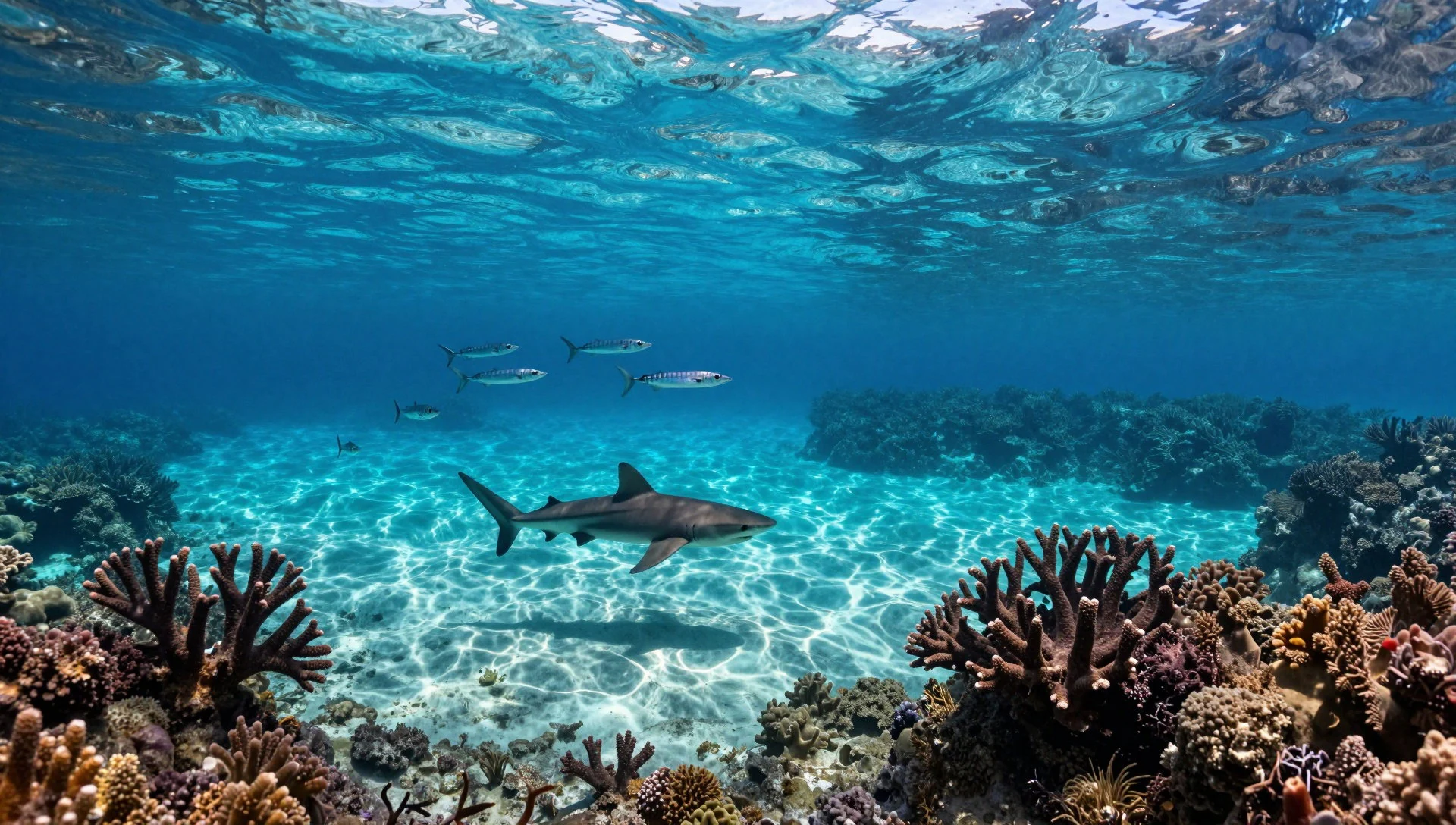
- Tumakohua South Pass — Southern end
Often called Tetamanu Pass, this southern opening is celebrated for harbouring one of the densest concentrations of grey reef sharks on Earth. Divers can drift past coral walls teeming with hundreds of sharks, groupers, and Napoleon fish.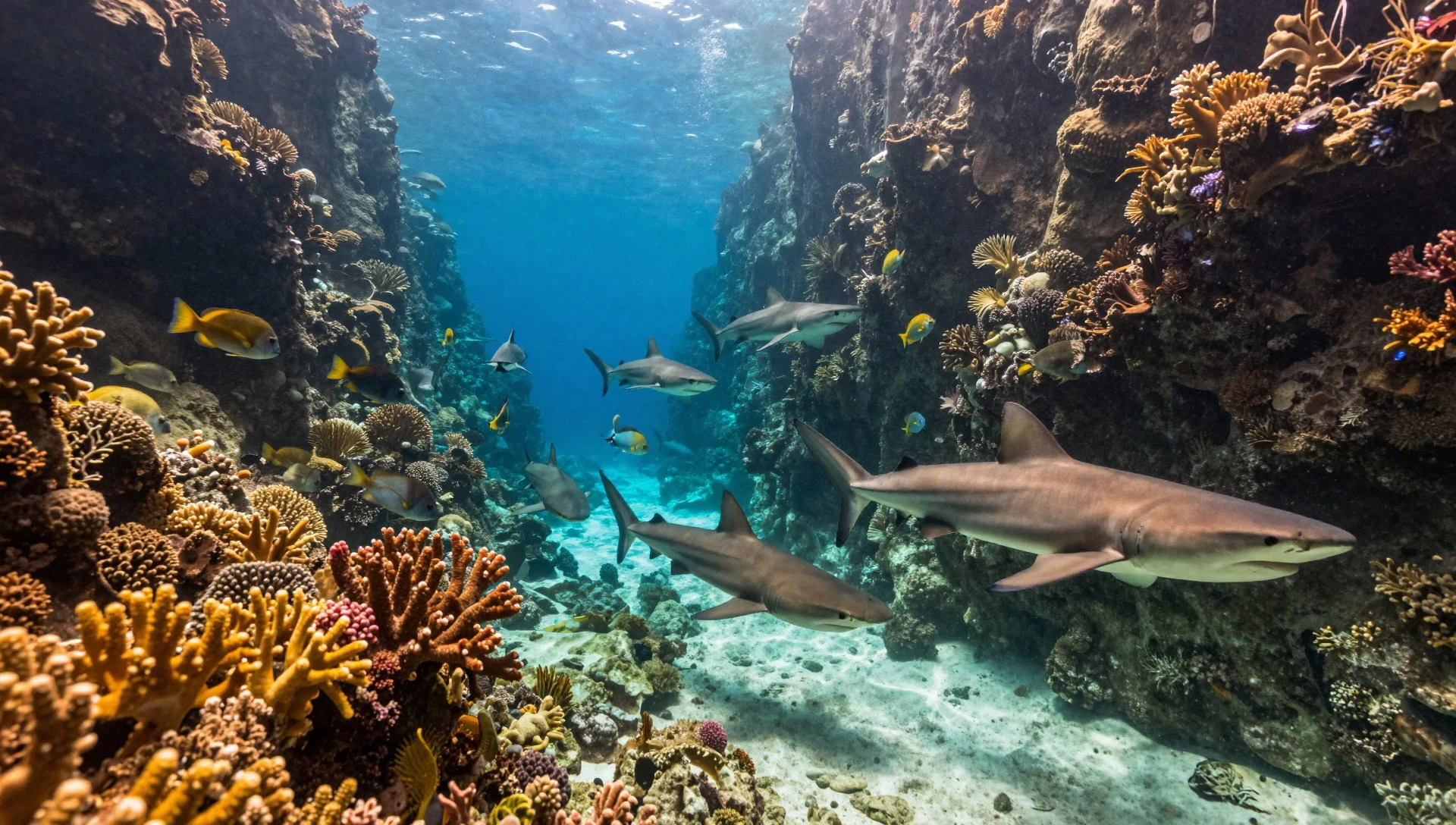
- Rotoava Village — Northeast coast
The main settlement on the atoll, situated near the northern passage. It features quiet coral-dust lanes, simple local homes, small administrative buildings, and the local community life that sustains the island's handful of residents.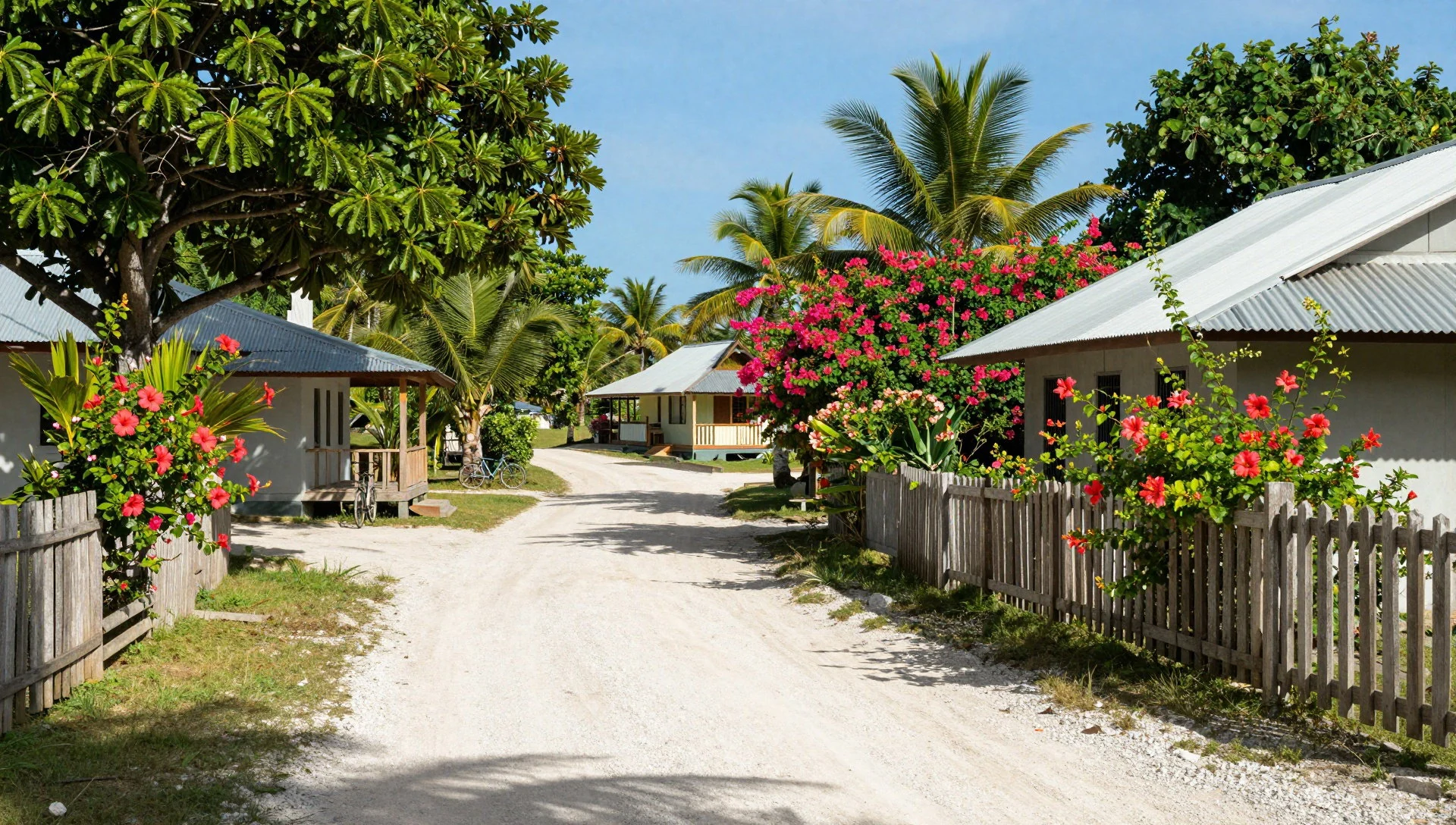
- Tetamanu Historic Church — Southern pass
Constructed entirely from local coral blocks in the nineteenth century, this quiet place of worship stands in the former capital of Tetamanu in the south, offering a tangible link to the atoll's early missionary era.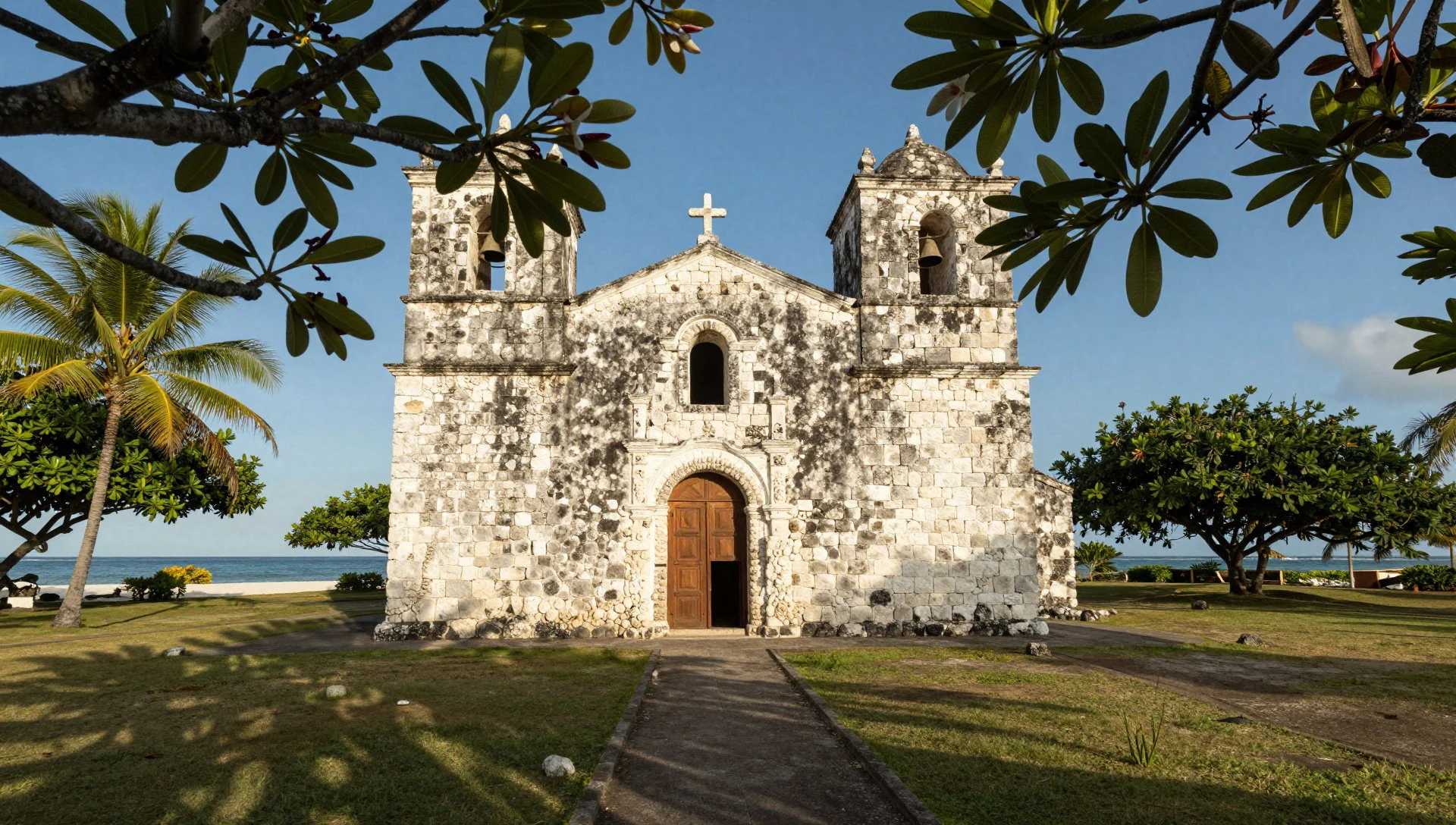
Culture
Island society is rooted in Polynesian traditions, shaped by the sea, extended family ties, and a shared stewardship of fragile coral environments. Life on the motu remains quiet and communal, with residents balancing fishing, copra harvesting, and small-scale pearl farming. French and local Polynesian dialects are spoken, and visitors are welcomed with a relaxed, warm hospitality. Sunday church attendance remains an important tradition, and local craftsmanship often involves shell-stringing and weaving. Always ask for permission before photographing local residents or private property.
What to wear
Traditional island dress reflects practicality in a tropical maritime climate, historically utilising woven pandanus fibers and light kapa cloth for daily tasks. Today, locals wear comfortable, lightweight modern clothing suited to high temperatures and humidity, such as cotton shirts, shorts, and pareos—colorful wrap-around cloths worn by both men and women for casual wear or swimming. Visitors should pack breathable, lightweight clothing, sun hats, and polarised sunglasses to manage the intense glare off the shallow lagoon. Modest attire—such as covering shoulders and knees—is appreciated when visiting village churches or attending local community gatherings. Sturdy reef shoes or water sandals are essential footwear for protecting feet from sharp coral fragments when walking along shallow shorelines or entering the water.
What to eat
- Poisson Cru — Local guesthouses and family tables
Fresh reef fish cured in lime juice and gently mixed with coconut milk, diced cucumber, tomatoes, and onions. Available at local guesthouses and family-run tables across the atoll.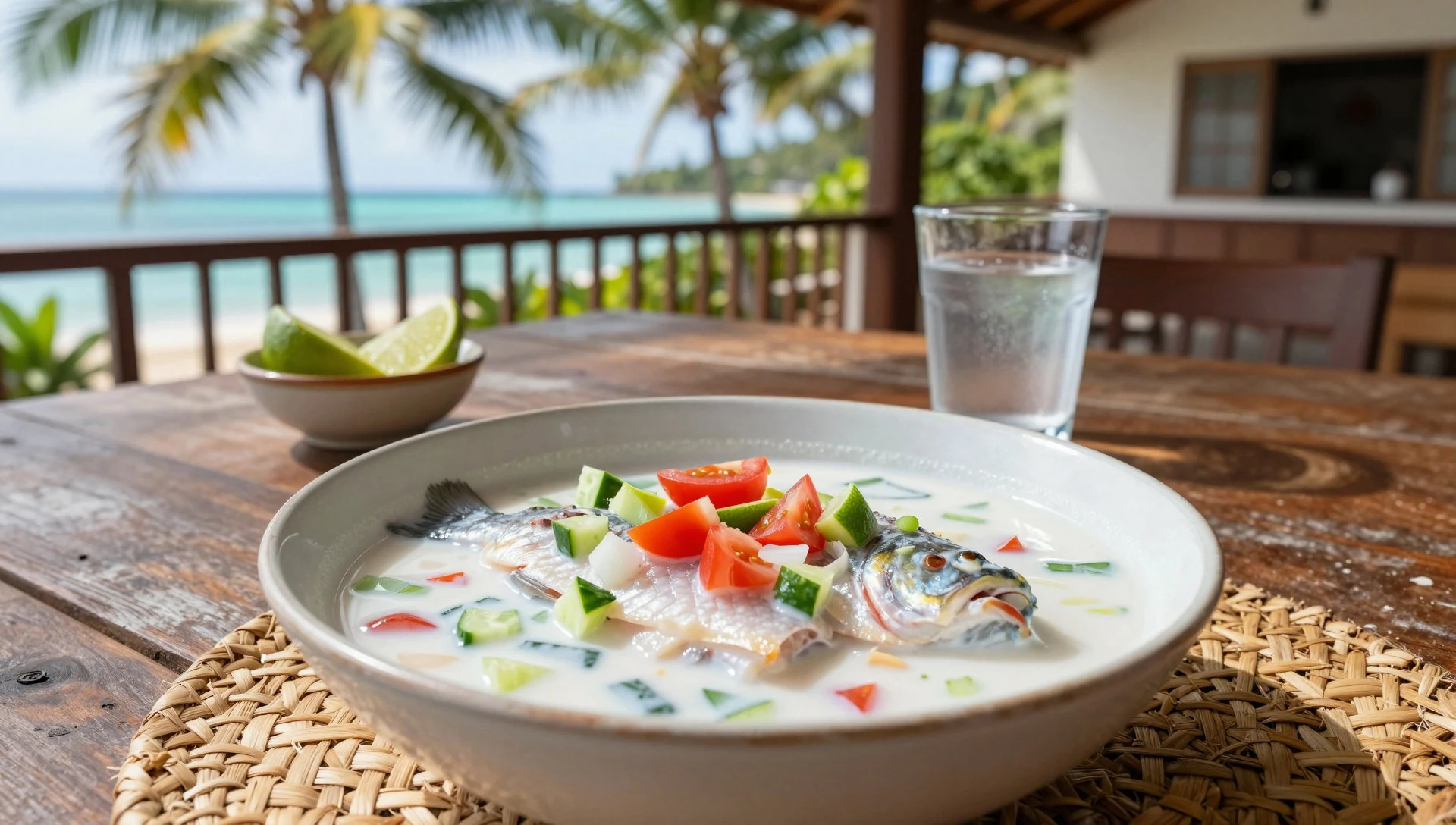
- Grilled Lagoon Fish — Village family-run dining areas
Freshly caught parrotfish or grouper grilled simply over an open fire, often served alongside breadfruit or root vegetables and local coconut condiments.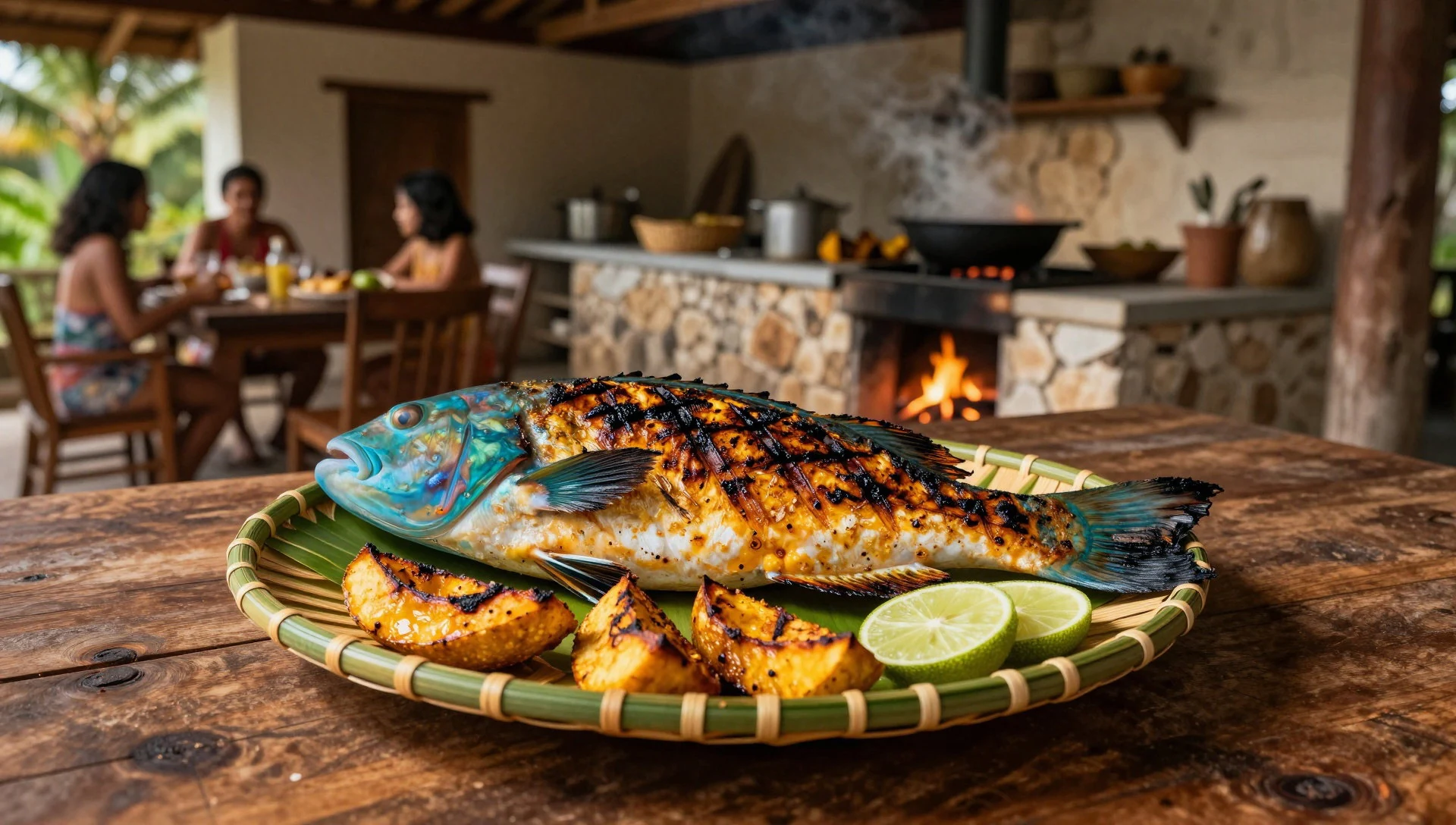
- Breadfruit (Uru) — Traditional home-cooked meals
Starchy tropical fruit roasted or boiled as a traditional side dish, offering a texture similar to potato or fresh bread. - Firi Firi — Morning local breakfast tables
Sweet, braided Polynesian doughnuts flavoured with coconut milk and fried until golden, typically enjoyed in the morning with coffee.
Plan it
Best time. April through October brings drier weather and steady trade winds, making it the ideal window for diving and outdoor exploration.
How long. 3–5
Getting there. Fly from Tahiti to Fakarava Airport via regional air service, connecting through neighbouring atolls.
Budget. high
Tips
- Book dive excursions and guesthouse accommodation well in advance due to limited capacity
- Bring sufficient cash as ATM access is extremely limited on the atoll
- Pack reef-safe sunscreen to protect the delicate coral gardens and marine life
- Confirm internal transfer arrangements with your accommodation before arrival
Etiquette
- Ask permission before photographing residents
- Dress modestly when visiting village churches or settlements
Nearby
Sources
- Wikidata Q1346999 (CC0)
- Wikipedia (CC BY-SA 4.0)
- Wikivoyage (CC BY-SA 4.0)