Externsteine
Externsteine, Germany
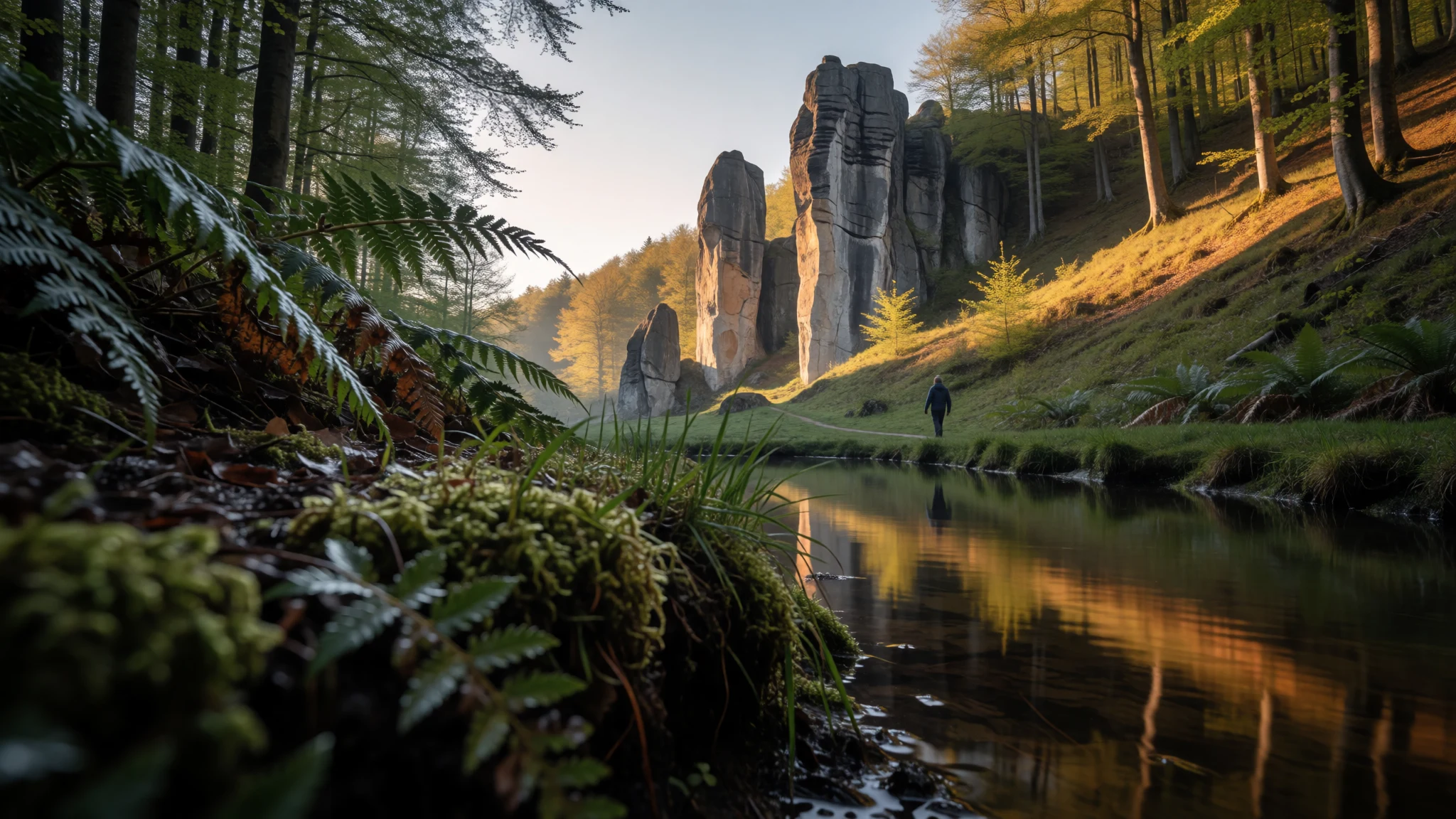
Rise through ancient forests to encounter dramatic sandstone pillars carved with medieval secrets and centuries of human ritual.
The place
The Externsteine stands as a striking cluster of towering, slender sandstone columns bursting abruptly out of the rolling, heavily wooded hills of the Teutoburg Forest in Germany. Situated near the town of Horn-Bad Meinberg within the Lippe district of North Rhine-Westphalia, this remarkable natural outcropping forms a distinct rocky spine in a terrain that is otherwise entirely devoid of exposed stone. The geological spine stretches across a considerable distance, beginning modestly as soil-covered banks tucked beneath the canopy before culminating in a dramatic procession of pillars lined up in a northwest-to-southeast orientation. Long-distance hiking paths, notably the famous Hermannsweg, weave directly past the base of these stone giants, drawing walkers and nature enthusiasts into the valley.
Long before modern tourism arrived, these dramatic rock faces caught the eye of medieval stonemasons and hermits who carved chambers, staircases, and sacred art directly into the living stone, transforming raw geology into a place of contemplation. At the foot of the pillars, a glassy artificial pond mirrors the sheer vertical faces and the surrounding canopy, creating a tranquil atmosphere that contrasts sharply with the rugged texture of the cliffs. Whether viewed from the water's edge or from the wooden bridge spanning the gap, the monument presents an arresting silhouette against the Central European sky. The interplay of dense beech forests, hidden caves, and sheer precipices makes this corner of the landscape feel genuinely timeless, inviting visitors to ponder the immense geological forces that pushed ancient sea floors straight up into the air.
Its story
The geological biography of the Externsteine began approximately one hundred million years ago during the early Cretaceous era, when thick layers of hard, erosion-resistant quartz sandstone accumulated along the edges of a sprawling shallow sea that once covered large parts of Northern Europe. Roughly seventy million years ago, intense tectonic pressures folded these once-horizontal sedimentary beds until they stood in an almost vertical position. Subsequent epochs of weathering and water erosion wore away the softer surrounding soil, leaving the stubborn stone pillars exposed to the elements.
Human history at the site stretches back millennia, with archaeological digs uncovering Paleolithic stone tools and microliths left behind by nomadic groups who used the rock overhangs as temporary shelters during hunting expeditions. After these early episodes, the trail goes quiet in the archaeological record for centuries, until medieval times brought a dramatic resurgence of human activity. By the high medieval period, Christian hermits and clerics had claimed the rocks, chiselling out sacred chambers, altars, and the famous cliffside relief depicting the Descent from the Cross. Romantic nationalists of later centuries spun elaborate tales of pagan Saxon rituals and destroyed idols, but modern science reveals a more nuanced narrative of medieval Christian devotion, quiet contemplation, and enduring geological wonder.
What to see
- The Grottenfels (Rock I) — Northern end of the main formation
Serving as the largest pillar in the formation, this northernmost rock features a spacious cave carved directly into its base, complete with medieval window openings and signs of ancient hearths where hermits once kept warm against the forest chill.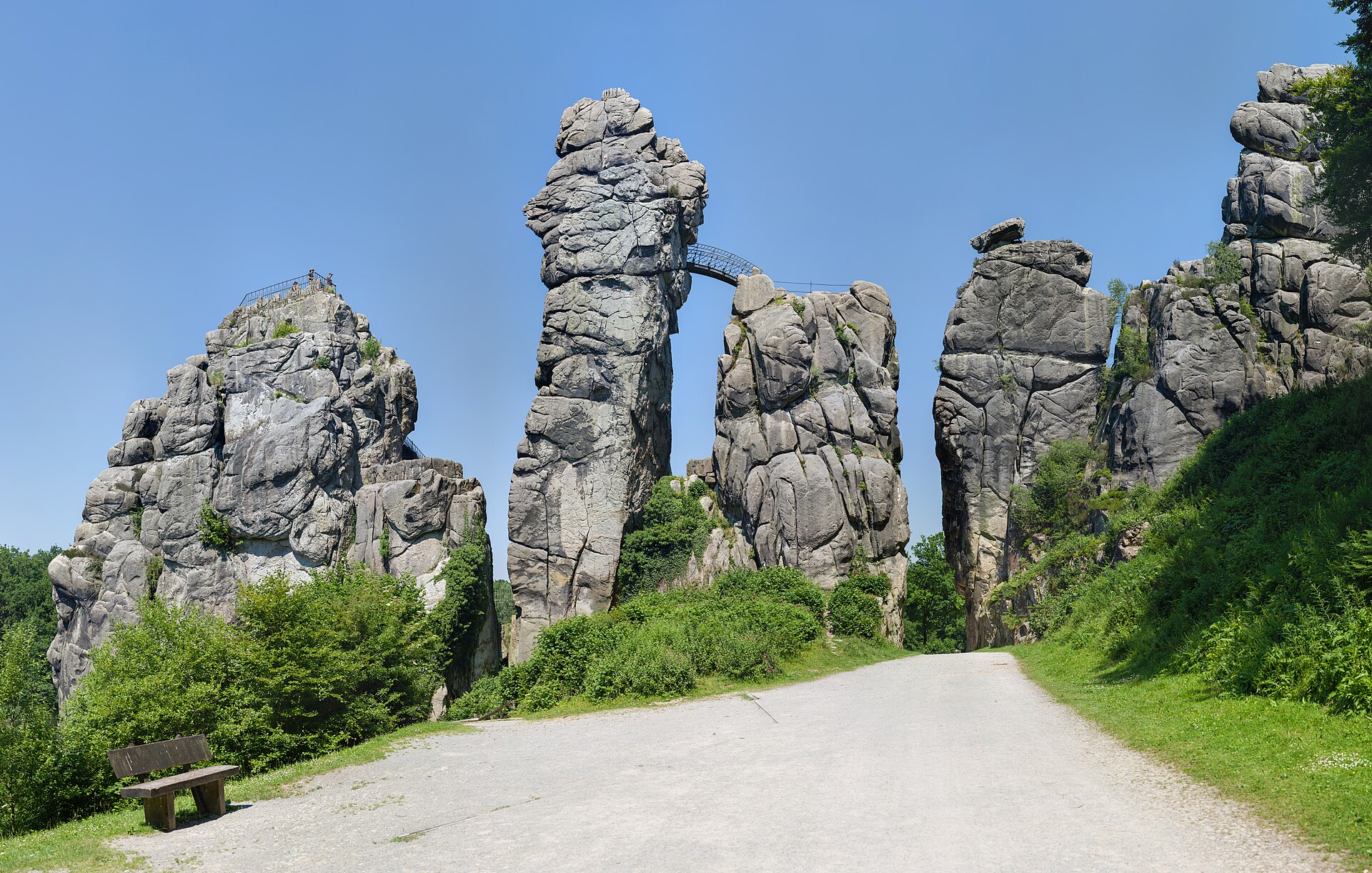
- The Turmfels (Rock II) — Central pillar group
Rising sharply as the second major pillar, this soaring column dominates the central profile of the site, connected to adjacent rocks by an iron footbridge that allows visitors to ascend for sweeping views over the surrounding forest canopy.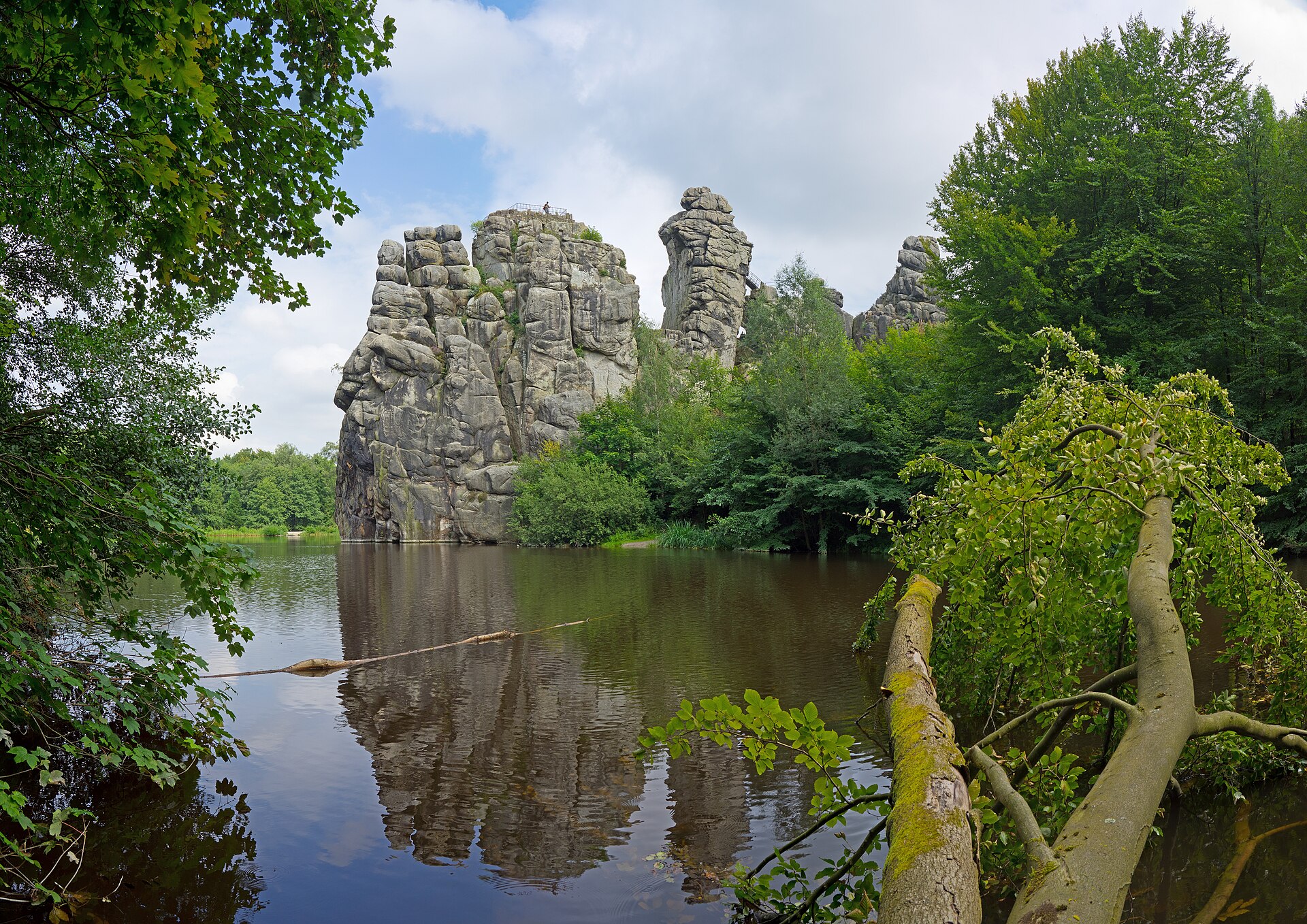
- The Medieval Relief — Southwestern face of the main pillars
Tucked into the vertical stone wall of the rock face, this remarkable carved panel depicts the biblical scene of the Descent from the Cross, accompanied by delicate architectural flourishes carved directly into the Cretaceous sandstone surface.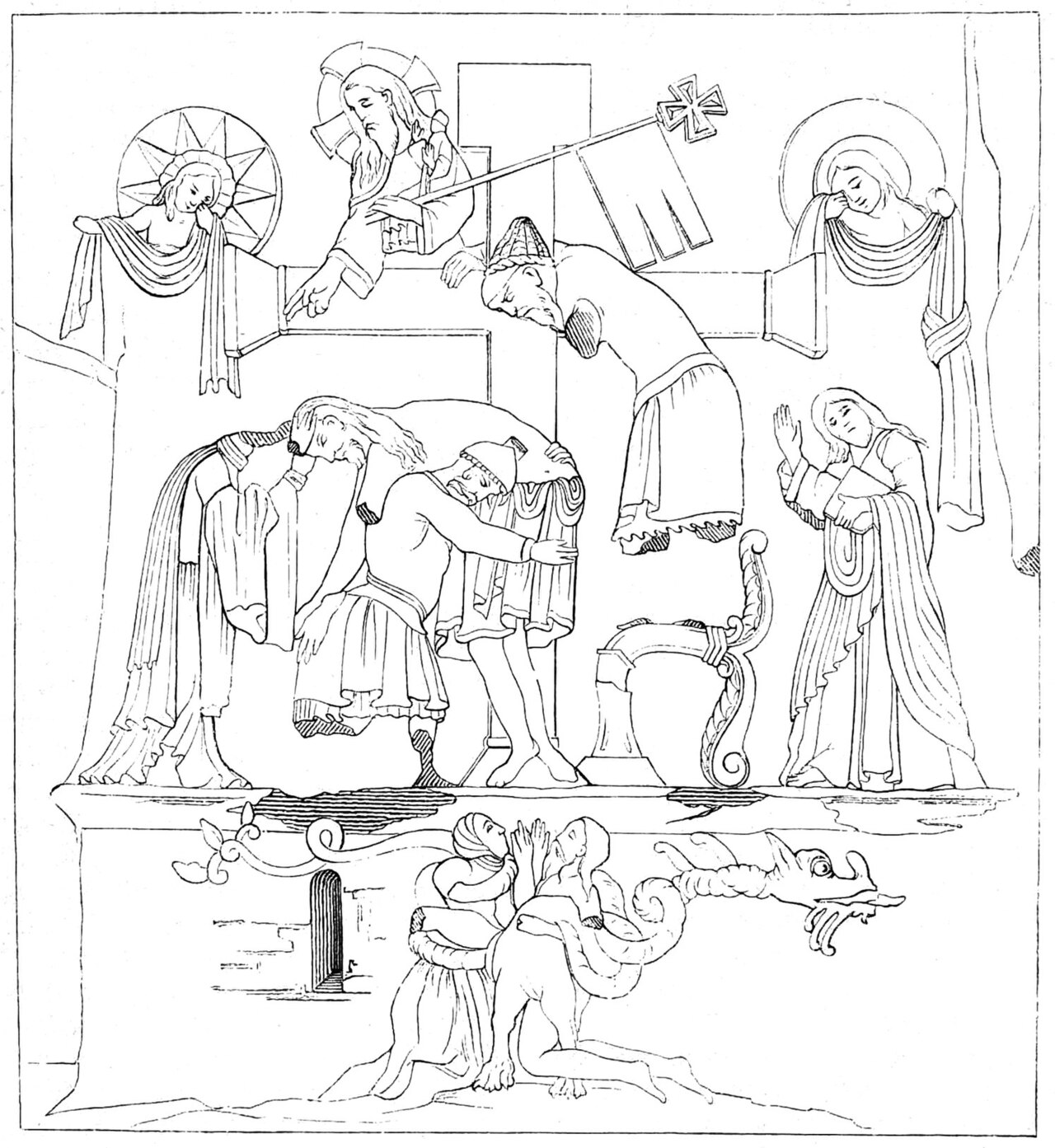
- The Upper Pond — Western base of the rock formation
Created artificially in the nineteenth century, this tranquil body of water sits immediately at the western base of the pillars, providing the classic mirrored reflection of the soaring rock columns and the surrounding beech trees.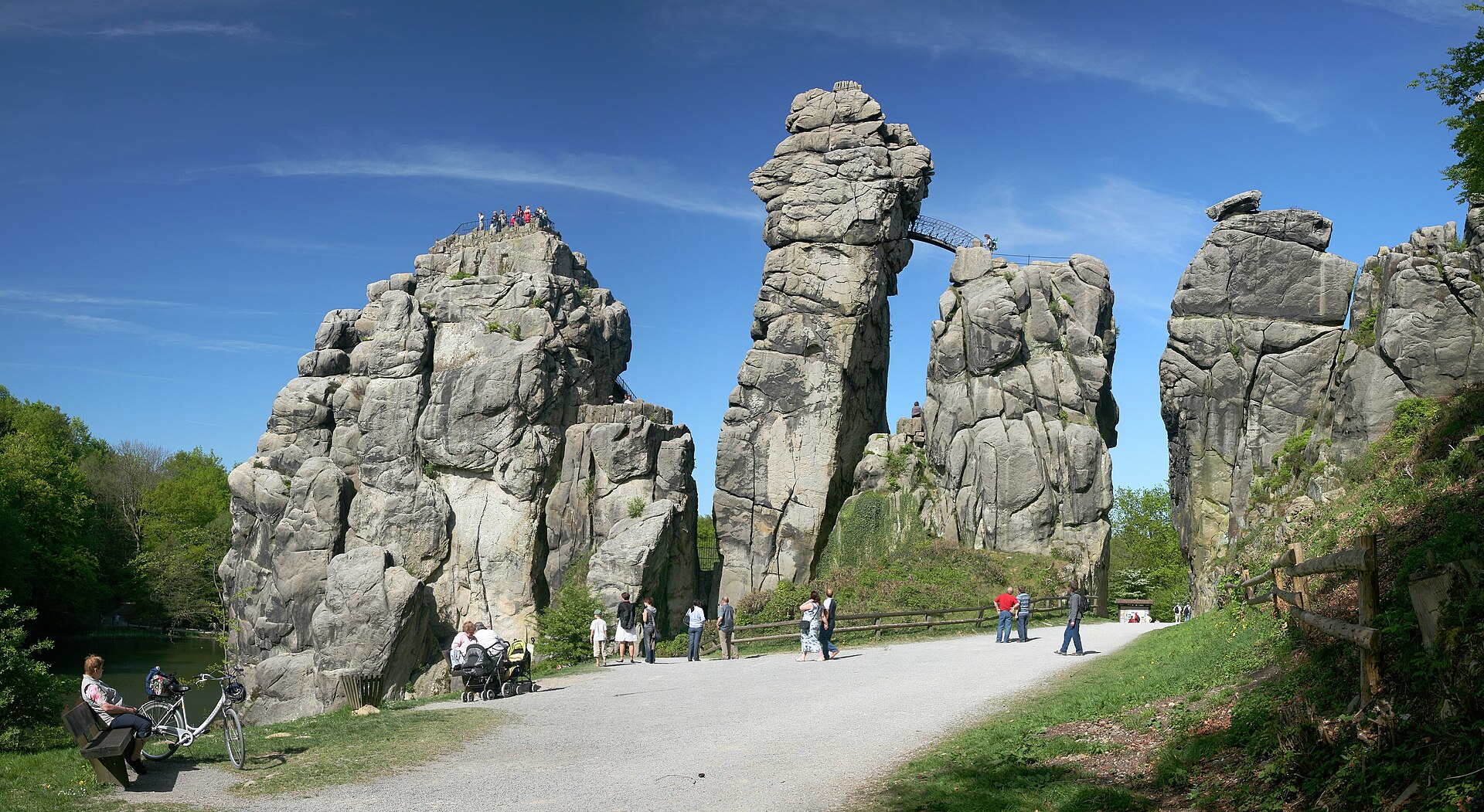
Culture
The cultural fabric surrounding the Externsteine is deeply intertwined with regional folklore, hiking traditions, and the romantic rediscovery of German landscapes. For generations, the site has served as a gathering point for alternative communities, solstice celebrants, and outdoor enthusiasts who walk the extensive trail networks of the Teutoburg Forest. Local festivals, particularly around Walpurgis Night and the summer solstice, bring crowds who gather near the stones to share music and folk traditions, blending ancient myth-making with modern recreational culture. Despite these mystical associations, the surrounding Lippe district retains a grounded, traditional Westphalian character, where community choirs, local hiking clubs, and rural hospitality define daily life. Visitors will find that locals are proud of their natural heritage and appreciate respectful behaviour that honours both the ecological sensitivity of the forest and the historical sanctity of the stone carvings. Always stay on designated walking paths to protect the delicate flora and prevent soil erosion around the base of the monument.
What to wear
At the Externsteine and across the surrounding rural areas of North Rhine-Westphalia, traditional dress is rarely seen in daily life outside of historical reenactments or local folk festivals, where traditional Tracht elements such as embroidered vests, woolen skirts, and sturdy leather garments occasionally appear. For everyday wear, locals favour practical, weather-appropriate clothing suited for an active outdoor lifestyle in the damp, wooded hills. Visitors exploring the site should dress in sturdy layers, as the forest canopy can trap moisture and the wind can pick up near the open rock faces. Sturdy walking shoes or hiking boots with good grip are essential for tackling the uneven stone steps, metal staircases, and muddy forest trails that lead up and around the pillars. A waterproof jacket is also recommended throughout the year, as rain showers can sweep across the Teutoburg Forest with little advance warning.
What to eat
- Pumpernickel — Any traditional bakery or local village market in Horn-Bad Meinberg
This dense, slightly sweet dark rye bread is a staple of the Westphalia region, traditionally baked for hours in low-heat ovens to achieve its signature rich colour and earthy flavor. - Westfälischer Schinken — Local butcher shops and country inns throughout the Lippe district
A deeply savoury dry-cured ham smoked over beechwood chips in the cool forests of the region, prized for its tender texture and rich, aromatic profile. - Pickert — Traditional rustic restaurants and forest guesthouses across East Westphalia
A hearty traditional potato pancake made from grated potatoes, flour, milk, and raisins, typically pan-fried and served piping hot with butter, plum jam, or liver sausage. - Bockwurst — Kiosks and snack stands near major parking areas and trailheads
A classic German cooked sausage flavoured with mild spices, often enjoyed on the go with a dab of sharp mustard and a crusty bread roll during a day of hiking.
Plan it
Best time. May through September offers the most reliable weather for hiking, while October brings rich autumnal foliage to the surrounding beech forests.
How long. 1–2
Getting there. Take the train to Detmold or Paderborn station, then catch regional bus services connecting towards Horn-Bad Meinberg and the Externsteine stop.
Budget. low
Tips
- Arrive early in the morning to enjoy the pillars before the tour buses and weekend crowds arrive.
- Wear sturdy walking shoes with reliable tread for climbing the steep stone staircases and metal bridges.
- Carry some cash for parking fees, kiosk purchases, and small local expenses.
- Stay strictly on marked paths to help preserve the fragile surrounding woodland ecosystem.
Etiquette
- Do not climb on unprotected or restricted rock faces outside the official staircases.
- Keep noise levels respectful, as the forest and stone chambers are valued as quiet natural spaces.
Nearby
Sources
- Wikidata Q319172 (CC0)
- Wikipedia (rev 1369855360) (CC BY-SA 4.0)
- Photo photos/01-externsteine-pano.jpg (CC BY-SA 2.5)
- Photo photos/02-externsteine-high-resolution-v2-2015.jpg (CC BY 3.0)
- Photo photos/03-externsteine-von-westen.jpg (CC BY-SA 4.0)
- Photo photos/04-externsteine-relief-1862.jpg (Public domain)
- Wikivoyage (CC BY-SA 4.0)


