Esterházy Palace
Esterházy Palace, Austria
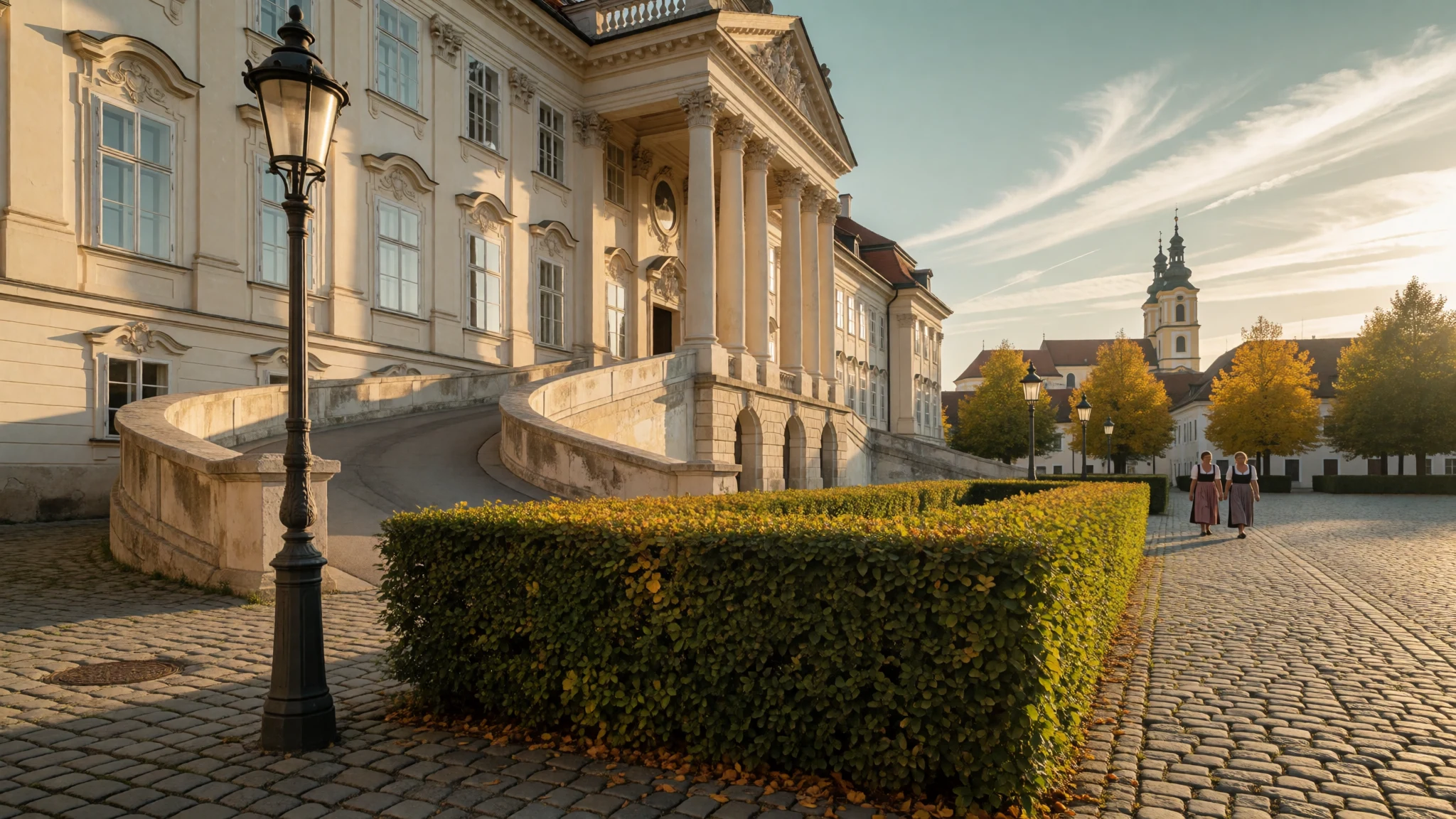
Esterházy Palace in Eisenstadt is where Haydn composed for a princely court, in a calm Burgenland town an easy day trip from Vienna.
The place
Esterházy Palace stands in the middle of Eisenstadt, the capital of Burgenland, a quiet wine-growing state in the east of Austria. The building began as a medieval fortress and was reshaped over the centuries by the Esterházy family, a Hungarian noble house that took ownership in 1622. For a long time it served as their main residence and the base from which they ran their estates, and today it reads as a pale, orderly baroque palace facing the town, with a landscaped park running out behind it. Joseph Haydn, the composer, spent most of his working life in the family's service, and his music is the thread most visitors follow here. Inside, the main set pieces are the ceremonial staircases, the stuccoed rooms and the large Haydnsaal, the hall used for concerts. Beyond the palace walls, Eisenstadt is a small town that is easy to cover on foot, with churches, a town hall, several museums and a Jewish museum that holds a private synagogue. It is calm for much of the year. Vienna is close enough for a day trip, so weekends and summer afternoons bring more families and tour groups, while weekday mornings are usually quiet. The palace also works as an events venue, so rooms can close without much notice. The official site, https://esterhazy.at/, is the place to check tickets and opening arrangements before travelling.
Its story
Esterházy Palace is a building that changed its purpose several times, which is why it blends different eras rather than showing a single style. It began as a defensive castle. In the late medieval period it passed to the Kanizsai family and then to the crown, which made it a fortified city castle on the north-west edge of the town, then known by its Hungarian name, Kismarton. Ownership moved to the Esterházy family in 1622. A generation later, Count Ladislaus fell in battle and his brother Paul inherited the property. Paul spent about a decade rebuilding it into the baroque form still seen from the square, with rich plasterwork by an Italian craftsman, Andrea Bertinalli. During Haydn's years the palace was used mainly as a summer residence, and the work was largely confined to interiors: new stoves, stucco ceilings and the two grand staircases that survive today. Prince Anton ruled only briefly but still built a good deal. His son Nikolaus II, known as a spendthrift, hired the French architect Charles Moreau to remake the palace in classical style. Moreau planned a theatre and opera house on the east side and a picture gallery on the west. Between the two northern towers he placed a garden hall, the forerunner of the Haydnsaal, reached by broad ramps and a row of Corinthian columns. Around the same period the moats were filled in, ending the palace's life as a fortress.
What to see
- The palace front and courtyard — Central Eisenstadt
Esterházy Palace presents a broad, pale baroque front to the town square, with a classical entrance added later. It is worth walking round the outside first to read the layers: the medieval core, the baroque rebuild and the classical additions. The courtyard is a calm place to sit before going in.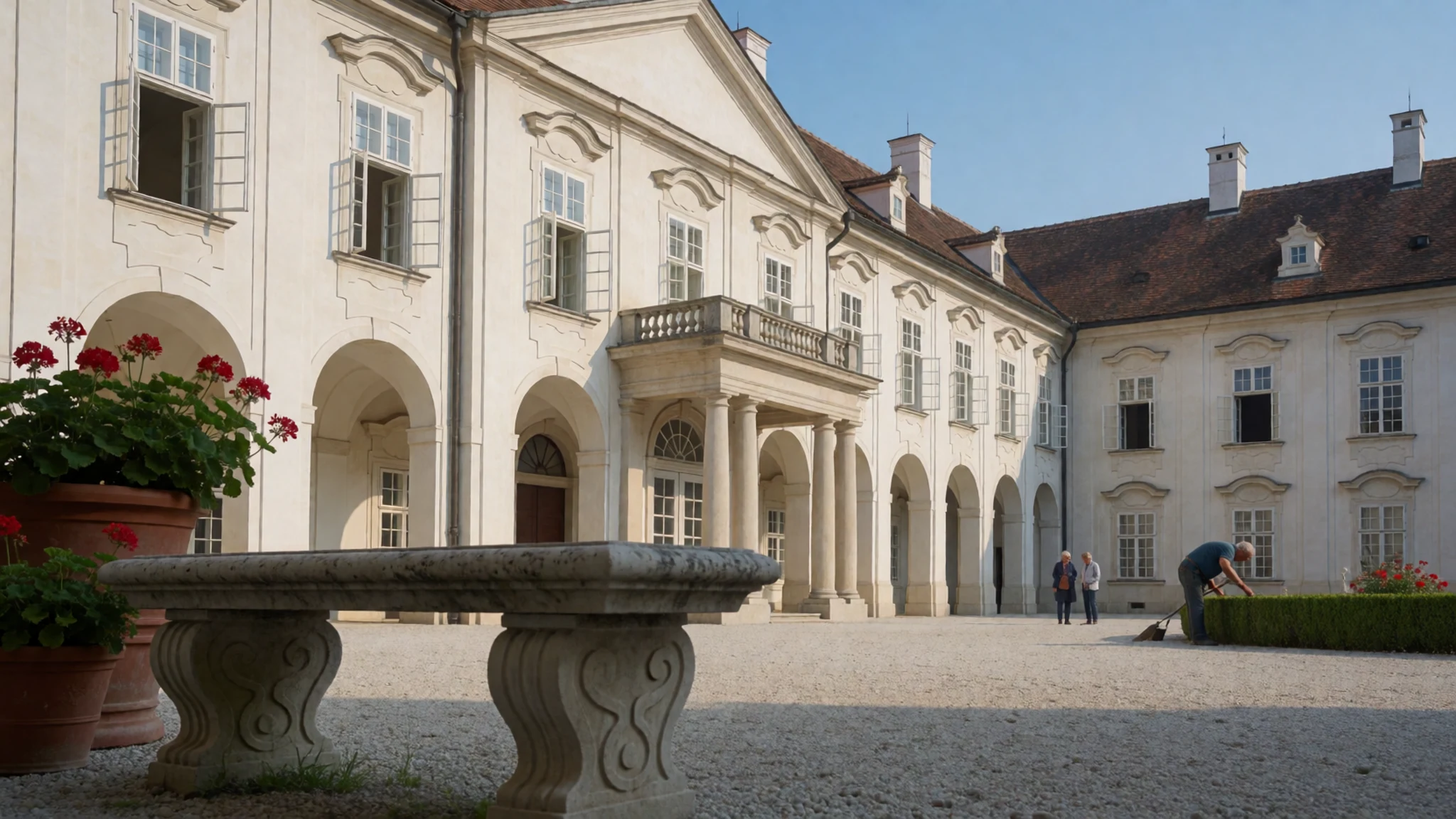
- The Haydnsaal — Inside the palace
The Haydnsaal at Esterházy Palace is the grand hall where Haydn's music is still performed. It is a tall, richly decorated room that grew out of the garden hall of the classical rebuild. Visit with a concert in mind if possible, since music suits the space far better than an empty walk-through.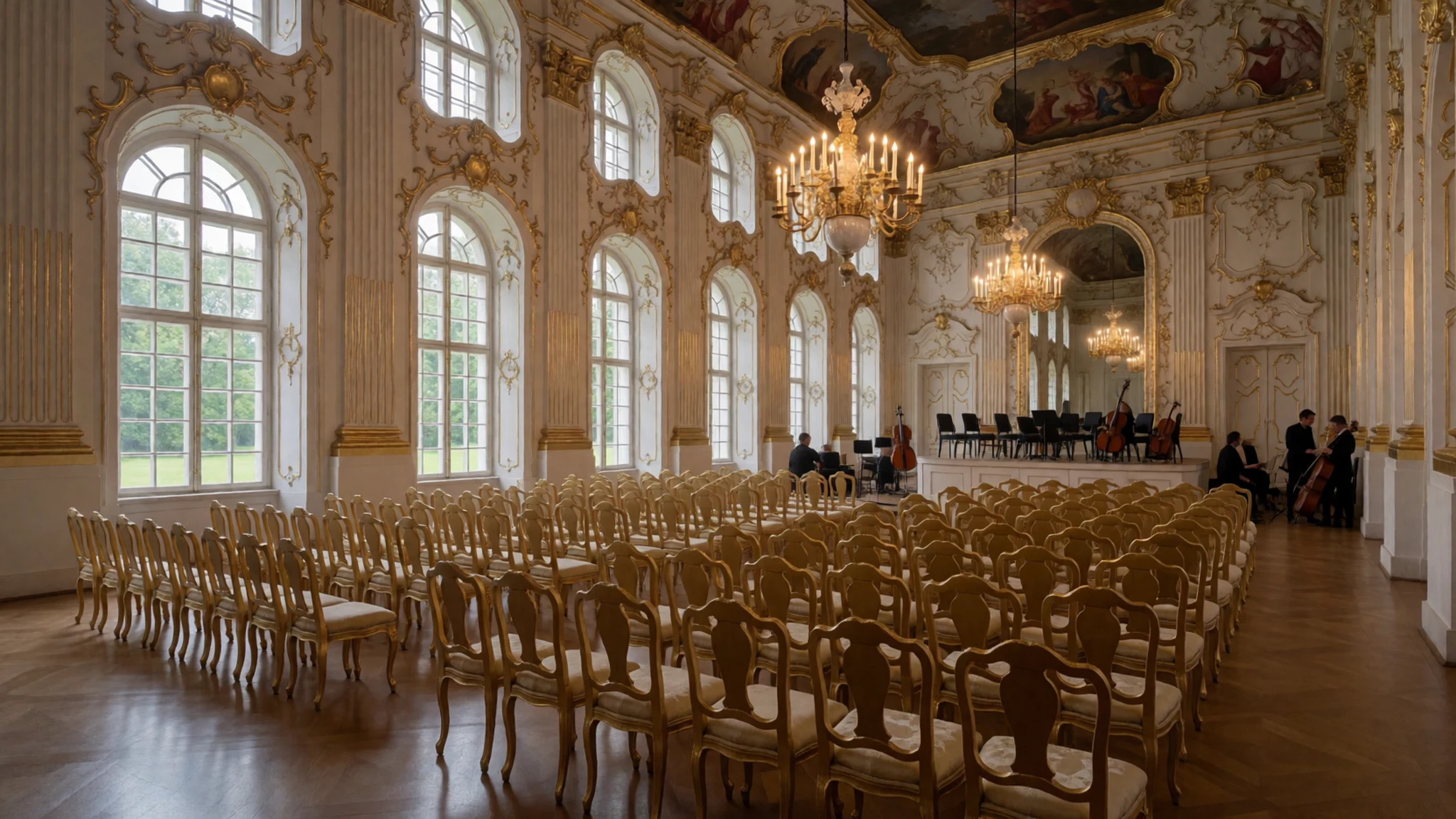
- The palace park — Behind the palace
Behind Esterházy Palace lies a large park of open meadows, statues, obelisks and quiet ponds. Locals picnic on the grass, and a long walk turns up corners that most day visitors miss. Bring water and sun protection in summer, as shade is patchy on the wide lawns.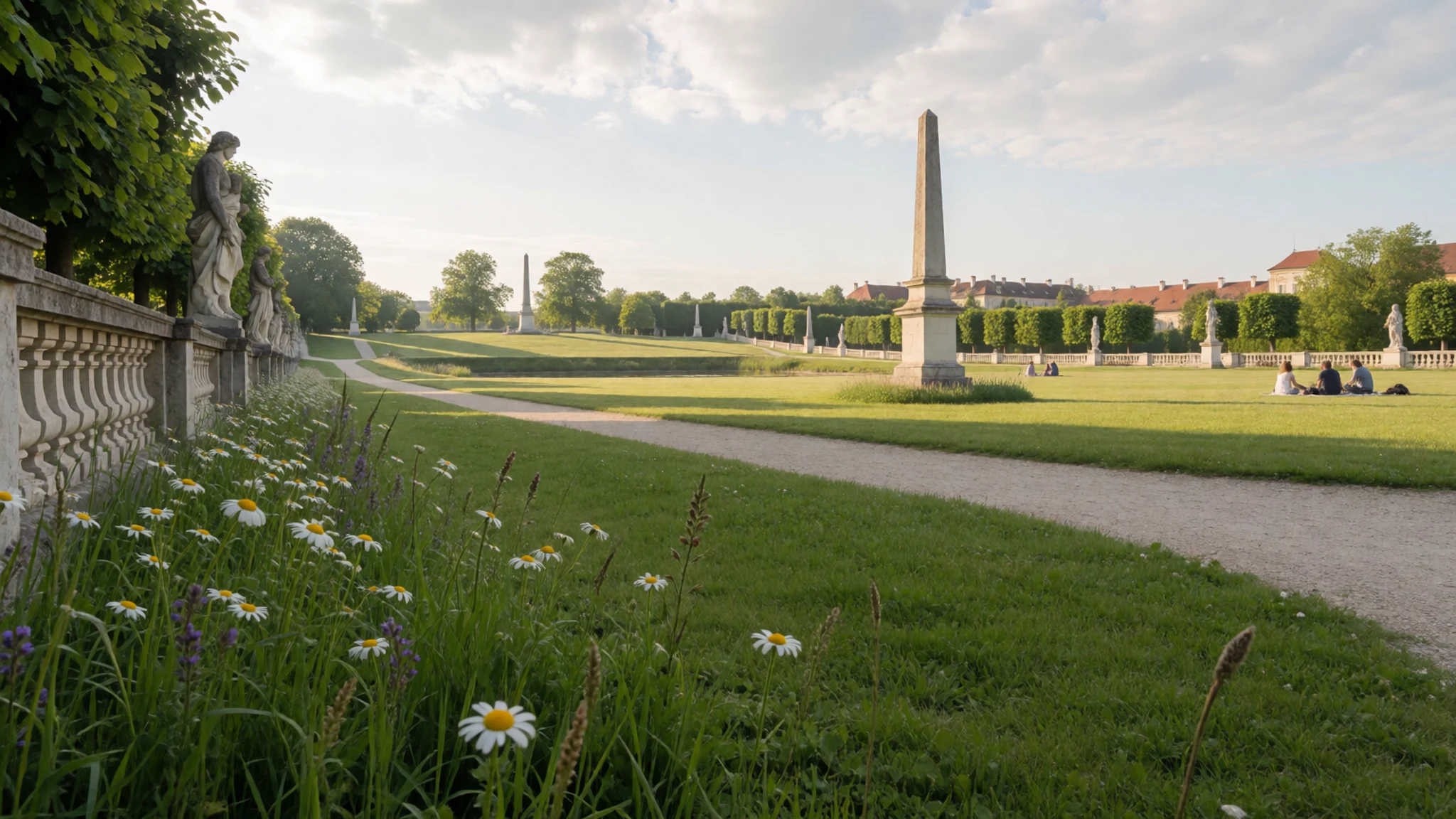
- Bergkirche and Haydn's mausoleum — Eisenstadt hillside
The Bergkirche, a short walk from Esterházy Palace, shelters the mausoleum of Joseph Haydn and also has a calvary. It is a modest, reflective stop that suits visitors who have just heard his music in the palace and want to see where the composer rests.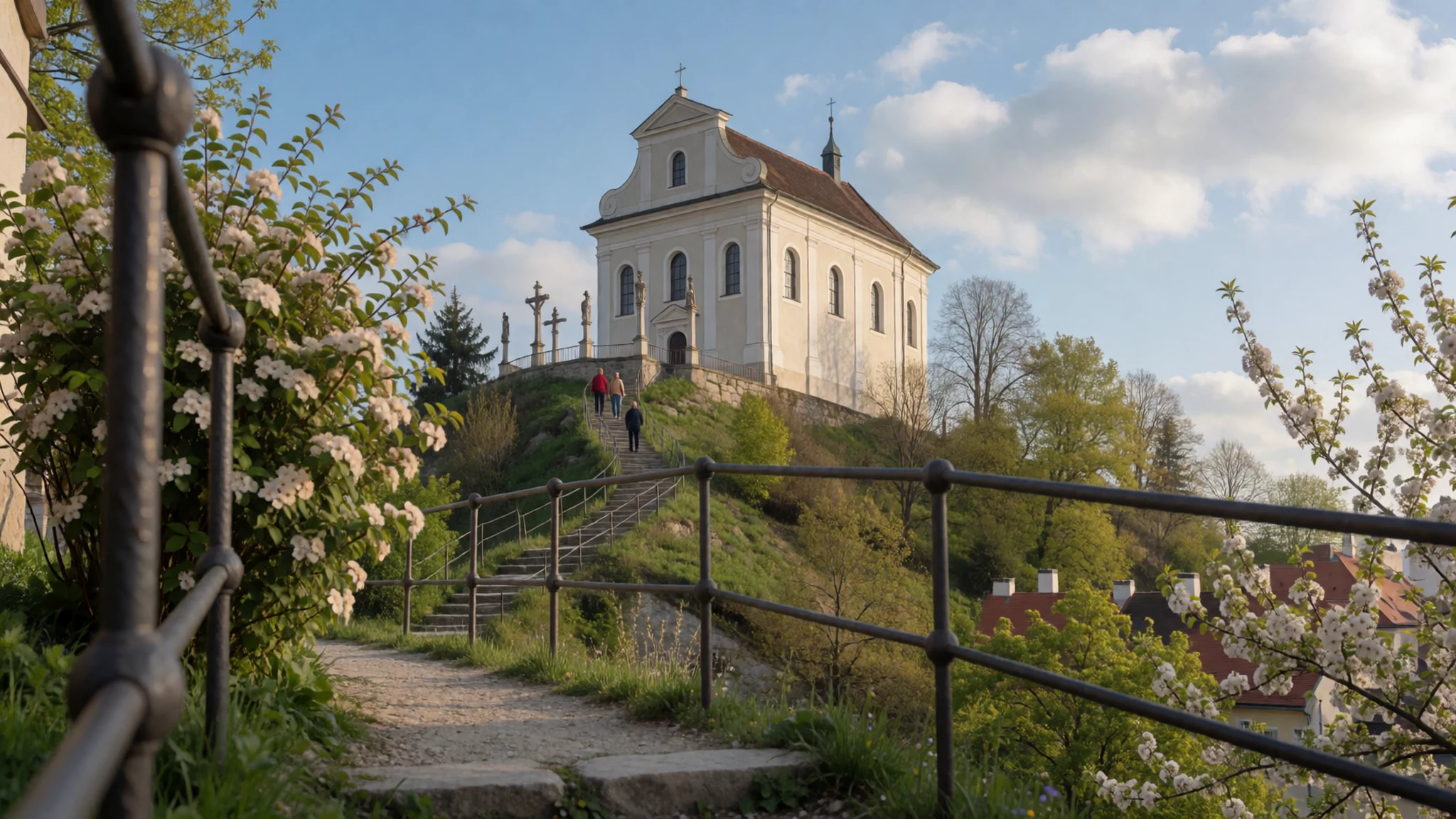
- Haydn's house — Eisenstadt town centre
A small museum devoted to Joseph Haydn occupies the house where the composer lived while working for the Esterházy court. It gives a more domestic view than the palace state rooms, showing how a court musician lived. It pairs well with the palace on a single unhurried day.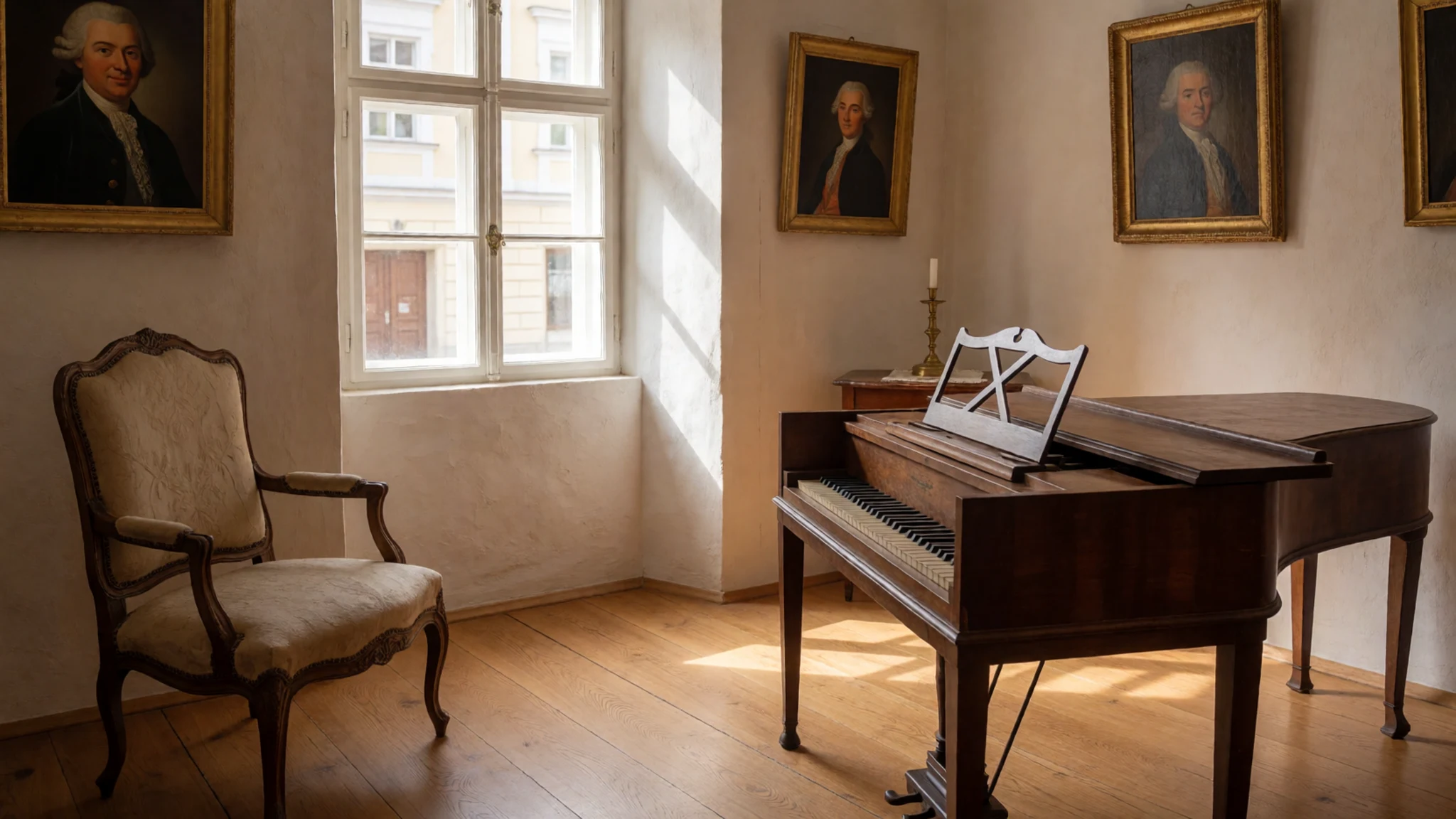
- Franziskanerkirche crypt — Eisenstadt town centre
The Franziskanerkirche, a church dating from the early seventeenth century, holds the crypt of the princely Esterházy family. It is a short walk from the palace and gives a sense of the dynasty's long ties to the town, as a quieter counterpart to the grand rooms.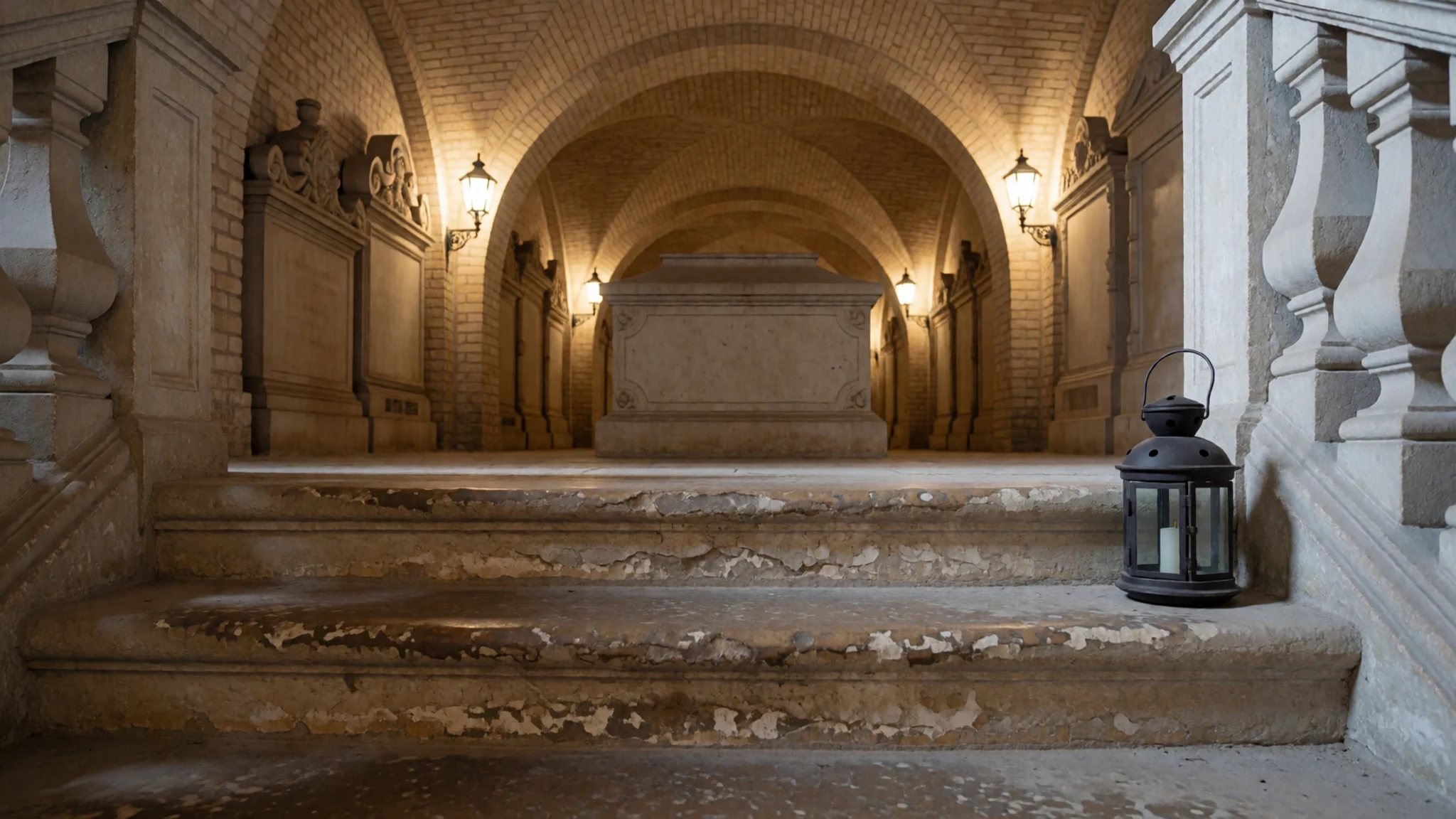
Culture
Esterházy Palace sits at the heart of a region where Austrian, Hungarian and Croatian histories overlap, and the town carries all three. Burgenland only became part of Austria in the twentieth century, having long belonged to the Hungarian crown, which explains the Hungarian name Kismarton and the Esterházys' own roots. Music is the main cultural thread. Haydn wrote and conducted for the court here, and the palace still hosts concerts, with the Haydnsaal as the centrepiece. The town also keeps a Jewish heritage alive through its museum and private synagogue, a reminder that Eisenstadt once had a well-established Jewish community. Beyond the palace, local life revolves around wine. Burgenland is a wine-growing region, and cellars, taverns and harvest festivals are part of the rhythm of the year. In summer, open-air opera and stage performances in nearby quarries and lakeside venues draw crowds from Vienna and beyond, and the palace works with that festival calendar. Eisenstadt is relaxed and polite, shops close early on Saturdays and often stay shut on Sundays, and people greet shopkeepers with a quiet Grüß Gott or Guten Tag. Keep your voice low in the Haydnsaal and the state rooms, and follow the staff's instructions on photography and on touching walls or furnishings.
What to wear
Esterházy Palace lies in Burgenland, where traditional dress is called Tracht. The women's version is the dirndl, a fitted bodice and full skirt in cotton, linen or wool, worn with an apron. The men's version is a loden jacket, often in felted wool, worn with leather trousers or knee breeches. Hungarian and Croatian communities in the region have their own embroidered blouses and ribbons. Tracht appears at weddings, harvest and wine festivals, church holidays and folk events rather than daily life. Everyday clothing in Eisenstadt is smart-casual: jeans, shirts and knitwear, with a neat jacket for concerts and the occasional formal evening. Visitors can dress the same way. For the palace, comfortable closed shoes are the main need, since courtyards are cobbled and park paths are gravel or grass. Summer days can be hot, so bring a hat and light layers, while winters are cold, with a warm coat and gloves being sensible. A light rain jacket helps year-round. The churches in town expect covered shoulders and knees, so carry a scarf or thin overshirt. For an evening concert, a collared shirt or a simple dress is enough, as people rarely dress in full evening wear.
What to eat
- Wiener Schnitzel — Schnitzel eateries and traditional inns around the town centre
Thin breaded veal or pork cutlet, fried until crisp and served with potato salad and a lemon wedge. Eisenstadt has schnitzel specialists near the palace, and most traditional inns serve it, so it is an easy first lunch after the palace.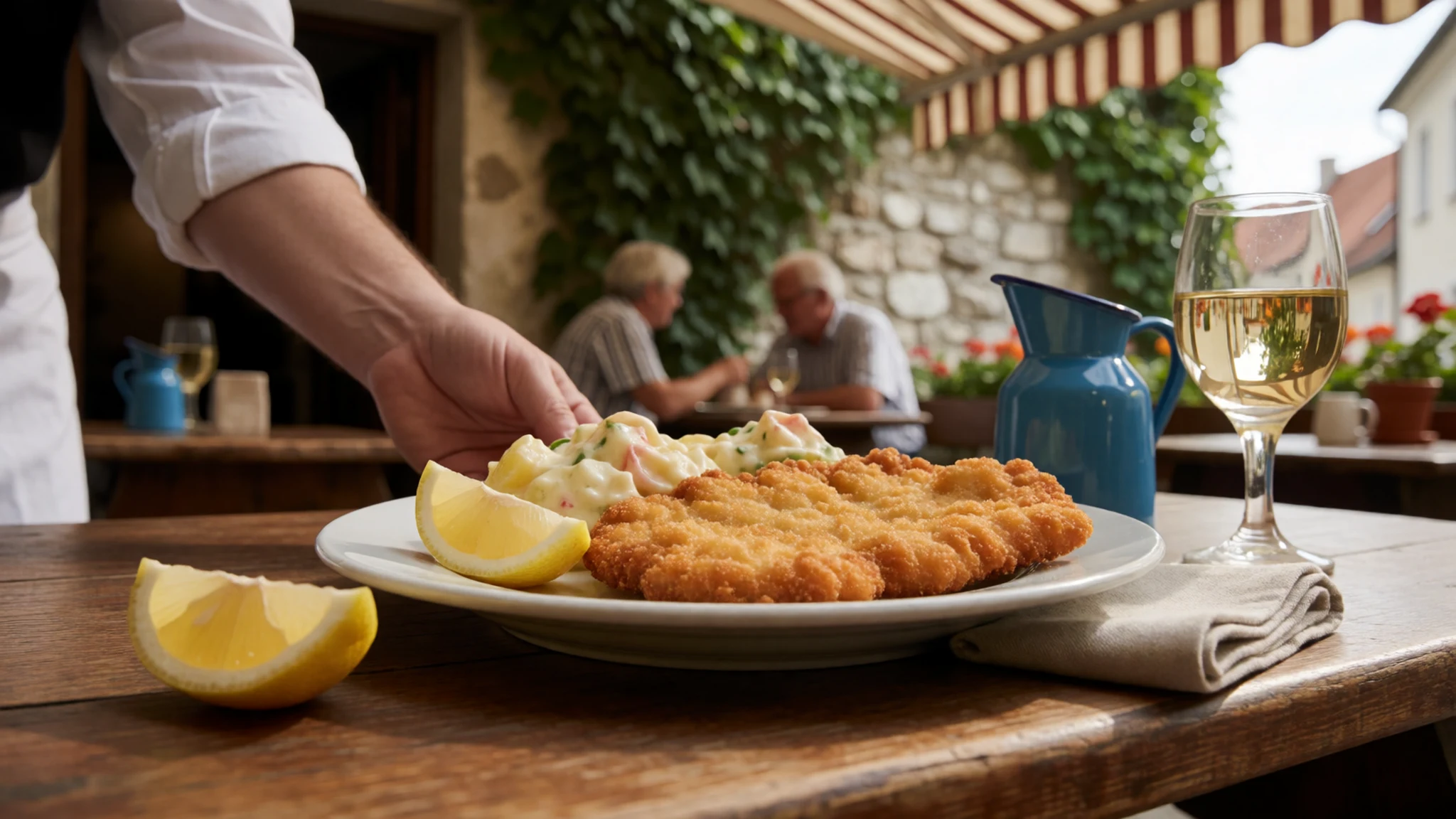
- Gulasch — Traditional inns and wine taverns
A paprika-heavy beef stew that reflects the Hungarian influence on Burgenland cooking. It is usually served with bread or dumplings and works well on a cold day. Ask at a traditional inn whether it is on the day's menu.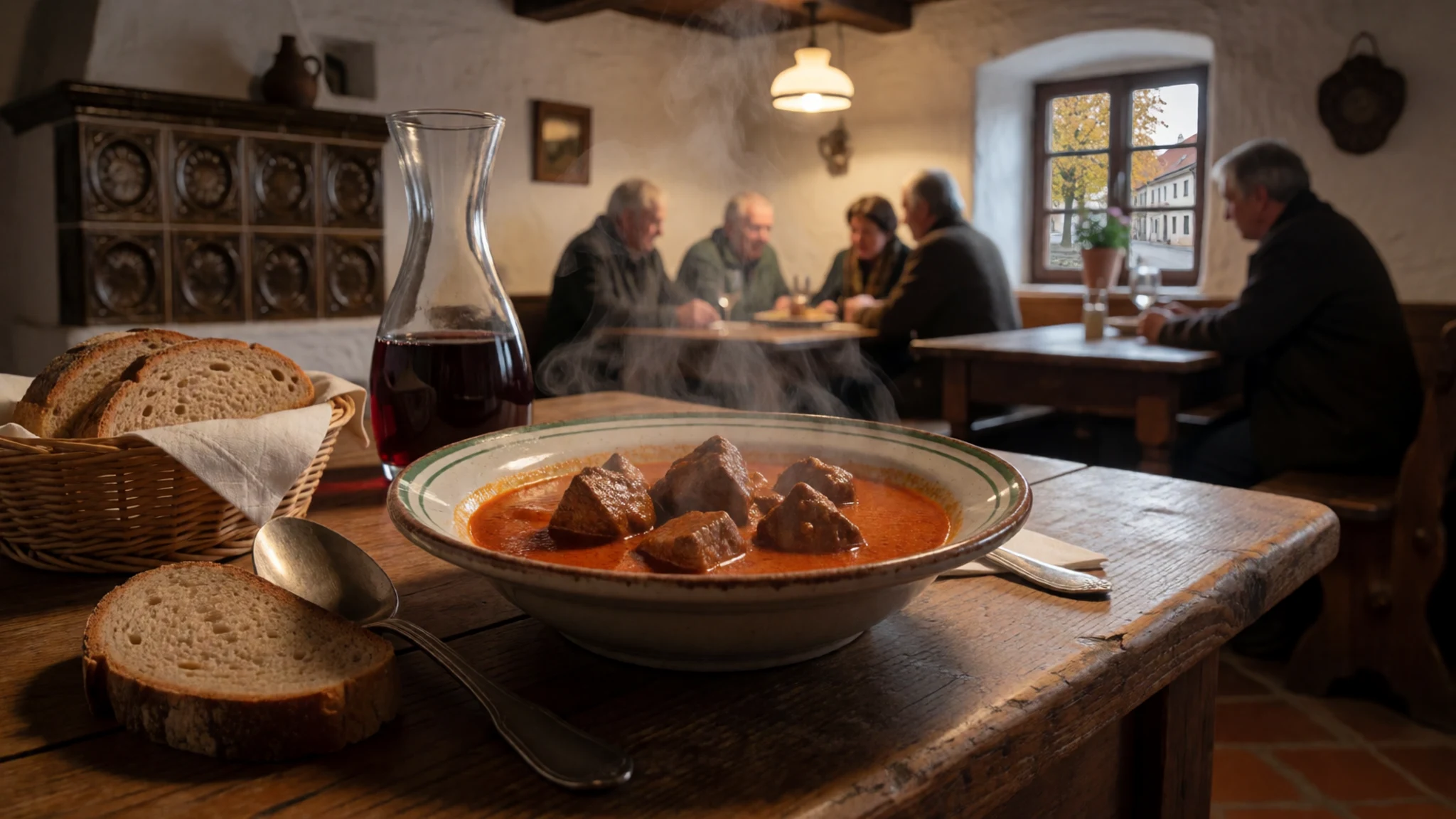
- Kebap — Takeaway eateries on the streets near the palace
Eisenstadt has several small kebab eateries a short walk from the palace, serving sliced grilled meat in flatbread with salad and sauces. It is a cheap, quick option that suits a short stop between sights. - Pizza — Casual eateries near the palace and the town centre
Casual pizza places in Eisenstadt, including some close to the palace grounds, serve oven-baked pizzas that suit families and groups. They are an easy choice when others want something simple, and many have outdoor seating in warm weather. - Burgenland wine — Wine taverns and cellars in and around Eisenstadt
The region is a wine-growing area, and local reds and sweet whites are a good match for the heavier dishes. Tasting is usually done in wine taverns and cellars rather than at the palace, and designated drivers should plan ahead.
Plan it
Best time. April and October are the most comfortable months, with milder highs and the park at its best; May to September are hot, with August the warmest and June the wettest, and festival crowds fill the region in summer, while winter is cold and quiet.
How long. 1
Getting there. Vienna International Airport or Bratislava Airport, both within about an hour by car; trains run from Vienna stations via Wulkaprodersdorf hourly on workdays, with different schedules at weekends and on holidays, so check the timetable; the palace is then a short onward walk or ride into the town centre. By car, Eisenstadt is reached from Vienna in under an hour in good traffic.
Budget. mid
Tips
- Check the official site, https://esterhazy.at/, for tickets, opening arrangements and room closures before you go
- Weekday mornings are calmest; weekends and summer afternoons bring day-trippers from Vienna
- If driving from Vienna, avoid the A2 motorway in the late-afternoon rush
- Book concert or festival tickets well ahead, especially in summer
- Carry a card and some cash for small cafés and wine taverns, and bring water for park walks
Etiquette
- Keep your voice low in the Haydnsaal and state rooms
- Follow staff instructions on photography and do not touch furnishings or walls
- Cover shoulders and knees in the churches
Nearby
Sources
- Wikidata Q686787 (CC0)
- Wikipedia: Schloss Esterházy (rev 1384999364) (CC BY-SA 4.0)
- Wikivoyage: Eisenstadt (rev 5401556) (CC BY-SA 4.0)
- Photo: Palace Esterházy in Eisenstadt, Burgenland, Austria (Johann Jaritz) (CC BY-SA 1.0)
- Photo: Das Schloss Esterhazy in der burgenländischen Stadt Eisenstadt (C.Stadler/Bwag) (CC BY 3.0)
- Photo: Aerial image of Schloss Esterházy, view from the south (Carsten Steger) (CC BY-SA 4.0)
- Photo: Albert Christoph Dies 002 (Public domain)
- Photo: Schloss Esterházy in Eisenstadt, Ansicht vom Schlosspark (Clemen) (CC BY-SA 3.0 at)
- Photo: Haydn Hall of Eszterházy Castle, Eisenstadt (Zairon) (CC BY 3.0)
- Photo: Empiresaal Schloss Esterházy (D.j.mueller) (Public domain)
- Photo: Innenhof von Schloss Esterházy (D.j.mueller) (Public domain)


