Eskişehir
Eskişehir, Turkey
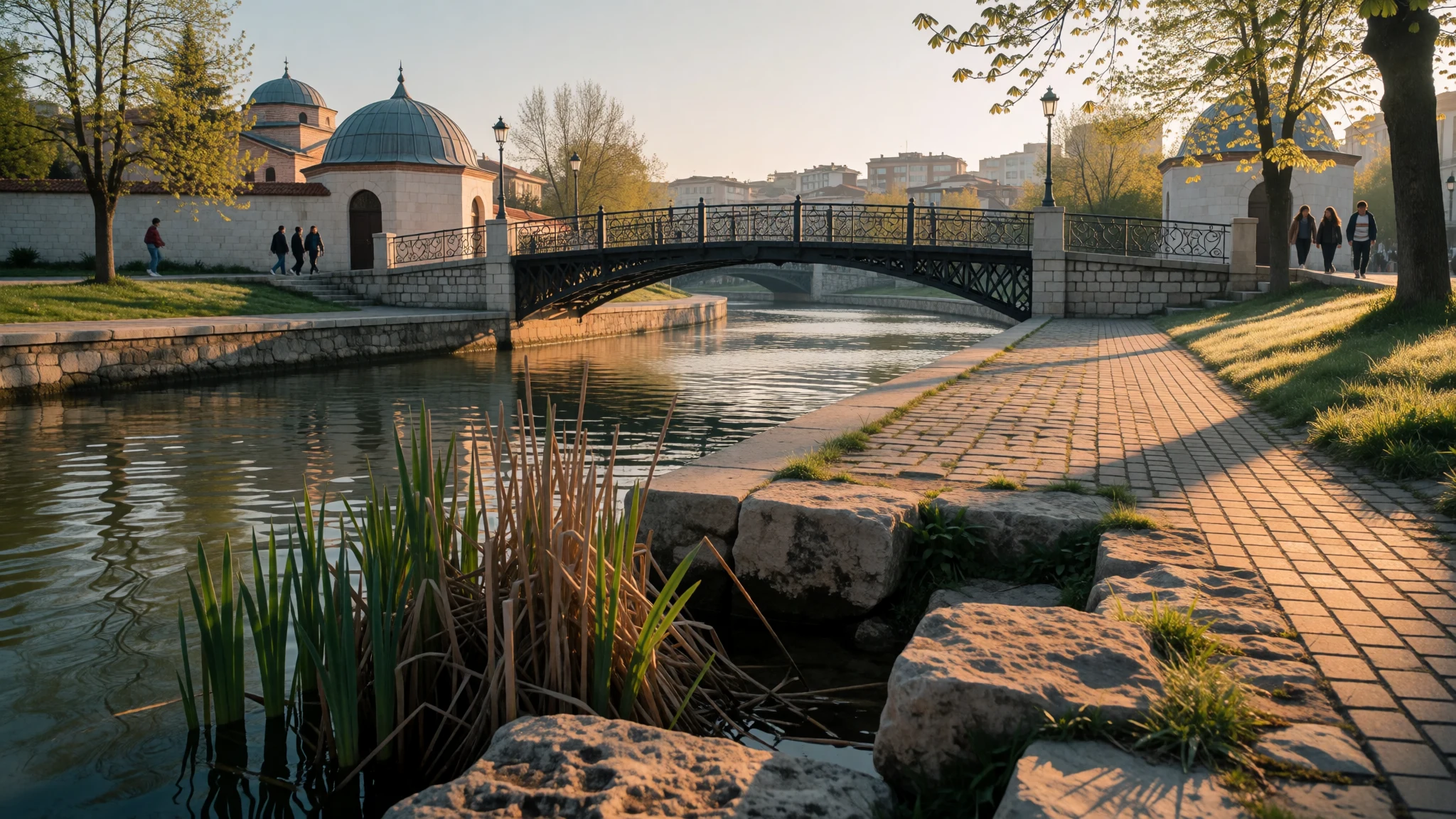
Eskişehir offers a vibrant student culture, leafy riverside promenades, and distinctive Ottoman architecture, all set against a rich Central Anatolian heritage.
The place
Eskişehir lies along the winding banks of the Porsuk River in northwestern Turkey, serving as an inland provincial capital shaped by its dramatic landscape and youthful population. Elevated high above the surrounding plains, the municipality experiences distinct seasonal shifts, bringing crisp winters and warm, dry summers where evening temperatures drop comfortably after sunset. The city's geography connects fertile regional valleys with major transit corridors linking western population centres to the interior.
As a renowned college town, Eskişehir accommodates thousands of university students who infuse the streets with creative energy, independent cafes, and lively cultural venues. Canals cut through urban parks, gondolas glide along the shallow waters, and modern tram networks tie together historic quarters with contemporary civic developments. Visitors stepping off the high-speed rail find an orderly, progressive city that balances its traditional crafts with forward-looking public art installations, expansive green spaces, and a welcoming pedestrian culture.
Its story
Eskişehir carries a long heritage that began when ancient tribes established early settlements near the fertile Phrygian valleys around the region. Over subsequent centuries, the locality shifted positions across the landscape as political powers rose and fell, eventually moving closer to modern boundaries after various medieval conflicts and regional re-organisations. During the Roman and Byzantine eras, the surrounding Dorylaeum area flourished with agriculture, religious institutions, and thriving local commerce.
Following later conquests by Seljuk Turks, the settlement transformed into a contested frontier before emerging as a stable administrative hub under imperial Ottoman rule. The city also became a focal point during the later struggles that shaped the modern Turkish republic. Throughout these generational shifts, local artisans maintained distinctive traditions such as carving white meerschaum stone, a mineral extracted from nearby earth to produce fine smoking pipes and decorative carvings that remain symbols of regional craftsmanship today.
What to see
- Kurşunlu Mosque Complex — Odunpazarı
Eskişehir features this historic religious complex completed in the sixteenth century by master builders associated with early classical Ottoman architecture. The lead-roofed structure anchors the old quarter with quiet courtyards, exhibition spaces, and traditional artisan workshops dedicated to local crafts.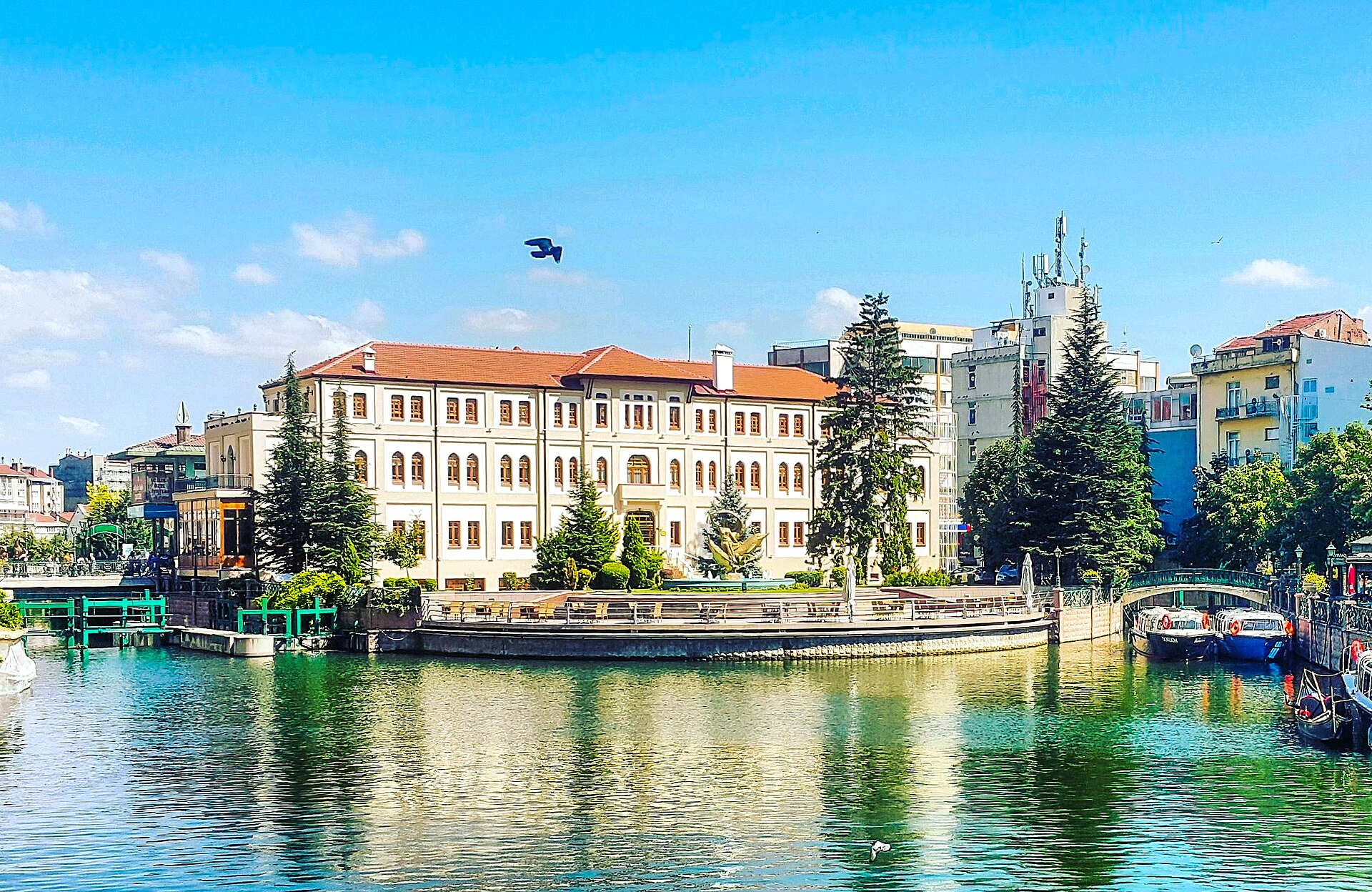
- Odunpazarı Modern Museum — Odunpazarı
Eskişehir houses this striking contemporary art gallery inside a remarkable timber-lattice building designed by acclaimed architects using sustainably harvested wood. Inside, rotating exhibitions showcase modern works by Turkish and international artists across light-filled galleries. - Meerschaum Museum — Kurşunlu Complex
Eskişehir celebrates its unique mineral heritage inside this specialist exhibition space devoted entirely to sepiolite, locally known as sea foam. Artisans display intricately carved pipes, figurines, and delicate ornaments carved from the soft, white silicate stone. - Porsuk River and Köprübaşı — Central Canal Zone
Eskişehir centres much of its daily leisure around these scenic waterways where locals gather along landscaped promenades, outdoor cafes, and bridges. Visitors can board small recreational boats or simply enjoy the lively atmosphere as evening lights reflect off the gentle current.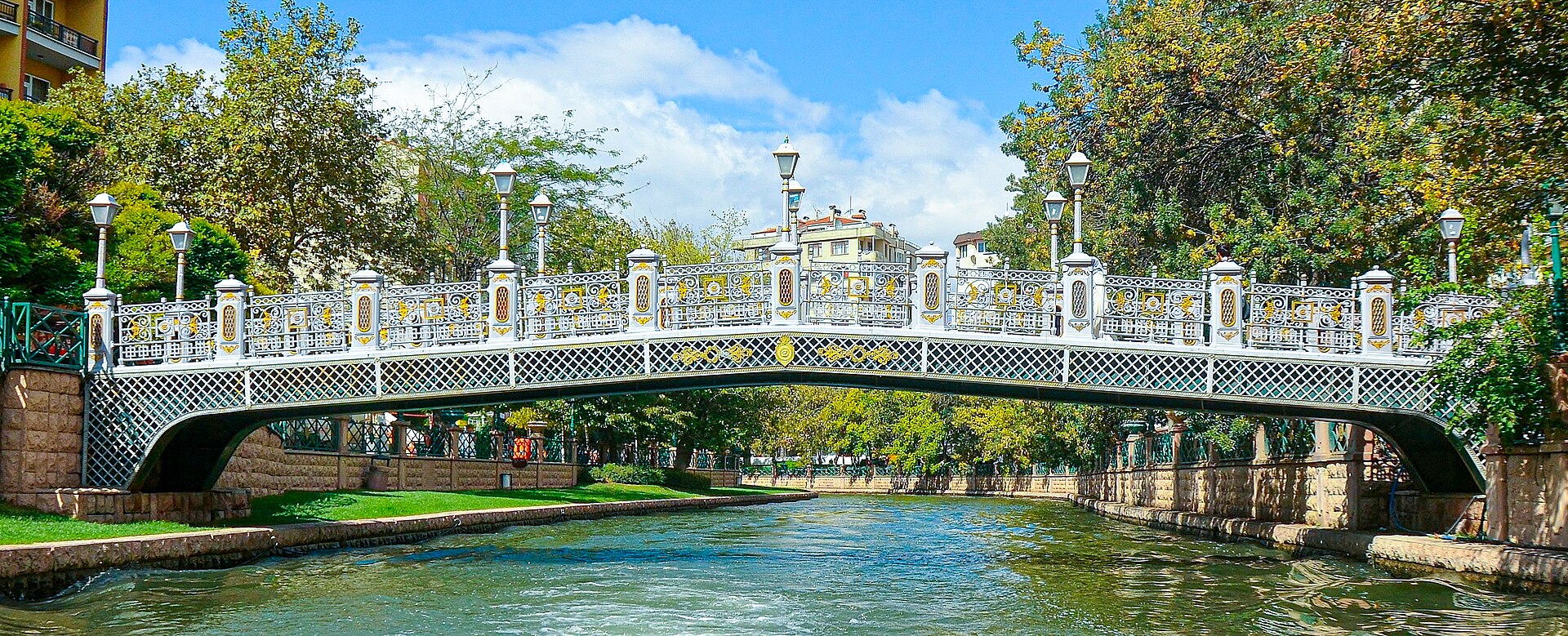
- Yılmaz Büyükerşen Wax Museum — The Arts Quarter
Eskişehir displays dozens of realistic wax effigies depicting historical figures, politicians, artists, and media personalities crafted by the city's long-serving mayor and sculptor. The collection offers an entertaining look at Turkish and international cultural icons within a dedicated exhibition hall. - Sazova Park — Tepebaşı Outskirts
Eskişehir maintains this expansive family recreation ground featuring imaginative attractions including a fairytale castle, a pirate ship, science centres, and vast green lawns. It provides a popular weekend escape for residents looking to stroll around artificial lakes and botanical gardens.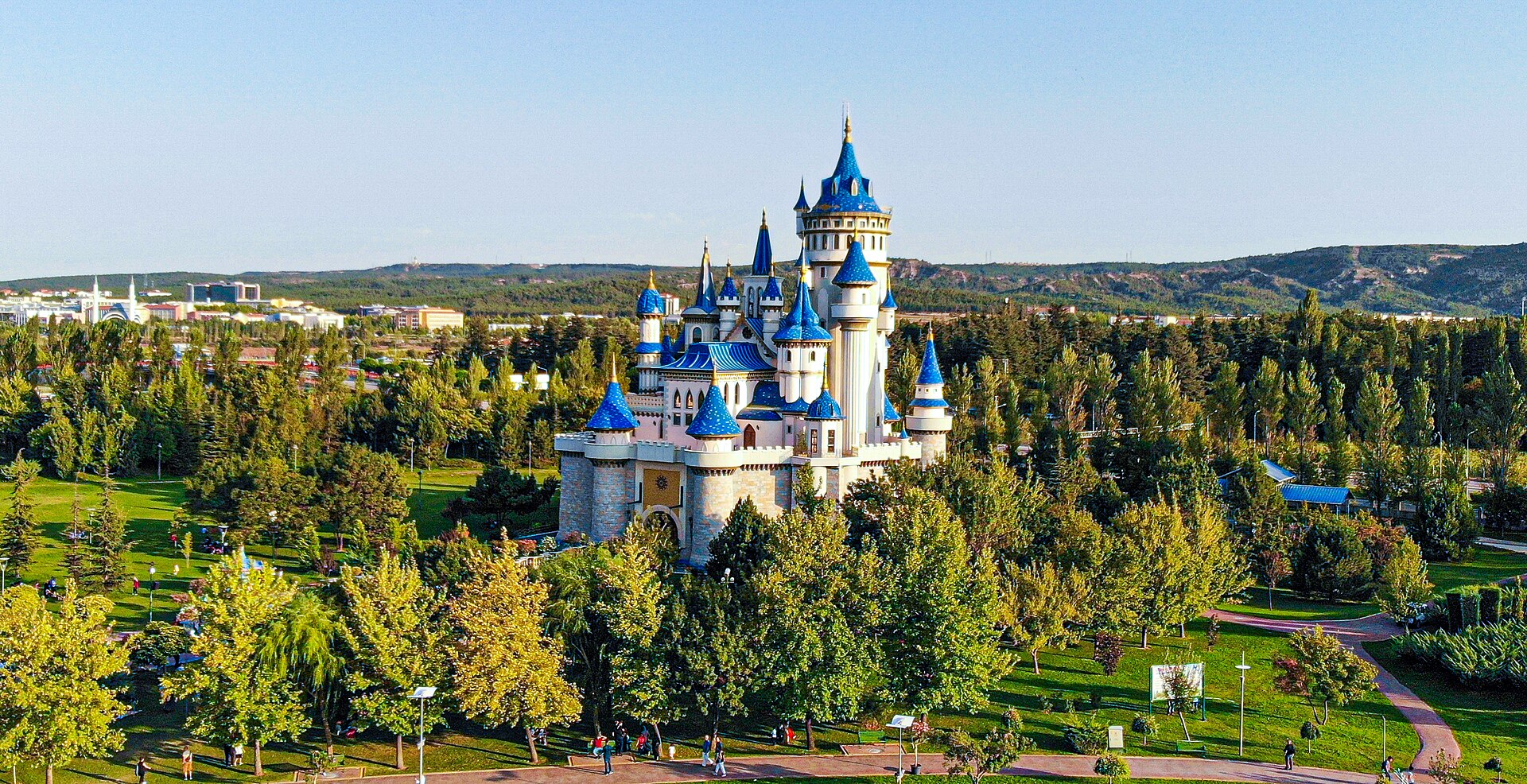
Culture
Eskişehir maintains a distinct cultural identity shaped by generations of immigrant families, including Crimean Tatars and ethnic Turks arriving from various Balkan territories who integrated into the local economy and metalworking industries. This multicultural background influences community celebrations, regional music festivals, and culinary traditions found across neighbourhood markets and tea houses. The heavy student demographic keeps the social atmosphere open, progressive, and intellectually curious, with numerous independent bookshops, art spaces, and live music venues operating late into the evening. Visitors interacting with residents will find a proud, hospitable population eager to share local recommendations and discuss civic developments. When entering neighbourhood mosques or traditional family establishments in Eskişehir, dress modestly and ensure your shoulders and knees are covered.
What to wear
Eskişehir residents dress in a contemporary, practical European style that mirrors the youthful energy of its large university population. Everyday wardrobes in Eskişehir typically feature comfortable denim, layered knitwear during cooler months, and smart casual jackets suited for variable inland weather. Traditional regional attire, featuring embroidered waistcoats and woven headscarves preserved by immigrant heritage communities, is now reserved for folk festivals and official cultural celebrations. Visitors should pack versatile layers, comfortable walking shoes for navigating cobblestone streets in the old quarters, and a warm coat if travelling during the chilly winter season. Modest attire is appreciated when visiting local neighbourhood markets or historical religious complexes.
What to eat
- Çi börek — Papağan Çiğbörek and local Tatar bakeries
Eskişehir serves this signature Crimean Tatar delicacy consisting of a thin, half-moon shaped dough pocket stuffed with seasoned minced meat and onions, then deep-fried until crisp. Traditional eateries serve it hot without cutlery, allowing diners to eat it by hand with a napkin. - Donas wrap — Specialist street-food kiosks across the centre
Eskişehir offers this popular local fast-food wrap loaded with seasoned chicken meat, crisp potatoes, fresh vegetables, and a signature savoury sauce. It provides a filling, sticky, and inexpensive meal favoured by students on the go. - Balaban kebabı — Traditional local lokantas near the central market
Eskişehir features this hearty regional speciality made from diced grilled meat laid over pieces of pide bread, then generously slathered with hot tomato sauce, browned butter, and creamy yoghurt. Local establishments serve it as a substantial midday meal. - Anatolian meat dishes — Şömine Kebap and neighbourhood grill houses
Eskişehir prepares various mainstream Turkish charcoal grills, slow-cooked casseroles, and lamb dishes seasoned with regional herbs and spices. Family-run eateries serve these hearty meals alongside warm flatbreads and meze salads. - Simit and black tea — Street carts near Köprübaşı and tram stops
Eskişehir starts mornings with circular sesame-encrusted bread rings purchased from street carts, paired with freshly brewed Turkish tea served in curved tulip glasses. Bakers sell them fresh from dawn across every major transit junction.
Plan it
Best time. April to May and September to October offer pleasant daytime temperatures for walking along the river, avoiding freezing winter snows and scorching dry summer afternoons.
How long. 2–3
Getting there. Fly into Istanbul or Ankara, then take the fast YHT high-speed railway directly to Eskişehir station.
Budget. low
Tips
- Book high-speed train tickets in advance during public holidays
- Carry cash for small bakeries and traditional craft stalls
- Wear comfortable shoes for exploring the steep historic lanes of Odunpazarı
- Use the modern tram network to reach outlying attractions like Sazova Park
Etiquette
- Remove footwear before entering carpeted mosque prayer halls
- Ask permission before photographing local artisans working in their shops
Nearby
Sources
- Wikidata Q168866 (CC0)
- Wikipedia (CC BY-SA 4.0)
- Wikivoyage (CC BY-SA 4.0)