Elba
Elba, Italy
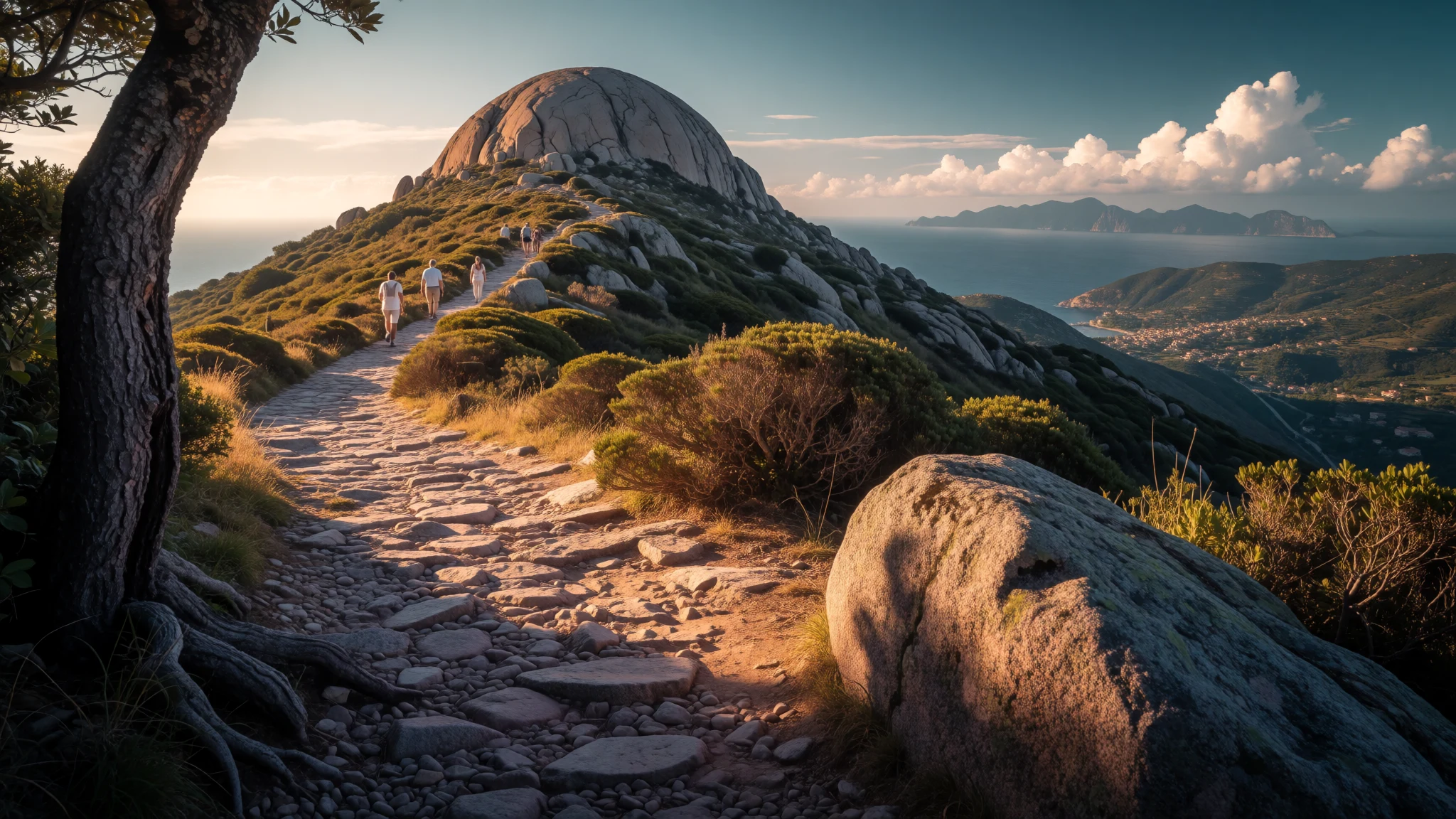
Elba packs granite mountains, hill villages, quiet coves and Napoleon's first exile into one Tuscan island reached by a short ferry crossing.
The place
Elba sits in the Tyrrhenian Sea off the Tuscan coast, a short ferry crossing from the mainland port of Piombino, and it is the largest island of the Tuscan Archipelago. It belongs to the province of Livorno and lies within the Arcipelago Toscano National Park. Corsica is to the west across a channel, which gives the island's western tip a wide, open feel that the more sheltered eastern side lacks. About 32,000 people live here year-round, and the number rises considerably in summer when holidaymakers arrive for the beaches and walking. The island is divided into seven municipalities: Portoferraio, the main town and ferry hub, then Campo nell'Elba, Capoliveri, Marciana, Marciana Marina, Porto Azzurro and Rio. Each has its own character, so the choice of base shapes the trip. The landscape is varied for an island this size. Granite mountains rise in the west, topped by Monte Capanne at 1,019 m, with chestnut woods and old mule paths on the slopes. The east is darker and older, with iron-rich rock that once fed furnaces. Coves, pebble beaches and a few sandy bays ring the coast, and hill villages sit above the sea with castles and small churches. Geologically the island is a jumble of slices of ancient seafloor, pushed up and folded during the mountain-building that raised the Alps and Apennines. That explains the abrupt changes in colour and rock from one bay to the next. Elba is easy to get around by bus or car, but the roads are narrow and winding, and July and August bring queues for ferries and parking at the popular beaches. Spring and early autumn are calmer, with a warm sea and quiet paths.
Its story
Elba's story is written in its rock. Iron ore made the island valuable long before it became a holiday place. The earliest known inhabitants were the Ligurian Ilvates, and the Latin name Ilva comes from them. Greek sailors called the island Aethalia, meaning smoky, after the fumes from the furnaces where ore was smelted. The Etruscans mined and worked iron here, and the Romans took over from them. Myth adds its own layer. The poet Apollonius of Rhodes says the Argonauts rested on Elba and left traces behind, and the geographer Strabo explains the mottled pebbles on the shore as scrapings from the heroes' tools. The harbour now called Portoferraio was once thought to be where they landed on the voyage home. After Rome's decline the island suffered raids and occupation by Ostrogoths and Lombards, and it later became a possession of the Republic of Pisa. Genoa took it after the naval battle of Meloria, though Pisa won it back before the end of the thirteenth century. Centuries of rival rulers left fortresses and watchtowers around the coast. The best-known chapter came when Napoleon was sent here for his first exile. He was given the island to govern as a small domain, but his stay was short, and he slipped away to try for power again. Locals still treat him as a favourite, and his two houses near Portoferraio are open to visitors. Mining carried on long afterwards and has left a landscape of red earth and old galleries that can now be explored on guided tours.
What to see
- Portoferraio and Napoleon's houses — Portoferraio
Portoferraio is the island's main town and ferry port, with a harbour, old fortifications and the places tied to Napoleon's exile. Both his town residence and his country villa can be toured, which gives a feel for his short stay. Allow a morning, wander the old streets above the port, and check opening times on the official site.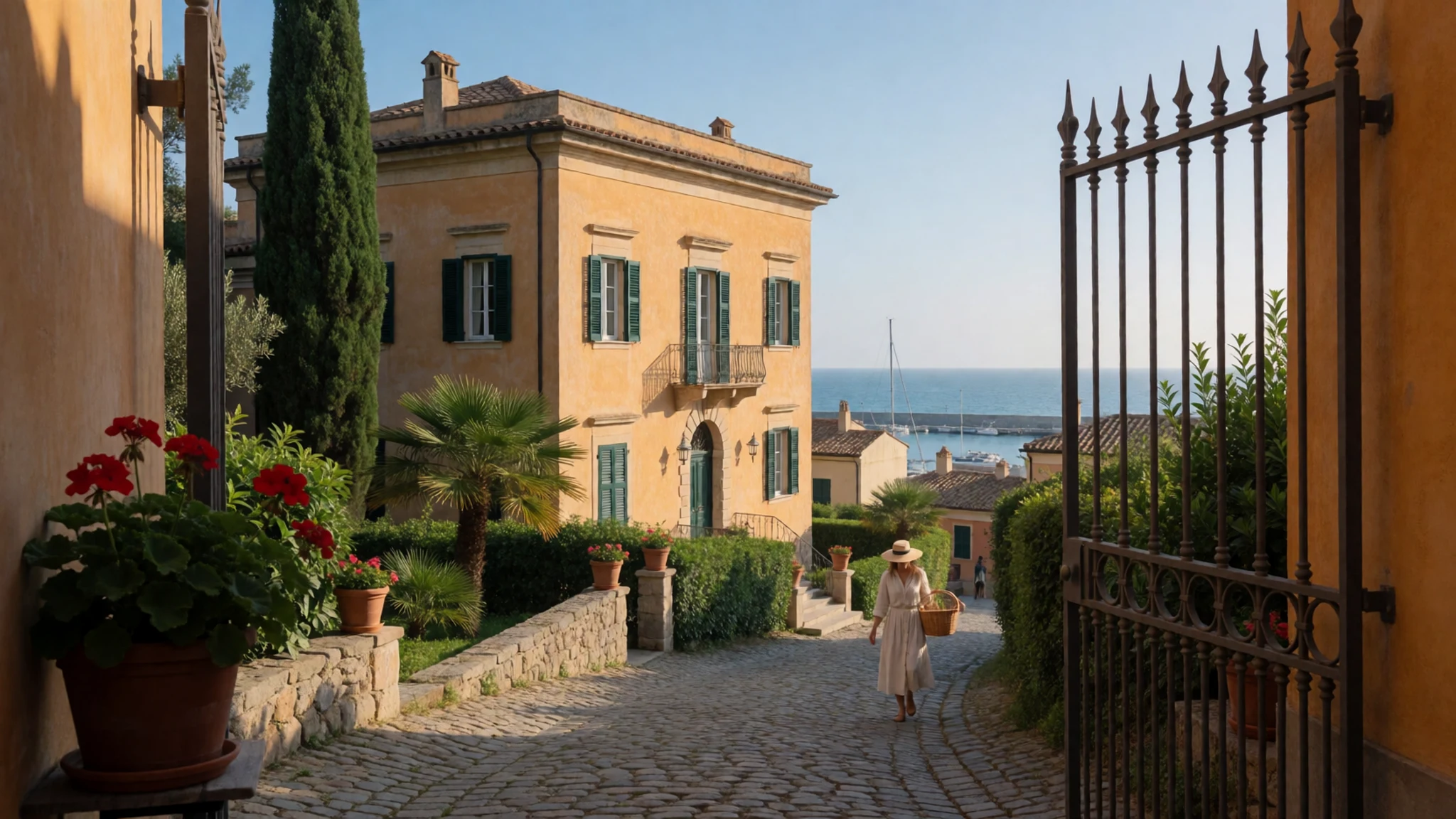
- Monte Capanne — Marciana, western Elba
Monte Capanne is the high point of western Elba, 1,019 m of granite above chestnut woods and stone villages. Paths climb from the Marciana side, and clear days open views across the archipelago and towards Corsica. Cloud often caps the summit, so start early and carry water and a warm layer.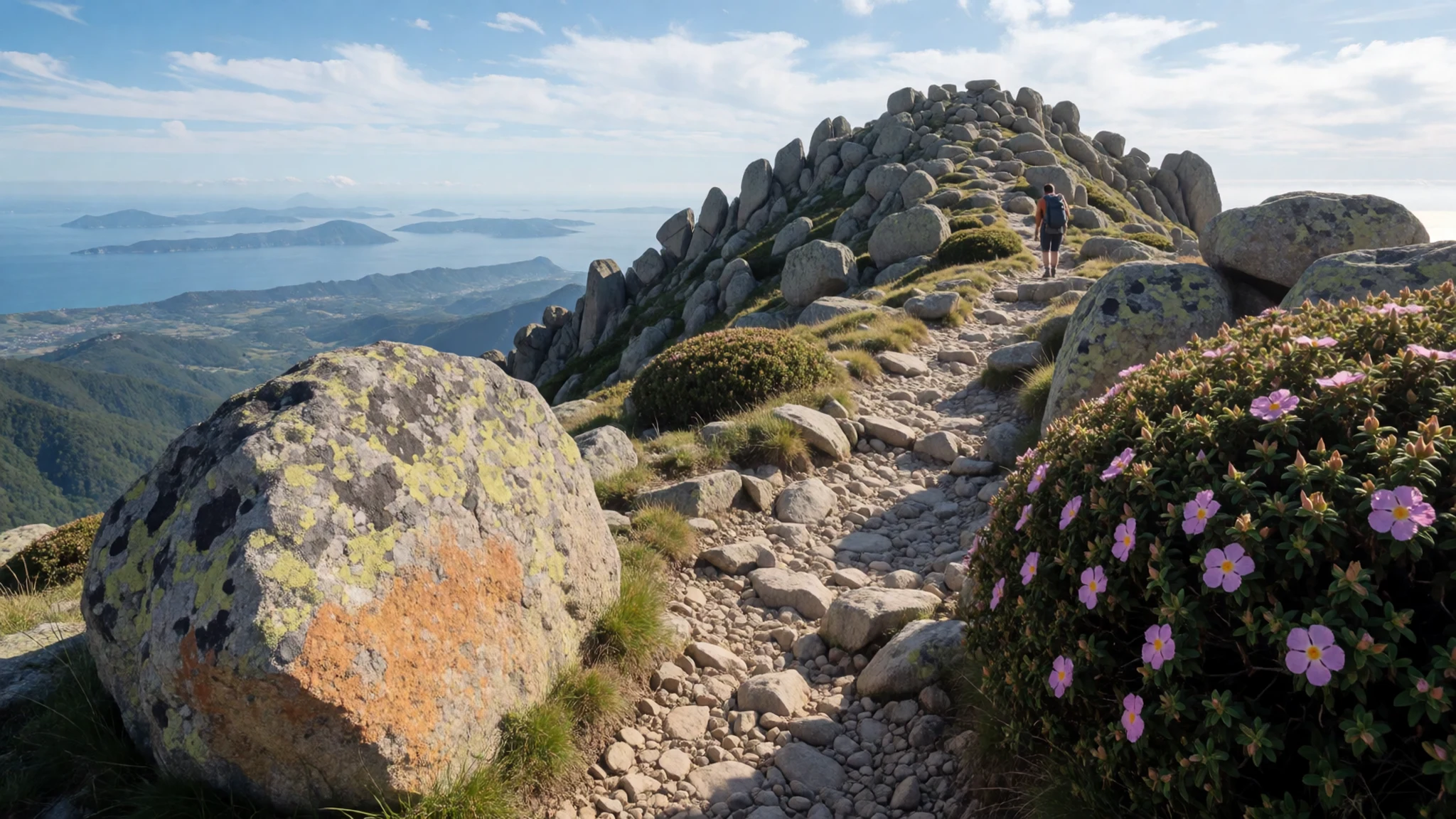
- Capoliveri — Capoliveri, south-east Elba
Capoliveri is a hill town in the south-east, built on a rise above the sea with narrow lanes, small squares and wine bars. It makes a good evening stop, when locals fill the piazza. The old mining country and several beaches are close by, and the town is a handy base for cyclists.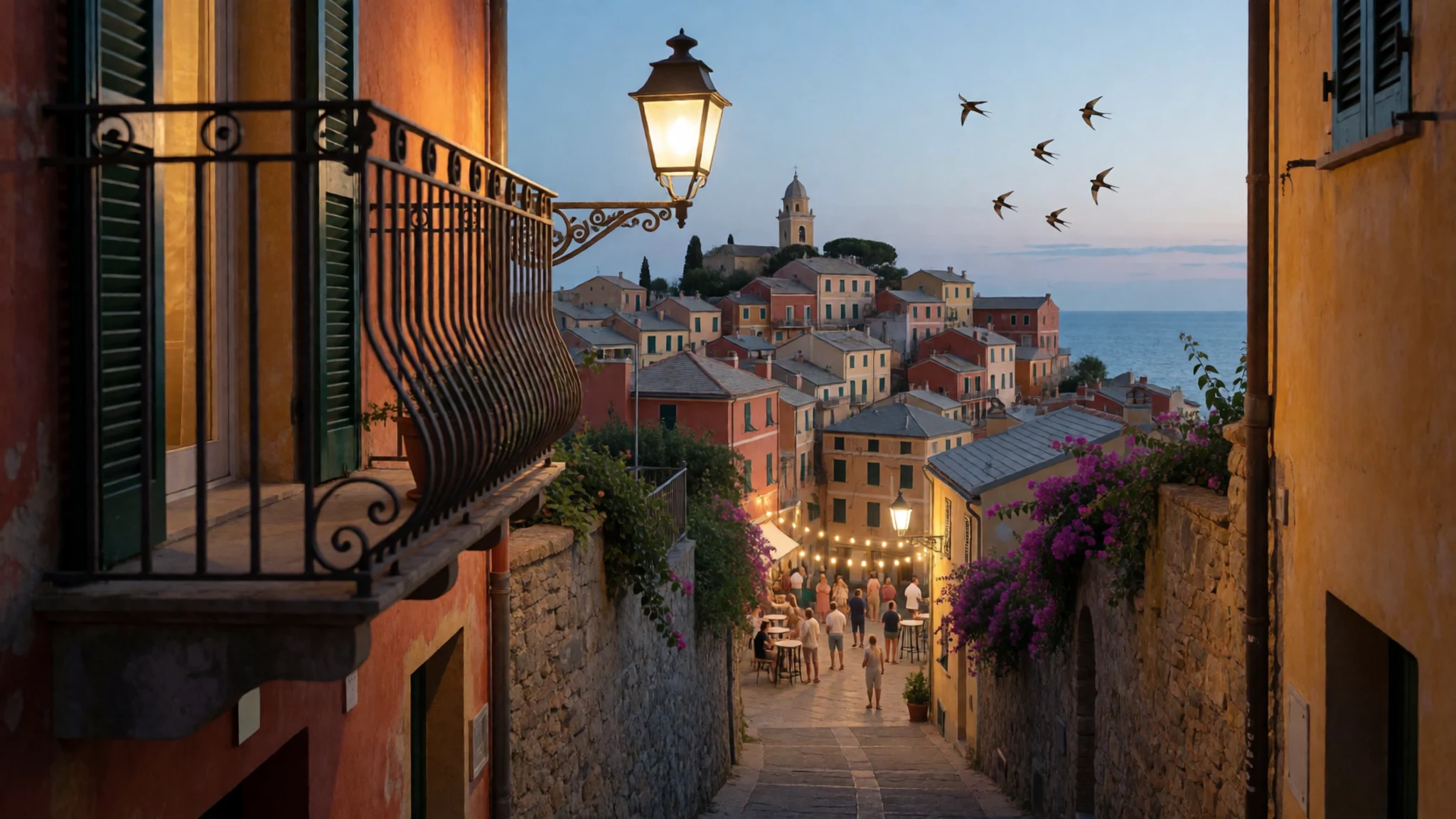
- Marciana Marina — Marciana Marina, north coast
Marciana Marina is a small harbour town on the north coast, with Monte Capanne rising behind it. Fishing boats, a short waterfront and cafés set a slow pace. It suits travellers who prefer a village base to a resort, and it is a calm place for an unhurried evening walk.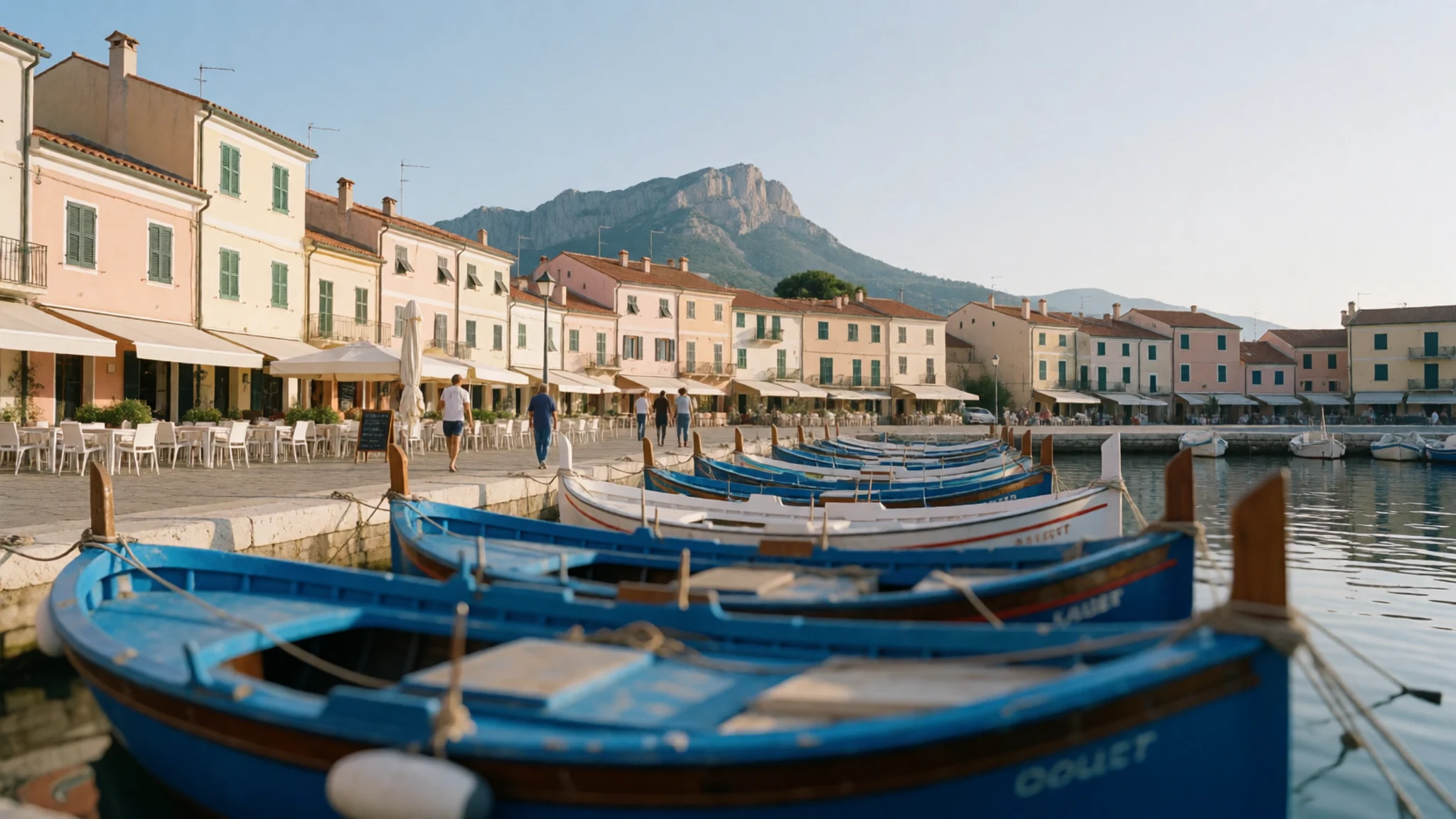
- Fetovaia beach — Fetovaia, south-west coast
Fetovaia is a beach on the south-west coast that can be reached by bus, so a car is not essential. Like most of Elba's best bays, it fills up in July and August, so go early or choose a shoulder-season day. Bring water, shade and shoes for the rocks at the edges.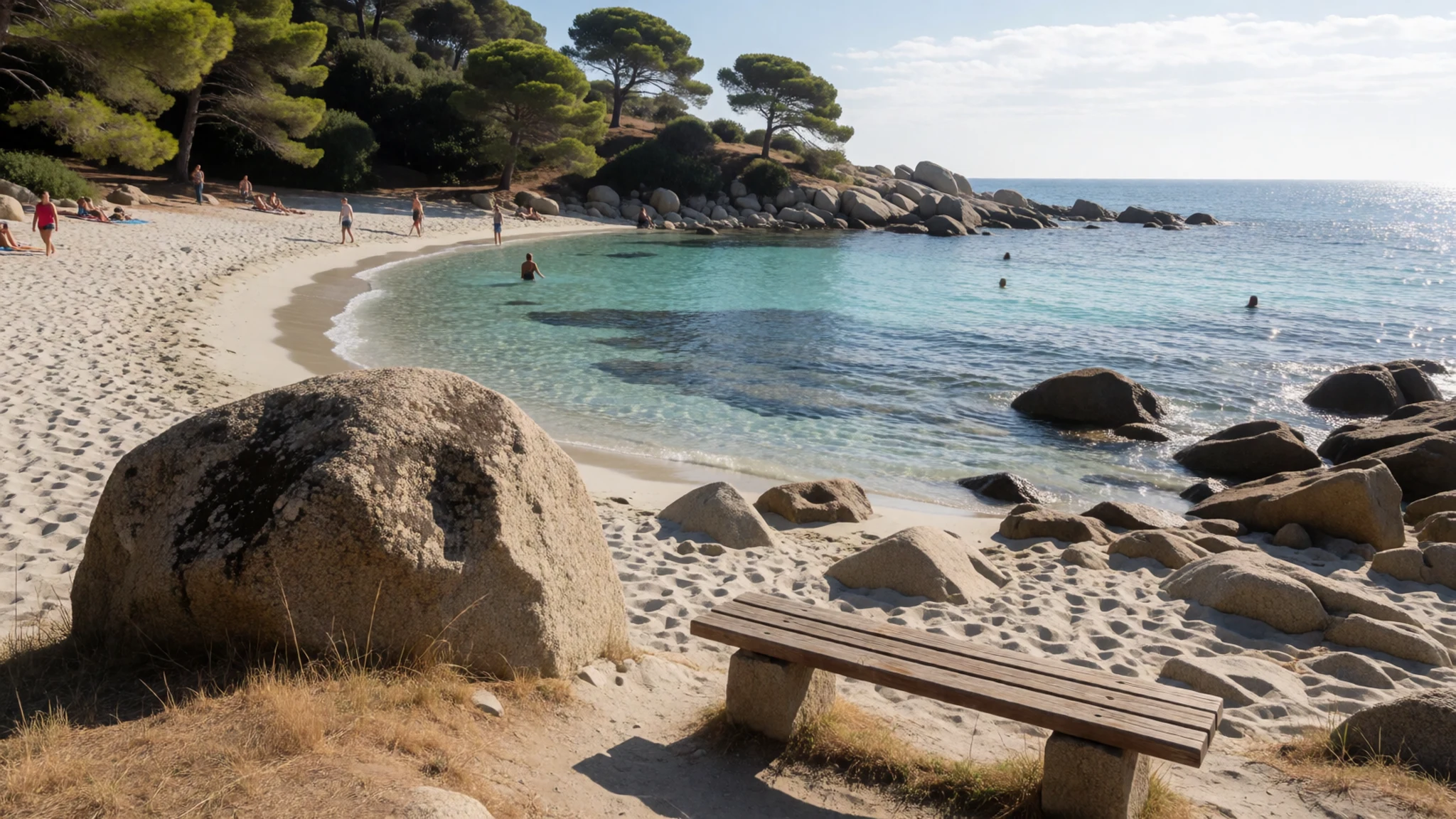
- Parco Minerario and the mining area — Rio, eastern Elba
The mining park around Rio runs two archaeological museums and guided tours of the old workings, by mining train and by off-road vehicle. Reservation is required, so book ahead through the park's official channels. The tours explain why iron shaped Elba's history and why the earth here is so red.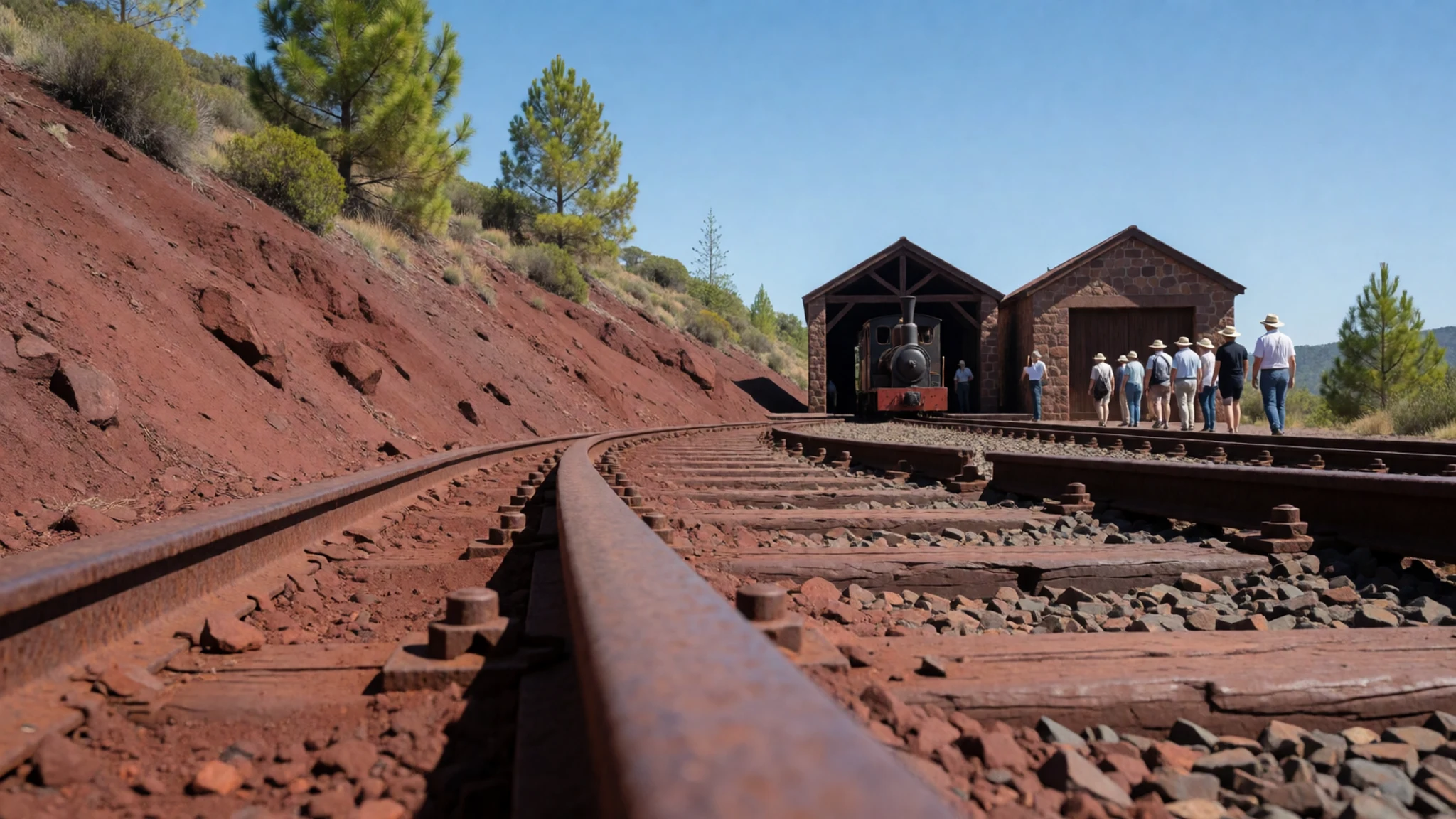
Culture
Elba's culture is that of a Tuscan island: Italian first, with a seafaring and mining streak. Daily life revolves around the harbour, the piazza and the church bells. Evenings are for the passeggiata, the slow stroll when families, teenagers and older couples walk the waterfront or the lanes of a hill town, and visitors are welcome to join in. Many villages hold patron-saint festivals in summer, with processions, music and long outdoor meals. Dates vary by village, so ask at the local tourist office rather than planning around a fixed day. Napoleon's presence still colours local pride, and Portoferraio keeps his memory alive through its museums and houses. Mining heritage matters just as much: Rio and its surroundings treat their iron past as part of their identity, and guided tours underground or by mining train explain it well. The old stone churches scattered through the interior are often small and quiet, looked after by parishes rather than run as ticketed monuments. Diving, hiking and cycling draw a large outdoor crowd, and outside peak summer the pace is unhurried. Shops often close in the early afternoon and reopen in the evening, a rhythm worth fitting around rather than fighting. Greet people with a buongiorno or buonasera when you walk into a shop or café, and cover your shoulders and knees before stepping into a church.
What to wear
Elba has no everyday traditional costume that a visitor will meet today, and it is more honest to say so than to invent one. The older working clothes were practical: wool and heavy cotton for miners and farmers, linen and hemp for fisherfolk and sailcloth, and straw hats for fieldwork. Some village festivals in summer bring out period dress for processions, but that is pageantry rather than daily wear. What people actually wear now is relaxed Italian island style: linen shirts, cotton dresses, shorts, canvas shoes and sandals by day, with a neater shirt or dress for dinner in Portoferraio or Capoliveri. Sunglasses and boat shoes are everywhere, and swimwear belongs on the beach; strolling through town in a wet swimsuit looks out of place. Visitors should dress for heat and sun in summer: light cotton or linen, a wide-brimmed hat and strong sun protection. Sturdy trail shoes or light boots matter for the granite paths on Monte Capanne and the old mining tracks, where loose stone is slippery, while sandals with grip help on pebble beaches. A light jacket or fleece is useful for spring and autumn evenings, and a rain layer covers passing showers. For churches, carry a scarf or light shirt to cover the shoulders, and keep the knees covered too.
What to eat
- Grilled fish and shellfish — Harbour-front eateries in Portoferraio, Marciana Marina and Porto Azzurro
Fish and shellfish landed by local boats appear grilled, fried or tossed through pasta across Elba. Simple cooking lets the sea flavour carry the dish. Ask for the day's catch rather than choosing a fixed menu item, and expect the freshest plates in the evening.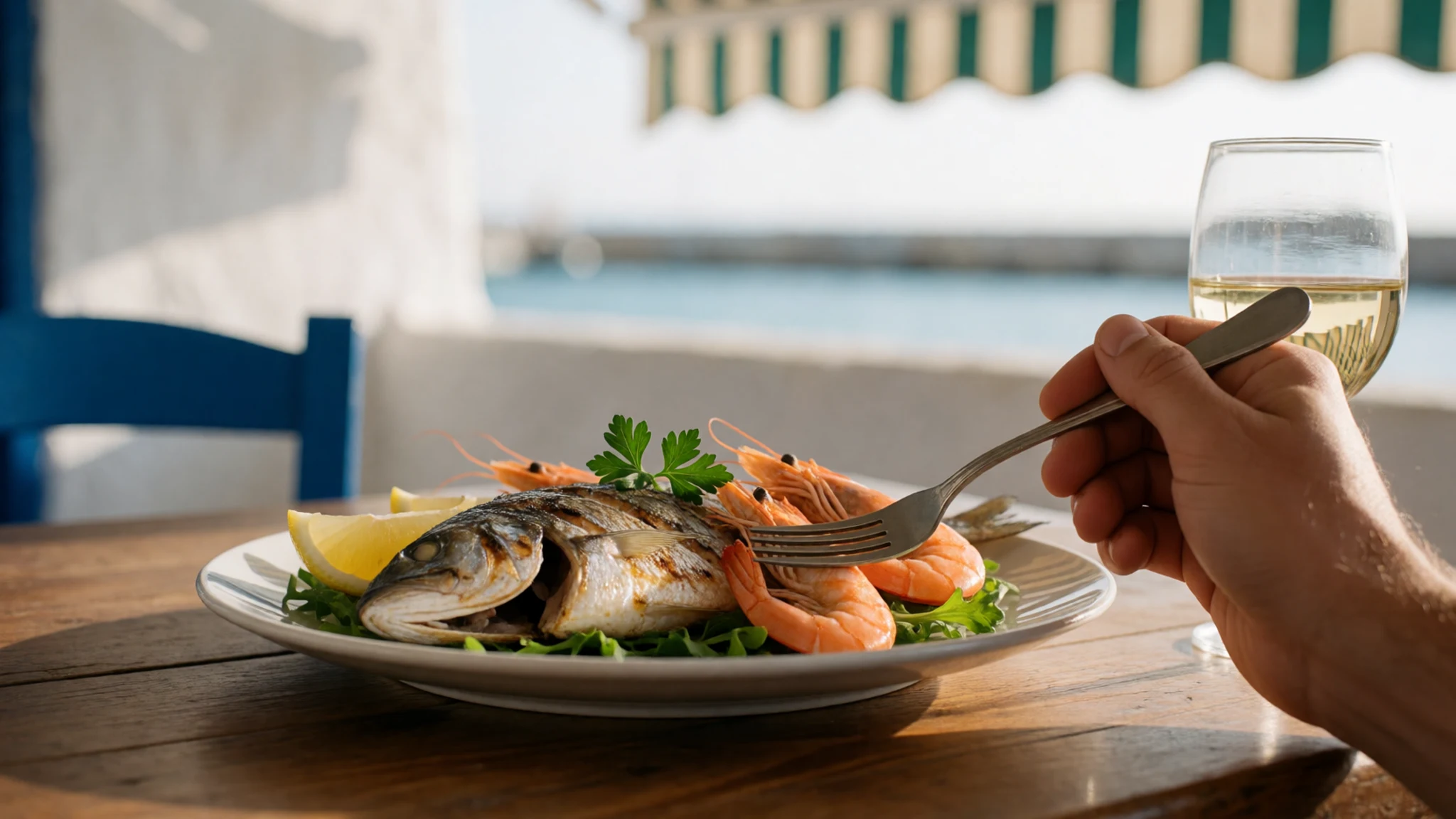
- Panzanella — Village trattorie and beach-side kitchens
A Tuscan summer salad of bread soaked with ripe tomatoes, onion, basil and olive oil. It is cool, tangy and filling, and a good lunch after a hot walk. The bread is the point, so it works best in simple, family-run kitchens.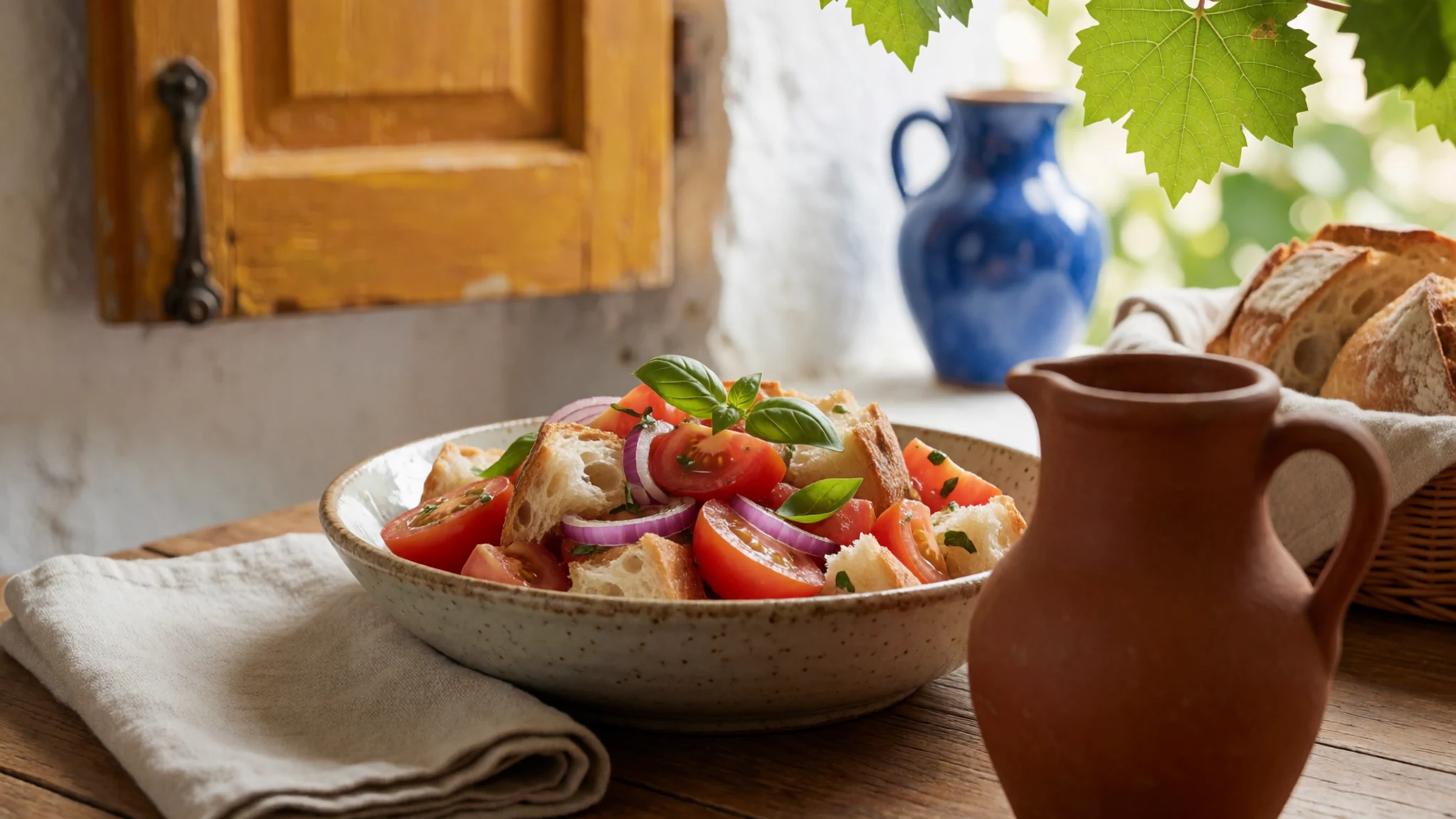
- Cacciucco — Seafood eateries near the harbours
A tomato-based fish stew from the Tuscan coast, thick with mixed fish and shellfish and served over toasted bread. Versions differ from cook to cook. It is a sharing dish that takes time to prepare, so order it early in the meal. - Schiaccia briaca — Village bakeries and pastry shops
A dense island sweet made with dried fruit, nuts and sweet wine, eaten after a meal or with coffee. Recipes differ between households and bakeries, so tasting a few slices is part of the fun. - Aleatico wine — Wine bars and cellars in Capoliveri and across the island
A sweet red wine made on Elba from the Aleatico grape, usually served with dessert or on its own. Other local wines are also worth trying, and many wine bars pour them by the glass alongside cheese and cured meats.
Plan it
Best time. May–June and September–October, when the sea is warm and the paths and beaches are quieter. July and August are hot, crowded and busy on the ferries; winter is mild but many seasonal businesses close.
How long. 3–4
Getting there. Fly to Pisa or Florence, then take a train to Piombino Marittima and the ferry to Portoferraio (a short crossing). Ferries from Piombino also carry cars and camper vans; check the operators or a booking site for current timetables.
Budget. mid
Tips
- Book car ferries well ahead for July and August
- Buses reach many beaches, including Fetovaia, so a car is optional
- Reserve mining park tours in advance as reservation is required
- Carry water and sun protection on hikes and at beaches
- Check the official site, visitelba.com, for current opening times
Etiquette
- Greet shopkeepers with buongiorno or buonasera
- Cover shoulders and knees in churches
- Take litter away from beaches and trails
Nearby
Sources
- Wikidata Q45328 (CC0)
- Wikipedia: Elba (CC BY-SA 4.0)
- Wikivoyage: Elba (CC BY-SA 4.0)
- Tuscan archipelago map (NormanEinstein) (CC BY 3.0)
- Elba2021OSM map (Kelisi) (CC BY-SA 4.0)
- Aufstieg-und-Niederfall-Napoleons (Johann Michael Voltz) (Public domain)
- Napoléon Ier quittant l'île d'Elbe (Joseph Beaume) (Public domain)
- Mount Capanne (Contradictus) (CC BY-SA 1.0)
- Elba Enfola (CC BY 3.0)
- Marciana Marina harbour and Monte Capanne (Wolfgang Sauber) (CC BY-SA 1.0)
- Capoliveri (Gregory Zeier) (CC BY 3.0)


