Edinburgh Castle
Edinburgh Castle, United Kingdom
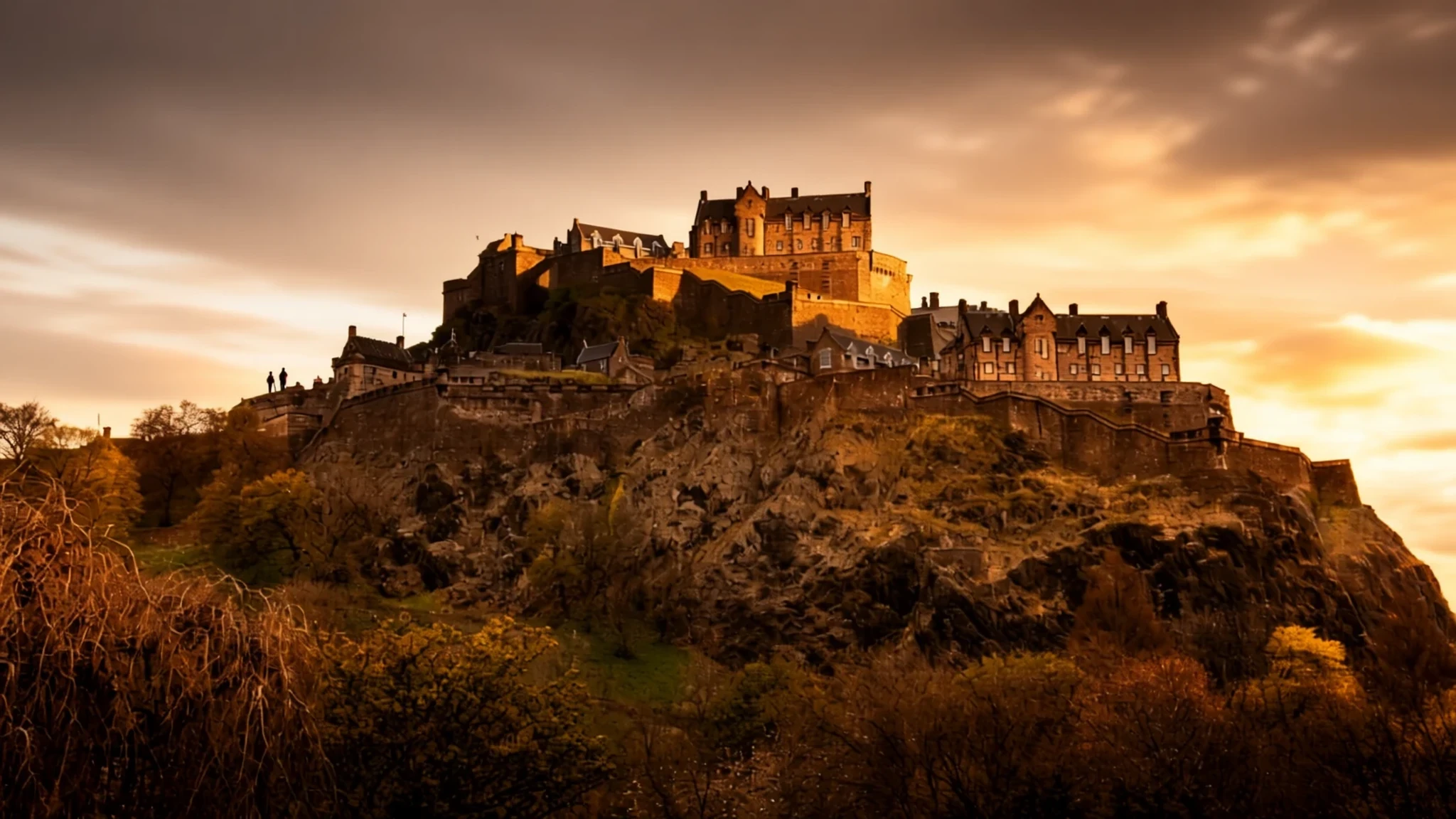
Edinburgh Castle sits on a volcanic crag above the city, and its walls, chapels and views repay a slow, full morning.
The place
Edinburgh Castle stands on Castle Rock, a steep crag that dominates the middle of Scotland's capital. People lived on the rock long before the first stone walls went up, and most of the fortress as it stands today dates from rebuilding after the Lang Siege of 1573, though St Margaret's Chapel is early 12th century and a royal castle is recorded from the 11th. Over the centuries it has been a royal home, a store for the crown jewels and state papers, a mint, a prison and a barracks. Its military role has shaped most of what survives, so medieval chapel, great hall and nineteenth-century barracks sit within a short walk of one another.
The layout is easy to read. The only gently sloping side faces east, which is where the main approach climbs from the Esplanade towards the gatehouse. The other sides fall away in cliffs. Inside, the ground rises in terraces, and the paths are a mix of cobbles, steps and worn stone, so comfortable footwear matters more than fashion.
The views are the main reward. From the ramparts the Old Town's roofs and closes spread out below, and on clear days the eye carries north and east towards the sea. Weather changes quickly on the rock, and a bright morning can turn cold and windy by lunchtime, so a light waterproof is worth carrying even in summer.
The crowds are the main downside. Coaches and cruise groups arrive in waves around midday, and the Royal Mile below fills in the same hours. Timed tickets are the norm, and the official site lists current prices and opening details.
Its story
Edinburgh Castle grew out of the remains of an ancient volcano. The rock beneath it is the plug of an extinct volcano that formed roughly 350 million years ago. Molten rock hardened inside the old vent into dolerite, a dense form of basalt that outlasted the softer sandstone around it. Later, moving ice wore away the land to the east and left a steep face on three sides and a gentle slope of ground on the east, a shape geologists call a crag and tail.
That gentle east side is the only easy way up, which made the summit an obvious place to defend. Archaeologists have not yet established when people first used the rock, but a royal castle is recorded from the reign of Malcolm III in the 11th century, and the crown used it as a residence until 1633. From the 15th century royal life moved elsewhere, and the fortress became chiefly a military garrison.
Its position drew attacks. Research in 2014 counted 26 sieges, which supports a claim that the castle is the most besieged place in Great Britain. Water was a constant problem, because basalt does not hold groundwater well and a deep well could still run dry in a drought. The castle was fought over in the Wars of Scottish Independence and again during the Jacobite rising of 1745.
It also kept the Honours of Scotland, the national regalia, and at various times served as a prison, a mint and a national archive. Serious restoration began in the 19th century, when people started to see the castle as part of the nation's heritage.
What to see
- The Crown Room and the Honours of Scotland — Upper Castle, central summit
The Honours of Scotland, the crown, sceptre and sword of state, are displayed in the Crown Room in the castle's older core. The regalia is one of the oldest sets of royal insignia in Britain, and it is worth allowing time for the room rather than rushing past. Expect a queue at busy times, and check the official site for opening details before you go.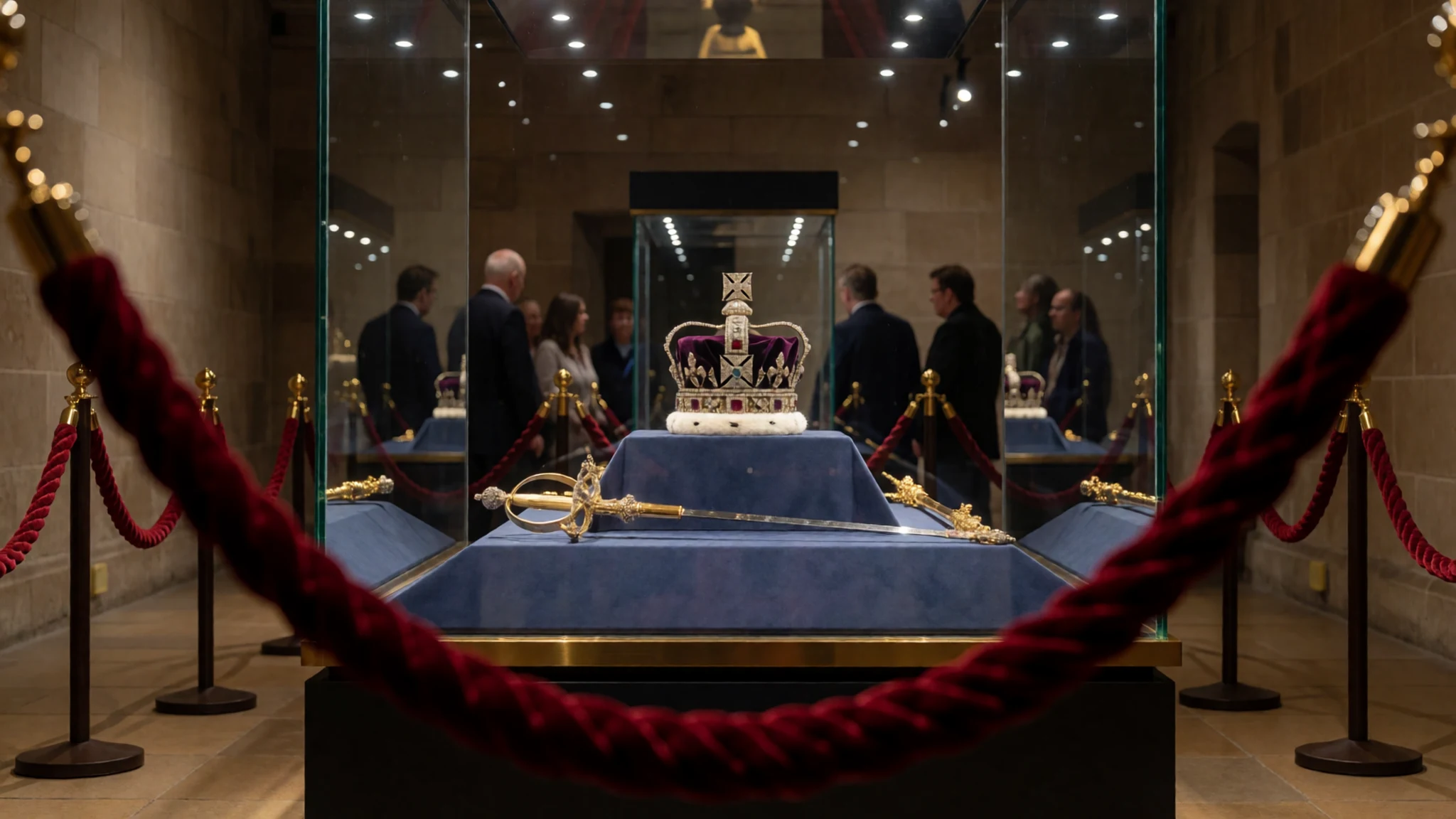
- St Margaret's Chapel — Summit, near the Crown Square
The small chapel on the summit is the oldest surviving building in Edinburgh, a plain stone room with a rounded arch and very thick walls. It is dedicated to Queen Margaret, and its modest size makes it easy to see in a short visit. Step inside quietly, as it is still treated as a place of reflection.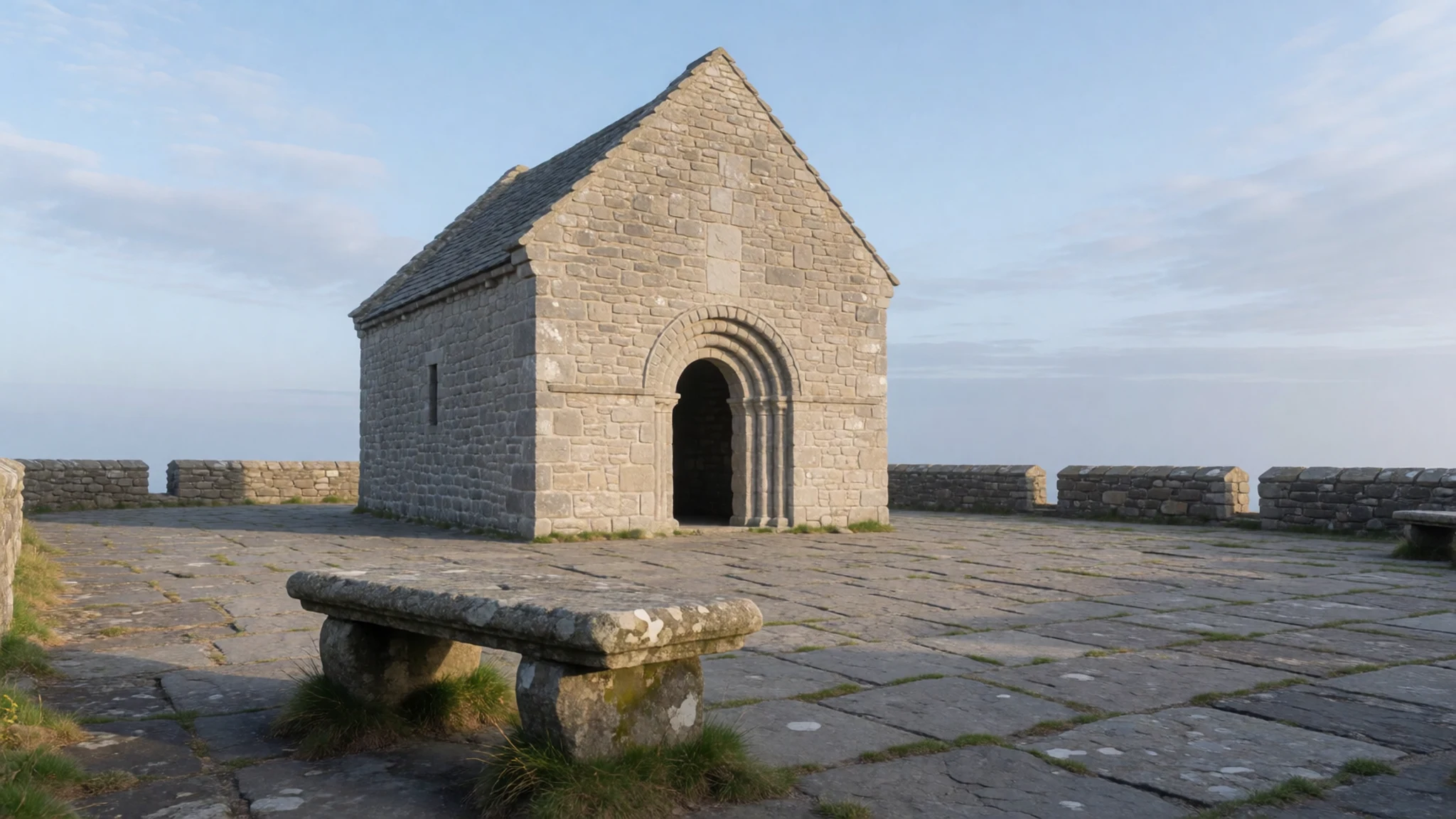
- The Great Hall — Upper Castle, north of the Crown Square
The Great Hall was built in the early 1500s for royal feasts and ceremonies, and its timber roof is the main attraction. It is set up with displays on the castle's history and is often used for exhibitions. The stonework and carved details reward a slow look, especially the screens and fireplaces at either end.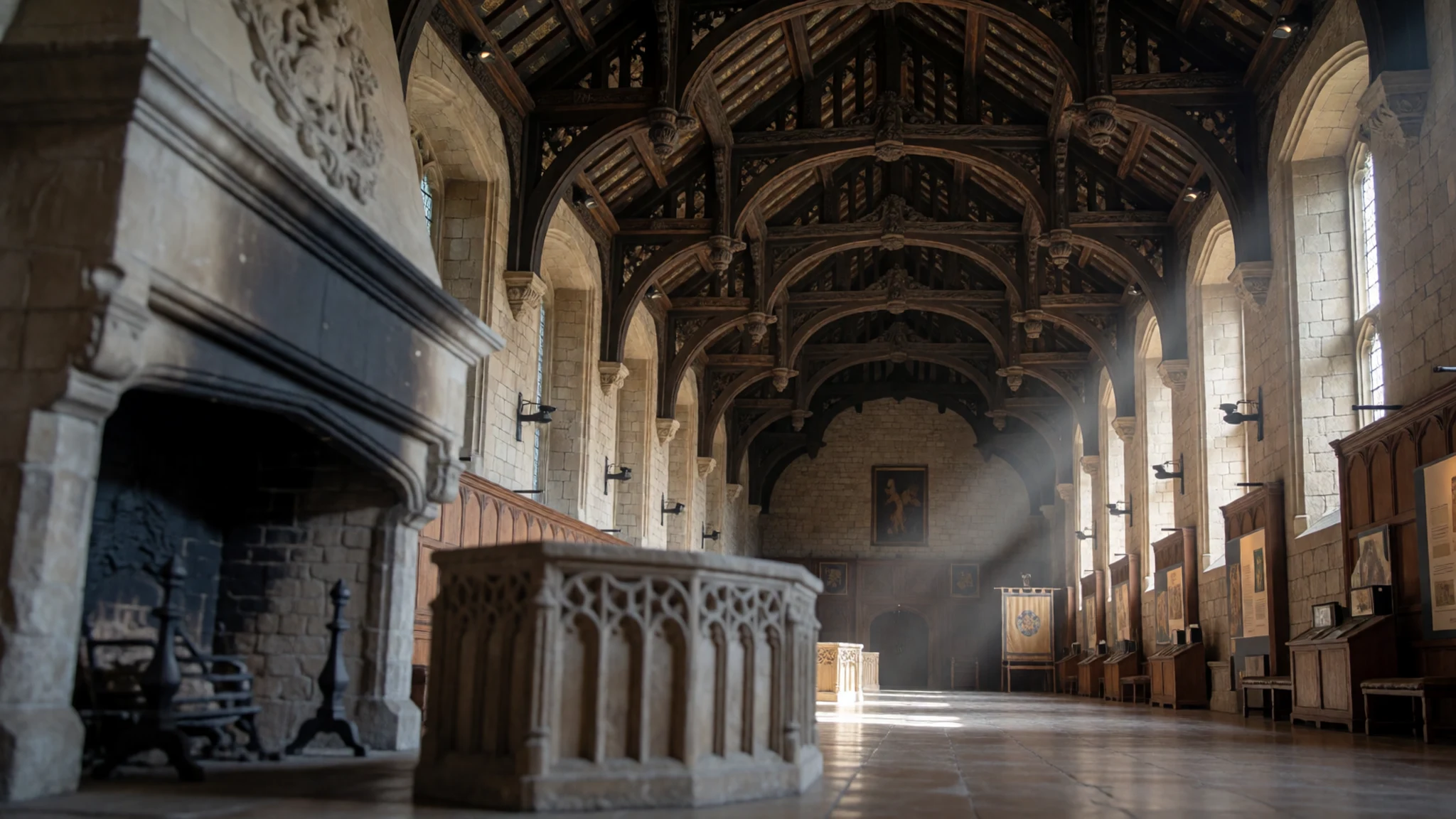
- The gatehouse and the statues of Bruce and Wallace — East approach, from the Esplanade
The main entrance is a gatehouse on the east side, and above its arch stand statues of Robert the Bruce and William Wallace. The approach from the Esplanade climbs gently, which is why this side was chosen for defence. It is a good place to pause for a photograph before the crowds on the stairs build up.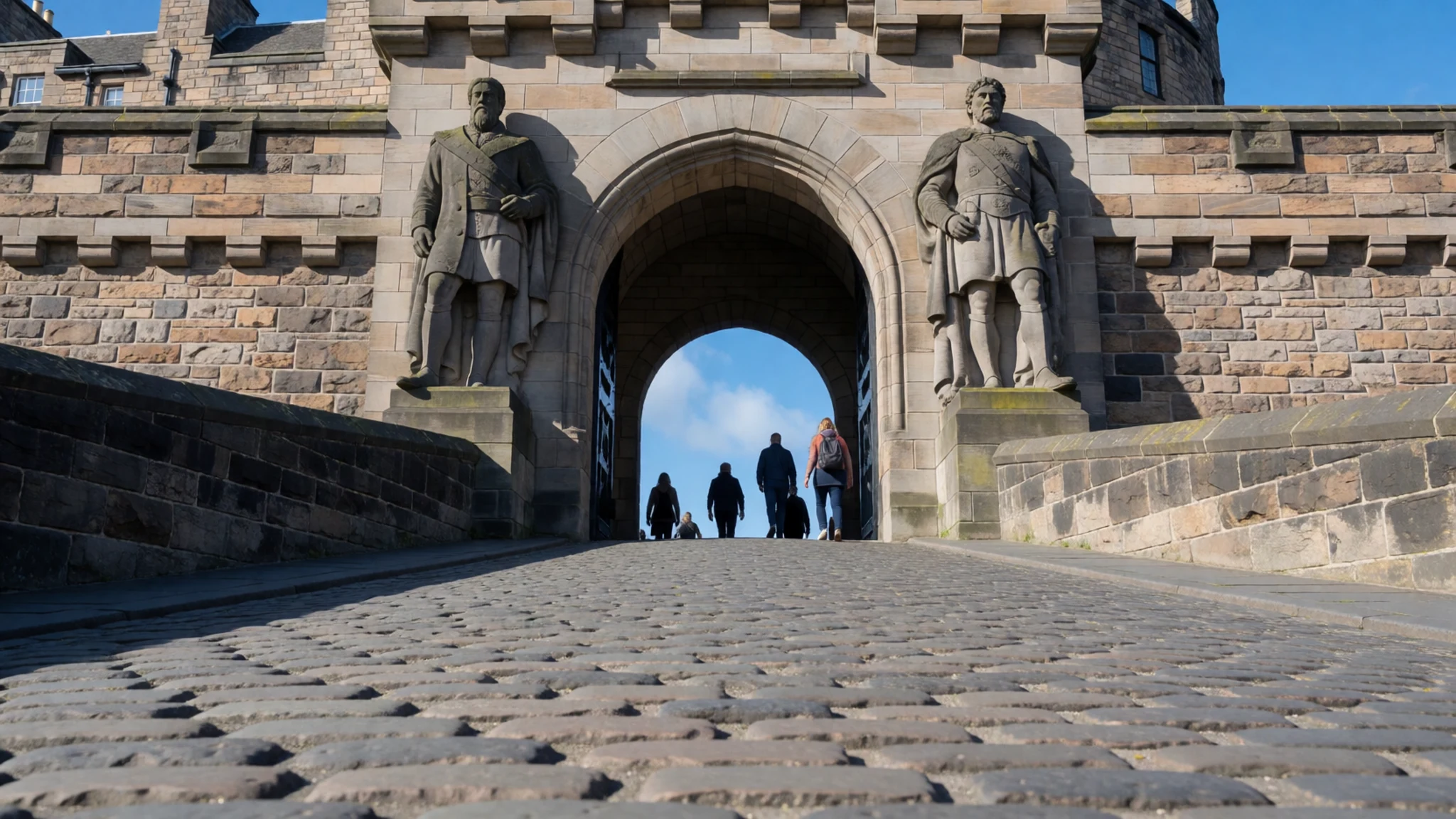
- The Esplanade and the view from the Grassmarket — Esplanade and Grassmarket, below the castle
The Esplanade is the open ground below the castle's east front, used for the Military Tattoo and other large events. From the Grassmarket to the south, the castle rises above the rooftops and the stone of the rock is clear to see. It is one of the best ways to appreciate the crag on which the fortress sits.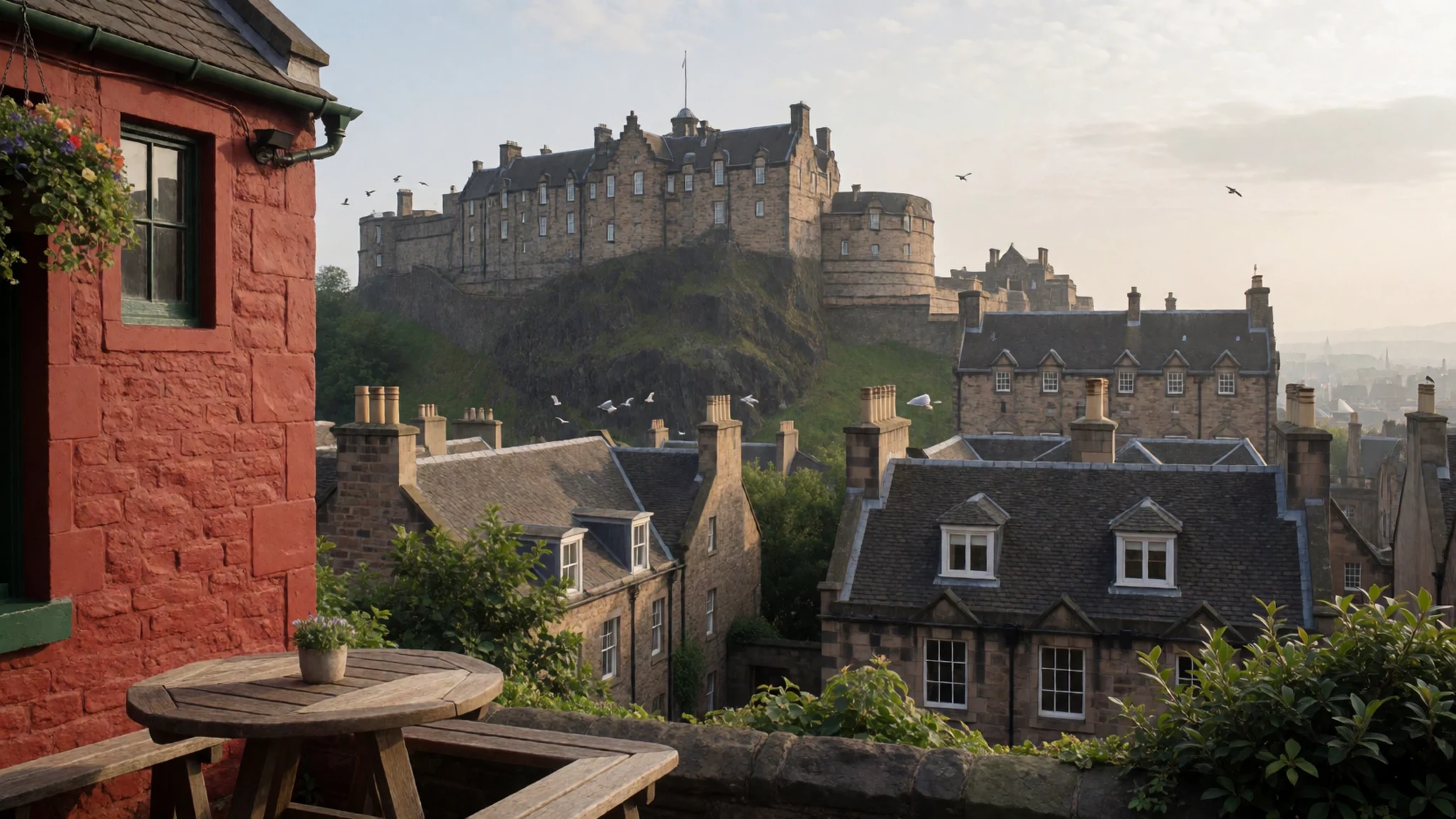
Culture
Edinburgh Castle is the best-known symbol of a country with a strong sense of its own identity, and visitors often hear the Scots and British terms used with care. Many people from Scotland describe themselves as Scots or Scottish first, and calling them British can irritate some. Avoid the word Jock, and do not call Scottish people Scotch, which some find offensive.
Scots, the language, is also a matter of pride. Opinion is divided on whether it is a dialect of English or a separate language in its own right, so avoid settling the question as a visitor. Politics is another common topic. Scottish independence and the way the United Kingdom is run are debated openly, and many people hold views that differ from one another.
At the castle, follow the signs and staff instructions in the Crown Room and St Margaret's Chapel, where people are asked to keep their voices low and to photograph discreetly.
What to wear
Edinburgh Castle is linked in many minds with the traditional dress of the Highlands, and tartan and the kilt are a visible part of the city's identity. The kilt is a pleated woollen garment, usually worn in a clan or family tartan, and its textiles are mostly wool, with tweed used for jackets and waistcoats. Highland dress is worn at weddings, formal dinners, and festive occasions such as Burns Night, rather than in everyday life.
In the city today, people dress much as they would anywhere in northern Europe. Dark coats, jeans, knitwear and waterproof jackets dominate the streets, and a kilt is more likely to be seen at a wedding or a celebration than on a weekday morning. Some people wear tartan scarves or ties as a light nod to heritage.
For a visit to the castle, dress in layers and bring a waterproof shell, since the rock catches wind and rain. Footwear is the key decision: the cobbles, steps and uneven stone of the Royal Mile and the castle grounds call for flat, grippy shoes rather than smart soles. Modesty norms are relaxed at the castle, though a lightweight scarf is useful for chilly chapels and the Crown Room.
What to eat
- Cullen skink — Pubs and seafood restaurants in the Old Town
A thick soup of smoked haddock, potato, onion and cream, named after the town of Cullen on the northeast coast. It is a classic starter on traditional Scottish menus, especially in pubs and seafood restaurants around the Old Town. Ask for it in a pub on a cold day, when its smoky richness is most welcome.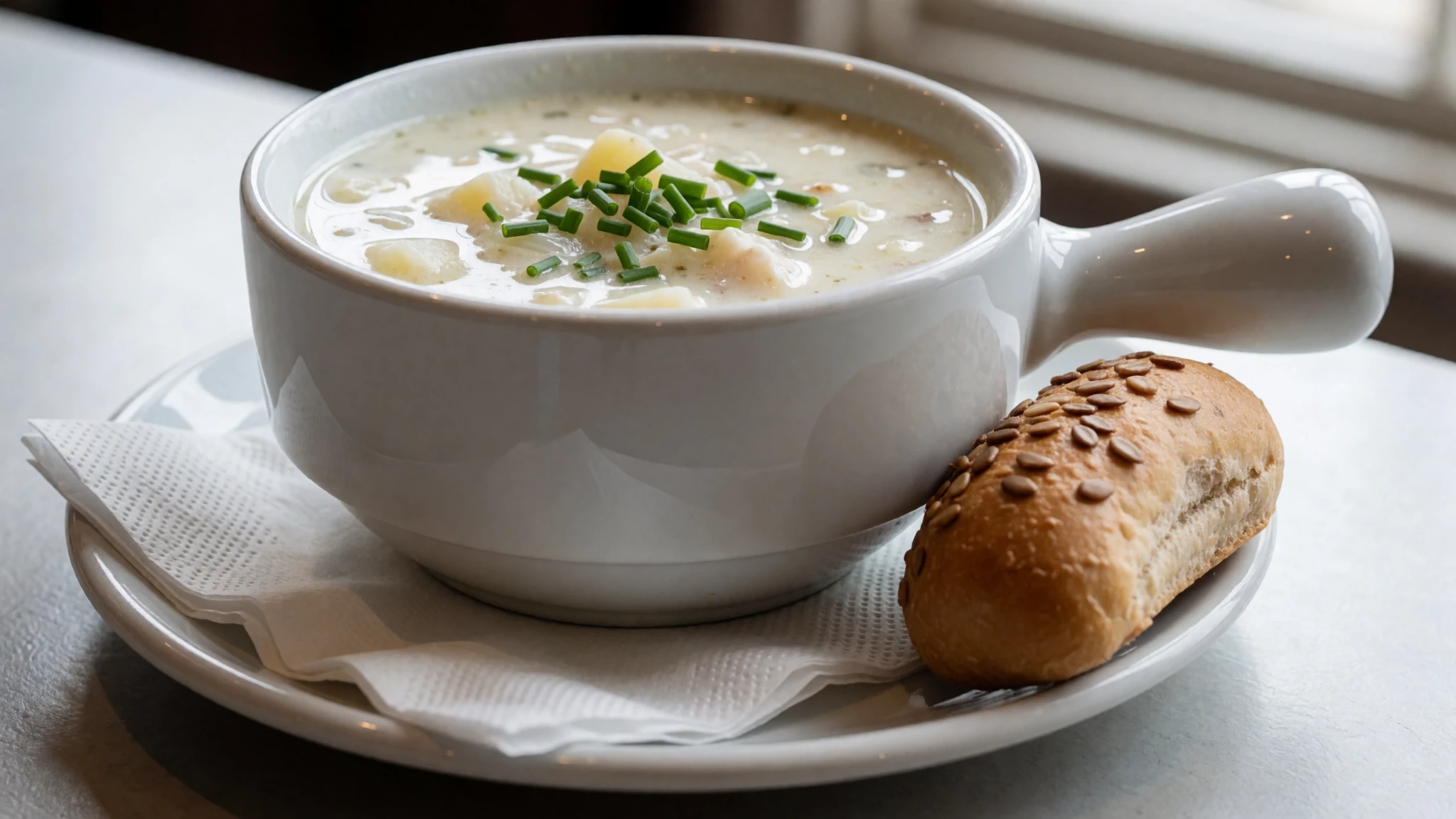
- Partan bree — Seafood menus, especially in Leith and the harbour area
A traditional seafood soup made mainly from crab, with rice to thicken it, and most often found in the northeast of the country. In Edinburgh it appears now and then on seafood menus, so look for it when a restaurant is showing local fish. It is lighter than many chowders and worth comparing with cullen skink.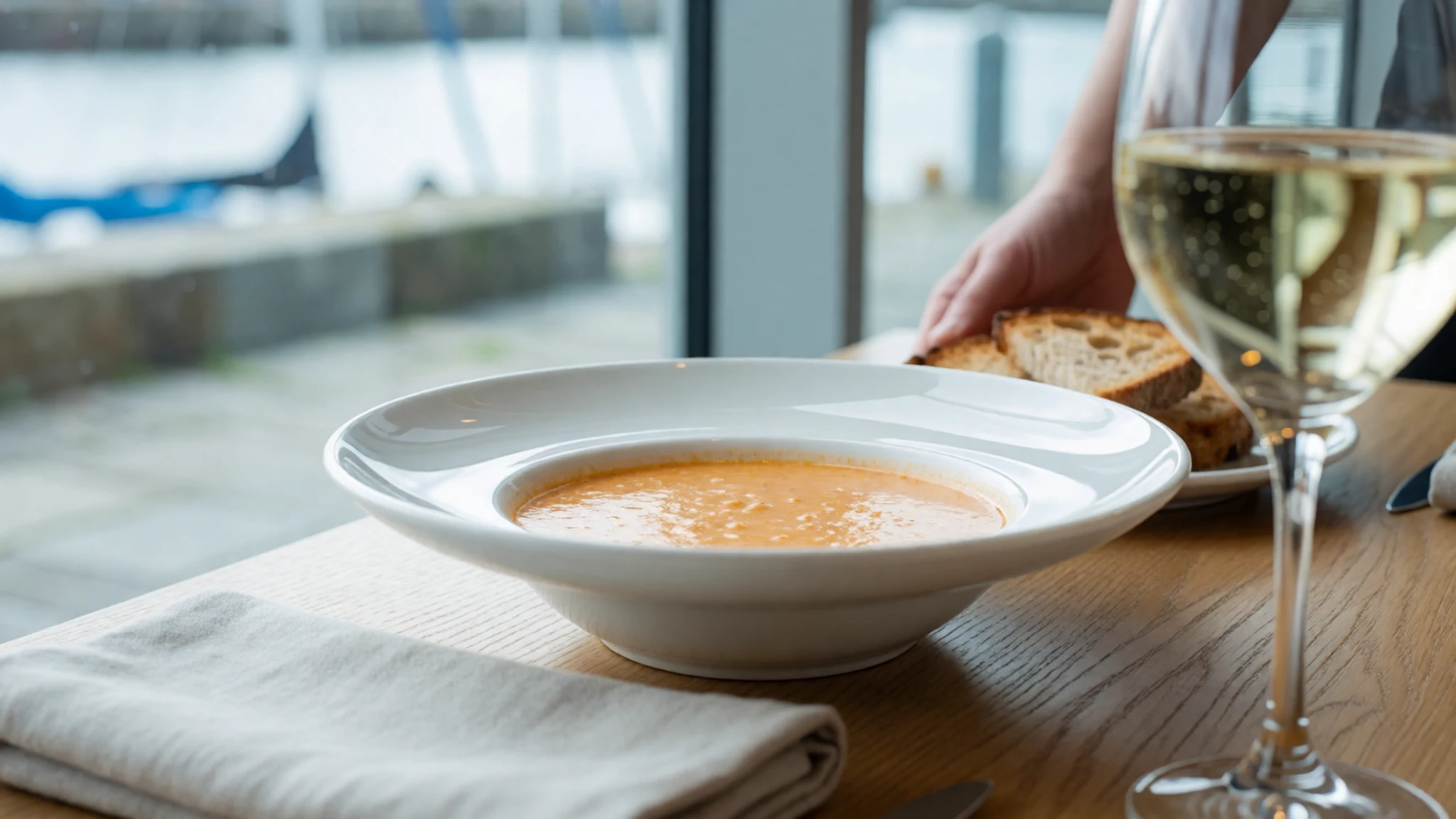
- Chicken tikka masala — Curry houses in the city centre and suburbs
A curry of spiced, grilled chicken in a creamy tomato sauce, found in almost every curry house in Scotland. Its origin is disputed, though Glasgow is often credited with inventing it, and it is now a dish Scots treat as their own. Curry houses across Edinburgh serve it, and the best are busy in the evening.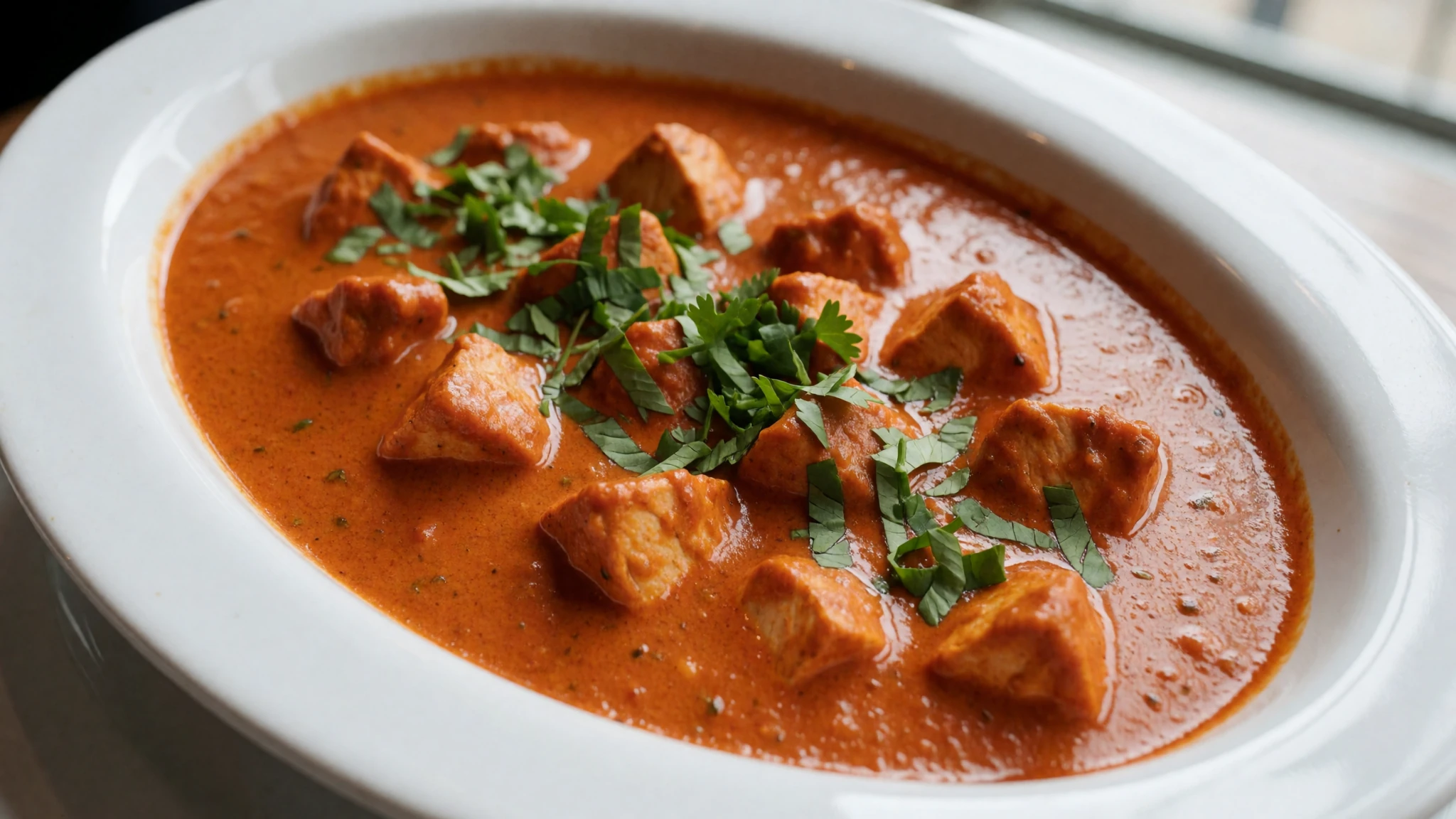
- Haggis, neeps and tatties — Traditional pubs on the Royal Mile and modern Scottish restaurants
Haggis is a savoury pudding of minced offal, oatmeal, onion and spices, served with mashed swede, called neeps, and mashed potato, called tatties. It is the national dish and a regular feature on the menus of traditional pubs and modern Scottish restaurants. Try it at a pub on the Royal Mile or a restaurant that specialises in local produce.
Plan it
Best time. Late spring (April to June) and September bring mild days and fewer crowds than midsummer, while October turns much wetter. Summer is the busiest season, and the August festival fills the city, so book timed tickets well ahead if you travel then. Winter days are short and often cold and wet on the exposed rock.
How long. 2
Getting there. Edinburgh Airport is the main gateway, with a tram into the city centre and a walk up the Royal Mile to the castle. Most international flights arrive in Edinburgh or Glasgow, and trains from Glasgow connect to the city in about an hour.
Budget. mid
Tips
- Book timed tickets online before you travel, especially for summer weekends
- Arrive at opening time or late in the afternoon to avoid the midday coach crowds
- Carry some cash for small purchases, though cards are widely accepted
- Wear flat, grippy shoes and a light waterproof, since the castle is exposed to weather
- Check the official site for current prices, and ask whether a multi-day or membership pass suits your plans
Etiquette
- Keep voices low in the chapel and the Crown Room
- Follow staff instructions and posted signs about photography
- Call people Scots or Scottish rather than British, and avoid the word Jock
Nearby
Sources
- Wikidata Q212065 (CC0)
- Wikipedia: Edinburgh Castle (rev 1382849807) (CC BY-SA 4.0)
- Wikivoyage: Scotland (rev 5375879) (CC BY-SA 4.0)
- Edinburgh Castle from the Grassmarket, Stephencdickson (CC BY-SA 4.0)
- Edinburgh Castle from Esplanade 20211019, Daniel Kraft (CC BY 3.0)
- Crag and tail, Jonathan Oldenbuck (CC BY 3.0)
- Edinburgh Castle from Grass Market, George Washington Wilson / Adam Cuerden (CC BY 2.5)
- Edinburgh Castle from the North, Kim Traynor (CC BY 3.0)
- Yr Hen Ogledd c. 550 to c. 650, Koch (CC BY 3.0)
- St. Margareths Chapel, Edinburgh, Kjetil Bjørnsrud (CC BY 3.0)
- Statues of Robert the Bruce and William Wallace, Md.altaf.rahman (CC BY 3.0)


