Diu
Diu, India
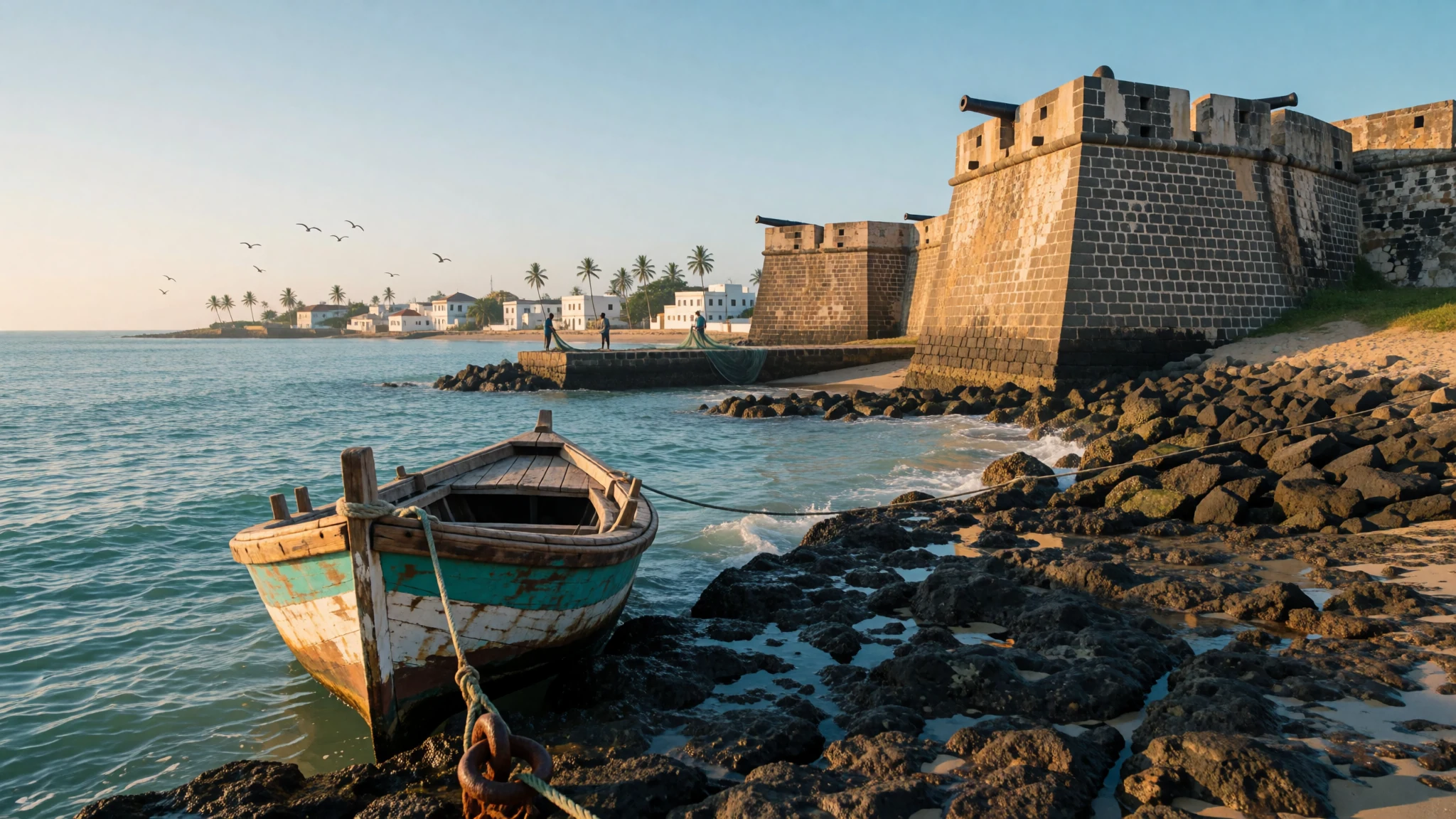
Diu offers a quiet island escape with deep maritime history, Portuguese-era fortifications, quiet coastal stretches, and a relaxed atmosphere by the Arabian Sea.
The place
Diu sits quietly at the eastern tip of Diu Island off the coast of Saurashtra, functioning as a historic fishing town with distinct echoes of its colonial past. The island itself is flat, lying right at sea level, and experiences a tropical savannah climate where nearly all annual rain arrives during the monsoon months from June to September. Life here moves at a gentler pace than the bustling mainland of Gujarat just across the bridge. Narrow lanes wind past whitewashed houses, old stone walls, and shaded squares where the sea breeze carries the scent of salt and drying fish. Home to a modest population, the town combines a tight-knit local community with pockets of maritime heritage that mark its centuries as a strategic trading post. As part of its modern evolution, the municipality has pursued ambitious environmental goals, notably achieving complete daytime reliance on renewable energy. Visitors find a place that feels distinct from the rest of the union territory, blending coastal rhythms with quiet historical curiosities that reward slow exploration on foot or by bicycle.
Its story
For centuries, the shores of Diu held immense value for merchants and rulers navigating the Arabian Sea and the wider Indian Ocean. Its position made it a coveted prize in early modern maritime trade, drawing the attention of regional sultanates and European powers alike. The defining clash occurred in fifteen hundred and nine, when a coalition of Mamluks, Venetians, Ragusians, the Zamorin of Calicut, and the Sultan of Gujarat met the Portuguese navy in a momentous battle off the coast. Despite early resistance and failed attempts by successive Portuguese commanders to establish a foothold, the strategic balance shifted in fifteen hundred and thirty-five. Facing pressure from the Mughal emperor, the Sultan of Gujarat allied with the Portuguese and permitted them to build a massive fortress and station a garrison on the island. That alliance quickly broke down, leading to ferocious conflicts. In fifteen hundred and thirty-eight, local forces and Ottoman allies laid siege to the fortress, only to be beaten back by determined defenders. A second major siege followed, successfully repelled through desperate land and naval resistance. These struggles left behind the imposing stone fortifications that still define the island's silhouette today.
What to see
- Diu Fort — Diu town waterfront
Rising dramatically from the coastline, this massive sixteenth-century fortification bears witness to fierce historic sieges and intense naval battles. Thick stone bastions overlook the crashing waves of the Arabian Sea, housing old cannons, winding ramparts, and expansive views across the water that stretch toward the mainland.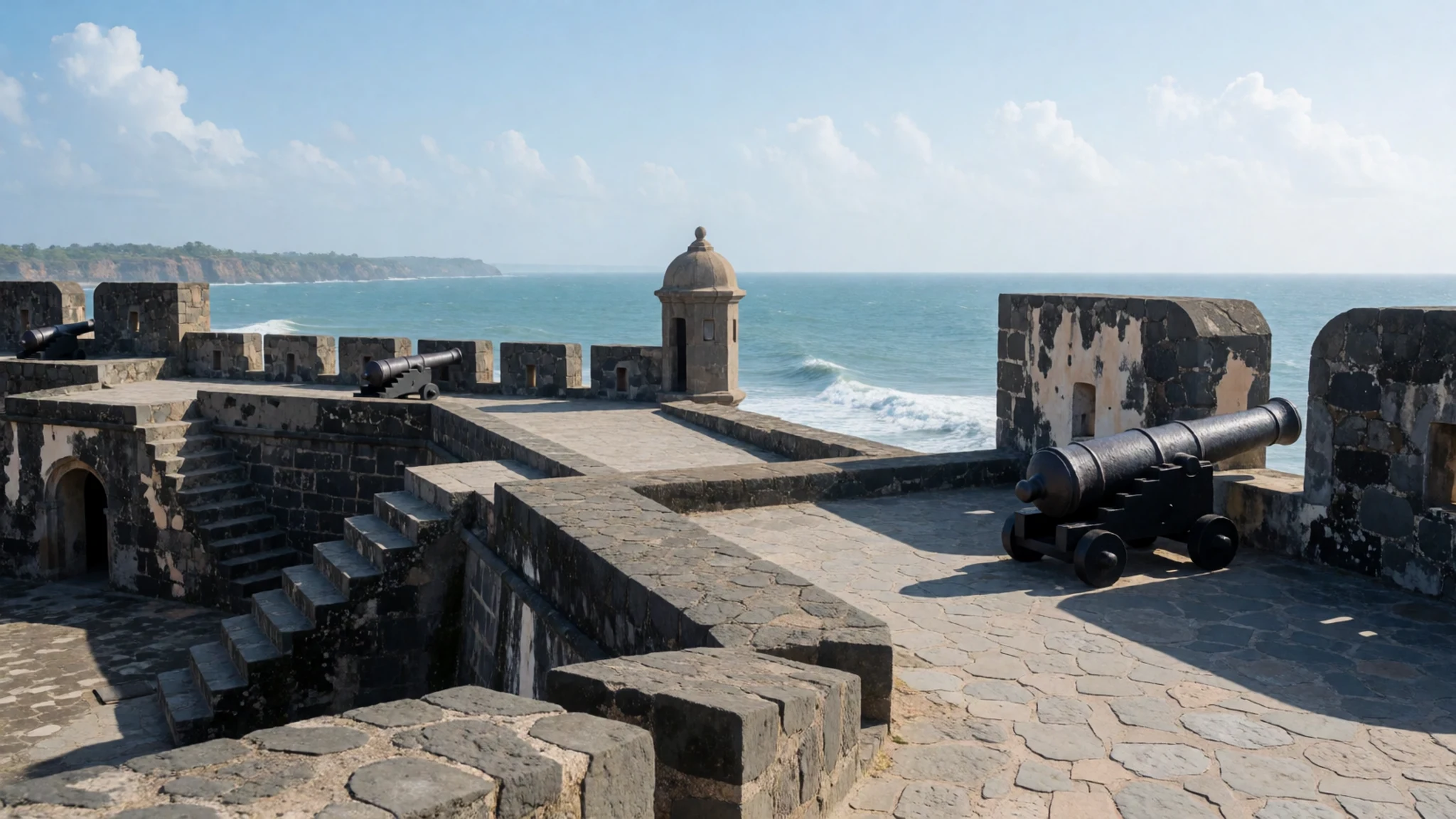
- St. Paul's Church — Old Diu
Completed during the period of Portuguese administration, this striking church is dedicated to the Apostle to the Gentiles. The white facade features intricate wood carvings and volutes, while the serene interior offers a cool retreat from the coastal heat and a glimpse into baroque religious architecture in western India.
- Gangeshwar Temple — Fudam village coast
Tucked away near the sea, this revered seaside shrine features five natural Shiva lingas positioned directly on the rocky shore where the tides wash over them continuously. Pilgrims and curious travellers visit during low tide to offer prayers amidst the sound of breaking waves and sea spray.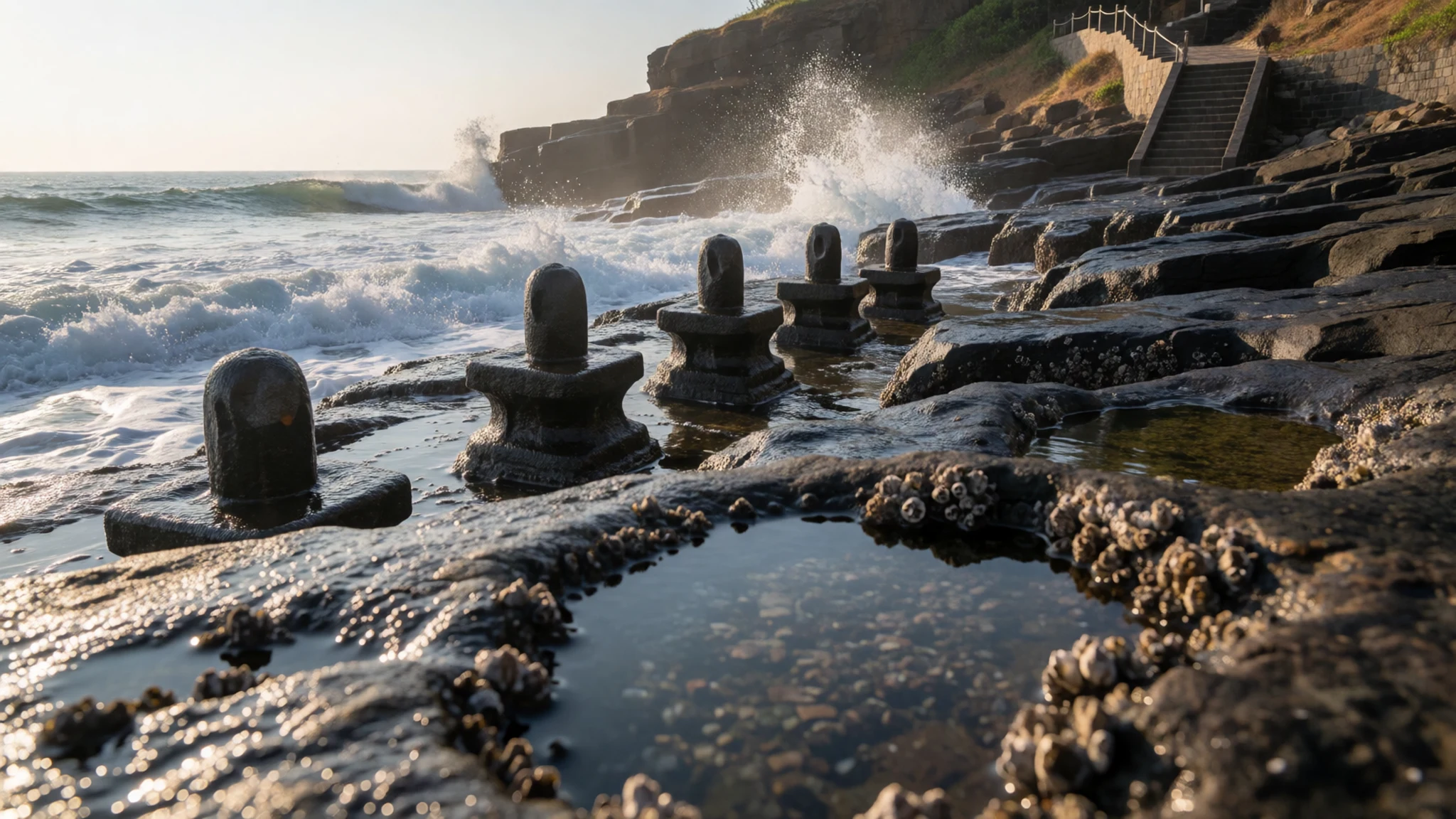
- Zampa Gateway — Diu town centre
Marking one of the historic entry points into the old town, this bright red gateway is adorned with intricate carvings depicting lions, angels, and priests. A small chapel sits right beside the archway, creating an interesting visual blend of local and colonial motifs in the heart of the streets.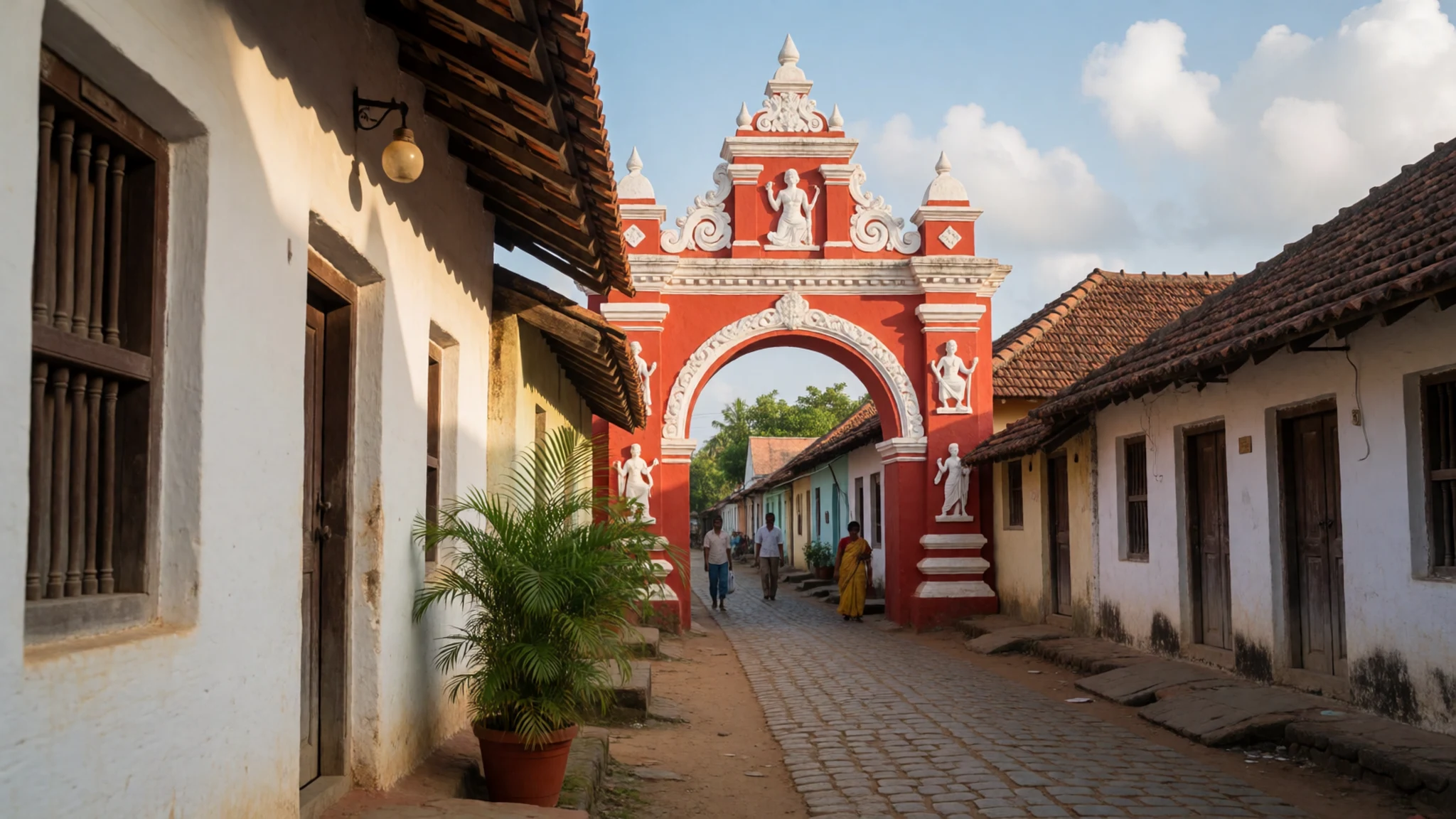
- Nagoa Beach — Nagoa
Framed by a gentle horseshoe curve of sand and swaying palm trees, this popular coastal stretch offers calm waters well suited for an afternoon stroll. Local hawkers line the paths, and the shore provides an easygoing atmosphere to watch the sunset over the Arabian Sea.
Culture
The cultural fabric of Diu is woven from a unique blend of Gujarati traditions and enduring legacies from centuries of Portuguese governance. Local communities maintain strong ties to the sea, celebrating seasonal festivals with distinct coastal rituals, traditional dances, and communal gatherings. Unlike the neighbouring dry state of Gujarat, alcohol is legally available here, which shapes a distinct weekend visitor culture along the shorelines and dining spots. Traditional music often echoes through the alleyways, mixing folk melodies with faint Iberian influences preserved in local festivities and architecture. Visitors will find residents remarkably hospitable, kind, and unselfish, eager to share stories of their island home over a cup of tea. When entering temples, churches, or traditional homes, always remove your footwear at the threshold as a mark of respect.
What to wear
Traditional daily attire in Diu reflects its coastal and agrarian roots. Local women often wear comfortable cotton saris or traditional Gujarati drapes suited to the warm tropical climate, while men frequently opt for light shirts and trousers or dhotis. Textiles are chosen for breathability, with lightweight cottons dominating daily wear to cope with the steady humidity and sea air. Modern clothing is widely worn by younger generations and urban visitors, including casual shirts, trousers, and modest western wear. For travellers exploring the island, loose-fitting cotton clothing, comfortable walking shoes for uneven cobblestones and historic ramparts, and sun protection are essential. When visiting places of worship or traditional neighbourhoods, dressing modestly with covered shoulders and knees ensures respectful engagement with the local community.
What to eat
- Fresh Seafood Curry and Rice — Local seafront eateries and neighbourhood shacks
Given its strong maritime heritage, the local diet relies heavily on the daily catch from the Arabian Sea. Tender fish simmered in a spiced, coconut-based gravy served alongside steamed rice forms the backbone of traditional coastal lunches.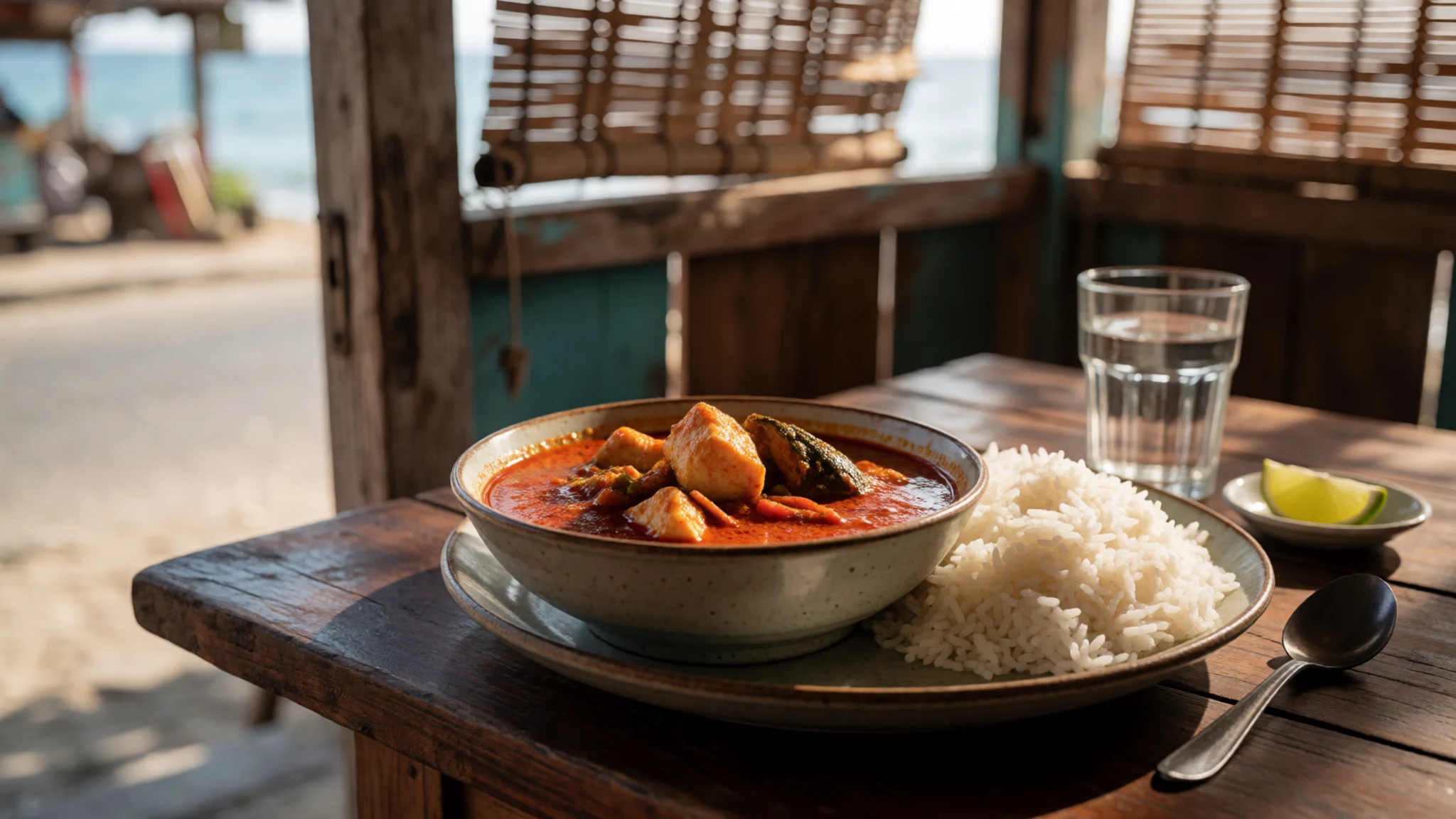
- Rotla and Sag — Traditional eateries across the town
A comforting staple of rural and traditional households, thick millet flatbreads are paired with seasonal vegetable preparations cooked with local spices for a hearty midday meal.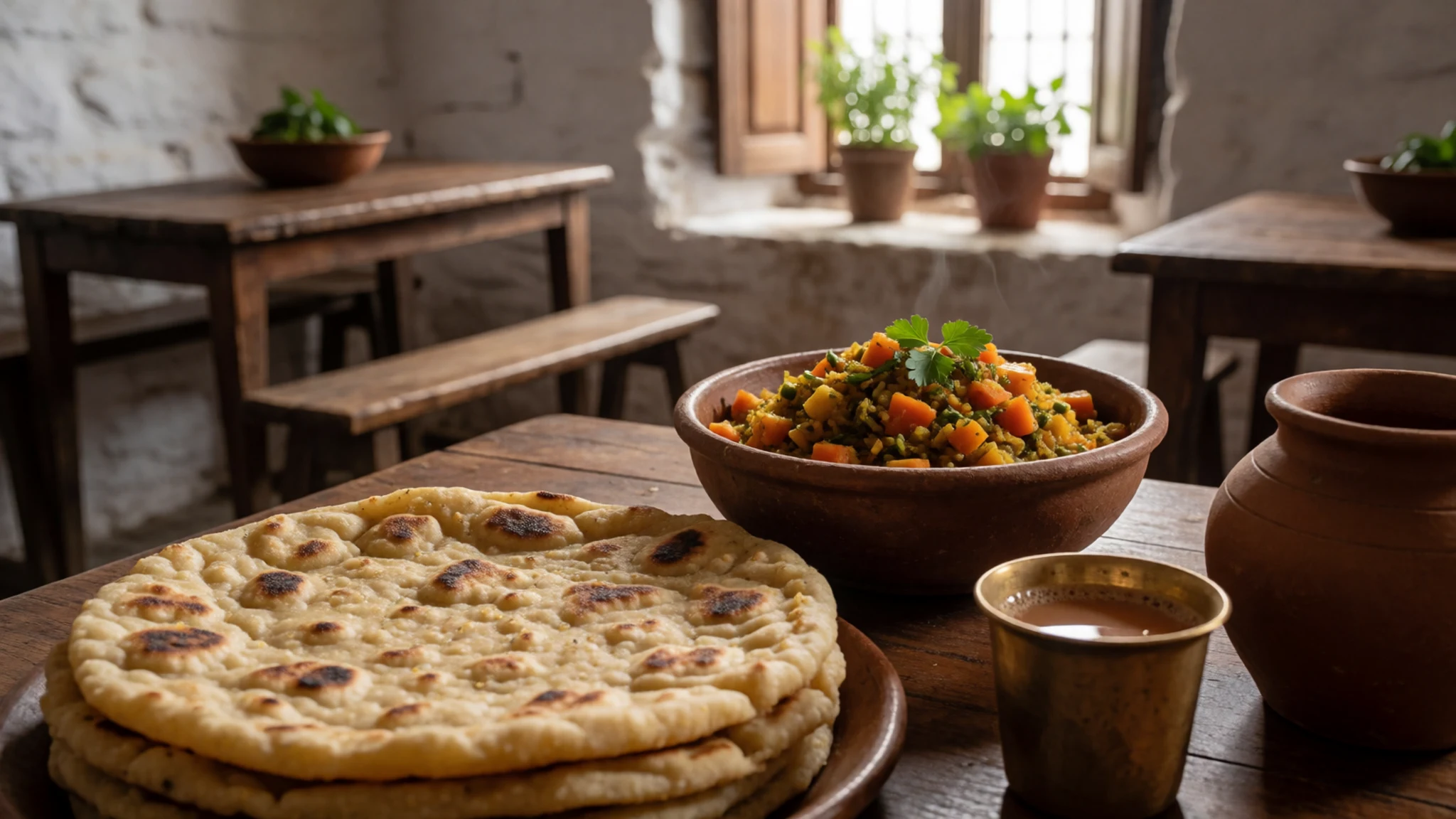
- Traditional Festive Sweets — Local sweet shops during festival days
Special occasions call for an array of celebratory delicacies including sweet puri, rich lapsee preparations, potaya, and traditional milk-based sweets like dudh-plag. - Rotli and Tea — Morning tea stalls throughout the town
A simple and comforting breakfast routine for many residents, featuring thin wheat flatbreads served alongside hot, spiced milk tea to start the morning.
Plan it
Best time. October to March offers the most pleasant weather, with warm days and cool evening breezes from the sea; June to September brings heavy monsoon rains.
How long. 2–3
Getting there. Fly into Diu Airport with connections from major Indian cities, or take a train to Una or Vapi in Gujarat followed by a road journey across the bridge.
Budget. mid
Tips
- Visit the massive fort and historic churches early in the morning before the afternoon sun peaks
- Carry cash for smaller shops, local eateries, and temple donations
- Drink bottled or filtered water rather than tap water
- Respect local quiet hours in residential neighbourhoods around the old town
Etiquette
- Remove your shoes before entering temples or churches
- Ask permission before photographing local residents in fishing quarters
Nearby
Sources
- Wikidata Q631849 (CC0)
- Wikipedia (CC BY-SA 4.0)
- Wikivoyage (CC BY-SA 4.0)