Dinosaur Provincial Park
Dinosaur Provincial Park, Canada
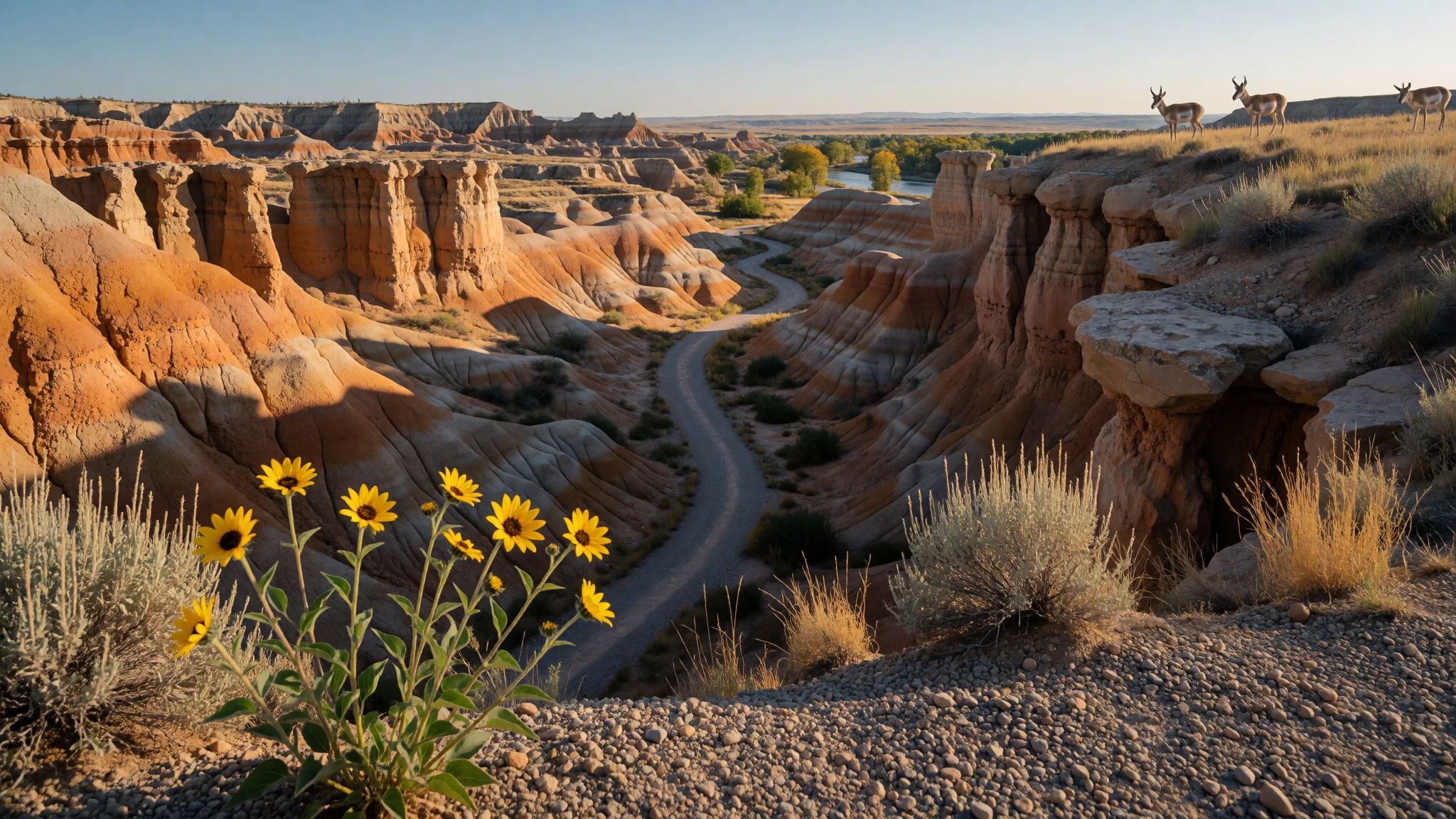
Dinosaur Provincial Park turns Alberta’s badlands into a fossil-rich time capsule, with display houses that bring the science to life.
The place
Dinosaur Provincial Park sits in Alberta, Canada, in the Red Deer River valley, where badlands cut through layered rock and the landscape keeps exposing new stories. It’s a UNESCO World Heritage Site, known for its fossil beds and for the sheer variety of creatures preserved in the sediment.
The park’s setting is part of the appeal: prairie grasslands open up into striking rock formations, then soften again along the river corridor. That mix of habitats also explains why visitors sometimes spot rabbits, mule deer and pronghorn, plus a range of birds moving through the cottonwood edges. Even if the dinosaurs are the main event, it’s worth paying attention to the living details because the park doesn’t feel like a theme set—it feels like a working ecosystem.
What makes this place special is the fossil record. Researchers have described dozens of dinosaur species from the site and removed hundreds of specimens that ended up in museums around the world. The park’s fossil assemblage is often talked about as a huge snapshot of ancient life, from tiny plant remains to large carnivores.
Practical reality check: it’s remote, and the setting is outdoors-first—so expect long stretches of open sky, strong sun, and limited facilities. The payoff is that the scenery and the science are tightly linked: you’re looking at the same kinds of formations that preserve fossils, not just a museum display behind glass.
Its story
Dinosaur Provincial Park was established in 1955 with a clear purpose: protecting the fossil beds in Alberta. Early on, the park’s work was tied to people who could spot promise in the rock—like the first warden, Roy Fowler, described as a farmer and amateur fossil hunter. That combination of local knowledge and scientific interest helped keep discoveries moving while the park’s conservation role grew.
The park’s significance was recognised internationally later. In 1979 it was named a UNESCO World Heritage Site, with the decision tied not only to the fossils, but also to the nationally notable badlands and the river-side riparian habitats. In plain terms: it wasn’t just about what had been found; it was about the landscape that made the fossils possible.
For a long time, discoveries had to be shipped for scientific analysis and display. The logistics were global, with museums in Toronto, Ottawa, New York City and Chicago among those involved. Change arrived when the Royal Tyrrell Museum of Palaeontology opened in Midland Provincial Park upstream near Drumheller, keeping more of the discovery-to-research pipeline closer to where it started.
That history is why the park still feels grounded. Dinosaur Provincal Park isn’t only a place where fossils are displayed; it’s a place where the conditions that form and reveal fossils are protected, so each season can bring a fresh perspective—sometimes literally, when the badlands show a new cut or exposure.
What to see
- Display house 1 (duck-billed dinosaur skeleton) — Display house area along the park’s public route
Display house 1 is built around a duck-billed dinosaur skeleton and sits near the fossil landscape. It’s presented as a near-complete skeleton, believed to have been buried for at least 75 million years, giving context to what the park’s badlands preserve. (50.76402, -111.49702)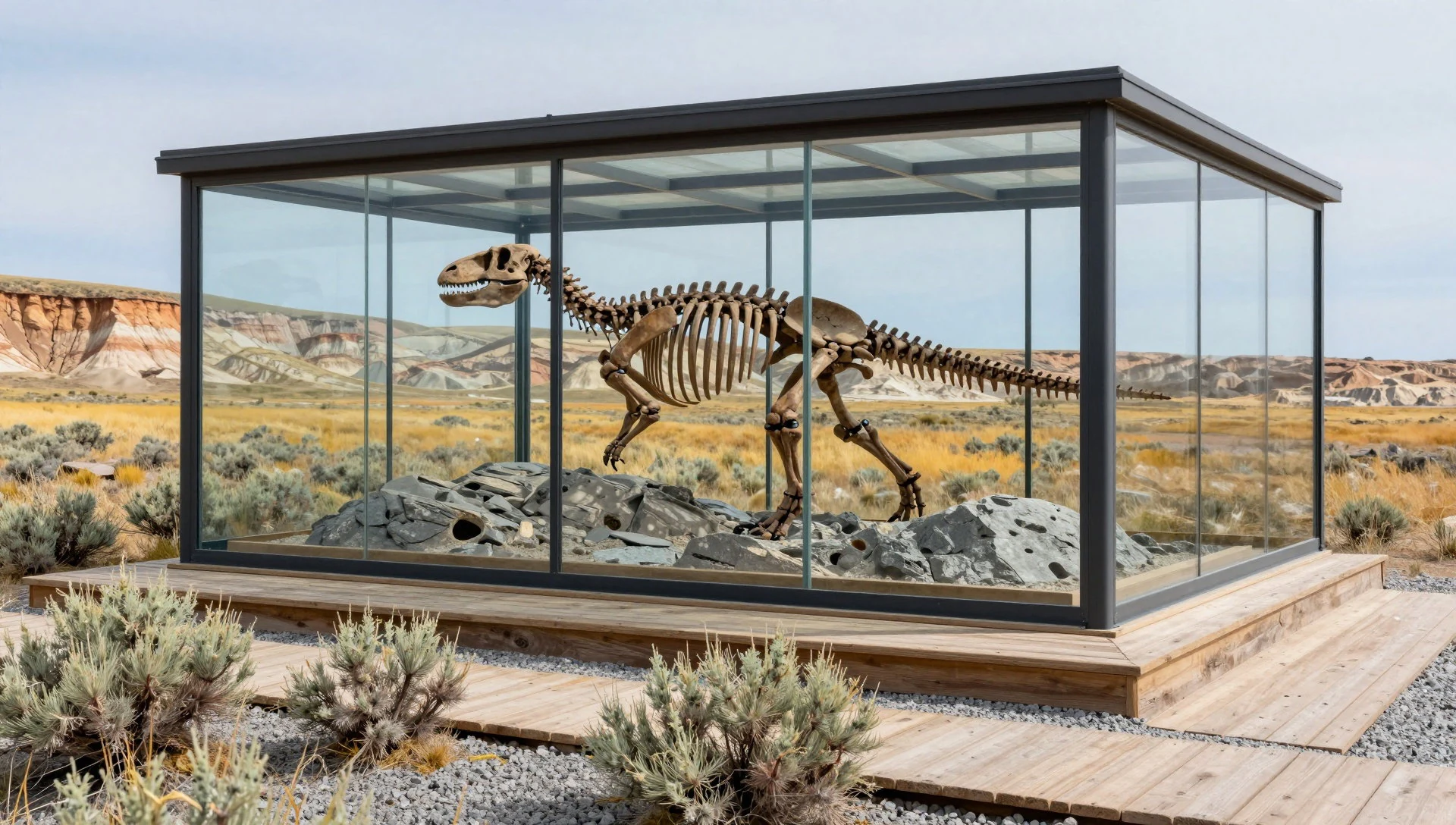
- Display house 2 (Centrosaurus bone-bed recreation) — Display house area along the park’s public route
Display house 2 recreates a Centrosaurus bone-bed, presented as an important quarry within the park. Even if you don’t know the species names, the idea lands quickly: you’re seeing a quarry scene turned into an interpretive exhibit, linked back to the surrounding fossil beds. (50.76534, -111.49868)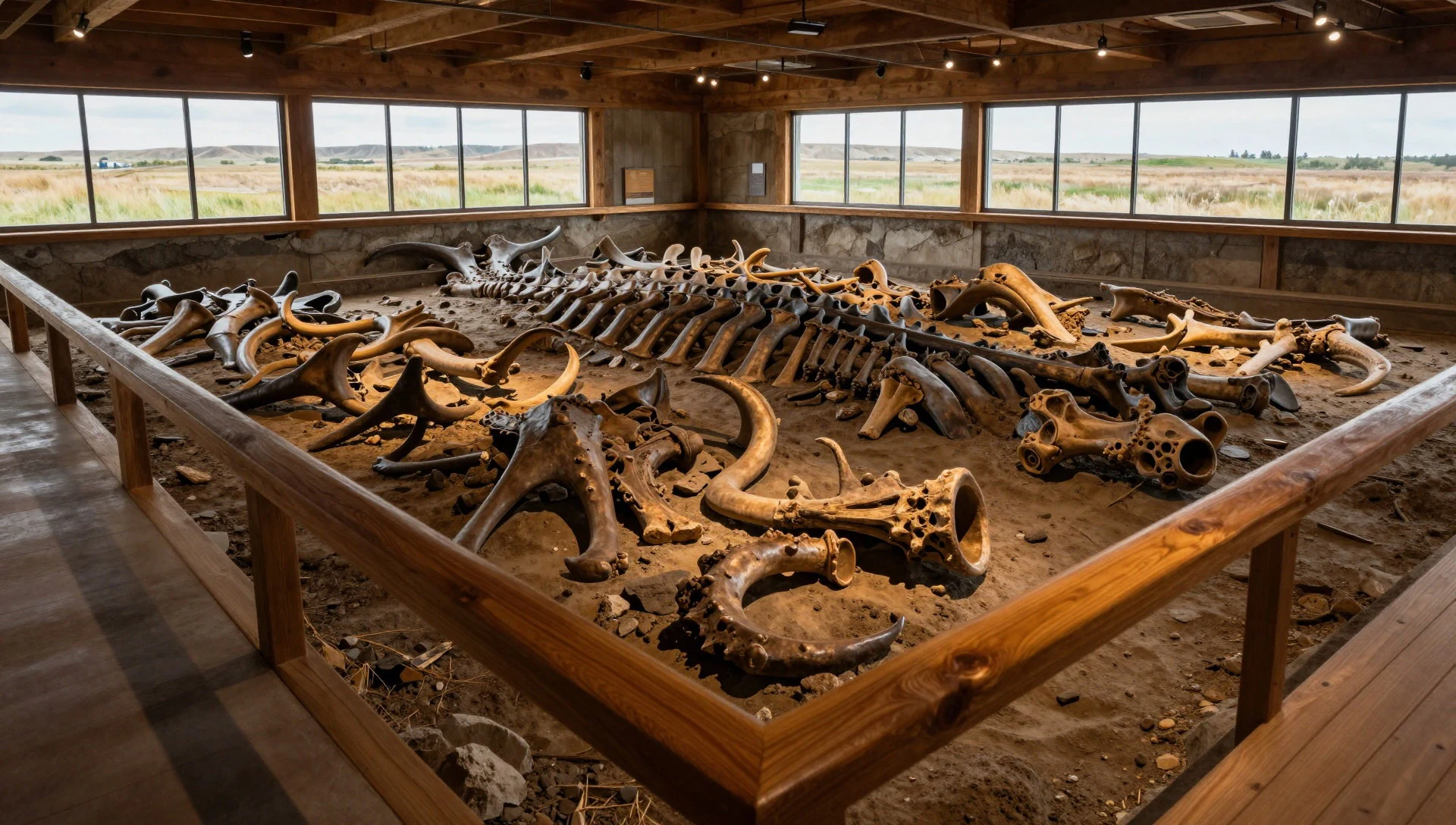
- Public Loop Road display houses — Public Loop Road corridor
Along Public Loop Road, the park has two display houses that are accessible all year. This is the easiest way to connect the exhibits to the terrain without committing to longer off-road routes—ideal for quick planning in the same place where geology does the heavy lifting. (Seasonal and road conditions vary; use official guidance on site.)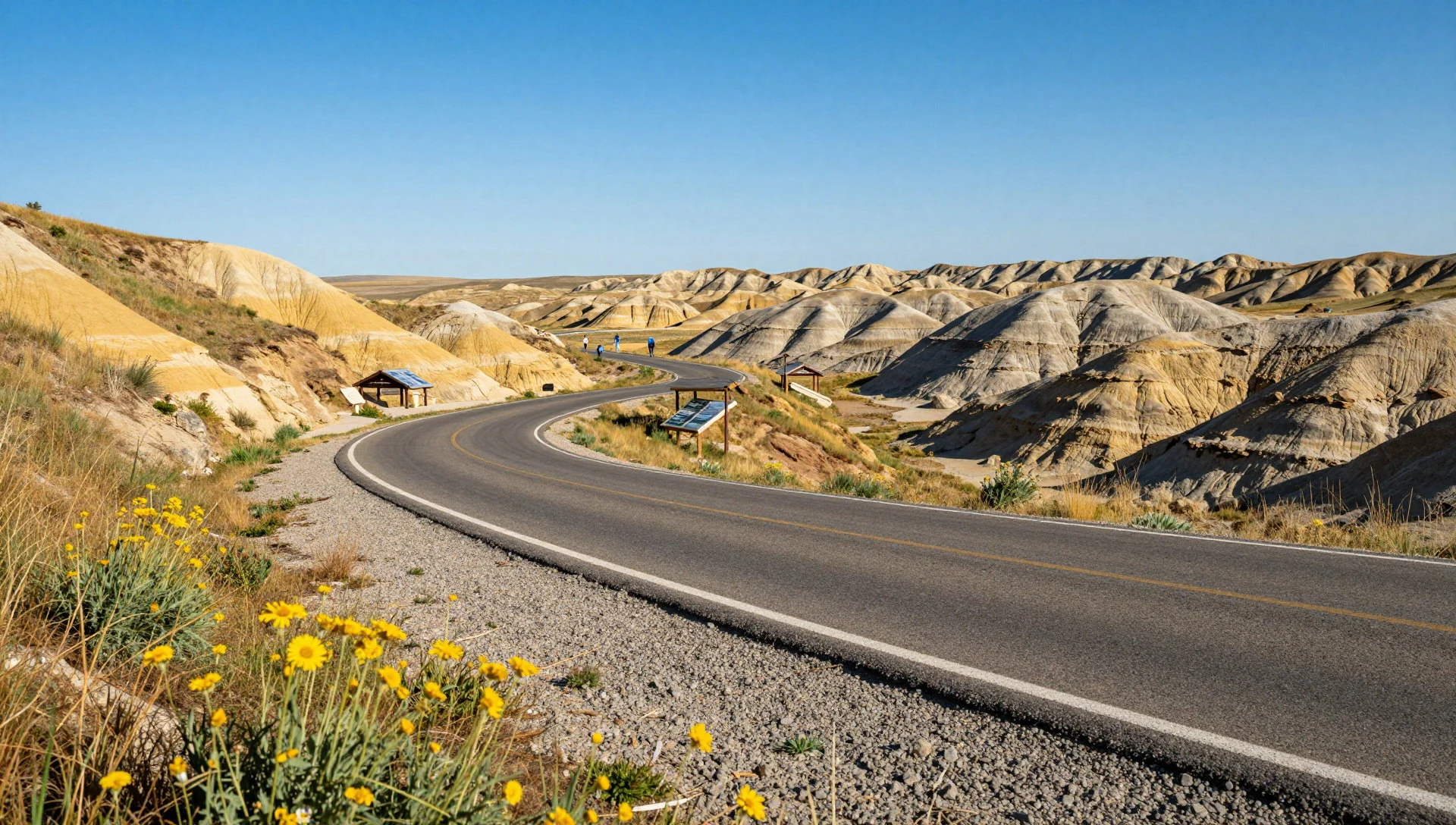
- John Ware Cabin (historic rancher’s home) — Cabin area near the park’s main public route
John Ware Cabin is a small historic stop tied to John Ware, described as a black cowboy and among Alberta’s early ranchers. It offers a slower, human-scale pause in the badlands, reminding visitors the park’s story isn’t only about ancient life—people shaped this region long before fossil tours. (50.76185, -111.51816)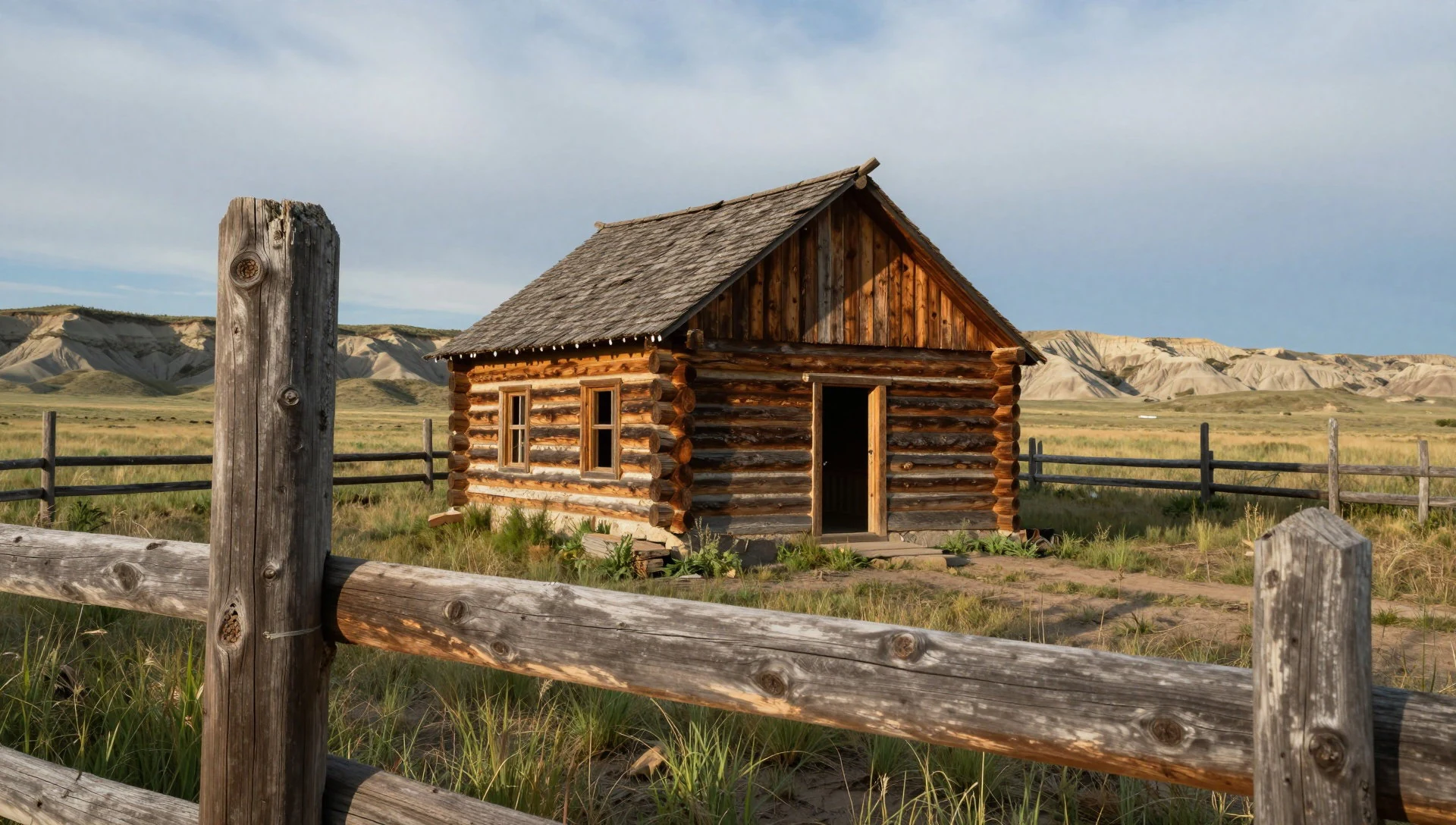
Culture
Dinosaur Provincial Park is a UNESCO-listed natural site, so the culture of the place is really about restraint and respect: look closely, take photos for yourself, and don’t treat fossil ground like a souvenir shop. The park’s value comes from protected fossil beds, badlands, and river habitats, and that protection depends on everyone sticking to marked areas and routes.
Expect wide-open terrain, strong light, and wildlife that’s used to quiet distance. If you spot animals, keep your movements calm; don’t block paths or rush towards them. Because the park is remote, visitors often arrive with a “short stop” mindset—then realise the landscape asks for time. Even in a single day, it helps to slow down and let the rock layers and eroded shapes make sense.
Facilities are limited, so plan for basics: water, sun protection, and proper footwear for uneven ground. If you’re visiting in a group, keep spacing so you’re not trotting over the same narrow viewpoints.
Visitor etiquette: Stay on marked paths and routes, and avoid touching or collecting anything from the fossil beds.
What to wear
In Dinosaur Provincial Park, clothing is mainly about weather and ground conditions, not fashion show moments. The park’s habitat mix—prairie, badlands, and river-edge—means you’ll likely move between open sun and cooler, shaded stretches.
Traditional dress isn’t the focus here; most visitors dress for an outdoor day. What people wear now is practical: lightweight layers for warm afternoons, plus a warmer top for cooler mornings and evenings. Jeans or hiking trousers work well for rocky or dusty edges, and closed-toe shoes are far safer than sandals.
For visitors, aim for sun-ready basics—hat, sunglasses, and a layer you can pull on when the wind picks up. Bring a water layer (even if it’s just for comfort) and consider long sleeves if you’re sensitive to sun. If you plan to walk around exhibit areas and viewpoints, non-slip soles matter, because badland surfaces can be uneven and gritty.
In short: dress like you’re hiking in an exposed outdoor area—comfortable, covered, and ready for dust—so you can focus on the fossils and the scenery without constantly adjusting your outfit.
What to eat
- Cretaceous Café — Cretaceous Café (display and services area near the park)
For a simple sit-down stop, head to Cretaceous Café, which includes a convenience store and food services. It’s the kind of place you go for quick fuel before heading back into the park’s open terrain. (50.76182, -111.51833)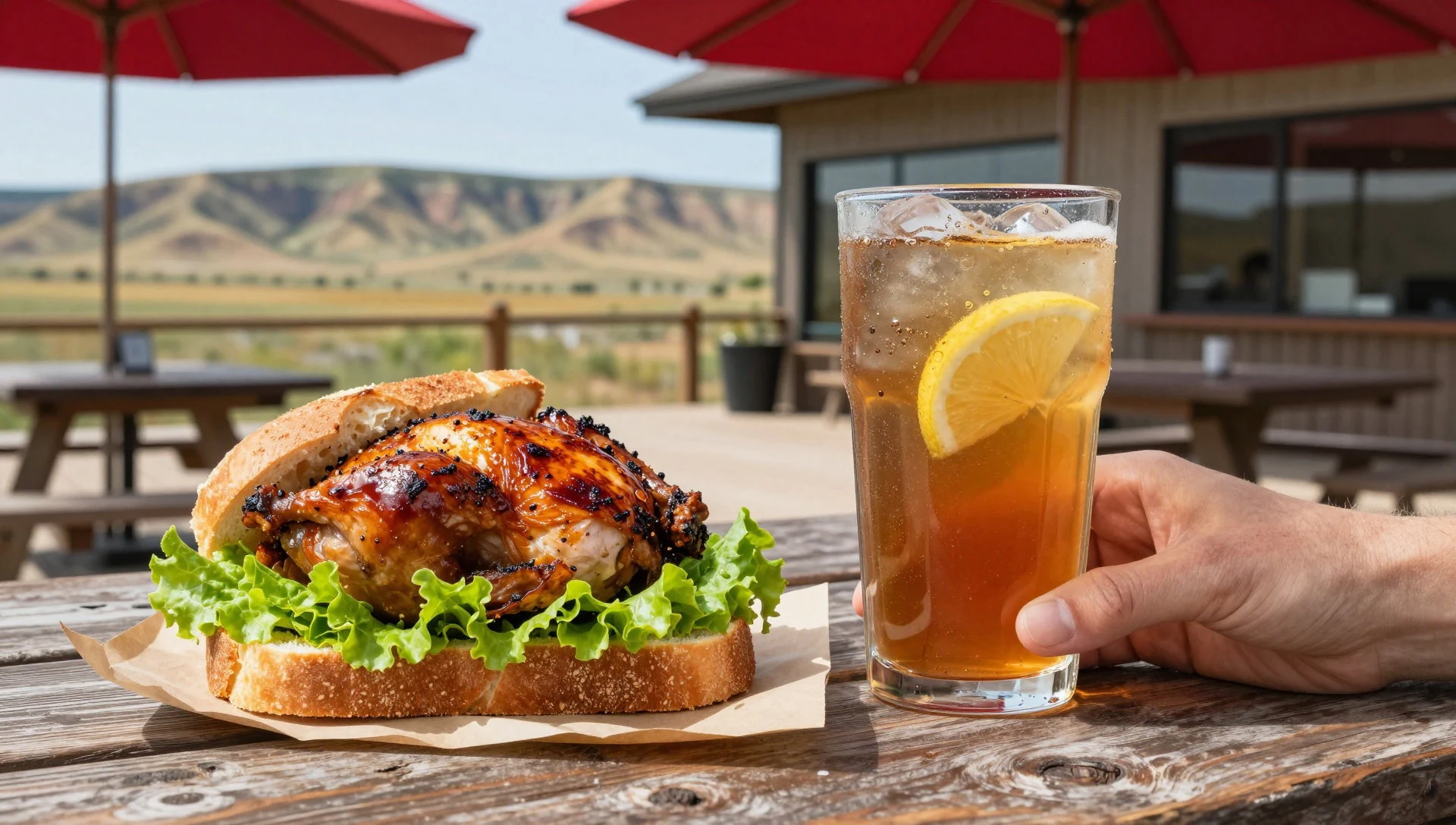
Plan it
Best time. March–April and October–November for comfortable outdoor temperatures, with fewer extremes than mid-summer; summer can be hot in Alberta, so start early.
How long. 2–3
Getting there. Fly into Calgary and drive towards Brooks; once there, take Alberta Highway 873 north for roughly 13 km, switch to Alberta Highway 544, and keep going until just before Patricia, where a left turn onto AB-876 leads to Township Road 204, bringing you right into the park. (The park is about 48 km from Brooks.)
Budget. mid
Tips
- Base your day around daylight: start early to make the most of the best light and cooler hours.
- If you want exhibits without overthinking logistics, plan to do the display houses along Public Loop Road as a core route.
- Because the park is remote, top up supplies and water before long stretches, and keep cash handy for small purchases.
- Drive slowly on approach roads and watch for signage—some parts aren’t signed consistently from Brooks.
Etiquette
- Treat fossil areas as off-limits to handling: stay on marked paths and don’t collect anything.
- Keep wildlife at a distance and avoid blocking viewpoints so others can move through calmly.
Nearby
Sources
- Wikidata Q289466 (CC0)
- Wikipedia (rev 1372316264) (CC BY-SA 4.0)
- Wikivoyage (rev 5350420) (CC BY-SA 4.0)
- Photo photos/01-dinosaurprovincialparkhoodoo.jpg (CC BY 3.0)
- Photo photos/02-rock-formations-in-dinosaur-provincial-park-near-an-albertan.jpg (CC BY-SA 4.0)
- Photo photos/03-chasmosaurus-belli-rtm-01.jpg (CC BY-SA 2.0)
- Photo photos/04-dinosaur-provincial-park.jpg (CC BY 3.0)
- Photo photos/05-dinosaur-provincial-park-001.jpg (CC BY-SA 4.0)
- Photo photos/06-dinosaur-provincial-park-02.jpg (CC BY-SA 4.0)
- Photo photos/07-dinosaur-provincial-park-03.jpg (CC BY-SA 4.0)
- Photo photos/08-dinosaur-provincial-park-04.jpg (CC BY-SA 4.0)


