Dengfeng
Dengfeng, People's Republic of China
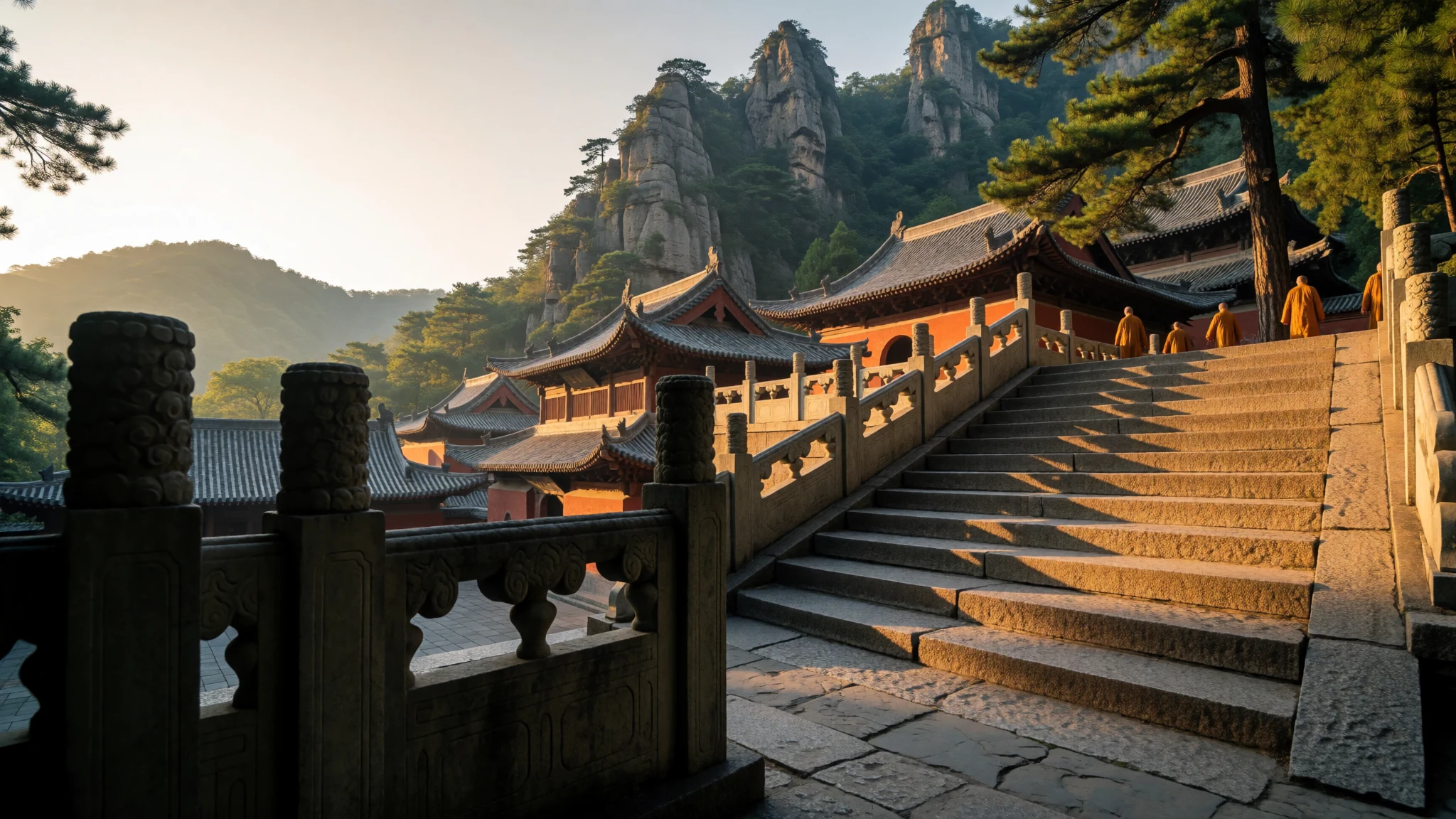
Dengfeng is a mountain city where temples, observatories and Shaolin martial culture sit side by side.
The place
Dengfeng (登封; Dēngfēng) is a county-level city in Henan Province, tucked to the south of Songshan Mountain and administered through Zhengzhou. With a population listed at 729,332, it feels less like a big urban stop and more like a base for religious sites and mountain routes.
The “why” of Dengfeng is simple: Songshan Mountain is treated as sacred ground, and the institutions built around it reflect that long attention. Within the city’s orbit you’ll find major Daoist and Buddhist complexes, historic study buildings, and the Shaolin area associated with kung fu training. There’s also a distinctly scientific thread—around Gaocheng you have the astronomical observatory linked with early Chinese sky-watching.
A practical way to picture the geography is: temples and heritage clusters near the mountain, plus trails that connect viewpoints and smaller stops as you move through the Songshan landscape. In busy times, you’ll meet groups moving quickly between entrances; in quieter moments, the experience turns more devotional and atmospheric, with monks, students, and maintenance staff keeping a steady rhythm.
Crowds usually concentrate around the best-known complexes, especially on clear mornings. Summer can be punishing, while spring and autumn tend to be more comfortable for walking between sites. If the goal is to understand how religion, learning and martial practice co-exist here, staying a couple of nights helps—Dengfeng rewards slow routes more than a single rushed loop.
Its story
Dengfeng’s story starts with the idea that the land itself matters. Local tradition places the city at the foot of Songshan, and that setting shaped what people built there—shrines, monasteries, academies and the places where study and discipline happen.
The first Xia dynasty capital, Yangcheng, is said to have been built west of Gaocheng Township on the Ying River, tying Dengfeng to the older layers of China’s political history. That long timeline becomes easier to feel when you visit the heritage clusters: the built forms look permanent, and the mountain backdrop makes it hard to treat the sites as mere scenery.
Religion is the main thread, but it isn’t one single colour. Daoism has a large presence at Zhongyue Temple, while Buddhism is strongly associated with Shaolin. The Shaolin Monastery area in Dengfeng is traditionally connected with the roots of Zen practice and with martial arts training—so the place reads differently depending on what you’re watching: a courtyard ceremony one moment, then students practising routines the next.
Learning and observation are woven in too. Songyang Academy reflects a scholarly tradition where lectures and study were carried out across changing eras, and the Gaocheng Astronomical Observatory links Dengfeng to early sky-based knowledge. Put together, Dengfeng isn’t just about “one famous temple”; it’s a whole ecosystem of devotion, training, and long-form study, set against a mountain that keeps being the headline.
What to see
- Shaolin Temple (Shaolin Monastery) — Shaolin Temple area near the main heritage gates
Shaolin Temple in Dengfeng is the flagship stop for anyone interested in martial arts culture. With the temple ticket, you can also reach the Pagoda Forest and climb toward the mountain summit area, so the visit naturally turns into a short heritage-and-hike day.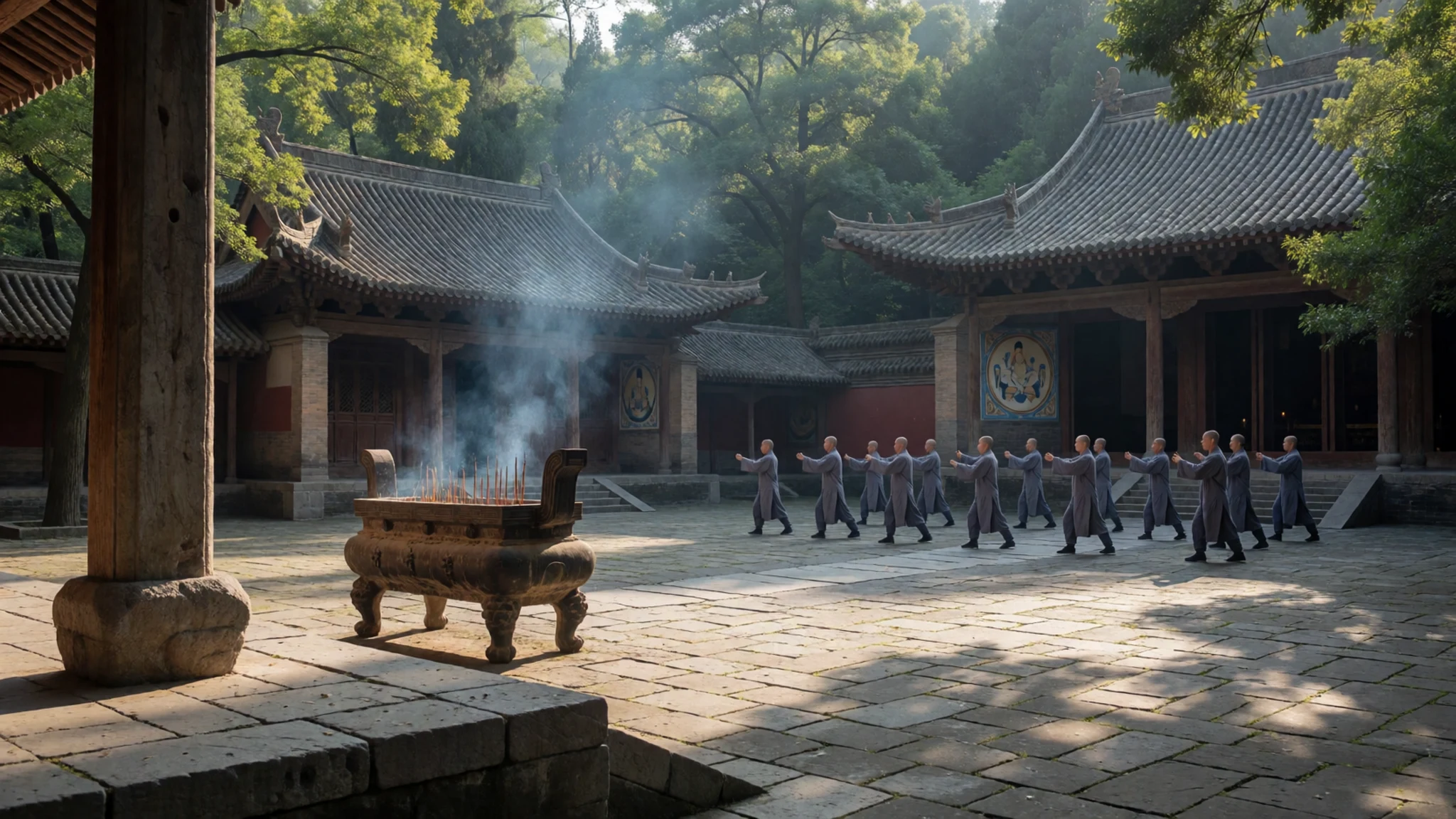
- Songyue Pagoda — Songyue / Songshan heritage zone
Songyue Pagoda is a landmark that anchors the Songshan heritage landscape. It’s often photographed from surrounding viewpoints because the pagoda’s mass and vertical lines stand out against the greenery, making it a good “pause and orient” stop between temple clusters.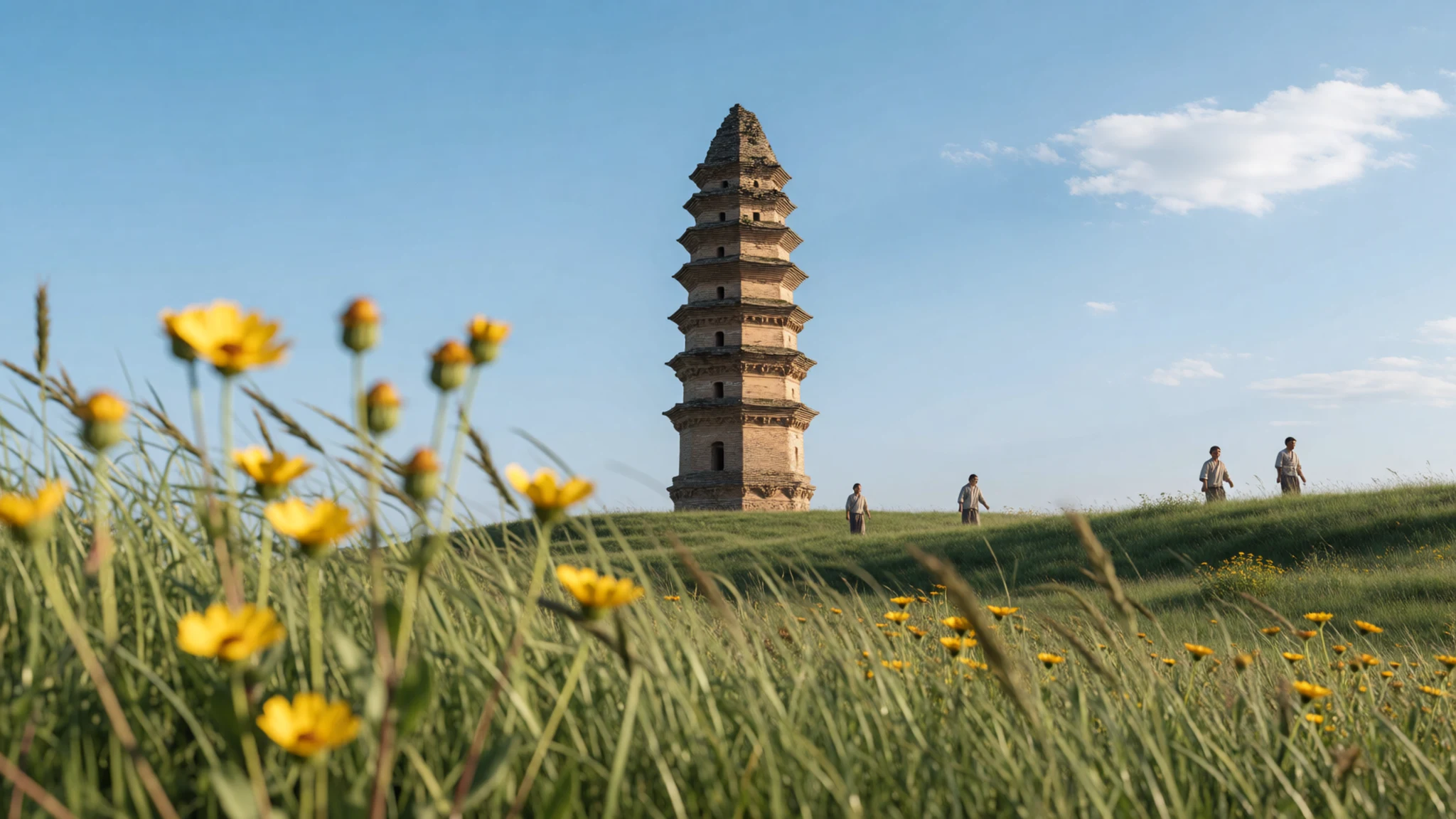
- Zhongyue Temple — Central temple grounds in Dengfeng’s Songshan area
Zhongyue Temple (largest Daoist temple complex in Henan Province) gives Dengfeng a distinctly Daoist feel. Walk through courtyards and gate transitions slowly; the complex is designed to be experienced in a sequence rather than as one photo spot.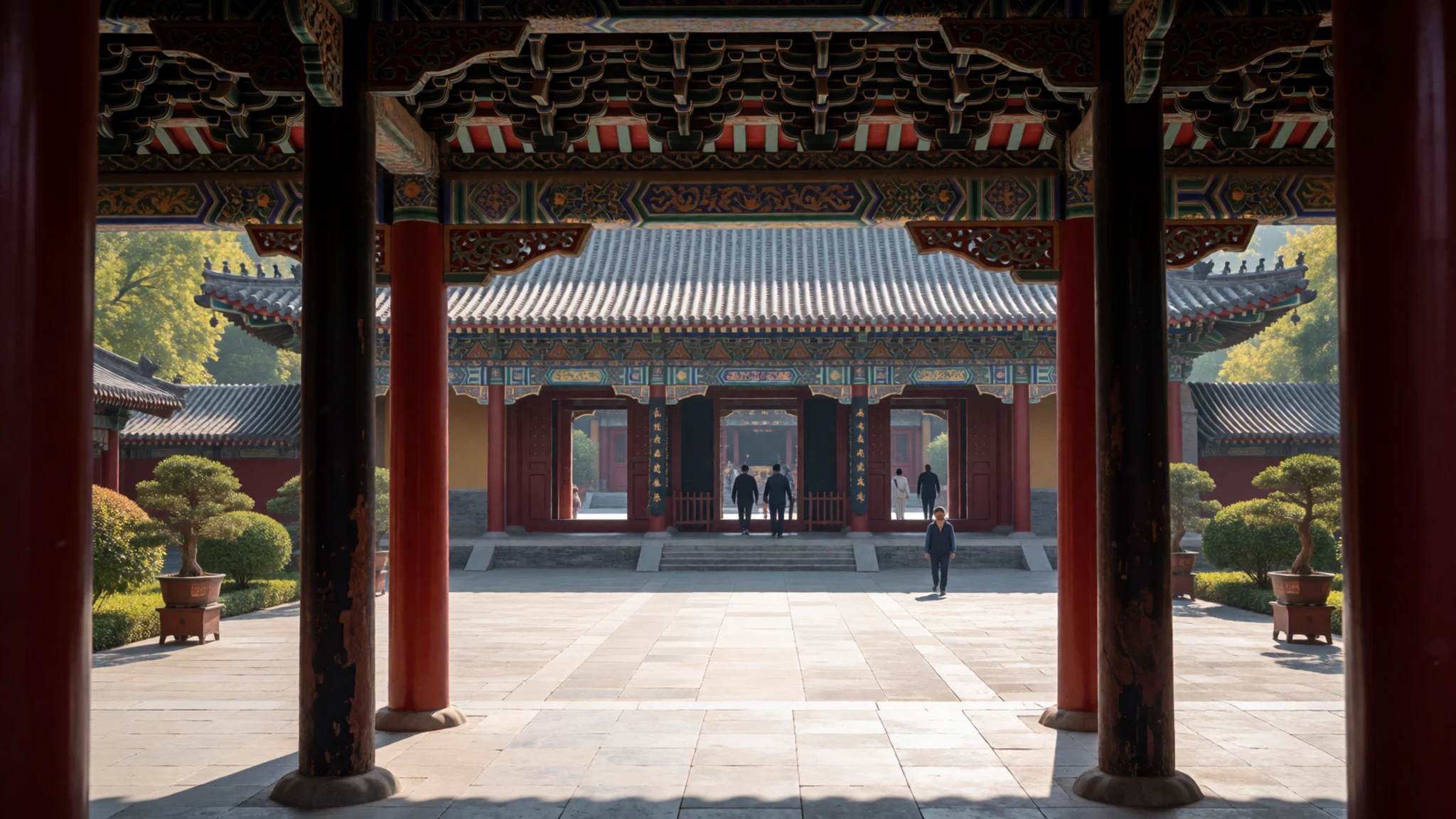
- Gaocheng Astronomical Observatory — Gaocheng area
The Gaocheng Astronomical Observatory is the heritage counterpoint to the spiritual sites. It’s associated with early surviving observatory work in China, so expect a quieter, more contemplative visit: read the layout, look for reference points, and connect the site back to sky-watching.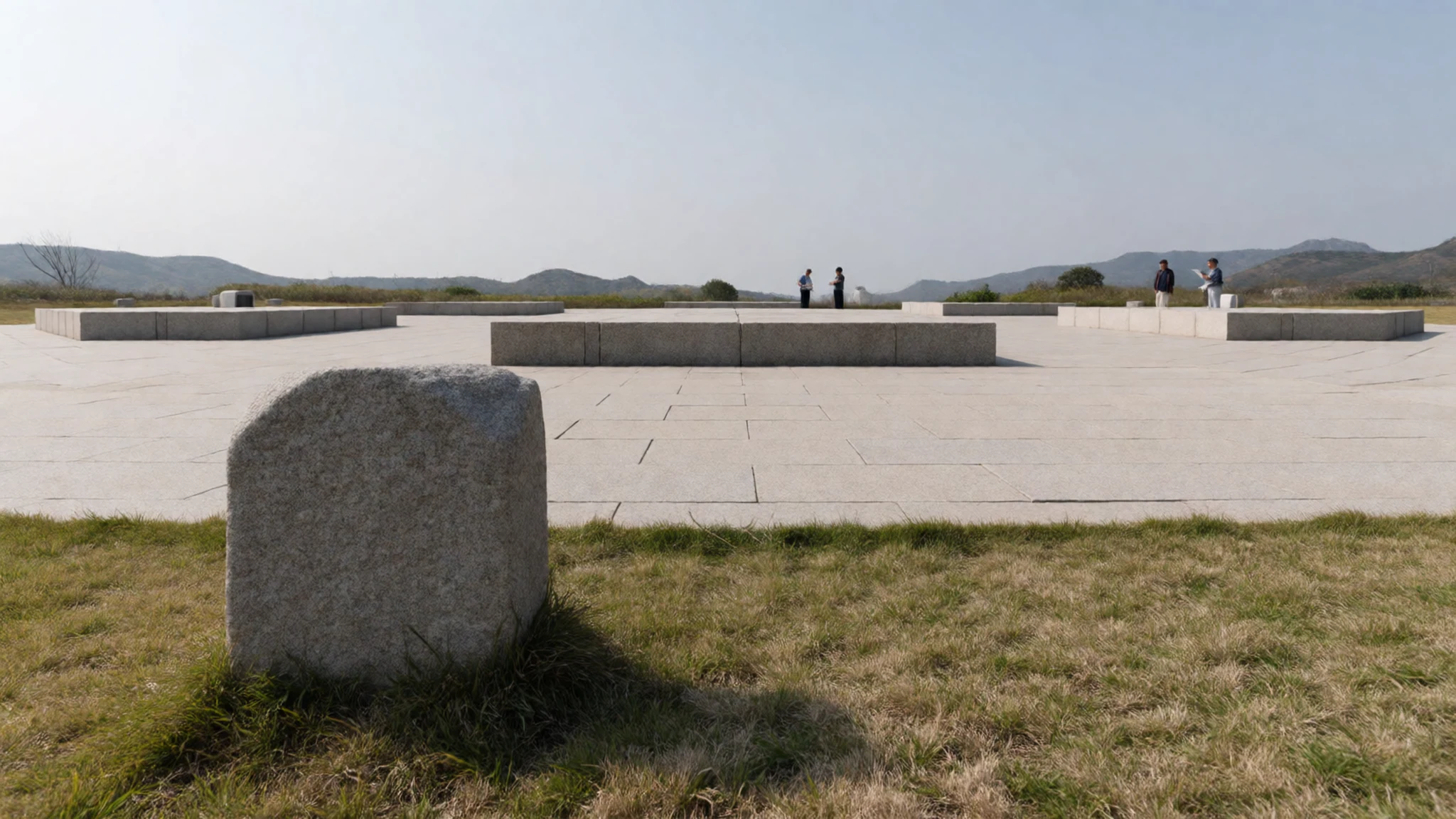
- Damo Cave — Damo Cave area
Damo Cave is linked with the story of Damo meditating, and it feels like a place built for focused attention. Even if you’re not chasing legends, the cave stop works well as a reflective break on a route between the temple zones and higher terrain.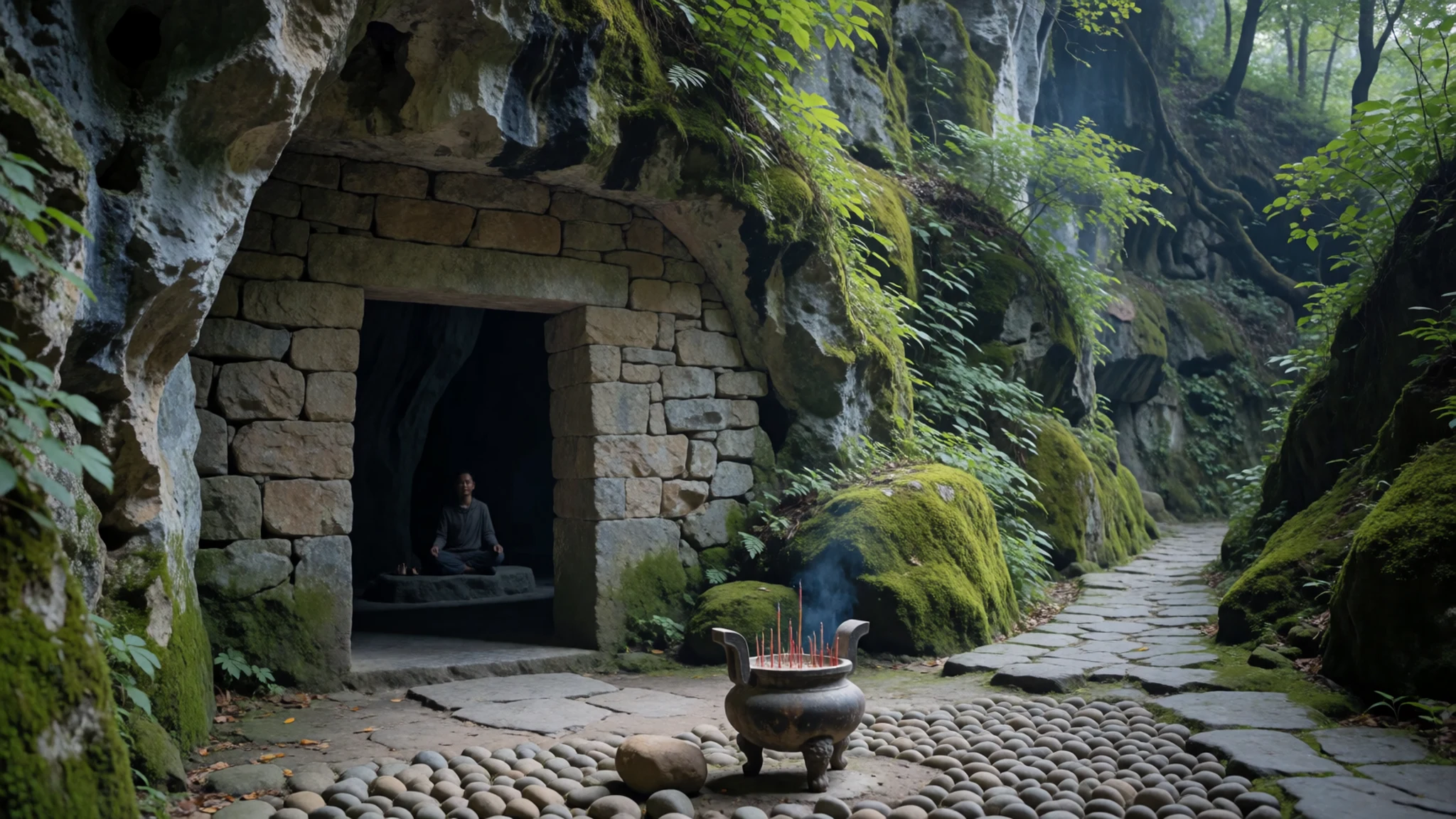
Culture
Dengfeng’s culture is built around daily practice: temples and academies look like places of study, and Shaolin is tied to training routines as well as tourism. When you visit, you’ll notice that the area is used by people who treat it as work—students practising, staff maintaining, visitors moving in organised groups.
Because many sites are religious, the atmosphere can shift throughout the day. Early hours often feel calmer around courtyards and entrances, while later visits can be busier and more photo-driven. If there’s a kung fu festival on, the energy changes again: mass performances and ceremonial monk demonstrations bring noise and crowds, but they also make it easier to understand why martial arts is part of Dengfeng’s identity rather than a separate attraction.
Modesty and quiet behaviour matter most in temple spaces. Dress tends to follow the broader East Asian expectation of covering shoulders and wearing comfortable footwear; many people avoid overly flashy outfits inside sacred compounds. It helps to move with the flow of signage and staff instructions, especially near gates and ticket checkpoints, where queues can form quickly.
Visitor etiquette: keep voices low in temple courtyards, dress modestly, and follow staff signs for where photography is allowed.
What to wear
Dengfeng’s traditional look is closely tied to the temple and academy world: robes and layered garments appear in cultural performances and in some religious contexts, often using simple, solid-colour fabrics. Around Shaolin, you’ll also see training uniforms that look practical rather than decorative—designed for movement and for staying comfortable while practising routines.
What visitors actually wear day to day is more about terrain and respect than “costume”. In Songshan’s temple areas, people commonly wear lightweight tops with longer layers for shade, long trousers, and practical shoes because walking includes stone steps and uneven paths. During warmer months, breathable clothing helps; in cooler months, a light jacket makes the morning and evening feel manageable.
For a visitor, the safe outfit plan is: modest, covered shoulders and knees where possible; long trousers or comfortable long skirts; and sturdy walking shoes with grip. If joining any cultural or temple photography moments, avoid overly revealing clothing, and consider a thin layer that covers arms when entering sacred halls.
What to eat
- Henan-style wheat noodles — Noodle shops and street-eat areas around the main sights
In Dengfeng and nearby towns, wheat noodles are a common comfort food, typically served hot in bowls and eaten quickly between sightseeing stops. Look for noodle shops and casual eaters near the main visitor zones.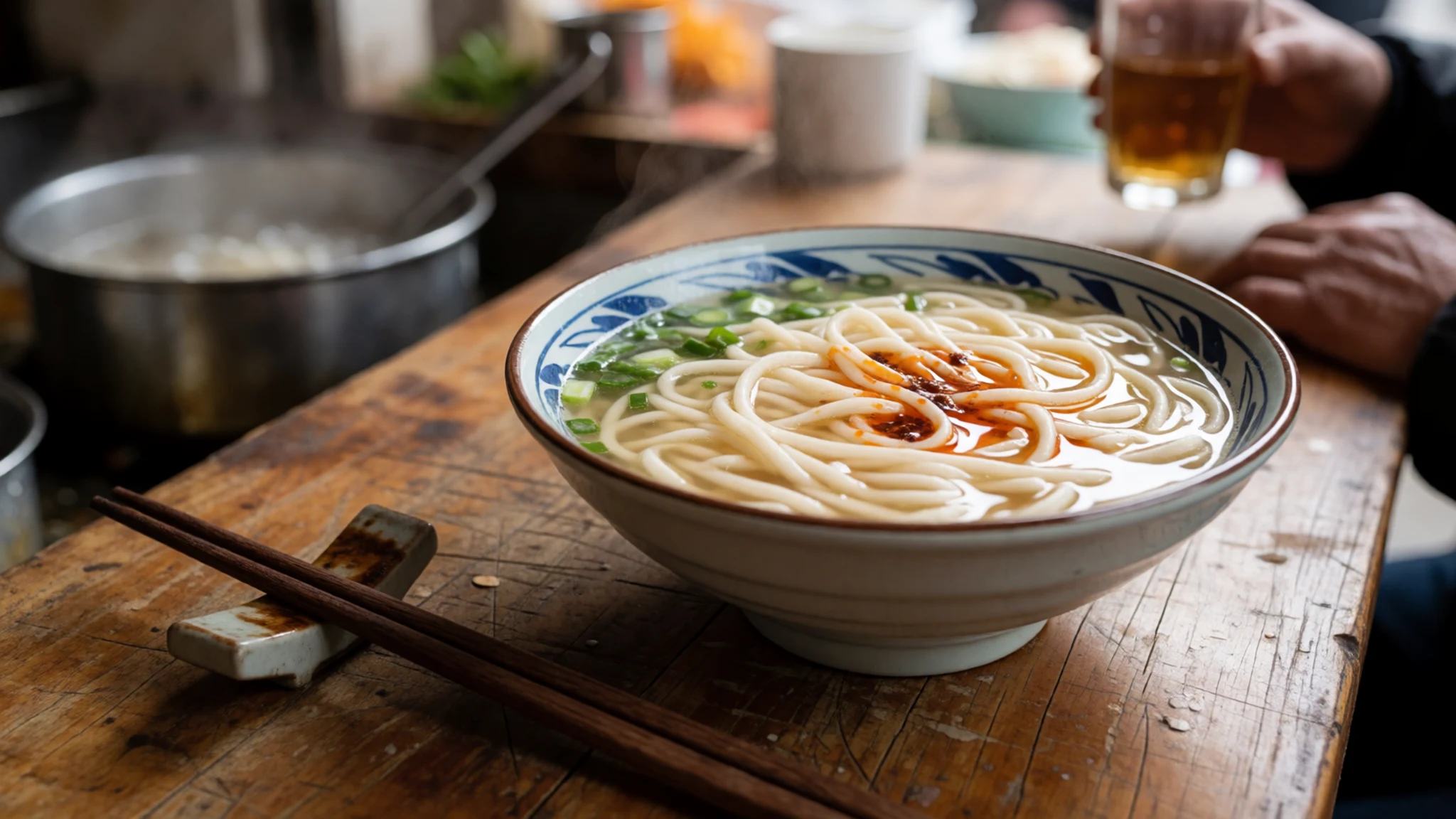
- Stewed dumplings (jiaozi-style) — Local restaurants and dumpling stalls in Dengfeng’s centre
Dumplings show up in many Henan menus—often boiled or pan-fried, then served with dipping sauces. They’re filling after temple stairs and work well as an easy sit-down meal at local eateries.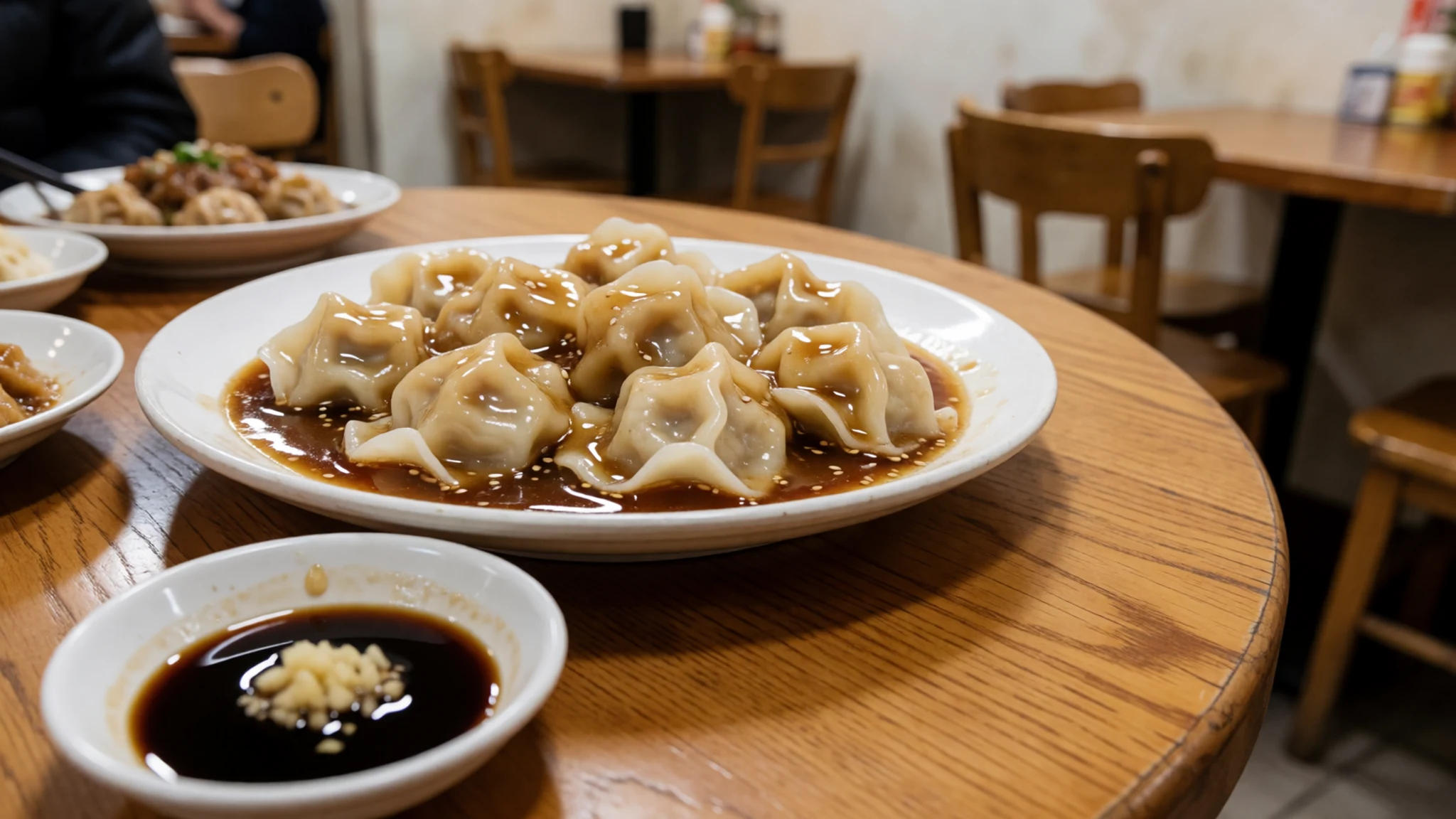
- Vegetable and tofu dishes — Vegetarian-friendly eateries and temple-area canteens
Because the area is full of temples and students, vegetarian options are easy to find. Expect stir-fried greens and tofu dishes that balance savoury flavours with lighter textures. - Sesame pancakes (jianbing) — Street-food counters and morning markets around the city
For a quick breakfast or snack, sesame-topped pancakes are a handy street option. They’re easy to eat while walking and provide fast energy before climbing or queuing at major entrances. - Hot pot-style soups — Casual hot-pot or soup restaurants near transport links
If the weather turns cooler, look for soup-based meals that feel warming rather than heavy. These can include greens and preserved toppings, served in a communal, shareable style.
Plan it
Best time. March–May and September–October for comfortable walking, when daytime highs are moderate; the hottest months are June to August, with July and August also bringing the most rain, so trails can be muddy and paths wet.
How long. 2–3
Getting there. Dengfeng does not have its own railway station. Intercity buses connect Dengfeng with Zhengzhou, Luoyang, Kaifeng and other cities in Henan; for rail travellers, the practical move is train to Zhengzhou (then bus). From Zhengzhou, buses can depart from major stations including Zhengzhou Central Bus Station, Zhengzhou South Bus Station, and Zhengzhou High Speed Rail Bus Exchange (at Zhengzhou East Railway Station). If arriving by air, buses from Zhengzhou Xinzheng International Airport terminate at Shaolin International Hotel in downtown Dengfeng.
Budget. mid
Tips
- Start temple-and-mountain routes early in the day to avoid the biggest tour-group waves.
- Plan one day for the Shaolin and Pagoda Forest area, and another for Zhongyue Temple and the Daoist/academy side.
- If the goal is a kung fu experience, check how training-style programmes fit your time window before you commit to a longer course.
- Carry cash for small vendors and easier purchases around markets and snack stops.
- Bring water and wear shoes made for steps and uneven ground.
Etiquette
- Remove shoes where required inside temple buildings and follow the slippers rules posted at entrances.
- Keep voices down in courtyards, and avoid blocking pathways while photographing.
- If visiting during special martial arts events, queue patiently for performance areas and allow room for rehearsals.
Nearby
Sources
- Wikidata Q877609 (CC0)
- Wikipedia (rev 1377772619) (CC BY-SA 4.0)
- Wikivoyage (rev 5400990) (CC BY-SA 4.0)
- Photo photos/01-song-shanm.jpg (Public domain)
- Photo photos/02-shaolin-temple-10199450903.jpg (CC0 1.0)
- Photo photos/03-15465-dengfeng-49067779183.jpg (CC BY 2.5)
- Photo photos/04-songshanfawangsi.jpg (Public domain)
- Photo photos/05-pagoda-of-songyue-temple-2015-09-25-20.jpg (CC BY-SA 4.0)
- Photo photos/06-2.jpg (CC BY-SA 2.0)
- Photo photos/07-the-songshan-buddhist-academy-lied-in-mount-song.jpg (CC BY-SA 4.0)
- Photo photos/08-the-dengfeng-observatory1.jpg (CC BY-SA 2.0)


