Dendera Temple complex
Dendera Temple complex, Egypt
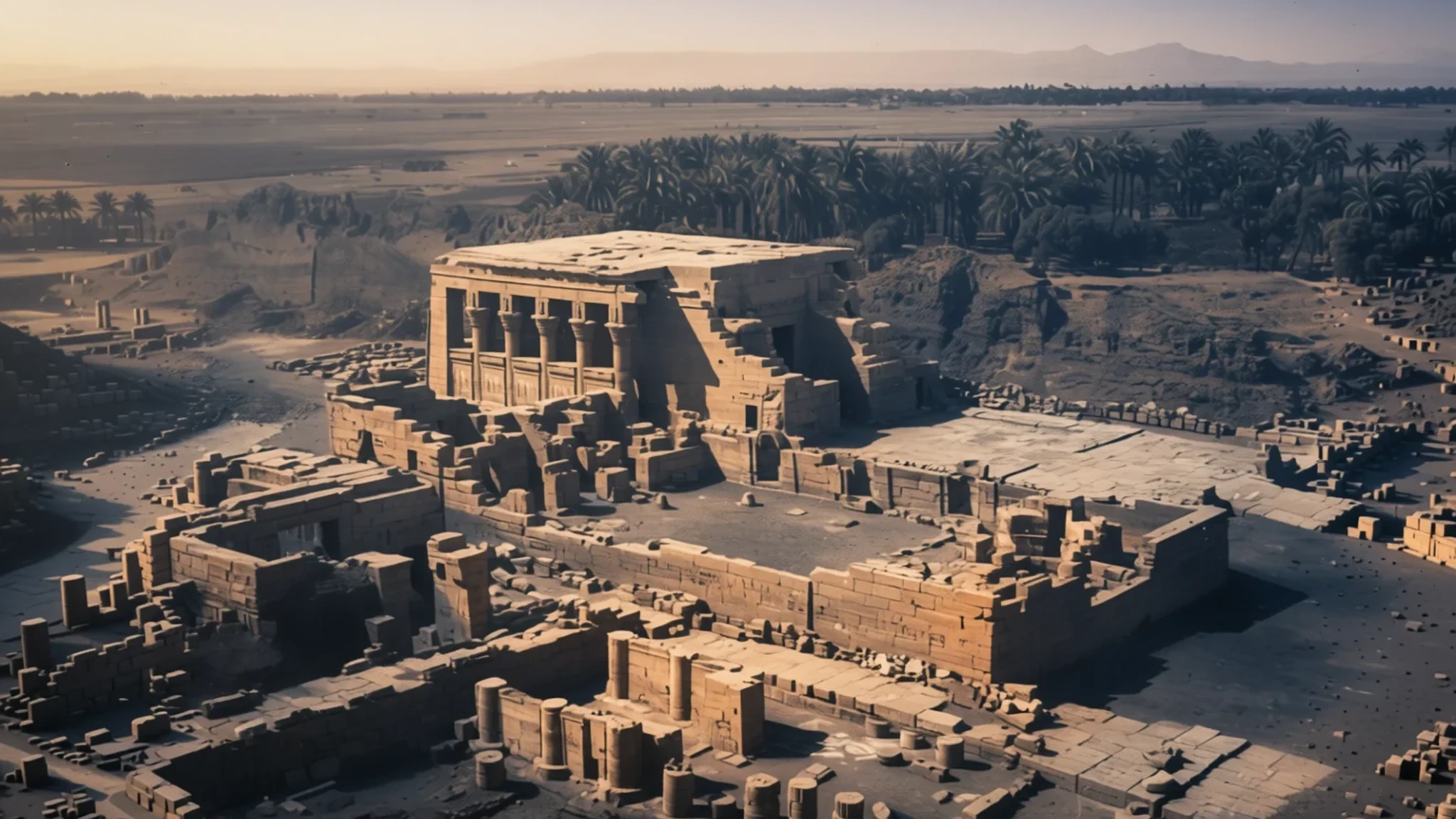
Explore the Dendera Temple complex to walk through remarkably intact halls, staircases, and subterranean crypts built for the goddess Hathor.
The place
The Dendera Temple complex stands as an exceptional survival from antiquity, situated on the edge of the Nile valley in Upper Egypt. Enclosed by a substantial mudbrick compound wall, the sacred precinct centres on the magnificent Temple of Hathor, which draws travellers seeking an intimate look at late ancient Egyptian architecture. Unlike many ruined sites across the country, this complex retains much of its original roofed stone structure, allowing visitors to step into dim, vaulted chambers that feel remarkably undisturbed by the passing millennia. Beyond the main sanctuary, the site encompasses sacred pools, birth houses known as mammisis, and ancient healing structures that once functioned similarly to therapeutic bathhouses. The scale of the precinct reflects its historic importance as a vibrant religious oasis, where thousands once gathered for major annual festivals and rituals dedicated to celestial deities. Arriving at the complex reveals massive stone pylons, intricately carved column capitals bearing the serene face of Hathor, and towering gateways erected by Roman emperors who sought to honour local traditions. The surrounding countryside remains largely agricultural, framing the ancient stone with green fields and date palms that trace the ancient rhythms of the river. Wandering through the courtyards, one is struck by the crisp preservation of the relief carvings, where deep incisions preserve pigments and fine details that have weathered the centuries far better than most Nile monuments.
Its story
The long history of the Dendera Temple complex stretches across multiple dynasties, evolving from early provincial shrines into a monumental stone masterpiece. Archaeological evidence indicates that sacred structures stood on this ground long before the current stonework was laid, with records pointing to construction phases during older dynastic periods and the Middle Kingdom. However, the standing architecture visible today primarily reflects the ambitious building programmes of the Ptolemaic dynasty and subsequent Roman provincial rule. Native rulers and foreign emperors alike contributed to the expansion of the precinct, adding subsidiary chapels, monumental gateways, and administrative quarters to accommodate the swelling numbers of pilgrims and priests. The Ptolemaic architects who designed the central Temple of Hathor combined traditional Egyptian temple layouts with Hellenistic stone-working techniques, creating soaring hypostyle halls and light wells that illuminate secret ritual spaces. Successive Roman leaders, including Augustus and Trajan, inscribed their names upon the stone gateways and kiosks, eager to legitimize their rule by patronising the ancient cults of Egypt. Throughout these turbulent political shifts, the complex remained a vital spiritual hub where sacred barques were stored, healing dreams were cultivated in the sanatorium, and astronomical knowledge was recorded on stone ceilings. The survival of these delicate carvings through centuries of religious change offers historians an invaluable window into the esoteric traditions and architectural prowess of late ancient Egyptian civilization.
What to see
- Temple of Hathor — Main sanctuary courtyard
The grand central sanctuary forms the magnificent heart of the complex at Dendera Temple complex, featuring towering hypostyle halls supported by columns carved with serene bovine faces. Sunlight filters through stone grilles into side chambers, illuminating deep wall reliefs and ceiling scenes that depict divine offerings, astronomical charts, and elaborate temple rituals performed by monarchs.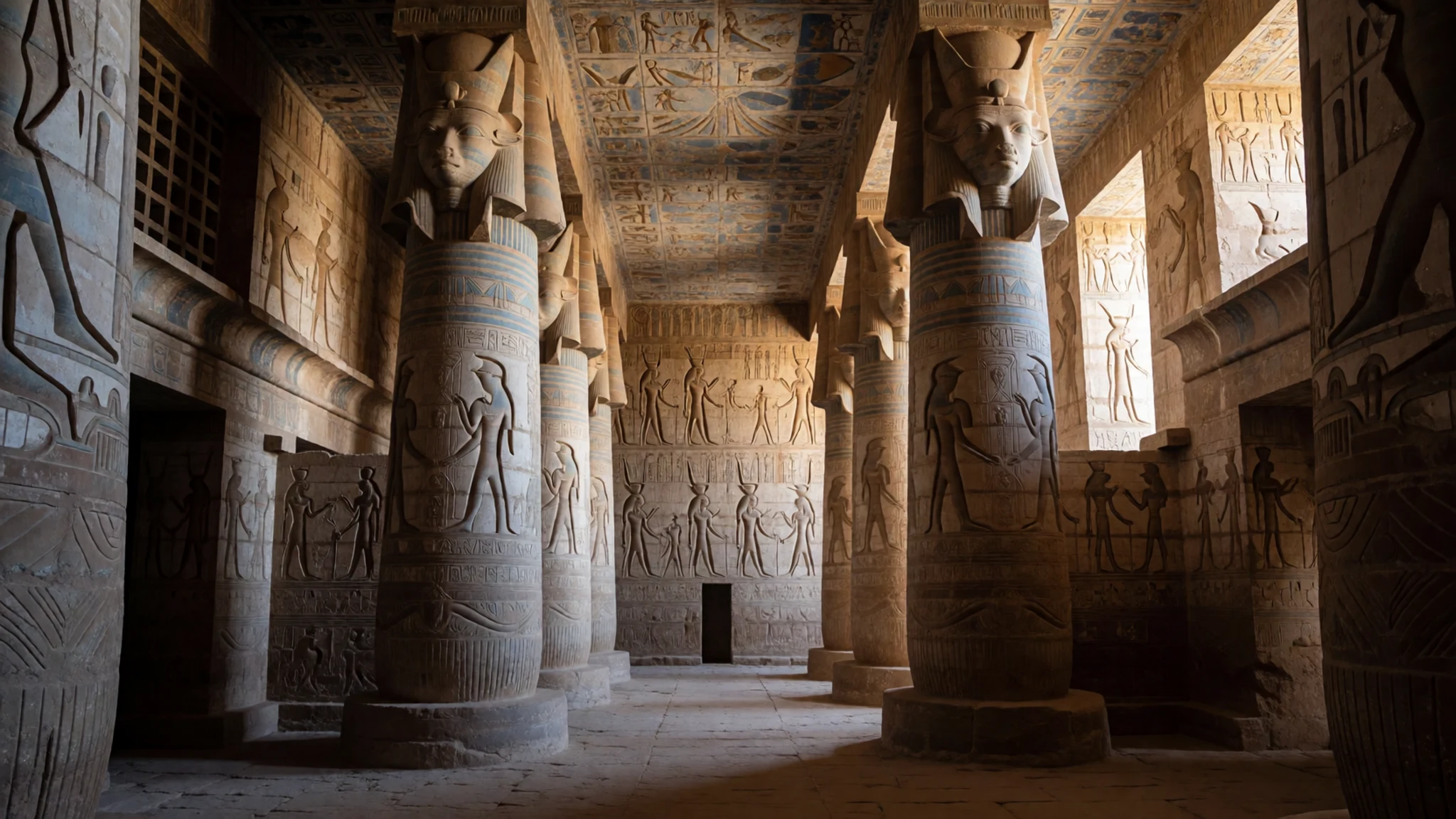
- The Roof and Staircases — Upper level of the main temple
Climbing the grand stone staircases at Dendera Temple complex leads travellers out onto the open roof terraces, where processional reliefs line the walls. From this elevated vantage point, visitors can survey the entire mudbrick enclosure, examine small solar chapels dedicated to Osiris, and appreciate the immense scale of the surrounding agricultural landscape along the river.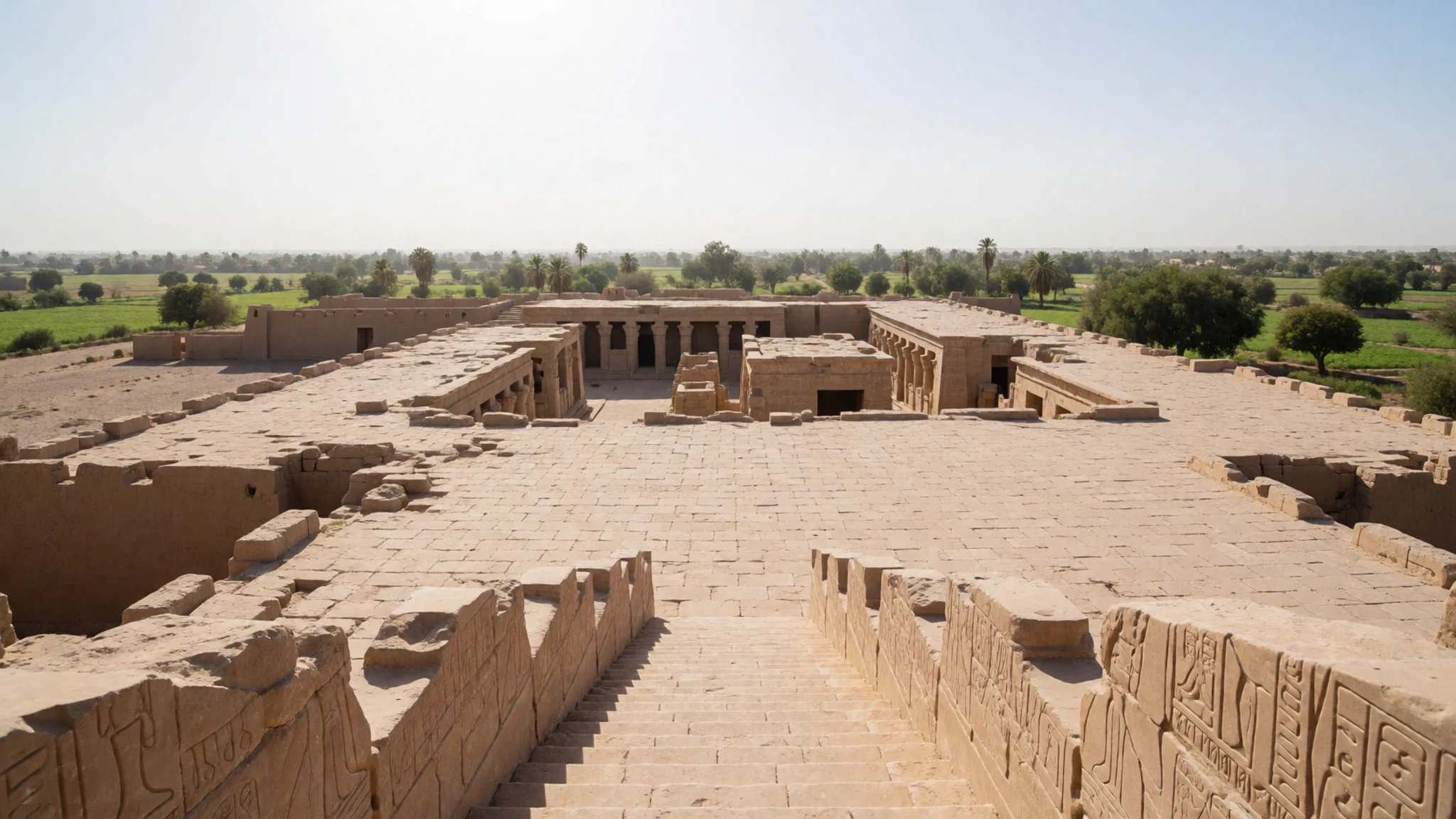
- Subterranean Crypts — Lower level beneath the inner sanctuary
Venture beneath the temple floor at Dendera Temple complex to explore the hidden subterranean chambers where sacred temple treasures and divine statues were once safely stored. Narrow stone corridors feature dramatic, high-relief carvings glowing under modern lighting, offering a thrilling glimpse into the secretive architectural spaces designed to protect holy objects from profane eyes.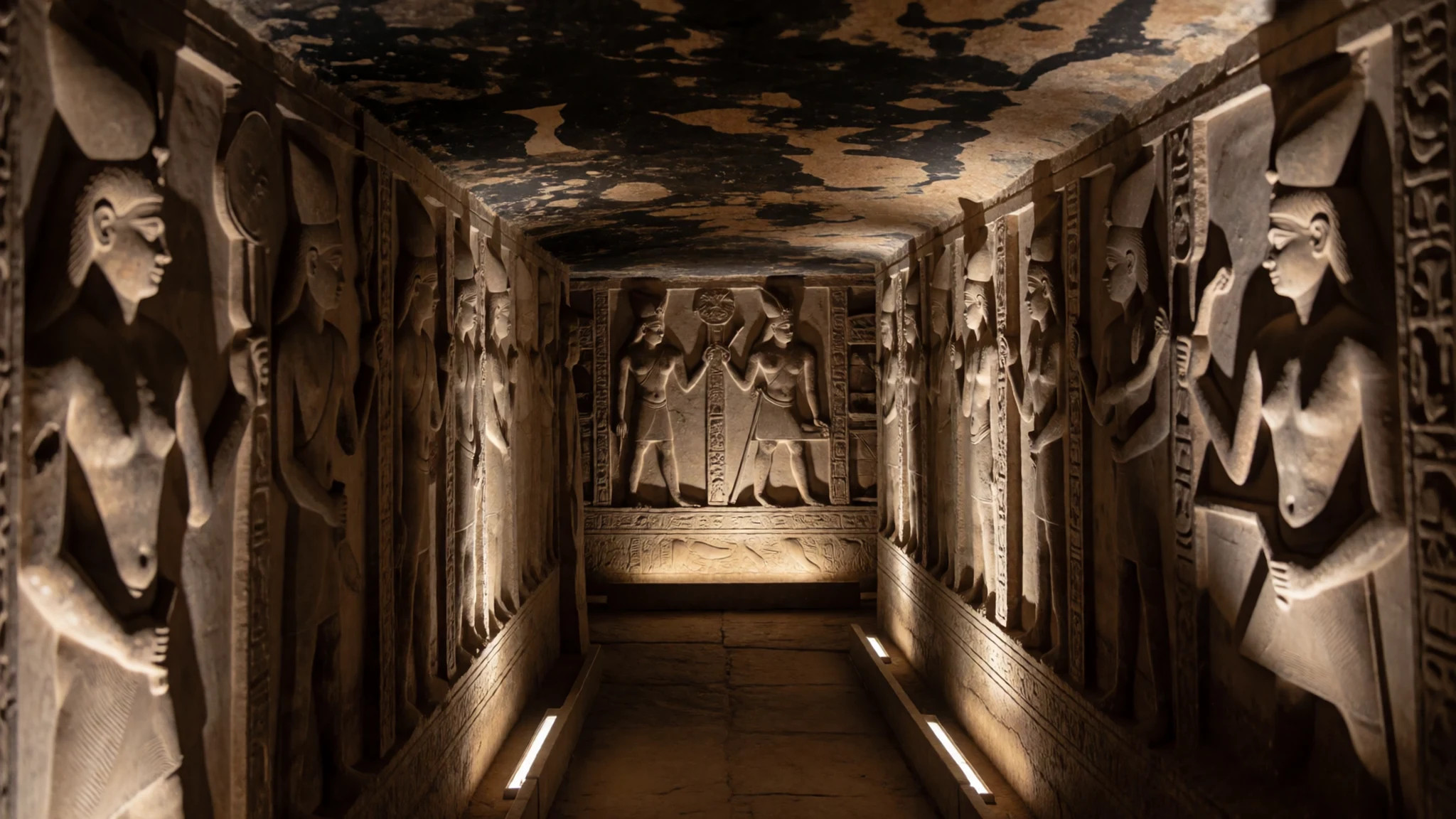
- Gate of Trajan and North Gate — Northern sector of the enclosure
Walk through the monumental stone gateways positioned along the perimeter of Dendera Temple complex, including the imposing structure bearing the name of Emperor Trajan. These decorated portals marked the ancient processional routes into the sacred precinct, displaying crisp classical reliefs that blend Roman imperial iconography with traditional Egyptian architectural forms.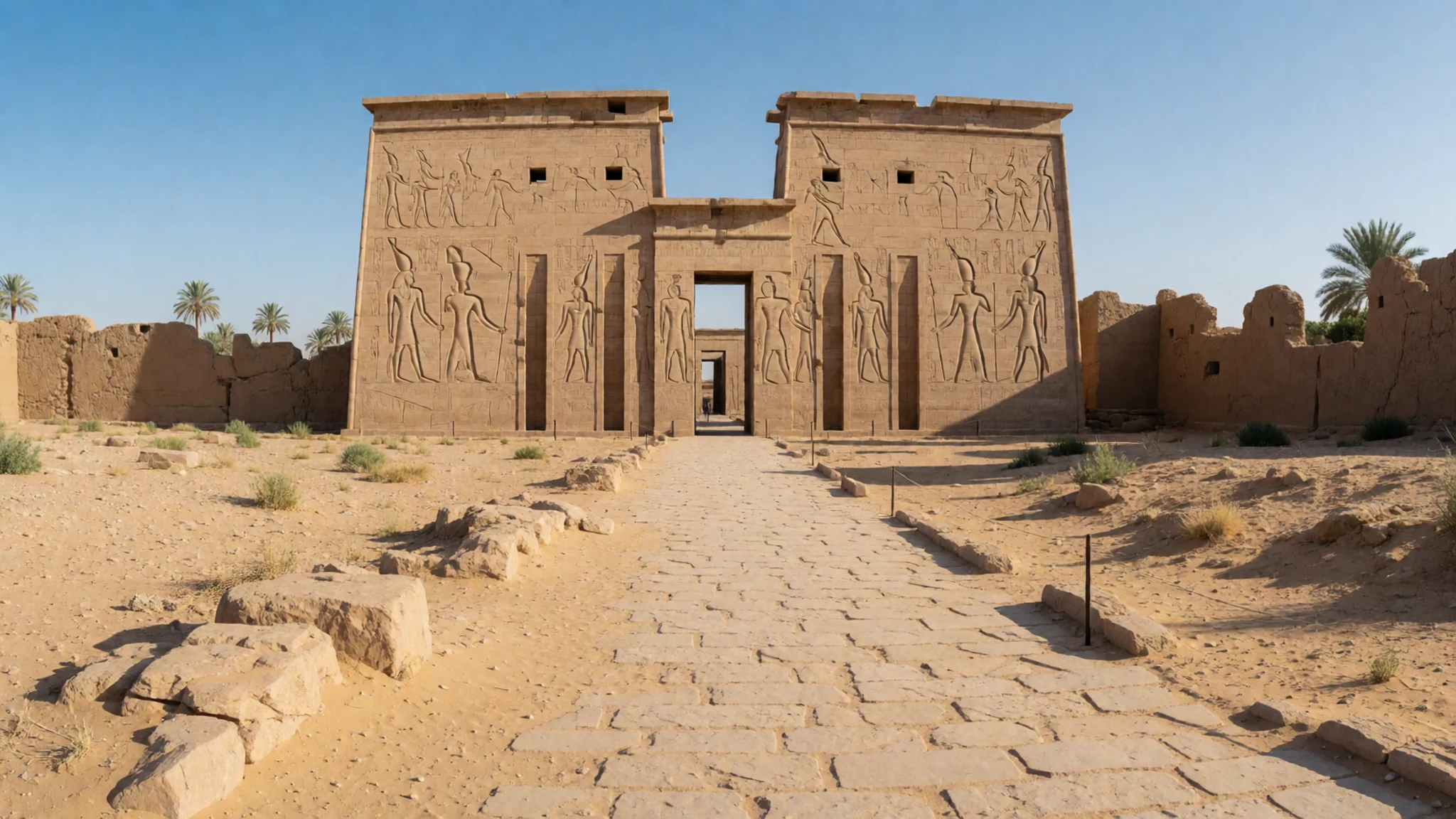
Culture
Life around the Dendera Temple complex is deeply rooted in the agricultural traditions of Upper Egypt and the rhythms of the Nile valley. Local communities near the sanctuary maintain tight-knit social structures, where hospitality and traditional craftsmanship remain central to daily existence. Visitors will encounter a warm, welcoming atmosphere among the residents of nearby rural settlements, though traditional conservative norms continue to shape public life in the region. Respect for religious heritage is paramount, reflecting both the Islamic faith of modern residents and the profound historical resonance of the ancient monuments that anchor the local identity. When visiting the temple grounds or nearby rural areas, dressing with modesty is essential for both men and women to show proper respect for local customs and sensibilities. Always ask permission before photographing local residents, particularly women and working farmers in the surrounding fields.
What to wear
Traditional dress in the rural areas surrounding the Dendera Temple complex often reflects practical adaptations to the hot desert climate and conservative regional values. Older villagers frequently wear flowing galabiyas—traditional long cotton robes—paired with turbans or headscarves that provide effective protection against the intense sun and dust. Younger generations in nearby towns now wear contemporary western-casual clothing, such as jeans and cotton shirts, while maintaining modest hemlines and necklines out of respect for local traditions. For visitors exploring the temple precinct and nearby dusty roads, lightweight, loose-fitting cotton or linen clothing is highly recommended to stay comfortable in the heat. Both men and women should choose garments that cover the shoulders and knees when visiting the complex, and sturdy walking shoes are essential for navigating uneven stone floors, sandy courtyards, and steep staircases.
What to eat
- Ful Mudammas — Local roadside eateries and small village cafes
A hearty staple dish of slow-cooked fava beans seasoned with olive oil, garlic, lemon juice, and cumin, traditionally eaten for breakfast with flatbread.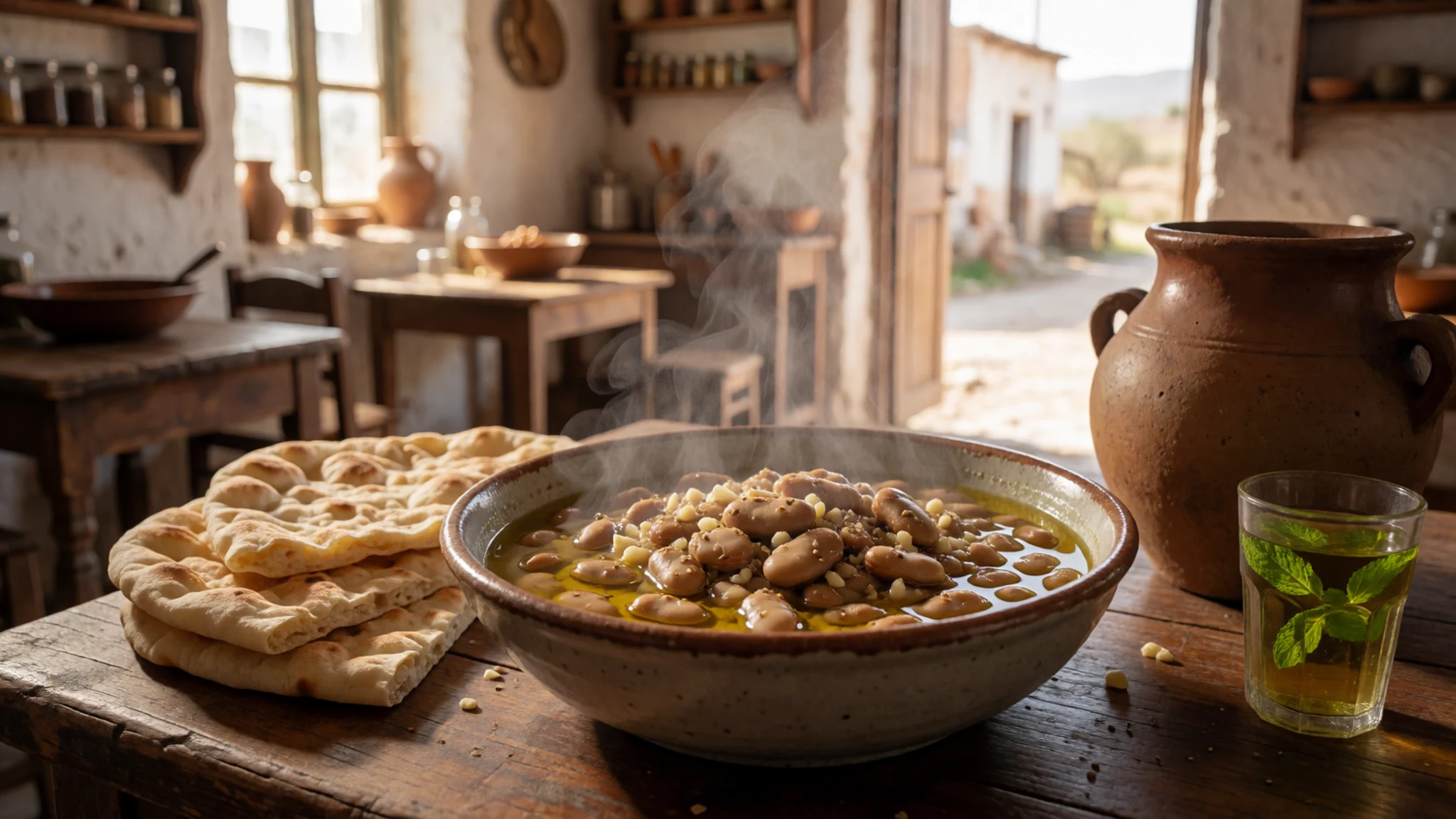
- Taameya — Morning food stalls in nearby town markets
Crisp, deep-fried fritters made from crushed fava beans mixed with fresh herbs and spices, served hot with tahini sauce and fresh salads.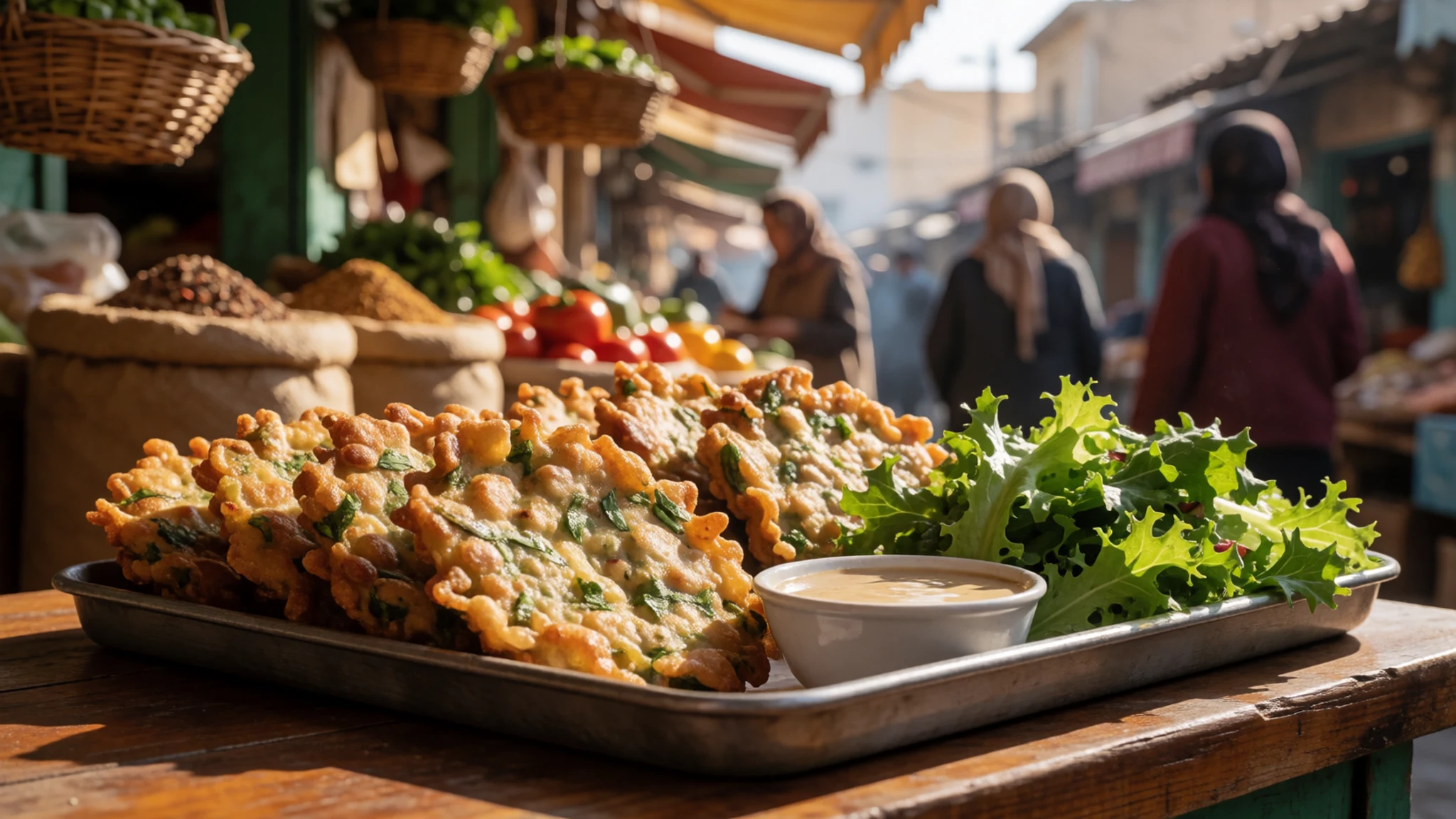
- Koshary — Traditional local restaurants in Qena
A popular layered comfort dish combining lentils, rice, macaroni, spiced tomato sauce, and crispy fried onions, topped with garlic vinegar. - Eish Baladi — Village bakeries and local family markets
Traditional round flatbread baked fresh daily from whole wheat flour, puffed up and hollow, perfect for scooping up savory stews and dips.
Plan it
Best time. Visit between March and April or October and November to enjoy pleasant daytime temperatures while avoiding the intense, scorching heat of the summer months.
How long. 1–2
Getting there. Arrive via local train or service taxi from Luxor to nearby Qena, then take a short local taxi or hired vehicle across the Nile to the temple gates.
Budget. mid
Tips
- Arrange transport in advance for a reliable return trip from nearby transport hubs
- Carry bottled water and sun protection as shade is limited outside the main halls
- Bring cash in local currency for transport fares and small entrance fees
- Arrive early in the morning to explore the inner sanctuaries ahead of tour groups
Etiquette
- Dress modestly with shoulders and knees covered out of respect for local customs
- Always ask permission before taking photographs of local residents and workers
- Remove footwear if entering designated sacred spaces or active prayer areas
Nearby
Sources
- Wikidata Q735254 (CC0)
- Wikipedia (rev 1362756552) (CC BY-SA 4.0)
- Wikivoyage (rev 5314232) (CC BY-SA 4.0)