Darjeeling
Darjeeling, India
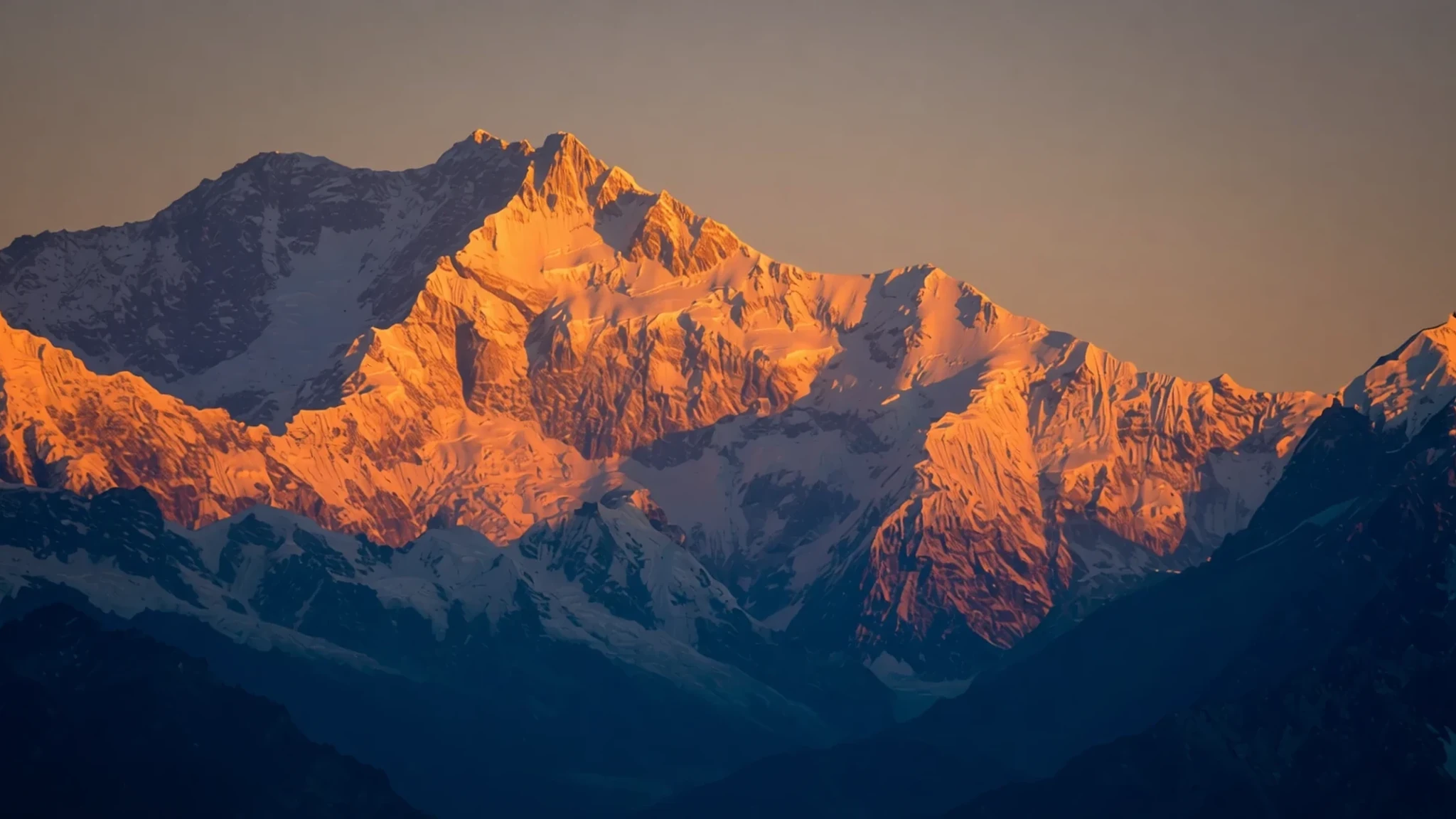
Climb into the Eastern Himalayas to ride vintage steam trains, wander through misty hillside tea gardens, and watch the sunrise illuminate Kangchenjunga.
The place
Darjeeling perches high within the northernmost folds of West Bengal, occupying a dramatic mountain ridge in the Eastern Himalayas. Surrounded by steep slopes and deep valleys, the city looks across borders toward Nepal, Bhutan, and the Tibetan plateau. On clear mornings, the massive snowy bulk of Kangchenjunga towers directly to the north, dominating the skyline with its gleaming peaks. The mountain air is crisp and thin, carrying the scent of pine and woodsmoke through winding lanes that cling precariously to the hillsides. British officials originally prized this elevated ridge as a cool sanctuary from the oppressive plains heat, transforming a quiet grazing area into a bustling hill station. Today, the town remains defined by its terraced topography, where staircases replace streets and colourful rooftops cascade down steep inclines. Plantations of aromatic tea blanket the surrounding slopes in undulating waves of emerald green, creating an atmospheric landscape where mist frequently rolls in to shroud the valleys below. Life here moves at the gentle rhythm of mountain walks, unhurried conversations in local teahouses, and the steady chug of narrow-gauge railway engines making their slow ascent up the slopes.
Its story
Long before colonial officers arrived, these rugged mountain slopes were inhabited by the Lepcha and Limbu communities, who farmed the steep terrain and moved freely across traditional paths. During the 18th century, the territory shifted between the ambitions of the expanding Gurkha kingdom of Nepal and the rulers of Sikkim. Following regional conflicts and shifting alliances, the British East India Company turned its attention toward the strategic ridge as a potential sanatorium and military outpost. Negotiating control of the area from local rulers, colonial administrators cleared vast tracts of dense forest to construct stone cottages, administrative buildings, and winding cart tracks. To cultivate the challenging slopes, thousands of labourers were recruited chiefly from Nepal, fundamentally altering the demographic and cultural makeup of the region. The indigenous populations found their traditional lands largely overtaken by commercial enterprise. The construction of the legendary mountain railway further integrated the isolated hill station into wider trade networks, bringing goods, travellers, and a permanent urban population to the heights. Through decades of changing political boundaries, labour movements, and cultural shifts, the settlement retained its distinct identity as a melting pot of Himalayan traditions, shaped indelibly by its colonial origins and the resilience of its mountain communities.
What to see
- Happy Valley Tea Estate
Wander through one of the oldest operating tea plantations in the district, where winding paths lead down steep terraces. Visitors can join guided tours through the historic factory building to observe the traditional stages of withering, rolling, fermenting, and drying that transform delicate green leaves into world-renowned aromatic black tea.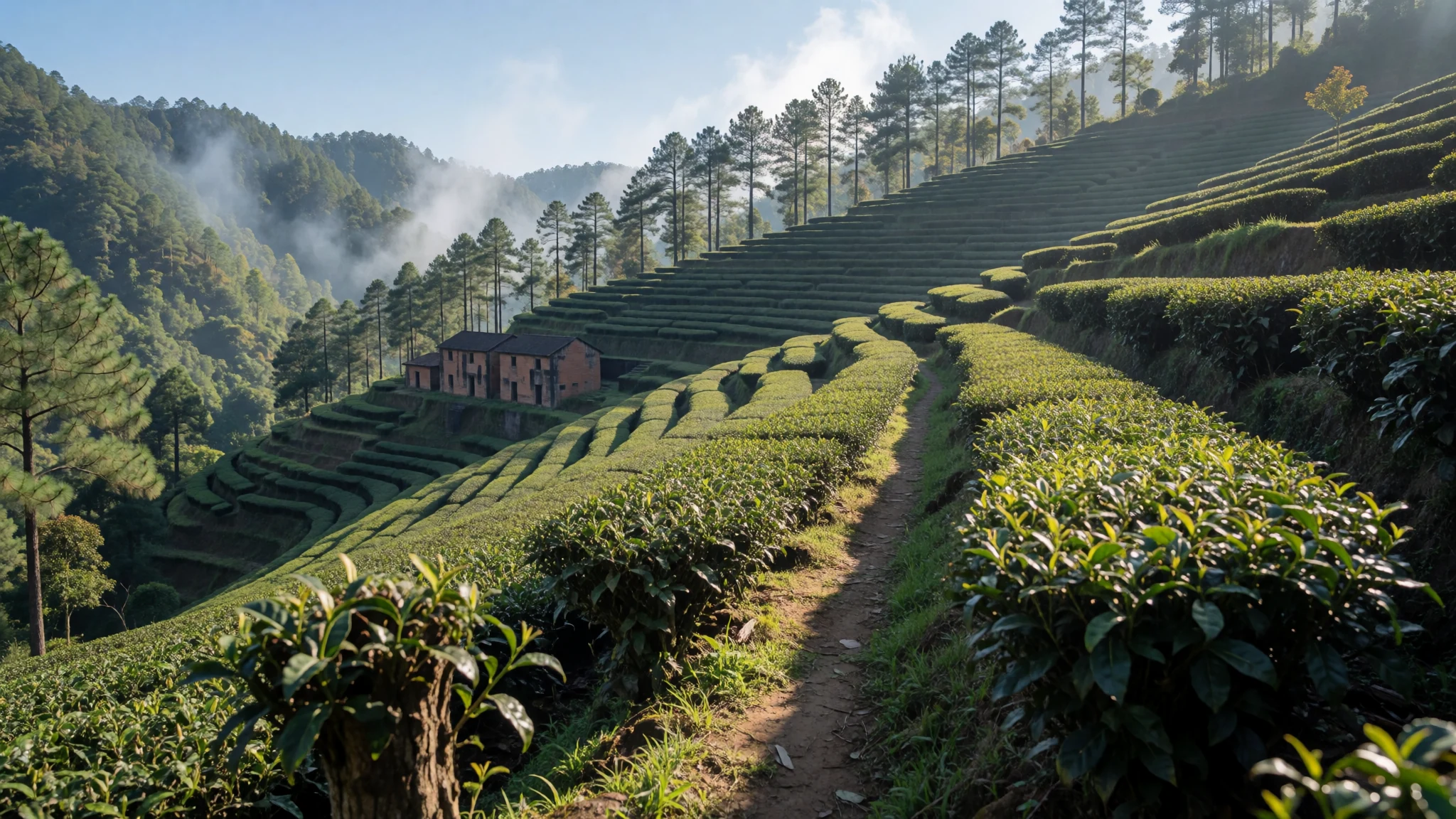
- Observatory Hill
Ascend the oldest sacred site in the town centre, a windy summit where Hindu and Buddhist shrines merge in colourful displays of fluttering prayer flags. Known locally by traditional names, this forested hill offers quiet walking trails, glimpses of resident wildlife, and sweeping vantage points overlooking the layered valleys stretching toward neighbouring mountain ranges.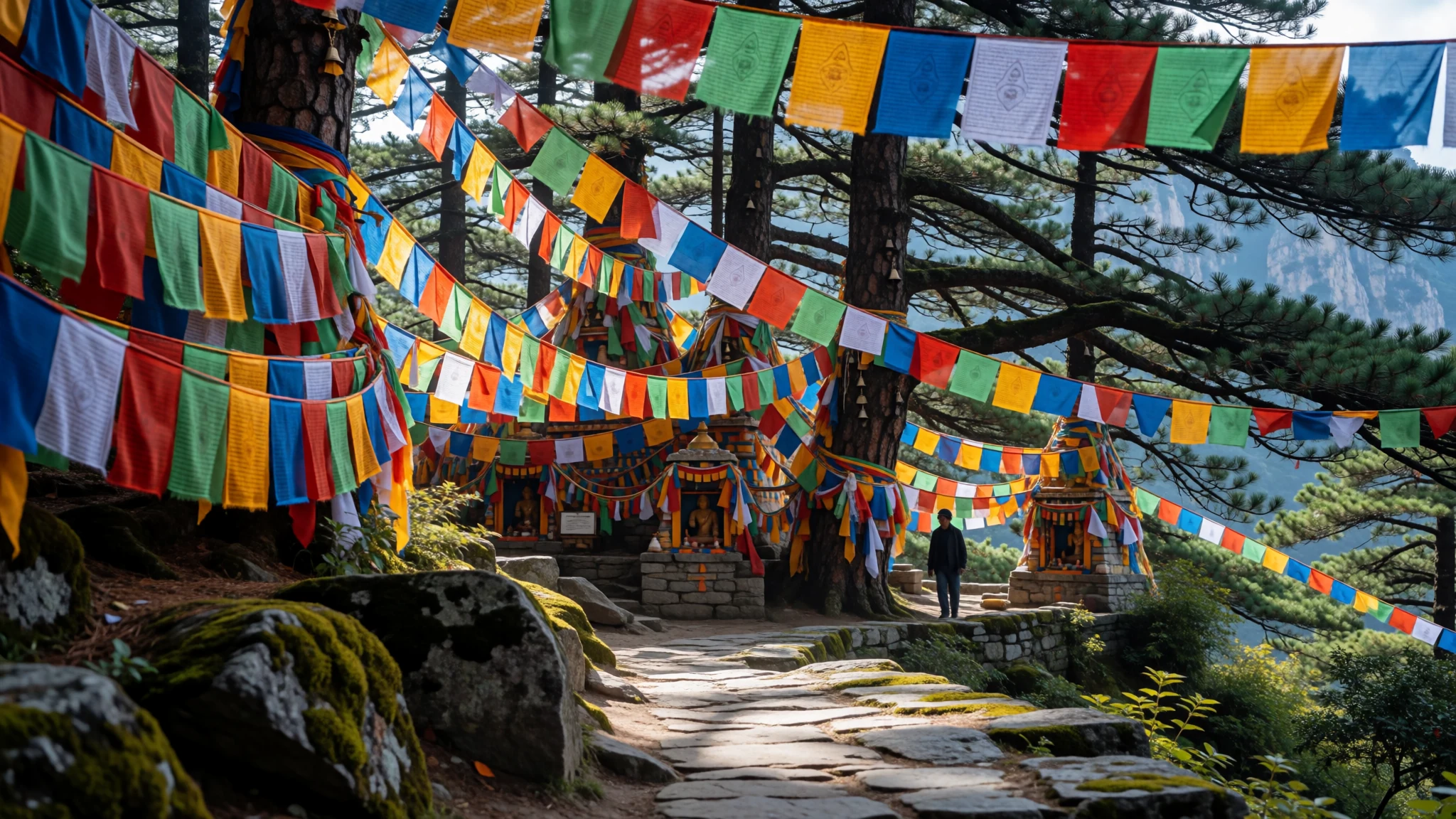
- Tiger Hill
Make the pre-dawn journey to this famous high vantage point to witness the first morning light strike the massive Kangchenjunga massif. As the sun climbs above the horizon, the snowy peaks transform from deep shadow into brilliant shades of gold and amber, casting a breathtaking alpine glow across the entire Eastern Himalayan skyline.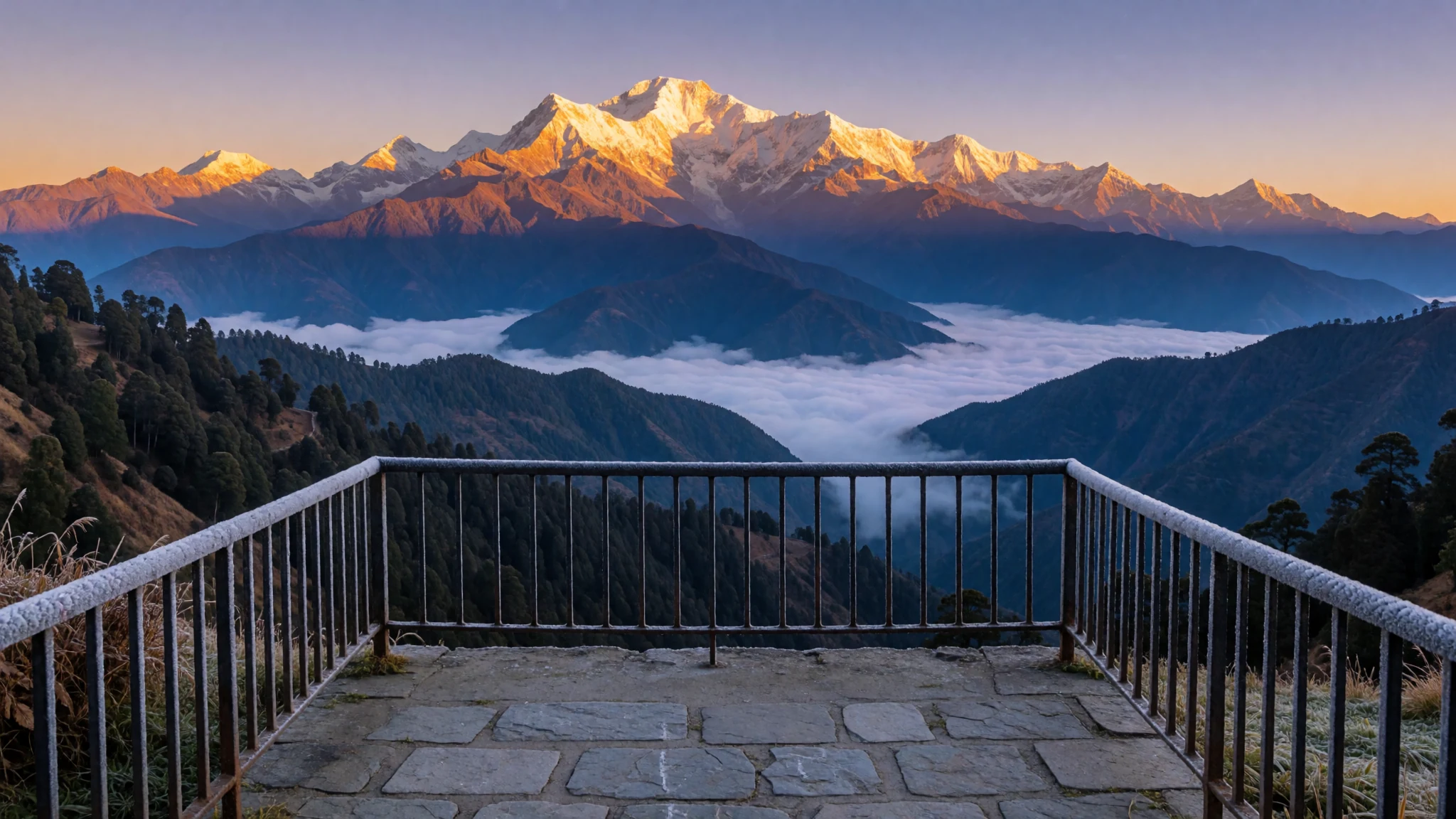
- Tibetan Refugee Self Help Centre
Visit this established hillside community founded to support displaced families, where artisans craft traditional Tibetan carpets, intricate wood carvings, and woollen garments by hand. The tranquil compound includes a peaceful monastery, a small museum chronicling community history, and workshops where visitors can observe skilled craftspeople preserving their cultural heritage.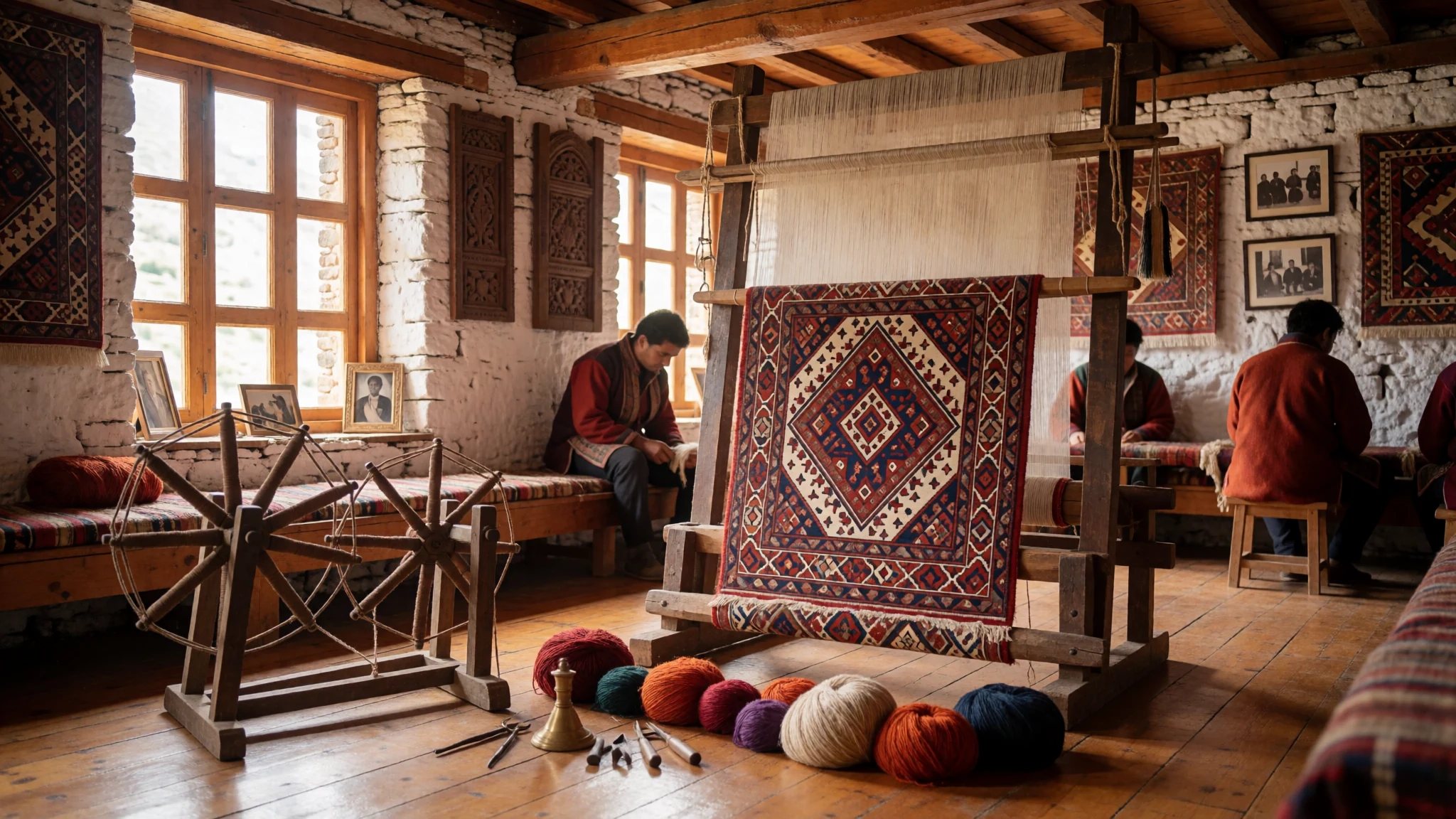
- Bose Institute
Explore the historic scientific outpost perched on the hillside, founded by renowned scientist Jagadish Chandra Bose as a high-altitude research station. The institution reflects the town's surprising legacy as a hub for early scientific inquiry into plant physiology and microwave research amidst the tranquil atmosphere of the Eastern Himalayan peaks.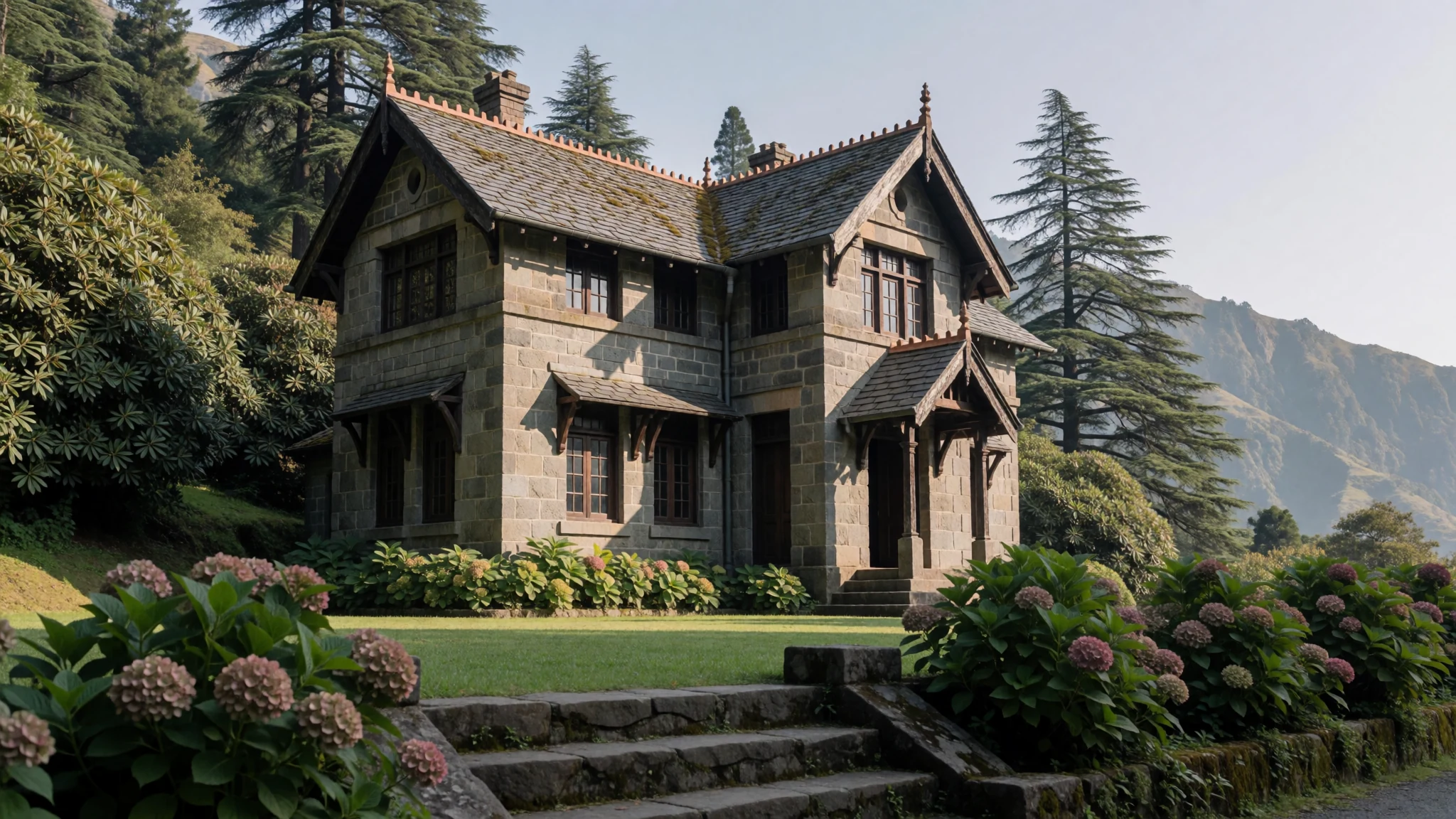
Culture
The cultural fabric of the hills is wonderfully diverse, woven from generations of migration, trade, and shared mountain life. Communities including Tibetans, Lepchas, Bhutias, Sherpas, Yolmos, Gurungs, and Tamangs contribute to a vibrant mosaic of distinct traditions, languages, and festivals that set this region apart from the plains of India. Celebration is a constant part of the local calendar, featuring major events such as Dashain, Tihar, Holi, and the Tibetan New Year festival known as Losar. Traditional Buddhist monasteries stand alongside vibrant community halls, where masked dances and ritual music mark auspicious seasonal transitions. Music and dance play central roles in daily existence, often accompanied by traditional instruments and lively folk melodies passed down through families. Intermarriage and shared neighbourhood life have created unique hybrid customs, blending ancient animist practices with Tibetan Buddhism and Hinduism into a warm, welcoming community spirit. Visitors should always remove footwear before entering monastery prayer halls and ask permission before photographing local residents in traditional attire.
What to wear
Traditional attire in the hills reflects the practical needs of cold mountain weather combined with rich cultural heritage. Women frequently wear the traditional vibrant bakhu or honju—a flowing wrap-around dress paired with colourful blouses and intricately woven shawls made from wool or cotton. Men often wear traditional tunics or jackets accompanied by distinctive woven caps that signal regional identity. Today, everyday street wear blends modern utilitarian fashion with warm layers, as residents navigate the chilly mountain climate. Fleece jackets, woollen cardigans, sturdy walking boots, and colourful scarves are absolute essentials for locals and travellers alike, given the rapid temperature drops when mist rolls in. Visitors should dress in adaptable layers that can be added or removed easily throughout the day. Modest clothing that covers shoulders and knees is expected when visiting religious monasteries and sacred shrines. Sturdy, comfortable footwear with good grip is crucial for negotiating the steep stone staircases, uneven paved paths, and sloping hillside lanes that define the geography of the town.
What to eat
- Glenary's Bakery and Cafe — Chowrasta square area
A historic landmark operating across multiple floors in the town centre, famous for its old-world charm, freshly baked pastries, apple pies, and warm cups of locally harvested estate tea enjoyed while overlooking the misty valley.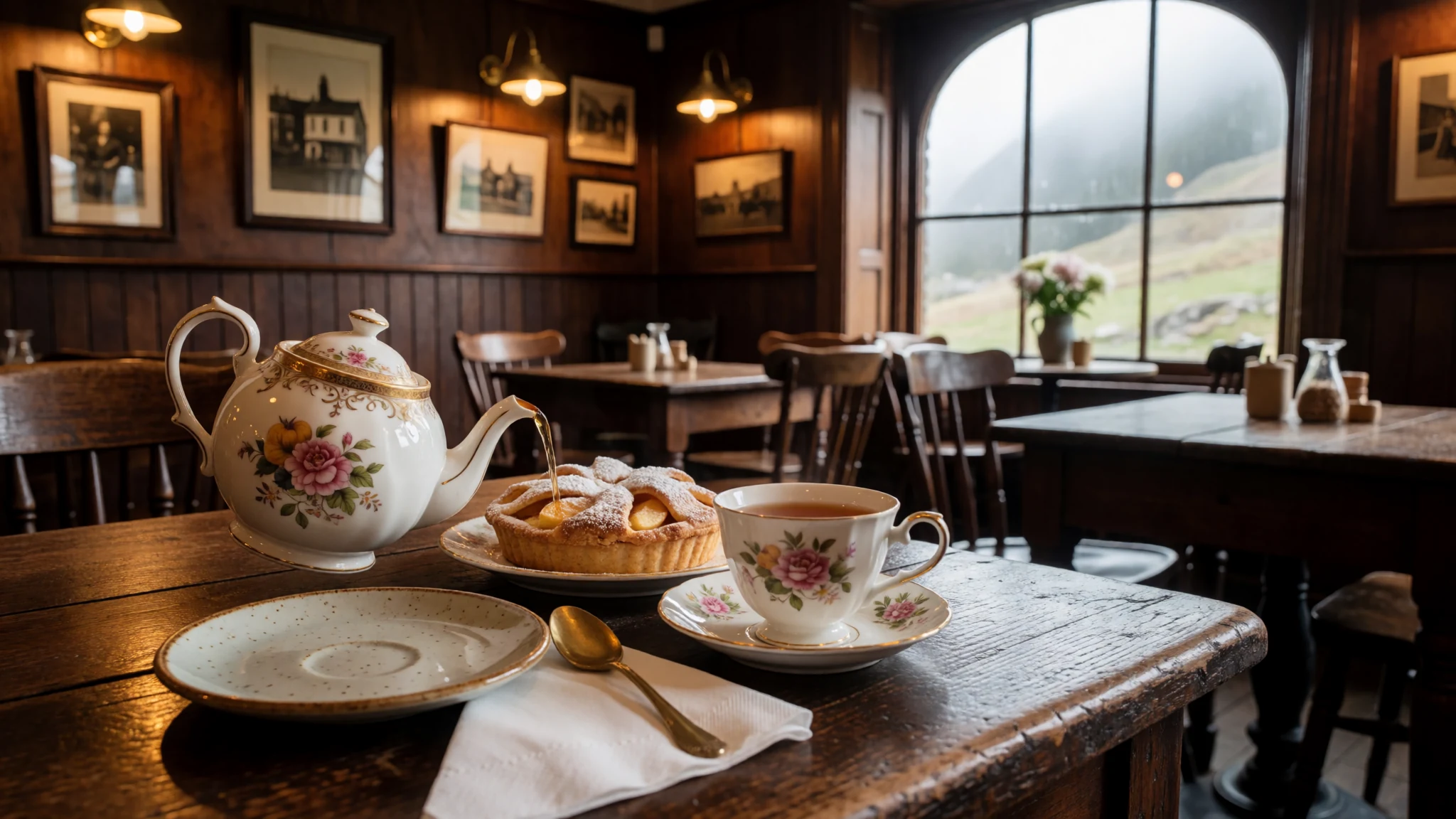
- Boney's Snack Bar — Main bazaar street
A cosy, popular spot in town serving comforting comfort food including grilled sandwiches, hearty burgers, pizzas, and warming bowls of pasta that provide a welcome refuge from the crisp mountain air.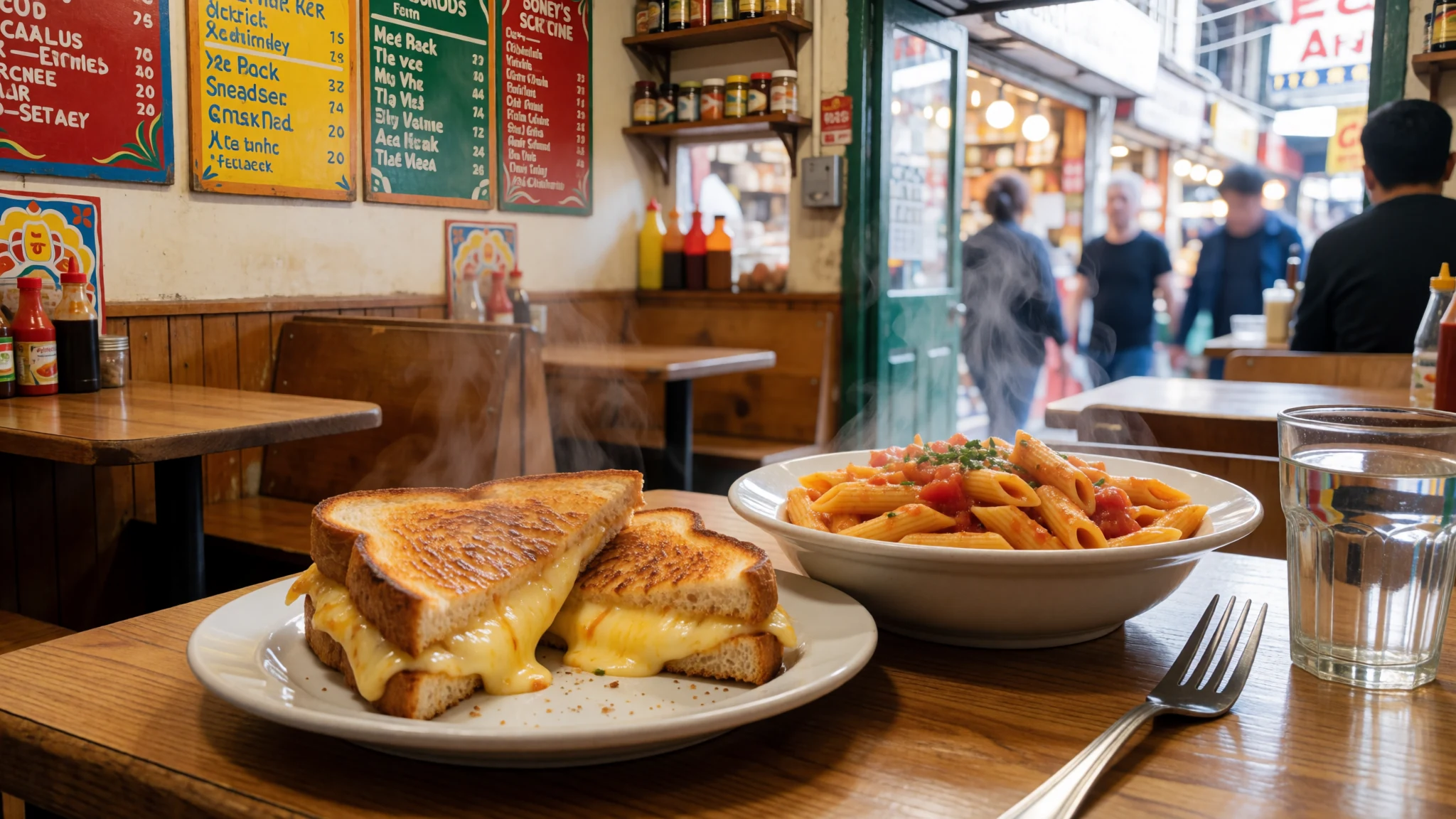
- Cake Lady — Residential lanes of Darjeeling town
A local favourite known for custom-baked cakes, muffins, and rich chocolate brownies, prepared to order and delivered fresh across the town for travellers celebrating special occasions in their accommodation. - Golden Tips Tea Cosy — Near the town mall
An inviting tasting lounge and shop offering expertly brewed loose-leaf estate teas alongside beautifully packaged artisanal gift selections, allowing visitors to sample authentic first-flush and second-flush varieties.
Plan it
Best time. March to April brings clear spring weather and blooming rhododendrons, while October to November offers crisp autumn air and the best panoramic views of snow-capped peaks. Avoid the heavy monsoon rains between June and September.
How long. 3–4
Getting there. Fly into Bagdogra Airport, then take a shared taxi or private vehicle on the winding mountain road up to the hill station, or connect via the historic Darjeeling Himalayan Railway from New Jalpaiguri.
Budget. mid
Tips
- Book heritage steam train tickets well in advance as seats sell out quickly.
- Start early morning excursions to viewpoint hilltops before dawn to secure a good spot.
- Carry cash, as smaller teahouses and craft stalls rarely accept card payments.
- Pack warm layers, as temperatures drop sharply after sunset even in warmer months.
- Drink bottled or filtered water and stay hydrated at higher altitudes.
Etiquette
- Remove your shoes before stepping inside any Buddhist monastery or temple room.
- Ask for permission politely before taking photographs of monks or local elders.
- Dress modestly with covered shoulders and knees when visiting religious sites.


