Damascus
Damascus, Syria
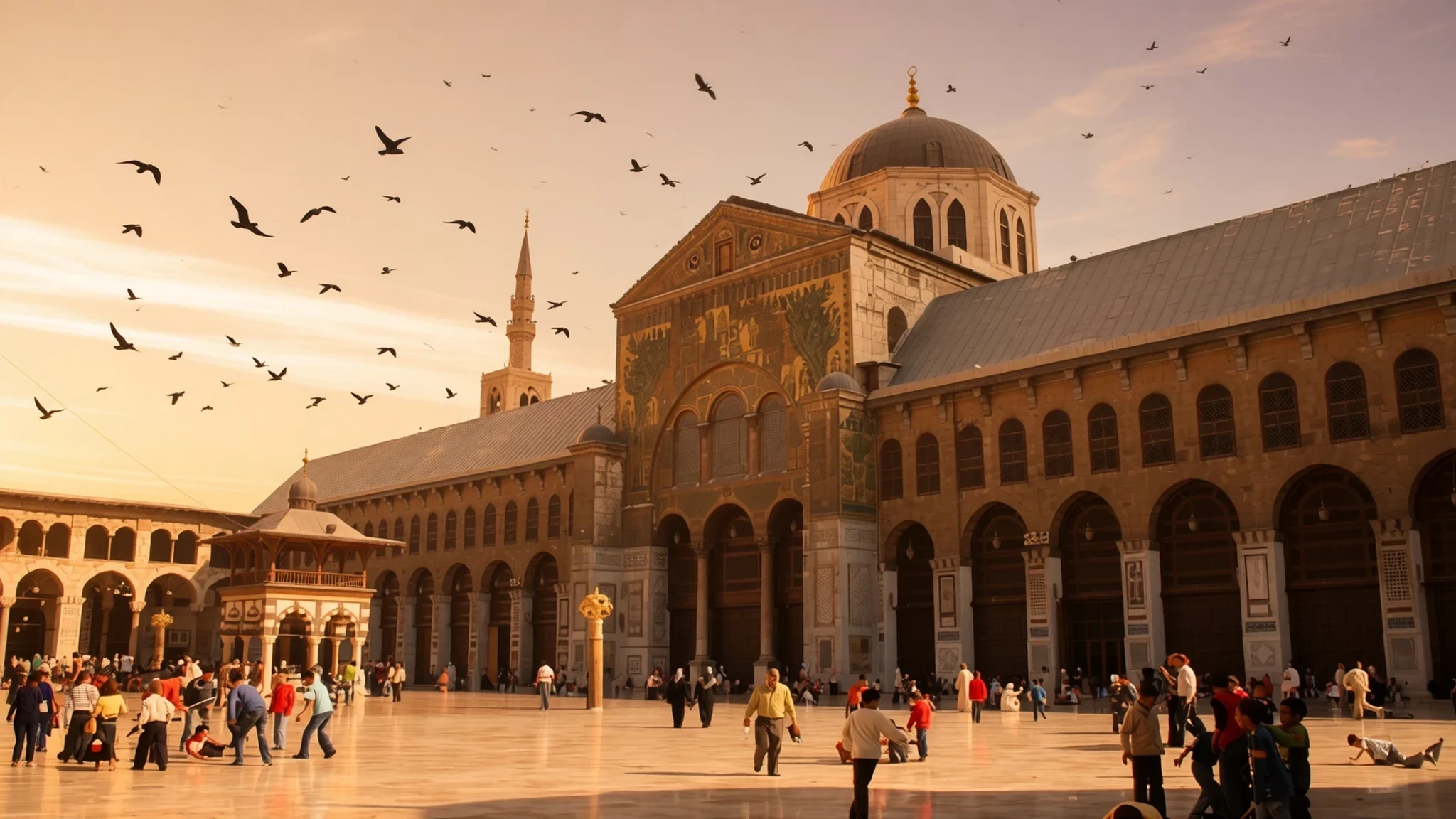
Visit one of the world's cities that has been lived in without a break for thousands of years. It has a covered market, a magnificent mosque, and lanes that are best enjoyed when you take your time in the morning.
The place
Damascus is the capital of Syria and its largest city, home to about 2.7 million people. It sits on a plateau roughly 680 metres above sea level, at the eastern edge of the Anti-Lebanon mountains, and the land rises and falls in gentle folds that look nothing like the coast. The air is dry. The mountains behind the city catch much of the moisture that comes in from the Mediterranean, so rain here is light and summers are hot and bright.
What made the city possible is the Barada River. It winds through the urban area and has long been the reason people settled here: where water reaches the plain, orchards, gardens and irrigated fields follow. The old quarter grew up around that water, and its lanes, courtyard houses and covered markets still feel shaped by it. Newer districts spread outward, with wide roads and apartment blocks climbing the lower slopes.
Damascus has long been a cultural centre of the Levant and the wider Arab world. Its nickname, the City of Jasmine, points to the flowers that scent its gardens and courtyards in spring. Visitors often arrive expecting a single monument and find instead a city of old neighbourhoods, bakeries, tea houses and mosques, most within walking distance of one another. Slow walking suits the old centre far better than a rushed checklist.
The practical side matters. Mid-afternoons in July and August can be punishing, the main sites fill with tour groups in the cooler months, and prices beyond the basics should be checked on the day rather than assumed.
Its story
Damascus has been lived in for longer than most cities still standing. Archaeologists have dated early farming at Tell Ramad, on the city's outskirts, to the second half of the seventh millennium BC, and settlement along the Barada basin is older still. A large town within the later walls came much later, in the second millennium BC.
Written history reaches the city largely through its neighbours. Egyptian records of the New Kingdom, under Thutmose III, list Damascus among the places within Egyptian reach, and the Amarna letters of the late eighteenth dynasty describe it as ruled by a local king. The area then turned into a struggle between the Hittite kingdom to the north and Egypt to the south. A treaty between Hattusili III and Ramesses II ended the dispute by giving the Damascus region to Egypt.
Later empires left their marks in turn: Roman, Byzantine and then the early Islamic states. Damascus became the capital of the Umayyad Caliphate, and the mosque and palatial buildings from that age still anchor the old city. When the Abbasids took power, they moved the seat of Islamic government east to Baghdad, and Damascus lost political weight for centuries. It recovered under the Ayyubids, the Mamluks and the Ottomans, who ran it as a regional administrative and trading hub with caravans and khans supporting its markets.
The twentieth century brought French mandate rule and then independence, and the city became the seat of Syria's central government. The layers are visible everywhere: Roman columns at the entrance of the souq, Islamic courtyards and Ottoman-era khans. Legend adds its own strand, including the story of Ananias, said to have lived in a house in the city, now a site with an underground church.
What to see
- Umayyad Mosque — Old city, beside Umayyad Square
The Umayyad Mosque stands at the heart of the old city and is a major monument of the early Islamic world. Its courtyard is vast, and the prayer hall is entered through a gate with a broad arcade. Non-Muslim visitors are welcome outside prayer times, but the building is an active place of worship, so dress modestly and check the entry arrangements on arrival.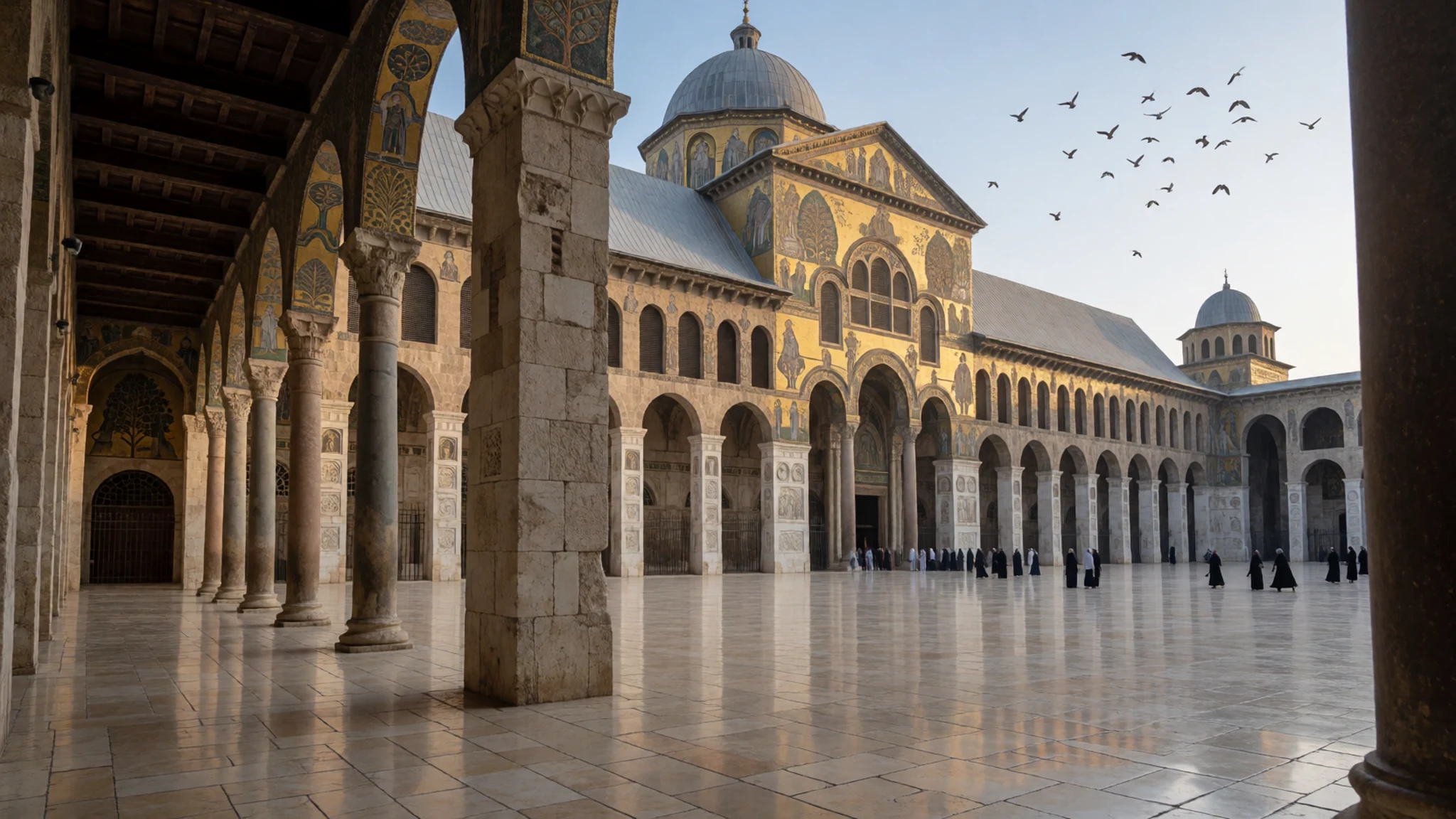
- Souq al-Hamidiyya — Old city market district
The Souq al-Hamidiyya is a broad covered street packed with small shops selling textiles, spices, sweets and household goods. A columned Roman temple marks one end, a reminder that the market has stood on much older ground. Go in the morning, when the light is good and shopkeepers have time to talk, and bargain politely rather than aggressively.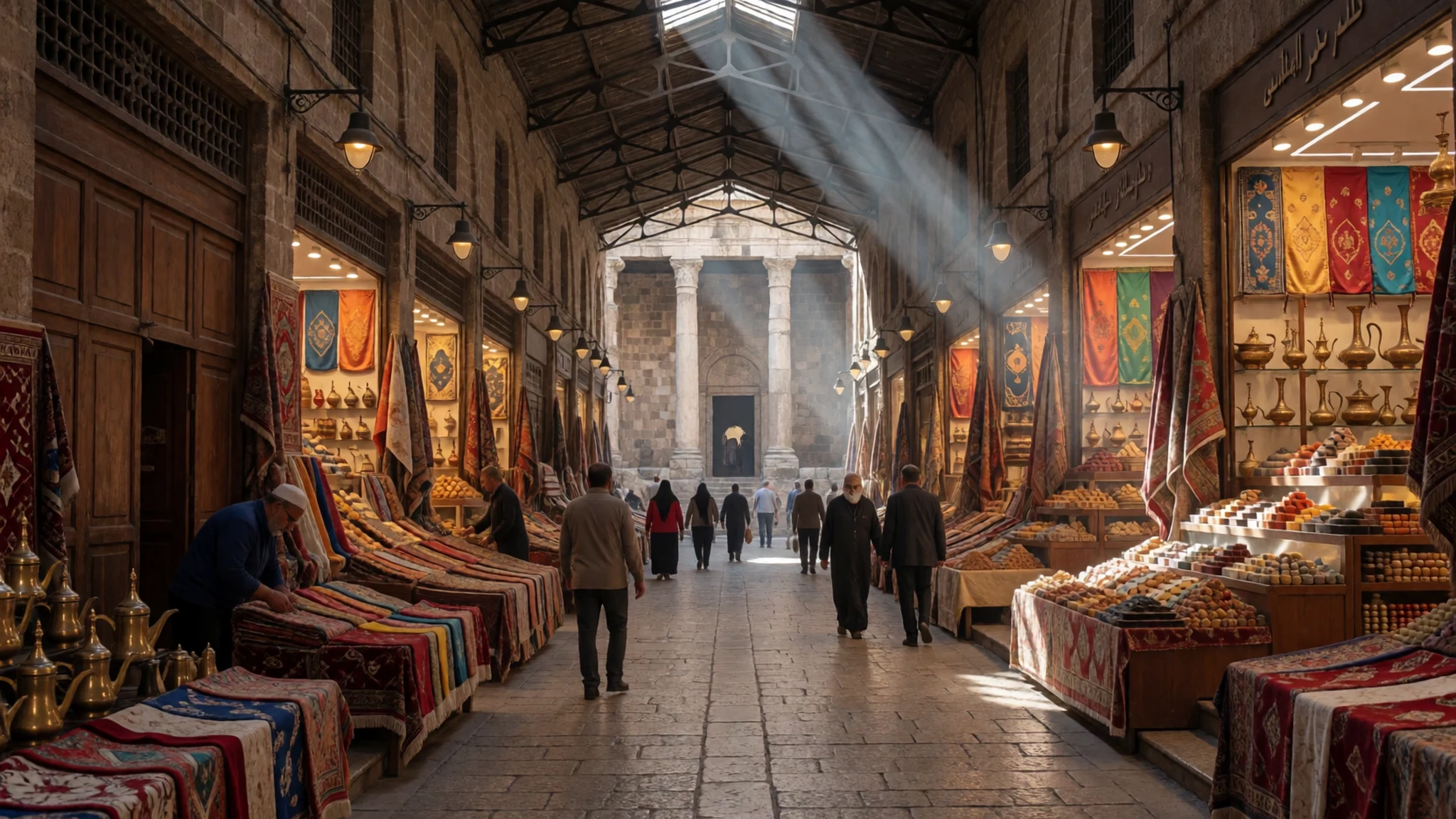
- Azm Palace — Old city, near the Hamidiyya
Built in 1749, the Azm Palace is a well-kept residence arranged around courtyards, fountains and tiled halls. Its museum explains the daily life of the households that lived there, which helps make sense of the old houses seen across the city. Allow an hour or so, and visit in the cooler part of the day to avoid the midday heat.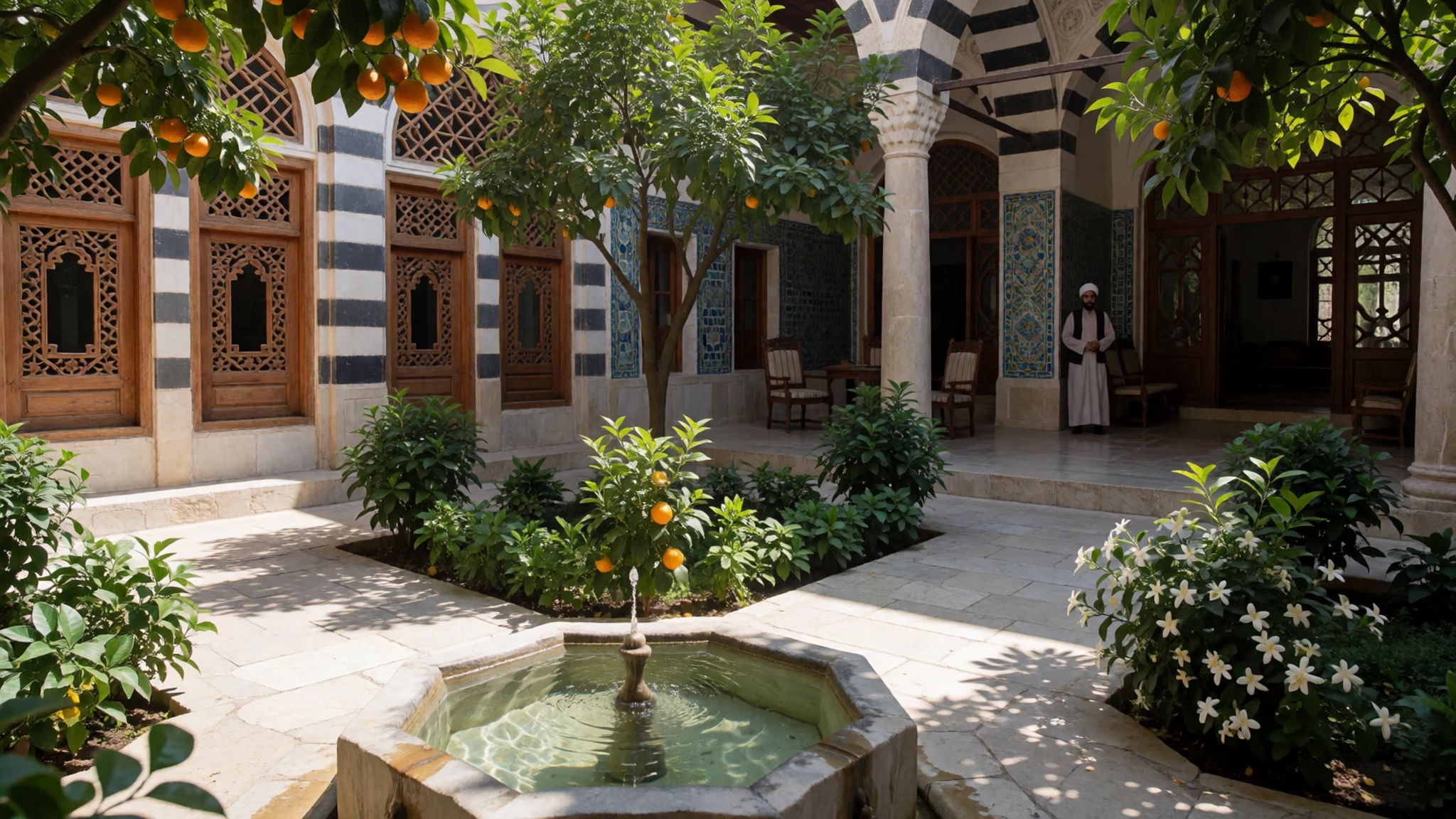
- Khan As'ad Pasha — Old city, inside the market quarter
Khan As'ad Pasha, finished in 1758, is the largest caravanserai in the old city, a courtyard inn that once housed merchants and their animals. Its arcades and central fountain give a sense of how trade moved through Damascus for centuries. Today the courtyard holds workshops and small shops, and it is noticeably quieter than the main souq.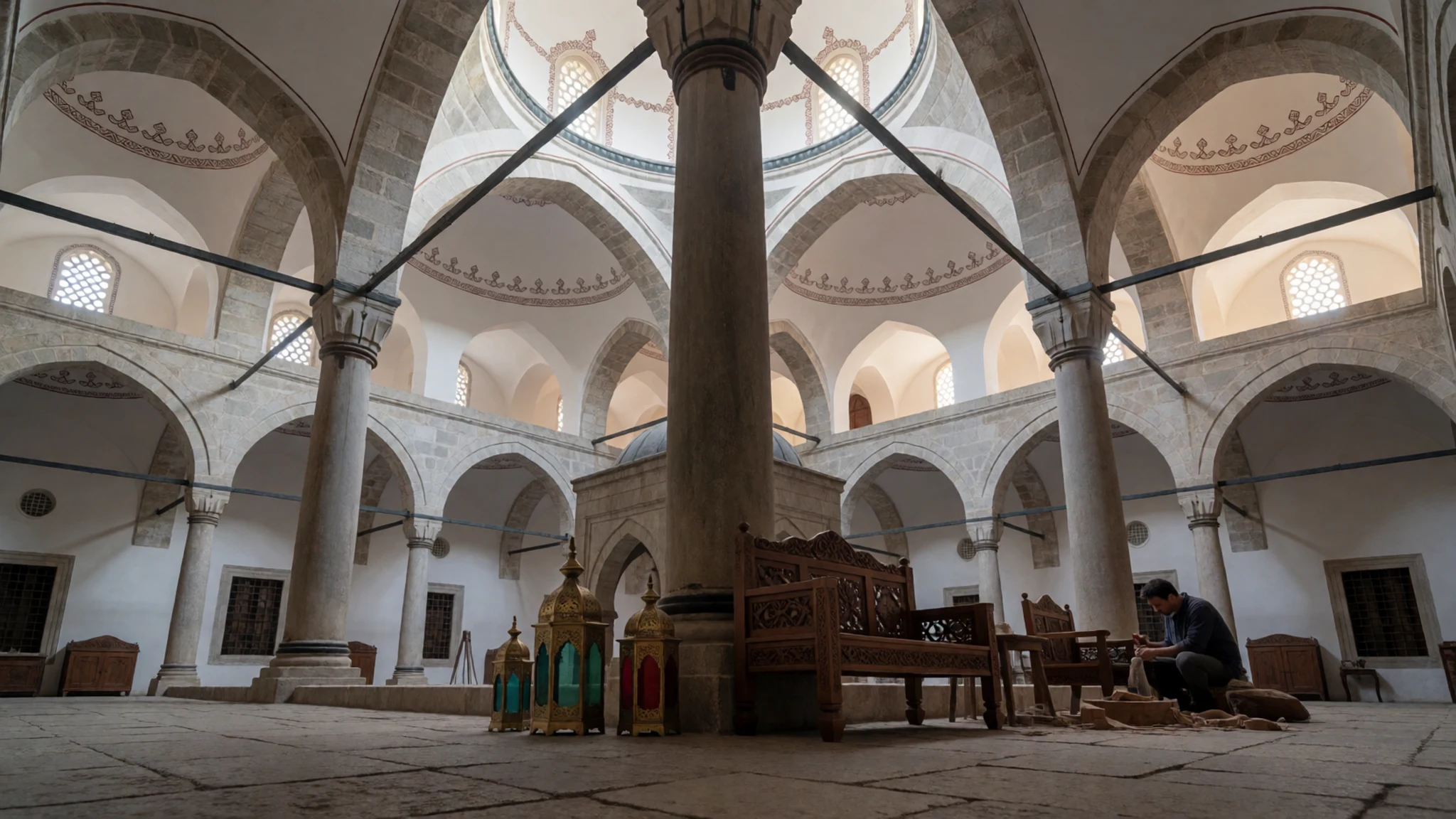
- Saint Ananias House — Old city, Christian quarter
This site is said to be the home of Ananias, who baptised Saul, later known as Paul the Apostle. Excavations have revealed an underground church dating from the fifth or sixth century. The setting is small and reflective, so keep voices low and ask before taking photographs inside.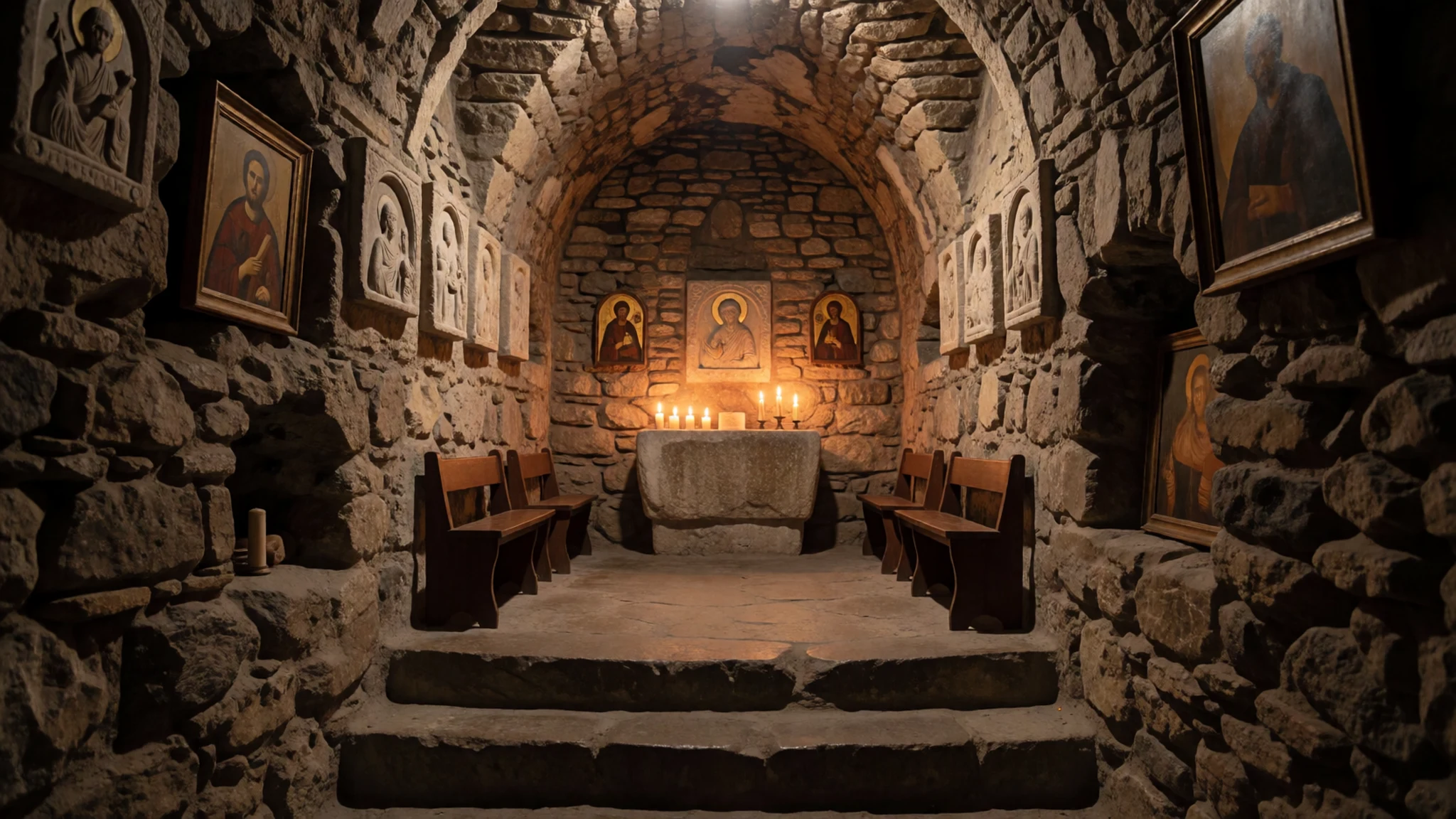
Culture
Damascus is a city of everyday religious life as well as famous shrines. Most people are Muslim, with a sizeable Christian community whose churches sit in the old city, and Friday is the main day of prayer. Arabic is the everyday language, and a few words of greeting go a long way.
The city has a strong cultural life. Damascus was chosen as the Arab Capital of Culture in 2008, and its museums reflect that, including the National Museum, the Azm Palace, the Military Museum and the Museum of Arabic Calligraphy. Football is the sport most people follow, with local clubs in the Syrian Premier League, while basketball, tennis and swimming are popular too.
Hospitality is part of daily life. Tea and coffee are offered in homes and shops, and accepting a cup is a polite gesture. Conversations about politics are best left alone unless the other person begins them. Ask before photographing people in the souq, especially women and children, and cover shoulders and knees before entering any mosque or church.
What to wear
Traditional dress in Damascus has long been tied to the city's crafts. Damask, the figured silk named after the city, reflects a reputation for woven silks and brocades that the old workshops once sustained. Older generations of men wore long robes, often called qumbaz, while festive dress for women featured embroidered fabrics and heavy silks for weddings and religious holidays. Some of these styles are still seen in the old quarter, though they are increasingly reserved for occasions.
Most people in the city dress much as they would in any modern capital, in jeans, shirts, dresses and trainers. Many Muslim women wear headscarves, and choices vary widely among others. Dress is generally more conservative in the old quarter and around religious sites, and light cotton clothing suits the summer heat.
For a visitor, the sensible choice is loose layers in breathable fabric: long sleeves or a light shawl for mosques and churches, trousers or a long skirt in the old city, and a hat for the summer sun. Women are usually asked to cover their hair at the Umayyad Mosque, and robes are often lent at the entrance. Shoes that slip on and off suit the many places where footwear is removed, while sturdy closed shoes handle the uneven stone lanes.
What to eat
- Booza at Bakdash — Bakdash parlour, old city
Booza is a stretchy, pistachio-covered ice cream and the famous treat of Damascus. It is served at Bakdash, a long-running ice cream parlour in the old city that has been open since 1885. Order it plain the first time to appreciate the texture before trying any flavoured version.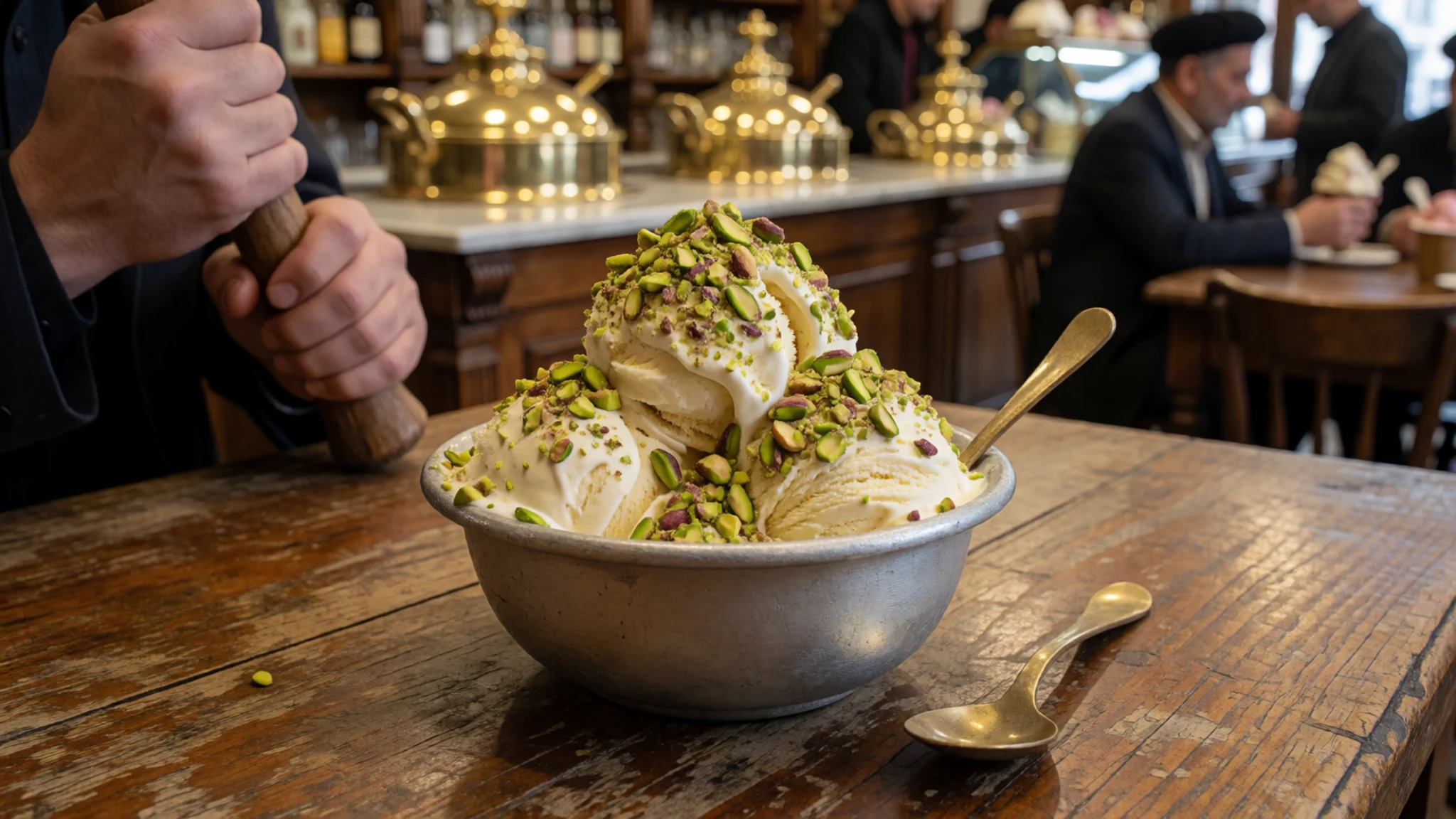
- Mezze — Neighbourhood eateries across the old city
Mezze is a spread of small dishes, such as hummus, tabbouleh, fried cheese and bread, and it is the classic way to begin a meal. Look for it in neighbourhood eateries serving basic Middle Eastern cooking, where plates arrive one after another and the table fills up quickly.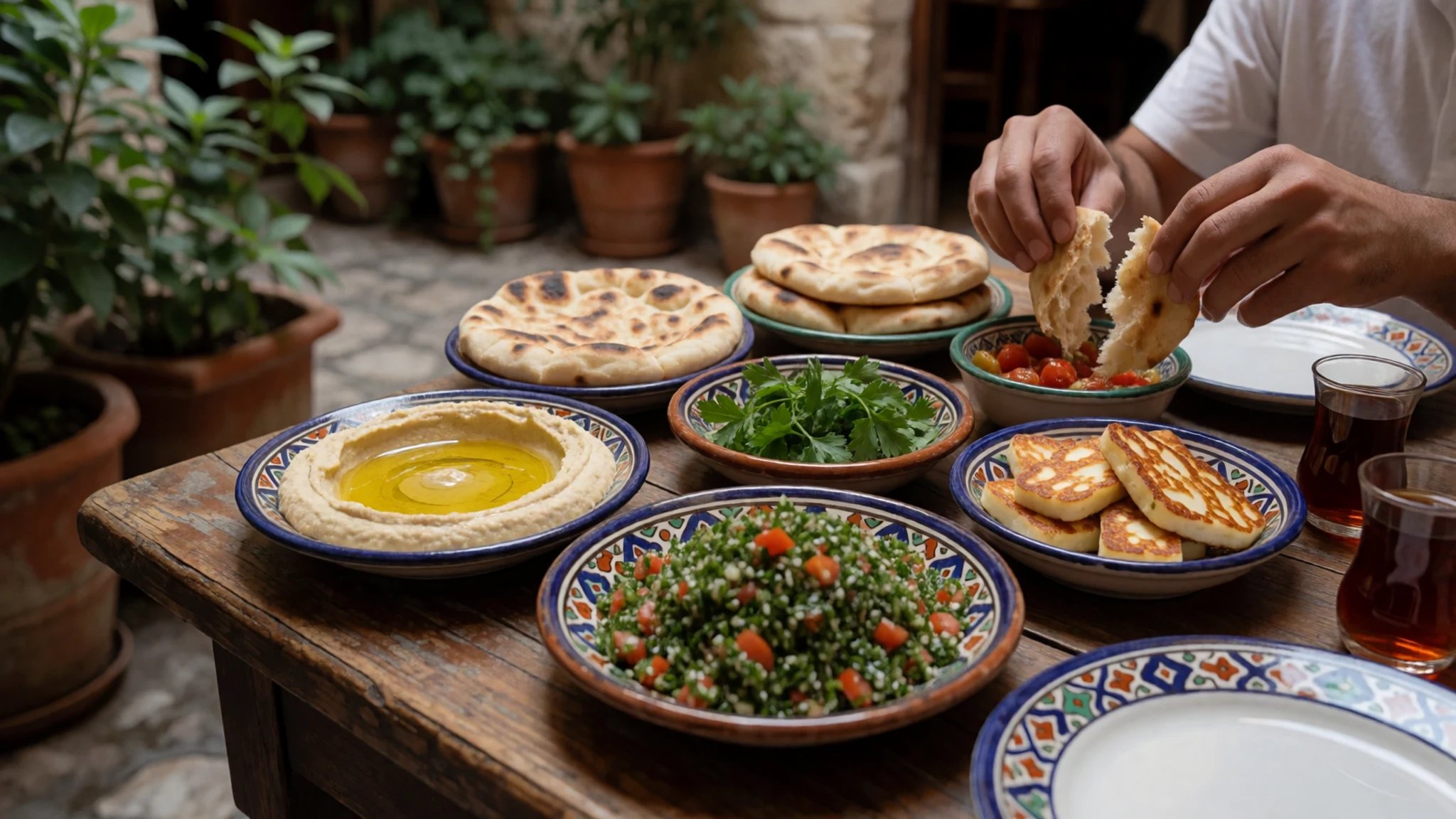
- Charcoal grills — Grill houses around the old souq streets
Grilled kebabs and lamb, cooked over charcoal and served with flatbread and salad, are at their best at the grill houses around the old souq streets. Portions are generous, so order a few things to share and let the smoky meat set the pace of the evening. - Rooftop terraces — Rooftop terraces overlooking the Umayyad Mosque
Rooftop terraces in the old city look across to the Umayyad Mosque and serve traditional Arabic cooking. Go near sunset, when the minarets and courtyard lights make the view most memorable, and expect prices a little above street food. - Syrian classics — Family-run restaurants in the old city
Family-run restaurants in the old city serve Syrian classics such as stuffed vegetables and slow-cooked stews. These dishes show the home cooking that sits behind the city's busy markets, and the staff are often happy to explain what is on the menu.
Plan it
Best time. March–April and October–November suit most visitors: spring is mild and the old city is at its most pleasant, while autumn is cooler and clearer. Summer is hot and dry, and winter can bring cold nights and occasional snow.
How long. 2–3
Getting there. Damascus International Airport is the main gateway, with flights limited and changing, so check current routes before booking. Regional hubs such as Istanbul, Dubai, Amman and Doha offer connections. From the airport, only licensed taxis may collect passengers, and an airport bus runs to Baramkeh bus station in the centre of town.
Budget. low
Tips
- Check current official travel advice and flight schedules before booking
- Start the Umayyad Mosque and the souq early, before the crowds and the heat
- Use the meter in licensed taxis and agree the fare before getting in if it is not running
- Carry cash in Syrian pounds for small purchases, as cards are unreliable
- Drink plenty of water, especially in summer, and carry a hat
Etiquette
- Dress modestly for mosques and churches and carry a layer
- Ask before photographing people, especially at markets
- Accept tea or coffee politely when it is offered
Nearby
Sources
- Wikidata Q3766 (CC0)
- Wikipedia: Damascus (rev 1382937323) (CC BY-SA 4.0)
- Wikivoyage: Damascus (rev 5400784) (CC BY-SA 4.0)
- Photo 01-damascus-coll.jpg (CC BY 3.0)
- Photo 02-damascus-syria-panoramic-view-of-damascus.jpg (CC BY 4.0)
- Photo 03-umayyad-square-damascus.jpg (CC BY 3.0)
- Photo 04-al-hamidiyah-souq-02.jpg (CC BY-SA 1.0)
- Photo 05-azm-palace-damascus.jpg (CC BY-SA 4.0)
- Photo 06-2.jpg (CC BY 3.0)
- Photo 07-barada-river-in-damascus-april-2009.jpg (CC BY 2.5)
- Photo 08-damascus-snow.jpg (CC BY 2.5)


