Dali
Dali, People's Republic of China
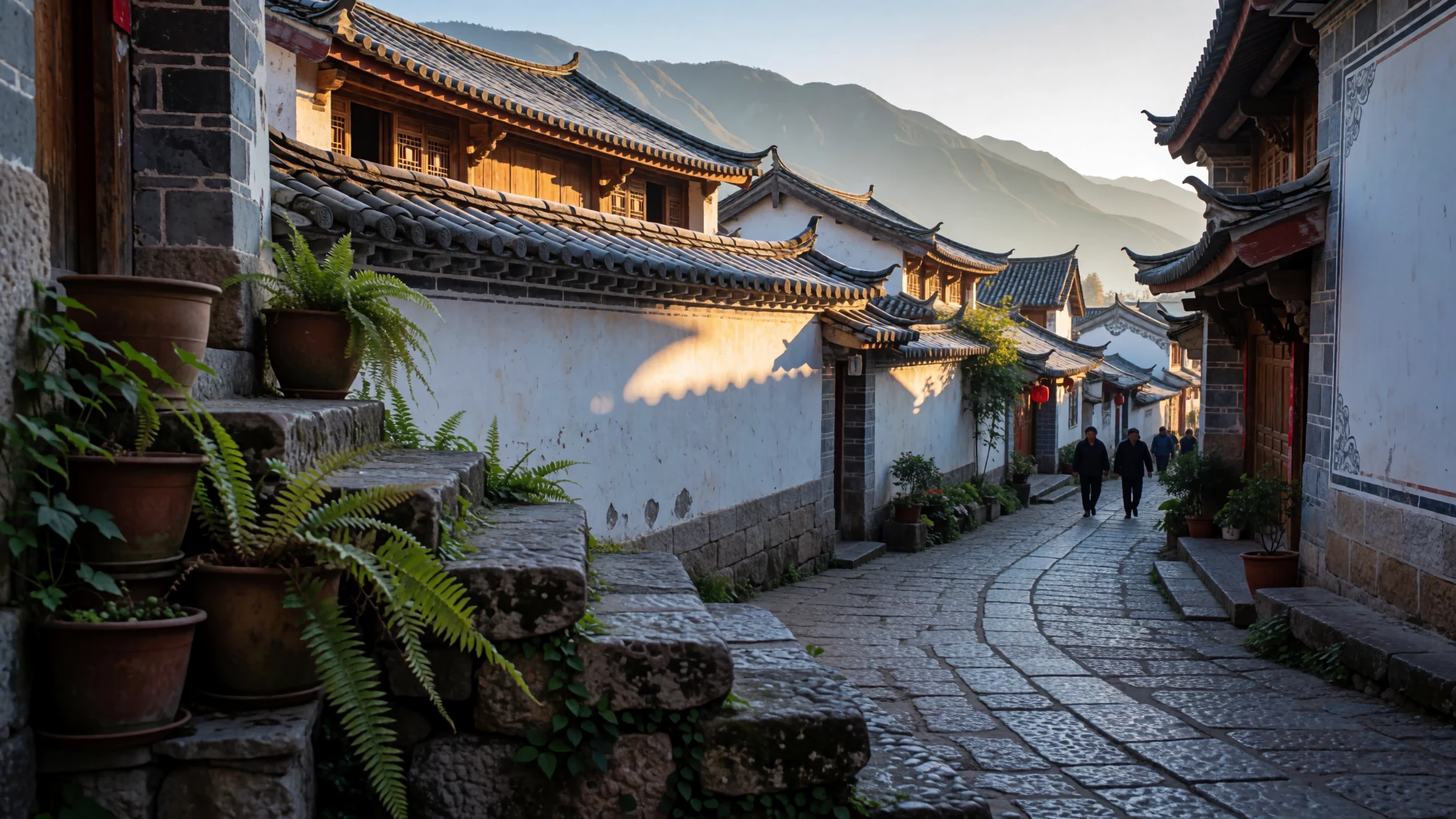
Dali offers a walled-town atmosphere, a big lake and mountain views, and a slower pace than most of China's famous destinations.
The place
Dali sits in the northwest of Yunnan, on the western shore of Erhai Lake at an elevation of 2,007 metres. The name covers two places that are easy to mix up. Xiaguan, where the lake drains into the Yangbi River, is the modern city centre. It handles most long-distance buses and trains, holds the government offices and carries the newer development, and it is what the city of about 660,000 people looks like on a map. Dali Old Town lies about 10 kilometres north and is the Dali most travel writing describes. The old town is a compact grid of stone lanes, low tiled roofs and whitewashed walls. Building rules here require new work to follow the traditional style, so the skyline has stayed fairly even, while industry has been kept in the newer townships. The setting does most of the work. To the west the Cang Mountains rise above the lake, and to the east Mount Jizu closes the view. Erhai is broad and bright, with boats, villages along its shore and islands that hold temples. The weather follows the seasons closely. Winters are short and dry, while summers are warm and wet, with most of the rain falling from June to October. Many visitors settle into the old town for a few nights and make day trips to the lake and the western villages, which gives the place a slower rhythm than the big cities of the region.
Its story
Dali was known in earlier times as Xiemie, and its old town became the medieval capital of two successive kingdoms. The first was Nanzhao, a Bai kingdom that ruled from 779 to 902. The second was the Kingdom of Dali, which held the region from 937 to 1253. When the Yuan dynasty conquered it, the city was flattened and its documents were lost, so much of the early written history survives only in fragments. The present old town was laid out under the Hongwu Emperor of the Ming dynasty, in the late fourteenth century. Under the Yuan and the Ming the area became largely Muslim, and Hui communities have been part of its story since. Dali was also the centre of the Panthay Rebellion against the Qing, which ran from 1856 to 1863. A severe earthquake in 1925 damaged the town heavily. Access changed in the twentieth century, when rail and later air links brought tourists. The town has since become a favourite stop on China's tourist circuit, often paired with Lijiang. To protect the old town's character, industry was directed to newer townships such as Xiaguan, and new building in the old town must follow the traditional style, with tiled roofs and brick, plaster or whitewashed walls.
What to see
- Tang Dynasty Three Pagodas — Dali area, north of the old town
The Three Pagodas are among the best preserved Buddhist structures in China, and they are the main reason many visitors make the trip out to this part of the area. The compound around them was damaged in the 1925 earthquake and again during the Cultural Revolution, and it has since been rebuilt in stages. Going early in the morning gives softer light and fewer people in the courtyard. Allow an hour to walk the grounds at a relaxed pace.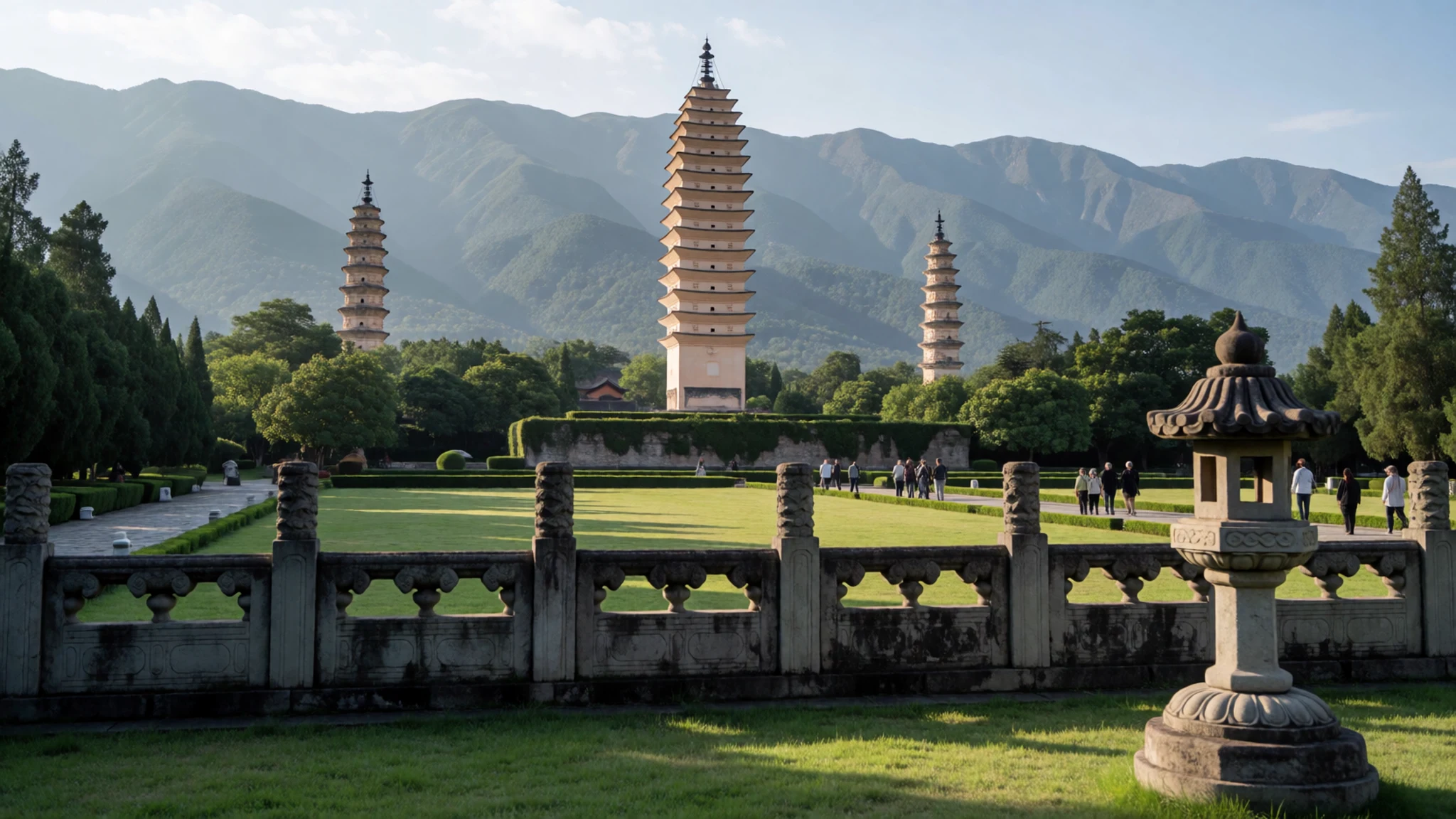
- Erhai Lake and its islands — Erhai Lake, from Dali's shoreline
Erhai Lake is the wide body of water that defines the region, and a boat trip is the classic way to see it. Trips usually take in Guanyin Temple and several of the islands. Boats are easy to arrange on the spot, because owners come into town to find passengers, so compare a couple of offers and agree the route first. Going in a group keeps the cost per head down. Weather can change quickly over the water, so a light layer is sensible.
- Butterfly Spring — Dali area, north-west of the city
Butterfly Spring is a deep blue pool that, at intervals, fills with large numbers of butterflies. The place comes with a love story: a young woman named Wen Gu and a young man named Xia Lang were in love, and the spring is part of the legend that followed. The site is a short outing from town rather than a full day. Visiting on a clear day gives the best colour in the water.
- Puxian Temple — Dali area
Puxian Temple suits a visitor who wants a quieter Buddhist site than the busier temples of the old town. It is less tuned to tourists, which is its appeal, and it feels like a place of worship first. Give the main hall time to yourself without rushing through. Visit in the morning, when the grounds are calmest and the light is good for photographs taken from outside.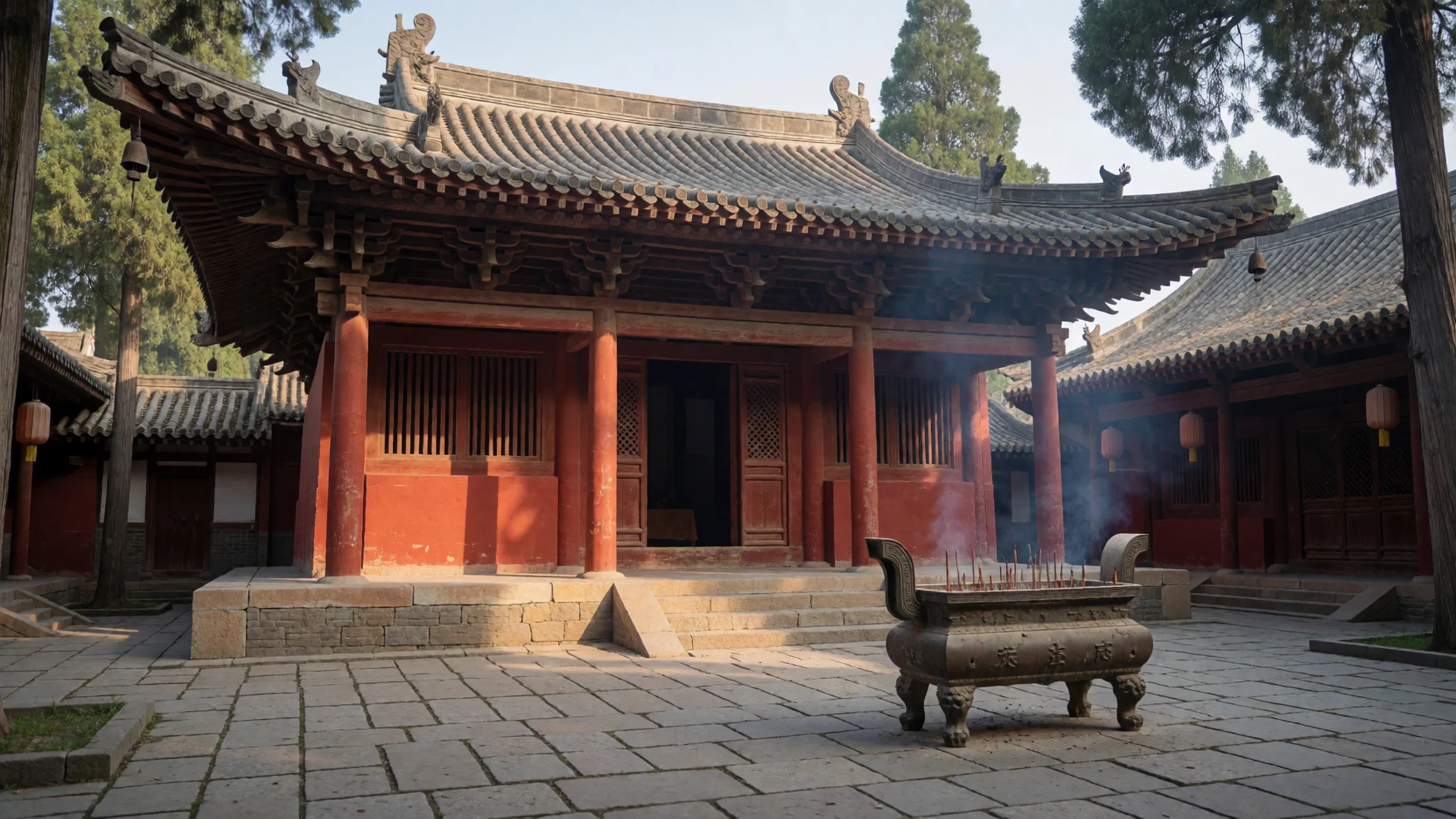
- Wase Market
Wase is a traditional and conservative Bai town on the eastern shore of Erhai Lake. Its weekly market serves townspeople and farmers from the surrounding villages rather than visitors, so it is a window onto everyday life. Combine a trip to the lake with a stop here. Arrive early, while the stalls are busiest, and dress modestly, asking before taking photographs of the vendors.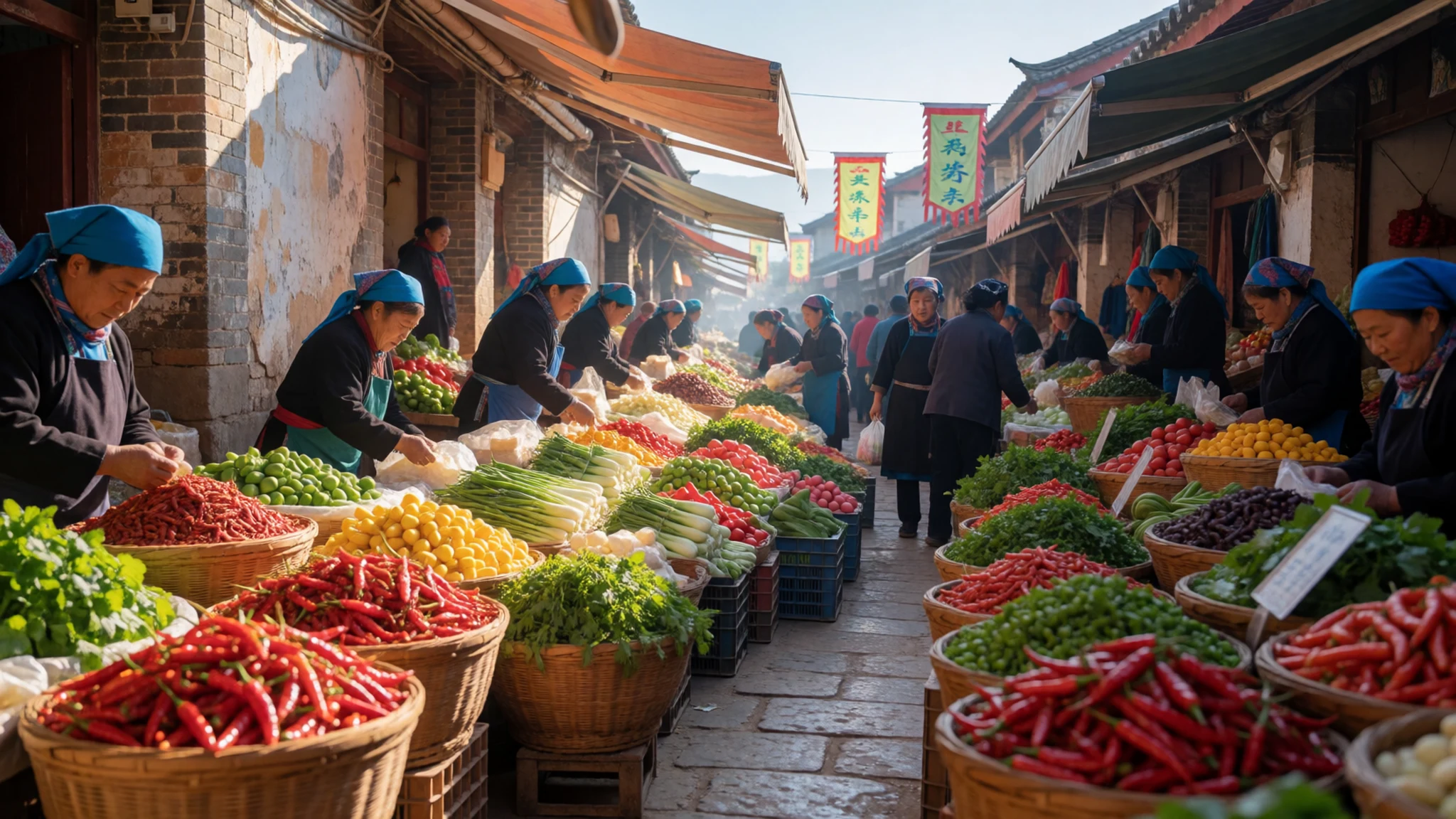
Culture
The Bai are the local ethnic group, and their customs shape much of daily life in Dali, from the architecture of courtyard houses to the dishes served in local eateries. The Third Month Fair (Sanyue Jie) is one of the traditional festivals of the area, held in the third lunar month. Hui Muslim communities have lived here since the Yuan and Ming periods, so mosques and Muslim eateries sit alongside Buddhist temples and Bai houses. Religion is part of ordinary life, and temples are places of worship as well as sights. Some towns around the lake are conservative; Wase is described as a traditional and conservative Bai town. Daily life moves at a steady pace, with markets early in the morning and quiet lanes in the evening. Ask before photographing people, especially at markets, and keep voices low in residential lanes after dark.
What to wear
Traditional Bai dress in the Dali area is built around blue and white. Women's costume has traditionally used indigo-dyed cloth, with white collars, embroidered trim and a wrapped headdress, while men's dress is plainer. Hand-dyed and hand-stitched textiles are the heart of the look. Today most people in the city wear ordinary modern clothes, from jeans and jackets to work wear, and the full costume appears mainly at festivals, performances and family occasions. Visitors may see some women in traditional dress for photographs in the old town, so ask before taking their picture. A visitor should pack in layers. Days can be warm, evenings cool, and the rainy months bring showers, so a light waterproof is useful. Comfortable closed shoes suit the stone lanes and the lake paths. At temples and shrines, cover the shoulders and knees and keep hats off indoors. Sun protection matters at this altitude of 2,007 metres, where sunlight is strong on clear days.
What to eat
- 再回首 (Zai Hui Shou) — small eateries in the old town
Spicy cold noodles with chicken strips, locally famous enough that the menu hardly needs reading. Order the one dish and eat it chilled, when the chilli heat is sharpest. It makes a quick, filling lunch that locals eat in plain eateries across the old town.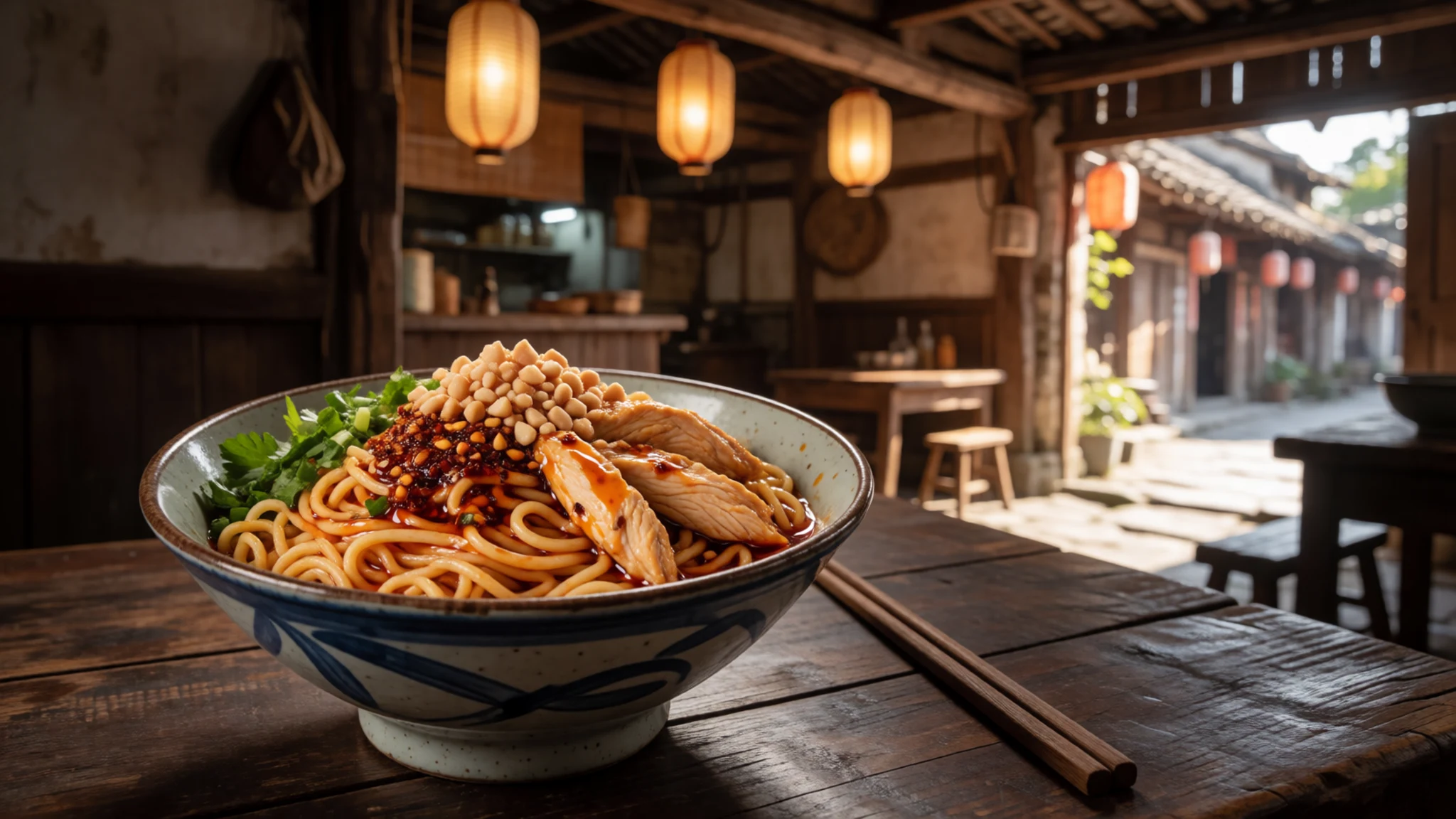
- 色了木 (Se Le Mu) — Muslim eateries in the old town
The name literally means Salaam, and this eatery serves Dali's Muslim cooking. Photographs of the dishes cover the walls, which helps when the menu is unfamiliar. Come hungry and order a few plates to share with a group.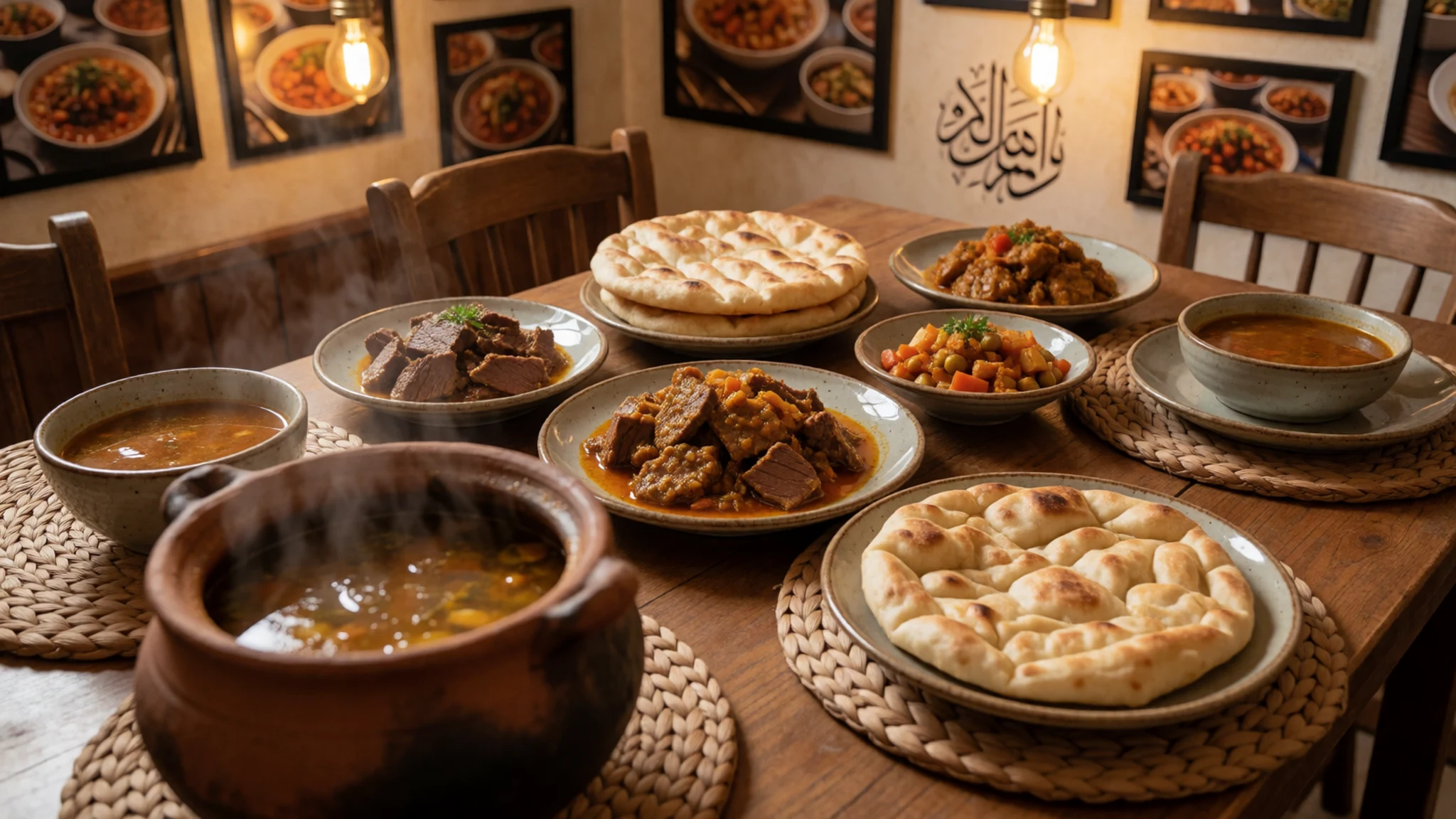
- 过桥米线 (Cross-the-Bridge Noodles) — noodle shops in the old town that specialise in the dish
A local speciality in which a bowl of very hot broth arrives at the table, followed by rice noodles and raw ingredients to add to it. The method keeps the soup hot through the meal, and the dish is a meal in itself. - 乳扇 (rǔshān) — street snack stalls and the morning market
A fried cheese, crisp at the edges and often wound around bamboo skewers. It makes a good snack while walking, with a savoury, milky flavour that is distinctive to the region. - Vegetarian buffet — a Buddhist-run vegetarian buffet in Dali
An all-you-can-eat buffet run by Buddhists, usually with four vegetable dishes, soup, rice and pickled vegetables. It is a simple, quiet lunch and a change from the Bai restaurants.
Plan it
Best time. March to April and late October to November are the easiest months, with mild days and clear skies. Most rain falls from June to October, so expect showers in late summer, and winters are short and dry but can bring frost.
How long. 2–3
Getting there. Fly or take the train to Kunming, then a bus of about 4½ hours from Kunming West Bus Station to Xiaguan, where most long-distance buses arrive. From Xiaguan, a local bus or a white minibus takes about 45 minutes to Dali Old Town.
Budget. low
Tips
- Book long-distance bus seats a day ahead, especially at weekends and holidays
- Carry cash for small eateries, markets and minibus fares
- Visit the temples early in the morning, before the tour groups arrive
- Plan the lake trip for a clear morning, when the water and views are best
- Take the first day gently, as the altitude can make you tired
Etiquette
- Dress modestly and cover shoulders and knees at temples
- Ask permission before photographing people, especially at markets
- Keep noise low in residential lanes after dark
Nearby
Sources
- Wikidata Q855228 (CC0)
- Wikipedia: Dali City (rev 1383197614) (CC BY-SA 4.0)
- Wikivoyage: Dali (rev 5400763) (CC BY-SA 4.0)
- Photo: 太和街道全景图 (Kcx36) (CC BY-SA 4.0)
- Photo: Chongsheng Temple (Dali) (Andrew and Annemarie) (CC BY-SA 2.0)
- Photo: 大理古镇.jpg (Jiangshang) (CC BY-SA 4.0)
- Photo: 大理双廊-2489796 (Zhouqiyang) (CC0 1.0)
- Photo: 大理市-云岭大道 (瑞丽江的河水) (CC BY-SA 4.0)
- Photo: 西洱河黑龙桥上向西拍摄 (Kcx36) (CC BY-SA 4.0)
- Photo: Dali Xiaguan - New Dali City, Yunnan (Brücke-Osteuropa) (Public domain)
- Photo: Cityscape of Dali beside Erhai Lake (NeonHD) (CC BY-SA 4.0)


