Daintree Rainforest
Daintree Rainforest, Australia
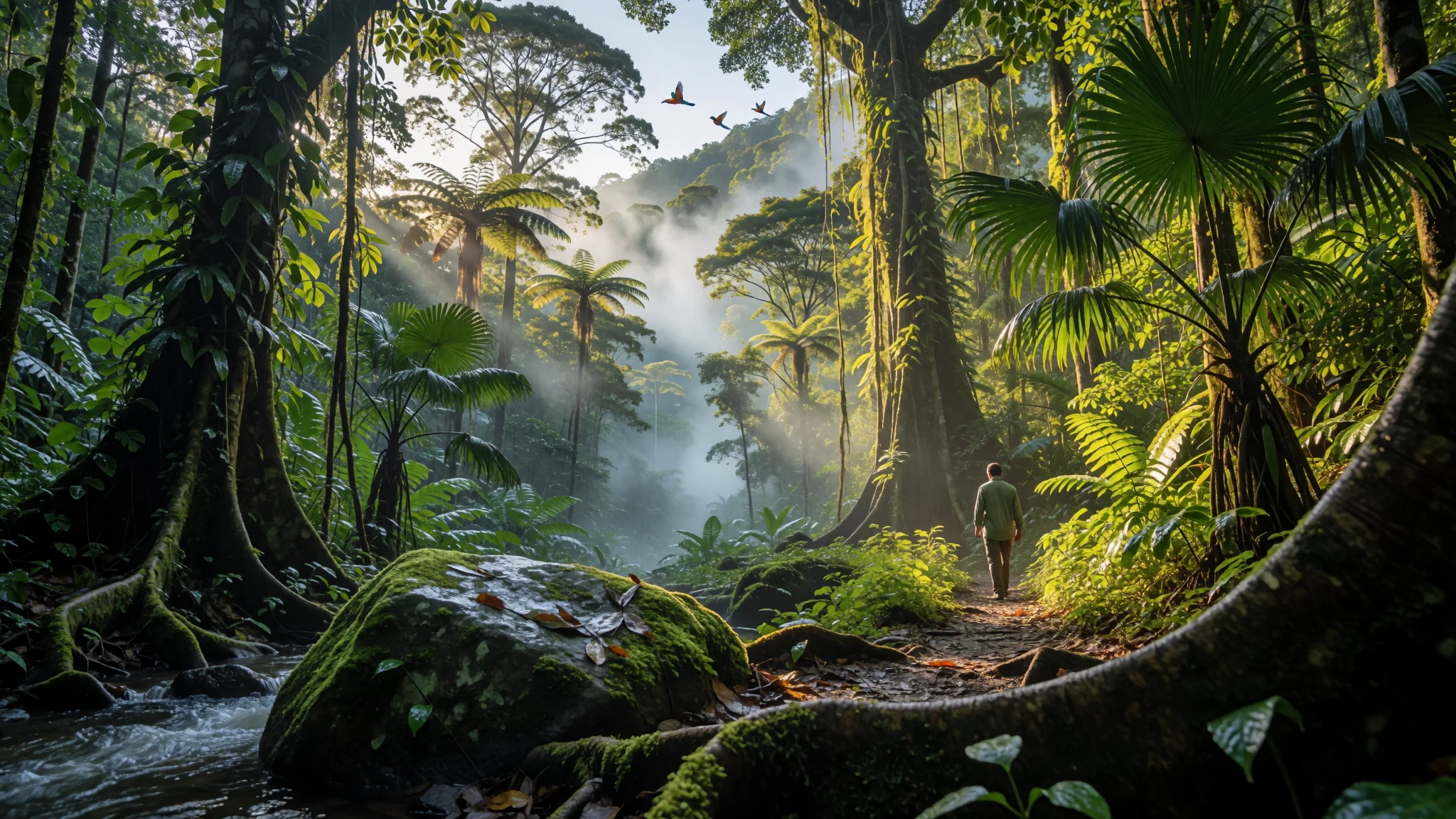
Journey into the Daintree to explore earth's oldest living tropical forest, where dense emerald canopies meet the coral seas.
The place
The Daintree is a sprawling tropical green belt situated along Australia's northeastern coastline. Whilst official boundaries remain fluid, the region broadly stretches from the winding Daintree River upwards toward Cooktown, bounded on its western flank by the Great Dividing Range. Travellers journeying north from Cairns pass through coastal settlements and cross the river via ferry to enter a dense tapestry of ancient vegetation. Within this humid expanse, towering trees, tangled vines, and mangrovefringed estuaries create a habitat for countless species of birds, insects, and reptiles. Famous spots such as Mossman Gorge sit just south of the primary river artery, offering easy access to crystal-clear streams tumbling over granite boulders. The landscape shifts dramatically from mountainous ridges cloaked in mist down to sandy shorelines where the forest literally brushes against the saltwater. This is an environment shaped entirely by tropical monsoons, resulting in lush undergrowth and river systems that swell rapidly during seasonal downpours. Navigating the area requires careful attention to natural boundaries, particularly around waterways where saltwater inhabitants reign supreme. Despite pockets of residential settlement and winding sealed roads, the overriding impression is one of timeless, untamed wilderness where human presence feels remarkably small against the immense scale of natural history.
Its story
The roots of this forest stretch back across geological epochs, originating long before modern continents drifted to their current positions. Named after the river that honours the nineteenth-century geologist and photographer Richard Daintree, the region stands as a resilient survivor. While continental movements and shifting global climates drastically shrank similar primordial woods across the globe, this eastern Australian pocket endured. It evolved through successive ages, witnessing shifting climates and ancient lifeforms without interruption. Indigenous communities have cared for and lived alongside these woodlands for millennia, possessing deep cultural connections to every ridge, river bend, and living creature. In more recent decades, government acquisitions and conservation initiatives have focused on securing privately owned parcels of land to protect the delicate ecosystem from fragmentation. Numerous individual blocks have been progressively purchased and returned to protected status through collaborative administrative efforts. This ongoing preservation work ensures that the immense botanical diversity, featuring thousands of plant species across the whole rainforest and perhaps 100 to 150 species in any single hectare, remains shielded for future generations to study, respect, and appreciate.
What to see
- Mount Alexandra Lookout — Mount Alexandra
Climb up to this elevated vantage point for sweeping vistas across the dense forest canopy. On clear days, your gaze stretches outward past the coastline to take in the marine waters and coral formations of the Great Barrier Reef lying just offshore.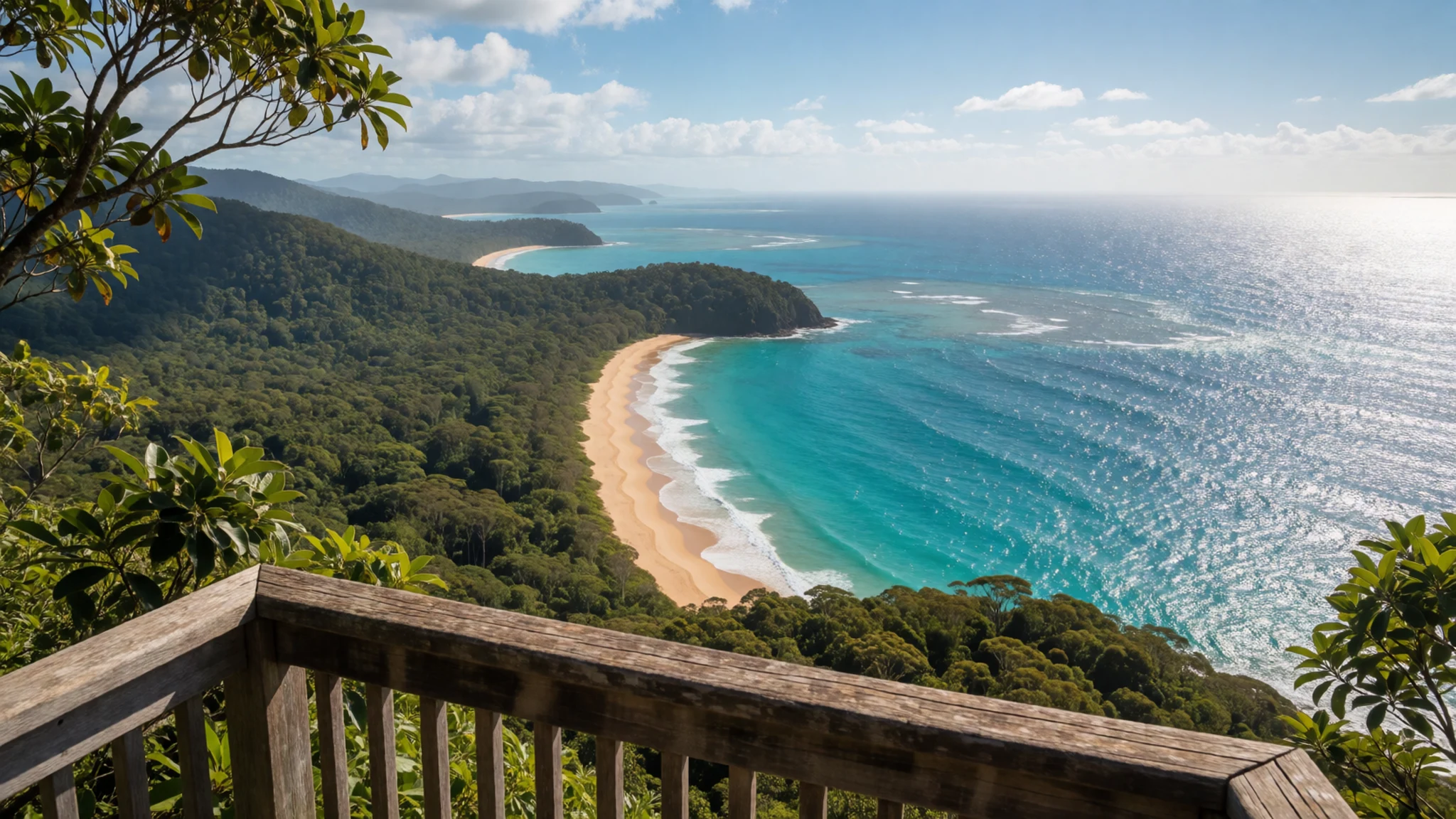
- Daintree Discovery Centre — Daintree River area
Step inside this interpretive facility to navigate elevated boardwalks and an observation tower that rises high into the leafy canopy. Interactive exhibits and displays provide clear insights into the complex ecology, native birdlife, and reptilian inhabitants dwelling along the riverbanks.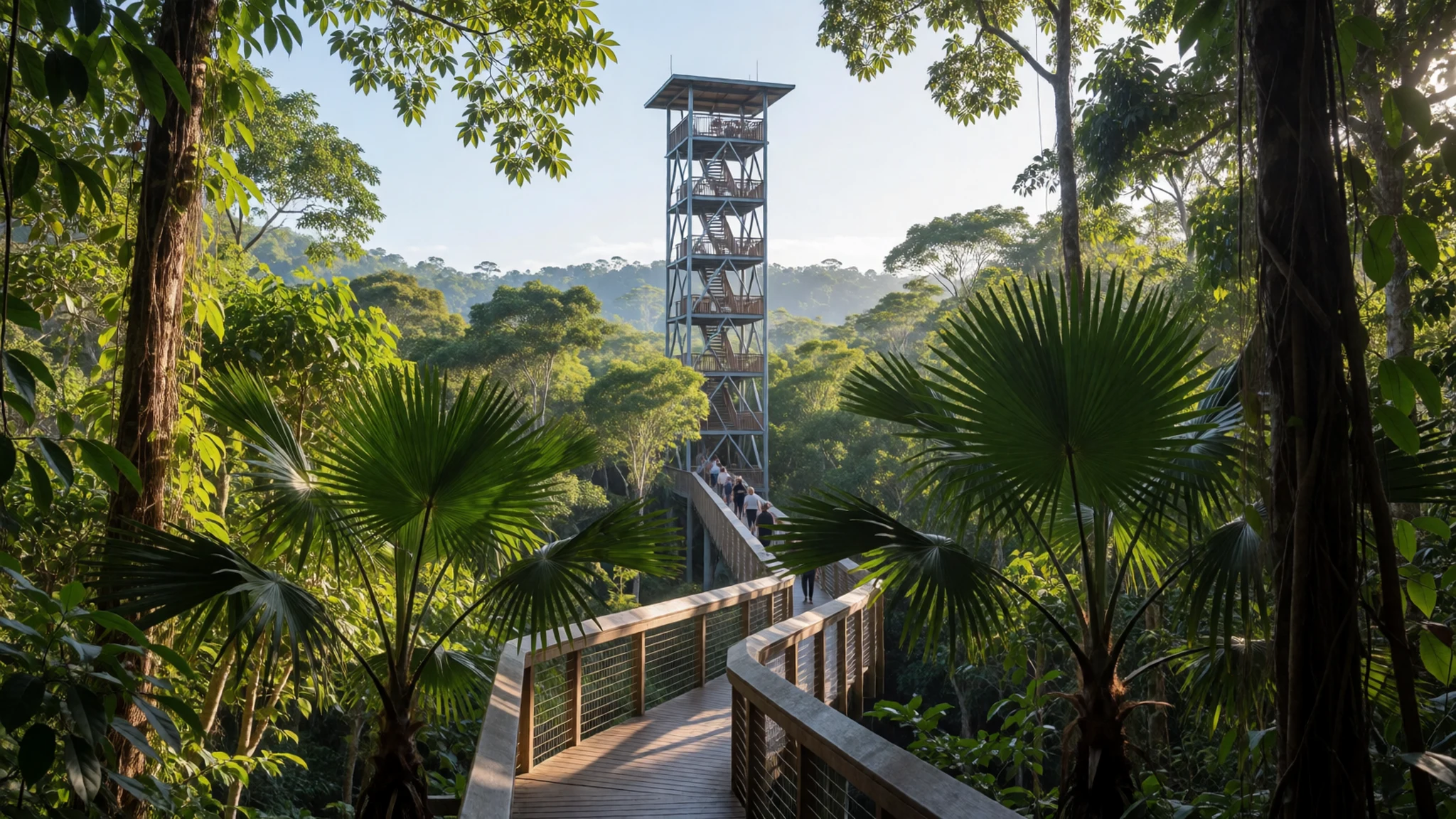
- Daintree Entomological Museum — Daintree village area
Explore an extensive curated collection dedicated entirely to the remarkable insect life thriving within the regional foliage. Glass cases showcase an astonishing variety of beetles, stick insects, and iridescent butterflies gathered from the surrounding woodlands and valleys.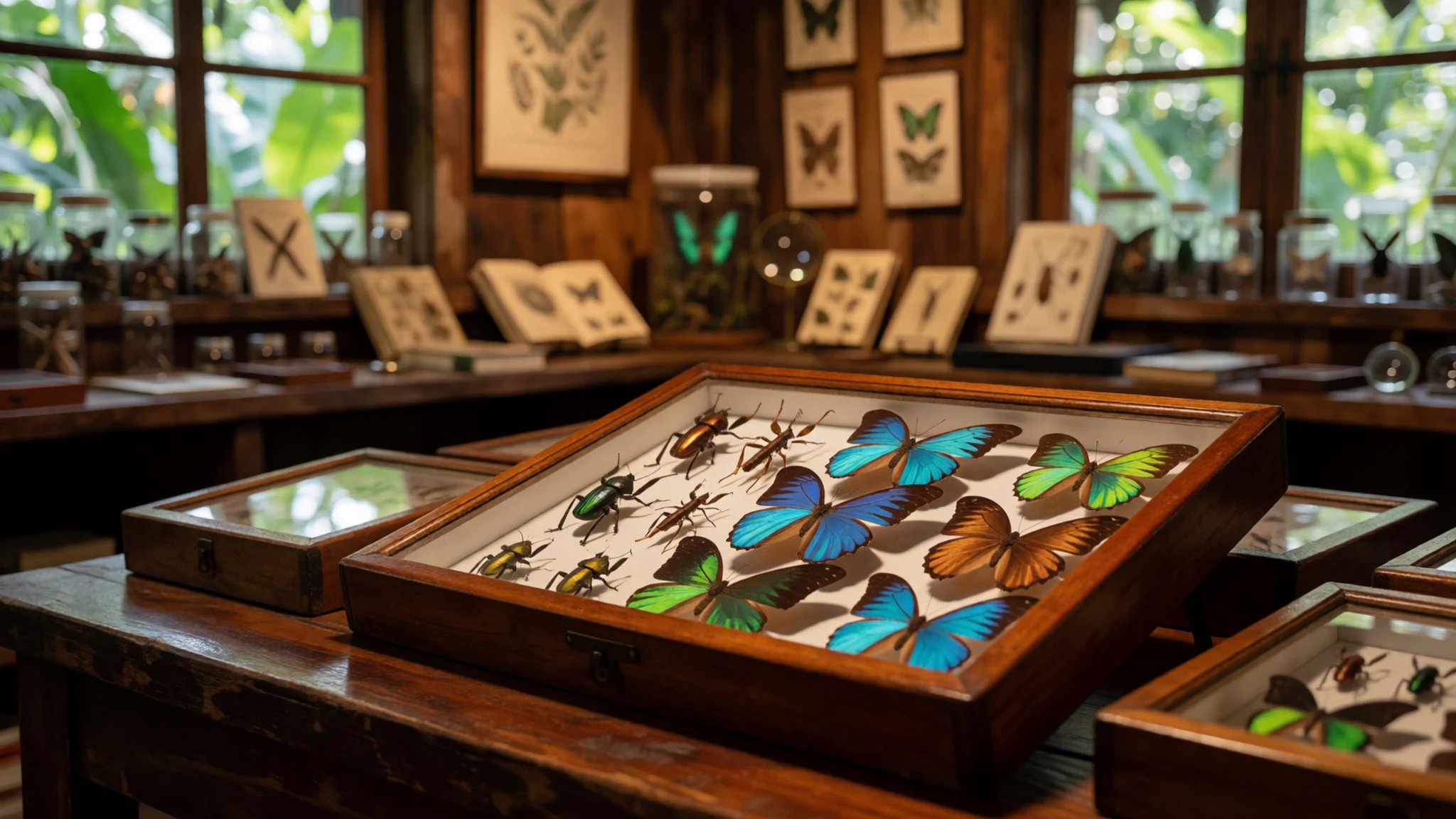
- Nightwings Rainforest Centre — Cape Tribulation road
Visit this dedicated conservation and rehabilitation facility focused on caring for injured or displaced local fauna. Guided nocturnal excursions offer a rare chance to observe specialized marsupials, bats, and other secretive creatures waking up as dusk falls across the trees.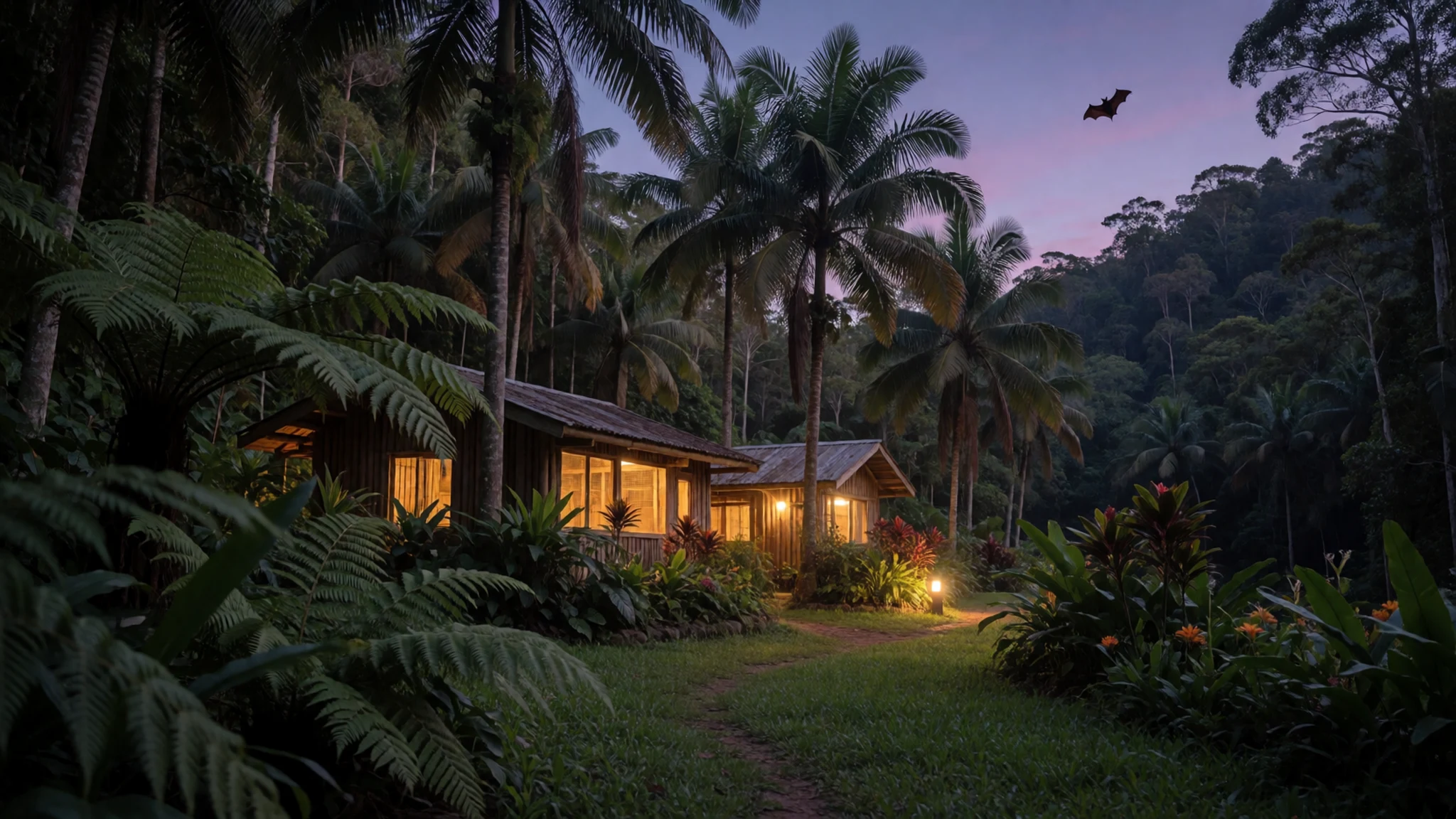
- Mason's Tours — Cape Tribulation
Join a guided bush walk or four-wheel drive excursion led by a family-run enterprise operating since the establishment of the park. Experienced local guides share generational knowledge regarding bush tucker, medicinal plants, and the hidden ecological relationships of the forest.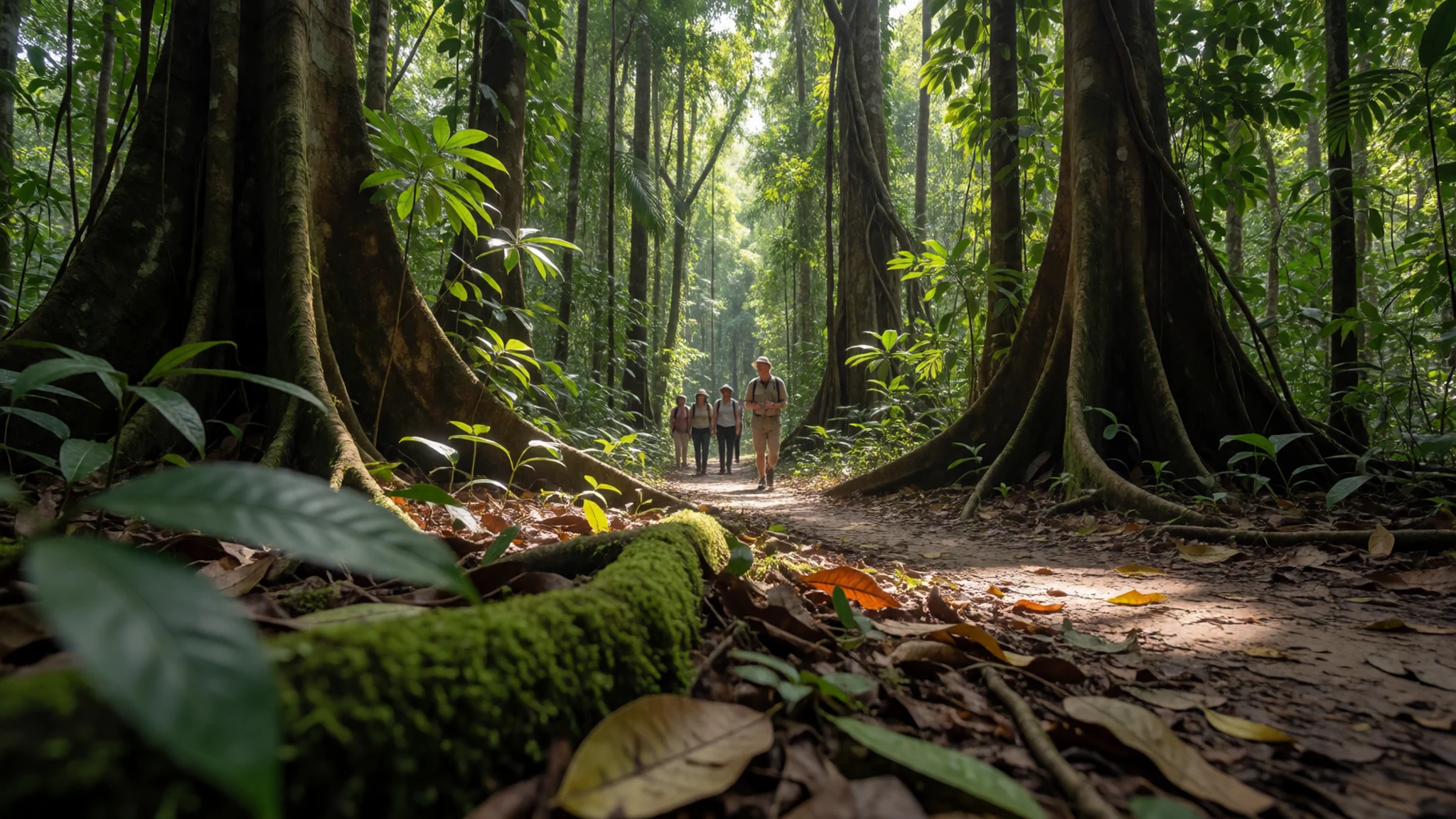
- Canopy Ziplining — Cape Tribulation
Soar high above the forest floor on a guided zipline tour that offers an exhilarating bird's-eye perspective of the dense vegetation. Suspended platforms high in the branches allow visitors to witness the upper foliage layers and epiphytes up close.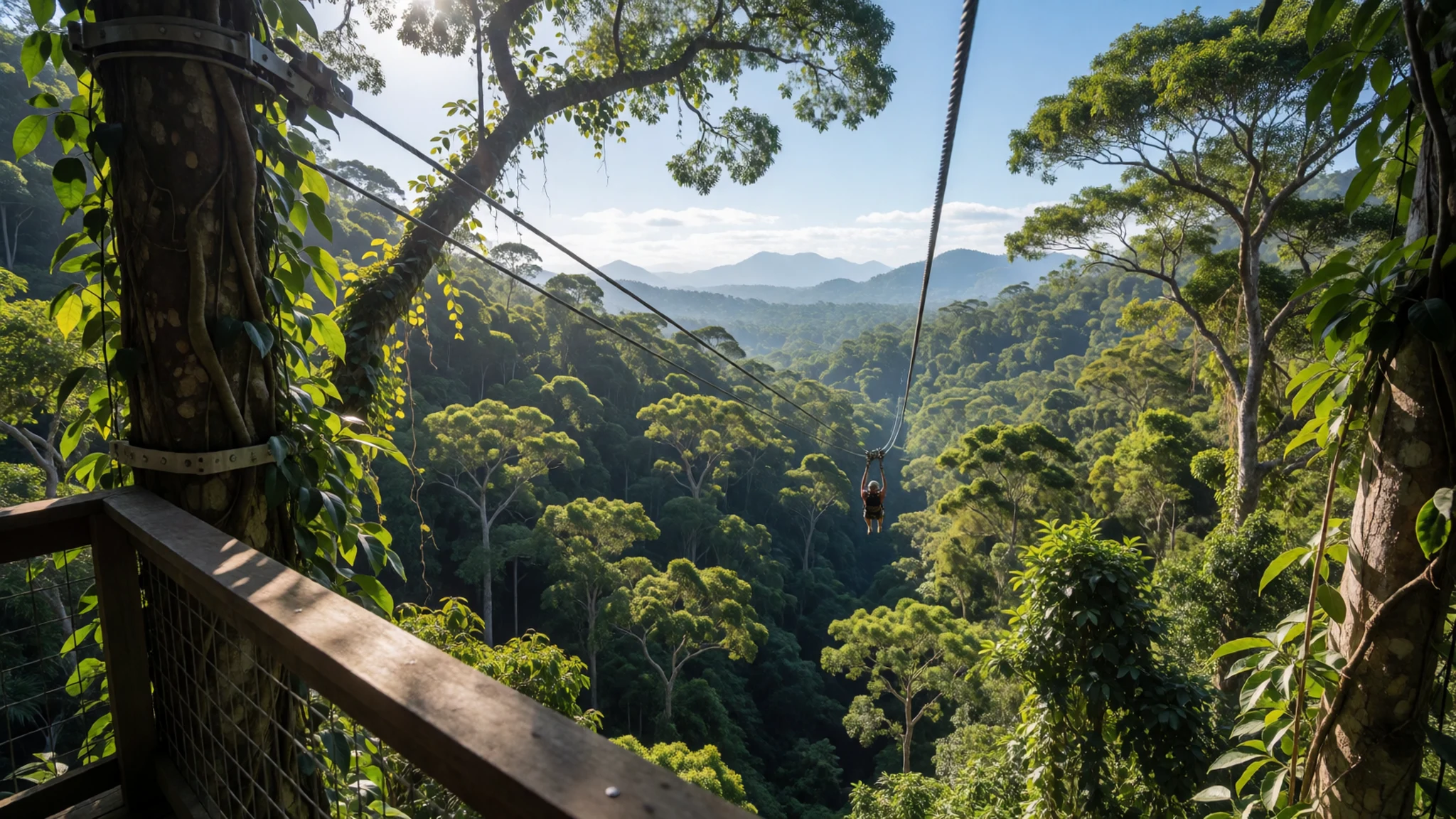
Culture
Traditional custodians maintain deep, enduring spiritual connections to this ancient landscape, viewing the forests, rivers, and wildlife as an interconnected living heritage passed down through countless generations. Cultural traditions emphasise careful stewardship, respect for sacred sites, and an understanding of seasonal changes that govern hunting, gathering, and ceremonial life. Modern residents and regional communities continue to uphold these values through collaborative conservation agreements and sustainable living practices that honour the fragile ecosystem. Visitors travelling through the territory are encouraged to listen to local Indigenous perspectives and respect the quiet dignity of the natural surroundings. Always heed local signage regarding restricted areas, sacred spaces, and wildlife habitats to ensure the preservation of both cultural heritage and natural biodiversity. Do not enter marked riverbanks or swim in unprotected estuarine waters due to the presence of dangerous marine wildlife.
What to wear
Traditional attire worn by the original custodians of the region historically prioritized practical utility and climatic adaptation, utilizing woven plant fibres, natural pigments, and minimal wrappings suited to the intense humidity and tropical heat. Today, locals and residents living within the regional communities dress in casual, lightweight clothing designed for maximum comfort in warm, wet conditions. Visitors exploring the trails should similarly prioritize breathable garments, including lightweight cotton or moisture-wicking shirts and shorts that protect against sun exposure and scratching vegetation. Sturdy, closed-toe walking shoes or light hiking boots are essential for navigating uneven dirt tracks, muddy patches, and damp boardwalks safely. It is also wise to carry a waterproof jacket or poncho at all times, as sudden tropical downpours can occur without warning, though they are most frequent between December and April. Sun hats, polarized sunglasses, and effective insect repellent complete the practical wardrobe required for comfortable exploration.
What to eat
- Daintree Teahouse Fare — Daintree Teahouse Restaurant
Sample classic Australian dishes accompanied by fresh tropical fruits harvested directly from local orchards, served in relaxed garden dining areas. - Rainforest Salads with Native Ingredients — Julaymba Restaurant & Grill
Taste vibrant green salads tossed with locally foraged bush herbs, native nuts, and seasonal edible flowers that reflect the rich flora of the region. - Local Tropical Infusions — Dragonfly Cape Trib
Refresh yourself with specialty iced teas brewed from regional leaves alongside locally roasted coffees infused with subtle tropical flavours. - Heritage Cafe Snacks — Thornton’s Cafe
Enjoy light homemade bites and locally baked treats positioned right on the boundary where ancient rainforest meets coastal heritage zones.
Plan it
Best time. May to September offers the most comfortable drier weather with lower humidity and clearer skies for outdoor exploration.
How long. 3–4
Getting there. Fly into Cairns, rent a car and drive north along the Captain Cook Highway through Port Douglas and Mossman, then take the Daintree River ferry.
Budget. mid
Tips
- Book vehicle ferry tickets in advance during peak dry season months
- Carry cash for small regional entry fees and local stalls
- Pack reliable insect repellent and lightweight waterproof layers
- Check local road conditions before driving north after heavy rain
Etiquette
- Never swim in the Daintree River, creeks, or ocean beaches due to estuarine crocodiles and marine stingers
- Stay strictly on marked walking tracks to protect fragile endemic plant species
Nearby
Sources
- Wikidata Q5209517 (CC0)
- Wikipedia (rev 1348409176) (CC-BY-SA 4.0)
- Wikivoyage (rev 5400755) (CC-BY-SA 4.0)