Cuiabá
Cuiabá, Brazil
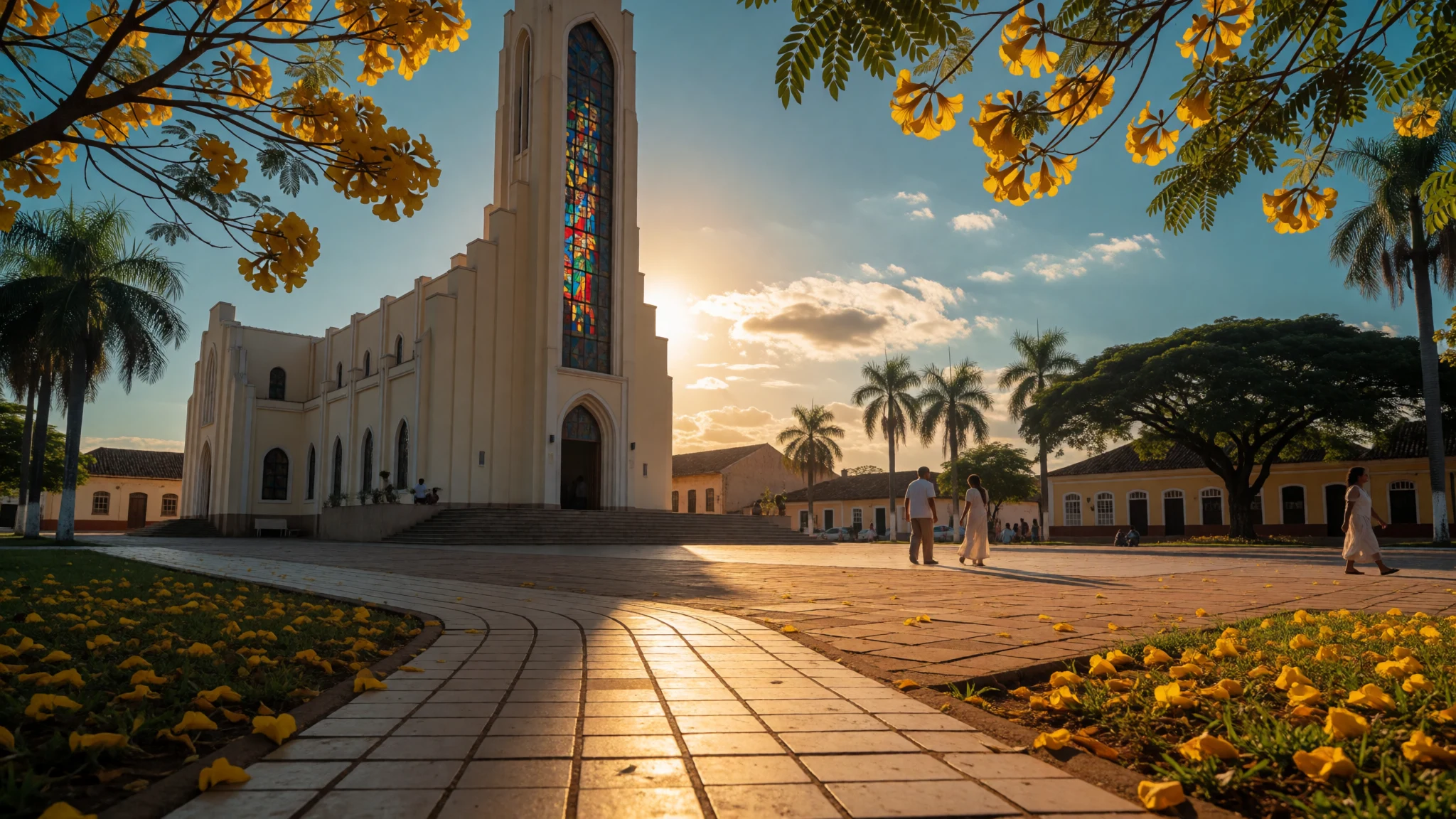
Cuiabá is a hot, working gold-rush city at the middle of South America, and the practical base for the Pantanal and the Chapada plateau.
The place
Cuiabá lies on the Cuiabá River in the Brazilian interior, close to the geographical centre of South America, at 165 m above sea level. It is the capital of Mato Grosso and the state's largest city, with a population of 691,875. Across the river is Várzea Grande, and the two form one continuous urban area of avenues, shopping streets and low concrete buildings, with the older colonial core squeezed into a small part of it. The economy runs on trade, services and food processing for a vast cattle and farming region, and people from smaller towns come here to buy what they cannot find at home. That is why the city has grown quickly and feels more like a working regional hub than a resort. The climate is hot and humid tropical, and the midday heat shapes the day: streets thin out after lunch, air conditioning is a necessity, and the evenings are when people sit outside. Local culture blends Portuguese, African and Indigenous threads, which show in the food, music and craft. Cuiabá is sometimes described as the southern gate to the Amazon, and it is the usual starting point for the Pantanal wetlands and for the Chapada dos Guimarães plateau, whose town borders the municipality. As a sightseeing stop the city itself is modest, worth a day or two of museums, river views and a few good meals before heading out into the landscape.
Its story
Cuiabá exists because of gold. Before the Portuguese arrived, the river valley belonged to Indigenous peoples, and the city's name comes from a Bororo word usually glossed as arrow-fishing. The first outsiders were bandeirantes, expeditions out of the São Paulo region that combined exploring, slave-raiding and prospecting and pushed Portuguese claims far to the west. One of them, Manoel de Campos Bicudo, founded an early riverside village near the mouth of the Coxipó and called it São Gonçalo Beira-Rio. In 1718 Pascoal Moreira Cabral reached the area and found that village abandoned. His men went up the Coxipó to capture Indigenous people, lost a fight with the Coxiponé, then came back downstream and found gold. Cabral reported the strike to the São Paulo authorities in a letter of April 1719, the year Wikidata gives for the city's founding, and asked to be made supervisor of the mines. Prospectors poured in, and he spent his remaining years, until 1724, settling their disputes. The settlement was formally established in 1727 under Rodrigo César de Menezes, then captain of São Paulo. The gold rested on the forced labour of enslaved Indigenous people, a fact the museums handle unevenly. Cuiabá became the state capital in 1818, and the remote region saw much of the fighting in the war between Brazil and Paraguay in the 1860s. Today the gold is gone, replaced by cattle and crops.
What to see
- Basilica do Senhor Bom Jesus — Praça da República, city centre
The cathedral on Praça da República is a modern building with Art Deco touches and fine stained glass, a cool pause from the heat. It is a working church, with Mass early in the morning and again in the evening, so visits fit best outside service times. Check opening hours locally before going.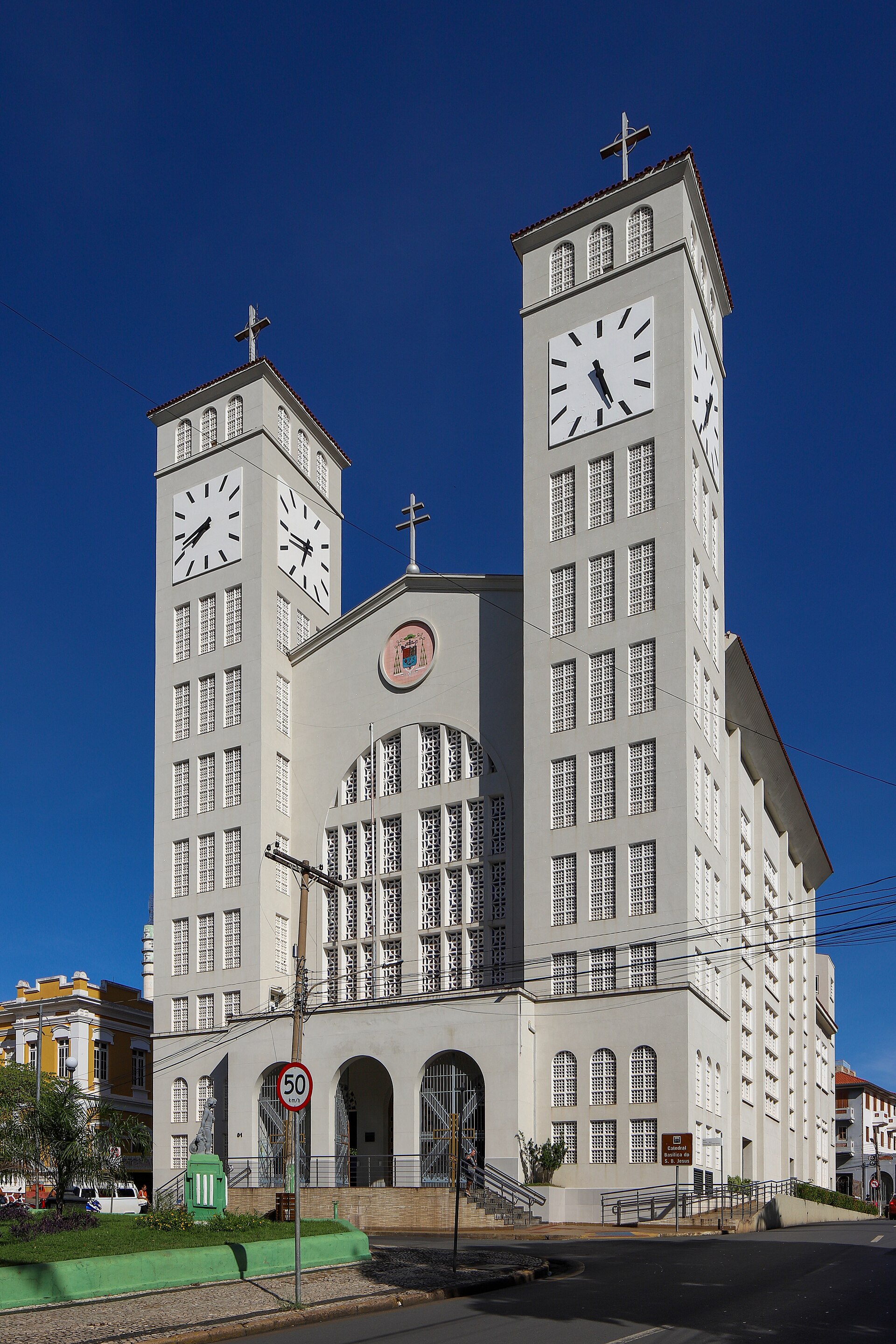
- Palácio de Instrução — City centre, near the cathedral
A yellow baroque building near the cathedral houses the city's history and natural history museums. The history rooms focus on the war between Brazil and Paraguay in the 1860s, much of it fought in this remote region. The natural history wing is dated, but the Indigenous clubs, arrows and headdresses are worth the stop. - Museu do Rio Cuiabá and the Aquarium — Riverside port area, Avenida Beira Rio
The old river port has been renovated, and its former public market now holds the Museum of the Cuiabá River, beside the municipal aquarium. Together they introduce the freshwater fish and river life that shape the city's food and history, and the waterfront suits an early evening stroll. Check the official site for opening times.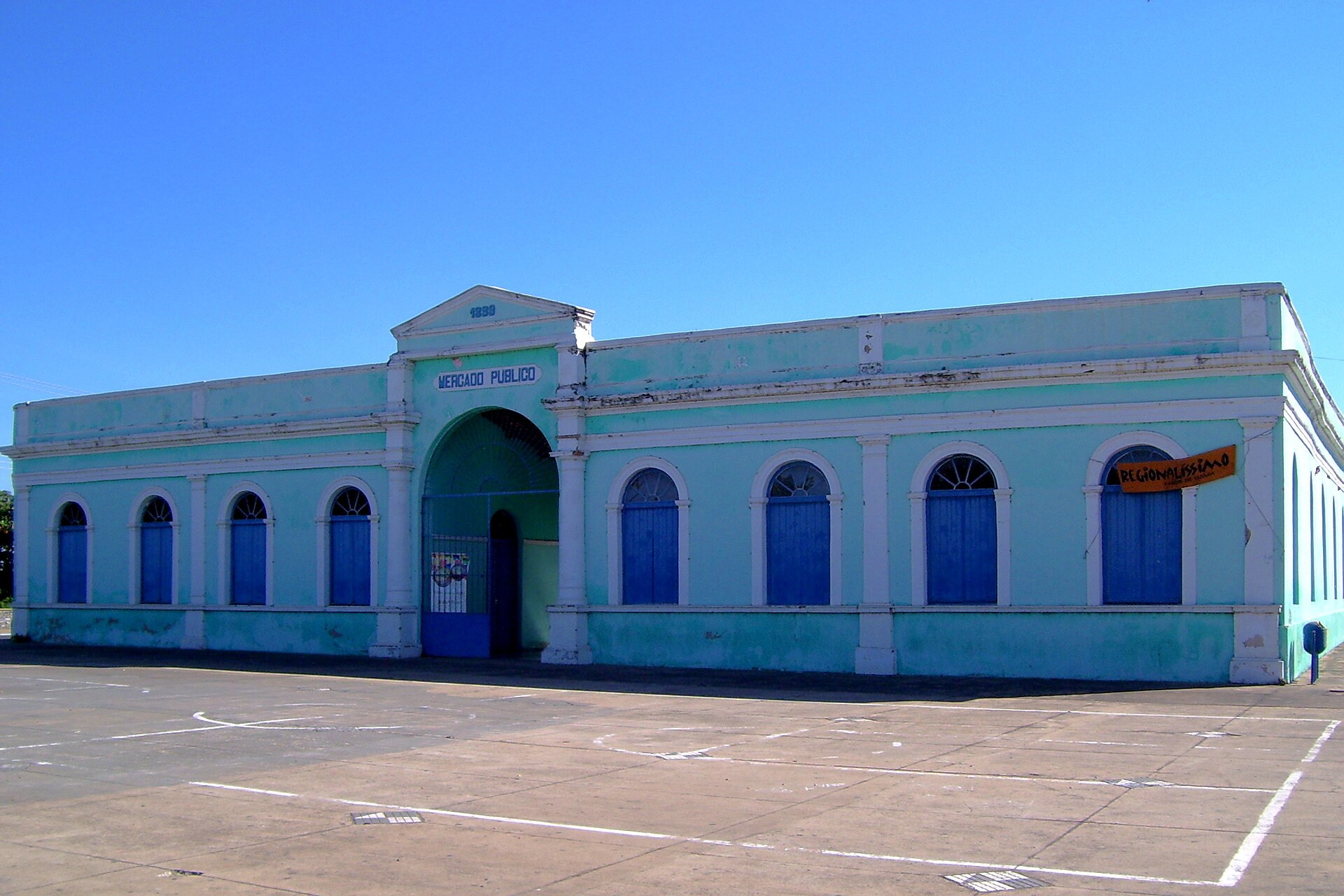
- Geodesic Centre obelisk — Central Cuiabá
The obelisk marking the geodesic centre of South America reflects Cuiabá's position near the middle of the continent. As a monument it is simple, more a photo stop and a talking point than a destination, but it fits neatly into a walk through the central squares and explains the city's sense of place.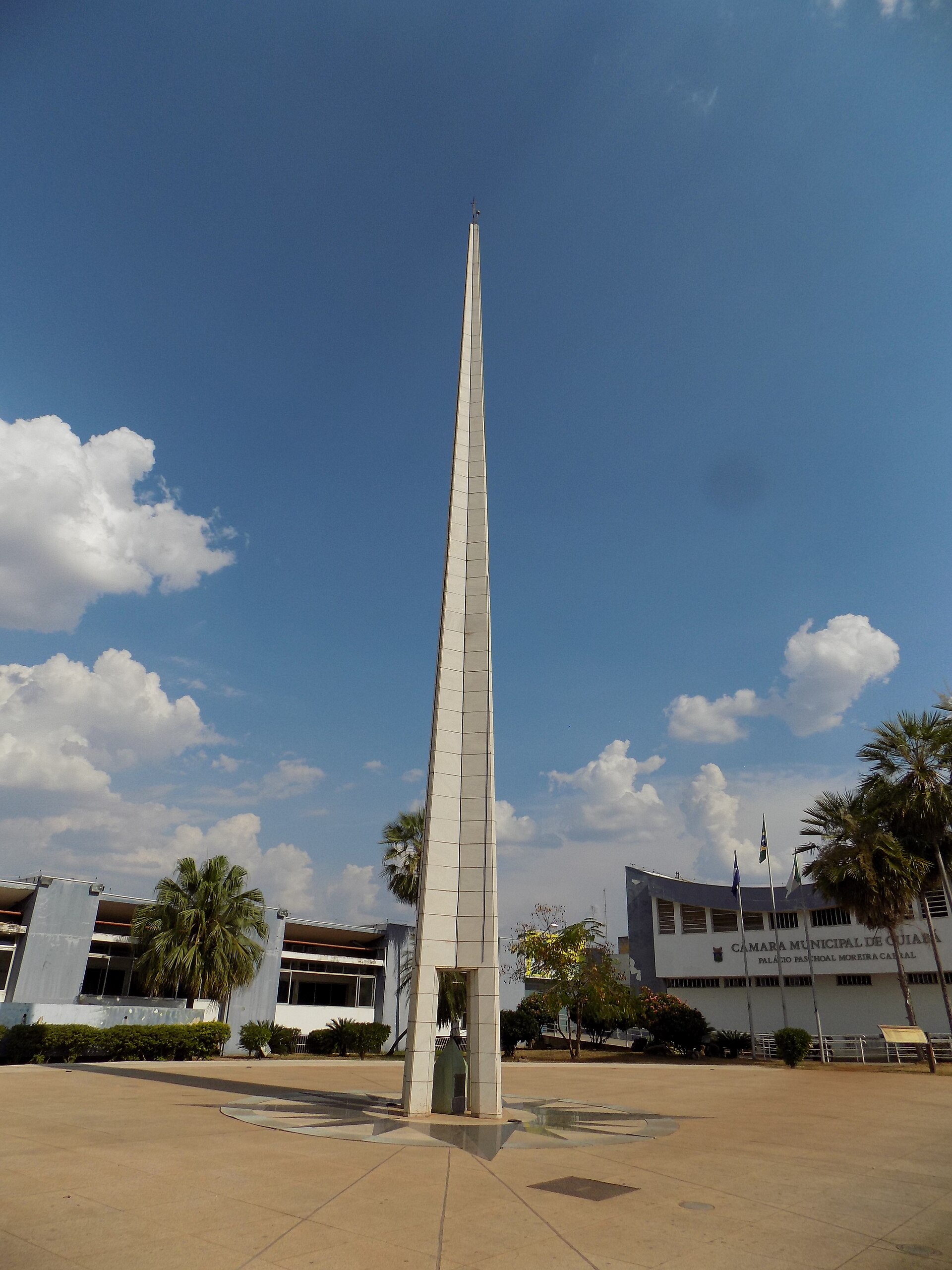
- Arena Pantanal — Outside the historic centre
Built for the 2014 World Cup, Arena Pantanal is the largest football stadium in the state and the main reminder of Cuiabá's turn as a host city. It stands outside the old centre, so a taxi or ride-hailing car is easiest. It makes most sense on a match day, or for those who like modern stadiums.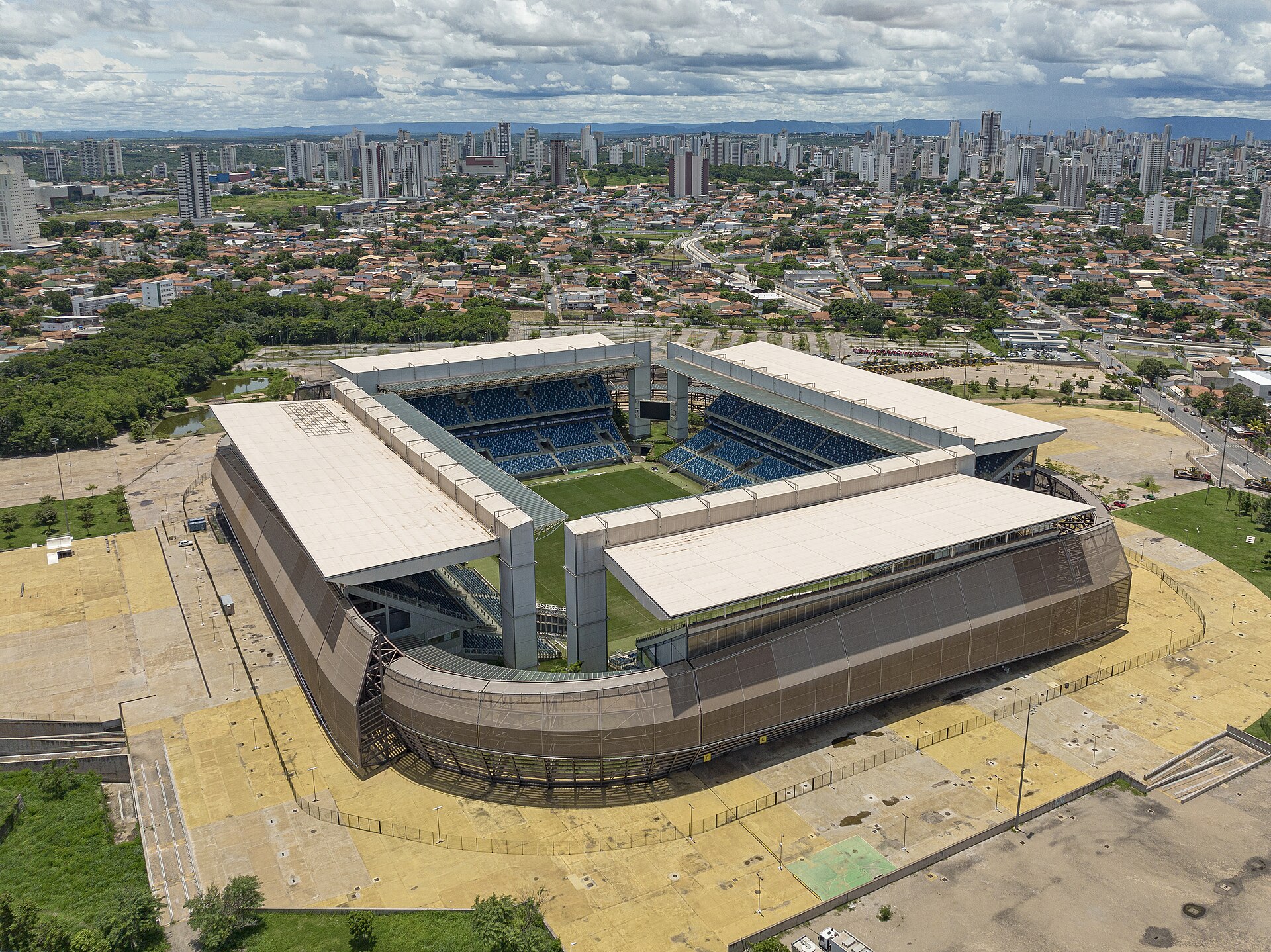
- Historic centre streets and Chafariz do Mundéu — Historic centre
The historic centre around Rua Cândido Mariano keeps low colonial-style façades, tiled doorways and small squares, and is best walked early in the morning before the heat builds. The Chafariz do Mundéu, a protected fountain, is one of the quiet stops here. Comfortable shoes help, as the pavements are uneven in places.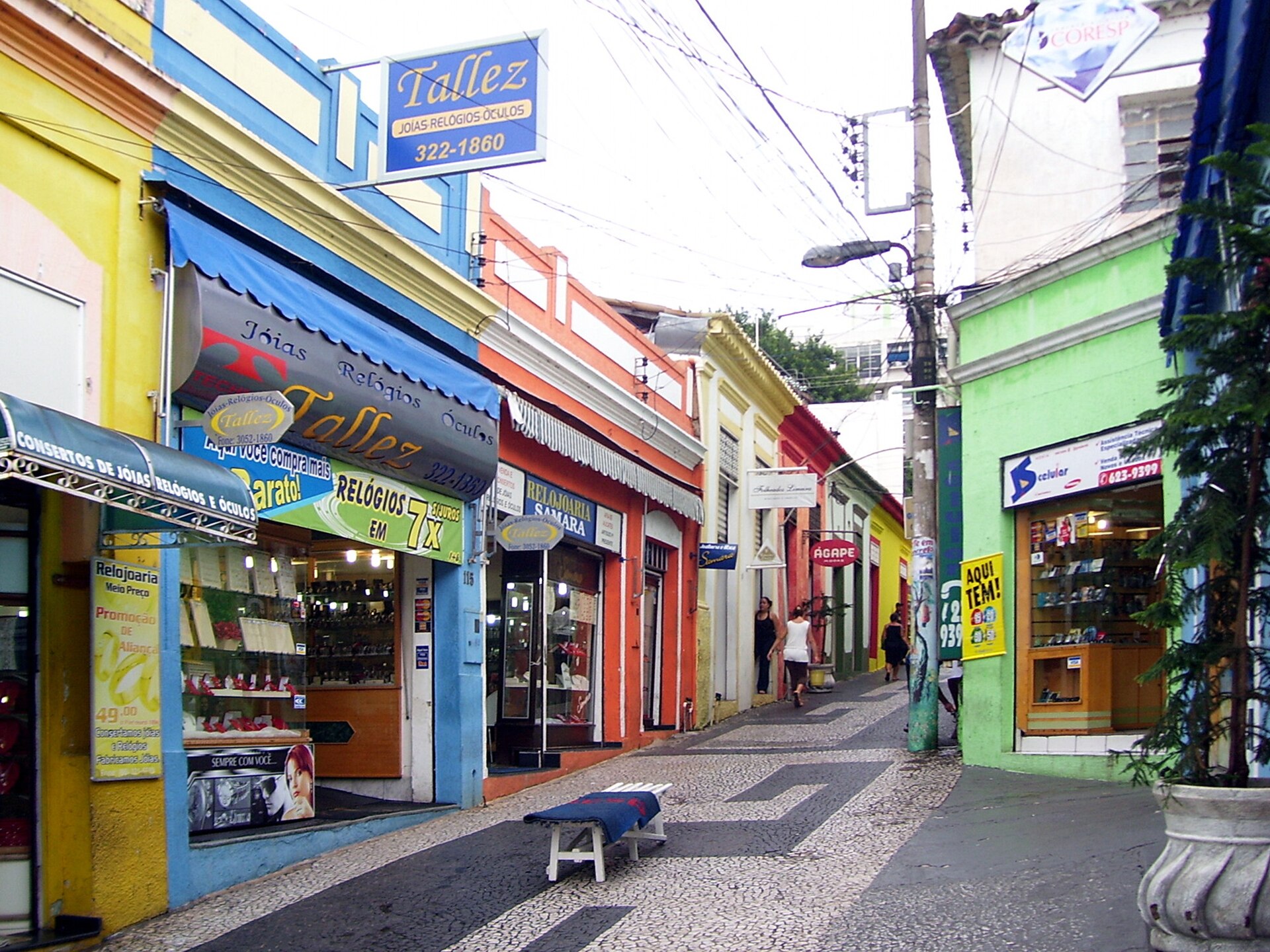
Culture
Cuiabá's culture grows from Portuguese, African and Indigenous roots, and it shows most clearly in food, dance, music and craftwork. Local dance and music were traditionally tied to the worship of Catholic saints, and Saint Benedict is the city's patron saint, so church festivals are where older customs tend to surface. The city has many museums, covering sacred art, the history of Mato Grosso, image and sound, the river and its waters, and a small museum of cinema inside the old Cine Teatro. Several sit in restored colonial buildings in the centre, which makes a museum walk easy to combine with a stroll through the old streets. Handmade crafts, often by local artisans, are sold at craft houses and fairs, and make better souvenirs than anything from a shopping centre. Language is Portuguese, and English is not widely spoken outside tourist-oriented places, so a few polite phrases in Portuguese go a long way with shopkeepers and drivers. Life moves to the rhythm of the heat, with a long midday pause and a busy, sociable evening. When visiting a church such as the cathedral, dress modestly, keep your voice low and do not photograph worshippers during Mass.
What to wear
Cuiabá has no single costume worn day to day, and the traditional dress belongs mostly to folk dance and saints' festivals. Dance groups typically wear bright cotton skirts and blouses for women and light cotton shirts and trousers for men, often with straw hats and neck scarves. Cotton suits the climate, and the colours are chosen to be seen. Everyday dress is relaxed and light: shorts, sandals, football shirts, linen and flip-flops, with smart-casual clothes in offices, where a thin layer helps against strong air conditioning. Farming and ranching culture is strong in Mato Grosso, so jeans, boots, wide-brimmed hats and big belt buckles are common among people from the interior. Visitors should wear breathable cotton or linen, a hat, sunglasses and high-factor sunscreen, and carry insect repellent for evenings by the river. Sandals work in the city, but closed, comfortable shoes are better for uneven pavements and for trips into the countryside. For churches, cover shoulders and knees. Swimwear belongs at the pool or at a designated beach spot, not on city streets.
What to eat
- Maria Isabel — Regional restaurants and lunch buffets in the centre
A comforting one-pot dish of rice cooked with dried, salted beef, a staple of Mato Grosso home cooking. It is simple, filling and well seasoned, often served with farofa or salad alongside. - Mojica de pintado — Riverside eateries and regional restaurants
River fish, usually pintado, cooked in chunks with cassava in a savoury broth. It reflects the freshwater cooking of the region and is usually served hot with rice and a sharp chilli sauce. - Pacu or pintado grilled — Fish restaurants near the river and in Várzea Grande
Fresh river fish grilled whole or in steaks over charcoal, often with lemon and simple sides. It is a good way to taste what the rivers of Mato Grosso provide, and portions are usually big enough to share. - Farofa de banana — Regional restaurants, as a side at weekend lunches
Toasted cassava flour mixed with fried banana, sweet and savoury at once. It is served as a side with grilled meat or fish and is a distinctive local twist on a Brazilian standard. - Arroz com pequi — Regional restaurants serving cuiabano food
Rice cooked with pequi, a strongly flavoured fruit of the Brazilian savanna. The taste is divisive and the stones are thorny, so bite carefully. It is a true taste of the interior, best tried once. - Bolo de arroz — Bakeries and coffee counters in the old centre
A soft, lightly sweet rice cake that suits coffee in the morning or the afternoon. It is a humble local bake, often made at home and sold in small portions.
Plan it
Best time. The drier months, roughly May to September, are the easiest for walking and for trips to the Pantanal and Chapada; the city is hot and humid year-round, so start early and expect heavy rain in the wetter months.
How long. 1–2
Getting there. Marechal Rondon International Airport (CGB) serves the city, though almost all its flights are domestic, so international visitors usually connect through São Paulo or Rio de Janeiro. From the airport, a taxi or ride-hailing car is the simplest last leg to the centre. Highways also reach the city from all directions.
Budget. mid
Tips
- Sightsee in the early morning and late afternoon, and rest indoors at midday
- Carry water, a hat and sunscreen, as the heat is strong even in the drier months
- Check opening times for museums and the cathedral on the official site, as hours change
- Carry some cash for markets and small eateries, and cards for larger restaurants
- Book Pantanal or Chapada tours ahead if you plan to use Cuiabá as a base
Etiquette
- Dress modestly and keep quiet inside churches
- Ask before photographing people, especially at religious events
- Greet shopkeepers and drivers politely in Portuguese before asking for anything
Nearby
Sources
- Wikidata Q170762 (CC0)
- Wikipedia: Cuiabá (rev 1382246016) (CC BY-SA 4.0)
- Wikivoyage: Cuiabá (rev 5214093) (CC BY-SA 4.0)
- Photo: View of Cuiabá, Mateus Hidalgo (CC BY-SA 2.5 br)
- Photo: Cuiabá, Mato Grosso, Brasil, Arne Müseler (CC BY-SA 3.0 de)
- Photo: Catedral Metropolitana de Cuiabá, Prburley (CC BY 4.0)
- Photo: Obelisco do Centro Geodésico da América do Sul, Fabio Gomes (CC BY-SA 4.0)
- Photo: Chafariz do Mundéu, Ileticiachaves (CC BY-SA 4.0)
- Photo: Rua Cândido Mariano, Mateus Hidalgo (CC BY-SA 2.5 br)
- Photo: Museu do Rio Cuiabá, Mateus Hidalgo (CC BY-SA 2.5 br)
- Photo: Arena Pantanal, Arne Müseler (CC BY-SA 3.0 de)


