Coventry
Coventry, United Kingdom
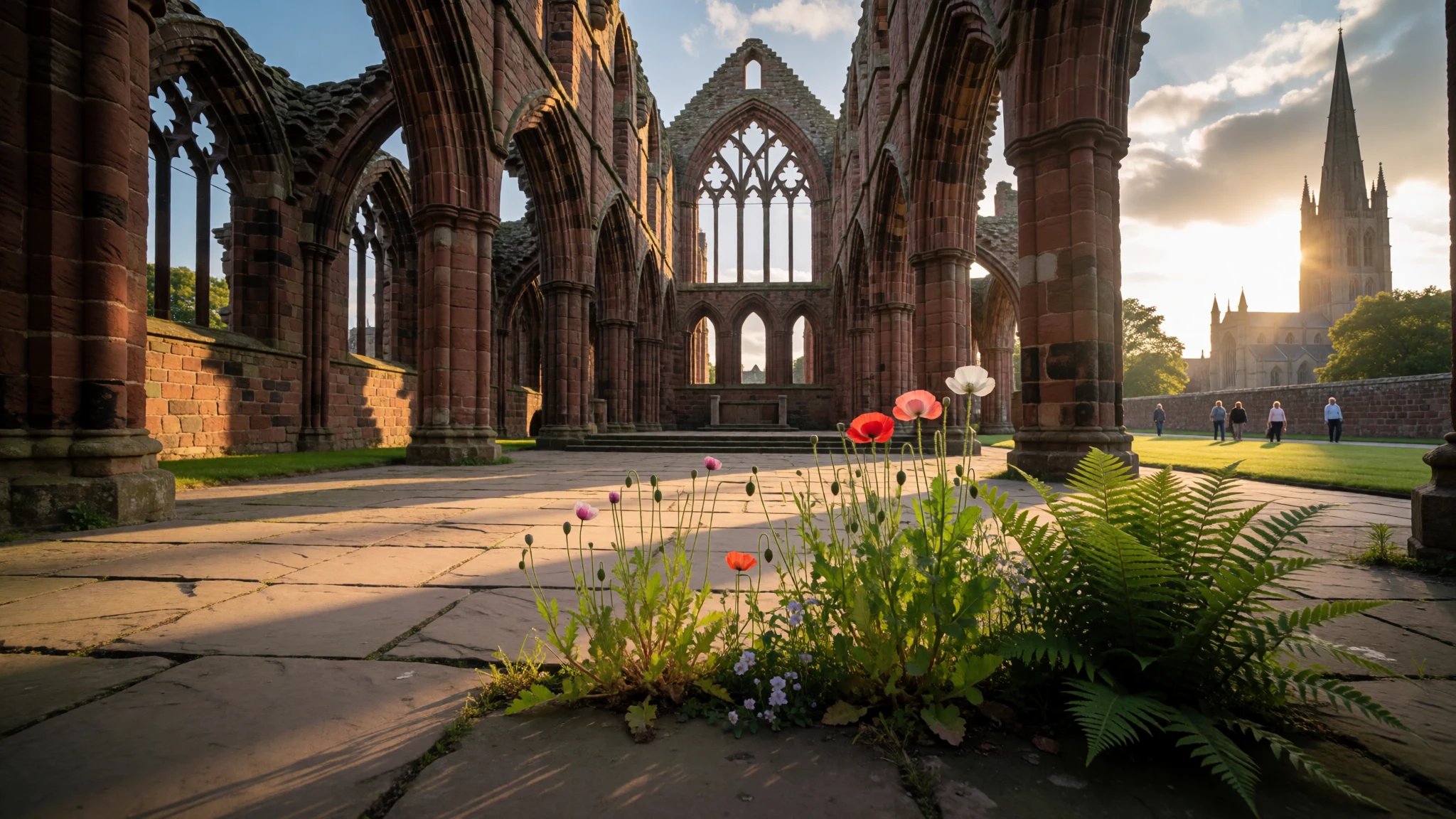
Visit Coventry to wander medieval Spon Street, touch the haunting wartime ruins of the old cathedral, and explore centuries of engineering heritage.
The place
Coventry stands in the heart of the West Midlands county in England, cradled by the River Sherbourne. As a prominent cathedral city and metropolitan borough, it holds a distinct place in the regional landscape. While separated from neighbouring Birmingham by a narrow corridor of green belt land known locally as the Meriden Gap, Coventry maintains its own robust identity shaped by centuries of urban growth and reinvention. The surrounding terrain is largely flat, merging into the wider conurbation that links nearby towns into a dense, interconnected urban network. Reaching the settlement is straightforward due to its central location on the national transport map, connecting major arterial routes across the region. Within the boundaries, wide pedestrianized shopping precincts intersect with historic thoroughfares, creating a layered environment where post-war reconstruction sits shoulder to shoulder with surviving medieval timber-framed structures. Visitors navigating the urban core will find a compact city that encourages exploration on foot, with public squares and open spaces punctuating the commercial districts. The local atmosphere reflects an industrial past combined with a modern multicultural present, drawing travellers interested in British social history, architectural contrast, and resilient civic design.
Its story
The recorded history of Coventry stretches back through Roman occupation and Anglo-Saxon settlement, evolving into a place of immense national significance during the Middle Ages. Early fortifications rose nearby in response to ancient rebellions, laying down roots in the fertile river valleys long before a formal urban community took shape. Over subsequent centuries, monastic foundations established by Anglo-Saxon nobility anchored the growing town, attracting traders, craftsmen, and pilgrims. Royal charters eventually cemented its status as a self-governing borough, and the local guilds grew exceptionally wealthy through textile production and metalworking trades. Much of this ancient fabric suffered catastrophic destruction during twentieth-century wartime bombing raids, leaving iconic scars across the historic core. Rather than erasing its past, these dramatic events spurred radical architectural innovation, resulting in a bold new cathedral consecrated beside the hollowed-out skeleton of the older medieval predecessor. This juxtaposition of ancient rubble and mid-century modernism defines the narrative of the city, serving as a powerful international symbol of reconciliation, peace, and industrial endurance through generations of political and economic shifts.
What to see
- Coventry Cathedral — Cathedral Quarter
This striking landmark pairs the skeletal, fire-blackened ruins of the medieval Gothic parish church with a soaring twentieth-century modernist replacement. Visitors can wander through the open-air old nave where stone arches frame the sky, then step into the adjacent new cathedral to admire vast stained glass windows and modernist tapestries that celebrate international peace and reconciliation. - Spon Street — West of City Centre
A remarkably preserved historic thoroughfare that once served as a major medieval trade route connecting London to Wales. Lined with rescued timber-framed houses relocated here from across the wider region, the street transports visitors back to an era of merchant guilds and timber craftsmanship, offering a rare glimpse into domestic medieval architecture alongside traditional pubs and independent craft workshops. - St Mary's Guildhall — Bayley Lane
Constructed during the fourteenth century as a lavish meeting place for influential merchant fraternities, this stone hall boasts exquisite timber ceilings, medieval stained glass, and historic tapestries. Situated right opposite the cathedral ruins, it showcases the immense civic wealth and political ambition that characterized the town during its medieval wool and cloth trading heyday. - Coventry Canal — Northern Canal Basin
Beginning just beyond the inner ring road, this scenic waterway winds its way northward through industrial heritage sites toward tranquil countryside junctions. Towpaths provide an accessible, traffic-free route for walkers and cyclists wanting to observe local wildlife, narrowboats, and the remnants of industrial infrastructure that once fed raw materials into the heart of the manufacturing district. - Lunt Roman Fort — Baginton Village
Located just outside the urban boundary in the nearby village of Baginton, this site features a partial timber reconstruction of an auxiliary fort originally established during the early Roman occupation. Visitors can walk along reconstructed ramparts, explore the unique gyrus training ring for horses, and learn about the military logistics deployed across the region during ancient tribal uprisings.
Culture
Coventry maintains a proud, resilient cultural identity shaped by its industrial heritage, waves of international migration, and its post-war designation as a global city of peace and reconciliation. The population is diverse and welcoming, with strong community roots expressed through local arts festivals, live music venues, and community theatre initiatives. Literature and the performing arts have deep historical resonance here, drawing connections to pioneering actors, renowned poets, and classic novelists who grew up or worked in the surrounding Warwickshire landscape. Traditional British pub culture thrives alongside lively modern dining spots representing cuisines from around the globe, reflecting the multicultural fabric of the modern urban community. When visiting sacred spaces or historic ruins such as the cathedral precincts, maintain a respectful quiet tone, keep mobile phones silenced, and follow all directional signage regarding photography restrictions within active places of worship.
What to wear
Traditional attire in Coventry historically reflects practical working garments worn by textile weavers, watchmakers, and heavy industry labourers during the industrial expansion of the Midlands. Modern everyday fashion on the streets is casual, practical, and heavily influenced by contemporary British urban trends, with jeans, trainers, and weather-appropriate outerwear being standard for locals going about their daily routines. Visitors should pack versatile layers, comfortable walking shoes suitable for exploring paved pedestrian precincts and gravel paths, and a reliable waterproof jacket since changeable weather is common throughout the year. When entering places of worship or civic municipal buildings, standard modest casual attire is entirely appropriate, though travellers should avoid overly beach-oriented clothing when visiting historic sacred interiors.
What to eat
- Traditional British Breakfast — City centre cafés and greasy spoon diners
A hearty morning plate featuring fried eggs, bacon, sausages, baked beans, mushrooms, and grilled tomatoes, served with toast or fried bread. - Fresh Filled Bagels — Specialist brunch counters near the precinct
Warm, chewy baked bagels stuffed with a variety of savoury fillings, from smoked salmon and cream cheese to spiced chicken and salad greens. - Classic Fish and Chips — Traditional local fish and chip bars across neighbourhoods
Crispy battered white fish served alongside thick-cut fried potatoes, sprinkled with salt and malt vinegar, and traditionally accompanied by mushy peas. - Artisan Coffee and Pastries — Independent bistros and coffee houses
Freshly brewed espresso drinks paired with flaky butter croissants, sweet pastries, and locally baked cakes in a relaxed neighbourhood setting. - Pub Classics — Historic timber-framed pubs and gastropubs
Comforting British tavern fare including steak and ale pies, bangers and mash, or hearty burgers served with thick chips and gravy.
Plan it
Best time. May to September offers the warmest weather, longer daylight hours for walking the historic streets, and a full calendar of outdoor civic events.
How long. 2–3
Getting there. Arrive by train at Coventry railway station on the West Coast Main Line, or drive via the M6 motorway, keeping in mind the complex layout of the central ring road.
Budget. mid
Tips
- Wear comfortable footwear for walking across the pedestrianized shopping precincts and historic timber streets.
- Allow extra time when navigating the central ring road junctions if arriving by car for the first time.
- Check opening hours online before visiting specific historic guildhalls or museum exhibitions.
- Carry both contactless cards and some cash for small purchases at independent market stalls.
- Check weather forecasts and pack a waterproof layer for sudden showers.
Etiquette
- Keep voices lowered when exploring the interior of active cathedral spaces.
- Always ask permission before photographing local residents or performers in public squares.
- Queue politely and wait your turn when ordering food at busy pubs and cafés.
Nearby
Sources
- Wikidata Q6225 (CC0)
- Wikipedia (rev 1379979771) (CC-BY-SA 4.0)
- Wikivoyage (rev 5400599) (CC-BY-SA 4.0)