Corsica
Corsica, France
A mountainous Mediterranean island with walled harbour towns, chestnut villages, Genoese watchtowers and beaches for both sun and long walks.
The place
Corsica sits in the western Mediterranean, south of the French mainland and north of Sardinia, which is its nearest neighbour across the water. It is one of the regions of France, but it feels like a place of its own. Most of the land is high, steep and wooded, and the coastline changes from granite cliffs to long sandy bays within a short drive. Ajaccio, on the west coast, is the regional capital, with a busy harbour and a broad seafront. Bastia, on the north-east coast, is the second town and has an old port full of cafés. The population is about 355,000, so even in summer the interior feels quiet compared with the coast. Roads wind over passes and through valleys, and a distance that looks short on a map can take much longer to cover. The island has its own distinct identity, reflected in its political arrangements. It is a territorial collectivity with a regional assembly that holds more powers than most other French regions, and talk of greater autonomy continues. Expect a mix of Italian and French influence in the names, the architecture and the food, a legacy of centuries under Genoese rule. Summer brings heat and crowds to the beaches, while spring and autumn are gentler for walking and for seeing the towns without queues. The island rewards slow travel, a hire car and patience on mountain roads.
Its story
Corsica has been inhabited since the Middle Stone Age, and settled farming communities arrived many thousands of years later, leaving traces in stone and pottery. Its position made it a prize. Carthaginians held parts of the coast for a time, Greek settlers built a colony at Aléria, and Etruscan influence followed. Rome took the island at the end of the First Punic War and ruled it as a province alongside Sardinia, though its grip on the mountainous interior stayed weak. Contemporaries thought of the island as a backwater. It supplied sheep, honey, resin and wax, along with slaves, and it became a place of exile; the philosopher Seneca was sent there. Under the emperor Diocletian it was folded into Roman Italy. Later centuries brought raids and shifting allegiances, and Pisan influence left its mark on churches such as Aregno, whose Romanesque-Pisan style still stands out. Genoa then governed Corsica for centuries. Its officials fortified the towns and built the watchtowers that still line parts of the coast, and that long rule is why Italian names and architecture are so common today. Genoese control eventually loosened, and a Corsican republic emerged, led by Pasquale Paoli. France took over later, and the island's sense of its own identity has stayed strong and sometimes contested in its politics. Napoleon Bonaparte was born in Ajaccio, and his birthday is still celebrated in the town.
What to see
- Bonifacio citadel — Bonifacio, far south
The walled town sits on white limestone cliffs at the southern tip of the island, with its citadel above a narrow inlet. Steep lanes and steps climb from the harbour to the ramparts, where the views reach across the strait toward Sardinia. Go early or late in the day, because summer midday brings coach parties.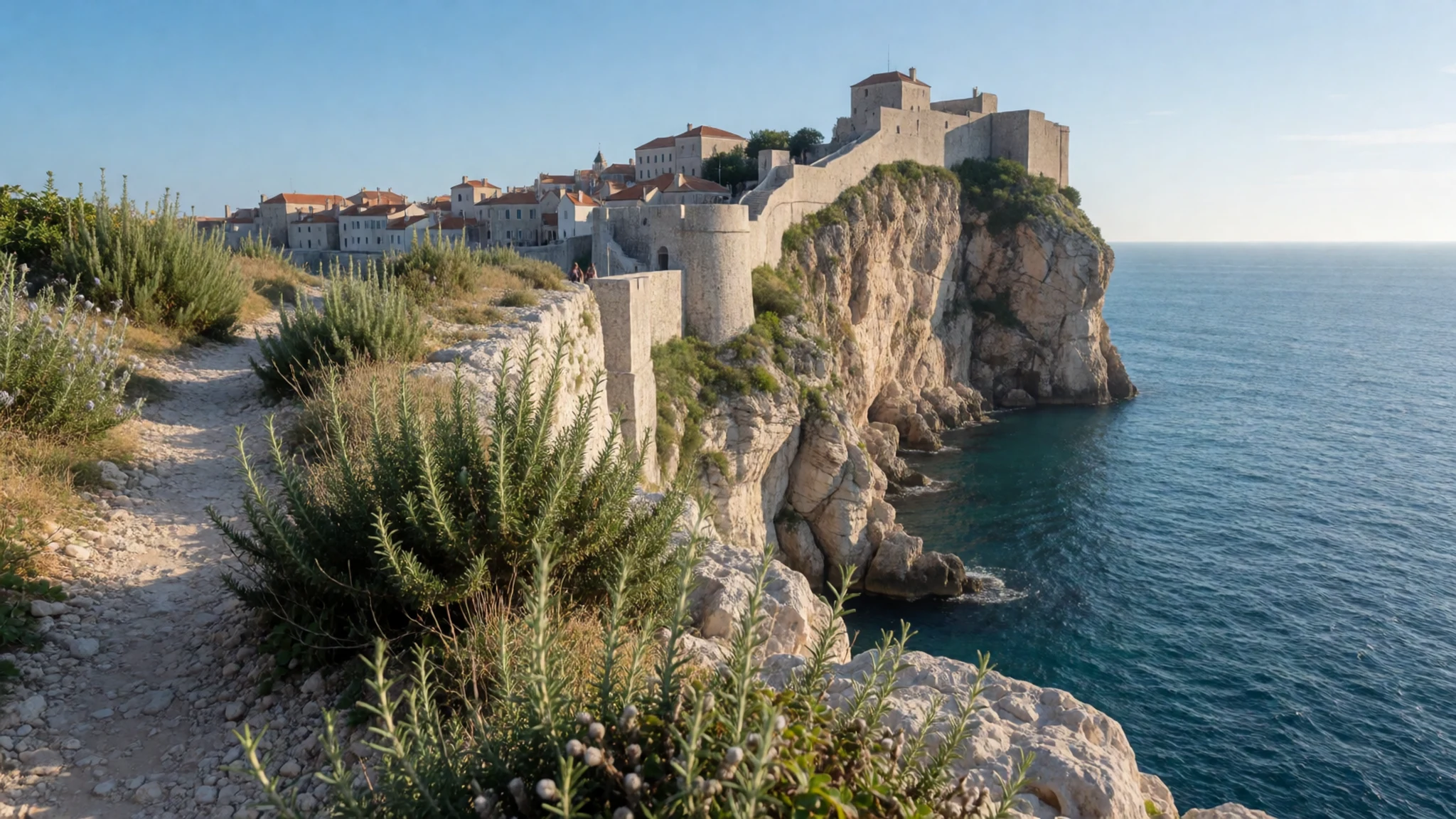
- Bastia old harbour — Bastia, north-east coast
The old harbour is lined with tall, pastel-fronted houses and cafés, and the citadel rises on the hill above it. Ferries and yachts share the water, and the streets behind the quay suit an unhurried evening. It is a town for wandering rather than ticking off sights, and it gives a good sense of the island's Italian-tinged streets.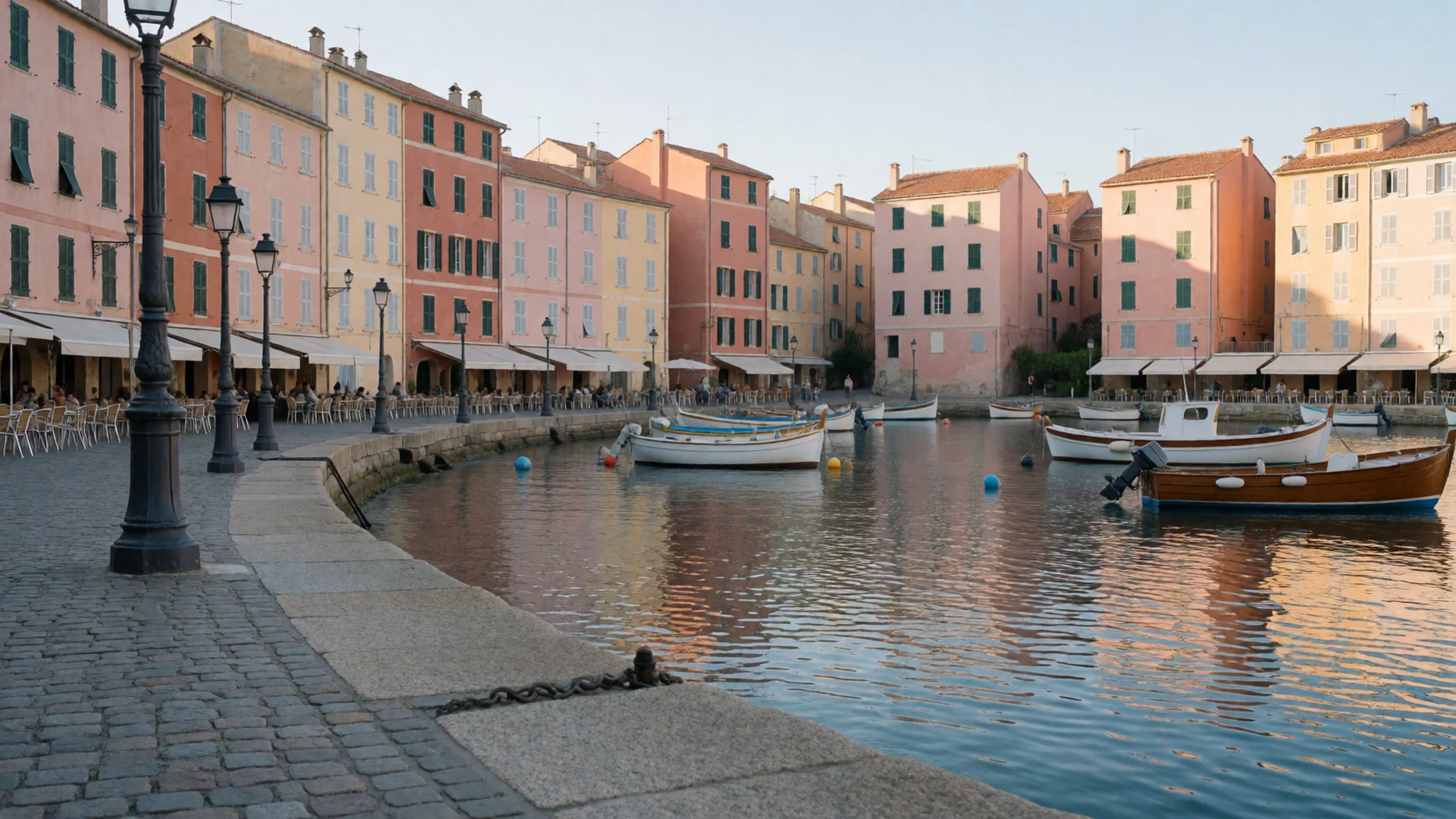
- Ajaccio museums and seafront — Ajaccio, west coast
The regional capital has the island's main museums and galleries, covering local history and art, plus a broad seafront for evening strolls. Napoleon was born here, and the old town carries that story in its street names and monuments. Opening times change with the season, so check the official website before planning your day.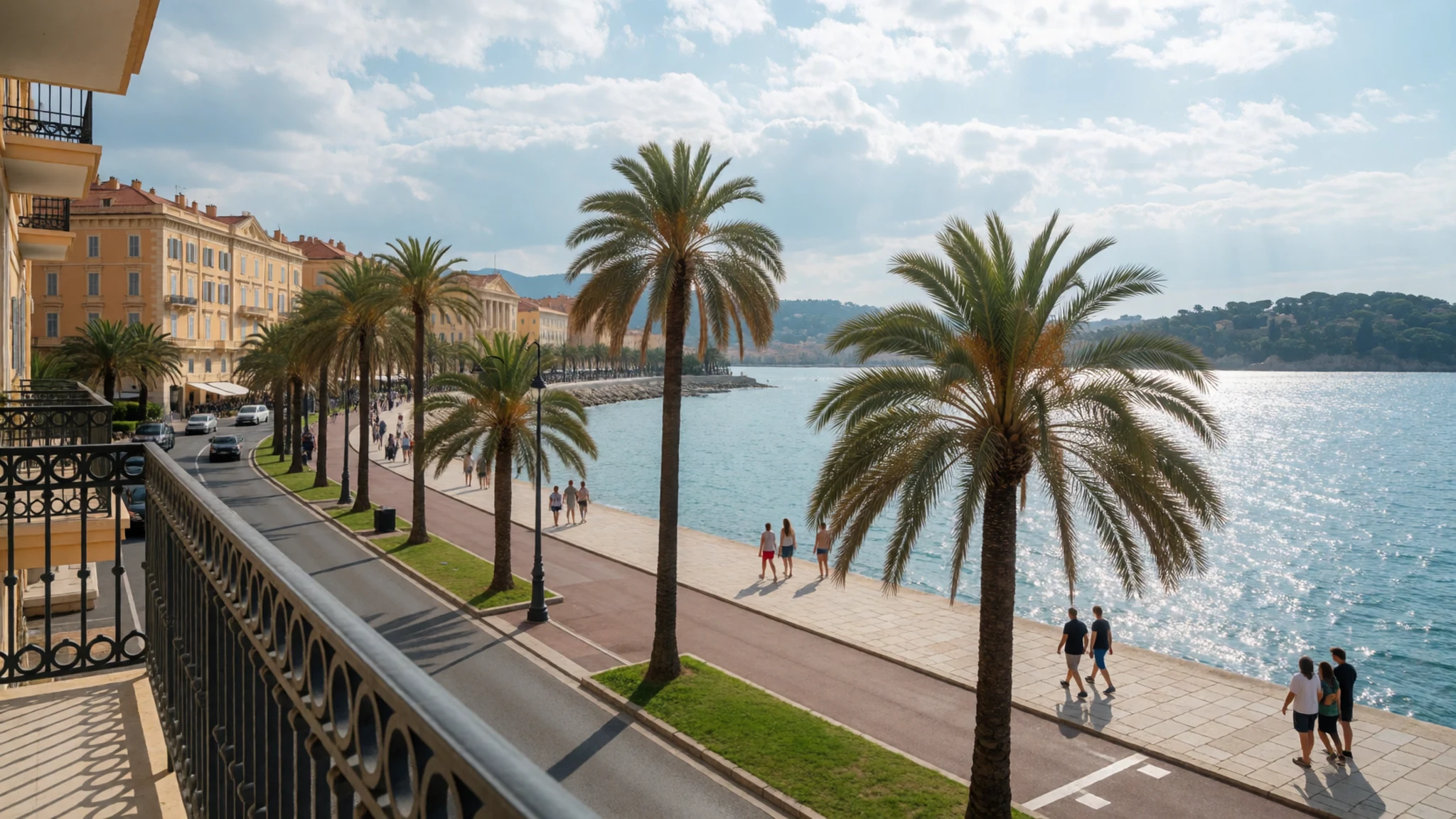
- Gulf of Porto — Porto, west coast
The Gulf of Porto, a World Heritage Site, is known for red granite rock formations rising from the sea. Boat trips from Porto Plage pass the Calanche de Piana, Capo Rosso, Girolata and the Scandola nature reserve. Tours run on a set schedule, so check the operator in advance and book ahead in summer.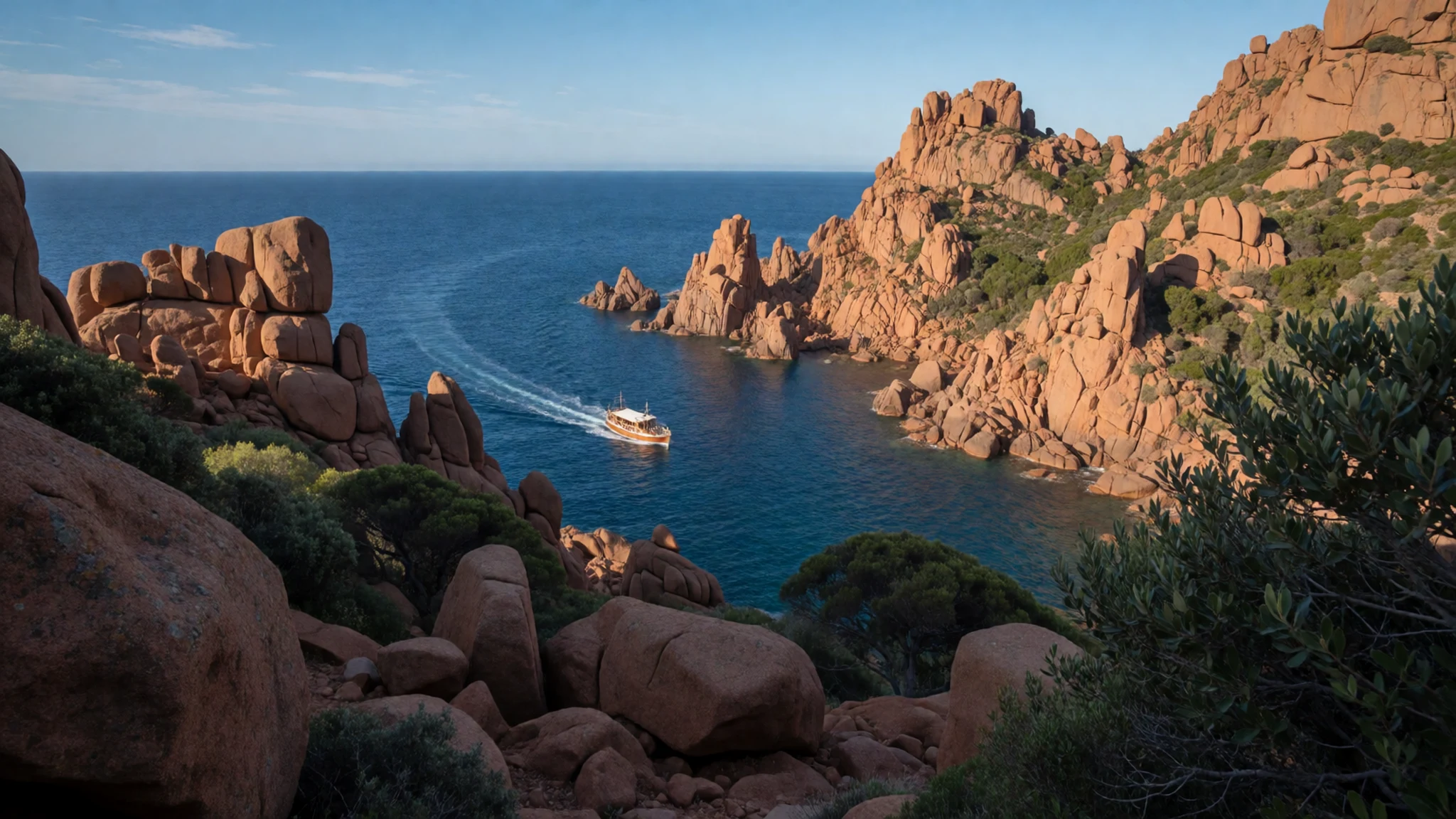
- Genoese watchtowers — Coti-Chiavari, south-west coast
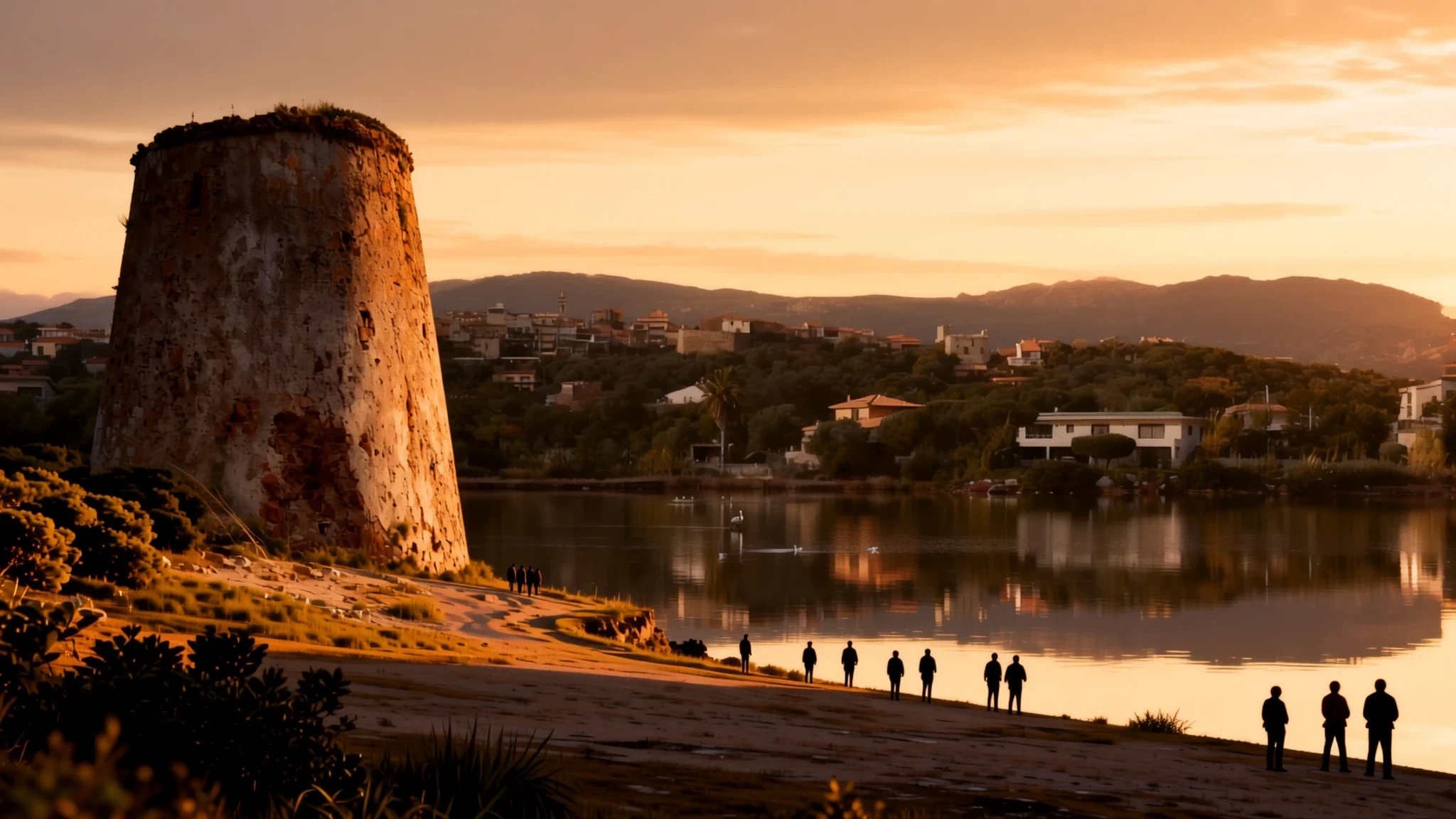
Stone towers built during the Genoese period still stand along parts of the coast, watching over bays that once attracted raiders. The Tour de Capu di Muru, near Coti-Chiavari, is a squat round tower on a rocky point. Many can be seen from the road, and a short walk along the coastal path gives the best views.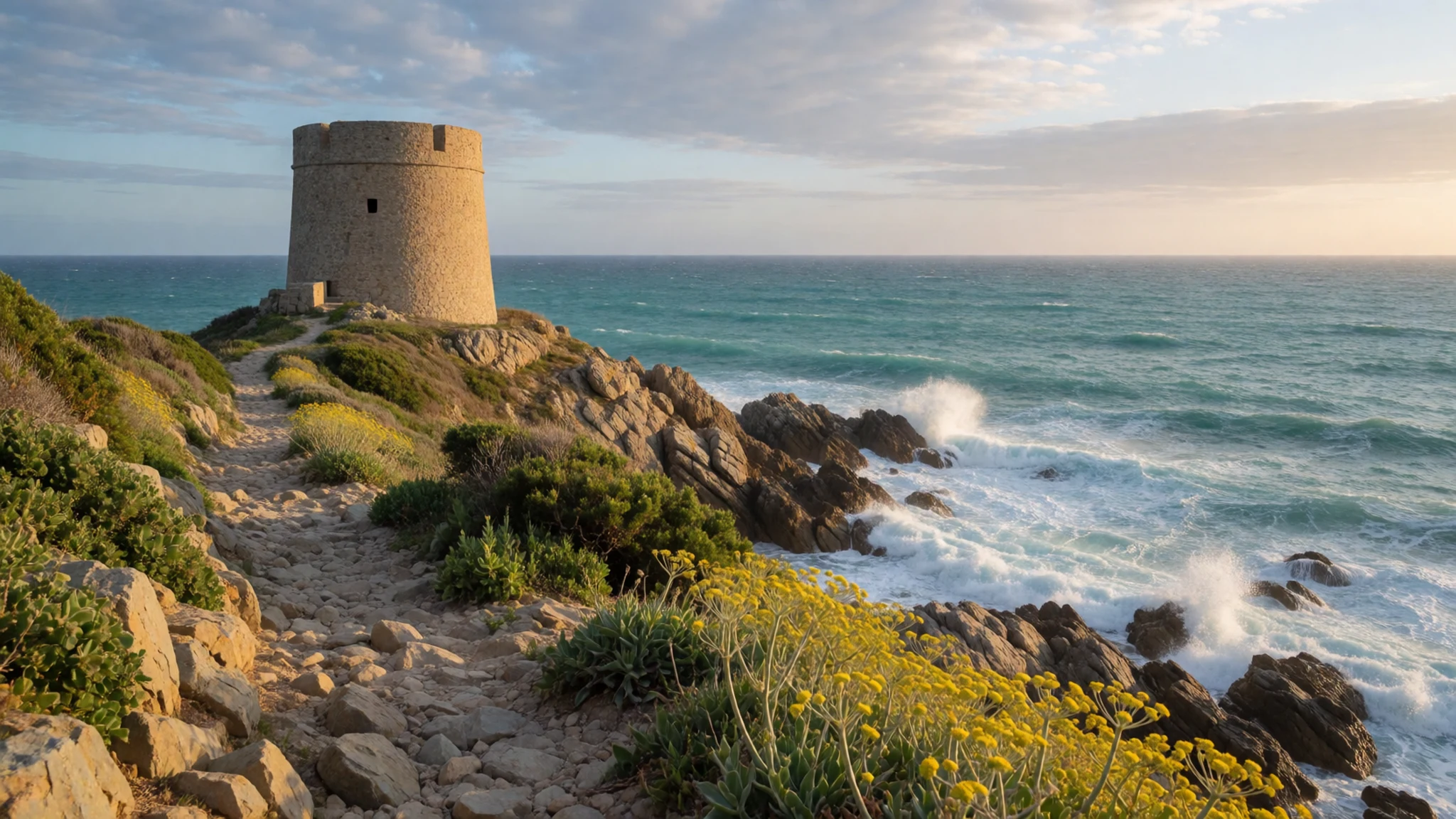
Culture
Corsican life is shaped by its mountains as much as by the sea. Villages in the interior hold on through the winter, and many families keep strong links to a particular valley or town, which shows in festivals, church feasts and family meals. Food is a point of pride. Pork from semi-wild pigs, chestnuts gathered in autumn, and cheeses made from goat and sheep milk appear on tables from village restaurants to family kitchens. Brocciu, a fresh cheese close to ricotta, is folded into pastries and savoury dishes. Corsicans are proud of their island identity, and you will hear that pride in politics and everyday conversation, so stay friendly and curious rather than comparing the island with mainland France or Italy. Church life still matters in many villages, with bells marking the day and older residents walking to Mass on Sunday. Summer is the season of fêtes and processions, and visitors are usually welcome to watch from the edges. Don't photograph people in procession or at a feast without asking first, and keep your voice down in churches and on village streets after dark.
What to wear
Traditional Corsican dress belonged mostly to rural life and to feast days. Women wore long, dark skirts with a fitted bodice and a white apron or shawl, while men wore dark wool jackets and waistcoats, often with a sash or belt. Wool, linen and cotton were the usual materials, and embroidery and braid marked out a family's best clothes. Today you see these costumes mainly at festivals, at folk group performances and in church processions, where local groups wear them with pride. Everyday dress is much like the rest of Europe: linen shirts, cotton dresses, jeans, sandals on the coast and sturdy shoes in the hills. Craft shops in the villages sell wool goods and some hand-finished textiles, which make practical souvenirs. For a visit, dress in layers. Summer heat on the beaches and cool mountain mornings can arrive on the same day, so pack a light layer and a hat. Walking trails in the interior need boots with proper grip, because the paths are stony and steep, and topographical maps are wise. Churches and village ceremonies call for covered shoulders and knees, and a light scarf fits easily into a day bag.
What to eat
- Chestnut dishes — village markets and family-run eateries in the mountain villages of the interior
Chestnuts are a mainstay of the island's cooking, ground into flour for cakes and biscuits, boiled, roasted, and cooked into pulenta, a dense, polenta-like dish. Chestnut desserts turn up in many places, so you will rarely go far without finding one.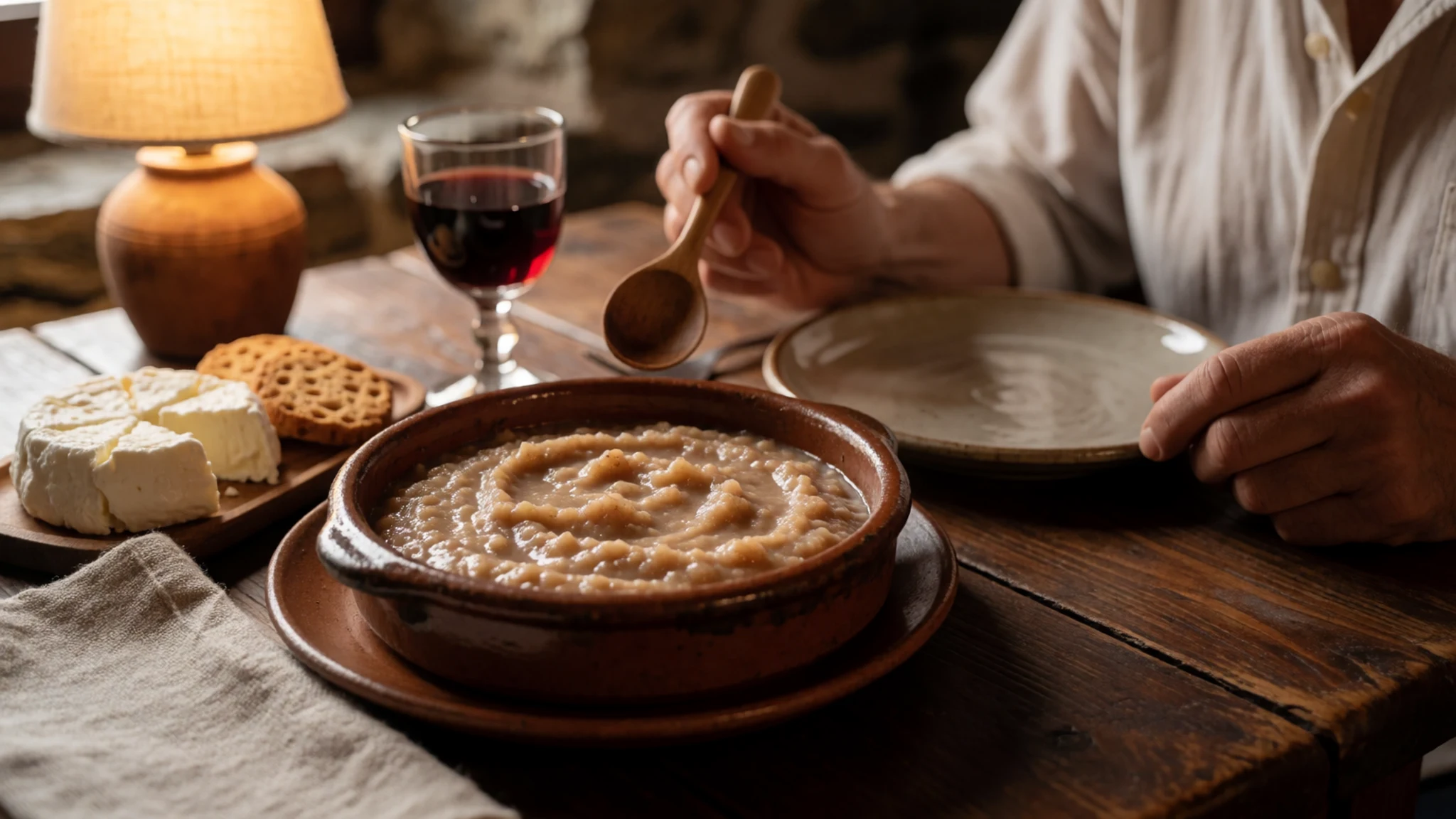
- Charcuterie — charcuterie shops and butchers across the interior, and mountain restaurants
Pigs that forage semi-wild for much of the year become cured sausages and hams with a deep, nutty flavour. Figatellu, a liver sausage, is the best-known local product, and coppa and prizuttu are dry-cured meats to share with bread and cheese.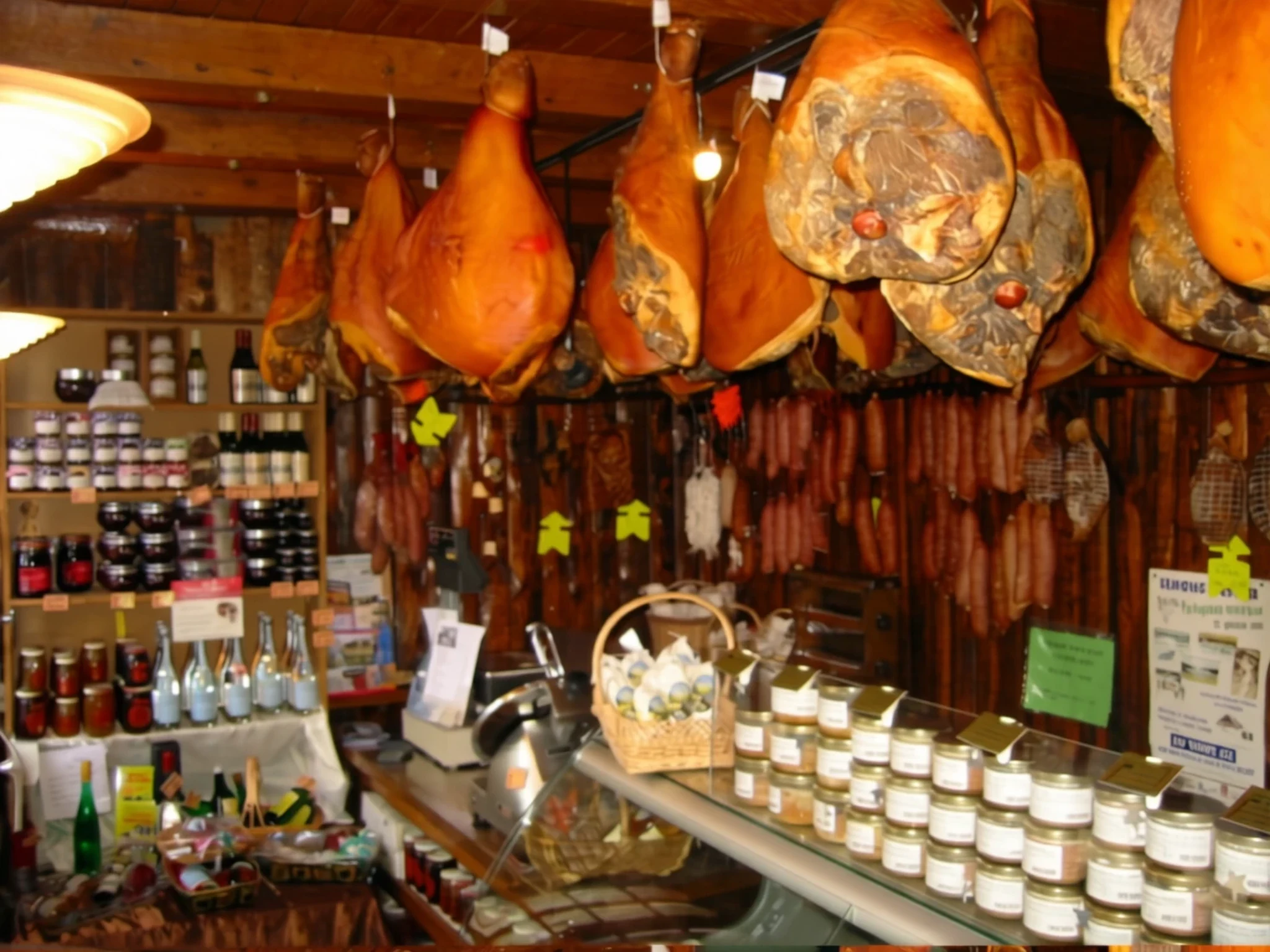
- Brocciu — town and village markets, and cheese shops in Ajaccio and Bastia
Brocciu is a fresh whey cheese similar to ricotta, used in first courses and in fiadone, a light cake. Eat it simply with honey, or try it in a savoury dish; its milky sweetness suits both.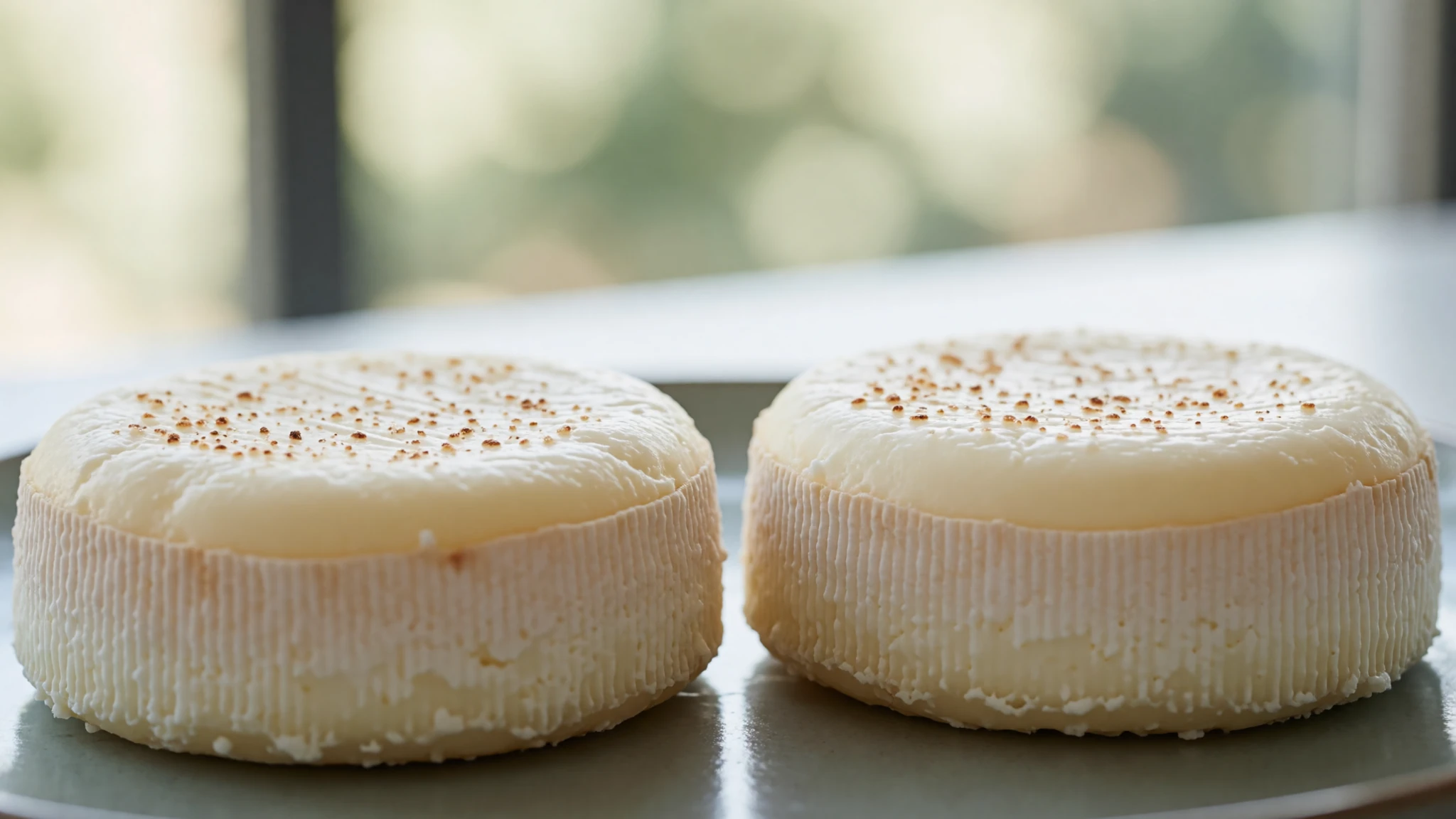
- Canistrelli — bakeries and pâtisseries in any of the old towns
Canistrelli are small, crisp biscuits that come in many flavours, from anise to wine and citrus. They keep well, which makes them a good gift for the journey home. - Local olive oil — farm shops and village grocers in the countryside
Corsican olive oil is made from ripe fruit gathered from the ground beneath the trees, which gives it a distinctive, fruity character. Small bottles make a practical buy, and a farm shop is the best place to taste before you choose.
Plan it
Best time. Late spring and early autumn suit walking and coastal visits best, with warm sea, less intense heat and calmer towns. July and August bring the heaviest crowds and the strongest heat, especially on the coast. Winter is quiet, and some coastal businesses close.
How long. 5–7
Getting there. Fly into the airports at Ajaccio or Bastia, which have year-round flights from mainland France. By sea, the fast ferry from Nice takes about three hours to reach Ajaccio or Bastia, while car ferries from Marseille, Nice and Toulon take most of a day. Ferries also run from Italy and from Santa Teresa Gallura in Sardinia.
Budget. mid
Tips
- Book ferries and car hire early for July and August
- Carry cash for village bakeries, markets and small shrines
- Start coastal walks early, because summer afternoons are hot
- Buy IGN topographical maps before you walk, since trail markings alone are not enough
- Allow more time on mountain roads than the map suggests
Etiquette
- Cover shoulders and knees when entering churches
- Ask before photographing people at processions or feasts
- Keep noise down in villages after dark
Nearby
Sources
- Wikidata Q14112 (CC0)
- Wikipedia: Corsica (rev 1382309895) (CC BY-SA 4.0)
- Wikivoyage: Corsica (rev 5400558) (CC BY-SA 4.0)
- Europe location Corsica map, Urhixidur (CC BY-SA 2.0)
- The Mountainous Spine of Corsica, NASA Earth Observatory (Public domain)
- Carthage Holdings, Aldan-2 (CC BY-SA 4.0)
- Église de Aregno, Pinpin (CC BY 3.0)
- Genoese tower in Corsica, Tanos (CC BY-SA 2.0 fr)
- A cutter and a man of war off Corsica, 1788, Nicholas Pocock (Public domain)
- Feliceto St-Nicolas, Pierre Bona (CC BY-SA 2.0)
- Ajaccio Napoleon's Birthday Celebration 2006, Steve Hedin (CC BY 3.0)


