Coron, Palawan
Coron, Palawan, Philippines
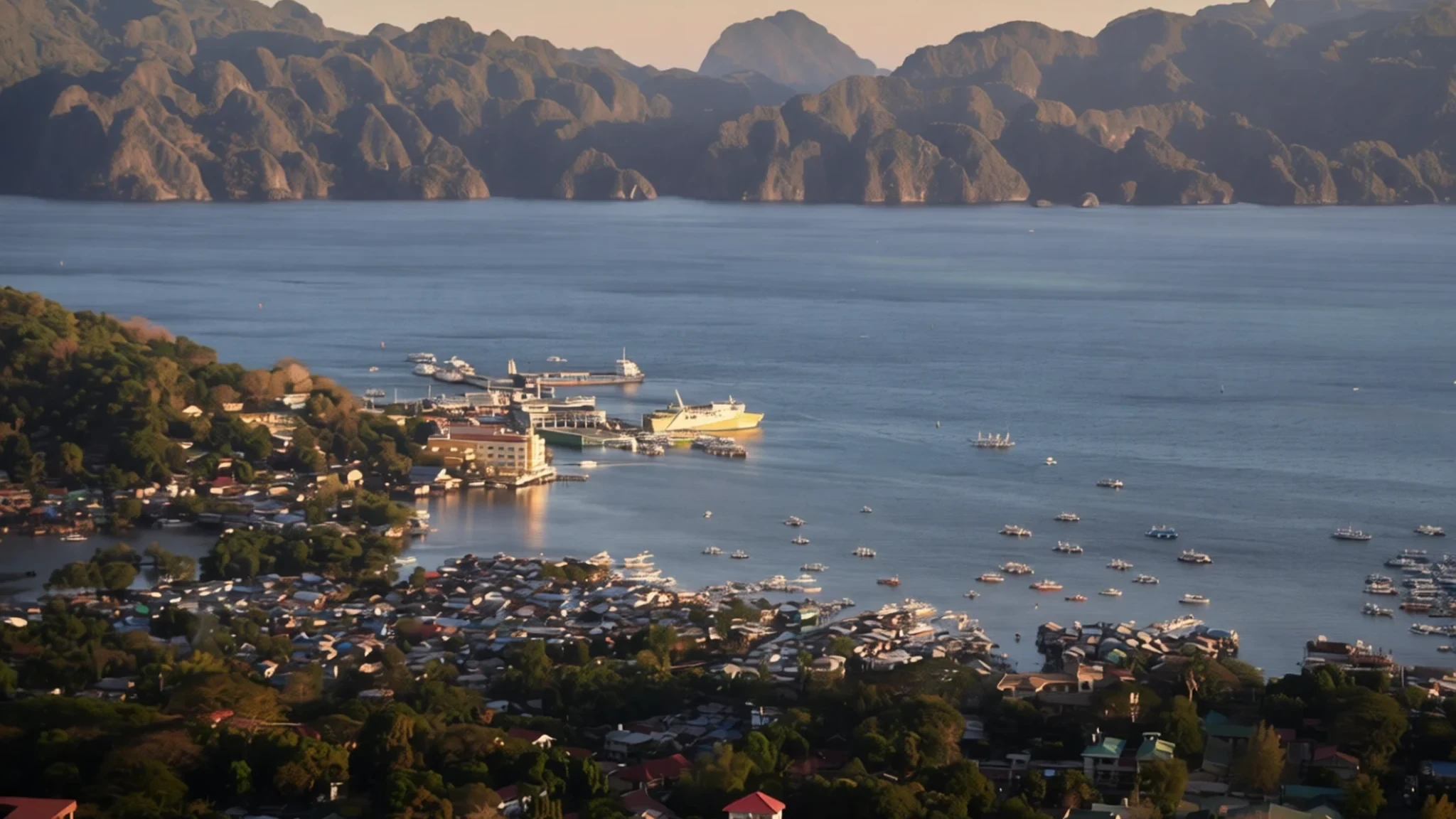
Coron is a Palawan town where limestone islands, clear lagoons and wartime wrecks make a good base for snorkelling and diving.
The place
Coron is a municipality in Palawan province in the Philippines, but most visitors experience it as a harbour town that sits between two very different worlds. On the flat ground there is a practical street grid of shops, bakeries and guesthouses. Just offshore, a ring of steep limestone islands rises out of green-blue water. The town occupies the eastern part of Busuanga Island, and its municipal area takes in all of Coron Island and dozens of smaller islets. Together these form part of the Calamian Archipelago in northern Palawan, where the South China Sea meets the Sulu Sea. The sheltered lagoons on one side and the open water on the other give the sea a changeable character.
The municipality had 69,439 residents at the 2024 census, which makes it a lively but small place by Philippine standards. The ground sits only about 8 metres above the sea, so the tide shapes daily life more than any clock. Most activity gathers around the waterfront, the main market and the piers, where island boats load up in the morning.
For a view of the whole setting, the climb up Mount Tapyas is the usual first outing. A stairway leads to a viewing deck that looks down over the town, the harbour and the scattered islands. Coron works best as a base for time on the water rather than a place to linger in for its own sake. Its appeal is practical: good seafood, boat trips that are easy to arrange, and quick access to lagoons that appear in many photographs of the Philippines.
Its story
Coron's history begins long before the town had its present name. The Calamian Islands were home mainly to the Cuyunon people, with Tagbanua and Calamianen communities also present. Cuyunon oral history remembers a ruler called Datu Macanas who held the whole of Busuanga Island, the land where the town now stands. Early Spanish visitors left a useful contrast in their notes. The people of Busuanga were described as friendly, while the Tagbanua on Coron Island were recorded as fierce, a reputation that kept outsiders cautious for a long time.
Spanish control arrived gradually and was administered from elsewhere. Coron was governed from Mindoro, while the island of Cuyo answered to Panay. The first permanent Spanish settlement in the group was at Culion, and Coron was treated as a dependent mission station attached to it. Defence against raids was a constant concern, and missionaries built fortified structures to protect the coast.
The town grew through migration. Settlers were drawn to the Banuang Daan area, and family histories from the period record marriages between Cuyonon and Ilonggo households. Nicolas Manlavi, a Cuyonon who had served for years on Spanish galleons, and Claudio Sandoval, an Ilonggo from Jaro in Iloilo, were among those whose families shaped the settlement.
The Second World War left a more dramatic mark. In September 1944, a fleet of Japanese ships was sheltering in the harbour when a daring raid by the United States Navy sank them. The wrecks that remained in those waters later drew divers, and the area's dive centres still build their trips around them.
What to see
- Mount Tapyas viewpoint — above the town centre
The climb up Mount Tapyas is a short but steady walk on a stairway that ends at a viewing deck. From the top the town, its harbour and the scattered islands lie spread out below, which makes it the quickest way to understand how Coron is laid out. Early morning or late afternoon is kinder on both the climb and the light.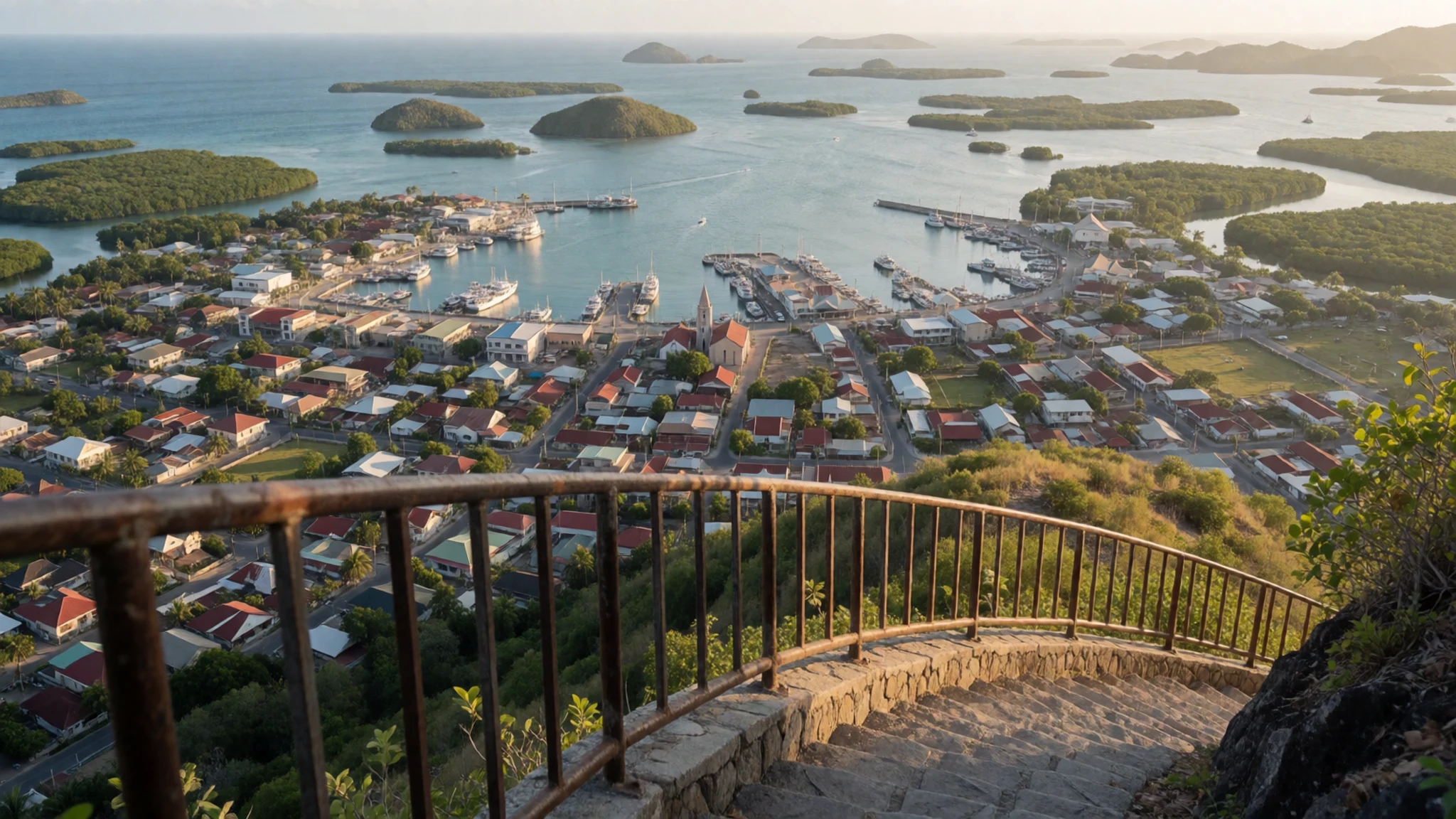
- Siete Pecados (Seven Islands) — east of Coron town
A snorkelling stop that is simple to reach from town, the Seven Islands lie a short boat ride away. The water is clear and the reef is easy to explore for people who are new to snorkelling. Boats tend to leave early, before the lagoon fills with other visitors.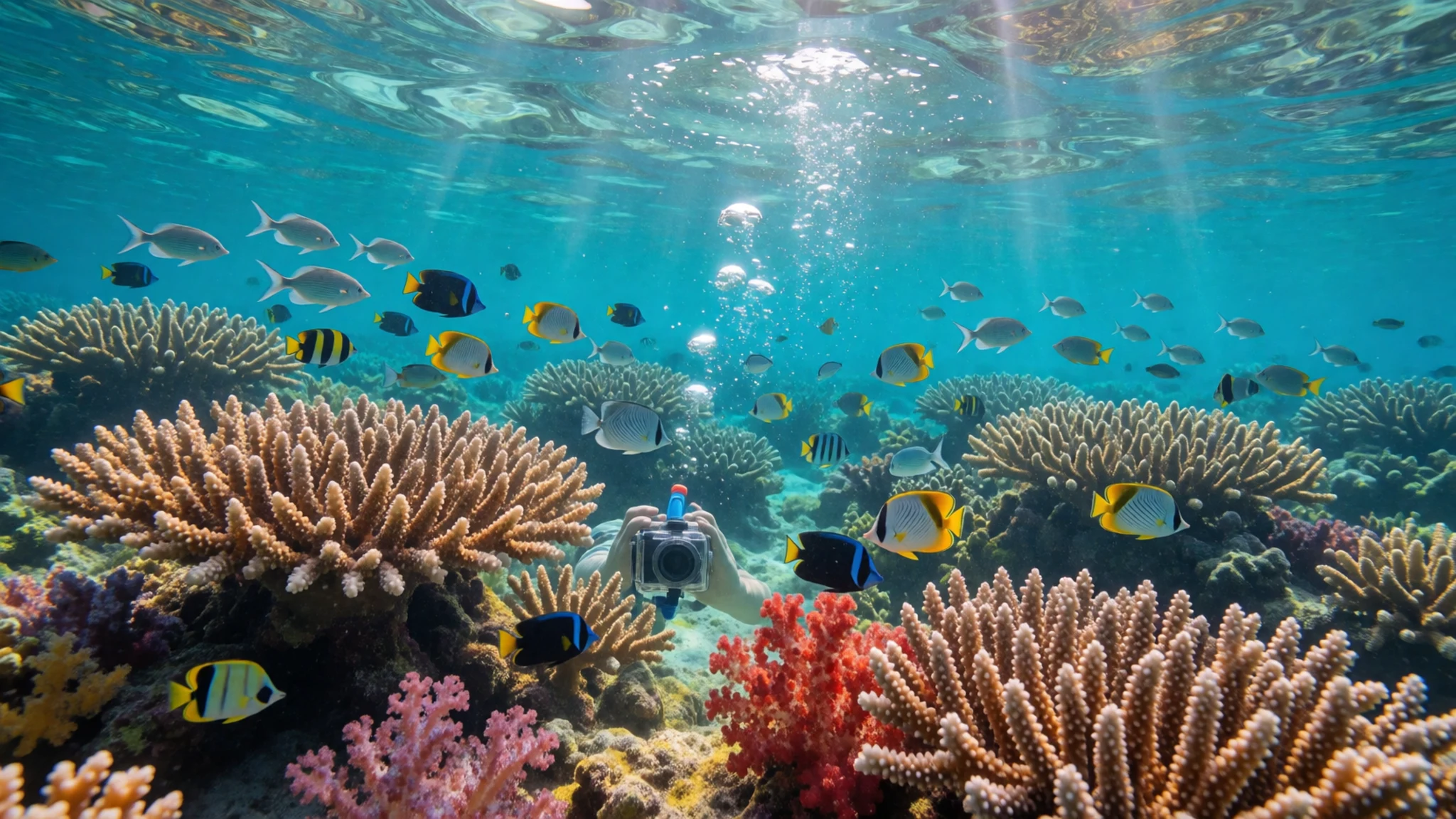
- Kayangan Lake — Coron Island
Kayangan Lake sits on Coron Island, and its clear, green-blue water is framed by steep limestone walls. It is widely pictured in material about Coron, and the photographs go a long way to explaining why. Expect other boats in the area at midday, and plan the visit for the early part of the day.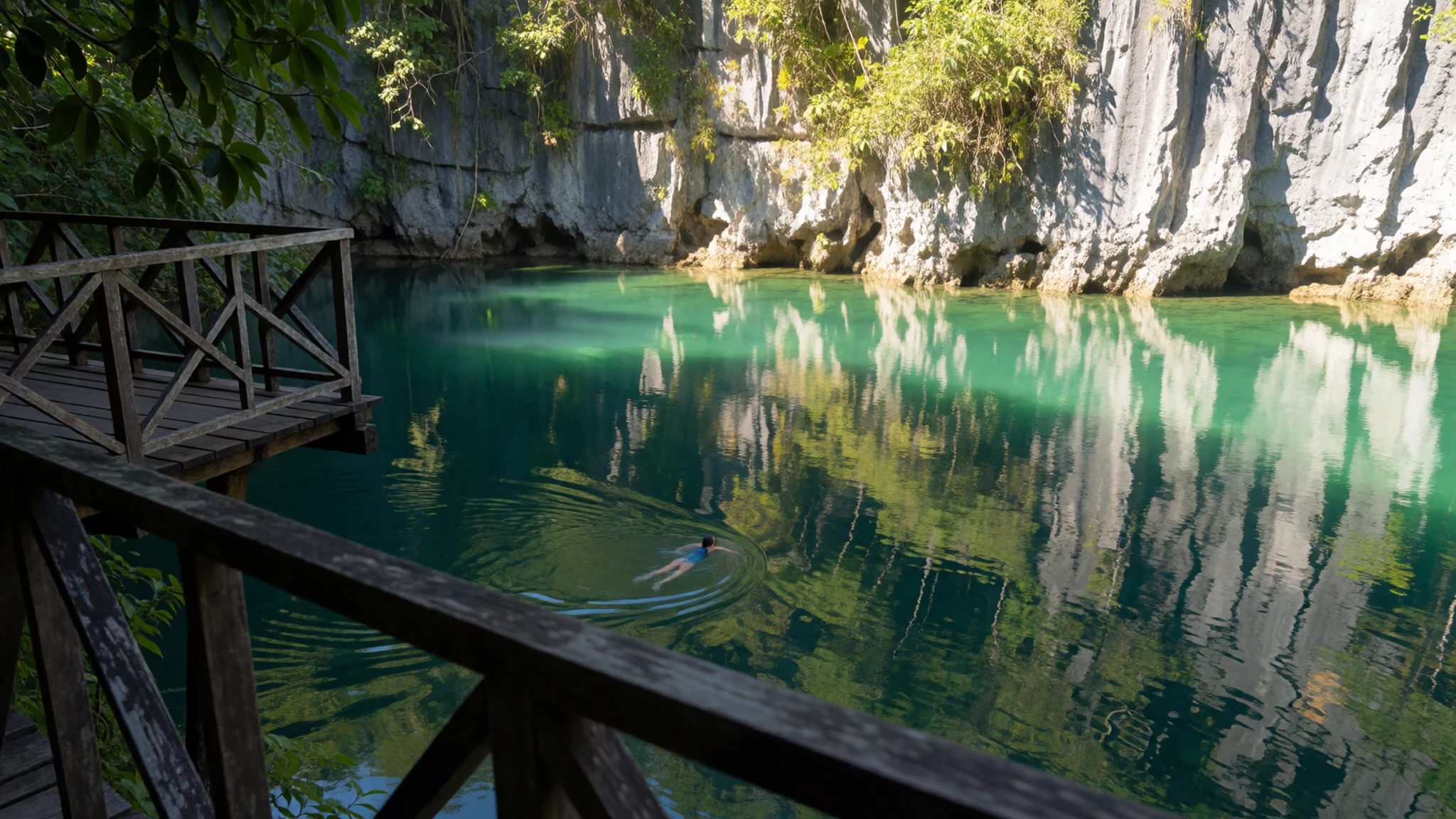
- Smiths Island — off the coast near town
A small island with a white sand beach, Smiths Island has a caretaker family who stay there during the day and sell snacks and drinks. The beach offers bright sand and shallow water, which suits a relaxed midday stop. Entry is charged per person, so check the current amount locally before setting out.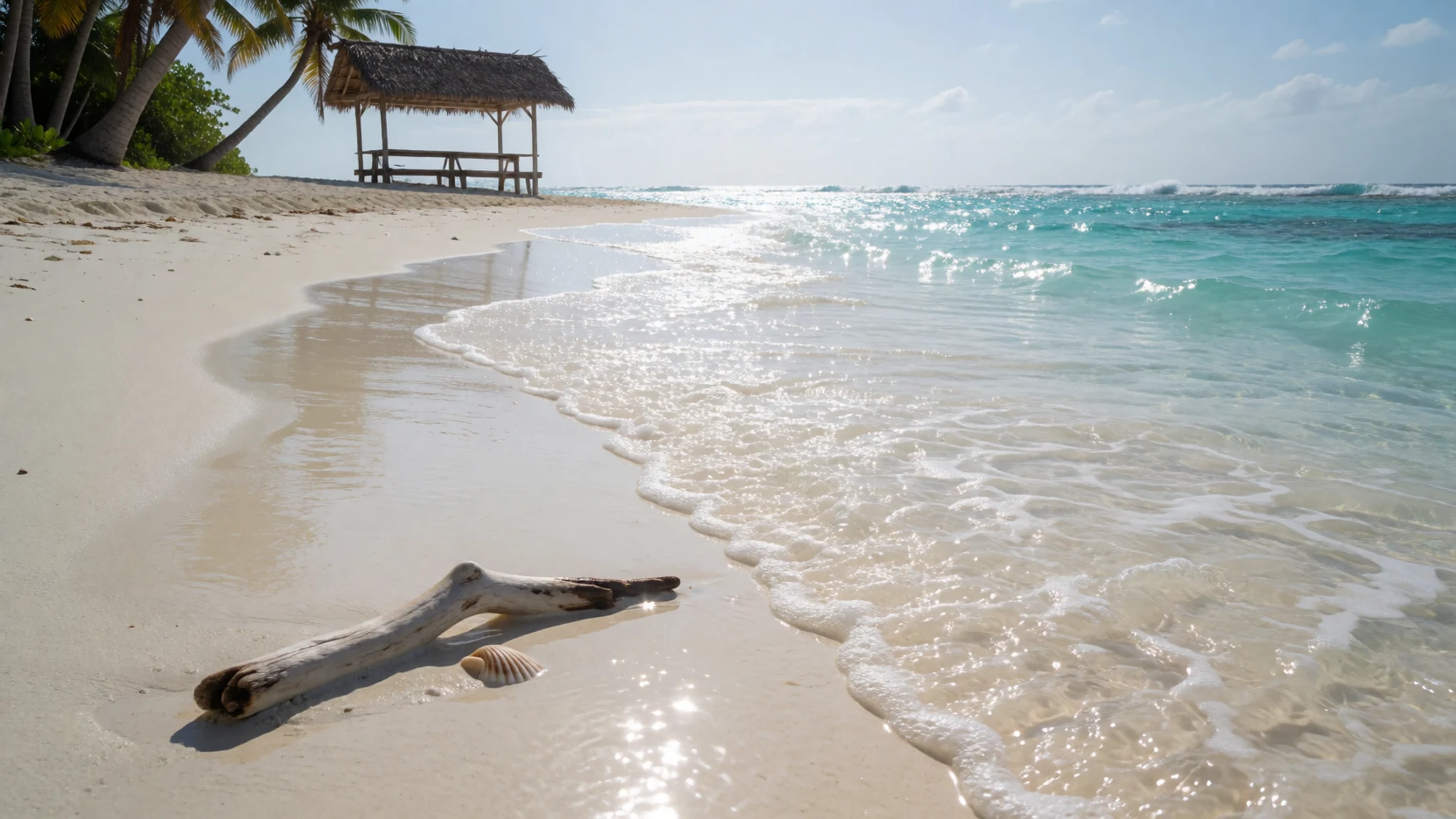
- Discovery Island dive centres — Discovery Island, a short boat ride from the pier
Discovery Island lies a short boat ride from the town pier, and its dive operation is run in close connection with a bar in town. Diving is a major reason many visitors come to Coron, and the dive centres here are the usual way into the wreck sites. Ask the centre about the day's schedule and whether a certification level suits the site.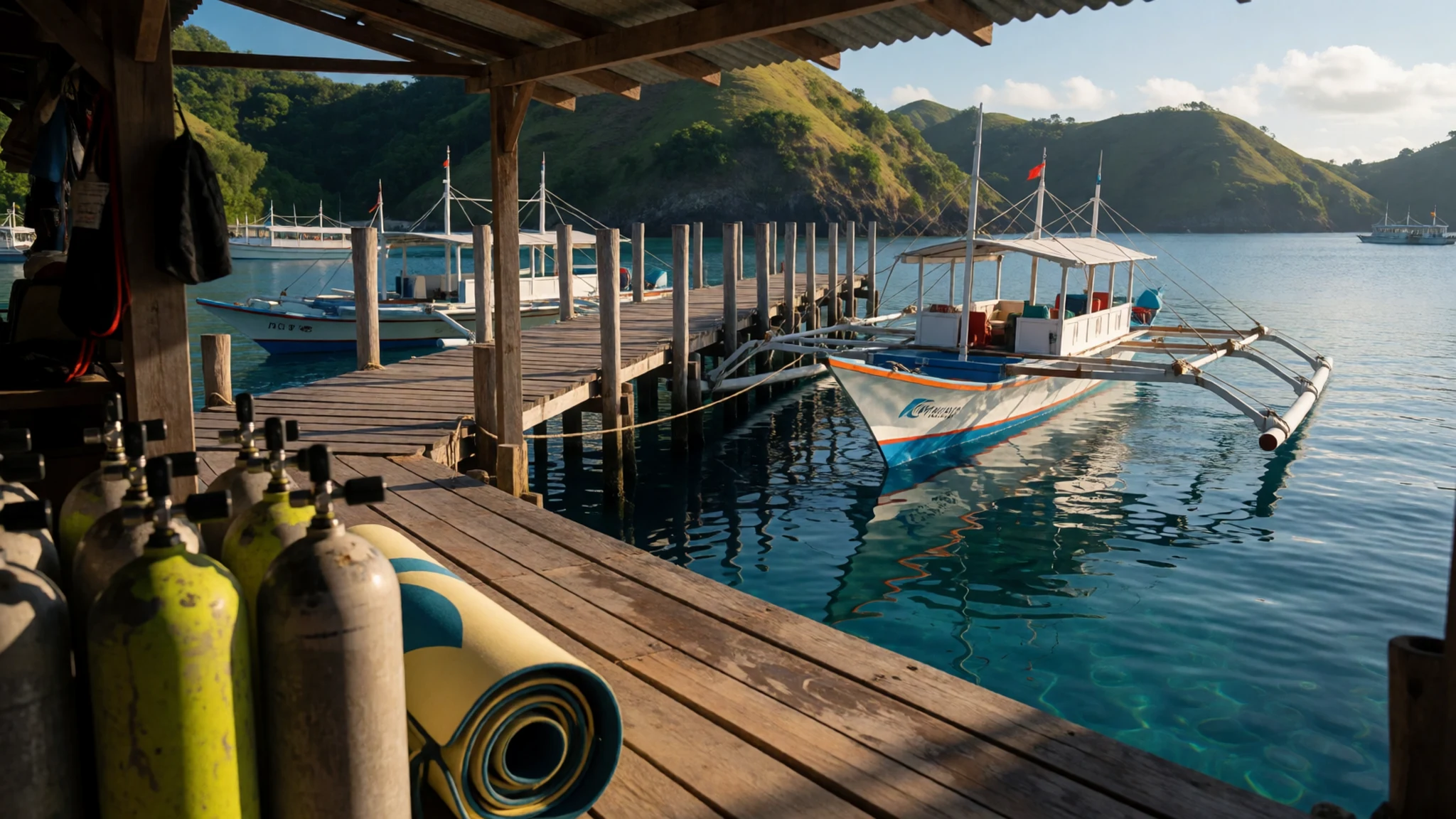
Culture
Coron has a strong Cuyonon heritage, and its local life revolves around the church, the market and the annual fiesta. The town fiesta falls on 28 August and honours Saint Augustine, when processions, music and feasting fill the streets. Much of the town is a working place of fishers, boat crews and shopkeepers. In the evenings, waterfront bars and billiard tables serve a lively crowd of visitors.
Hospitality is part of everyday life. Small guesthouses and family-run eateries often treat guests warmly, offering advice and conversation that start easily. Tipping is appreciated, particularly by boat crews and guides, but it is a gesture rather than a fixed expectation. Local people tend to be relaxed about timing, so an unhurried pace suits the town far better than a tight schedule.
Some customs call for more care. The church is an active place of worship, and the sea is a working environment for many families. Visitors should ask before photographing people at the market or in their homes, and should cover shoulders and knees when going into the church.
What to wear
Traditional dress in Coron follows the wider Philippine pattern rather than a single local costume. The barong tagalog, a light embroidered shirt worn untucked, is the formal menswear of the islands. The terno, a fitted dress with butterfly sleeves, is the women's equivalent for weddings and celebrations. Both are associated with piña, a fine fabric woven from pineapple leaf fibre, and with jusi, a lighter blend. These textiles appear mainly at festivals and family occasions such as the town fiesta in late August.
Everyday dress is simple. In town, people wear t-shirts, shorts and sandals, and families dress more carefully for Sunday church. Boat crews and fishers tend to wear loose long-sleeved shirts and wide hats against the sun, which is a sensible model for anyone spending a day on the water.
For a visitor, lightweight cotton or linen is the practical choice, since heavy fabric becomes tiring in the humidity. A long-sleeved sun shirt helps on the boats, where the sun reflects hard off the water. Covered shoulders and knees are expected when entering a church. Sandals or water shoes that can get wet suit the slippery jetties and sandy beaches, and a light layer is useful for air-conditioned vans and restaurants.
What to eat
- Kinilaw — the fish stalls at the public market by the water
Raw fish cured briefly in vinegar and citrus, usually with onion, ginger and chilli, is the freshest thing to eat in town. The fish is often the catch of the morning, so the dish follows the season and the boats. It is light, sharp and a good first taste of local seafood.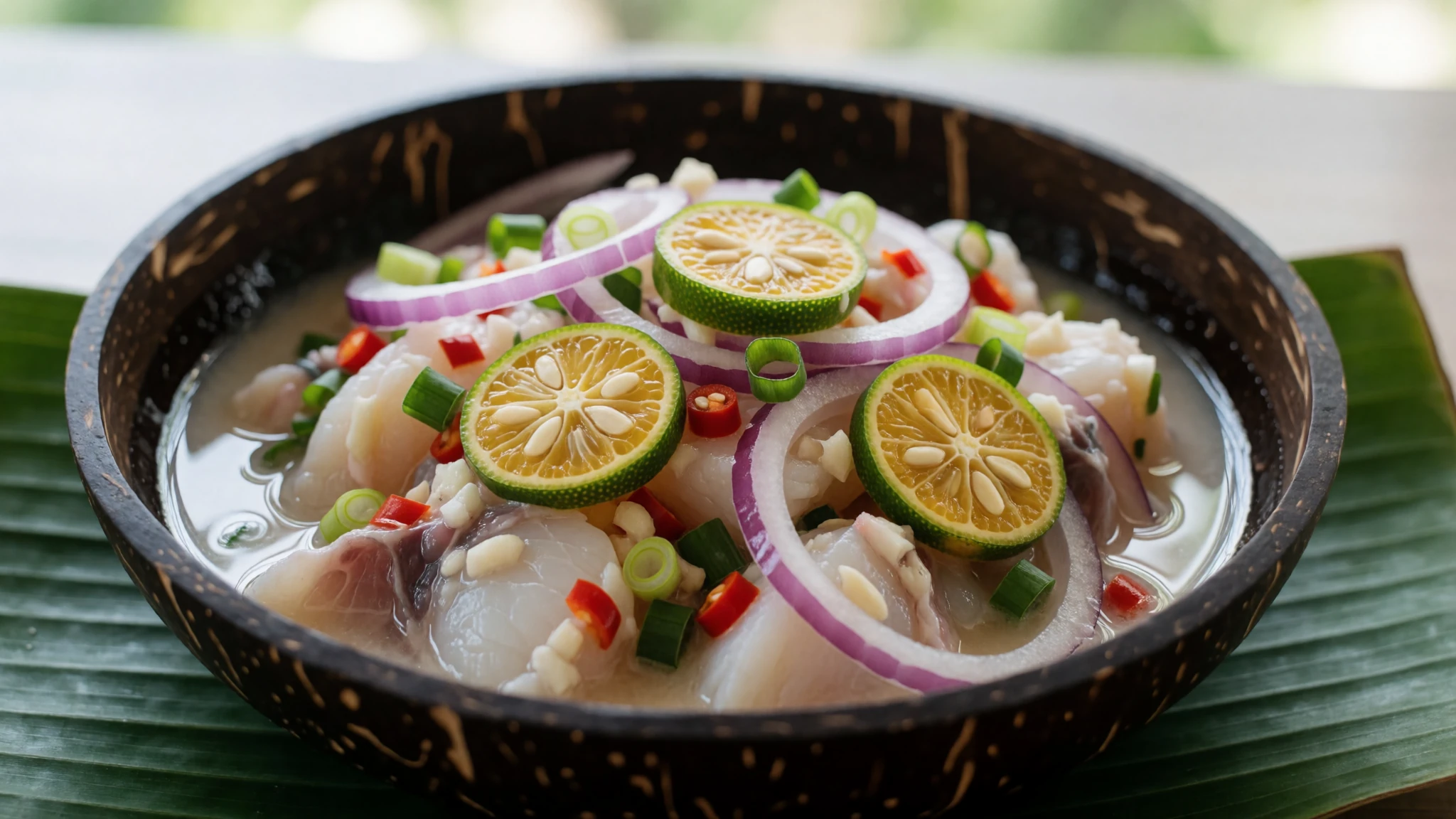
- Grilled fish and seafood — waterfront restaurants on stilts along the bay
Whole fish, prawns and squid grilled over charcoal and served with rice are the default order at waterfront places. Many of these restaurants are built on stilts or over the water, so the table sits above the bay. The menu follows the day's catch, so ask what came in.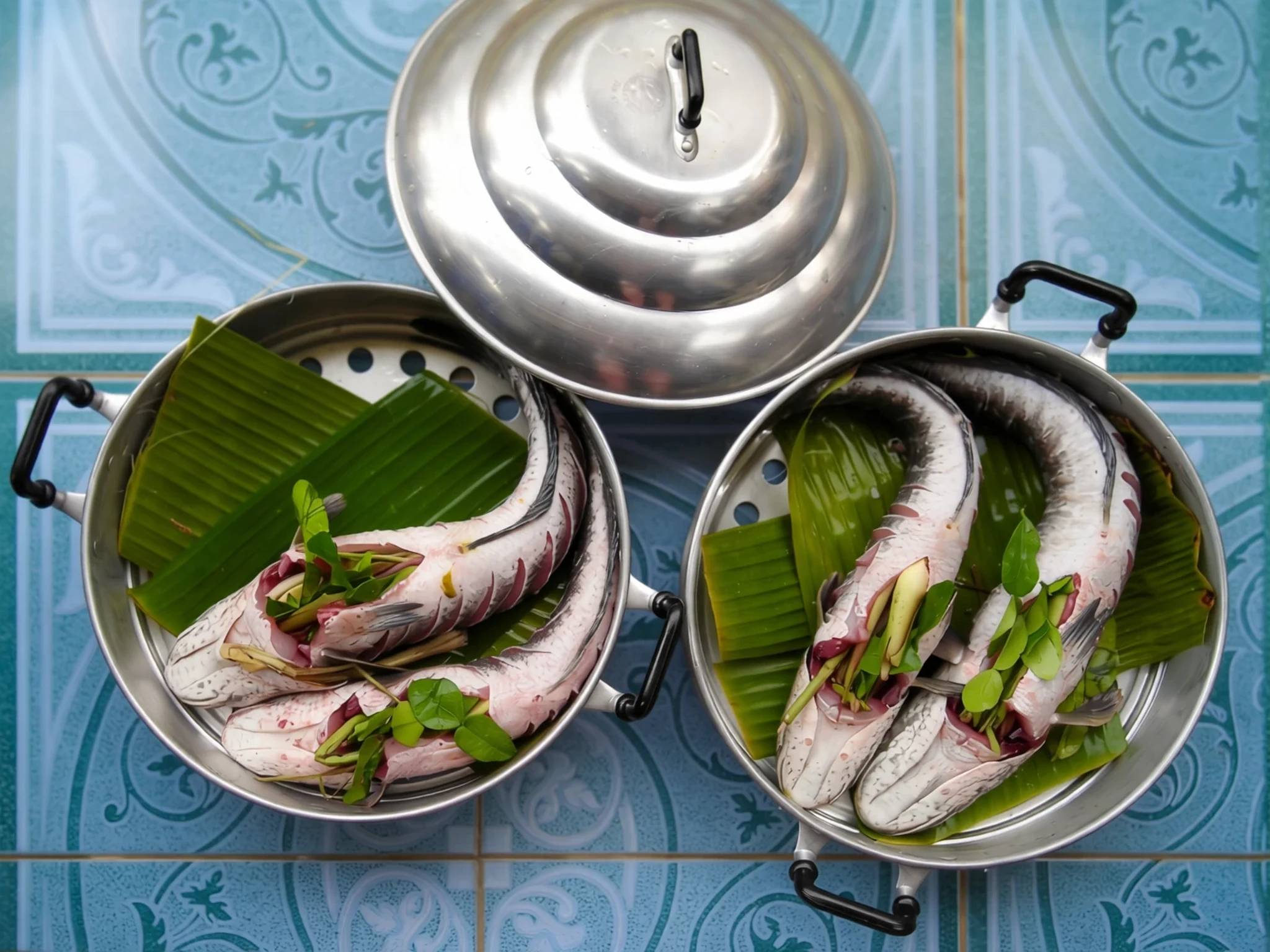
- Palawan-style barbecue — resort kitchens on barbecue nights, mostly outside the town centre
A Palawan-style barbecue is an all-you-can-eat spread of grilled meats and seafood, usually sold as a group deal. Resorts run it on set nights and often ask for a minimum party size. It suits groups of friends who want a long, social dinner. - Adobo and sinigang — small Filipino eateries around the corner from the town market
Adobo, meat or fish braised in soy and vinegar, and sinigang, a sour broth flavoured with tamarind, are everyday Filipino dishes eaten with rice. Small eateries serve them daily, and lunchtime is the busiest time. They are inexpensive, filling and a good introduction to home cooking. - Tropical fruit — the town market and the guesthouses that prepare it
Mango, watermelon, star apple, jackfruit, cashew fruit and coconut are sold through the market, though each depends on the season. Visitors often buy fruit at the market and ask their lodge to prepare it, offering a small tip for the favour. It is a simple way to eat well on a budget.
Plan it
Best time. December to April is the drier stretch, with calmer seas for island hopping and clearer water for snorkelling. June to October is the wetter season, with more rain, rougher seas and a risk of storms that can disrupt boat trips, while May is a transitional month with showers picking up.
How long. 3–4
Getting there. Fly into the airport on Busuanga Island, then take a shared van to town; the transfer takes about 30 minutes and is paid at the airport exit. Overnight ferries run from Manila and Puerto Princesa, but they take many hours, so check the schedule directly with the operator.
Budget. mid
Tips
- Book boat tours and dive trips a day ahead through the town's operators, and go early before the lagoons fill up
- Carry cash, since small shops, market stalls and island entry fees are often cash only
- Drink plenty of water and use sun protection on the boats, where the glare is strong
- Confirm ferry and van times with the operator, because published timetables can be out of date
- Keep one flexible day in case rough seas cancel boat trips
Etiquette
- Carry rubbish off the islands and avoid touching the reef
- Ask the caretakers before using their beach facilities or buying their snacks
- Dress modestly when visiting the church
Nearby
Sources
- Wikidata Q111414 (CC0)
- Wikipedia: Coron, Palawan (rev 1375652788) (CC BY-SA 4.0)
- Wikivoyage: Coron (rev 5400548) (CC BY-SA 4.0)
- Photo: The Municipality of Coron as seen from Mount Tapyas (CC BY 3.0)
- Photo: Coron skyline view from Mount Tapyas (CC BY-SA 4.0)
- Photo: Flag of Coron, Palawan (Public domain)
- Photo: Seal of Coron, Palawan (Public domain)
- Photo: A boat in the Philippines (CC BY 3.0)
- Photo: Coron church (CC BY 3.0)
- Photo: Coron Island (CC BY 3.0)
- Photo: Kayangan Lake (CC BY 3.0)


