Cinque Terre
Cinque Terre, Italy
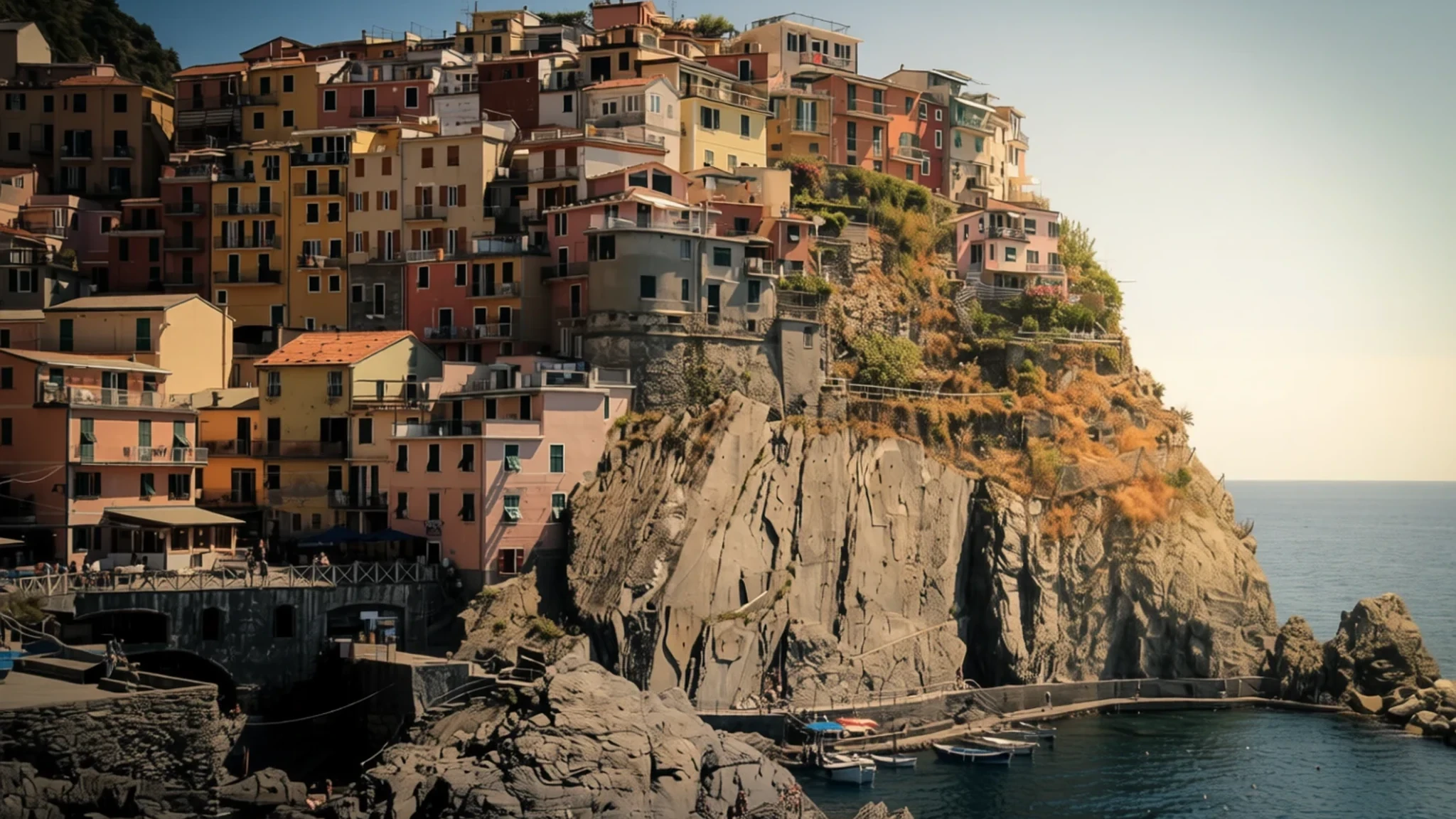
Cling to ancient cliffside trails and pastel fishing villages where cars vanish and the Ligurian Sea crashes endlessly below.
The place
The Cinque Terre forms a remarkably rugged and steep coastal region situated within Liguria in the northwest of Italy. Occupying the western portion of La Spezia Province, the territory comprises five distinct settlements: Monterosso al Mare, Vernazza, Corniglia, Manarola, and Riomaggiore. Together with the surrounding hillsides and the intervening shoreline, these five communities constitute a protected national park and a designated UNESCO World Heritage area. Over successive centuries, generations of local inhabitants carved monumental agricultural terraces into the sheer, precipitous slopes right up to the ragged cliffs that drop precipitously into the deep blue waters of the Ligurian Sea. Because the landscape is so formidable and sheer, vehicular access from the outside is exceptionally difficult, relying upon narrow, winding, and precarious mountain tracks. Consequently, the settlements remain fundamentally connected to one another and the wider world by coastal footpaths, maritime boat services, and the railway line that tunnels through the rocky headlands. Nearly all the historic towns slope gracefully downward to meet sea-level, with the notable exception of Corniglia, which instead chooses to perch dramatically on top of a towering cliff high above the surf, offering sweeping views across the maritime horizon and the interwoven patterns of ancient dry-stone agricultural walls that define this unique Mediterranean coastline.
Its story
Historical documentation confirms that the Cinque Terre territory has been inhabited since at least the eleventh century, with Monterosso and Vernazza establishing themselves earliest before the remaining settlements gradually expanded under the political umbrella of the Republic of Genoa. During the sixteenth century, local populations faced persistent maritime threats, prompting inhabitants to reinforce existing fortifications and construct new defensive stone towers along the headlands to guard against raiders from across the sea. Following this era of vigilance, the region experienced a prolonged period of economic stagnation and decline lasting from the seventeenth through the nineteenth centuries, as maritime trade routes shifted and local agriculture struggled. Fortunes began to turn when a major naval arsenal was established nearby in La Spezia, followed eventually by the construction of the coastal railway line connecting the communities directly to Genoa. While the railway provided a vital link, it also spurred outward migration and a temporary abandonment of traditional hill farming. Heavy Allied bombing and ground fighting during the Second World War subsequently inflicted substantial damage across several of the villages. Yet, the steady growth of tourism from the nineteen-seventies onward injected new economic vitality into the area, helping to arrest rural depopulation while shifting the local economy away from subsistence fishing and vine-growing toward hospitality, though grapes and olives remain fundamental symbols of the historic cultural landscape.
What to see
- Monterosso al Mare — Western end of the Cinque Terre coast
Monterosso al Mare is the westernmost of the five settlements and the most resort-like, with modern hotels and apartment blocks beside its sandy beaches and a few historic churches. Visitors can wander through the older quarter or relax along the shoreline where Mediterranean herbs scent the warm sea breezes.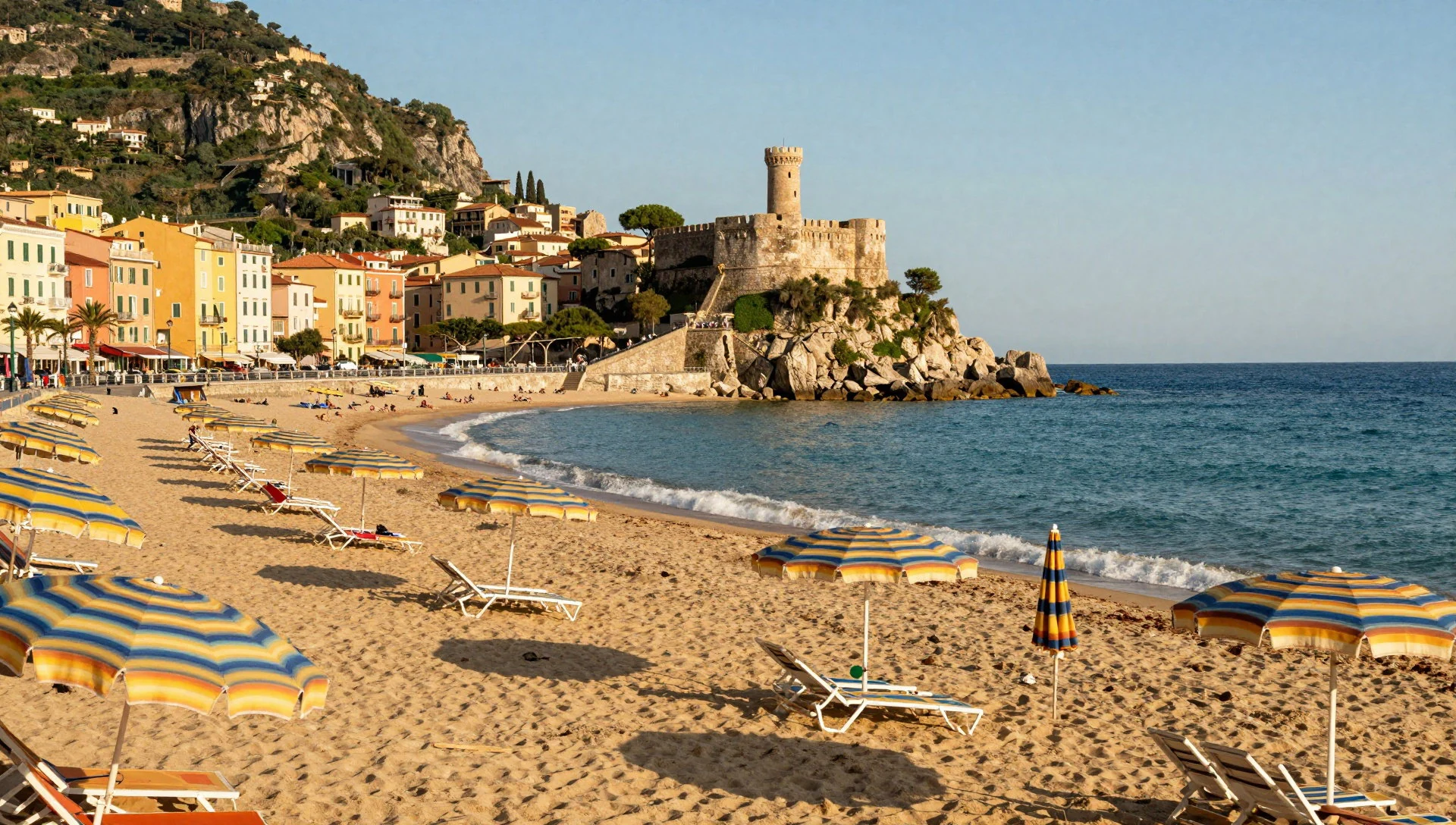
- Vernazza — Central northern coast
Vernazza is widely celebrated as one of the most picturesque coastal hamlets in Italy, boasting a natural amphitheatre of colourful houses gathered tightly around a tiny, boat-filled harbour. Ancient defensive ruins and narrow stone alleyways wind down to a lively waterfront piazza flanked by traditional seafood eateries.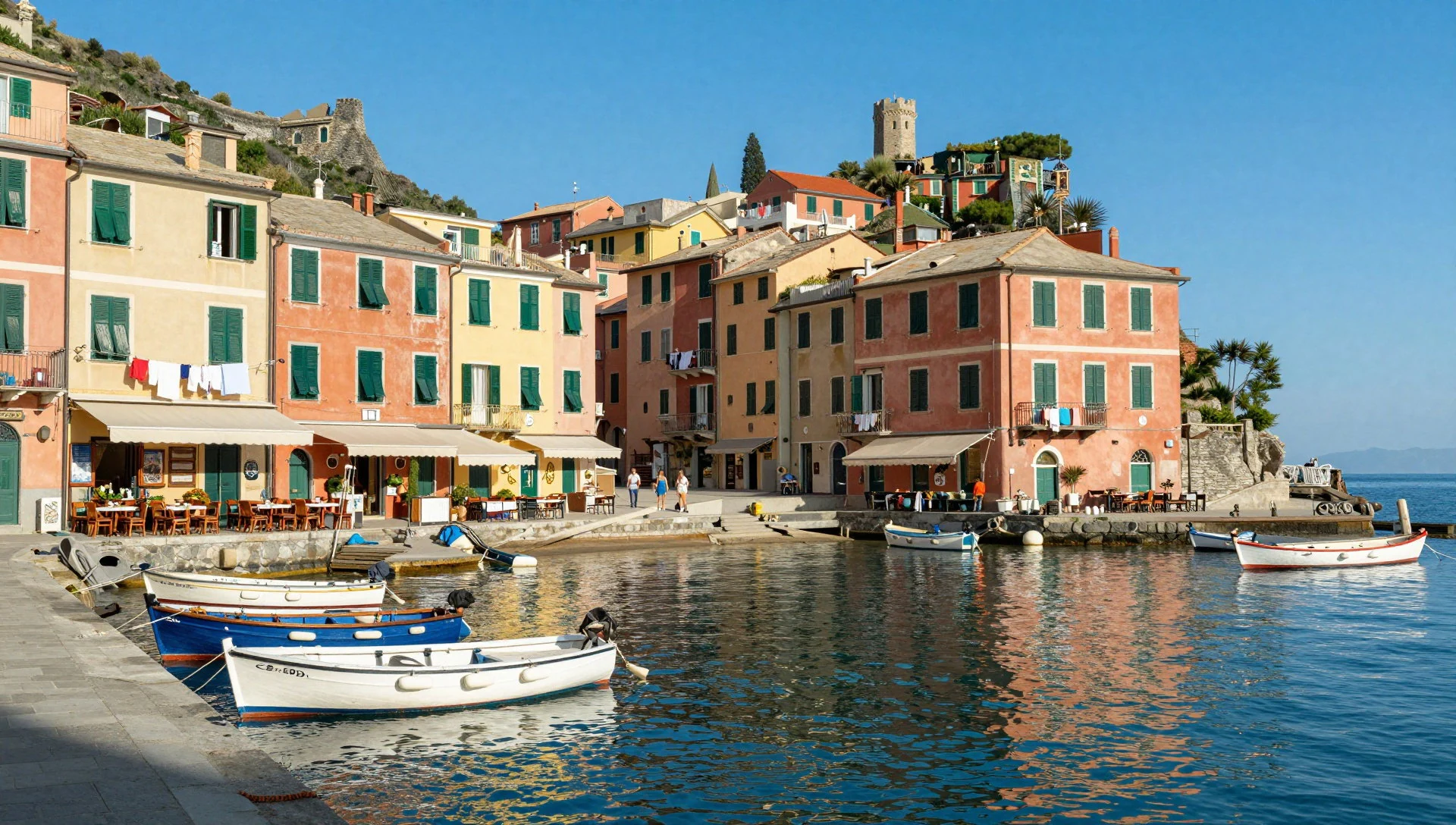
- Corniglia — Central clifftop location
Corniglia stands apart as the only settlement without direct sea access, instead crowning a high headland ninety-one metres above the water. Reached via a lengthy brick staircase or a shuttle bus from the station, the village offers a quieter, agricultural atmosphere surrounded by terraced vineyards and tranquil residential courtyards.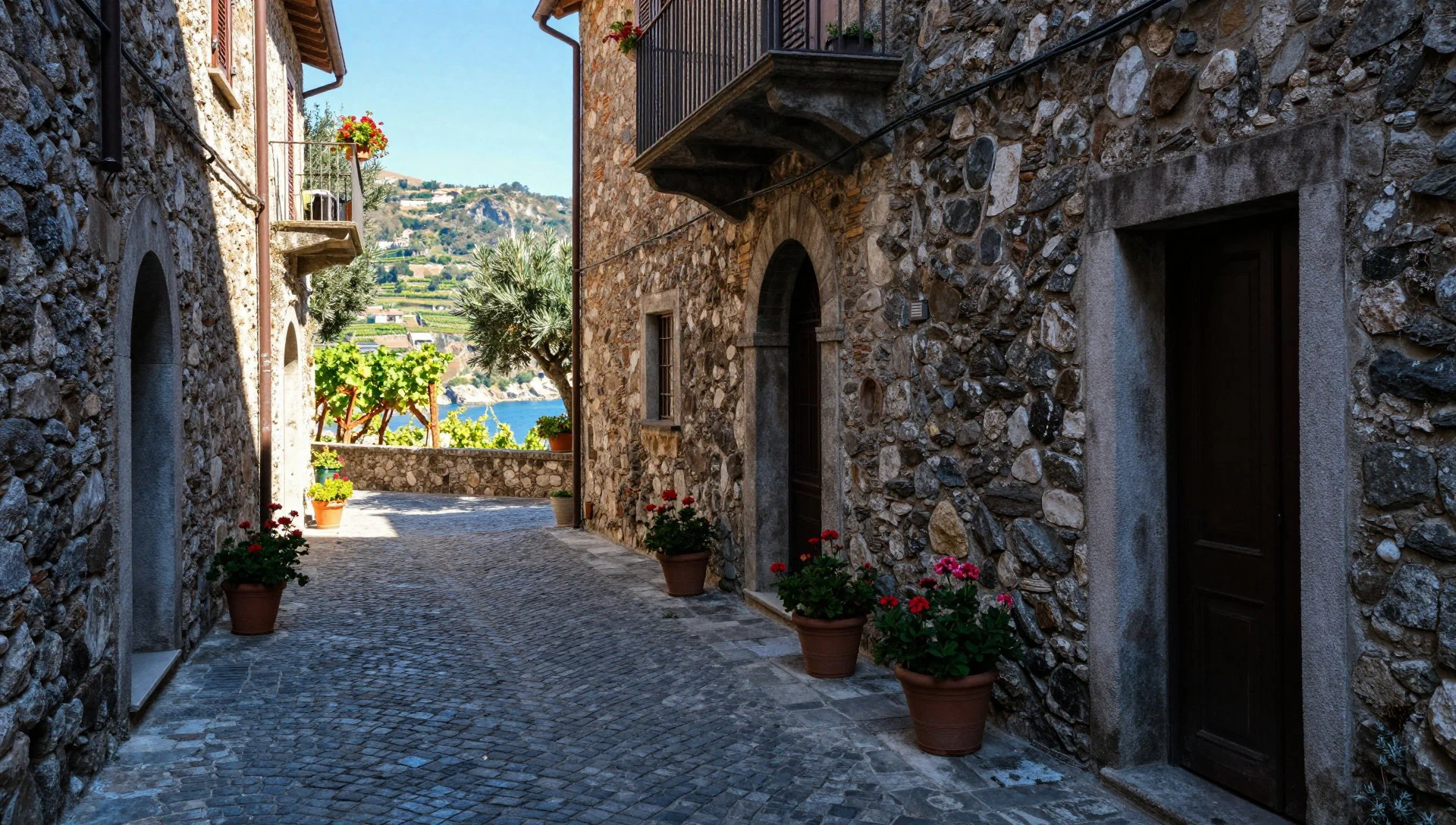
- Manarola — Eastern coastal section
Manarola is famed for its cluster of vibrant multi-coloured tower houses stacked precariously above a jagged rocky harbour carved out of dark slate cliffs. The village serves as a premier vantage point for observing the intricate geometry of ancient stone terrace walls rising steeply toward the hilltop hamlet of Volastra.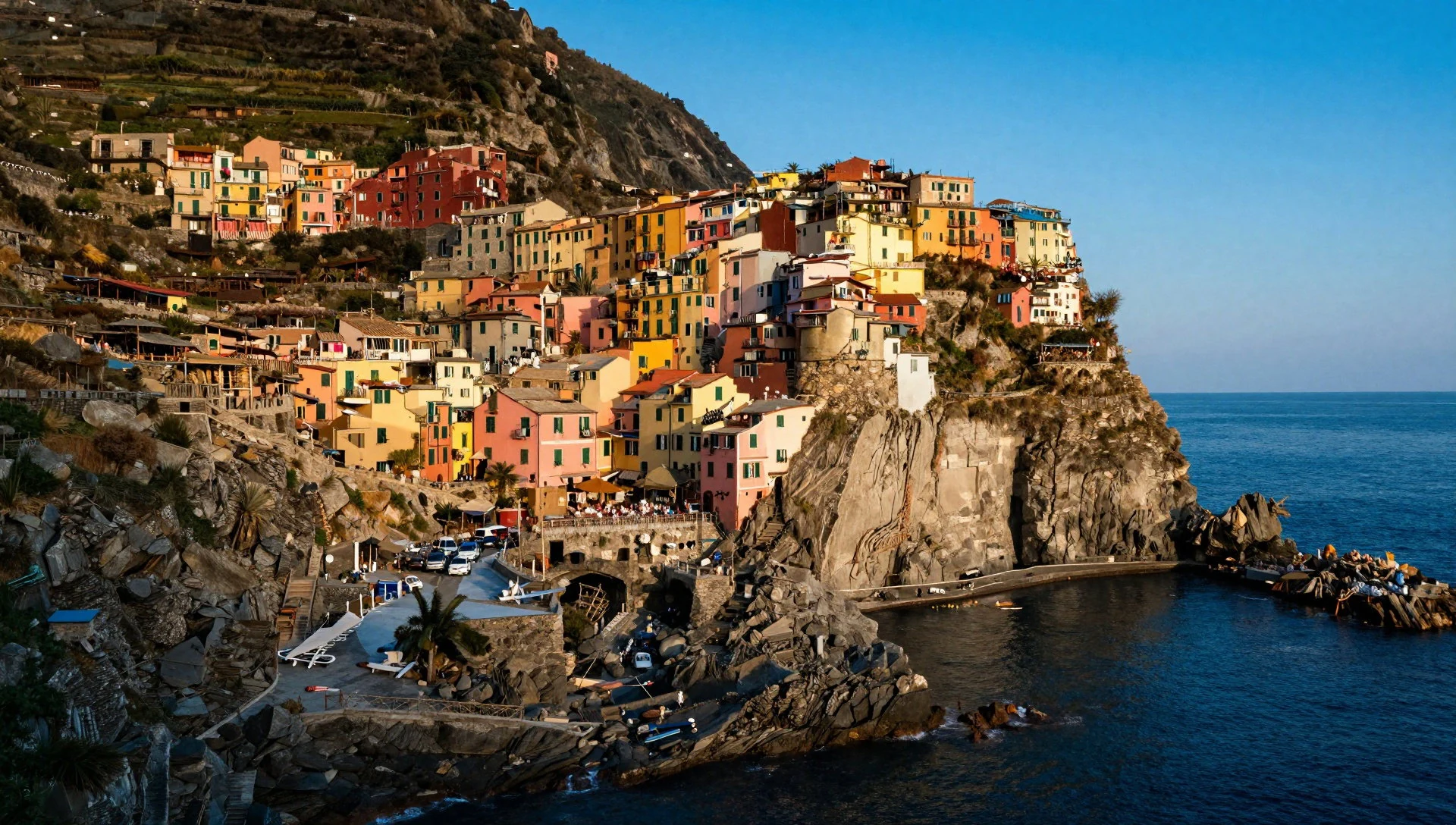
- Riomaggiore — Southeastern end of the coast
Riomaggiore marks the southeastern gateway to the territory, spilling down a steep valley with houses clinging to the gorge walls on either side. A bustling fishing port forms the social heart of the community, where colourful boats rest on concrete ramps beneath slate-roofed dwellings and sloping gardens.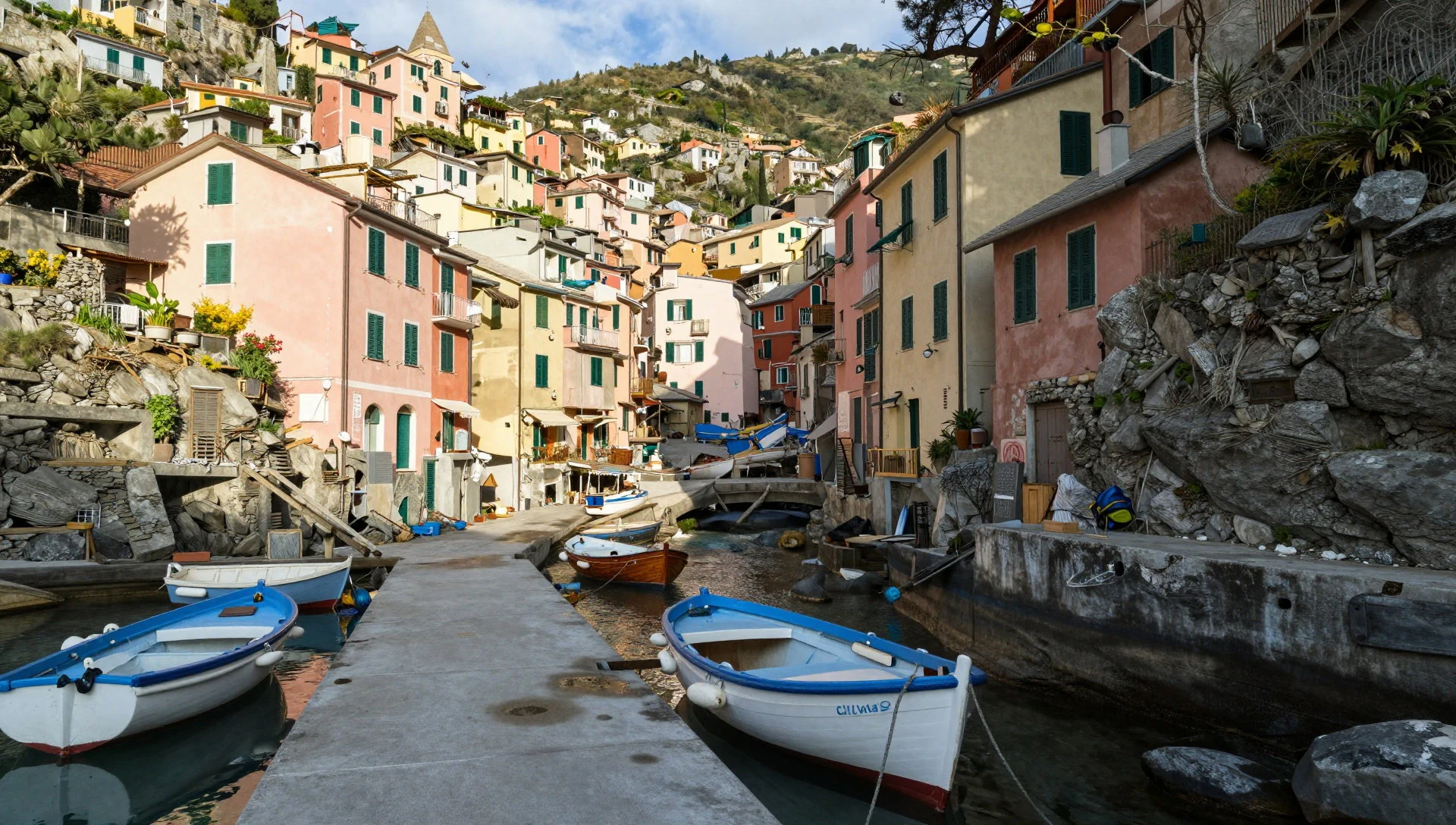
Culture
The cultural fabric of the Cinque Terre is inseparable from its dramatic geography and maritime heritage, shaped by centuries of arduous labour carving agricultural terraces into vertical slopes. This profound relationship with the landscape inspired great artists and writers, most notably the Nobel laureate Eugenio Montale, whose poetry immortalised the sun-drenched lemon orchards, dry-stone walls, and fragrant macchia scrub of Monterosso. Traditionally, local society revolved around cooperative farming of steep vineyards and olive groves, alongside artisanal fishing from tiny natural harbours. Today, while tourism drives the contemporary economy, residents maintain a strong pride in preserving their dialect, maritime traditions, and culinary customs. Visitors will notice a deep respect for the physical environment, as community members work tirelessly to maintain the fragile stone-wall network that prevents hillside erosion. When walking through narrow village lanes or visiting historic churches, dress modestly with covered shoulders and knees, and always greet local shopkeepers with a polite buongiorno.
What to wear
Traditional dress in the Cinque Terre historically reflected the practical demands of hardworking coastal and agricultural communities, favouring sturdy wool and cotton garments suited for tending steep vineyard terraces and handling fishing nets. Contemporary residents dress in casual, functional European styles, prioritizing comfort and breathability during warm Mediterranean summers while maintaining a neat, polished appearance in public spaces. For visitors, footwear is the single most critical consideration; sturdy walking shoes or lightweight trainers with reliable grip are essential for navigating uneven stone stairs, steep cliff paths, and cobblestone lanes. Loose-fitting, breathable layers work best for changing coastal microclimates, alongside a sun hat and light jacket for breezy evenings by the harbour. When visiting churches or attending religious services, ensure shoulders and knees remain covered as a mark of local respect.
What to eat
- Salted Anchovies of Monterosso — Traditional seafood eateries and local food shops across Monterosso al Mare
A celebrated local delicacy preserved in sea salt and typically served drizzled with high-quality Ligurian olive oil and fresh lemon juice. These savoury fish have been harvested off the coast for generations and remain an essential starter at traditional family meals throughout the villages.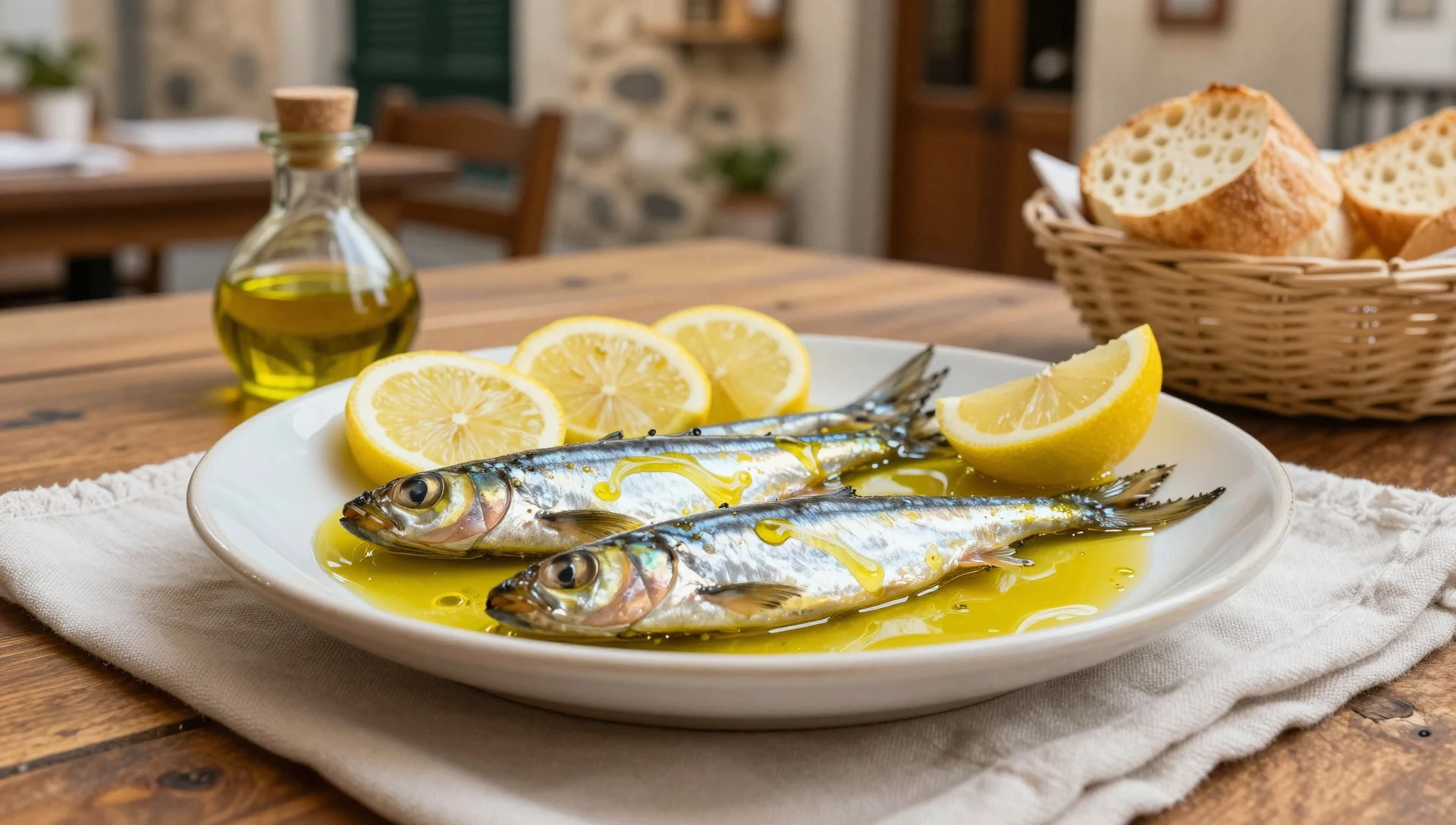
- Genovese Seafood Specialities — Harbourside restaurants and family-run trattorias in Vernazza and Riomaggiore
Authentic gastronomic dishes featuring catch of the day from the Ligurian Sea, including mixed fried fish served in paper cones and rich seafood stews prepared with tomatoes, garlic, and white wine. These recipes reflect an enduring respect for the pristine flavours of fresh marine ingredients.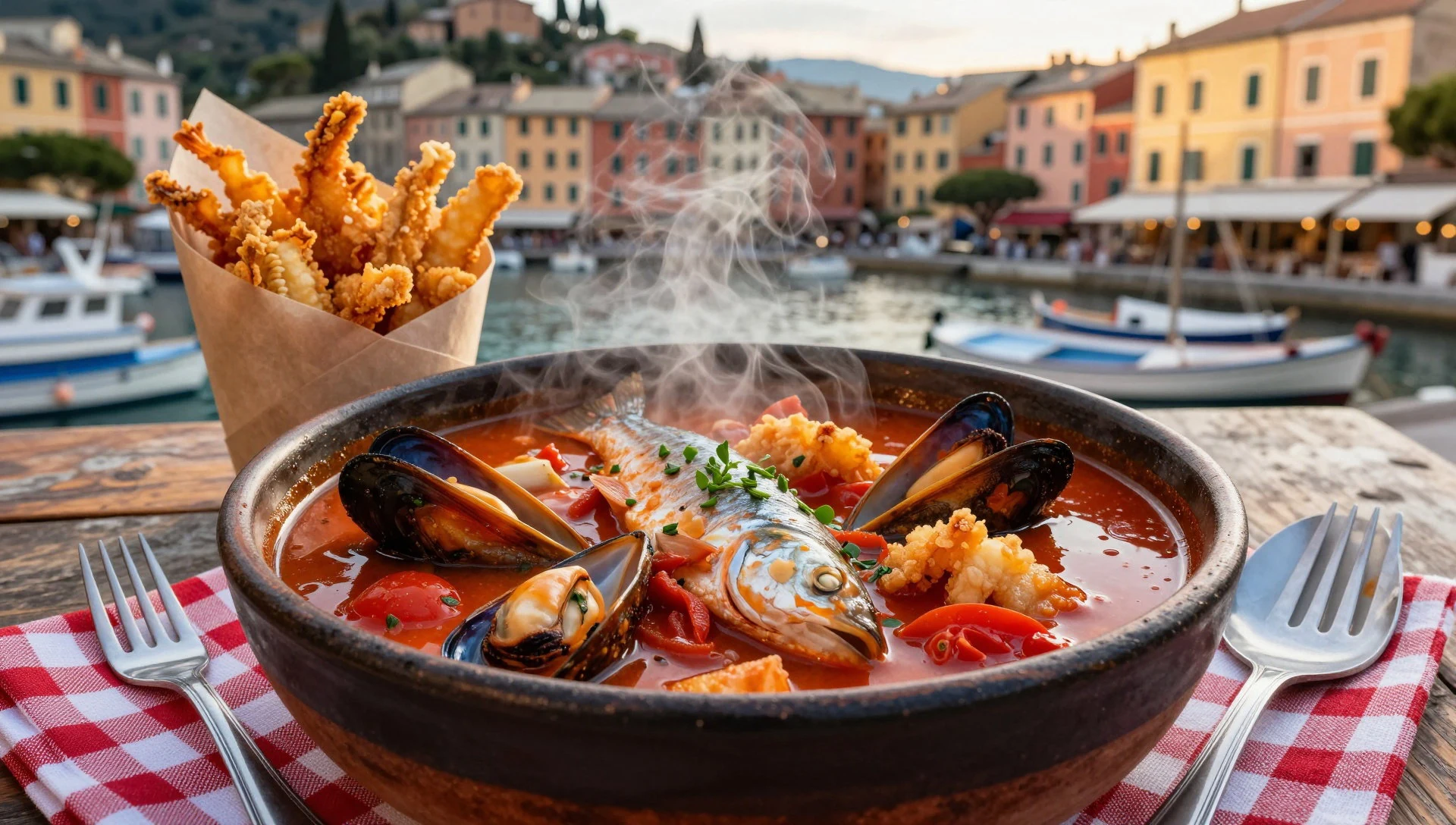
- Local Terrace Wine — Wine bars and hillside taverns throughout Manarola and Corniglia
Golden white wines produced from grapes cultivated on the precipitous stone terraces rising above the sea, offering crisp mineral notes and herbal aromas. These aromatic vintages serve as perfect companions to local fish dishes and traditional coastal appetisers. - Traditional Focaccia and Sa Pesta Fare — Historic bakeries and traditional family-run eateries in the old quarters
Classic Ligurian baked goods, including olive oil-rich flatbreads and savory vegetable tarts prepared in historic oven bakeries. Sa Pesta, a tiny legendary eatery tucked away in the old city, exemplifies this long tradition of authentic local baking.
Plan it
Best time. April to May offers pleasant temperatures and manageable visitor numbers for coastal walking, while avoiding the intense heat of July and August and the heavy autumn rain of October and November.
How long. 3–4
Getting there. Fly into Pisa or Genoa airports, then take the regional train directly to La Spezia or straight into the Cinque Terre villages via the coastal railway line.
Budget. mid
Tips
- Purchase a Cinque Terre Trekking Card to access maintained coastal paths and support local trail maintenance
- Travel by local train between villages rather than attempting to drive narrow mountain roads
- Start hiking early in the morning to avoid midday heat and peak tour group congestion
- Carry sufficient cash for small village shops, bakeries, and ticket kiosks
- Respect trail closure notices when winter storms or landslides make cliff paths unsafe
Etiquette
- Cover shoulders and knees when entering churches or sacred spaces
- Keep noise levels respectful when passing through quiet residential alleys late at night
- Dispose of all litter properly or carry it with you to preserve the pristine natural park
Nearby
Sources
- Wikidata Q275639 (CC0)
- Wikipedia (CC BY-SA 4.0)
- Wikivoyage (CC BY-SA 4.0)
- Timothy A. Gonsalves photo (CC BY-SA 4.0)
- EpicV27 photo (CC BY-SA 1.0)
- chensieyuan photo (CC BY-SA 2.0)
- Timothy A. Gonsalves photo 2 (CC BY-SA 4.0)
- Alexmar983 photo (CC BY-SA 4.0)


