Antarctic Peninsula
Antarctic Peninsula, None
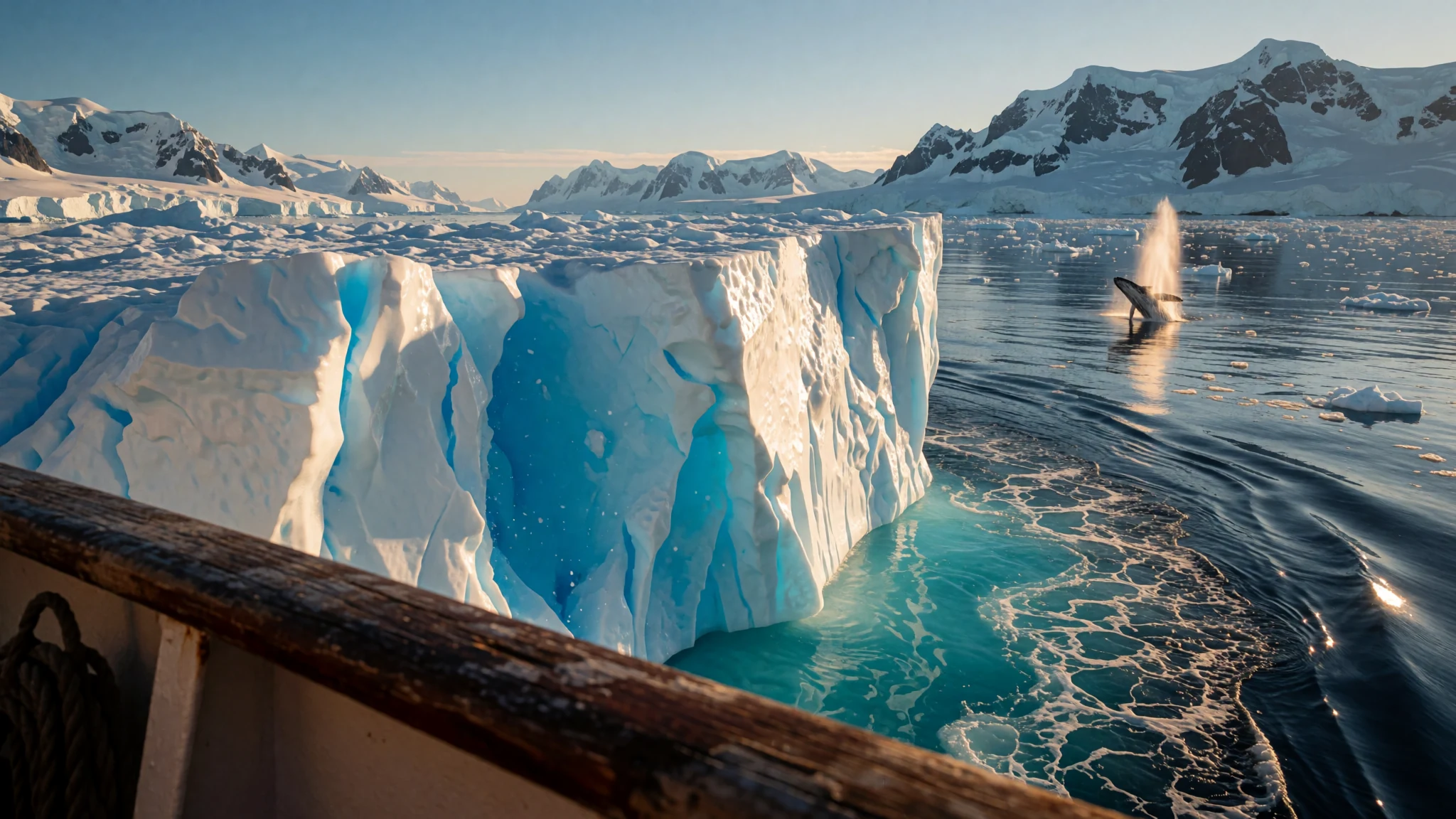
Journey to the northernmost tip of the White Continent to witness dramatic ice cliffs, breaching whales, and massive penguin colonies.
The place
The Antarctic Peninsula represents the northernmost projection of the mainland, reaching out toward South America across the turbulent waters of the Drake Passage. Beneath its vast ice mantle, the land actually comprises a rugged chain of bedrock islands separated by deep channels submerged far below sea level, all bound together by a continuous sheet of glacial ice. This remote frontier experiences a maritime polar climate that makes it distinct from the deeper interior of the continent. Over recent decades, regional warming has transformed portions of the western coastline, causing sea ice duration to shift and encouraging mosses to spread across newly exposed rocky ground. Despite these ecological changes, the region remains a sanctuary for wildlife adapted to polar extremes. Countless seabirds and marine mammals rely on the rich continental shelf waters for sustenance, gathering along the rocky shores and sheltered bays during the summer months. Research stations operated by various nations dot the coastline, serving as hubs for scientific observation in an environment defined by colossal glaciers, tabular icebergs, and soaring granite spires. Visitors arrive by ship to navigate narrow fjords and witness an untouched landscape shaped entirely by ice, wind, and ocean currents.
Its story
Human engagement with the Antarctic Peninsula began through centuries of maritime exploration driven by sealers, naval officers, and scientific dreamers. Early accounts suggest that Spanish sailors aboard an expedition led by Gabriel de Castilla may have glimpsed these icy shores. Formal charting of the region began when British mariners Edward Bransfield and William Smith mapped the northeastern extremity. Explorers such as John Biscoe subsequently surveyed the rugged western reaches, naming sections after maritime patrons while sealing crews kept their most productive hunting grounds secret. The heroic age of polar exploration brought scientific ambition to the peninsula, most notably through the Swedish Antarctic Expedition led by Otto Nordenskjöld. His party constructed a stone refuge hut and wintered on the frozen coast, enduring severe hardship after their expedition ship was crushed and sunk by pack ice. International cooperation eventually replaced competitive sealing and territorial rivalry, transforming the peninsula into a living laboratory for glaciology, meteorology, and marine biology. Modern travellers follow in the wake of these pioneering vessels, crossing the legendary oceanic swells to experience a coastline where history is etched directly into ancient glaciers and weathered field stations.
What to see
- Lemaire Channel — Wilhelm Archipelago
Sail through a dramatic, narrow mountain pass where sheer granite cliffs rise steeply from remarkably calm waters. Glacial icebergs frequently crowd the passage, forcing ships to navigate cautiously while humpback whales surface alongside the vessel in a stunning display of marine life.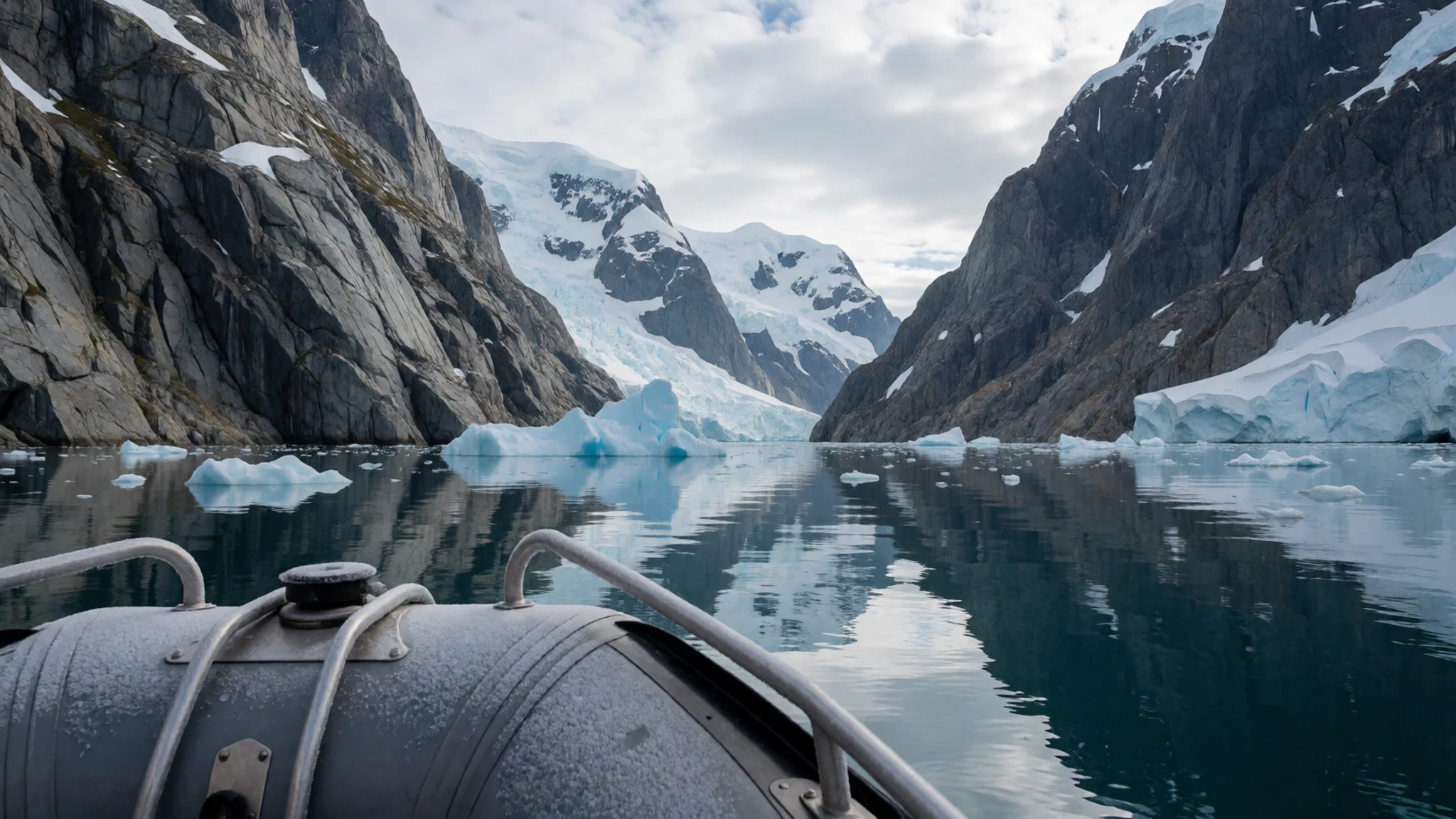
- Port Lockroy — Wiencke Island
Visit a historic British research station and post office situated on a sheltered island harbour. Tour the preserved museum buildings to understand mid-century scientific life in polar conditions, and observe the nesting gentoo penguins that wander freely among the heritage structures.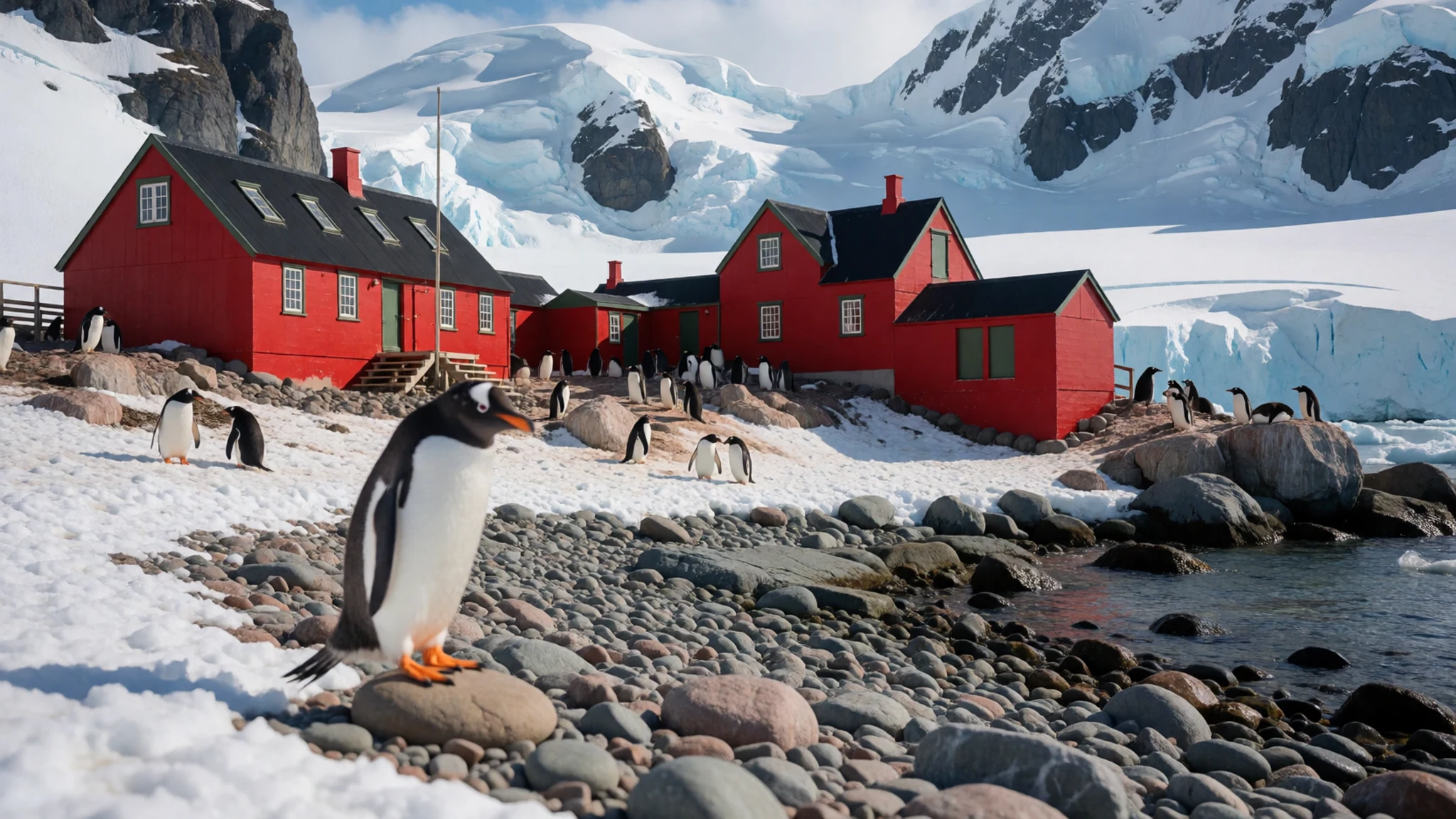
- Paradise Bay — Danco Coast
Experience towering glacier fronts calving blue ice into a magnificent, sheltered bay surrounded by high peaks. Zodiac cruises take visitors close to floating ice sculptures and resting seals, offering an intimate perspective on the sheer scale of the coastal topography.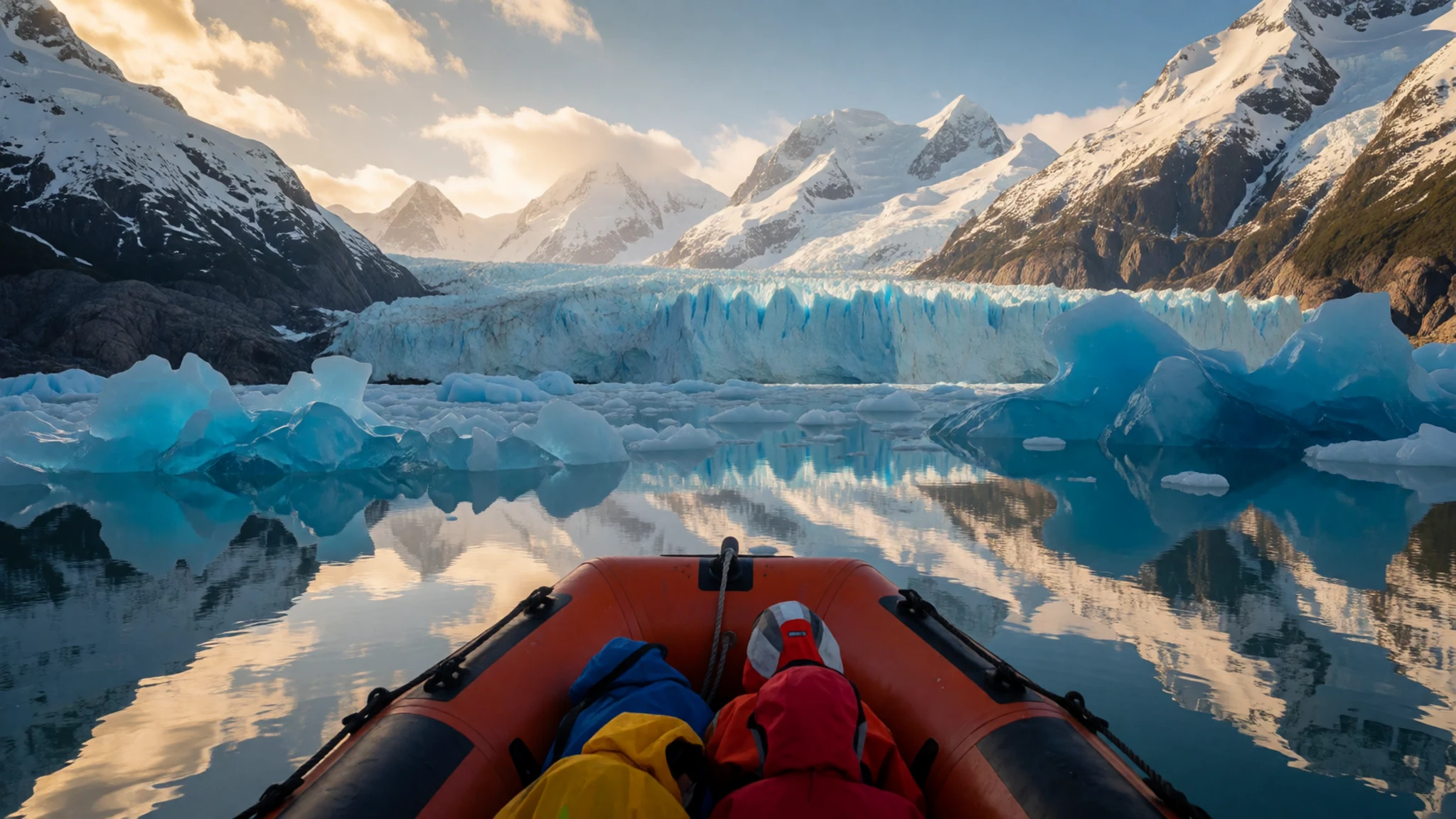
- Deception Island — South Shetland Islands
Sail your ship directly into the flooded caldera of an active volcano through a narrow gap known as Neptune's Bellows. Explore black sand beaches, rusted historical whaling apparatuses, and geothermal waters where volcanic activity warms the shoreline edges.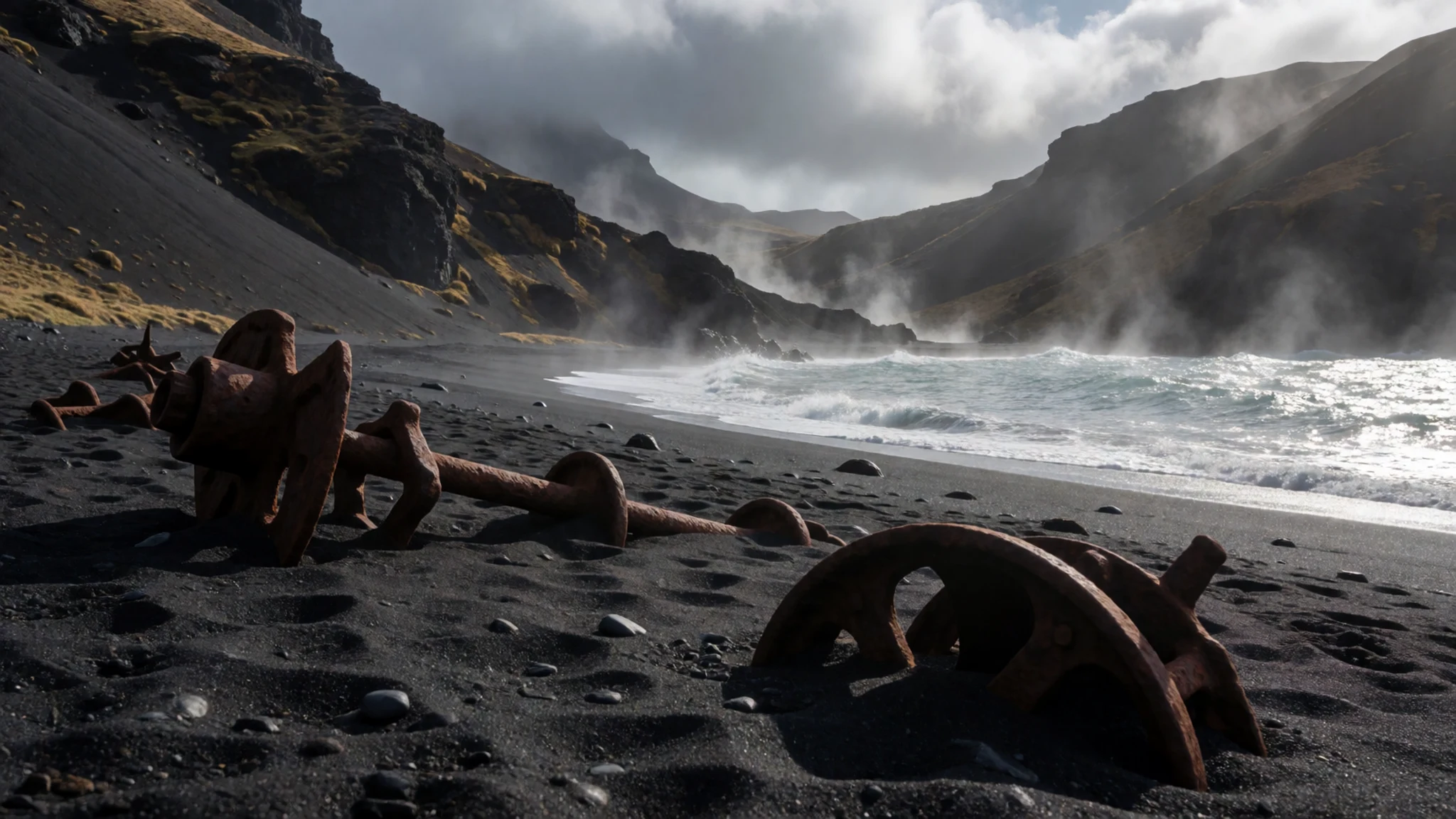
- Paulet Island — Weddell Sea approach
Hike up the volcanic cone of this remote island to overlook vast breeding grounds populated by thousands of nesting Adélie penguins. The rocky slopes are alive with constant activity and vocal calls, providing an unforgettable encounter with prolific polar seabird colonies.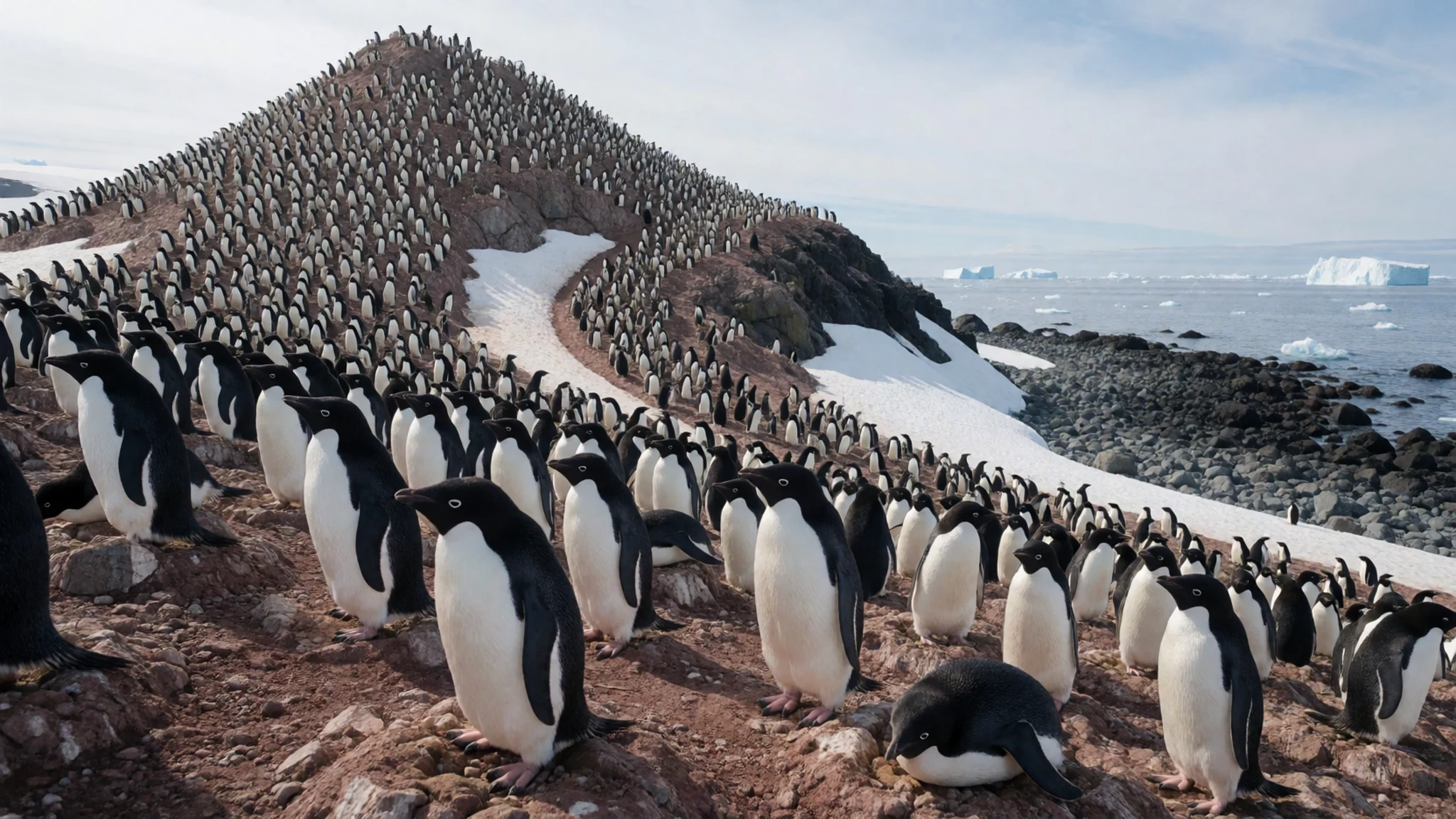
Culture
Human culture on the Antarctic Peninsula belongs entirely to the international community of scientists, mariners, and expedition staff who inhabit its scattered research stations and vessels. Governed by international treaties that dedicate the continent to peace and science, this remote society operates without permanent indigenous populations or traditional local customs. Instead, daily life centres on cooperation, environmental stewardship, and deep respect for the surrounding wilderness. Visitors participate in a culture of strict conservation, where every expedition member acts as an ambassador for the region. Modern polar etiquette requires absolute adherence to environmental guidelines, ensuring that human presence leaves no lasting trace on the fragile tundra ecosystems. Always maintain a respectful distance from nesting wildlife and never step on vulnerable moss beds or historical artefacts.
What to wear
There is no native traditional dress on the Antarctic Peninsula, as the region has no indigenous human population or historic textile traditions. Modern residents at research stations wear highly functional, cold-weather thermal gear designed for extreme polar conditions, including windproof parkas, insulated trousers, and heavy-duty boots. For a visitor, fashion is entirely utilitarian and focused on survival and comfort against the elements. You should pack moisture-wicking base layers, fleece mid-layers, a waterproof and windproof outer shell, sturdy waterproof deck boots for wet zodiac landings, UV-blocking glacier sunglasses, and warm woollen hats and gloves. Dressing in adjustable layers is essential because physical activity during shore excursions can generate warmth, while resting on a zodiac boat in polar winds requires maximum insulation.
What to eat
- Expedition Mess Hall Rations — Main dining room aboard touring cruise ships
Enjoy hearty, warming cafeteria-style meals served aboard your expedition vessel, designed to provide high caloric energy for cold days spent navigating polar waters and exploring icy shorelines. - Packed Shore Excursion Snacks — Carried in daypacks during shore landings
Carry high-energy chocolate bars, dried fruit, and thermal flasks of hot tea or coffee prepared by the ship's galley team to sustain your energy during long zodiac excursions. - Station Social Barbecue — Research station mess halls during open visits
Sample classic comforting grilled meats and hot dishes typically enjoyed during social gatherings and special events hosted within the communal dining rooms of active research bases. - Freshly Baked Shipboard Bread — Ship bakery and lounge areas
Savour warm, freshly baked loaves and pastries prepared daily by the onboard pastry chef, offering comforting nourishment after hours spent braving the cold ocean air.
Plan it
Best time. December through February offers the warmest summer temperatures, peak whale activity, and active penguin chicks, along with the longest hours of daylight.
How long. 7–10
Getting there. Board an expedition cruise ship departing from Ushuaia in Argentina, crossing the Drake Passage south to the peninsula, or take a fly-cruise option landing in the South Shetland Islands.
Budget. high
Tips
- Book your expedition berth well in advance as passenger numbers are strictly regulated.
- Prepare for the Drake Passage by consulting medical professionals for seasickness remedies.
- Pack certified reef-safe sunscreen and high-protection glacier sunglasses for intense glare.
- Ensure all outdoor gear is thoroughly vacuumed and checked for biosecurity seeds before arrival.
Etiquette
- Maintain a strict distance of at least five metres from penguins, seals, and nesting birds.
- Never take rocks, feathers, bones, or biological material away as souvenirs from landings.
- Pack out all personal waste and follow all instructions from onboard expedition guides.
Nearby
Sources
- Wikidata Q185605 (CC0)
- Wikipedia (CC-BY-SA 4.0)
- Wikivoyage (CC-BY-SA 4.0)