Cholula
Cholula, Mexico
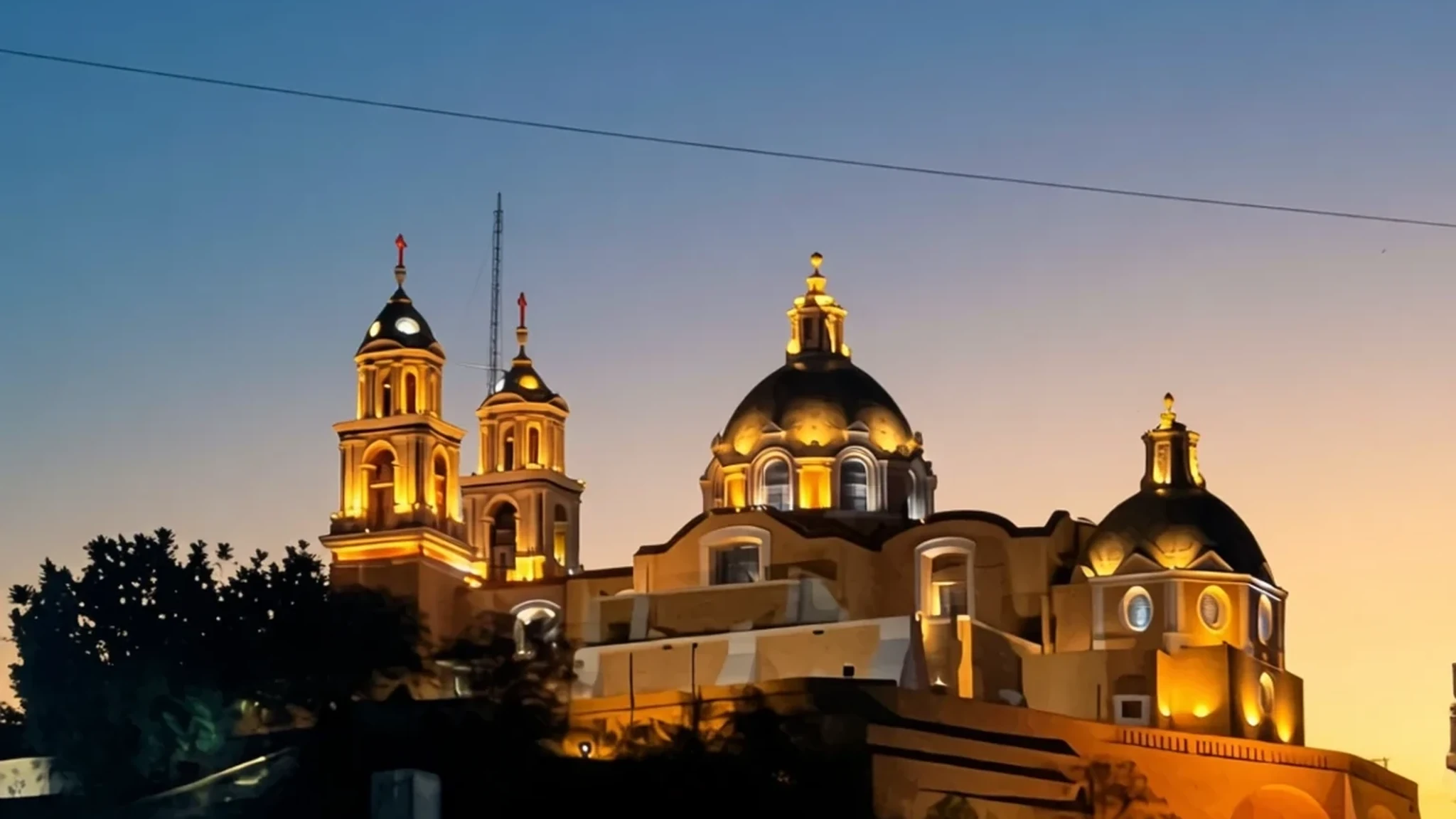
Visit Cholula to walk atop the largest pyramid structure by volume on Earth, crowned by a colonial church beneath towering volcanoes.
The place
Cholula sits within the high central valley of Mexico, framed by snow-covered mountain peaks that shape the horizon and define the region's climate. The surrounding landscape benefits from a network of perennial streams meeting local rivers, nurturing fertile wetlands that historically yielded abundant harvests of maize, chiles, and maguey. This agricultural wealth supported a thriving pre-Columbian trading hub that grew into an essential religious and urban centre of Mesoamerica. Beneath the modern streets lie layers of ancient foundations, crafted from clay-rich soils that also fostered a lasting local tradition of pottery and brick-making. Today, the ancient settlement merges seamlessly with surrounding neighbourhoods, where daily life unfolds against a backdrop of historic stone architecture and monumental earthworks. Visitors walk quiet archaeological paths or pause in shady plazas, absorbing an atmosphere shaped by millennia of continuous habitation, fertile valley agriculture, and the enduring presence of the surrounding highlands.
Its story
The history of Cholula spans centuries of gradual growth, evolving from a modest farming community into a sophisticated regional power. Initial settlements emerged during early formative periods along local lakeshores, where inhabitants cultivated the marshy margins and established permanent agrarian routines. As construction expanded through later epochs, builders raised successive layers of monumental platforms, culminating in the massive terraced core known to local Nahuatl speakers as Tlachihualtepetl. Unlike contemporaries that suffered violent falls, Cholula navigated shifting regional alliances and maintained its status as a sacred pilgrimage destination devoted to the worship of Quetzalcoatl. The arrival of Spanish forces in the sixteenth century brought profound disruption, culminating in conflict and the subsequent erection of Catholic shrines directly over ancient sacred sites. Despite colonial reordering, indigenous communities preserved essential cultural practices, ceramic skills, and agricultural patterns, ensuring that the legacy of the ancient city persisted beneath layers of subsequent architecture and changing political rule.
What to see
- The Great Pyramid and Templo de Nuestra Señora de los Remedios — Archaeological zone
Climb the terraced slopes of the massive ancient pyramid to reach the hilltop sanctuary built by Spanish colonial authorities. The sweeping stone staircases offer wide views across the valley towards neighbouring snow-capped volcanic peaks on clear days.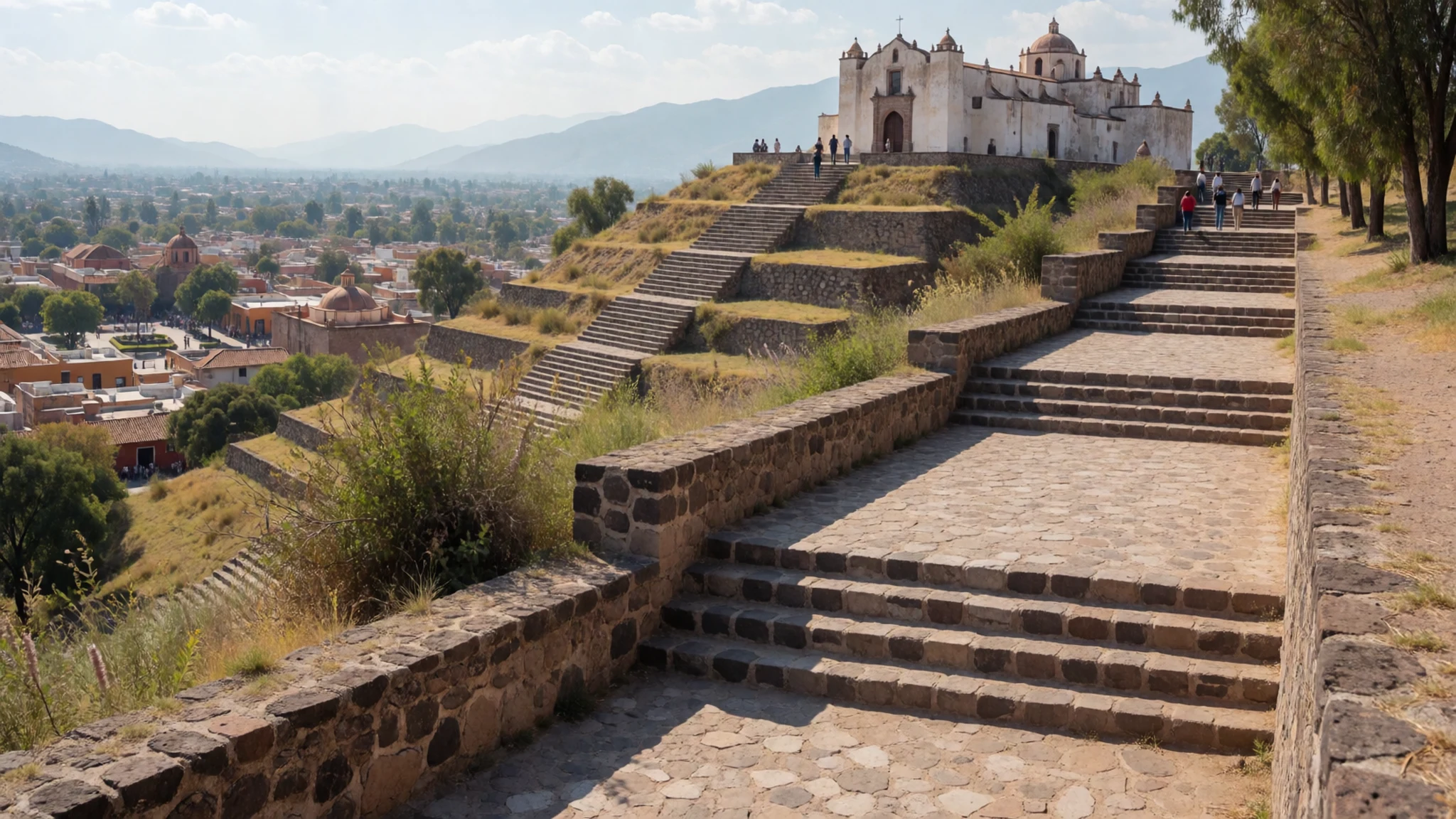
- Archaeological Tunnels — Pyramid base
Walk through the excavated tunnels that pierce the heart of the earthen pyramid. These narrow brick-lined corridors reveal cross-sections of older construction phases, ancient stucco floors, and the complex structural layering built by successive pre-Columbian generations over centuries.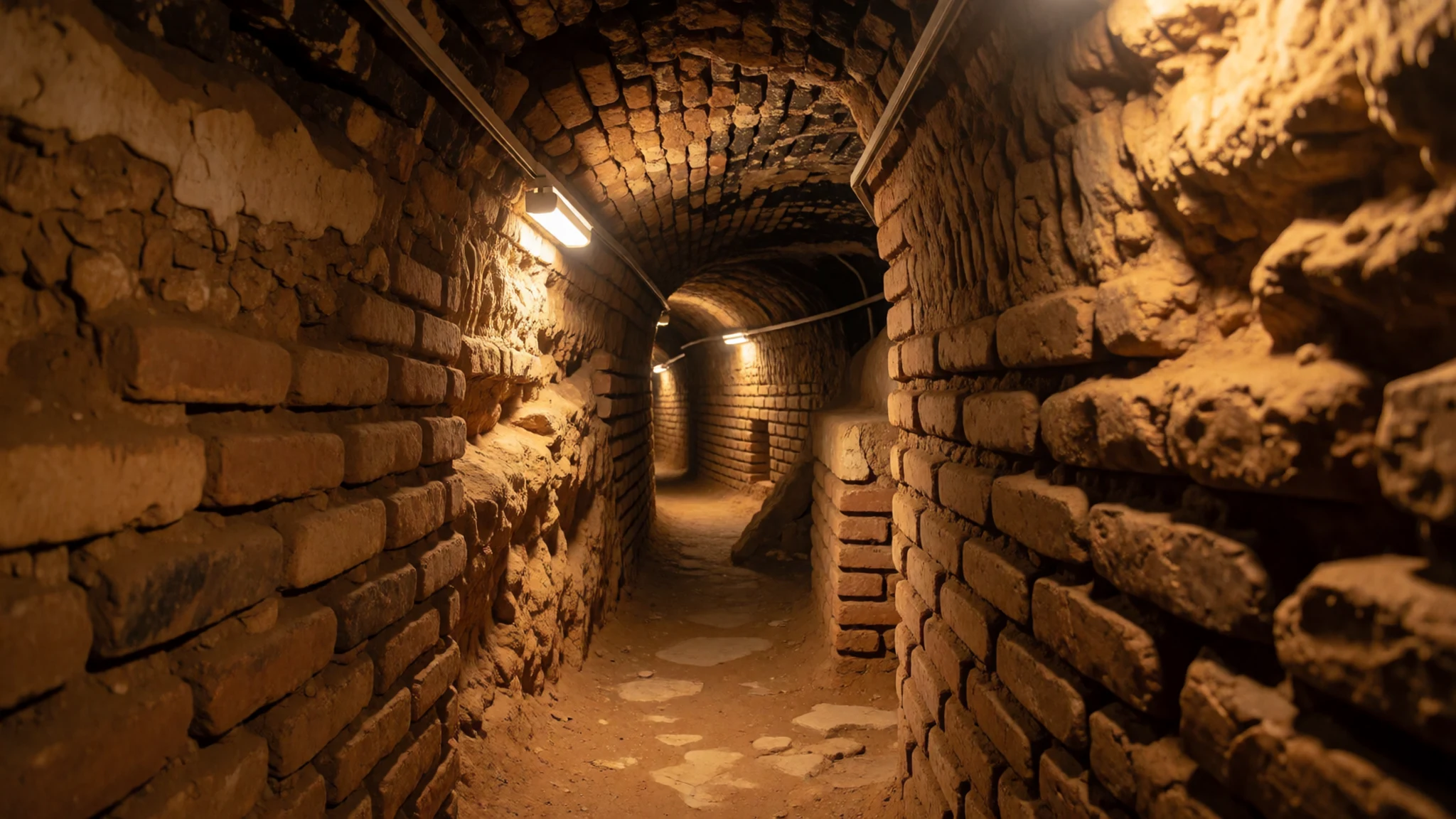
- Site Museum — Museum grounds
Explore the museum galleries situated near the archaeological zone to view a curated collection of pre-Columbian artefacts, stone carvings, and painted pottery jars. Displays illustrate the daily life, ritual practices, and ceramic crafting traditions of ancient Cholula's diverse inhabitants.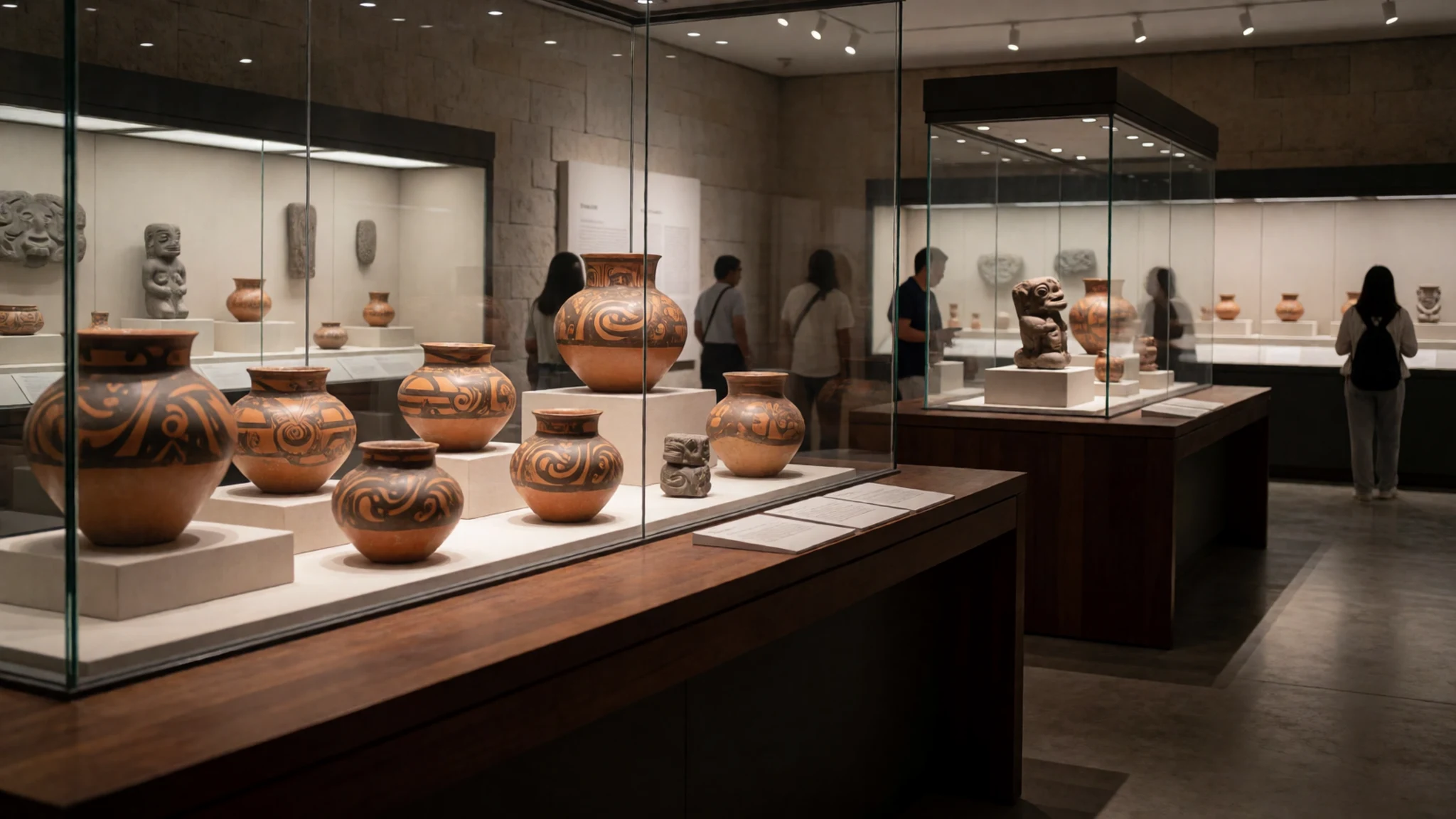
- Historic Downtown Plazas — Central district
Stander through traditional town squares surrounded by stone arcades, government buildings, and colonial churches constructed by indigenous artisans. Local street vendors and quiet park benches offer a window into the unhurried rhythm of contemporary neighbourhood life in the valley.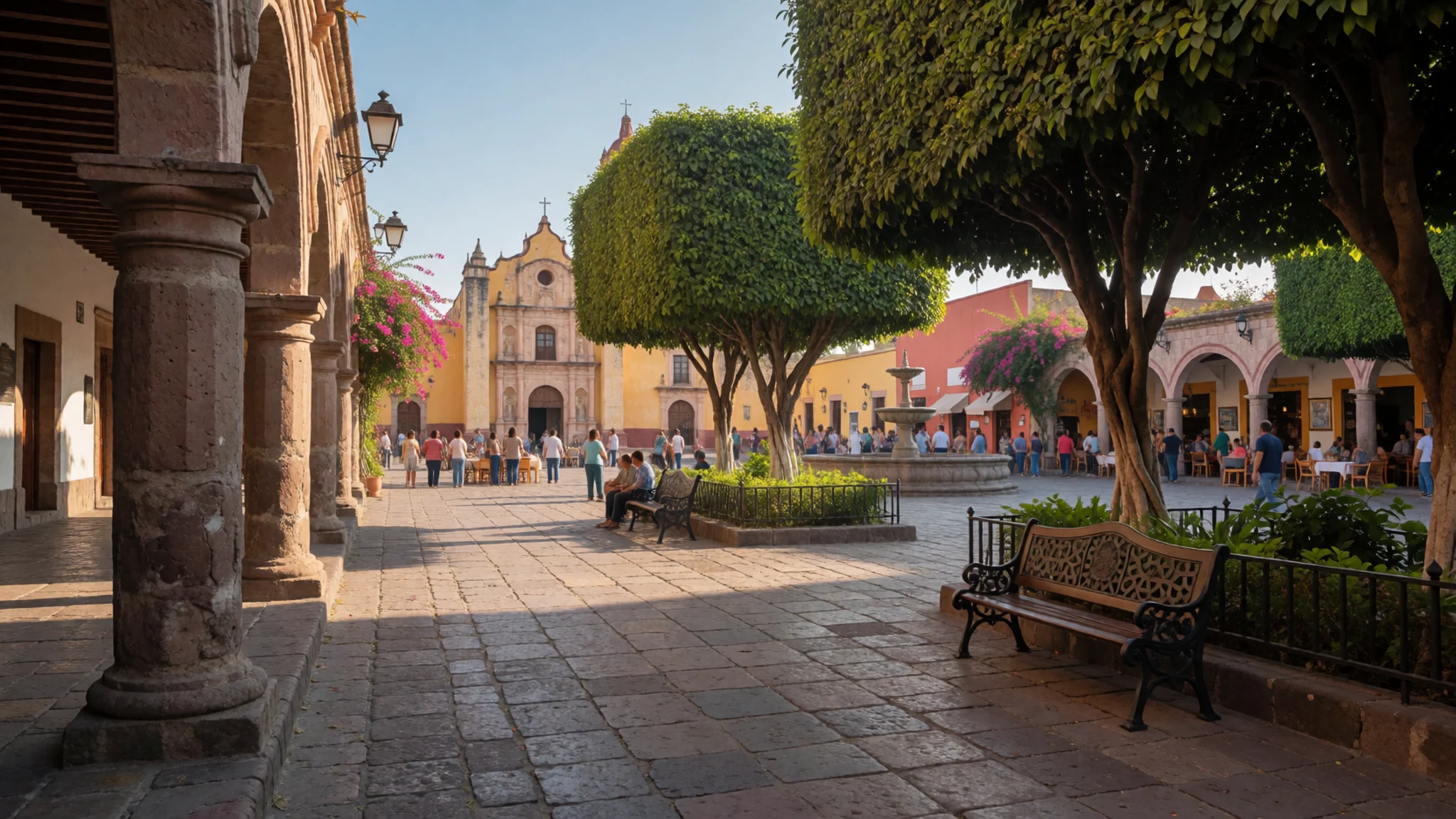
Culture
The cultural fabric of Cholula is woven from deep indigenous roots and centuries of shared colonial heritage, creating a community where traditional celebrations, language, and craftsmanship remain vital. Local artisans continue to work with the region's abundant clay, shaping pottery and glazed ceramics using techniques passed down through generations. Markets serve as vital social spaces where growers, weavers, and food vendors gather to exchange goods and converse in Spanish alongside regional languages. Festivities throughout the year honour patron saints and agricultural cycles with processions, music, and elaborate decorations made from seed mosaics and fresh flowers. Visitors are welcomed into this living heritage when they approach local customs with genuine respect and patience. Always ask permission before photographing local residents, traditional artisans, or ceremonies in neighbourhood plazas and sacred spaces.
What to wear
Traditional dress in the central Mexican highlands reflects a practical adaptation to mountain climates and agricultural work, featuring hand-woven cotton textiles, embroidered blouses, and warm wool wraps. Artisans often incorporate traditional floral motifs and geometric patterns that signal regional identity and ancestral craftsmanship. In everyday contemporary settings, residents dress in standard modern casual attire, including denim, comfortable footwear, and lightweight jackets suited for cooler evening mountain air. For travellers exploring Cholula, dressing in modest layers is recommended, especially when visiting local churches or participating in community events where conservative attire is appreciated. Sturdy walking shoes are essential for navigating uneven stone paths, unpaved archaeological trails, and the steep staircases leading up the pyramid summit. Sun protection, including a hat and sunglasses, is also practical for daytime exploration under the high-altitude sun.
What to eat
- Cemitas — Local markets and neighbourhood eateries
A traditional regional sandwich served on a crusty sesame-seed roll, generously layered with avocado, quesillo cheese, papalo leaves, chipotle chiles, and meats such as breaded beef or pork.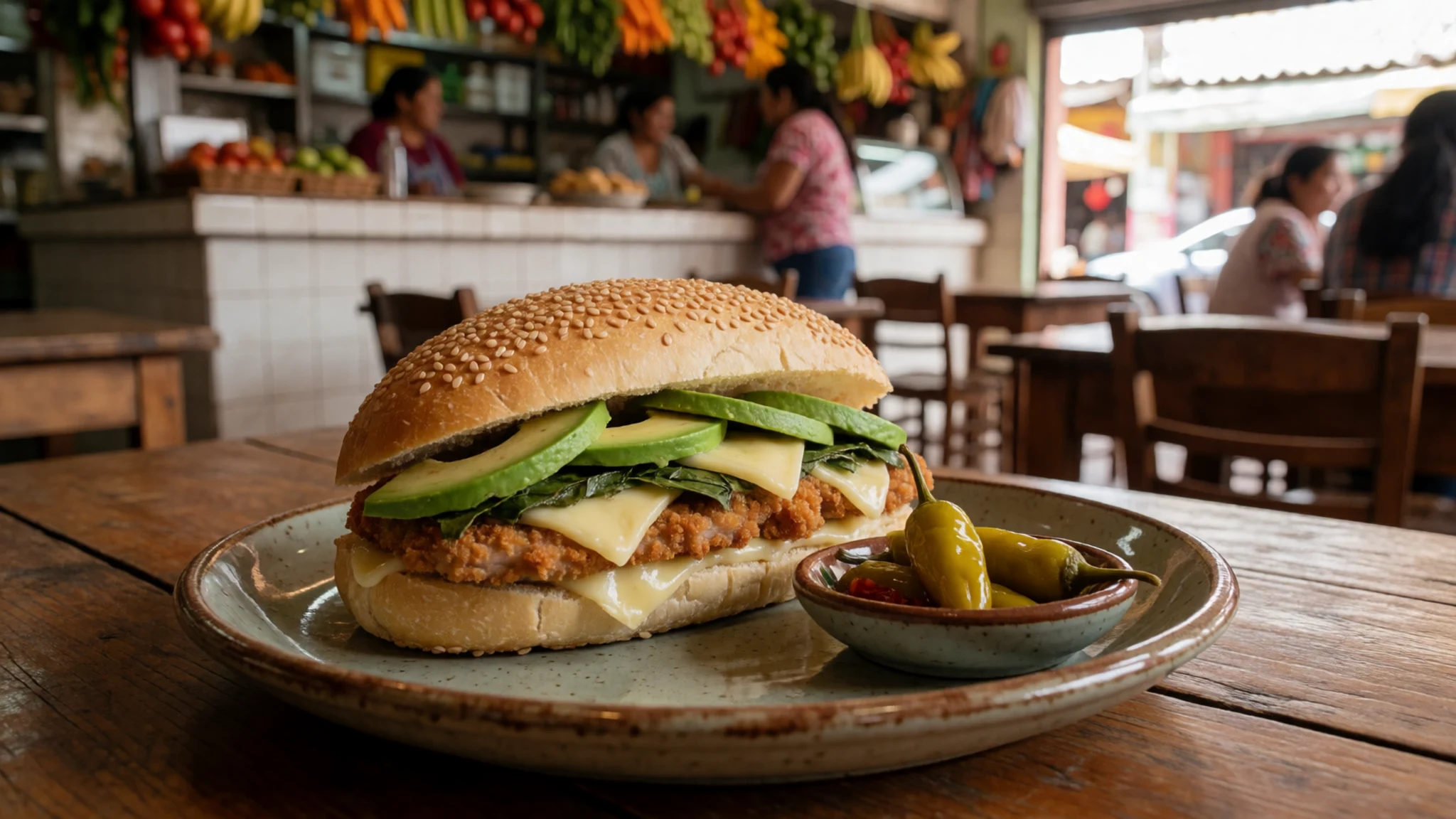
- Mole Poblano — Traditional kitchens and regional dining rooms
A complex, deeply flavoured savoury sauce combining dried chiles, spices, seeds, and Mexican chocolate, traditionally simmered and poured over chicken or pork with warm corn tortillas.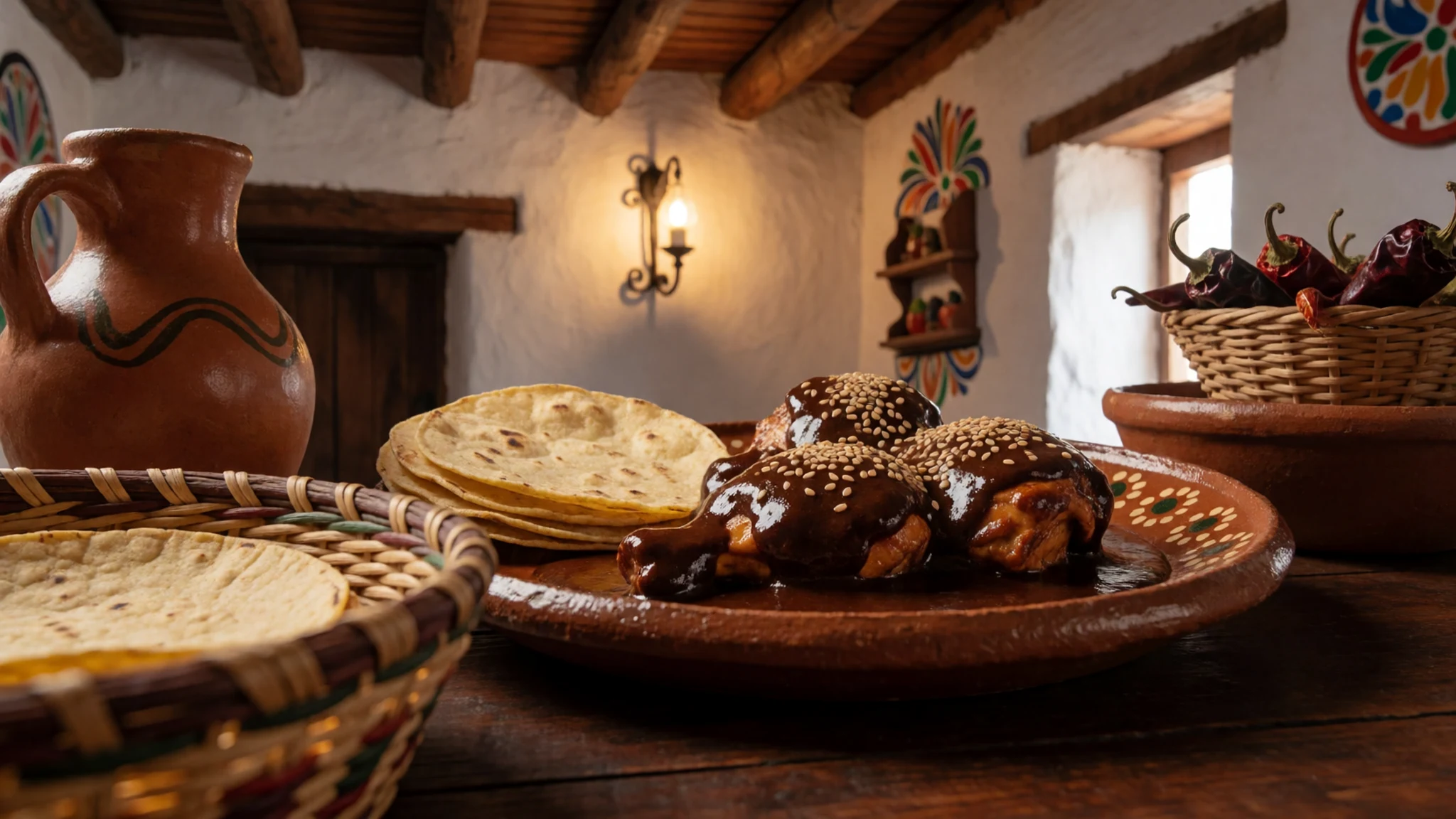
- Chalupas — Evening food stalls and market squares
Small, thick corn tortillas lightly fried in lard, then topped with shredded pork, diced onion, and bright green or red salsa made from local garden chiles. - Chileatole — Morning market stalls and street vendors
A warm, comforting traditional savoury beverage or broth thickened with fresh corn masa, spiced with ground chile peppers, epazote herbs, and kernels of sweet corn.
Plan it
Best time. March to April offers pleasant spring weather before summer rains begin, while October to November brings clear skies and comfortable temperatures following the rainy season.
How long. 2–3
Getting there. Fly into Puebla Airport (PBC) or Benito Juárez International Airport (MEX) in Mexico City, then take a direct long-distance bus to Puebla's CAPU terminal or local transit connections to Cholula.
Budget. mid
Tips
- Arrive at the archaeological zone early in the morning to beat the midday sun and tourist crowds.
- Wear sturdy walking shoes with good grip for climbing the steep stairs of the pyramid.
- Carry cash in smaller denominations for market stalls, craft vendors, and entry tickets.
- Drink bottled or filtered water rather than tap water throughout your stay.
- Allow time to adjust to the high altitude of the central Mexican highlands.
Etiquette
- Dress modestly with covered shoulders and knees when entering churches and sacred sites.
- Always ask permission before photographing local craftspeople or indigenous residents.
Nearby
Sources
- Wikidata Q7380613 (CC0)
- Wikipedia (rev 1380494718) (CC BY-SA 4.0)
- Wikivoyage (rev 5225949) (CC BY-SA 4.0)